
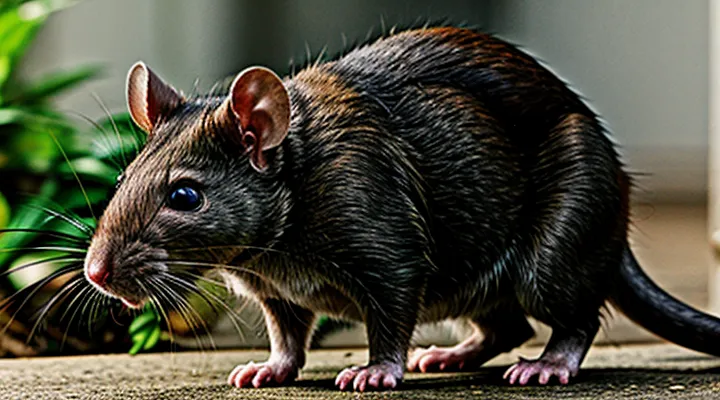
The Vulnerable Nature of Rats
Understanding Rat Psychology
Innate Fear Responses
Rats exhibit a suite of pre‑programmed reactions that activate when potential danger is detected. These responses arise from neural circuits that have evolved to maximize survival against common predators and environmental hazards.
Typical innate fear behaviors include:
- Rapid escape sprint triggered by sudden visual or auditory cues.
- Immediate freezing when a looming silhouette is perceived.
- Ultrasonic alarm calls emitted upon contact with a predator’s scent.
- Heightened vigilance manifested as continuous whisker scanning.
- Defensive biting reflex activated by direct tactile stimulation of vulnerable body regions.
The underlying mechanisms rely on the amygdala‑mediated threat detection pathway, which processes sensory input and coordinates motor output without prior learning. This architecture ensures that rats react swiftly to threats such as birds of prey, snakes, and domestic cats, thereby reducing exposure to lethal encounters.
Learned Avoidance Behaviors
Rats develop avoidance strategies after direct encounters or observation of predator cues. Such behaviors are not innate; they arise from associative learning that links specific stimuli—scent, sound, visual patterns—with danger.
Learning occurs through several pathways. Classical conditioning pairs predator odor or vocalizations with aversive outcomes, leading to rapid suppression of foraging in contaminated zones. Social transmission allows inexperienced individuals to adopt protective actions after witnessing conspecifics’ escape responses. Olfactory imprinting enables detection of predator-derived chemicals at minute concentrations, triggering immediate retreat.
Typical predator‑related threats and corresponding learned responses include:
- Owl calls → cessation of nocturnal activity, relocation to covered burrows.
- Snake scent → avoidance of low‑lying vegetation, preference for elevated pathways.
- Ferret fur odor → heightened vigilance, reduced exploratory range.
Research demonstrates that rats exposed repeatedly to predator cues retain avoidance for weeks, indicating long‑term memory consolidation. Experiments reveal that removal of the cue eliminates the behavior, confirming reliance on learned associations rather than permanent physiological changes.
Understanding these adaptive patterns informs humane pest‑control methods. Deploying predator odors or recorded calls can suppress rodent presence without lethal measures, exploiting the species’ capacity for rapid behavioral modification.
Natural Predators of Rats
Avian Predators
Owls
Owls represent a primary aerial threat to rats, combining silent flight with acute night vision to locate prey. Their powerful talons deliver a swift, lethal grip, while a sharp, hooked beak severs vital tissue. The combination of stealth and speed forces rats to modify foraging patterns, often reducing activity during dusk and seeking shelter in deeper burrows.
Key adaptations that enhance predation on rats include:
- Large, forward‑facing eyes that collect maximum light, enabling precise targeting in low‑light conditions.
- Asymmetrical ear placement that creates a three‑dimensional sound map, allowing detection of minute rustling.
- Feather structure that minimizes aerodynamic noise, preserving the element of surprise.
- Muscular legs capable of exerting force sufficient to immobilize rodents larger than the owl’s own body mass.
Behavioral responses observed in rat populations under owl pressure involve increased use of cover, heightened vigilance, and altered nesting sites. These changes diminish foraging efficiency and can affect reproductive success, reinforcing the owl’s role as an effective regulator of rat numbers.
Hawks and Falcons
Rats perceive hawks and falcons as immediate aerial threats. These raptors combine speed, keen eyesight, and agile flight to locate and capture small mammals from open fields, rooftops, and agricultural areas.
Key characteristics that increase danger for rats:
- Vision: acute binocular sight detects movement up to several hundred meters, allowing early identification of prey.
- Flight dynamics: rapid wingbeats and soaring enable sudden dives at speeds exceeding 80 km/h, reducing escape time.
- Talon morphology: sharp, curved claws deliver precise, lethal strikes, often targeting the torso or neck.
- Hunting strategies: ambush from perches, aerial pursuit over open terrain, and opportunistic attacks near human structures.
Presence of hawks and falcons influences rat behavior. Individuals adopt heightened vigilance, favoring covered routes, reduced foraging time, and increased use of burrows or subterranean pathways. Population-level effects include lower density in habitats with abundant raptor activity and altered spatial distribution toward dense vegetation or cluttered environments.
Overall, hawks and falcons constitute a primary predatory pressure that shapes rat survival tactics and habitat selection.
Eagles
Eagles are large raptors whose hunting range includes open fields, forest edges, and urban parks where rats frequently forage. Their aerial perspective allows detection of small mammals from several hundred meters away, enabling rapid interception of unsuspecting rodents.
Key adaptations facilitating rat predation:
- Acute vision with a focal length that resolves prey at distances exceeding 200 m.
- Muscular talons capable of delivering forces up to 1,000 N, sufficient to crush the vertebrae of adult rats.
- Flexible wing morphology that provides both soaring efficiency for energy‑conserving patrols and swift, low‑altitude dives for surprise attacks.
Hunting sequences typically begin with a high‑altitude glide, followed by a steep descent toward the target. Eagles seize rats with a grip that immobilizes the prey, then transport the carcass to a perch for consumption. Dietary analyses of golden and bald eagles frequently list rats among the top three mammalian prey items, indicating a consistent reliance on these rodents for protein.
Population impact studies show that eagle predation can reduce local rat numbers by 10–20 % during breeding seasons, contributing to natural regulation of rodent densities. In agricultural landscapes, this effect mitigates crop damage and disease transmission without human intervention. «Eagles account for up to 15 % of rat mortality in certain habitats», confirming their role as effective biological control agents.
Mammalian Predators
Cats
Rats perceive felines as a primary source of danger. The presence of a predator that can detect movement, sound, and scent from a distance forces rodents to adopt heightened vigilance and evasive behavior.
Sensory advantages enable felines to locate prey in complex environments:
- acute auditory perception detects high‑frequency squeaks and rustling
- low‑light vision reveals silhouettes against dim backgrounds
- whisker‑based tactile feedback discerns narrow passages and air currents
Hunting strategy relies on stealth and rapid acceleration. A feline first lowers its body, aligns with the target, then launches with a burst of speed, delivering a precise bite to the neck or torso. This method minimizes struggle and quickly incapacitates the prey.
Population effects are measurable. Areas with stable feline activity show reduced rodent densities, altered foraging routes, and increased use of elevated shelters. Rats consequently allocate more time to scanning for predators, which diminishes feeding efficiency.
Domestic and feral individuals differ in impact. Pet cats may limit activity to indoor spaces, while free‑roaming cats patrol broader territories, influencing outdoor rodent colonies. Both categories contribute to the overall pressure that rodents experience from feline predation.
Dogs
Dogs constitute a primary threat to rats because of their predatory instincts, acute olfactory abilities and rapid pursuit. Their scent detection range exceeds that of many other mammals, allowing them to locate rodent burrows and foraging tracks. When a dog approaches, rats experience heightened stress hormones, prompting immediate retreat or concealment.
Physical capabilities further increase danger. Muscular build enables swift bursts of speed, closing distances that rats cannot outrun. Sharp bite force delivers lethal injury in a single strike. Territorial behavior drives dogs to patrol perimeters, reducing opportunities for rats to explore new areas.
Key factors that make dogs effective rat deterrents are:
- Superior smell that identifies hidden nests
- High acceleration for short‑range chases
- Aggressive barking that alerts other canines and signals threat to rodents
- Instinctual drive to chase moving prey
Research confirms the impact: «Canine presence reduces rodent activity by up to 80 % in monitored environments». Consequently, employing trained dogs enhances biological control programs, limits infestation spread, and diminishes reliance on chemical agents.
Weasels and Stoats
Weasels (Mustela nivalis) and stoats (Mustela erminea) rank among the most effective natural enemies of rats. Their slender bodies, retractable claws, and powerful jaws enable rapid pursuit through burrows and dense vegetation. Acute hearing and a highly developed sense of smell locate concealed prey, while swift, precise strikes deliver fatal bites to the neck or spinal region.
Key characteristics that heighten the threat to rats:
- Length ≤ 30 cm, facilitating entry into narrow tunnels.
- Flexible spine allowing sudden directional changes during chase.
- Venom‑free saliva that quickly induces shock and immobilization.
- Seasonal coat change in stoats, providing camouflage in both winter snow and summer foliage.
Both species exhibit solitary hunting patterns, reducing competition and ensuring focused predation on individual rats. Their reproductive cycles produce multiple litters per year, sustaining predator pressure on rodent populations. In agricultural settings, the presence of weasels and stoats correlates with lowered rat densities, diminishing crop damage and disease transmission.
Human activities influence predator effectiveness. Habitat fragmentation and pesticide use diminish prey availability and may expose weasels and stoats to secondary poisoning. Conservation of hedgerows, stone walls, and unmanaged field margins supports their natural hunting grounds, preserving an ecological check on rat numbers.
«The weasel’s agility makes it a formidable rat predator», a statement echoed in numerous field studies, underscores the critical role these mustelids play in controlling rodent threats without direct human intervention.
Foxes
Foxes act as efficient predators of rats, influencing rodent populations across urban, agricultural, and wild landscapes. Their adaptability enables pursuit of prey in diverse habitats, from field margins to city parks.
Hunting relies on acute olfactory detection, allowing foxes to locate concealed rodents beneath litter or soil. Vision optimized for low‑light conditions supports nocturnal activity, while swift, precise bites deliver lethal force to the small mammal’s neck. These tactics combine to reduce rat survivorship during peak activity periods.
Presence of foxes triggers behavioral modifications in rats. Individuals shift foraging to safer zones, increase vigilance, and limit movement during twilight hours. Such adjustments lower exposure to predation but may restrict access to high‑quality food sources, affecting overall health and reproductive output.
Key attributes of fox predation on rats:
- Strong scent detection enabling identification of hidden prey.
- Night‑adapted eyesight facilitating hunts after dark.
- Rapid acceleration and agility for short‑range chases.
- Powerful jaw structure delivering fatal bites.
- Territorial habits that create predator‑free corridors for rats, compelling them to navigate riskier routes.
Snakes
Snakes represent a primary natural danger for rats, employing a combination of sensory acuity and lethal mechanisms that compel rats to treat them as high‑risk predators.
Common rat‑targeting snakes include rattlesnakes, which possess infrared‑sensing pits to locate warm‑blooded prey; various colubrid species such as the brown rat snake, which rely on swift strikes and mild venom; and large constrictors like boa constrictors, which subdue rats through powerful coils. Each species adapts its hunting technique to the environment, ensuring effective capture of small mammals.
Hunting strategies focus on stealth and rapid immobilization. Infrared pits detect temperature differentials, allowing snakes to strike from concealed positions. Venomous bites introduce neurotoxins that quickly incapacitate prey, while constriction applies sustained pressure that disrupts circulatory function. These methods minimize struggle and reduce the chance of escape.
The presence of snakes induces measurable changes in rat behavior. Rats exhibit heightened vigilance, reduced surface activity, and increased use of burrows and complex refuges. Such alterations limit foraging efficiency and influence population dynamics.
Key snake attributes that intensify threat to rats:
- Infrared detection systems enabling night‑time predation
- Venom composition causing rapid paralysis
- Muscular constriction delivering lethal force within seconds
- Camouflaged coloration facilitating ambush
Collectively, these characteristics establish snakes as formidable predators that shape rat survival strategies and habitat utilization.
Other Less Common Predators
Large Fish
Large fish constitute a significant natural threat to rodents that venture near water bodies. Species such as the northern pike, largemouth bass, and catfish possess powerful jaws and rapid strike capability, enabling them to capture and ingest small mammals that swim or fall into their habitat. Their predatory behavior is driven by opportunistic feeding patterns; when a rat enters shallow water to drink or escape heat, the fish can detect the movement through lateral line sensors and execute a swift ambush.
Key characteristics that increase the danger to rats include:
- Size exceeding 30 cm, providing sufficient mouth gape to engulf a rodent.
- Strong, torpedo‑shaped bodies that allow rapid acceleration from a stationary position.
- Acute sensory systems detecting vibrations and low‑frequency sounds generated by struggling prey.
The presence of these aquatic predators influences rat foraging strategies, limiting activity to dry banks and prompting avoidance of water sources where large fish are abundant. Consequently, large fish serve as an effective biological control factor within riparian ecosystems.
Humans (Pest Control)
Rats perceive humans as a primary source of danger because of deliberate actions aimed at eliminating them. Direct confrontation includes the use of snap traps, live‑catch cages, and electronic devices that deliver fatal shocks. These tools rely on quick, lethal force that exploits the rat’s instinct to flee from sudden movements and unfamiliar objects.
Chemical control adds another layer of threat. Rodenticides, applied as pellets, blocks, or bait stations, release anticoagulant compounds that cause internal bleeding. The delayed onset of symptoms prevents rats from associating the poison with the immediate cause, reinforcing the perception of an unseen, pervasive hazard.
Environmental manipulation further reduces rat survival chances. Sealing entry points, removing food sources, and maintaining clutter‑free spaces deprive rodents of shelter and sustenance. Such preventive measures create an inhospitable landscape, encouraging rats to abandon territories that become increasingly hostile.
Key human‑driven pest‑control tactics:
- Snap and electronic traps that deliver instant death or incapacitation.
- Anticoagulant and non‑anticoagulant rodenticides placed in secured bait stations.
- Structural exclusion: sealing gaps, installing door sweeps, and reinforcing building envelopes.
- Sanitation protocols: regular waste removal, secure food storage, and elimination of standing water.
Collectively, these strategies generate a multifaceted threat environment. Rats learn to associate human presence with lethal outcomes, heightened stress, and loss of resources, reinforcing avoidance behavior and confirming humans as a dominant predator in their risk assessment.
Non-Predatory Threats to Rat Populations
Environmental Hazards
Habitat Destruction
Habitat destruction eliminates the structures rats use for shelter, nesting, and foraging. When vegetation, underground burrows, or debris are removed, rats lose the physical barriers that conceal them from predators.
The loss of cover forces rats to travel across open ground, heightening exposure to aerial hunters such as owls and hawks, as well as terrestrial predators including snakes and feral cats. Reduced access to safe nesting sites also disrupts breeding cycles, leading to lower reproductive success and heightened vulnerability during juvenile development.
Key outcomes of habitat degradation include:
- Increased frequency of predator encounters due to reduced hiding places.
- Elevated stress levels that impair immune function and reduce lifespan.
- Decline in population density as individuals relocate to marginal habitats with higher competition.
- Greater reliance on human‑provided food sources, which may attract additional threats such as domestic animals and pest control measures.
Extreme Weather Conditions
Rats experience heightened stress when exposed to severe climatic events. Floods submerge burrows, forcing individuals to surface where predators have increased access. Drought eliminates water sources, prompting rodents to travel farther in search of hydration, thereby exposing them to open terrain and aerial hunters. Heat waves raise ambient temperatures above the optimal thermoregulatory range, leading to dehydration and reduced foraging efficiency; prolonged exposure may cause mortality in nests lacking ventilation. Sudden cold snaps drop temperatures below the threshold for metabolic maintenance, resulting in hypothermia unless rats can locate insulated shelters.
Key impacts of extreme weather on rodent vulnerability:
- Habitat disruption: burrow collapse or drying renders traditional refuges unusable.
- Food scarcity: precipitation extremes diminish seed and insect populations that constitute primary diet components.
- Predator encounter rate: displaced rats encounter increased numbers of owls, snakes, and feral cats seeking easy prey.
- Reproductive suppression: stress hormones released during adverse conditions inhibit breeding cycles, reducing population turnover.
Adaptation strategies observed in rat populations include constructing deeper burrows, utilizing human-made structures for shelter, and altering activity periods to avoid peak predator activity. Nevertheless, the intensity and frequency of modern climatic anomalies continue to elevate mortality risk for these mammals.
Flooding
Flooding constitutes a direct environmental threat to rats, disrupting the subterranean habitats they depend on for shelter and foraging. Water saturation collapses burrows, forces individuals to the surface, and eliminates safe nesting sites.
The immediate consequences of inundation include:
- Loss of underground refuge, compelling rats to occupy exposed terrain.
- Heightened vulnerability to aerial and terrestrial predators that exploit the open environment.
- Diminished access to stored food caches, leading to increased competition for scarce resources.
- Elevated risk of drowning, particularly for juveniles lacking strong swimming ability.
Behavioral adaptations to sudden water rise are evident. Rats rapidly relocate to elevated structures such as building attics, drainage pipes, and raised platforms. They construct nests above ground level, reinforce entry points to prevent water ingress, and increase nocturnal activity to avoid daylight predators that are more active during flood conditions.
Urban drainage systems and natural floodplains influence rat populations. Efficient runoff reduces prolonged water accumulation, limiting the duration of habitat loss. Conversely, poorly managed drainage creates persistent wet zones that temporarily suppress rat numbers but may later support rapid recolonization once water recedes.
«Rats avoid waterlogged areas», a documented observation, underscores the aversion rats exhibit toward flooding. This aversion shapes their distribution, drives movement patterns, and interacts with other threats within their ecological niche.
Disease and Parasites
Common Rat Diseases
Rats are vectors for numerous pathogens that affect both their own populations and human environments. Disease prevalence influences survival rates, reproductive success, and the likelihood of human‑rat conflict.
Common rat diseases include:
- Leptospirosis – bacterial infection transmitted through urine; can cause renal failure and liver damage.
- Hantavirus pulmonary syndrome – viral illness spread by aerosolized droppings; leads to severe respiratory distress.
- Salmonellosis – bacterial gastroenteritis; results in diarrhea, fever, and possible septicemia.
- Plague – caused by Yersinia pestis; manifests as bubonic, septicemic, or pneumonic forms, often fatal without treatment.
- Rat bite fever – bacterial infection (Streptobacillus moniliformis or Spirillum minus) following bites; produces fever, rash, and arthritic pain.
- Lymphocytic choriomeningitis virus (LCMV) – viral infection; may cause meningitis, encephalitis, or asymptomatic carriage.
- Tularemia – bacterial disease (Francisella tularensis) acquired through contaminated food or water; characterized by fever and ulcerative lesions.
These illnesses compromise rat health, reduce population density, and increase the risk of zoonotic transmission to humans and domestic animals. Effective control measures focus on sanitation, rodent exclusion, and targeted pest management to limit disease spread.
Impact of Parasitic Infestations
Parasitic infestations constitute a direct biological threat that shapes rat behavior and survival. Heavy parasite loads trigger physiological stress, impair immune function, and diminish overall vigor.
- Increased metabolic demand reduces energy available for escape and exploration.
- Damage to gastrointestinal tissue lowers nutrient absorption, leading to weight loss.
- Reproductive output declines as egg production is suppressed.
- Neurological effects of certain parasites, such as «Toxoplasma gondii», alter risk‑assessment circuits, making rats more prone to exposure to predators.
The presence of parasites also influences population dynamics. Elevated mortality rates from infestation lower local density, which can reduce competition but simultaneously raise the probability of encounters with predators attracted to weakened individuals. Parasite‑induced lethargy and impaired sensory perception heighten vulnerability during foraging and nesting activities.
Moreover, parasites serve as vectors for zoonotic agents, linking rat health to broader ecosystem health. High infestation levels increase the likelihood of pathogen spillover to other species, including humans, thereby reinforcing the selective pressure of fear‑inducing threats within rat communities.
Competition and Intra-Species Conflicts
Territorial Disputes
Rats maintain strict home ranges, and any intrusion triggers aggressive encounters. When an outsider breaches a familiar area, the resident rat initiates a series of defensive behaviors—chasing, vocalizations, and rapid grooming—to reassert dominance. These actions serve as immediate deterrents, reducing the likelihood of prolonged conflict.
Territorial disputes generate several risks that heighten rats’ overall anxiety:
- Increased exposure to predators attracted by the commotion.
- Elevated stress hormones, which suppress immune function.
- Higher probability of injury from bites or scratches.
- Disruption of foraging patterns, leading to temporary food scarcity.
Research indicates that the presence of multiple colonies within a limited habitat amplifies the frequency of such clashes. Overcrowded environments force rats to compete for nesting sites, prompting more frequent boundary patrols and confrontations.
Mitigation strategies focus on habitat management: reducing habitat fragmentation, providing ample nesting resources, and limiting population density. By minimizing overlap of individual ranges, the incidence of territorial aggression—and the associated threats—declines sharply. «Effective spatial planning curtails conflict and enhances survival prospects».
Cannibalism Among Rats
Cannibalism in rats emerges primarily under conditions of limited resources, high population density, and environmental stress. When food supplies dwindle, dominant individuals may attack and consume weaker conspecifics, securing immediate nutrition while reducing competition. Overcrowding intensifies aggression, leading to bite wounds that often become entry points for pathogens, thereby elevating disease risk within the colony.
Key factors that trigger intra‑species predation include:
- Severe protein deficiency or sudden food scarcity.
- Persistent exposure to cold, humidity, or inadequate shelter.
- Chronic social hierarchy disruptions caused by rapid population turnover.
Physiological consequences extend beyond immediate caloric gain. Bite wounds introduce bacteria such as Streptococcus and Staphylococcus, facilitating systemic infections. Stress hormones rise, suppressing immune function and accelerating mortality rates. Moreover, cannibalistic behavior can alter genetic diversity, as dominant survivors propagate traits associated with aggression and resource monopolization.
Management strategies focus on environmental control and nutrition optimization. Maintaining adequate space per individual, providing balanced diets rich in protein, and ensuring stable temperature and humidity levels reduce the incidence of lethal aggression. Regular health monitoring detects early signs of wound‑related infections, allowing timely intervention.
Understanding cannibalism as a natural threat within rat populations clarifies its role in shaping survival dynamics and informs humane pest‑control practices that minimize suffering while addressing the broader concerns of predation and hazard avoidance.
Rat Defense Mechanisms and Adaptations
Evasion and Concealment
Burrowing Habits
Rats construct extensive burrow systems to evade a range of predators and environmental hazards. Underground chambers provide concealment from birds of prey, snakes, and terrestrial mammals that hunt by sight or scent. The architecture of a burrow—multiple entrances, vertical shafts, and nesting chambers—creates escape routes and reduces the likelihood of a single predator gaining access.
Key characteristics of rat burrowing behavior include:
- Depth of 30–150 cm, sufficient to avoid surface temperature fluctuations and the reach of larger carnivores.
- Network of tunnels averaging 1–3 m in length, allowing rapid movement away from detected threats.
- Inclusion of side chambers for food storage, decreasing the need to surface for foraging.
- Regular maintenance of tunnel walls to prevent collapse, preserving structural integrity under predator pressure.
Burrow placement reflects risk assessment: colonies favor loose, well‑drained soils that are easy to excavate yet difficult for predators to navigate. Proximity to vegetation offers additional cover and a steady supply of organic material for nest building. Seasonal adjustments—deeper tunnels in winter, shallower in summer—align with changes in predator activity and climate conditions.
Overall, burrowing serves as a primary defensive strategy, reducing exposure to visual and olfactory detection while providing a controlled microenvironment that mitigates the impact of natural enemies.
Nocturnal Activity
Rats display peak locomotor activity during the dark phase, typically between 1900 and 0300 hours. This nocturnal schedule aligns with the activity periods of many natural predators, thereby shaping defensive behaviors.
During nighttime, rats rely on enhanced tactile and auditory senses. Whisker vibrations detect obstacles and approaching threats, while low‑frequency hearing discerns predator rustle and wingbeats. Visual acuity remains limited, prompting avoidance of illuminated areas where predators can more easily spot movement.
Key nocturnal threats include:
- Owls: silent flight and acute night vision enable rapid strikes on ground‑level rodents.
- Snakes: heat‑sensing pits locate warm‑blooded prey in low light, often ambushing near burrow entrances.
- Feral cats: crepuscular to nocturnal hunting patterns exploit rat activity windows.
- Human‑set traps: baited devices operate continuously, with night‑time placement increasing capture probability.
- Artificial lighting: streetlights create illuminated corridors that attract predators and expose rats to visual detection.
Nocturnal habits reduce exposure by confining movement to concealed pathways, burrows, and dense vegetation. Rats preferentially travel along walls and under debris, minimizing silhouette visibility. Temporal avoidance of peak predator activity periods further lowers encounter rates.
Understanding these night‑time dynamics informs effective pest‑management strategies, emphasizing timing of control measures to coincide with periods of heightened rat vulnerability.
Reproductive Strategies
Rapid Breeding Cycles
Rapid breeding cycles enable rat populations to recover quickly after losses caused by predation. A single female can produce up to six litters per year, each containing an average of eight offspring. This high reproductive output sustains numbers even when predators remove a substantial proportion of individuals.
The speed of generational turnover shortens the interval between predator encounters and the appearance of new, naïve individuals. Newborn rats lack experience with predators, increasing their susceptibility during the first weeks of life. Consequently, predation pressure can exert a cyclical effect: high mortality triggers a surge in births, which in turn supplies fresh targets for predators.
Key implications of fast reproduction include:
- Elevated turnover amplifies the likelihood of encountering novel threats, such as introduced carnivores or chemical controls.
- Population bursts can overwhelm local ecosystems, prompting predators to expand their hunting range.
- Genetic diversity may decline if predator selection consistently removes the most vigilant individuals, reducing the overall adaptive capacity of the colony.
Understanding these dynamics clarifies why rapid breeding cycles represent both a resilience mechanism and a vulnerability factor for rats facing natural enemies and anthropogenic hazards.
High Litter Sizes
Rats commonly produce litters of eight to twelve offspring, with some species reaching up to twenty individuals per birth. The reproductive strategy emphasizes rapid population growth, allowing individuals to offset elevated mortality rates.
Large litters generate increased olfactory and auditory cues that attract carnivorous mammals, birds of prey, and reptilian hunters. The concentration of newborns amplifies nest scent, while the movement of numerous pups produces detectable vibrations, both of which facilitate predator localization.
The high reproductive output functions as a demographic buffer. While each litter faces heightened predation pressure, the sheer number of offspring ensures that a proportion survives to maturity, sustaining the population despite continual losses.
Effective control measures concentrate on periods when females are most fertile. Interventions that reduce nest accessibility or disrupt breeding cycles diminish litter size, thereby decreasing the attractant signals that predators exploit.
Sensory Acuity
Enhanced Hearing
Rats possess an auditory system capable of detecting frequencies far beyond human range, extending to approximately 90 kHz. This heightened sensitivity enables the perception of ultrasonic emissions produced by many predators and conspecific alarm calls.
- Owls emit high‑frequency wing beats and low‑intensity clicks that fall within the rat’s detection window.
- Snakes generate faint rustling vibrations and subtle hissing sounds, often accompanied by ultrasonic components.
- Domestic cats produce rapid, high‑pitched mews and pre‑pounce footfalls that trigger immediate auditory vigilance.
When an approaching threat generates sounds in the ultrasonic spectrum, rats respond with rapid escape maneuvers, freezing, or seeking shelter. The speed of auditory processing reduces reaction time to fractions of a second, providing a decisive advantage over visual cues that may be obstructed in low‑light environments.
Anthropogenic noise, particularly broadband urban sounds, can mask predator‑related ultrasonic cues. Persistent background frequencies diminish the contrast between threat signals and ambient sound, potentially delaying defensive responses.
Enhanced hearing therefore constitutes a primary sensory defense, allowing rats to identify and evade predators despite environmental challenges. «Rats can detect ultrasonic frequencies up to 90 kHz», a capability documented in multiple neurophysiological studies, underpins this survival mechanism.
Olfactory Sensitivity
Rats possess an exceptionally acute sense of smell, allowing detection of minute chemical cues that signal danger. The olfactory epithelium contains millions of receptor neurons, each capable of responding to volatile compounds at sub‑nanomolar concentrations. This physiological arrangement translates trace odors into rapid neural signals that drive survival‑oriented behavior.
Predator‑related odors that trigger avoidance in rats include:
- Mustelid scent (e.g., ferret or mink musk)
- Avian raptor feather oils
- Felid urine or glandular secretions
- Snake skin lipids
- Human foot perspiration, especially when combined with sweat‑derived lactic acid
«Rats detect predator odor at concentrations as low as 10⁻¹² M», demonstrating the extreme sensitivity of their chemosensory system. Exposure to any of the listed cues elicits immediate behavioral responses such as retreat, freezing, or emission of alarm vocalizations. The response latency is typically measured in milliseconds, underscoring the direct link between olfactory input and motor output.
Understanding this sensory capability informs pest‑control strategies that employ synthetic predator odors to repel rodents from targeted areas. Precise formulation of odor blends, calibrated to match natural predator signatures, can achieve effective deterrence without reliance on toxic chemicals.
Vibrissae (Whiskers) for Navigation
Vibrissae constitute a highly specialized tactile system that enables rats to construct precise spatial maps while moving through complex environments. Each whisker is anchored in a deep follicle rich in mechanoreceptors, providing rapid transmission of mechanical deflections to the trigeminal nuclei.
Active whisking generates rhythmic forward‑backward motions that probe the surrounding air column. Deflection patterns convey distance, texture, and shape of nearby objects, allowing the animal to adjust its trajectory without visual input. This capability supports navigation in narrow burrows, cluttered surfaces, and low‑light conditions.
Detection of predator‑related cues relies on the same mechanosensory pathway. Subtle air currents produced by an approaching predator alter whisker position, triggering immediate reflexive withdrawal. Vibrissae also sense vibrations transmitted through substrates, revealing the presence of larger mammals or avian hunters moving overhead.
Key functions of rat whiskers include:
- Real‑time obstacle detection and avoidance
- Generation of three‑dimensional environmental representations
- Rapid response to airflow disturbances indicative of threats
- Integration with motor circuits to coordinate escape maneuvers
Collectively, vibrissae provide an indispensable sensory interface that transforms mechanical stimuli into actionable information, underpinning both efficient locomotion and survival against natural adversaries.
The Role of Humans in Rat Fear
Pest Control Measures
Trapping Techniques
Rats respond to danger through acute senses of smell, hearing, and touch; effective capture methods exploit these sensitivities.
Snap traps rely on rapid mechanical action triggered by a pressure plate. Position devices along established runways, near walls, and behind objects where rodents travel. Bait with high‑protein foods such as peanut butter or dried meat enhances attraction.
Live‑catch traps consist of a concealed chamber that closes when the animal enters. Use smooth interior surfaces to prevent injury and include a release point away from populated areas. Add a few drops of predator urine or synthetic ferret scent to increase the perceived threat and encourage entry.
Glue boards immobilize by adhering to the paws. Deploy on flat surfaces adjacent to hiding spots. Apply a thin layer of attractant oil to draw rats onto the adhesive.
Electronic traps deliver a high‑frequency shock upon contact. Place them in dark corners where rodents seek shelter. Ensure a power source is reliable to maintain consistent operation.
Ultrasonic repellents emit frequencies above human hearing that cause discomfort. Install units near entry points and along walls; combine with physical traps for a layered approach.
Key considerations for all methods:
- Secure placement to prevent accidental activation by non‑target species.
- Regular inspection to remove captured animals and reset mechanisms.
- Rotation of bait types to avoid habituation.
- Integration of predator‑derived scents to heighten perceived risk.
By aligning trap design with the natural aversions of rats, control programs achieve higher capture rates while minimizing unnecessary exposure to non‑target wildlife.
Baits and Rodenticides
Baits and rodenticides constitute a primary chemical strategy for managing rat populations that encounter natural predators and environmental hazards. Formulations typically combine an attractant matrix with an active toxicant, delivering lethal doses upon ingestion. Anticoagulant compounds, such as bromadiolone and difenacoum, disrupt blood clotting mechanisms, causing internal hemorrhage. Acute toxicants, including zinc phosphide, release phosphine gas in the stomach, leading to rapid respiratory failure.
Effectiveness depends on palatability, placement, and resistance management. Rotating active ingredients mitigates the development of genetic tolerance, while strategic deployment in concealed stations reduces access by non‑target species. Monitoring bait consumption rates and post‑mortem examinations confirms impact on target rodents.
Safety considerations address potential secondary poisoning and environmental contamination. Encapsulation technologies limit bait exposure to rats, and biodegradable carriers reduce residual soil accumulation. Regulatory guidelines prescribe minimum distances from water sources, food preparation areas, and wildlife habitats to protect ecosystems.
Key operational points:
- Select bait type aligned with local rat behavior and food preferences.
- Implement a rotation schedule for active ingredients to prevent resistance.
- Position stations in concealed, rat‑active zones while maintaining compliance with distance restrictions.
- Conduct regular efficacy assessments and adjust dosage according to observed mortality.
Integration of chemical control with habitat modification and predator encouragement creates a comprehensive approach, reducing reliance on any single method and enhancing overall pest suppression.
Integrated Pest Management
Integrated Pest Management (IPM) provides a structured framework for reducing rat populations by exploiting the species’ innate aversion to predators and hostile environments. The approach combines scientific monitoring with targeted interventions, thereby minimizing reliance on broad‑spectrum rodenticides.
Key components of a rat‑focused IPM program include:
- Regular surveillance to identify activity hotspots and assess population density.
- Habitat modification that eliminates shelter, food sources, and nesting sites.
- Mechanical barriers such as sealed entry points and traps positioned in high‑traffic zones.
- Biological controls that encourage or introduce natural enemies, including owls, hawks, and predatory mammals.
- Judicious chemical use, limited to spot treatments when non‑chemical measures prove insufficient.
Biological control leverages the fear response rats exhibit toward aerial and terrestrial predators. Installing perches for raptors, maintaining open fields to discourage concealment, and preserving habitats for feral cats create continuous threat cues that deter colonization. These measures integrate seamlessly with sanitation efforts, reducing attractants that would otherwise offset predator pressure.
Environmental manipulation further amplifies threat perception. Elevated lighting, vibration devices, and ultrasonic emitters generate discomfort, prompting rats to vacate treated areas. When combined with rigorous waste management, the overall habitat becomes inhospitable, leading to population decline without extensive chemical application.
The IPM model delivers sustainable rat management by aligning predator‑induced fear with practical control tactics, ensuring long‑term efficacy while protecting non‑target species and human health.
Urbanization and Habitat Alteration
Impact of Waste Management
Effective waste management directly influences the risk environment for urban rodents. When refuse is improperly stored, abundant food residues create predictable foraging zones that attract rats and concentrate their activity. This aggregation simplifies detection by natural predators such as owls, hawks, and feral cats, heightening predation pressure.
Conversely, systematic collection and rapid removal of waste diminish accessible food caches. Rats respond by expanding their search radius, often seeking concealed habitats in sewers, abandoned structures, or dense vegetation. These alternative sites reduce visibility to aerial and ground predators, thereby lowering immediate threat levels.
The interplay between refuse practices and predator dynamics yields several measurable outcomes:
- Reduced food availability accelerates weight loss and reproductive suppression in rodent populations.
- Dispersed foraging patterns increase travel distances, elevating energy expenditure and exposure to secondary hazards (e.g., traffic).
- Decline in surface activity lessens encounters with diurnal predators, while nocturnal predation may shift toward more specialized hunters.
- Community-wide waste protocols can suppress population growth, indirectly supporting predator stability by limiting prey abundance spikes.
Overall, disciplined waste handling reshapes the ecological balance, diminishing attractant hotspots and modifying the predator‑prey interface that governs rodent survival.
Availability of Shelter and Food Sources
Rats respond strongly to the presence or absence of secure hideouts and reliable nourishment. Limited shelter forces individuals into open areas where visual and olfactory cues from predators become more apparent, increasing stress levels and reducing foraging efficiency. Consistent access to concealed burrows, crevices, or artificial nesting boxes lowers exposure to threats and supports normal activity patterns.
Key factors influencing shelter and food availability include:
- Structural complexity of the environment: dense vegetation, debris piles, and built‑in cavities provide escape routes and resting sites.
- Proximity of food caches: stored grains, discarded waste, and accessible water sources reduce the need for risky excursions.
- Seasonal fluctuations: colder months drive rodents toward insulated refuges, while warmer periods expand foraging ranges and elevate predator encounters.
When both shelter and sustenance are abundant, rats allocate more time to reproduction and social interaction, and less time to vigilance. Conversely, scarcity compels frequent movement across exposed terrain, heightening detection by natural enemies and amplifying fear responses. Maintaining a balanced supply of protected nesting spots and dependable food resources therefore mitigates predator‑related anxiety in rodent populations.
Long-Term Survival Strategies
Genetic Adaptations to Threats
Rats have evolved a suite of genetic mechanisms that increase survival when confronted by predators and hazardous environments. These mechanisms modify sensory perception, stress physiology, immune defenses, reproductive output, and epigenetic regulation.
Key adaptations include:
- Enhanced olfactory receptor genes that improve detection of predator scent cues, allowing rapid avoidance behavior.
- Up‑regulated stress‑responsive alleles, such as those coding for glucocorticoid receptors, which accelerate the fight‑or‑flight response and reduce injury risk.
- Expanded Major Histocompatibility Complex (MHC) diversity, providing broader resistance to pathogens introduced by carrion or predator‑related wounds.
- Accelerated embryonic development genes, shortening gestation periods and enabling quicker population rebound after predation events.
- Epigenetically sensitive loci that adjust gene expression in offspring based on parental exposure to threats, preparing subsequent generations for similar challenges.
These genetic traits are maintained through natural selection, with individuals possessing advantageous alleles achieving higher reproductive success. Continuous pressure from avian hunters, mammalian carnivores, and environmental hazards drives the refinement of these adaptations across rat populations.
Behavioral Flexibility and Learning
Rats display remarkable behavioral flexibility when confronting natural threats. This adaptability stems from rapid learning processes that modify movement patterns, foraging strategies, and shelter selection after exposure to danger cues.
Key learning mechanisms include:
- Associative conditioning, wherein neutral stimuli acquire aversive value after pairing with predator presence;
- Spatial memory, allowing individuals to recall safe routes and refuge locations across repeated encounters;
- Habituation, reducing unnecessary responses to non‑threatening stimuli while preserving vigilance toward genuine predators.
Experimental evidence demonstrates that rats quickly acquire avoidance of predator odors such as fox urine after a single exposure, and they subsequently adjust nest placement to minimize detection risk. When presented with novel predator silhouettes, subjects exhibit heightened startle responses within minutes, indicating flexible threat assessment based on visual cues.
These learning capacities directly influence survival rates. Populations capable of integrating new threat information maintain higher reproductive output under fluctuating predator pressure, whereas inflexible groups experience elevated mortality. Consequently, behavioral flexibility and learning constitute essential components of rat resilience against the spectrum of natural predators and environmental hazards.
Coexistence with Human Environments
Rats occupying residential and commercial structures encounter a distinct set of threats that differ from those in natural habitats. Predatory mammals such as domestic cats and dogs, as well as avian hunters that frequent rooftops, create immediate pressure. Human‑directed control measures—including snap traps, electronic devices, and rodenticides—add chemical and mechanical hazards that shape rat behavior.
To persist, rats exploit the complexity of built environments. Nocturnal foraging limits exposure to visual predators. Access to underground utilities, wall voids, and waste bins provides shelter and food while minimizing contact with hostile agents. Behavioral flexibility enables rapid relocation when a trap or predator is detected, reinforcing a pattern of avoidance and opportunistic feeding.
Effective management relies on recognizing these adaptive strategies. Reducing structural concealment, securing refuse, and limiting the presence of domestic predators diminish the niches that rats exploit. Understanding the interaction between anthropogenic threats and rat survival tactics informs targeted interventions that disrupt coexistence without indiscriminate eradication.
Key factors influencing rat persistence in human settings:
- Structural complexity offering hidden pathways
- Availability of unsecured food waste
- Presence of domestic predatory animals
- Application of chemical and mechanical control methods