
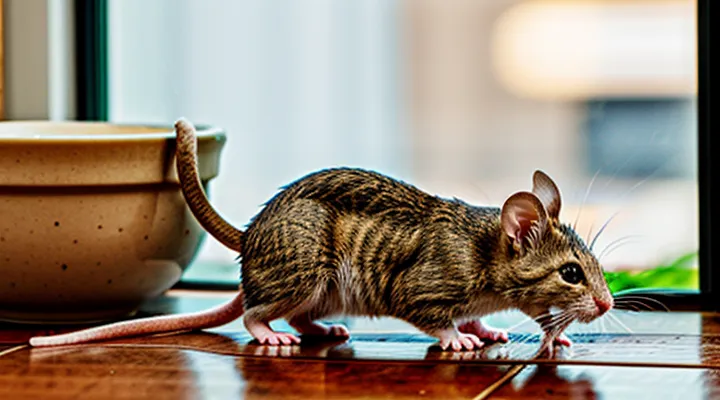
The Natural Diet of Mice
Foraging Behavior
Mice rely on opportunistic foraging to meet their high metabolic demands. Their natural diet consists of seeds, grains, insects, and plant material, which provide a balance of carbohydrates, protein, and fat. When presented with non‑traditional food sources, mice assess texture, scent, and nutrient content before deciding to ingest.
Dry cat food contains concentrated protein and fat, often derived from animal meat, along with added vitamins and minerals. The kibble’s hardness and strong aroma can attract rodents, especially in environments where standard supplies are scarce. However, the formulation includes ingredients such as taurine, high levels of salt, and preservatives that exceed the nutritional tolerances of small rodents.
Key considerations for offering dry cat food to mice:
- Protein ratio – often 30‑40 % of the kibble; exceeds typical mouse requirements and may strain kidney function.
- Fat content – 10‑15 %; high energy density can lead to rapid weight gain and obesity.
- Sodium levels – considerably higher than in rodent pellets; risk of electrolyte imbalance.
- Additives – taurine, artificial colors, and flavor enhancers lack proven benefits for mice and may cause digestive upset.
In controlled observations, mice will sample dry cat kibble when accessible, but prolonged consumption results in health issues such as dehydration, gastrointestinal irritation, and reduced reproductive performance. For optimal foraging, provide species‑specific rodent feed supplemented with occasional natural items like seeds or insects, reserving cat food for emergency use only.
Typical Food Sources in the Wild
Grains and Seeds
Mice naturally consume a variety of cereals, legumes, and small seeds. Common grains in their diet include wheat, oats, barley, and rice, while seeds such as sunflower, millet, and hemp provide essential fats and proteins. These foods supply carbohydrates for energy, fiber for digestive health, and micronutrients like B‑vitamins and minerals.
When evaluating dry cat food, it is important to compare its composition with the nutritional profile of grains and seeds. Most dry cat formulas contain high levels of animal protein, added fats, and preservatives, while the carbohydrate fraction often derives from corn, wheat, or rice. The grain content may be suitable in moderate amounts, but the overall nutrient balance is skewed toward feline requirements.
Potential issues for mice consuming cat kibble include:
- Excessive protein that can stress a rodent’s kidneys.
- High fat content leading to obesity and liver strain.
- Artificial additives and flavor enhancers that may cause digestive upset.
- Low fiber levels compared with a natural seed diet, increasing the risk of constipation.
If a mouse were offered dry cat food, limiting the portion to a few grains or seed particles would reduce adverse effects, but the food should not replace a diet based on appropriate rodent staples. A balanced mouse diet typically consists of:
- 30‑40 % whole grains (e.g., rolled oats, whole‑grain wheat).
- 20‑30 % seeds (e.g., sunflower, pumpkin).
- 20‑30 % protein from insects or legumes.
- 5‑10 % fresh vegetables for moisture and vitamins.
In summary, grains and seeds form a core component of a mouse’s natural nutrition, while dry cat food contains a grain base that is not inherently toxic but is accompanied by excessive protein, fat, and additives unsuitable for long‑term rodent health.
Fruits and Vegetables
Mice require a diet high in protein, fiber, and low in fat. Fresh fruits and vegetables provide essential vitamins, minerals, and hydration, but they must be selected carefully to avoid toxicity and digestive upset.
Safe options include:
- Apples (core removed, no seeds)
- Blueberries
- Carrots (peeled, finely chopped)
- Peas
- Spinach (in moderation)
- Sweet potatoes (cooked, unsalted)
Foods to avoid:
- Citrus fruits (acidic, may cause stomach irritation)
- Grapes and raisins (potentially toxic)
- Onions, garlic, and chives (irritants to the gastrointestinal tract)
- Raw potatoes (contain solanine)
When evaluating dry cat food as a supplement for mice, consider its composition. Typical dry cat kibble is formulated for obligate carnivores, containing high levels of animal protein, fat, and additives such as taurine and preservatives. These ingredients exceed the nutritional requirements of mice and can lead to obesity, kidney strain, and imbalanced calcium‑phosphorus ratios.
Integrating fruits and vegetables into a mouse’s daily intake supplies fiber that aids digestion and reduces the risk of obesity associated with overly rich pet food. A balanced regimen might consist of a commercial mouse pellet as the primary source, supplemented with a measured portion of fresh produce (approximately 10‑15 % of total calories). This approach ensures adequate protein while delivering the micronutrients that dry cat food lacks.
Monitoring intake is essential. Sudden introduction of new produce can cause diarrhea; gradual incorporation allows the mouse’s microbiome to adapt. Regular observation of stool consistency, weight, and activity levels will indicate whether the diet meets health standards. If signs of distress appear, reduce or eliminate the offending item and consult a veterinarian experienced with small rodents.
Insects
Mice are omnivorous rodents that naturally include insects in their diet. Insects supply high‑quality protein, essential amino acids, and micronutrients such as iron, zinc, and B‑vitamins. These nutrients support growth, reproduction, and immune function.
When evaluating the suitability of dry cat kibble for mice, insects serve as a reference point for nutritional adequacy. Cat kibble is formulated for felines, with elevated levels of animal protein, fat, and taurine. While mice can ingest the kibble, the composition differs from the balanced protein‑fat ratio found in insects, which typically contains 50‑70 % protein and 10‑20 % fat on a dry‑matter basis.
Key considerations for incorporating insects into a mouse feeding regimen:
- Protein quality – Insect protein is highly digestible and complements the lower‑quality plant proteins often present in grain‑based diets.
- Fat content – Moderate insect fat aligns with the metabolic needs of small rodents; excessive fat from cat food may lead to obesity.
- Mineral balance – Insects provide calcium and phosphorus in ratios favorable for bone development, whereas cat kibble can be calcium‑deficient for mice.
- Palatability – Live or freeze‑dried insects stimulate natural foraging behavior, encouraging regular intake.
If dry cat food is the only available option, supplementing with insects or insect‑based products can mitigate nutrient imbalances. Regular monitoring of body condition and health markers is essential when introducing any novel component to a mouse’s diet.
Dry Cat Food and Mice
Nutritional Composition of Dry Cat Food
Protein Content
Mice require a diet that supplies roughly 14–20 % protein by weight to support growth, reproduction, and metabolic functions. Their natural intake consists of seeds, insects, and plant material, which collectively provide a balanced amino acid profile.
Commercial dry cat kibble typically contains 30–40 % protein, derived mainly from animal sources such as chicken, fish, or meat meals. This level exceeds the minimum requirement for rodents, but the protein composition differs from that of a mouse’s natural diet. Excessive concentrations of certain amino acids, particularly taurine and methionine, may impose metabolic stress on small rodents.
When evaluating the suitability of cat food for mice, consider the following points:
- Recommended mouse protein range: 14–20 % (dry matter basis).
- Average dry cat food protein: 30–40 % (dry matter basis).
- Protein source: predominantly animal muscle and by‑product meals; mice thrive on a mix of plant and insect proteins.
- Potential risks: renal overload, imbalanced amino acid ratios, and higher fat content accompanying the protein level.
If dry cat food is offered, it should be limited to occasional supplementation, not a primary source. A balanced rodent chow formulated to meet the specific protein and nutrient profile of mice remains the safest, most nutritionally appropriate option.
Fat Content
Dry cat kibble typically contains between 10 % and 15 % fat on a dry‑matter basis. This level exceeds the dietary requirements of most laboratory and pet mice, which thrive on diets containing 4 %–6 % fat. Excessive fat can lead to rapid weight gain, hepatic lipidosis, and reduced reproductive performance in rodents.
When evaluating dry cat food for mouse consumption, consider the following factors:
- Total fat percentage – values above 10 % increase the risk of obesity.
- Fat source – animal‑derived fats (e.g., chicken fat) are richer in saturated fatty acids than plant oils; saturated fats are more likely to cause metabolic disturbances in mice.
- Caloric density – high‑fat kibble provides more calories per gram, potentially encouraging over‑eating if food is left continuously available.
- Balance with other nutrients – cat formulas are designed for obligate carnivores and often contain elevated protein and taurine levels that can stress a mouse’s renal system when combined with excess fat.
If a mouse ingests dry cat food, monitor body condition and adjust portions to keep overall fat intake within the 4 %–6 % range. Supplementing with a low‑fat grain or seed mix can help maintain a balanced diet while preventing the negative effects associated with the high fat content typical of feline kibble.
Carbohydrate Content
Dry cat kibble typically contains 30–45 % carbohydrate by weight, derived from grains, legumes, and added sugars. These carbohydrates provide rapid energy but differ from the complex polysaccharides found in the natural diet of wild rodents.
Mice metabolize starches and simple sugars efficiently, yet excessive carbohydrate intake can lead to obesity, digestive disturbances, and altered gut microbiota. When evaluating a feline formula, consider the following points:
- Total carbohydrate percentage exceeds the average 20–25 % found in standard rodent chow.
- Sources often include cornmeal, wheat gluten, and rice flour, which may be less digestible for small rodents.
- Added sugars and sweeteners increase the glycemic load, potentially causing blood‑glucose spikes.
If dry cat food is offered as an occasional supplement, limit portions to no more than 5 % of a mouse’s daily caloric intake. Prefer formulations with lower starch content and minimal added sugars to reduce health risks associated with high carbohydrate consumption.
Vitamins and Minerals
Mice require a balanced intake of essential vitamins and minerals to maintain metabolic functions, immune health, and skeletal integrity. Dry cat kibble typically contains high levels of protein and fat, but its micronutrient profile is formulated for felines, whose nutritional needs differ markedly from those of rodents.
Key micronutrients in cat food often exceed the tolerable upper limits for mice:
- Vitamin A: Feline diets are rich in preformed retinol; excess intake can cause hypervitaminosis A in mice, leading to liver damage and impaired vision.
- Vitamin D: Concentrations intended for cats may induce hypercalcemia in rodents, resulting in soft‑tissue calcification and renal failure.
- Calcium and Phosphorus: Ratios designed for carnivores are skewed toward higher calcium, which disrupts bone remodeling and may cause urinary tract stones.
- Iron: Elevated iron content can promote oxidative stress and gastrointestinal irritation in small mammals.
Deficiencies are also a risk because cat food lacks certain B‑complex vitamins (e.g., thiamine, riboflavin) at levels suitable for mice. Insufficient B‑vitamins impair energy metabolism and neurological function.
If a mouse consumes dry cat kibble, supplementation or dietary correction is necessary. An appropriate rodent diet should provide:
- Vitamin A: ≤ 2,000 IU/kg, sourced from beta‑carotene rather than retinol.
- Vitamin D: 400–800 IU/kg, ensuring safe calcium absorption.
- Calcium: 0.5–1.0% of diet, with a phosphorus ratio of 1:1 to 1.5.
- B‑Complex Vitamins: Adequate thiamine (≥ 10 mg/kg) and riboflavin (≥ 12 mg/kg) to support metabolic pathways.
- Trace Minerals: Zinc, copper, and manganese within species‑specific ranges to avoid toxicity.
In practice, feeding mice a diet formulated specifically for rodents eliminates the need for corrective measures and prevents the adverse effects associated with inappropriate micronutrient levels present in cat food.
Can Mice Digest Dry Cat Food
Digestive System Adaptations
Mice possess a short, highly efficient gastrointestinal tract designed for rapid processing of small, high‑energy foods. Their stomach secretes moderate amounts of gastric acid, sufficient to break down soft grains and insects but limited for digesting large, protein‑dense pellets such as commercial dry cat food.
The small intestine of a mouse is proportionally long relative to body size, maximizing surface area for nutrient absorption. Enzymes produced in the pancreas, chiefly amylase and lipase, target carbohydrates and fats found in natural seeds and nuts. Dry cat food contains elevated levels of animal protein and complex fibers that exceed the typical enzymatic capacity of a mouse, potentially leading to incomplete digestion and nutrient imbalances.
Key physiological features influencing the suitability of dry cat food include:
- Dental structure: Incisors continuously grow and are adapted for gnawing soft seeds; the hard kibble of cat food can cause excessive wear or dental injury.
- Stomach volume: Limited capacity restricts the amount of dense kibble a mouse can ingest without overloading the digestive system.
- Microbial flora: Gut bacteria in mice are optimized for fermenting plant polysaccharides; the high protein content of cat food may disrupt microbial balance, increasing the risk of gastrointestinal distress.
Overall, while a mouse can physically ingest dry cat food, its digestive system lacks the specialized adaptations required to efficiently process the high protein and fiber composition typical of feline kibble, making such a diet unsuitable for sustained health.
Potential Health Risks
Mice that consume dry cat kibble are exposed to several health hazards. The formulation of feline food is tailored to a predator’s protein and fat requirements, which differ markedly from the dietary needs of small rodents.
- Excess protein and fat can cause rapid weight gain, leading to obesity and related metabolic disorders.
- High sodium levels increase the risk of hypertension and renal strain.
- Preservatives, artificial flavors, and colorants may irritate the gastrointestinal tract, resulting in diarrhea or vomiting.
- Fiber content is typically low, which can impair normal gut motility and promote constipation or impaction.
- Certain additives, such as taurine, are unnecessary for mice and may interfere with nutrient absorption.
- Elevated calcium-to‑phosphorus ratios can predispose rodents to urinary stone formation.
- Allergic reactions to novel ingredients may manifest as skin lesions or respiratory distress.
Overall, feeding dry cat food to mice creates a mismatch between nutrient composition and physiological requirements, heightening the likelihood of acute and chronic health problems.
Why Mice Might Eat Dry Cat Food
Opportunistic Feeding
Mice exhibit opportunistic feeding, meaning they will consume any edible material encountered in their environment when preferred foods are scarce. This behavior explains why a mouse may investigate dry cat kibble placed in a pantry or on the floor.
Nutritional composition of dry cat food differs markedly from typical rodent diets. Cat kibble is high in animal protein and fat, contains added taurine, and often includes vitamin and mineral levels designed for obligate carnivores. Mice require a balance of carbohydrates, plant protein, and lower fat content for optimal health. When a mouse ingests cat food, the excess protein and fat can strain its digestive system and lead to weight gain or metabolic imbalance.
Potential risks associated with opportunistic consumption of dry cat food include:
- Digestive upset – high fat may cause diarrhea or constipation.
- Nutrient toxicity – elevated calcium and phosphorus can disrupt bone metabolism.
- Dental wear – hard kibble can damage incisors if chewed extensively.
- Behavioral dependence – reliance on non‑native food sources may reduce foraging for natural seeds and grains.
If a mouse accidentally eats a small amount of cat kibble, acute harm is unlikely, but repeated exposure is inadvisable. Providing appropriate rodent feed, fresh grains, and occasional insects satisfies the mouse’s opportunistic tendencies while maintaining dietary balance.
Preventing access involves sealing containers, storing cat food on elevated surfaces, and maintaining a clean environment to reduce accidental encounters.
Availability
Dry cat kibble is sold in pet supply chains, grocery aisles, online marketplaces, and veterinary clinics. Packages range from small 1‑lb bags to bulk 20‑lb sacks, making the product accessible to consumers and, consequently, to rodents that inhabit homes.
Typical points of mouse exposure include:
- Open pantry shelves where kibble boxes are stored without resealable closures.
- Floor‑level containers that have been knocked over or left uncovered.
- Trash bins or recycling containers that contain discarded cat food packaging.
- Pet feeding stations placed on countertops or low tables within reach of climbing rodents.
Commercial distribution ensures that dry cat food is present in most residential environments that keep pets. Retailers stock the product year‑round, and manufacturers replenish inventory on a weekly basis, preventing prolonged shortages. Online delivery services further increase reach, allowing purchase in remote areas where local pet stores may be absent.
Because the product is marketed for felines, packaging is designed for human handling rather than rodent deterrence. No specialized barriers or repellents are incorporated, so mice encountering the food can ingest it without obstruction. Availability therefore directly influences the likelihood of mouse consumption, independent of nutritional suitability.
Risks of Feeding Mice Dry Cat Food
Nutritional Deficiencies
Mice have specific dietary requirements that differ markedly from those of felines. Dry cat kibble contains high levels of protein and fat, but lacks several nutrients essential for rodent health. When mice rely on such food, they may develop deficiencies that impair growth, reproduction, and immune function.
Key nutrients absent or insufficient in cat food for mice include:
- Taurine – essential for retinal and cardiac health in rodents; cat kibble is formulated without this amino acid.
- Vitamin C – mice cannot synthesize this antioxidant, yet cat diets typically contain none.
- Fiber – required for gastrointestinal motility; dry cat pellets are low in indigestible plant material.
- Essential fatty acids – omega‑3 and omega‑6 ratios suitable for cats do not meet the balance needed by mice.
- Mineral balance – excess calcium and phosphorus in cat food can disrupt bone development, while zinc and iron levels may be inadequate.
Prolonged consumption of cat kibble can lead to observable symptoms such as weight loss, skeletal deformities, reduced litter sizes, and increased susceptibility to infections. Laboratory studies confirm that rodents fed exclusively on feline diets exhibit lower serum levels of taurine and vitamin C, as well as altered gut microbiota due to insufficient fiber.
To prevent these deficiencies, mice should receive a diet formulated for rodents, containing a balanced mix of grains, seeds, fresh vegetables, and specially added supplements. If dry cat food is offered as an occasional treat, it must be limited to a minor portion and complemented with appropriate rodent nutrition to offset the gaps.
Obesity and Related Health Issues
Feeding mice dry cat food introduces a high‑calorie, high‑fat diet that can rapidly lead to excess body weight. Mice that consume such nutrient‑dense pellets often surpass normal growth curves within weeks, displaying increased adipose tissue and elevated blood glucose levels.
The resulting obesity predisposes rodents to several serious health conditions:
- Insulin resistance and type 2 diabetes mellitus
- Hepatic steatosis (fatty liver disease)
- Cardiovascular strain, including hypertension and cardiac hypertrophy
- Orthopedic problems such as joint degeneration and reduced mobility
- Decreased immune competence, making infections more likely
Obesity also shortens lifespan and compromises experimental reliability in research settings. Managing mouse diets by providing nutritionally balanced, low‑fat chow is essential to prevent these outcomes and maintain physiological stability.
Dental Problems
Dry cat kibble presents a very hard texture that can exceed the normal chewing load for a mouse. The material’s density may cause excessive enamel wear, tooth fractures, or misalignment of the continuously growing incisors.
Mice rely on regular gnawing to keep incisor length in balance with jaw growth. When the diet consists largely of compact dry food, the natural wear pattern is disrupted, leading to over‑shortening or uneven grinding surfaces. Both conditions increase the risk of malocclusion, which impedes normal feeding behavior.
Typical indicators of dental distress include:
- Excessive drooling or saliva accumulation
- Reluctance to chew or reduced food intake
- Visible cracks, chips, or missing tooth portions
- Noticeable weight loss despite food availability
- Abnormal head posture while feeding
To reduce dental complications, adopt the following measures:
- Offer a variety of soft, nutritionally balanced foods alongside any dry cat kibble
- Provide safe chew objects such as untreated wooden blocks or corncob toys to promote natural tooth wear
- Limit the proportion of dry cat food to a small supplement rather than a staple
- Conduct regular visual inspections of the incisors and seek veterinary assessment at the first sign of abnormality
Implementing these practices helps maintain proper incisor length, prevents enamel damage, and supports overall health in mice that are occasionally offered dry cat food.
Presence of Toxins or Additives
Dry cat kibble often contains preservatives, flavor enhancers, and artificial colors that are formulated for feline metabolism. Many of these compounds, such as BHA, BHT, ethoxyquin, and certain synthetic dyes, have been identified as potential toxins in small mammals. When ingested by a mouse, these substances can cause liver strain, gastrointestinal irritation, or behavioral changes because rodents lack the enzymatic pathways that cats use to process them.
Common additives found in commercial cat food that may pose risks to mice include:
- Preservatives: BHA, BHT, ethoxyquin – can accumulate in tissues and impair detoxification.
- Artificial sweeteners: Xylitol – highly toxic to rodents, leading to rapid hypoglycemia.
- Flavor enhancers: Monosodium glutamate (MSG) – may trigger excessive calcium influx in neuronal cells.
- Synthetic dyes: Red 40, Yellow 5 – linked to oxidative stress in rodent studies.
If a mouse consumes dry cat food, the presence of these chemicals increases the likelihood of adverse health effects compared with a diet composed of natural grains and seeds. Selecting a formulation without synthetic preservatives and artificial additives reduces toxicity risk, but even additive‑free cat kibble may contain protein levels and fat ratios unsuitable for rodent nutrition.
Alternative and Safe Food Options for Mice
Commercial Mouse and Rat Pellets
Commercial mouse and rat pellets are formulated to meet the complete nutritional requirements of small rodents. The blend typically contains a precise ratio of protein, fat, fiber, vitamins, and minerals, ensuring growth, reproduction, and immune function without the need for supplemental foods.
Key components of a balanced pellet:
- Protein (15‑20 %): derived from soy, fish, or meat meals.
- Fat (4‑6 %): essential fatty acids for energy and coat health.
- Fiber (5‑8 %): cellulose or beet pulp to support digestive motility.
- Vitamins A, D, E, K and B‑complex: prevent deficiencies.
- Minerals (calcium, phosphorus, magnesium, zinc): maintain bone density and metabolic processes.
Dry cat kibble differs markedly. It supplies higher protein (30‑40 %) and fat (10‑15 %) levels, reflecting felines’ obligate carnivore diet. Such excesses can lead to rapid weight gain, hepatic strain, and renal overload in mice. Additionally, cat food lacks the fiber content required for efficient rodent digestion and may contain additives (e.g., taurine, high levels of antioxidants) unnecessary for rodents.
Feeding guidelines for pellets:
- Offer 1‑2 g per adult mouse daily; adjust for juveniles or breeding colonies.
- Provide fresh water alongside the pellet dish.
- Store pellets in airtight containers at room temperature to preserve nutrient integrity.
- Remove uneaten food after 24 hours to prevent spoilage.
When evaluating alternative foods, the nutrient profile of commercial pellets aligns with the physiological needs of mice, whereas dry cat food presents a mismatched composition that can compromise health.
Safe Human Foods
Small Portions of Fruits
Mice thrive on a diet that mimics natural foraging, consisting mainly of grains, seeds, and protein sources. Small amounts of fruit can supplement this regimen by providing moisture, vitamins, and simple sugars without overwhelming the animal’s digestive system.
- Apple (core removed, skin thin): 1–2 mm cube, no more than two per week.
- Blueberries: one or two whole berries, halved to reduce choking risk.
- Banana: a thin slice, no larger than 5 mm, offered sparingly.
- Pear: skin removed, small diced piece, limited to twice weekly.
These fruits should be introduced gradually, observed for signs of diarrhea or dental issues, and removed after 24 hours to prevent spoilage.
Dry cat food is formulated for obligate carnivores, containing high levels of animal protein, fat, and taurine, and often includes additives unsuitable for rodents. While occasional nibble of a dry kibble piece will not cause immediate toxicity, regular consumption can lead to obesity, nutrient imbalance, and renal strain in mice. If a mouse shows interest in cat food, replace it with a nutritionally appropriate rodent pellet and offer the fruit portions listed above as occasional treats.
Small Portions of Vegetables
Mice require a diet that includes protein, carbohydrates, and fiber. Small amounts of fresh vegetables supply fiber and essential micronutrients without disrupting the balance of their regular feed.
Suitable vegetables:
- Carrot (raw, finely chopped)
- Broccoli florets (steamed lightly)
- Spinach (washed, torn into tiny pieces)
- Pea pods (shelled, raw)
Portion control is critical. Offer no more than a pea‑sized piece per mouse per day. Introduce one vegetable at a time, observe for signs of digestive upset, and discontinue if symptoms appear. Fresh produce should be washed thoroughly and removed after 24 hours to prevent spoilage.
Dry cat kibble contains high protein levels and added fats designed for felines; it lacks the fiber and vitamin profile mice need. Occasional, limited vegetable servings can mitigate the nutritional gap if a mouse accidentally ingests cat food, but they do not make cat kibble a suitable primary diet. The safest approach is to provide a balanced mouse-specific feed and supplement with the small vegetable portions listed above.
Cooked Grains
Cooked grains provide a source of carbohydrates, protein, and fiber that can support the energy needs of laboratory‑raised or pet mice. The starches in rice, oatmeal, and barley become more digestible after boiling, reducing the risk of gastrointestinal blockage that raw grains sometimes cause.
Nutritional profile of common cooked grains:
- White rice: high in easily digestible carbohydrates, low in fat and fiber.
- Brown rice: retains bran, offering additional fiber and micronutrients such as magnesium and B‑vitamins.
- Oatmeal: contains soluble fiber, modest protein, and trace minerals.
- Barley: supplies beta‑glucan fiber, contributing to gut health.
Safety considerations:
- Cook without added salt, butter, or seasoning; sodium and fats can harm small mammals.
- Cool to room temperature before offering; hot food may cause burns.
- Serve in small, bite‑size portions; excess grain can lead to obesity or interfere with the balance of a mouse’s diet.
- Avoid grains that have been processed with preservatives or artificial sweeteners; these chemicals can be toxic.
When evaluating the suitability of dry cat food for mice, the protein‑to‑fat ratio in many cat formulas exceeds the optimal range for rodents. Cooked grains, when combined with a balanced commercial mouse pellet, can dilute excess fat and provide a more appropriate macronutrient distribution. They also introduce variety, which can encourage natural foraging behavior.
Practical feeding protocol:
- Prepare a batch of plain boiled rice or oatmeal, ensuring no additives.
- Portion 1–2 g per mouse per day, mixed with the regular pellet ration.
- Monitor body condition and fecal consistency; adjust grain quantity if weight gain or loose stools appear.
- Rotate grain types weekly to prevent nutrient deficiencies and maintain palate interest.
In summary, cooked grains are a viable supplemental ingredient for mouse diets, offering digestible energy and fiber while mitigating some of the nutritional imbalances inherent in dry cat food formulations. Proper preparation and portion control are essential to maintain health and prevent adverse effects.
Treats and Enrichment
Treats and enrichment are essential components of a balanced diet and a stimulating environment for laboratory and pet mice. Properly selected treats provide supplemental nutrients, reinforce positive handling, and encourage natural foraging behaviors.
Safe treat options include:
- Small pieces of fresh fruit such as apple or banana (remove seeds).
- Cooked, unseasoned lean protein (e.g., chicken breast, boiled egg).
- Commercial mouse treats formulated with appropriate vitamin and mineral ratios.
- Fresh vegetables like carrot, broccoli, or leafy greens (wash thoroughly).
Dry cat food presents several concerns. Its protein content exceeds the dietary requirements of mice, while its fat and sodium levels are higher than recommended. Regular consumption can lead to obesity, renal strain, and digestive disturbances. Occasional, minute samples may be tolerated, but they should not replace a mouse‑specific diet.
Enrichment activities reinforce natural instincts and improve welfare. Effective methods comprise:
- Maze or tunnel systems that mimic burrows.
- Nesting material such as shredded paper or cotton squares.
- Puzzle feeders that require manipulation to release food.
- Rotating objects (e.g., wooden blocks, cardboard tubes) to maintain novelty.
Implementing these strategies ensures mice receive adequate nutrition, mental stimulation, and physical exercise, while avoiding the risks associated with inappropriate foods like dry cat kibble.