
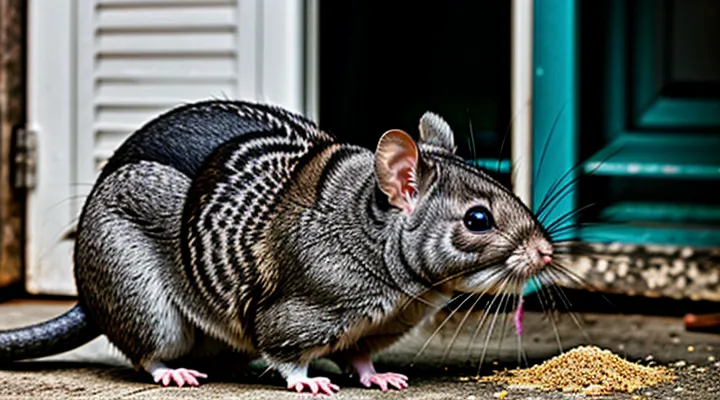
The Nutritional Needs of Rats
Essential Macronutrients for Rats
Protein Requirements
Rats require dietary protein that supplies essential amino acids for growth, reproduction, and tissue maintenance. Adult laboratory rats need approximately 14–16 % crude protein on a dry‑matter basis, while growing juveniles require 18–20 %. The protein must contain adequate levels of lysine, methionine, threonine, and tryptophan, each contributing to metabolic functions and lean‑mass development.
Commercial chinchilla pellets typically contain 12–14 % crude protein, formulated for the herbivorous digestion of chinchillas. The amino‑acid profile is adjusted to meet the needs of a species that consumes high‑fiber, low‑protein vegetation. Consequently, the levels of lysine and methionine in such feed are often below the thresholds required for optimal rat health.
- Crude protein requirement for adult rats: 14–16 % (dry matter)
- Crude protein requirement for growing rats: 18–20 % (dry matter)
- Minimum lysine: ~1.2 % of diet
- Minimum methionine + cysteine: ~0.8 % of diet
Chinchilla pellets generally provide 12 % crude protein, lysine around 0.8 %, and methionine + cysteine near 0.5 %. The shortfall becomes more pronounced during periods of rapid growth or reproduction, when rats’ protein demand increases.
To meet rat protein needs when using chinchilla feed, supplement the diet with a high‑quality rodent protein source such as soy, casein, or a commercial rat pellet blend. Monitoring body condition and growth rates will indicate whether the combined diet achieves the required protein intake.
Fat Requirements
Rats require dietary fat to supply energy, support brain development, and facilitate absorption of fat‑soluble vitamins. Mature laboratory rats thrive on diets containing 4–6 % fat on a dry‑matter basis; growing or breeding individuals may benefit from 6–8 % to meet higher metabolic demands. Essential fatty acids, particularly linoleic acid, must be present in sufficient quantities to prevent skin lesions and reproductive issues.
Typical chinchilla pellets are formulated for a species that tolerates low‑fat diets, usually providing 2–3 % fat. The formulation emphasizes high fiber and protein while limiting fat to avoid obesity in chinchillas, whose natural diet consists largely of hay and bark.
Comparison of the two profiles yields the following observations:
- Rat fat requirement (dry matter): 4–8 %
- Fat content in standard chinchilla feed: 2–3 %
- Essential fatty acid levels in chinchilla feed: often below rat needs
The shortfall indicates that chinchilla feed alone does not satisfy the fat requirements of rats. Supplementing with a rat‑specific source of fat, such as sunflower seeds, nuts, or a commercial rat pellet with appropriate fat content, is necessary to achieve a balanced diet.
Carbohydrate Requirements
Rats require a steady supply of digestible carbohydrates to maintain blood‑glucose levels, support rapid growth, and fuel high metabolic activity. Recommended carbohydrate intake for adult laboratory rats ranges from 45 % to 55 % of total caloric intake, with a preference for complex carbohydrates such as wheat starch, corn starch, and oats. Simple sugars should be limited to prevent obesity and metabolic disturbances. Adequate carbohydrate provision also supplies the glucose needed for glycogen storage in liver and muscle tissue.
Chinchilla feed is formulated for a herbivorous species with a primary emphasis on high fiber and low energy density. Typical formulations contain 20 %–30 % carbohydrates, largely in the form of non‑starch polysaccharides that are poorly digestible by rodents lacking the necessary cecal fermentation capacity. Consequently, the carbohydrate profile of chinchilla pellets does not meet the energy and glucose requirements of rats.
- Rat carbohydrate requirement: 45 %–55 % of calories, mainly digestible starches.
- Chinchilla feed carbohydrate content: 20 %–30 % of calories, primarily indigestible fiber.
- Energy gap: chinchilla diet provides insufficient readily available glucose for rat metabolism.
Given the disparity in carbohydrate quantity and digestibility, chinchilla feed does not satisfy the nutritional needs of rats. Supplemental rat‑specific grain or starch sources are necessary to achieve appropriate carbohydrate intake.
Essential Micronutrients for Rats
Vitamins
Rats require a specific range of vitamins for growth, reproduction, and immune function. Vitamin A supports vision and epithelial health; vitamin D regulates calcium metabolism; vitamin E acts as an antioxidant; vitamin K is essential for blood coagulation; the B‑complex group (B1, B2, B6, B12, niacin, folic acid, pantothenic acid) participates in energy production and nervous system maintenance; and vitamin C, although synthesized by rats, can augment stress resistance.
Commercial chinchilla diets are formulated for a herbivorous species with high fiber needs and a vitamin profile aimed at preventing deficiencies common in chinchillas. These mixes typically contain elevated vitamin A and modest levels of vitamin E, but they often lack sufficient vitamin D and B‑complex vitamins for a carnivorous‑omnivorous rodent such as a rat. Calcium‑phosphorus ratios in chinchilla feed are also adjusted for chinchilla bone metabolism, which may not align with rat requirements.
When the vitamin composition of a chinchilla feed is examined analytically, the following discrepancies emerge: vitamin A concentrations exceed the upper safe limit for rats; vitamin D falls below the recommended daily intake; B‑vitamin levels are below thresholds needed for optimal metabolic activity; and vitamin E, while present, may not compensate for the shortfall in other nutrients. Excess vitamin A can lead to toxicity, manifesting as liver enlargement and skeletal abnormalities in rats.
Consequently, chinchilla feed alone does not provide a balanced vitamin regimen for rats. Supplementation with a rat‑specific vitamin premix—particularly vitamin D and B‑complex vitamins—must be added to avoid deficiencies and prevent hypervitaminosis A. Regular monitoring of blood vitamin levels is advisable when chinchilla feed is used as a partial component of a rat diet.
The prudent approach is to reserve chinchilla feed for occasional enrichment, supplement it with a complete rat chow, and ensure that the combined diet meets established vitamin requirements for laboratory‑grade or pet rats.
Minerals
Rats require a balanced supply of minerals to support bone growth, nerve function, and metabolic processes. Essential minerals include calcium, phosphorus, magnesium, potassium, sodium, zinc, copper, manganese, and selenium, each needed in specific ratios. For example, calcium and phosphorus should approximate a 1:1 to 1.2:1 balance; excess calcium can impair phosphorus absorption, while insufficient calcium weakens skeletal development.
Commercial chinchilla diets are formulated for a species with low calcium needs and high fiber content. Typical mineral analysis of such feed shows:
- Calcium: 0.3–0.5 %
- Phosphorus: 0.2–0.3 %
- Magnesium: 0.05–0.1 %
- Potassium: 0.2–0.3 %
- Sodium: 0.05–0.1 %
- Trace elements (zinc, copper, manganese, selenium): present at levels suitable for chinchillas but below rat requirements
Rat nutrition guidelines recommend calcium levels of 0.5–0.8 % and a calcium‑phosphorus ratio close to 1:1. The calcium content in chinchilla feed falls short of this range, while phosphorus is proportionally higher, creating an imbalance that can lead to skeletal defects over time. Magnesium and potassium levels are generally adequate, but trace minerals such as zinc and selenium may be insufficient for optimal rat health.
Feeding chinchilla pellets to rats without supplementation risks mineral deficiency, particularly in calcium and trace elements. To use this feed safely, a caretaker must add a calibrated rat mineral supplement that raises calcium to the recommended level and provides the missing trace nutrients. Continuous monitoring of growth, coat condition, and urinary health is necessary to detect early signs of deficiency.
In summary, chinchilla feed alone does not meet the mineral profile required by rats. Proper supplementation is mandatory if the feed is to be incorporated into a rat diet.
The Nutritional Composition of Chinchilla Feed
Primary Ingredients in Chinchilla Feed
Hay
Hay provides primarily insoluble fiber, which aids gastrointestinal motility in small rodents. Rats require moderate fiber to maintain gut health, but excessive insoluble fiber can reduce nutrient absorption and cause loose stools.
Typical hay varieties used for chinchillas—such as timothy, orchard, or meadow hay—contain high lignin levels and low protein. For rats, the protein requirement is higher (approximately 14‑16 % of diet) than what plain hay supplies. Consequently, feeding only hay will not meet a rat’s dietary needs.
When incorporating hay from chinchilla mixes into a rat’s regimen, consider the following points:
- Offer hay as a supplemental source of roughage, limited to 10‑15 % of total daily intake.
- Ensure that the hay is fresh, free of mold, dust, or pesticide residues, as rats are sensitive to respiratory irritants.
- Complement hay with a balanced rat pellet that provides adequate protein, fat, and micronutrients.
In practice, a small portion of high‑quality timothy hay can be beneficial for dental wear and enrichment, but it should never replace a nutritionally complete rat diet.
Pellets
Pellet formulations for chinchilla colonies differ markedly from those designed for laboratory or pet rats. Chinchilla pellets are typically high in fiber, low in fat, and contain limited protein to mimic the animal’s natural diet of grasses and bark. Rat nutrition, by contrast, requires a higher protein level (approximately 14‑20 % of the diet) and a moderate fat content to support rapid growth, reproduction, and higher metabolic rates.
Key nutritional discrepancies include:
- Fiber content: Chinchilla pellets often exceed 15 % crude fiber, whereas rat diets target 4‑6 % to avoid gastrointestinal disturbances.
- Protein level: Chinchilla formulations may provide 10‑12 % protein; rat diets demand 14‑20 % for optimal health.
- Caloric density: Lower calorie density in chinchilla pellets can lead to weight loss in rats if used exclusively.
Potential health effects of feeding chinchilla pellets to rats:
- Undernutrition: Insufficient protein and calories may cause stunted growth, reduced fertility, and muscle wasting.
- Digestive issues: Excessive fiber can produce bulky stools, impeding normal rat bowel movements.
- Vitamin imbalance: Formulations tailored for chinchillas may lack certain vitamins (e.g., vitamin E) that rats require in higher amounts.
If a short‑term substitution is unavoidable, limit chinchilla pellets to less than 10 % of the rat’s total intake and supplement with a balanced rat chow. Continuous feeding of chinchilla pellets alone is not advisable for rats.
Supplements
Chinchilla diets contain a blend of vitamins and minerals designed to support dense fur, high metabolic rate, and continuous tooth growth. The typical supplement profile includes:
- Vitamin A: 1,500 IU/kg, essential for vision and epithelial health.
- Vitamin D3: 300 IU/kg, aids calcium absorption.
- Vitamin E: 30 IU/kg, antioxidant protection.
- Calcium: 0.8 % of diet, balanced with phosphorus (0.6 %).
- Magnesium: 0.2 % of diet, required for neuromuscular function.
- Selenium: 0.02 mg/kg, trace element for immune response.
Rats share many nutritional requirements but differ in precise ratios. Excess vitamin A can cause toxicity in rodents, while rats tolerate higher calcium levels without the risk of urinary calculi that affect chinchillas. The calcium‑to‑phosphorus balance in chinchilla feed is tighter to prevent skeletal issues; rats benefit from a slightly lower calcium proportion (approximately 0.5 %). Magnesium levels in chinchilla formulas are adequate for rats, yet the added selenium may approach the upper safe limit for murine species.
Potential concerns when feeding chinchilla supplement blends to rats:
- Vitamin A overload → hepatic damage.
- Calcium excess → renal strain.
- Selenium near toxic threshold → oxidative stress.
If a caretaker chooses chinchilla feed for rats, supplement adjustments are mandatory. Reduce or eliminate added vitamin A, replace calcium‑rich pellets with a rat‑specific mix, and monitor selenium intake by supplementing with a low‑selenium rat diet. Preferably, combine chinchilla feed with a formulated rat supplement that provides:
- Vitamin A at 800 IU/kg.
- Calcium at 0.5 % of diet.
- Selenium at 0.01 mg/kg.
In summary, the supplement composition of chinchilla feed meets many rat requirements but exceeds safe limits for several micronutrients. Proper reformulation or supplementation with rat‑specific nutrients is required to ensure healthful intake.
Nutritional Breakdown of Typical Chinchilla Feed
Protein Levels
Chinchilla pellets typically contain 15‑20 % crude protein, a level calibrated for an animal with a relatively low metabolic rate and a diet dominated by high‑fiber grasses. Laboratory rats require 18‑22 % protein to support rapid growth, reproduction, and high activity levels. When protein content falls below the lower bound of the rat’s requirement, growth retardation and reduced fertility may occur; excess protein above the upper bound can stress renal function and promote obesity.
Key considerations for using chinchilla feed for rats:
- Protein content aligns with the minimum of rat nutritional needs but may be insufficient for breeding colonies or fast‑growing juveniles.
- Amino‑acid profile in chinchilla diets is formulated for herbivorous metabolism and may lack certain essential amino acids abundant in rat‑specific formulations.
- Fiber levels in chinchilla feed are substantially higher (≥20 %) than those recommended for rats (≈5‑10 %), potentially diluting protein intake and altering gut motility.
Overall, the protein percentage in chinchilla feed meets the lower threshold for rats, yet the accompanying high fiber and possible amino‑acid imbalances limit its suitability as a primary rat diet. Supplemental rat‑specific protein sources are advisable if chinchilla pellets are used as a secondary feed.
Fat Levels
Chinchilla pellets are formulated for a species with a low‑fat metabolism. Typical formulations contain 2–4 % fat, measured on a dry‑matter basis. This level supports the animal’s high‑fiber, low‑energy diet and prevents obesity in chinchillas.
Rats have a higher caloric demand due to faster growth and more active behavior. Standard rat chow provides 5–7 % fat, offering sufficient energy for reproduction, muscle development, and thermoregulation. When a rat consumes a diet limited to 2–4 % fat, it may experience reduced weight gain, lower reproductive performance, and increased susceptibility to cold stress.
Consequences of feeding chinchilla pellets to rats include:
- Potential weight loss or failure to thrive in growing or breeding animals.
- Possible deficiencies in essential fatty acids required for coat health and hormone synthesis.
- Increased risk of metabolic imbalances if supplemental fats are not added.
If chinchilla feed must be used temporarily, supplement the diet with a source of healthy fats—such as sunflower oil, fish oil, or a commercial rat fat supplement—until a balanced rat diet is restored. Continuous reliance on low‑fat chinchilla pellets is unsuitable for maintaining optimal rat health.
Fiber Content
Chinchilla feed typically contains 15‑20 % crude fiber, derived from hay, wood shavings and specialized fiber pellets. The high fiber level supports the unique digestive system of chinchillas, which relies on continuous fiber fermentation.
Rats require dietary fiber to maintain gut motility and prevent cecal enlargement. Standard laboratory rat diets provide 4‑6 % crude fiber, while commercial pet rat mixes range from 5‑8 % fiber. Excessive fiber can reduce nutrient absorption and cause loose stools.
When the fiber content of chinchilla feed exceeds the rat’s optimal range, the following effects are observed:
- Diluted caloric density leading to increased food intake
- Potential nutrient deficiencies due to lower protein and fat percentages
- Soft or watery feces indicating gastrointestinal upset
For occasional supplementation, a small portion of chinchilla feed (no more than 10 % of the total daily ration) may be introduced, provided the primary diet meets the rat’s protein (15‑20 %) and fat (5‑7 %) specifications. Continuous feeding of high‑fiber chinchilla pellets is not advisable for rats.
Vitamin and Mineral Fortification
Vitamin and mineral fortification is a critical factor when evaluating whether a diet formulated for chinchillas can meet the nutritional requirements of rats. Rats require higher levels of certain nutrients, such as vitamin C, calcium, and phosphorus, than chinchilla formulas typically provide. Fortified chinchilla feed may contain added vitamins A, D, and E, but the concentrations often fall short of rat-specific recommendations.
Key nutrients for rats and typical chinchilla feed levels:
- Vitamin C: Rats synthesize this vitamin endogenously, but dietary sources support immune function; chinchilla feed usually lacks supplemental vitamin C.
- Calcium: Rat diets need a calcium‑to‑phosphorus ratio of approximately 1.2 : 1; chinchilla formulas often have a lower ratio, risking bone demineralization.
- Phosphorus: Adequate phosphorus supports energy metabolism; excess amounts in chinchilla feed can disrupt the calcium balance.
- Vitamin D3: Essential for calcium absorption; chinchilla feed may contain insufficient D3 for rat growth stages.
- B‑complex vitamins: Required for metabolic processes; fortification levels in chinchilla feed are generally lower than rat standards.
If a chinchilla feed is selected for rats, additional supplementation must address these gaps. Options include:
- Adding a rat‑specific vitamin‑mineral premix to each feeding portion.
- Providing a separate source of calcium carbonate or bone meal to correct the calcium‑phosphorus ratio.
- Including a vitamin C supplement for enhanced antioxidant protection.
Monitoring rat health indicators—such as coat condition, growth rate, and skeletal integrity—helps verify that fortification adjustments are effective. Without targeted supplementation, reliance on chinchilla feed alone may lead to nutrient deficiencies or imbalances detrimental to rat physiology.
Why Chinchilla Feed is Unsuitable for Rats
Discrepancies in Macronutrient Ratios
Protein Imbalance
Chinchilla pellets contain 16–20 % protein, a level calibrated for the herbivorous metabolism of chinchillas. Laboratory rats thrive on diets with 14–18 % protein; however, the protein sources differ. Chinchilla feed relies heavily on high‑fiber plant material and limited animal‑derived proteins, while rat formulas emphasize balanced amino‑acid profiles from soy, casein, or fish meal.
When rats consume chinchilla pellets, the protein quantity may approach the upper limit of their requirement, but the amino‑acid composition can be deficient in lysine, methionine, and tryptophan. This shortfall can lead to:
- Reduced growth rates in juveniles
- Impaired reproduction in breeding colonies
- Diminished immune response
Conversely, excess protein from the high‑protein component of chinchilla feed can strain renal function, especially in older or genetically predisposed rats. Chronic over‑protein intake may manifest as:
- Increased water consumption and urine output
- Elevated blood urea nitrogen levels
- Progressive kidney degeneration
Balancing a rat’s diet with a dedicated rodent formulation ensures adequate essential amino acids and prevents both deficiency and overload. If chinchilla feed is used temporarily, supplement with a high‑quality rat protein source to correct the amino‑acid imbalance and monitor renal health indicators.
Fat Imbalance
Chinchilla feed typically contains a high proportion of fibrous ingredients and a modest amount of added fats to support the herbivorous diet of chinchillas. When rats consume this diet, the fat-to‑protein ratio can shift dramatically, leading to a caloric surplus that exceeds the metabolic needs of a typical laboratory or pet rat.
Excess dietary fat in rats manifests as rapid weight gain, increased adipose tissue deposition, and elevated serum triglyceride levels. Over time, these changes predispose the animal to insulin resistance, hepatic steatosis, and cardiovascular strain. The imbalance also interferes with normal grooming and activity patterns, as overweight rats tend to reduce locomotion and exhibit lower nest‑building behavior.
Key considerations for assessing the suitability of chinchilla feed for rats:
- Fat content: Often 8–12 % of total weight, higher than standard rat chow (4–6 %).
- Energy density: Approximately 3.5 kcal/g, compared with 3.0 kcal/g for typical rodent pellets.
- Protein‑to‑fat ratio: Skewed toward fat, reducing the proportion of high‑quality protein essential for rat growth and reproduction.
If chinchilla feed is introduced, corrective measures must accompany it:
- Supplement with lean protein sources (e.g., boiled egg whites, low‑fat soy isolate) to restore a balanced macronutrient profile.
- Limit daily portions to 10–15 g per adult rat, ensuring total caloric intake remains within the 15–20 kcal range.
- Monitor body condition weekly, recording weight and visual fat deposits to detect early signs of imbalance.
In summary, the elevated fat levels inherent in chinchilla formulations create a nutritional mismatch for rats, increasing the risk of obesity‑related disorders. Proper portion control, protein supplementation, and regular health assessments are essential to mitigate these effects.
Fiber Excess
Chinchilla feed contains a markedly higher proportion of crude fiber than standard rat diets, often reaching 18‑20 % compared with the 5‑7 % typical for laboratory‑grade rat pellets. This disparity creates a risk of fiber excess when the feed is offered to rats without modification.
Excessive fiber can accelerate gastrointestinal transit, leading to loose or watery stools and reduced absorption of essential nutrients such as protein and fats. Rats may exhibit weight loss, diminished energy levels, and occasional abdominal discomfort. Over time, insufficient caloric intake can impair growth and reproductive performance.
To mitigate these effects, limit chinchilla feed to a small supplement rather than a primary food source. A practical approach includes:
- Adding no more than 10 % chinchilla pellets to a balanced rat diet.
- Monitoring fecal consistency daily; any increase in softness or frequency warrants a reduction in fiber content.
- Ensuring the base diet provides adequate protein (15‑20 % crude protein) and fat (5‑7 % crude fat) to offset the diluting effect of fiber.
When fiber intake is controlled, rats can safely benefit from the occasional enrichment provided by chinchilla feed without experiencing the adverse consequences of a fiber‑heavy regimen.
Inadequate or Excessive Micronutrients
Vitamin Deficiencies or Toxicities
Chinchilla pellets are formulated for a species with low calcium demand, high fiber intake, and minimal fat. Rats require higher levels of certain vitamins, especially vitamin C, which they cannot synthesize. Feeding a diet designed for chinchillas can leave rats vulnerable to scurvy, manifested by lethargy, poor wound healing, and hemorrhagic lesions.
Potential nutrient imbalances include:
- Vitamin C deficiency – rats need 10–15 mg kg⁻¹ daily; chinchilla feed typically contains none.
- Vitamin A excess – chinchilla diets may contain up to 10 000 IU kg⁻¹; rats tolerate only about 4 000 IU kg⁻¹, risking liver damage and skeletal abnormalities.
- Vitamin D toxicity – elevated D₃ levels in chinchilla pellets can cause hypercalcemia, renal calcification, and weakened bones in rats.
- Vitamin E oversupply – excessive tocopherol interferes with blood clotting mechanisms in rodents.
- B‑vitamin shortfall – riboflavin and thiamine are lower in chinchilla formulations; deficiency leads to neurological signs and reduced growth.
Rats also need more protein and a broader spectrum of micronutrients than chinchilla feed provides. Substituting chinchilla pellets without supplemental vitamins creates a high risk of both deficiencies and toxicities, compromising rat health.
Mineral Imbalances
Chinchilla pelleted diets are formulated for a species with low calcium requirements and a high fiber content. Rats, by contrast, need a balanced calcium‑phosphorus ratio near 1:1 and higher levels of certain trace elements such as zinc and copper. Feeding rats a chinchilla mix can create several mineral disturbances.
- Calcium excess is unlikely, but phosphorus deficiency is common, leading to weakened bone development and dental problems.
- Low calcium relative to phosphorus may trigger secondary hyperparathyroidism, increasing bone resorption.
- Inadequate zinc impairs immune function and skin integrity; chinchilla formulas often contain only minimal zinc.
- Copper levels are typically reduced to prevent liver toxicity in chinchillas; rats require more copper for hemoglobin synthesis and enzyme activity.
- Magnesium and potassium are present in lower concentrations, potentially causing muscular tremors and reduced nerve conduction.
Long‑term exposure to these imbalances may result in skeletal deformities, poor growth, and increased susceptibility to infection. Adjusting the diet with supplemental rat‑specific mineral mixes or replacing the chinchilla feed altogether restores proper nutrient ratios and supports healthy physiology.
Potential Harmful Ingredients
Medications and Additives
Chinchilla feed often contains a blend of vitamins, minerals, fiber sources, and occasional pharmaceutical additives intended to address species‑specific health concerns. The formulation is designed for a small, herbivorous rodent with a high fiber requirement and a metabolic rate that differs from that of laboratory rats.
Typical components found in chinchilla diets include:
- Vitamin A, D3, E, and B‑complex at concentrations calibrated for chinchilla absorption.
- Calcium and phosphorus ratios adjusted to prevent dental overgrowth in chinchillas.
- High‑fiber ingredients such as timothy hay or beet pulp to promote gastrointestinal motility.
- Antiparasitic agents (e.g., ivermectin) or antifungal compounds occasionally incorporated to control common chinchilla infestations.
Rats possess distinct nutritional thresholds. Excess vitamin A can cause hepatotoxicity, while elevated calcium may predispose rats to renal calculi. Fiber levels that are beneficial for chinchillas may induce diarrhea in rats due to differences in gut flora. Pharmaceutical additives formulated for chinchilla metabolism often exceed safe dosage limits for rats, leading to toxicity or subclinical immunosuppression.
When considering chinchilla feed for rats, eliminate products that list added medications, high‑dose vitamins, or calcium‑rich mineral mixes. Prefer feeds explicitly labeled “rat‑compatible” or those without supplemental pharmaceuticals. If a chinchilla blend is the only option, verify that the ingredient list excludes antiparasitic drugs and that vitamin and mineral concentrations fall within established rat dietary guidelines.
In practice, the safest approach is to reserve chinchilla feed for its intended species and provide rats with a diet formulated for murine physiology. This avoids inadvertent exposure to inappropriate additives and ensures compliance with rat nutritional standards.
Ingestible Textures
Chinchilla feed typically presents three ingestible textures: compressed pellets, dried hay strands, and fibrous treats.
- Compressed pellets – dense, low‑moisture cubes designed for continuous gnawing. Rats tolerate the hardness but may experience reduced intake if the pellets are overly compact, leading to potential dental strain.
- Dried hay strands – long, fibrous, low‑moisture pieces meant for chewing. Rats accept hay for enrichment, yet the rigidity can cause uneven chewing patterns compared to their preferred softer fibers.
- Fibrous treats – semi‑moist, crumbly mixtures incorporating seeds and vegetables. Rats readily consume these textures, which align with their natural preference for pliable, easily broken food.
Rat digestive systems handle moderate fiber but require moisture to prevent impaction. When introducing chinchilla feed, supplement with water‑rich foods or fresh water sources to offset the low moisture content of pellets and hay. Monitor for signs of dental wear or gastrointestinal discomfort; adjust the proportion of softer treats accordingly. Overall, chinchilla feed can be incorporated into a rat diet, provided texture selection balances hardness with the rat’s chewing ability and hydration needs.
The Dangers of Feeding Chinchilla Food to Rats
Short-Term Health Risks
Digestive Upset
Chinchilla feed differs markedly from standard rodent diets. It is high in fiber, low in fat, and often contains ingredients such as dried grasses and pelleted hay that are formulated for a herbivorous digestive system. Rats possess a shorter gastrointestinal tract and require a balance of protein, fat, and carbohydrate that supports rapid metabolism. Introducing chinchilla pellets can disrupt this balance, leading to digestive upset.
Typical signs of gastrointestinal disturbance in rats fed chinchilla feed include:
- Soft or watery stools
- Diarrhea lasting more than 24 hours
- Reduced food intake
- Abdominal bloating
- Lethargy associated with dehydration
The underlying mechanisms involve insufficient protein and excessive indigestible fiber, which can alter gut flora and slow intestinal transit. Over time, chronic irritation may cause inflammation of the intestinal lining and impair nutrient absorption.
To prevent these issues, maintain a diet formulated specifically for rats, supplementing with occasional high‑fiber treats only after veterinary approval. If digestive symptoms appear after introducing chinchilla feed, discontinue the product immediately and provide a rehydration solution while seeking professional care.
Nutritional Deficiencies
Rats have specific dietary requirements that differ from those of chinchillas. Chinchilla pellets are formulated for a high‑fiber, low‑fat diet, which can create gaps in essential nutrients for rodents with faster metabolisms.
- Vitamin C: not required by chinchillas but essential for rats to prevent scurvy and support immune function.
- Calcium‑phosphorus balance: chinchilla feed often contains a low calcium ratio, increasing the risk of skeletal abnormalities in rats.
- Protein quality: chinchilla pellets provide moderate protein with a different amino‑acid profile; rats need higher levels of certain essential amino acids for growth and reproduction.
- Fat content: the low‑fat composition may lead to inadequate energy intake, especially for breeding or young rats, causing weight loss and reduced fertility.
- Micronutrients: chinchilla diets may lack sufficient levels of B‑vitamins (especially B12) and trace elements such as zinc and selenium, which are critical for metabolic processes and neurological health in rats.
Feeding rats exclusively with chow designed for chinchillas can result in the deficiencies listed above, leading to clinical signs such as poor coat condition, bone deformities, reduced growth rates, and compromised immune response. Supplementation or a switch to a rat‑specific formulation is necessary to meet the species‑specific nutritional standards.
Long-Term Health Risks
Organ Damage
Rats require a diet high in protein, moderate fat, and low in fiber. Chinchilla feed is formulated for herbivorous mammals, containing excessive fiber, low protein, and fat sources unsuitable for rodents. Substituting this feed for a rat’s regular diet introduces nutritional imbalances that can impair organ function.
The primary organ systems affected by an inappropriate diet include:
- Liver: excess fiber and inadequate protein overload hepatic metabolism, leading to steatosis and elevated enzyme levels.
- Kidneys: high ash content and imbalanced mineral ratios increase renal load, promoting nephropathy and crystal formation.
- Gastrointestinal tract: excessive fiber causes impaction, mucosal irritation, and reduced nutrient absorption, potentially resulting in ulceration.
- Cardiovascular system: abnormal fat composition may trigger dyslipidemia, raising the risk of atherosclerotic changes.
Long‑term consumption of chinchilla feed by rats accelerates degeneration in these organs, shortens lifespan, and reduces reproductive success. Replacing the feed with a species‑appropriate formulation restores normal organ morphology and biochemical parameters.
Malnutrition-Related Diseases
Rats require a diet that supplies adequate protein, fat, fiber, vitamins, and minerals in proportions calibrated for their rapid metabolism and high energy demand. Chinchilla food is formulated for a species with a slower digestive rate, lower protein requirement, and a reliance on high fiber to prevent gastrointestinal blockage. Substituting this feed for rodents can create nutrient gaps that trigger specific health disorders.
Insufficient protein in a chinchilla-based ration may lead to muscle wasting and impaired growth, conditions commonly classified as protein‑energy malnutrition. Deficient calcium and phosphorus ratios increase the risk of metabolic bone disease, characterized by weakened skeletal structure and fractures. Inadequate vitamin C intake, though not essential for rats, can exacerbate oxidative stress when combined with other deficiencies, contributing to immune suppression and heightened susceptibility to infection. Low levels of essential fatty acids predispose rats to dermatological lesions and poor coat condition, while insufficient B‑vitamins can cause neurological deficits such as tremors and ataxia.
Typical malnutrition‑related diseases observed in rats fed an unsuitable diet include:
- Protein‑energy malnutrition (muscle atrophy, stunted growth)
- Metabolic bone disease (osteopenia, fractures)
- Immune deficiency (increased infection rate)
- Dermatopathies (dry skin, alopecia)
- Neurological disorders (tremors, impaired coordination)
Correcting these conditions requires rebalancing the diet to meet species‑specific nutrient specifications, preferably with a commercial rat formulation or a carefully mixed home‑prepared ration that matches established nutritional guidelines.
Reduced Lifespan
Chinchilla pellets contain high fiber, low fat, and a vitamin mix formulated for a herbivorous metabolism. Rat nutrition requires greater protein, moderate fat, and a calcium‑phosphorus ratio calibrated for omnivorous digestion.
When rats consume a diet designed for chinchillas, several physiological imbalances arise:
- Protein deficiency impairs muscle development and immune response.
- Excessive fiber reduces digestible energy, leading to weight loss and weakened stamina.
- Inadequate fat intake disrupts hormone production and thermoregulation.
- Calcium imbalance weakens bone density and predisposes to dental malocclusion.
These deficiencies accelerate organ deterioration, increase susceptibility to disease, and ultimately shorten the animal’s life expectancy.
Recommended Diet for Pet Rats
High-Quality Commercial Rat Blocks
High‑quality commercial rat blocks are formulated to meet the specific dietary requirements of laboratory and pet rats. They contain a balanced mix of protein, fiber, fat, vitamins, and minerals that supports growth, reproduction, and overall health. The protein content typically ranges from 14 % to 20 %, while fiber levels are kept between 5 % and 10 % to promote proper digestion.
Chinchilla feed differs markedly in composition. It usually offers lower protein (around 12 %–14 %) and higher fiber (15 %–20 %) to accommodate the herbivorous nature of chinchillas. The elevated fiber and reduced fat content make chinchilla pellets unsuitable as a primary food source for rats, which require higher protein and lower fiber ratios.
If a rat owner wishes to incorporate chinchilla pellets, they should do so only as a minor supplement, not as a replacement for rat blocks. The following points summarize the practical considerations:
- Protein: rat blocks provide sufficient amino acids for muscle development; chinchilla feed may fall short.
- Fat: rat blocks include essential fats for energy; chinchilla pellets contain minimal fat.
- Fiber: excess fiber from chinchilla feed can cause loose stools in rats.
- Vitamins/minerals: rat blocks are fortified with rat‑specific micronutrients; chinchilla feed lacks some of these.
For optimal nutrition, rats should receive a diet primarily composed of high‑quality rat blocks, complemented by occasional fresh vegetables or fruits. Introducing chinchilla feed as a regular component can lead to nutritional imbalances and health issues.
Appropriate Fresh Foods
Vegetables
Vegetables form a significant portion of a rat’s diet, providing vitamins, minerals, and fiber. When evaluating chinchilla feed for rat consumption, the vegetable component must align with the nutritional requirements of an omnivorous rodent.
Chinchilla formulations emphasize high fiber and low fat, reflecting the herbivorous nature of chinchillas. Rats tolerate moderate fiber but require greater protein and lower cellulose levels. Consequently, only the vegetable portion of chinchilla mixes can be considered suitable; the overall formulation may lack adequate protein for rats.
Vegetables that are safe for rats
- Carrots, raw or lightly steamed, sliced into bite‑size pieces.
- Broccoli florets, offered in small quantities to avoid gas.
- Bell peppers, all colors, diced.
- Zucchini, raw or steamed, sliced thin.
- Spinach, fresh, limited to prevent excess oxalates.
- Peas, fresh or frozen, thawed, without added salt.
Vegetables to avoid
- Raw potatoes, due to solanine toxicity.
- Tomato leaves and stems, which contain tomatine.
- Rhubarb leaves, high in oxalic acid.
- Avocado flesh, contains persin harmful to rodents.
- Cabbage and cauliflower in large amounts, may cause digestive upset.
Assessing the vegetable content of chinchilla feed is essential before incorporating it into a rat’s diet. Supplementation with a protein source and a rat‑specific vitamin/mineral mix ensures nutritional balance.
Fruits
Fruits are occasionally included in chinchilla diets to provide moisture and natural sugars. Rats, however, have different nutritional requirements and digestive tolerances. When evaluating whether a chinchilla formulation can be offered to rats, consider the following points.
- Sugar content – Most fruits contain high levels of simple sugars. Rats can metabolize these sugars, but excessive intake leads to obesity, dental disease, and altered gut flora.
- Fiber composition – Chinchilla feed often uses coarse, insoluble fiber to promote gastrointestinal motility. Fruit fibers are generally soluble and fermentable, which may cause soft stools or diarrhea in rats.
- Vitamin balance – Vitamin C is abundant in many fruits, yet rats synthesize this vitamin endogenously and do not require dietary supplementation. Excess vitamin C can interfere with calcium absorption.
- Potential toxins – Certain fruits (e.g., citrus peels, avocado) contain compounds that are harmful to rodents. Chinchilla formulations rarely include these items, but a mixed fruit supplement may inadvertently introduce them.
If a rat’s diet includes a chinchilla feed, limit fruit additions to small, low‑sugar options such as apple slices (without seeds) or blueberries. Provide no more than 5 % of total daily intake by weight. Monitor body condition and fecal consistency closely; adjust or discontinue fruit if adverse effects appear.
In summary, fruit components typical of chinchilla nutrition are not inherently incompatible with rats, but the high sugar and soluble fiber levels demand strict portion control and careful selection of safe fruit varieties.
Protein Sources
Rats require a diet that supplies 14‑20 % protein, with amino acids such as lysine, methionine, and taurine essential for growth, reproduction, and immune function. Adequate protein must come from digestible, high‑quality sources to prevent deficiencies and support normal physiology.
Chinchilla formulations generally contain the following protein contributors:
- Soybean meal – plant‑derived, high in lysine but limited in methionine.
- Alfalfa meal – legume protein, rich in fiber, moderate amino‑acid profile.
- Wheat gluten – concentrated gluten protein, excellent digestibility, low in lysine.
- Pea protein isolate – balanced amino‑acid composition, lower allergenicity.
- Insect meal (occasionally) – complete protein, includes taurine and chitin.
These ingredients meet the protein level required for chinchillas, which is typically 15‑20 % of the diet. For rats, the same protein percentage is acceptable, but the amino‑acid balance must align with rodent needs. Soybean meal and wheat gluten provide sufficient lysine, while insect meal supplies taurine, a nutrient that rats cannot synthesize efficiently. Alfalfa’s high fiber content may exceed the optimal fiber level for rats, potentially reducing feed intake and nutrient absorption.
Overall, the protein component of chinchilla feed can satisfy rat protein requirements if the formulation contains a balanced mix of soy, wheat gluten, and insect meal, and if the diet is supplemented with a low‑fiber base to offset the excess fiber from alfalfa. Adjustments to fiber content and inclusion of a taurine source ensure the feed aligns with rat nutritional standards.
Foods to Avoid for Rats
Rats require a balanced diet rich in protein, fiber, and low‑fat content; several common foods can cause digestive upset, toxicity, or nutritional imbalance.
- Citrus fruits (oranges, lemons, grapefruits) – high acidity damages stomach lining.
- Chocolate, caffeine, and nicotine – contain theobromine or stimulants toxic to rodents.
- Raw beans, especially kidney beans – contain lectins that impair nutrient absorption.
- High‑fat or sugary snacks (potato chips, candy, processed pastries) – promote obesity and liver disease.
- Dairy products – rats lack sufficient lactase, leading to diarrhea.
- Salt and salty foods – cause electrolyte disturbances and kidney strain.
- Avocado skin and pit – contain persin, a compound harmful to small mammals.
- Onions, garlic, and chives – contain thiosulfates that damage red blood cells.
Chinchilla feed typically consists of hay, pellets, and seeds formulated for herbivorous metabolism. Most ingredients align with rat dietary needs, yet some pellet blends include added fats or sweeteners that fall into the prohibited categories listed above. Consequently, when considering chinchilla feed for rats, verify that the product contains no citrus flavorings, added sugars, or high‑fat additives. Select a formulation composed solely of plain grains, seeds, and fiber to avoid the risks associated with the prohibited foods.