
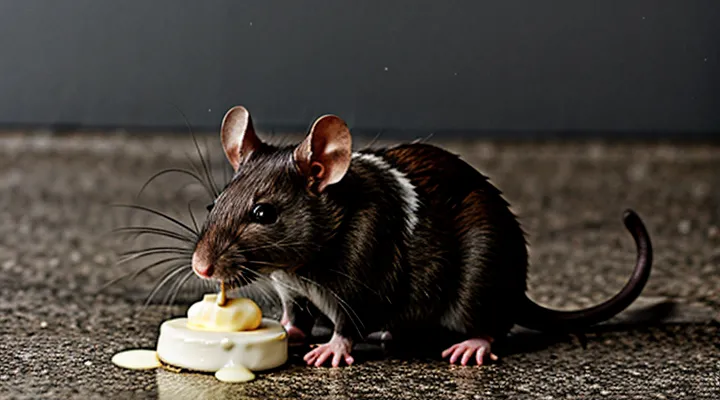
What is Curd?
Types of Curd
Rats can ingest curd, but the suitability of each variety depends on its composition and processing.
Plain curd consists mainly of milk proteins, water, and a modest amount of lactose. Its low fat and salt levels make it the most digestible option for rodents.
Flavored curd adds sugar, fruit puree, or artificial sweeteners. The extra sugars increase caloric density and may cause gastrointestinal upset in rats, especially if the product contains high‑fructose corn syrup or artificial additives.
Low‑fat curd reduces the butterfat content to about 1 %–2 %. The protein concentration remains high, while the reduced fat may limit the energy value required for active rats.
High‑fat curd contains 5 %–10 % butterfat. The richer texture provides more calories but can contribute to obesity if offered regularly.
Greek‑style curd is strained to remove whey, resulting in a thicker consistency and higher protein concentration (approximately 10 %–12 %). The reduced lactose makes it easier for lactose‑intolerant rats, though the increased density may be challenging for small rodents to consume in large amounts.
Probiotic curd includes live bacterial cultures such as Lactobacillus spp. These strains can support gut health, yet the added acidity may irritate sensitive digestive tracts if introduced abruptly.
Cottage‑style curd contains small curd pieces suspended in whey. The texture can pose a choking hazard for young rats; the higher sodium content also warrants caution.
When offering curd to rats, select varieties with minimal added sugars, low sodium, and moderate fat. Introduce any new type gradually, monitor for adverse reactions, and limit portions to a supplement rather than a staple food.
Nutritional Profile of Curd
Curd is a dairy product formed by coagulating milk, resulting in a semi‑solid mass rich in protein, calcium, and several vitamins. A typical 100‑gram serving contains approximately:
- Calories: 98 kcal
- Protein: 11 g
- Fat: 4 g (including 2.5 g saturated fat)
- Carbohydrates: 3.5 g (primarily lactose)
- Calcium: 120 mg (about 12 % of the daily reference intake)
- Phosphorus: 95 mg
- Vitamin B2 (riboflavin): 0.2 mg
- Vitamin B12: 0.5 µg
- Sodium: 50 mg
The high‑quality protein in curd supplies essential amino acids that support growth and tissue repair. Calcium and phosphorus contribute to bone mineralization, while B‑vitamins assist metabolic processes. The lactose content provides a quick source of energy, though it may be problematic for species lacking sufficient lactase activity.
Rats possess a digestive system capable of processing dairy, but the lactose tolerance varies among individuals. Excessive lactose can cause gastrointestinal upset, including diarrhea and bloating. The fat content, especially saturated fat, should be limited to prevent obesity and lipid‑related health issues.
When incorporating curd into a rodent diet, consider the following guidelines:
- Offer curd as an occasional supplement, not a staple, to avoid nutrient imbalances.
- Limit portions to no more than 10 % of total daily caloric intake.
- Observe the animal for signs of intolerance, such as loose stools or reduced appetite.
- Prefer low‑fat or partially skimmed curd to reduce saturated fat intake.
- Ensure the overall diet remains balanced with appropriate levels of fiber, protein, and essential micronutrients.
In summary, curd delivers a concentrated source of protein, calcium, and B‑vitamins, making it a potentially beneficial addition to a rat’s diet when administered sparingly and monitored for lactose tolerance.
Is Curd Safe for Rats?
Potential Benefits of Curd for Rats
Curd offers a concentrated source of high‑quality protein, supporting muscle development and growth in laboratory and pet rats. Its calcium content contributes to skeletal strength and aids in the formation of robust teeth, which is especially relevant for continuously erupting incisors.
Probiotic cultures present in curd enhance gut microbiota balance, promoting efficient digestion of complex carbohydrates and reducing the incidence of gastrointestinal disturbances. Regular intake can improve nutrient absorption, leading to steadier body weight and energy levels.
The presence of B‑vitamins, particularly riboflavin and vitamin B12, assists in metabolic processes that convert food into usable energy, while vitamin D facilitates calcium utilization. These micronutrients collectively sustain healthy fur condition and skin integrity.
Potential benefits can be summarized as:
- Increased protein intake for tissue repair and growth
- Elevated calcium and vitamin D for bone and dental health
- Probiotic action that stabilizes intestinal flora
- Enhanced absorption of vitamins and minerals
- Support for fur quality and skin resilience
Moderate portions, integrated into a balanced diet, maximize advantages while minimizing the risk of lactose intolerance, which some rats may exhibit. Continuous monitoring of weight and stool consistency helps identify any adverse reactions early.
Potential Risks and Concerns
Feeding curd to rats introduces several health concerns that require careful assessment.
Lactose intolerance is common among rodents; undigested lactose can cause diarrhea, abdominal pain, and dehydration. Excessive fat content in curd may lead to rapid weight gain, hepatic steatosis, and cardiovascular strain. High calcium levels risk hypercalcemia, potentially disrupting bone remodeling and kidney function. Fermented dairy products can harbor opportunistic bacteria or mold; contamination may trigger gastrointestinal infection or systemic illness. Allergic reactions to milk proteins can manifest as skin lesions, respiratory distress, or anaphylaxis. Nutritional imbalance arises when curd displaces essential rodent staples, resulting in deficiencies of fiber, vitamin C, and trace minerals. Altered gut microbiota from regular dairy intake may reduce microbial diversity, compromising immune resilience.
- Monitor stool consistency and hydration after curd exposure.
- Limit portions to minimal amounts, not exceeding 5 % of daily caloric intake.
- Choose pasteurized, plain curd without added sugars or flavorings.
- Conduct gradual introduction, observing for adverse reactions.
When curd is offered, veterinary oversight is advisable to ensure that any emerging symptoms receive prompt evaluation.
Lactose Intolerance in Rats
Rats possess a limited capacity to digest lactose, the milk sugar present in curd. The enzyme lactase, which hydrolyzes lactose into glucose and galactose, is expressed at high levels in neonatal rodents but declines sharply after weaning. Consequently, adult rats exhibit reduced intestinal lactase activity and often develop symptoms of lactose intolerance when exposed to substantial amounts of lactose.
Key characteristics of rat lactose intolerance:
- Enzyme activity: Lactase levels drop to less than 10 % of neonatal values within three weeks after birth.
- Digestive response: Ingestion of lactose‑rich foods leads to osmotic diarrhea, abdominal distension, and altered gut microbiota.
- Strain variability: Certain laboratory strains (e.g., Sprague‑Dawley) retain marginal lactase activity, while others (e.g., Wistar) show near‑absent activity.
- Dose dependence: Small quantities of lactose may be tolerated; concentrations above 2 % in the diet typically provoke clinical signs.
When evaluating whether rats can safely consume curd, the lactose content of the product is decisive. Traditional curd contains approximately 3–5 % lactose. For most adult rats, this level exceeds the threshold for tolerance, resulting in gastrointestinal distress. However, curd that has undergone extended fermentation may possess reduced lactose, rendering it more acceptable for tolerant strains or for brief, low‑dose trials.
Practical recommendations for researchers and caretakers:
- Assess lactase status: Measure intestinal lactase activity or reference strain‑specific data before introducing curd.
- Select low‑lactose curd: Use products labeled as “lactose‑reduced” or apply additional fermentation to diminish residual sugar.
- Introduce gradually: Begin with ≤0.5 % curd in the diet and monitor for diarrhea or weight loss.
- Document outcomes: Record feed intake, stool consistency, and body weight to evaluate tolerance.
In summary, adult rats generally lack sufficient lactase to process the lactose present in typical curd. Exceptions exist for specific strains or for curd with markedly reduced lactose, but careful assessment and controlled exposure are essential to avoid intolerance‑related complications.
High Fat Content
Rats can consume curd, but the high fat content of many curd varieties requires careful evaluation. Excessive dietary fat can lead to obesity, hepatic steatosis, and altered lipid metabolism in rodents. Laboratory studies show that rats fed diets with more than 10 % of calories from fat exhibit increased body weight and impaired glucose tolerance. Consequently, curd with a fat percentage above this threshold poses a health risk if offered regularly.
Key points for feeding curd to rats:
- Choose low‑fat curd (≤2 % fat) to stay within safe macronutrient limits.
- Limit portion size to no more than 5 % of the daily caloric intake.
- Monitor rats for signs of weight gain, lethargy, or digestive upset.
- Provide a balanced base diet rich in protein, fiber, and essential nutrients; curd should supplement, not replace, staple feed.
When low‑fat curd is introduced sparingly, it supplies beneficial calcium and probiotic bacteria without overwhelming the rat’s metabolic capacity. High‑fat curd, especially full‑fat or flavored versions, should be avoided or offered only as an occasional treat after veterinary consultation.
Additives and Flavorings
Rats may be offered curd as a protein‑rich supplement, but the safety of any additives or flavorings mixed into the product must be evaluated individually.
Additives commonly found in commercial curd include:
- Preservatives (e.g., potassium sorbate, sodium benzoate): Generally tolerated in low concentrations; high levels can disrupt gut flora and cause digestive upset.
- Stabilizers (e.g., gelatin, pectin): Non‑toxic when used sparingly; excessive amounts increase viscosity, making ingestion difficult for small rodents.
- Artificial sweeteners (e.g., sucralose, aspartame): Not recommended; studies show potential metabolic disturbances and reduced appetite in rodents.
- Flavor enhancers (e.g., vanilla extract, fruit concentrates): Natural extracts are acceptable in minimal doses; synthetic flavorings may contain alcohol or compounds that are toxic to rats.
When selecting curd for rats, adhere to the following guidelines:
- Verify that the ingredient list contains only natural, low‑dose additives.
- Avoid products with added sugars, artificial colors, or high‑intensity sweeteners.
- Offer plain curd as a baseline; introduce any flavored version gradually while monitoring for signs of gastrointestinal distress or reduced feed intake.
In summary, curd can be a suitable dietary component for rats if it is free from harmful preservatives, artificial sweeteners, and excessive flavorings. Careful label inspection and moderation ensure the additive profile remains compatible with rodent health.
Feeding Curd to Rats: Best Practices
Small Quantities are Key
Rats can safely consume curd when it is introduced in modest portions. Their digestive systems handle limited dairy, but excessive lactose may cause diarrhea or abdominal discomfort.
Veterinary recommendations suggest offering no more than one teaspoon of curd per 100 g of body weight, no more than twice weekly. This schedule provides protein and calcium without overwhelming the animal’s enzymatic capacity.
- Start with a pea‑sized sample to observe tolerance.
- Increase gradually only if no adverse signs appear.
- Discontinue if the rat shows loose stools, reduced appetite, or lethargy.
Adhering to these limits ensures curd serves as a supplemental treat rather than a nutritional hazard.
Plain, Unsweetened Curd Only
Rats can safely consume plain, unsweetened curd when it is offered in moderation. The product contains protein, calcium, and beneficial bacteria that support digestive health, making it a suitable occasional supplement to a standard rodent diet.
Key considerations for feeding curd to rats:
- Lactose tolerance – many adult rats lack sufficient lactase; the low lactose content of curd reduces the risk of gastrointestinal upset.
- Portion size – a teaspoon (approximately 5 g) per rat, provided no more than three times a week, prevents excess calorie intake and potential weight gain.
- Quality – select fresh curd without additives, preservatives, or artificial sweeteners; these substances can be toxic to rodents.
- Observation – monitor for signs of diarrhea, bloating, or reduced activity after the first exposure; discontinue if adverse reactions appear.
Nutritional impact: a small serving contributes roughly 1 g of protein and 30 mg of calcium, which can help meet the mineral requirements of growing or breeding rats without displacing essential components of their pelleted feed.
Potential risks: overfeeding may lead to digestive disturbances, and curd that has begun to spoil can introduce pathogenic bacteria. Always store curd at refrigeration temperatures and discard any portion that shows discoloration or off‑odors.
In practice, plain, unsweetened curd can be an occasional treat that enhances a rat’s diet, provided the guidelines above are followed.
Frequency of Feeding
Curd provides protein, calcium, and probiotics that can complement a rat’s regular diet when offered in moderation. Excess dairy can cause gastrointestinal upset because many rats lack sufficient lactase activity.
- Adults: 1‑2 teaspoons, 2–3 times per week.
- Juveniles (under 8 weeks): ½ teaspoon, once every 5–7 days.
- Pregnant or lactating females: 1 teaspoon, no more than twice weekly.
Introduce curd gradually; observe for soft stools, reduced activity, or weight loss. If adverse signs appear, discontinue and reduce future portions. Adjust frequency according to individual tolerance and overall diet composition. Regular monitoring ensures curd remains a beneficial supplement rather than a source of imbalance.
Observing Your Rat's Reaction
When you offer curd to a rat, watch the animal’s immediate response. A quick sniff followed by eager licking indicates acceptance; a hesitant snout or avoidance suggests dislike or possible aversion.
Observe the following indicators during and after consumption:
- Eating speed: rapid ingestion points to palatability; slow or interrupted eating may signal discomfort.
- Body language: relaxed posture, normal grooming, and active exploration denote well‑being; hunched posture, excessive grooming of the mouth, or reduced movement can signal distress.
- Stool consistency: normal, firm pellets are expected; loose, watery, or unusually soft feces may reveal digestive upset.
- Respiratory signs: steady breathing is normal; wheezing, labored breaths, or sudden sneezing suggest an allergic reaction.
Record each session: note the time of offering, amount provided, and any behaviors listed above. Repeat the observation over several days to distinguish a temporary reaction from a consistent pattern.
If adverse signs appear, discontinue curd and consult a veterinarian. A gradual introduction—small portions every 24 hours—helps the rat adapt while allowing clear monitoring of tolerance.
Alternative Healthy Treats for Rats
Fruits and Vegetables
Rats thrive on a varied diet that combines protein, carbohydrates, fiber, and moisture. Dairy products such as curd can be introduced as an occasional supplement, but the primary nutritional foundation should consist of fresh produce.
Curd provides calcium, protein, and probiotics, which support bone health and gut flora. Rats digest lactose poorly; low‑lactose curd or strained varieties reduce the risk of gastrointestinal upset. Introducing curd without balancing it with fiber‑rich foods may lead to constipation or nutrient imbalance.
Fruits and vegetables supply essential vitamins, minerals, and dietary fiber that complement curd’s nutrient profile. Fiber aids digestion, mitigates the effects of lactose, and promotes satiety, preventing overconsumption of dairy.
- Apples (core removed, skin optional)
- Blueberries (fresh, unsweetened)
- Carrots (peeled, finely chopped)
- Spinach (washed, limited to avoid oxalates)
- Zucchini (raw or lightly steamed)
Guidelines for integrating curd with produce: offer curd in quantities no larger than one teaspoon per 100 g of body weight, two to three times weekly; accompany each serving with a small portion of safe fruit or vegetable; monitor for signs of diarrhea or reduced appetite; discontinue if adverse reactions appear. This regimen ensures a balanced intake of protein, calcium, and fiber, supporting overall rat health.
Grains and Seeds
Rats thrive on a diet that balances protein, carbohydrates, and fiber. Curd supplies high‑quality protein and calcium, but it lacks the complex carbohydrates and roughage that rodents require for digestive health.
Grains such as wheat, rice, oats, and barley provide starches that support energy metabolism. Seeds like sunflower, pumpkin, and flax deliver essential fatty acids and micronutrients. When curd is offered alongside these plant foods, the mixture supplies a more complete nutrient profile, preventing deficiencies that may arise from a dairy‑only regimen.
- Whole wheat kernels
- Brown rice grains
- Rolled oats
- Barley flakes
- Sunflower seeds (unsalted)
- Pumpkin seeds (unsalted)
- Flax seeds (ground)
For optimal health, limit curd to no more than 10 % of total intake and ensure that grains and seeds constitute the majority of the diet. Provide fresh water continuously, and monitor weight and stool consistency to detect any adverse reactions promptly.
Commercial Rat Treats
Commercial rat treats are formulated to provide balanced nutrition while encouraging natural foraging behavior. Manufacturers typically base recipes on protein sources such as soy, wheat, or insect meal, supplemented with vitamins, minerals, and fiber. The products are tested for palatability, digestibility, and the absence of toxic contaminants, ensuring they meet the dietary needs of laboratory and pet rats.
Dairy derivatives, including curd, appear in some specialty treats but are not standard components. Lactose intolerance is common among rodents; undigested lactose can cause gastrointestinal distress, diarrhea, and dehydration. When a treat lists curd, whey, or other milk derivatives, the label should also indicate reduced lactose content or the inclusion of lactase enzymes. Owners should verify that the product’s nutritional analysis reflects a safe level of dairy, typically below 2 % of total weight.
Key considerations when selecting commercial rat treats:
- Ingredient list free of added sugars, artificial colors, and preservatives.
- Presence of high‑quality protein (≥15 % of the formula).
- Inclusion of fiber sources such as oats or beet pulp for gut health.
- Clear labeling of any dairy ingredients and lactose content.
- Compliance with regulatory standards for rodent feed.
Choosing treats that meet these criteria supports optimal health and minimizes the risk associated with curd consumption.