
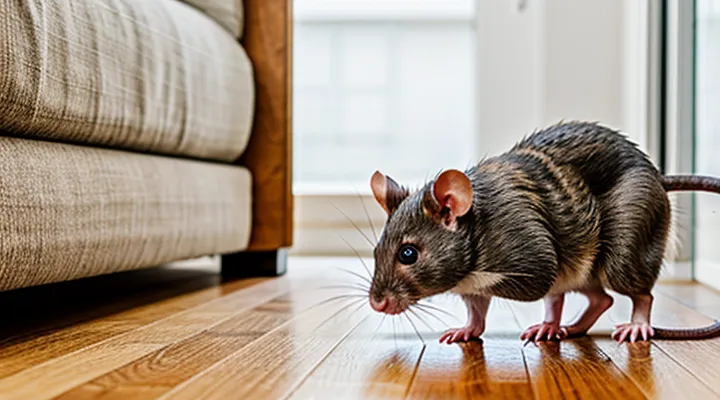
«Identifying the Problem»
«Signs of a Rat Infestation»
«Droppings and Urine Smells»
Droppings left by a rodent are typically dark, cylindrical, and about the size of a grain of rice. Their presence indicates active foraging and can signal the extent of infestation. Inspect corners, behind appliances, and inside wall voids for fresh deposits; older droppings may appear lighter and crumble easily. Collect samples with disposable gloves and place them in sealed bags for identification or laboratory analysis if disease risk assessment is required.
Urine odors arise from the same animal’s metabolic waste and can permeate porous materials such as drywall, insulation, and upholstery. A strong ammonia-like smell often precedes visible signs of infestation, especially in confined spaces like closets or under floorboards. Use a handheld UV lamp to detect fresh urine stains, which fluoresce under ultraviolet light. Mark affected areas for targeted cleaning.
Effective remediation involves:
- Containment – seal entry points to prevent further contamination.
- Removal – dispose of all visible droppings and contaminated absorbent items in sealed, double‑bagged containers.
- Disinfection – apply a rodent‑specific disinfectant (e.g., a 10% bleach solution) to surfaces, allowing a minimum contact time of ten minutes before wiping clean.
- Deodorization – treat residual odor with an enzymatic cleaner that breaks down uric acid crystals; avoid merely masking smells with fragrance.
- Ventilation – increase airflow by opening windows and using exhaust fans to expedite drying and reduce airborne pathogens.
After cleaning, monitor the environment for recurring droppings or odor. Persistent smells may indicate hidden nests or ongoing activity, requiring professional pest‑management intervention. Regular sanitation and prompt removal of waste reduce health hazards such as hantavirus, leptospirosis, and salmonella, and support long‑term eradication of the rodent problem in a high‑rise residence.
«Gnaw Marks and Damage»
Rats leave unmistakable evidence through gnaw marks, which signal structural compromise and potential health hazards. Their incisors can sever electrical wiring, weaken wooden joists, and breach insulation, creating pathways for fire and increasing energy loss. Identifying these signs early prevents escalation.
Typical damage includes:
- Chewed baseboard or trim exposing wall cavities.
- Frayed or exposed electrical cords, raising the risk of short circuits.
- Punctured plastic pipes or water lines, leading to leaks and mold growth.
- Scratched drywall and plaster, indicating nesting activity behind surfaces.
When gnaw marks appear, isolate the affected area. Turn off power to any compromised circuits, shut off water to damaged pipes, and seal visible entry points with steel wool or metal flashing. Document the damage with photographs to guide repairs and to support any building‑management claims.
After securing the site, replace damaged components using rat‑resistant materials such as cement‑coated wires, metal conduit, and hard‑board sheathing. Reinforce walls with metal mesh where rodents have accessed interior spaces. Completing these repairs eliminates food sources and shelter, reducing the likelihood of re‑infestation.
«Scratching Noises»
The sound of sharp, intermittent scratching against walls, ceilings, or floorboards is a reliable indicator that a rodent is active in a third‑floor residence. Rats create these noises while gnawing on structural components, seeking pathways, or moving through insulation. The pattern often intensifies during nighttime when the animal searches for food, making it easier to pinpoint the exact area of activity.
To verify the source, follow these steps:
- Turn off all ambient music and television to isolate the noise.
- Use a flashlight to examine the suspected wall or ceiling cavity; look for fresh gnaw marks, droppings, or shredded material.
- Place a small piece of cardboard or a thin board against the wall; a sudden, loud scrape when the rat contacts it confirms the location.
- Record the time and frequency of the sounds; consistent intervals suggest a nesting site nearby.
Once the origin is confirmed, eliminate the rodent by sealing entry points, setting appropriate traps, and removing food sources. Apply steel wool or caulk to gaps around pipes, vents, and electrical conduits. Deploy snap traps or electronic devices directly in the identified area, positioning them perpendicular to the wall to intercept the animal’s route. After capture, disinfect the site with a solution containing bleach to prevent disease transmission and deter future infestations.
«Sightings»
Rats on a third‑floor apartment reveal themselves through specific cues that indicate an infestation and guide effective removal.
Visible evidence includes fresh droppings, typically black and rod‑shaped, found near food sources, corners, or along walls. Chewed materials—wiring, cardboard, wooden framing—appear with ragged edges and gnaw marks. Streaks of dark urine may discolor surfaces, especially in concealed areas such as behind appliances or under cabinets.
Auditory signals provide early warning. Scratching or scurrying noises occur after dark, often heard through ceilings or floorboards when the animal moves between walls. Squeaking sounds may accompany mating calls or distress, signaling increased activity.
Behavioral patterns aid in pinpointing activity zones. Rats travel along established routes, leaving grease or oil trails that appear as faint, shiny lines on surfaces. Tracking powder or non‑toxic flour spread along suspected pathways highlights footprints and tail marks, confirming movement.
Documenting sightings improves response accuracy. Record date, time, and location of each observation. Photograph droppings, damage, and any tracks. Note environmental conditions—temperature, humidity, food availability—that may influence rat behavior. Compile this data to prioritize treatment areas and monitor progress after intervention.
By systematically recognizing and recording these signs, residents can target control measures precisely, reducing the likelihood of recurrence in a high‑rise dwelling.
«Why Rats are in Your Apartment»
«Food Sources»
Rats in a third‑floor apartment are attracted by readily available food. Common sources include unsecured garbage, uncovered pantry items, pet food left out overnight, crumbs on kitchen surfaces, and fruit or vegetables stored without proper containers. Even small spills in sinks or behind appliances provide enough nourishment for a rodent to establish a foraging route.
To remove these attractants, follow these steps:
- Seal all trash cans with tight‑fitting lids; empty them daily.
- Store dry goods in airtight containers; inspect packages for tears.
- Keep pet feeding stations empty after each use; place bowls on a washable mat.
- Wipe countertops, floors, and appliance edges after every meal; use a disinfectant solution.
- Clean under the refrigerator, stove, and cabinets to eliminate hidden crumbs.
- Dispose of fruit, vegetables, and bread in sealed bags; refrigerate leftovers promptly.
- Inspect and repair any gaps around pipes, vents, or windows that could allow food debris to enter.
Eliminating these food sources reduces the rat’s incentive to remain, making subsequent control measures more effective.
«Water Sources»
Rats survive by accessing water, so removing any available source is a critical step in eliminating a rodent from a third‑floor residence. Inspect all rooms for visible moisture, including sinks, bathtubs, and pet water bowls. Dry any standing water immediately and repair leaks in pipes, faucets, and bathroom fixtures. Seal gaps around plumbing penetrations with steel wool and silicone caulk to prevent rats from entering through the walls.
Maintain a strict policy of water control:
- Fix dripping faucets and pipe joints within 24 hours of detection.
- Replace cracked or broken shower curtains that allow condensation to pool on the floor.
- Store pet water containers on a tray and refill only when empty; empty the tray nightly.
- Use a dehumidifier in damp areas such as basements or laundry rooms to keep relative humidity below 50 %.
- Install splash guards under kitchen sinks to catch runoff and wipe them dry after each use.
By eliminating all potential water supplies, you deny rats the hydration they need to thrive, making the environment inhospitable and encouraging them to leave the apartment voluntarily.
«Entry Points»
Rats reach a third‑floor unit primarily through gaps and openings that connect the interior to the building’s exterior or to adjacent apartments. Identifying these entry points is essential for a permanent solution.
Typical access routes include:
- Cracks around window frames, especially if windows are not tightly sealed.
- Gaps beneath sliding or hinged doors, often overlooked during routine cleaning.
- Openings around utility penetrations such as water pipes, electrical conduits, and ventilation ducts.
- Unsealed holes in exterior walls, roof eaves, or balcony railings.
- Spaces around pipe stacks and trash chutes that run vertically through the building.
- Unfinished or damaged plaster, drywall, or siding that creates cavities.
To eliminate these pathways, follow a systematic approach:
- Conduct a thorough visual inspection of all potential gaps, using a flashlight to reveal hidden cracks.
- Measure each opening; any gap larger than ¼ inch (6 mm) permits rat entry.
- Apply appropriate sealing materials: steel wool combined with caulk for small cracks, expanding foam for larger voids, and metal flashing for gaps around pipes.
- Install weather‑stripping on doors and windows to maintain a tight seal while allowing normal operation.
- Replace or repair damaged wall sections with cement‑based filler or pest‑resistant plaster.
- Ensure that balcony railings and roof edges are fitted with mesh or hardware cloth of ¼‑inch gauge to block climbing.
After sealing, monitor the apartment for signs of activity, such as droppings or gnaw marks, to confirm that all entry routes have been effectively closed.
«Shelter and Harborage»
Rats select an apartment’s third floor for shelter when accessible pathways, such as stairwells, utility chutes, or balcony railings, provide unobstructed travel. Once inside, they seek harborage that protects them from predators, temperature extremes, and human activity. Identifying these locations is essential for successful eradication.
Typical shelter sites include:
- Wall voids behind baseboards or cabinets where insulation is exposed.
- Cluttered storage areas, especially boxes, bags, or piles of clothing left on the floor.
- Under‑sink spaces with leaking pipes that create damp conditions.
- Ceiling joist gaps and attic access panels that open onto the living area.
- Balcony corners where debris accumulates and vegetation provides cover.
Harborage is reinforced by materials that allow nesting. Rats favor:
- Soft, shredded fabrics such as towels, blankets, or clothing.
- Paper products, including cardboard boxes, newspaper, and junk mail.
- Untreated wood or insulation that can be chewed and reshaped into nests.
To eliminate shelter and harborage:
- Remove all clutter from closets, corners, and storage units; store items in sealed plastic containers.
- Seal gaps larger than ¼ inch with steel wool, caulk, or metal mesh; prioritize openings around pipes, vents, and electrical conduits.
- Repair leaking fixtures; dry damp areas to deny moisture.
- Install a tight‑fitting door sweep on the balcony entrance; keep outdoor furniture away from the building façade.
- Replace or repair damaged baseboards and trim that expose wall cavities.
After these measures, monitor for fresh droppings, gnaw marks, or urine stains. Persistent evidence indicates remaining shelter; repeat inspection and sealing until activity ceases.
«Preparation Before Extermination»
«Securing Your Apartment»
«Eliminating Food Sources»
Eliminating food sources is the most effective step in removing a rat from a third‑floor apartment. Rats survive on readily available crumbs, pet food, and improperly stored groceries; denying them access forces them to leave in search of sustenance.
- Store all pantry items in sealed containers made of metal or thick plastic.
- Clean countertops, tables, and floors after each meal; sweep or vacuum debris immediately.
- Keep trash cans covered and empty them daily; use bins with tight‑fitting lids.
- Feed pets at set times and remove uneaten portions within 30 minutes.
- Do not leave fruit, bread, or snacks on countertops overnight.
Inspect cabinets, drawers, and behind appliances for hidden morsels. Wipe shelves with a mild detergent solution to remove residue that may attract rodents. By removing every possible food source, the rat loses the incentive to remain, increasing the likelihood of successful removal.
«Removing Water Sources»
Eliminating any source of standing water deprives a rodent of a critical survival need and reduces the likelihood of it establishing a nest on a high‑rise dwelling. Moisture attracts insects, which in turn provide food for rats; removing it breaks this chain.
- Inspect all plumbing fixtures for drips; repair or replace faulty components promptly.
- Tighten connections on sinks, bathtubs, and showerheads to prevent slow leaks that create puddles.
- Wipe down countertops, tables, and appliance surfaces after use to eliminate residual condensation.
- Store dishes and cookware in a dry cabinet; avoid leaving wet items in the sink overnight.
- Keep pet water dishes empty when not in use; refill only for short periods and clean the bowl daily.
- Check under refrigerators, stoves, and cabinets for hidden moisture; use a dehumidifier in damp areas.
- Ensure laundry machines are vented properly; dry any spills on the floor immediately.
Regularly monitoring these points prevents the accumulation of water that could sustain a rat population in a third‑floor apartment.
«Sealing Entry Points»
Rats reach a third‑floor unit primarily through gaps in walls, floors, ceilings, and utility penetrations. Blocking these pathways eliminates the source of infestation and prevents new individuals from entering.
- Inspect every room for openings larger than ¼ inch. Common sites include gaps around pipes, vent covers, window frames, baseboards, and recessed lighting.
- Use a flashlight and a thin piece of cardboard to probe suspicious seams; a slight movement confirms a passage.
- Prioritize openings that connect directly to the exterior, such as balcony doors, fire escape routes, and roof vents. Secondary gaps, like those behind appliances, should follow.
- Apply appropriate sealants: expanding polyurethane foam for irregular cracks, cement or mortar for larger holes, steel wool backed with caulk for gaps around wiring, and metal flashing for vent openings.
- Install door sweeps on all exterior doors and ensure window screens are intact and tightly fitted.
- After sealing, monitor for fresh droppings or gnaw marks for at least two weeks. Re‑inspect any area that shows signs of renewed activity and reinforce the seal if necessary.
«Cleaning and Decluttering»
Effective pest control in a third‑floor apartment begins with eliminating the resources rats need to survive. Food residues, water sources, and concealed nesting sites create a habitat that encourages infestation. Removing these elements deprives rodents of shelter and sustenance, forcing them to seek alternative locations.
- Store all dry goods in sealed, airtight containers.
- Clean countertops, floors, and appliances immediately after meals.
- Dispose of garbage daily in bins with tight‑fitting lids.
- Fix leaky faucets and eliminate standing water in sinks, bathtubs, and pet dishes.
- Sweep behind appliances and under furniture to remove crumbs and debris.
Clutter provides rats with protected pathways and hiding places. Systematic reduction of unnecessary items limits accessible routes and simplifies inspection.
- Clear piles of newspapers, cardboard, and clothing from corners and closets.
- Use shelving units that keep items off the floor; label boxes to prevent random stacking.
- Remove unused furniture or relocate it against walls to expose potential entry points.
- Seal gaps around pipes, vents, and baseboards with steel wool or caulk to block concealed entry.
Implement a routine cleaning schedule to sustain a hostile environment for rodents. Conduct weekly inspections of storage areas, verify the integrity of food containers, and maintain a dry, orderly living space. Consistent upkeep eliminates re‑infestation opportunities and supports long‑term rodent exclusion.
«Safety Precautions»
«Protecting Children and Pets»
When a rodent infestation occurs on a high‑rise apartment, the first priority is to keep children and pets safe from both the animal and any control methods. Seal all entry points—cracks, gaps around pipes, and vent openings—before setting traps or applying bait. This prevents accidental contact and reduces the chance of a rat entering living spaces where youngsters and animals play.
Choose non‑toxic solutions whenever possible. Mechanical traps placed in concealed locations, such as behind appliances or inside cabinets, limit exposure. If poison is necessary, use tamper‑proof bait stations that lock out small paws and fingers; position them at least three meters above floor level or behind locked doors.
Maintain a clean environment to deter rats and protect vulnerable occupants. Store food in sealed containers, dispose of waste daily, and keep litter boxes away from potential trap sites. Regularly inspect and clean low‑lying areas where droppings might accumulate, using disposable gloves and a mask.
Key actions for safeguarding children and pets:
- Install child‑proof locks on cabinets where traps or bait are located.
- Use snap‑tight lids on trash cans to prevent scavenging.
- Keep pet food in airtight containers and feed only at designated times.
- Monitor pets for signs of curiosity around trap zones; redirect their attention promptly.
- Schedule professional pest‑control visits during times when children are at school and pets are confined.
After removal, conduct a thorough disinfection of all affected areas. Apply a diluted bleach solution (one part bleach to nine parts water) to surfaces with droppings, then rinse and dry. Replace any compromised insulation or wiring that rats may have chewed, as exposed wires pose an additional hazard to both children and animals.
«Hygiene After Handling Evidence»
After locating signs of a rodent intrusion on a third‑floor flat, immediate sanitation prevents disease transmission and secondary infestations. All surfaces that have contacted droppings, urine, or carcasses must be treated before any extermination measures proceed.
- Wear disposable gloves and a mask; discard them after use.
- Collect visible debris with a sealed plastic bag; seal and dispose of the bag in an outdoor trash container.
- Wash the affected area with hot water (minimum 60 °C) and a detergent formulated for biological contaminants.
- Apply a hospital‑grade disinfectant (e.g., 0.5 % sodium hypochlorite) to all contacted surfaces; allow the recommended contact time, then rinse with clean water.
- Dry the area thoroughly; use a dehumidifier or ventilate the room to inhibit mold growth.
- Launder any fabric items (clothing, bedding) at the highest safe temperature; add a disinfectant booster if available.
Finally, replace protective equipment, wash hands with soap for at least 20 seconds, and sanitize any tools used during the cleanup. Maintaining this protocol eliminates residual pathogens and supports the overall rodent‑removal effort.
«Extermination Methods»
«Non-Lethal Trapping»
«Live Traps»
Live traps provide a humane solution for removing a rat from a third‑floor apartment. The device consists of a cage with a trigger mechanism that closes the door when the animal enters. Because the trap does not kill the rodent, it allows for relocation away from residential buildings.
To achieve reliable results, follow these steps:
- Choose a trap sized for rats, typically 12–18 inches long, with a sensitive trigger plate.
- Bait the trap with high‑protein foods such as peanut butter, cooked meat, or canned cat food. Apply a thin layer to the trigger area to encourage entry.
- Position the trap along walls, behind furniture, or near known activity sites. Rats travel close to surfaces; placing the device in these corridors increases capture probability.
- Secure the trap on a flat surface to prevent tipping. Ensure the door hinges face outward for easy access when checking.
- Inspect the trap at least twice daily. Prompt removal reduces stress on the captured animal and prevents escape.
- Once caught, transport the rat in a sturdy container with ventilation. Release it at least 1 mile from the building, preferably in a wooded or agricultural area where it can find shelter.
Maintain a clean environment to discourage re‑infestation. Seal cracks, repair gaps around pipes, and store food in sealed containers. Regularly empty trash and avoid leaving pet food exposed. By combining live trapping with diligent sanitation, the likelihood of a repeat intrusion diminishes.
«Trap Placement Strategies»
Effective trap placement is critical for eliminating a rat from a third‑floor flat. Identify active runways by inspecting droppings, gnaw marks, and grease trails. Position traps directly along these pathways, preferably within 12‑18 inches of walls where rodents travel.
Place baited traps near known food sources such as kitchen counters, pantry shelves, and garbage areas. Use a small amount of high‑protein bait (peanut butter, dried fruit, or canned meat) to attract the rat without creating a mess.
Ensure traps are set at the appropriate height: most rats move along baseboards, so place devices on the floor. In cluttered rooms, elevate traps on low platforms (2‑4 inches) to avoid interference from furniture while still remaining within the animal’s reach.
Maintain a clear zone of at least 6 inches around each trap to prevent accidental blockage.
Key placement tactics
- Deploy at least three traps per identified runway to increase capture probability.
- Locate one trap in each concealed area (behind appliances, under sinks, inside closets).
- Rotate trap locations every 48 hours to disrupt learned avoidance behavior.
- Check and reset traps daily; replace bait if it dries or becomes contaminated.
- Remove captured rats promptly, seal the trap, and disinfect the surrounding surface.
By systematically covering all travel routes, food hotspots, and hidden niches, the likelihood of a successful catch rises dramatically, leading to rapid removal of the infestation.
«Releasing Trapped Rats»
When a live‑capture trap is set, the rat must be released promptly to prevent suffering and to avoid attracting predators inside the dwelling. Choose a release site at least 200 meters from the building, preferably in a wooded or grassy area where natural shelters are available. Verify that the location is not a protected wildlife reserve and that local regulations permit the discharge of captured rodents.
Before opening the trap, wear thick gloves to protect against bites and potential diseases. Hold the trap steady, tilt it gently, and allow the animal to exit on its own. Do not shake the trap or force the rat out, as this can cause injury.
After release, clean the trap with hot, soapy water and a disinfectant solution. Rinse thoroughly, dry, and store it in a sealed container until the next use. Regular sanitation of the trap prevents odor buildup that could deter future captures.
Key considerations for safe release:
- Distance from residence: ≥ 200 m
- Habitat suitability: dense vegetation, low human traffic
- Legal compliance: check municipal pest‑control ordinances
- Personal protection: nitrile gloves, long sleeves
- Post‑release hygiene: thorough cleaning and disinfection of equipment
Implementing these steps ensures humane handling of captured rats while maintaining a rodent‑free third‑floor apartment.
«Lethal Trapping»
«Snap Traps»
Snap traps provide a fast‑acting mechanical method for eliminating a rat that has entered a third‑floor flat. The device consists of a spring‑loaded bar that snaps shut when the animal triggers a pressure plate, delivering an instantaneous kill and preventing escape.
The mechanism requires no electricity or chemicals, making it suitable for apartment wiring restrictions. The trap’s body is typically made of durable plastic or wood, allowing placement in tight spaces without damaging walls or flooring.
Effective positioning follows a few principles. Place traps along walls where rats travel, behind refrigerators, under sinks, and in concealed corners of closets. Position each trap with the trigger plate facing the wall; rats prefer to move parallel to surfaces, increasing the chance of contact. Space traps 2–3 feet apart in high‑activity zones to cover multiple pathways.
Bait selection influences capture rates. Apply a pea‑sized amount of peanut butter, dried fruit, or a piece of bacon to the trigger plate. Avoid overly wet or liquid baits that can seep into the mechanism and reduce sensitivity.
Safety precautions are mandatory. Wear disposable gloves when handling traps to prevent scent transfer. Keep traps out of reach of children and pets; use protective covers or place them behind furniture when not monitored. After a kill, wear gloves, seal the dead rat in a plastic bag, and dispose of it according to local waste regulations. Clean the trap with alcohol before resetting or discarding it.
Advantages and drawbacks:
- Immediate result, no waiting period for poison to act.
- No secondary poisoning risk to non‑target species.
- Low cost, reusable after proper cleaning.
- Requires regular inspection and resetting.
- Visible dead rodent may cause distress to occupants.
- Ineffective if rats avoid the trap due to prior exposure.
Regular monitoring ensures traps remain functional. Check each device at least once daily; remove captured rats, reset the spring, and replenish bait. If activity persists after several days, increase the number of traps or rotate bait types to overcome trap shyness. Consistent use of snap traps, combined with sealing entry points and maintaining cleanliness, reliably reduces rat presence in a high‑rise residence.
«Electronic Traps»
Electronic traps use a high‑voltage shock to kill rodents instantly. The device consists of a bait compartment, a sensor that detects entry, and a battery‑powered circuit that delivers a lethal discharge when the rat triggers the mechanism. Because the shock occurs within a sealed chamber, the dead animal remains contained, eliminating mess and odor.
Effective deployment requires precise placement. Position traps along walls, near known gnaw marks, or behind appliances where rats travel. Secure each unit to a stable surface to prevent displacement by the animal’s movement. Ensure the bait—typically a small piece of cheese, peanut butter, or dried fruit—is placed directly on the sensor platform to guarantee activation.
Key considerations:
- Power source: rechargeable lithium‑ion batteries last 2‑3 months; replace or recharge before depletion.
- Safety: devices feature insulated exteriors and child‑proof switches; keep away from pets and children.
- Monitoring: most models include an LED indicator or audible alert when a capture occurs, allowing prompt removal.
- Maintenance: clean the interior chamber with mild detergent after each kill to preserve circuit integrity and prevent bacterial growth.
When combined with exclusion methods—sealing entry points, removing food sources, and maintaining cleanliness—electronic traps provide a rapid, humane, and low‑maintenance solution for eliminating a rat infestation on higher‑level residential units.
«Glue Traps (Considerations)»
Glue traps can be a quick method for detecting rat activity on a third‑floor residence, but several factors must be evaluated before deployment.
- Adhesive strength: Choose a trap rated for rodents of at least 300 g. Weak glue may allow a rat to escape, while overly strong adhesive can cause excessive suffering.
- Placement height: Position traps along walls, behind appliances, and near suspected entry points at the same level where the animal travels, typically 4–8 inches above the floor.
- Bait selection: Use a small amount of high‑fat food such as peanut butter or bacon. Excessive bait can attract non‑target species.
- Non‑target protection: Seal gaps around traps with cardboard or plastic barriers to prevent birds, insects, or pets from contacting the glue.
- Monitoring frequency: Inspect traps every 12 hours. Prompt removal of captured rodents reduces odor buildup and limits health hazards.
- Disposal procedure: Wear disposable gloves, place the trap with the rat into a sealed plastic bag, and discard according to local waste regulations. Clean the surrounding area with a disinfectant solution.
- Legal and ethical considerations: Some jurisdictions restrict or ban glue traps for rodents due to animal‑welfare concerns. Verify local regulations before use.
When these considerations are addressed, glue traps can serve as a diagnostic tool, confirming the presence and movement patterns of rats, which informs subsequent control measures such as sealing entry points or deploying live‑capture devices.
«Proper Trap Setting and Baiting»
Choosing the right trap is the first step in eradicating a rat from a third‑floor flat. Snap traps, electronic traps, and multi‑catch cages are all effective when properly configured. Snap traps provide immediate kill, electronic traps deliver a quick, humane shock, and multi‑catch cages allow capture of several rodents before disposal. Select a model with a sensitive trigger mechanism and a sturdy base to prevent displacement by vibrations from building utilities.
Placement determines success. Identify the rat’s travel routes by examining droppings, gnaw marks, and grease trails. Position traps perpendicular to these paths, with the trigger side facing the wall the rat approaches. Secure traps to the floor or wall using adhesive pads or brackets to avoid movement caused by foot traffic or vibration from elevators. In a high‑rise environment, install traps at least six inches from the nearest wall to accommodate the rat’s natural tendency to run along surfaces.
Effective baiting enhances capture rates. Use high‑protein, low‑fat foods such as peanut butter, dried bacon, or canned tuna. Apply a pea‑sized amount directly onto the trigger plate, ensuring the bait does not block the mechanism. Rotate bait types every 48 hours to maintain curiosity and prevent habituation. After each capture, wear gloves, dispose of the rodent in a sealed bag, and reset the trap with fresh bait. Monitor traps daily; replace any that have been triggered or have lost potency.
Key actions
- Choose a snap, electronic, or multi‑catch trap with a reliable trigger.
- Locate rat pathways; set traps perpendicular to them, 6 inches from walls.
- Secure traps to prevent displacement.
- Bait with peanut butter, dried bacon, or canned tuna; use minimal amounts.
- Rotate bait every two days; inspect traps daily and reset promptly.
«Bait Stations (Considerations)»
«Types of Baits»
Effective rat control in a third‑floor apartment depends on selecting baits that match the pest’s feeding habits and the building’s safety constraints.
- Anticoagulant rodenticides such as brodifacoum, bromadiolone, and difethialone act systemically; a single ingestion leads to fatal internal bleeding within days.
- Zinc phosphide releases phosphine gas after contact with stomach acid; it provides rapid mortality but requires careful handling to avoid accidental exposure.
- Non‑chemical attractants, including peanut butter, dried fruit, and bacon‑flavored oil, serve as carriers for trap‑based solutions and are safe for households with children or pets.
- Commercial snap‑trap baits combine a hard‑plastic lure with a powerful scent, delivering immediate kill when the rat triggers the mechanism.
- Live‑capture traps paired with soft food paste allow relocation of the animal, useful where extermination is prohibited.
- Homemade mixtures, such as oatmeal mixed with a small amount of honey and a few drops of soy sauce, attract rats while remaining inexpensive and easy to prepare.
Placement of any bait should target known runways, wall voids, and near entry points. Secure baits in tamper‑resistant containers to prevent accidental ingestion by non‑target species. Rotate bait types weekly to counteract potential bait aversion. Monitoring bait consumption provides feedback on infestation levels and informs subsequent control actions.
«Safe Placement»
When dealing with a rodent problem on a high-rise level, the location of control devices determines both efficacy and safety. Place traps or bait stations away from pathways used by children and pets, preferably in concealed areas such as behind appliances, under cabinets, or inside closets. Ensure each device sits on a stable surface to prevent accidental displacement caused by foot traffic or vibrations from building utilities.
Select positions that intersect the rat’s travel routes. Common routes include gaps along baseboards, openings around pipes, and the interior of wall cavities. Position devices near these points, but keep a minimum distance of 12 inches from any food preparation surfaces to avoid cross‑contamination.
Maintain a clear line of sight to each trap without obstructing normal household movement. Avoid placing devices on balconies or near open windows, where wind or falling objects could compromise the trap’s integrity. If using snap traps, orient the spring away from walls to reduce the risk of accidental activation during cleaning.
When using bait, secure it within a tamper‑resistant container. Attach the container to a sturdy fixture, such as a wall stud or a fixed shelf, using a zip tie or a small screw. This prevents the bait from being knocked loose, which could create a mess or attract other pests.
Finally, document each placement on a simple diagram of the apartment layout. Mark the exact spots, note the type of device used, and record the date of installation. This record aids in monitoring progress and adjusting positions if activity persists.
«Risks and Alternatives»
A rat occupying a third‑floor apartment presents health hazards, structural concerns, and legal implications. Direct contact with the animal increases the probability of disease transmission, while improper control measures can damage building components and violate tenancy regulations.
Risks associated with typical interventions:
- Poison baits – risk of accidental ingestion by children, pets, or non‑target wildlife; potential for secondary poisoning of predators; residues may contaminate food preparation areas.
- Snap traps – expose users to sharp mechanisms; can cause painful injury to the rodent, prompting public complaints; placement may be limited by furniture and wall space.
- Glue boards – induce prolonged suffering; difficult to dispose of without contaminating surfaces; pose a choking hazard if inadvertently handled.
- Professional exterminators using toxic gases – require building evacuation; may breach fire‑safety codes; gas residues can linger in ventilation ducts.
Viable alternatives that mitigate these risks:
- Live‑catch traps – reusable cages capture the rodent unharmed; allow humane release at a suitable distance from the residence; eliminate chemical exposure.
- Exclusion techniques – sealing entry points with steel wool, metal flashing, or concrete reduces re‑infestation; preserves structural integrity and complies with building codes.
- Sanitation improvements – removing food sources, securing garbage, and maintaining clean surfaces deter rodent activity; low‑cost and sustainable.
- Ultrasonic repellents – emit high‑frequency sounds uncomfortable to rats; no chemicals involved; easy installation without structural alteration.
- Integrated pest management (IPM) – combines monitoring, exclusion, sanitation, and targeted trapping; provides long‑term control while minimizing health and legal risks.
Choosing an approach that balances efficacy, safety, and compliance ensures the problem is resolved without compromising occupants’ well‑being or property standards.
«Post-Extermination Measures»
«Cleaning and Sanitization»
«Disinfecting Affected Areas»
After detecting rat activity on a third‑floor unit, the first priority is to eliminate pathogens left behind. Direct contact with droppings, urine, or contaminated surfaces can transmit diseases such as leptospirosis and hantavirus; therefore, thorough disinfection is mandatory before any further pest‑control measures.
Prepare the following supplies: disposable gloves, N‑95 or higher respirator, protective goggles, sealed trash bags, enzymatic cleaner, a hospital‑grade disinfectant (e.g., 10% bleach solution or a quaternary ammonium product), disposable rags or paper towels, and a bucket of clean water. Use only products proven effective against rodent‑borne microbes.
Disinfection procedure
- Ventilate the area by opening windows and running a fan for at least 15 minutes.
- Don protective gear; discard gloves and masks after each contaminated zone.
- Remove visible debris—nest material, food scraps, and droppings—into sealed bags.
- Apply enzymatic cleaner to organic residue; let it sit according to label instructions to break down proteins.
- Rinse the surface with clean water, then immediately apply the chosen disinfectant, ensuring full coverage.
- Allow the disinfectant to remain wet for the contact time specified (typically 10 minutes) to guarantee pathogen kill.
- Wipe the area with a fresh disposable rag; place the rag in a sealed bag.
- Repeat the process on all affected surfaces, including walls, floors, cabinets, and any appliances that may have been contacted.
Dispose of all waste bags in an outdoor trash container, seal tightly, and clean the container with disinfectant. Wash hands thoroughly after removing protective equipment. Maintain ventilation for an additional hour to disperse residual fumes before reoccupying the space. This systematic approach removes health hazards and prepares the apartment for the next phase of rodent control.
«Disposing of Carcasses»
When a rodent dies on a third‑floor flat, immediate removal prevents odor, disease spread, and infestation of other pests.
- Wear disposable gloves and a mask to protect against pathogens.
- Seal the carcass in a sturdy plastic bag, expel excess air, and tie it tightly.
- Place the sealed bag inside a second bag for double containment.
- Transport the double‑bagged carcass to a municipal waste collection point or a licensed animal disposal service within 24 hours.
If municipal services do not accept dead rodents, contact a pest‑control professional who can provide a certified disposal container. Do not discard the carcass in regular trash, down the toilet, or in a garden area, as these methods violate health regulations and may attract scavengers.
After removal, clean the area with a disinfectant solution (minimum 1 % bleach) and let it air dry. Dispose of cleaning materials in sealed bags. Inspect surrounding walls and ceilings for signs of additional dead rodents or droppings; repeat the removal process if necessary.
Document the incident, including date, location, and disposal method, to satisfy landlord or building‑management requirements and to maintain a record for future pest‑control assessments.
«Air Purification»
Air purification directly addresses health risks associated with a rodent presence on an upper‑level dwelling. Rat droppings, urine, and shed hair release particles and volatile compounds that remain suspended in indoor air, potentially causing respiratory irritation and allergic reactions. Removing the animal without treating the contaminated air leaves occupants exposed to these hazards.
Effective purification requires a multi‑stage approach:
- Install a high‑efficiency particulate air (HEPA) filter capable of capturing particles down to 0.3 µm; this removes dust, dander, and microscopic rodent debris.
- Add an activated‑carbon pre‑filter to adsorb ammonia, phenols, and other odor‑producing gases emitted by urine and feces.
- Place a UV‑C lamp within the HVAC system to inactivate bacteria and mold spores that proliferate in moist, unsanitary conditions.
- Ensure proper ventilation by opening windows briefly each day or using an exhaust fan to exchange indoor air with fresh outdoor air, diluting residual contaminants.
Maintenance is essential. Replace HEPA and carbon filters according to manufacturer recommendations, typically every 3–6 months, or sooner if visual inspection shows saturation. Clean the UV lamp housing regularly to prevent dust buildup that reduces germicidal efficacy.
Integrating these measures with the primary rodent‑control strategy—sealing entry points, setting traps, and sanitizing surfaces—creates a comprehensive environment that eliminates both the pest and its airborne by‑products, safeguarding the health of residents on the third floor.
«Preventing Future Infestations»
«Ongoing Sealing and Maintenance»
Effective rodent control in a high‑rise residence requires continuous sealing of potential entry points and regular upkeep of the building envelope. After an initial extermination attempt, inspect walls, ceilings, and floor joists for cracks, gaps around utility pipes, and any openings created by renovations. Apply steel wool combined with expanding foam to block holes larger than a quarter inch, then cover the area with cement or metal mesh for durability.
Maintain a schedule of monthly checks to verify that seals remain intact. Replace deteriorated caulk in bathroom and kitchen tiles, reinforce door sweeps, and ensure that window screens are free of tears. Keep storage areas tidy; remove cardboard boxes and clutter that can conceal damage or provide hiding places for rodents.
Implement preventive measures through routine maintenance:
- Examine exterior walls for weather‑stripping failures and reapply as needed.
- Inspect roof vents, chimney flues, and attic access panels for gaps; seal with metal flashing.
- Verify that garbage disposal areas have tight‑fitting lids and that waste is removed regularly.
- Conduct quarterly pest‑inspection visits by a licensed professional to identify hidden breaches.
Consistent sealing and upkeep eliminate re‑entry opportunities, reducing the likelihood of future infestations in a third‑floor apartment.
«Regular Cleaning Practices»
Regular cleaning disrupts food sources and nesting materials that attract rats to a third‑floor flat. Consistent removal of debris eliminates shelter and reduces the likelihood of infestation.
- Sweep floors daily to clear crumbs and spilled food.
- Wipe countertops, tables, and kitchen appliances after each use.
- Store dry goods in sealed containers; inspect packaging for damage.
- Empty trash cans nightly; use lids that close tightly.
- Clean behind appliances, under the refrigerator, and in pantry corners weekly.
- Vacuum carpets and upholstery regularly to extract hidden particles.
- Wash dishes promptly; avoid leaving dishes in the sink overnight.
- Maintain bathroom hygiene by wiping surfaces and disposing of hair or tissue waste.
Implement a schedule that assigns specific tasks to each day of the week, ensuring no area remains unattended for more than seven days. Document completion to track adherence.
Sustained cleaning routines, combined with proper waste management, create an environment where rats cannot find sustenance or refuge, thereby supporting long‑term eradication efforts.
«Professional Pest Control Consultation»
Professional pest‑control consultation begins with a site inspection. An experienced technician assesses entry points, nesting sites, and signs of activity on the third‑floor unit. The inspection includes measuring distances to walls, plumbing, and ventilation shafts to identify likely pathways used by rodents.
During the assessment, the consultant records:
- Locations of droppings, gnaw marks, and urine stains
- Condition of food storage areas and waste disposal facilities
- Structural gaps larger than ¼ inch
- Evidence of previous control attempts
Based on the findings, the specialist proposes a targeted action plan. The plan outlines immediate measures—such as sealing openings with steel mesh or expanding foam—and long‑term strategies, including regular monitoring, bait placement, and exclusion techniques. Recommendations also cover safe bait types, placement density, and timing to minimize resident exposure.
Choosing a reputable service requires verification of licensing, insurance, and documented success rates with multi‑unit dwellings. Clients should request a written estimate that separates inspection fees, material costs, and follow‑up visits, allowing transparent budgeting.
Implementing the professional advice reduces the likelihood of re‑infestation and ensures compliance with local health regulations, providing a reliable solution for eliminating the rodent problem in a high‑rise residence.