
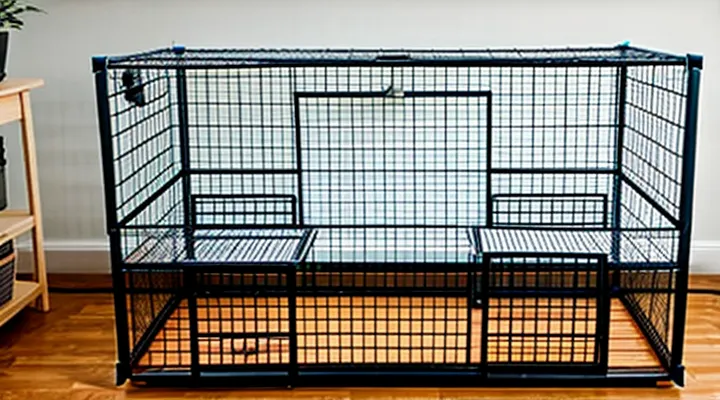
Choosing the Right Cage
Size and Dimensions
Minimum Space Requirements
A rat enclosure must provide enough floor area to support normal movement, nesting, and enrichment. The minimum recommended space per adult rat is 1 sq ft (approximately 0.09 m²) of solid flooring. For a pair of rats, the floor area should increase to at least 2 sq ft; larger groups require an additional 0.5 sq ft per extra individual.
Vertical space also matters. The cage height should be no less than 12 in (30 cm) to accommodate climbing structures and allow the animals to stand fully upright. When using a wire-bottom cage, the solid floor area must still meet the 1 sq ft per rat guideline, with a solid platform or bedding area covering the required space.
Key dimensions for a single‑rat cage:
- Floor: 12 in × 12 in (30 cm × 30 cm) minimum
- Height: 12 in (30 cm) minimum
- Total volume: at least 1.5 ft³ (≈42 L)
For multiple rats, increase the floor dimensions proportionally while maintaining the same minimum height. Ensure that the cage layout allows unobstructed pathways between feeding, watering, and nesting zones.
Multi-Level vs. Single-Level
When choosing a cage design for laboratory or pet rats, the decision between a multi‑level structure and a single‑level arena hinges on space utilization, enrichment potential, and maintenance demands.
A multi‑level cage provides vertical space that mimics natural climbing behavior. It allows placement of tunnels, platforms, and climbing accessories without expanding the footprint. This configuration can increase the number of activity zones per square foot, supporting exercise and mental stimulation. However, additional levels introduce complexity in cleaning; debris can accumulate in corners and under platforms, requiring more time and careful disassembly. The increased height may also limit accessibility for handlers who need to reach the upper tier safely.
A single‑level cage offers a flat, open layout that simplifies inspection and sanitation. Cleaning is straightforward because all surfaces are reachable without dismantling components. The design reduces the risk of rats falling from elevated platforms, which can be a concern for inexperienced caretakers. The trade‑off is a larger horizontal footprint to achieve comparable enrichment, potentially limiting placement in confined laboratory spaces.
Practical considerations for selecting the appropriate design:
- Space constraints: Choose multi‑level when floor area is limited; opt for single‑level when ample floor space is available.
- Cleaning protocol: Prefer single‑level if the facility prioritizes rapid turnover and minimal disassembly.
- Behavioral enrichment: Multi‑level offers more climbing opportunities; single‑level can still provide enrichment through varied bedding, toys, and tunnels placed on the same plane.
- Handler ergonomics: Single‑level reduces the need for ladders or step stools; multi‑level may require additional tools for safe access.
- Cost and durability: Multi‑level cages often involve more components and may incur higher initial costs; single‑level models are typically simpler and less expensive.
In practice, many facilities employ a hybrid approach: a primary single‑level base with a modest, removable platform that can be added for enrichment cycles and removed for thorough cleaning. This compromise balances the advantages of vertical space with the ease of maintenance inherent to a flat design.
Material Considerations
Wire Spacing and Gauge
When constructing a rat enclosure, the choice of wire spacing and gauge directly affects animal safety, containment, and durability. Proper spacing prevents escape and minimizes injury risk, while an appropriate gauge ensures the cage withstands chewing and weight loads.
Recommended wire specifications:
- Horizontal and vertical spacing: ¼‑inch (6 mm) or smaller. This dimension stops adult rats from squeezing through and limits access to cage components.
- Gauge: 18‑20 AWG (American Wire Gauge). Thicker wire (lower gauge number) resists gnawing and reduces deformation under stress.
- Material: Hardened stainless steel or galvanized steel. Corrosion‑resistant alloys maintain structural integrity over time.
- Mesh type: Welded or woven mesh with consistent opening size. Avoid mixed‑size openings that create weak points.
Installation considerations:
- Secure the mesh with stainless‑steel staples or self‑drilling screws. Over‑tightening can deform the openings and create sharp edges.
- Verify that the entire perimeter, including door frames and ventilation panels, adheres to the same spacing and gauge standards.
- Conduct a manual test by inserting a fingertip or a small probe through each opening; no part of the probe should pass without resistance.
Maintenance guidelines:
- Inspect the mesh weekly for signs of corrosion, fraying, or chewed sections. Replace compromised sections immediately to preserve containment.
- Clean the cage with mild detergent and rinse thoroughly. Avoid abrasive cleaners that may thin the wire over repeated use.
By adhering to these precise measurements and material choices, a rat cage will provide reliable security, reduce the likelihood of injuries, and maintain structural performance throughout its service life.
Floor Type: Solid vs. Barred
Choosing between a solid base and a barred floor determines hygiene, enrichment potential, and injury risk in a rat enclosure. Solid flooring offers a continuous surface that prevents bedding loss, simplifies spot‑cleaning, and reduces the chance of foot injuries from sharp edges. Barred flooring permits greater ventilation, facilitates waste drainage, and allows rats to exhibit natural climbing behavior.
-
Solid floor
- Retains bedding, enabling nesting and burrowing.
- Eliminates gaps where waste can accumulate.
- Requires a removable tray for easy cleaning.
- May restrict climbing unless additional structures are added.
-
Barred floor
Select a solid base when the priority is containment of bedding and maximized cleaning efficiency. Opt for a barred design when ventilation and natural climbing are paramount. Hybrid cages combine a solid platform with peripheral bars, delivering balanced hygiene and enrichment. Adjust bedding depth and provide supplemental climbing accessories to mitigate any drawbacks inherent to the chosen floor type.
Cage Styles
Critter Nation/Ferret Nation
When selecting a Critter Nation or Ferret Nation cage for rats, prioritize dimensions, ventilation, durability, and ease of maintenance. A cage that meets these criteria supports healthy behavior and simplifies routine care.
- Minimum floor area: 2 sq ft per animal; larger groups require proportionally more space.
- Height: at least 12 in to accommodate climbing and nesting structures.
- Bar spacing: ½ in or less to prevent escapes while allowing airflow.
- Materials: powder‑coated steel frames resist corrosion; chew‑proof plastic components reduce damage.
- Cleaning access: removable trays and hinged doors enable quick removal of waste and bedding.
- Enrichment attachments: modular tunnels, chew toys, and hammocks should be securely fastened to prevent collapse.
- Safety features: rounded corners, non‑sharp edges, and secure latch mechanisms protect delicate paws and whiskers.
Placement of the cage influences temperature regulation and stress levels. Position the unit on a stable surface away from direct sunlight, drafts, and loud appliances. Maintain ambient temperature between 65 °F and 75 °F; use a low‑wattage heat pad only if ambient conditions fall below this range.
Bedding selection affects odor control and respiratory health. Choose aspen shavings, paper pulp, or kiln‑dried wood chips; avoid cedar and pine, which release volatile oils harmful to small mammals. Replace bedding weekly, and perform a thorough cage wash monthly with a mild, unscented detergent followed by a rinse and complete drying.
Feeding stations should be affixed to the cage side to prevent tipping. Provide a balanced diet of commercial rat pellets, supplemented with fresh vegetables and occasional protein treats. Water bottles must be leak‑proof and inspected daily for cracks.
By adhering to these specifications, a Critter Nation or Ferret Nation enclosure becomes a reliable, hygienic habitat that facilitates natural activity while minimizing owner workload.
DIY Options
When constructing a rat enclosure on a budget, select materials that combine durability, ease of cleaning, and safety. Solid wood panels, untreated plywood, and acrylic sheets provide sturdy walls, while wire mesh with a 1‑inch (2.5 cm) aperture ensures adequate ventilation without risk of escape. Avoid painted or chemically treated surfaces that could release toxins.
- Frame: 2 × 4 lumber, cut to the desired dimensions; reinforce corners with metal brackets.
- Walls: Plywood (¼‑inch) for the back and sides; acrylic panels for the front to allow observation.
- Floor: Smooth, non‑porous plastic sheet or sealed MDF; add a removable tray for bedding.
- Ventilation: Galvanized wire mesh secured with stainless‑steel staples; incorporate a small vent at the top for airflow.
- Doors: Hinged acrylic panels or sliding wooden doors with latch mechanisms to prevent gaps.
During assembly, pre‑drill all holes to prevent wood splitting, then apply a water‑based, non‑toxic sealant to protect against moisture. Use stainless‑steel screws to avoid corrosion. Install a removable tray beneath the floor to simplify waste removal; line it with a thin layer of paper towels for quick changes. Attach a small, detachable climbing platform made from untreated wood to encourage exercise.
For enrichment, fabricate DIY toys from safe household items: cardboard tubes for tunnels, wooden dowels for chewing, and fabric pouches for foraging. Secure all components with zip ties or non‑abrasive clamps to eliminate loose parts. This approach reduces expenses while delivering a functional, hygienic, and stimulating habitat for rats.
Essential Cage Furnishings
Bedding and Substrate
Types of Bedding
Choosing the right substrate directly affects hygiene, comfort, and the health of pet rats. The following bedding options are commonly evaluated for indoor cages.
- Paper‑based bedding (recycled paper, cellulose pellets) – High absorbency, low dust, easy to replace, safe for chewing. May require more frequent changes to control odor in heavily used cages.
- Aspen shavings – Moderate absorbency, low aromatic oils compared to pine or cedar, minimal respiratory irritation. Provides a natural texture that rats enjoy digging in.
- Hemp fiber – Excellent moisture wicking, low dust, biodegradable. Slightly higher cost but offers long‑lasting durability and a pleasant scent.
- Coconut coir – Good structural stability, decent absorption, minimal dust. Can become compacted if not stirred regularly; occasional replacement recommended.
- Corn cob granules – Strong absorbency, low cost, low dust. Rigid texture may be less comfortable for nesting; supplement with softer material if used alone.
- Straw (hay) – Provides nesting material, low cost, but low absorbency and higher dust levels; best used as a supplement rather than primary bedding.
Materials such as pine or cedar shavings should be avoided because volatile oils can cause respiratory irritation. When selecting a substrate, prioritize low particulate emission, sufficient liquid retention, and compatibility with the rats’ natural gnawing behavior. Regular monitoring of moisture and odor levels ensures the environment remains sanitary and comfortable.
Odor Control and Absorbency
Effective odor control and moisture management are essential for maintaining a healthy rat enclosure. Properly selected bedding absorbs urine and feces, reducing airborne scents and preventing bacterial growth.
- Choose a high‑absorbency substrate such as paper‑based bedding, aspen shavings, or coconut fiber. Avoid pine or cedar, which release volatile compounds.
- Provide a bedding depth of 2–3 inches (5–7 cm) to ensure sufficient capacity for liquid retention.
- Replace the entire bedding weekly; spot‑clean soiled sections daily to limit odor buildup.
- Incorporate a layer of low‑dust, odor‑neutralizing material (e.g., activated charcoal sheets) beneath the primary bedding for additional absorption.
- Ensure adequate cage ventilation by positioning the enclosure in a well‑air‑circulated area and using cages with multiple air holes or mesh panels.
Cleaning protocols further support odor reduction. Use a mild, unscented enzymatic cleaner to break down organic residues without leaving strong fragrances that may stress the animals. Rinse thoroughly and dry the cage completely before adding fresh bedding.
Monitoring humidity levels helps prevent excessive moisture, which can amplify odors. Keep cage humidity below 60 % relative humidity; employ a small dehumidifier or silica gel packets if ambient conditions are consistently high.
By combining absorbent bedding, regular maintenance, ventilation, and targeted odor‑neutralizing accessories, a rat habitat remains clean, odor‑free, and conducive to the well‑being of its occupants.
Dust-Free Options
Dust accumulation in a rodent enclosure compromises respiratory health and increases cleaning frequency. Selecting materials and equipment that minimize particulate release is essential for a sustainable habitat.
- Use paper‑based or aspen shavings with low fiber content; avoid pine, cedar, or straw, which shed fine particles.
- Install a sealed, low‑dust substrate such as recycled paper pellets; these absorb moisture without generating airborne debris.
- Equip the cage with a fine‑mesh ventilation panel or a small HEPA filter to capture particles during air exchange.
- Perform spot cleaning with a damp cloth rather than shaking bedding; this method traps dust instead of dispersing it.
- Choose plastic accessories with smooth surfaces; textured or woven items tend to retain and release dust during handling.
Implementing these measures reduces airborne contaminants, protects the animals’ respiratory systems, and simplifies routine maintenance. Regular monitoring of bedding condition and ventilation performance ensures the enclosure remains dust‑free over time.
Food and Water
Food Bowls: Material and Placement
Food bowls must be durable, safe, and easy to clean. Choose materials that resist gnawing, avoid sharp edges, and do not leach chemicals into the diet.
- Stainless steel: corrosion‑resistant, hygienic, withstands chewing.
- Ceramic (glazed, lead‑free): heavy, stable, smooth surface; breakage risk if dropped.
- High‑density polyethylene (HDPE): lightweight, impact‑resistant, may retain odors over time.
- Acrylic: clear view of contents, prone to scratching and chewing damage.
Placement affects feeding efficiency and cage hygiene. Follow these guidelines:
- Position bowls on the cage floor, away from nesting material to prevent contamination.
- Align bowls with a solid surface such as a metal or plastic platform to stop sliding.
- Separate water and dry food containers to reduce spillage and moisture buildup.
- Keep bowls at the rear of the cage, opposite the entry point, to discourage territorial disputes.
- Ensure bowls are easily reachable for all rats, avoiding corners that limit access.
Regularly inspect bowls for cracks, wear, or biofilm. Replace damaged items promptly and sterilize each bowl with hot water and mild detergent before each refill.
Water Bottles vs. Bowls
When providing hydration for pet rats, the choice between suspended water bottles and shallow water bowls affects cleanliness, accessibility, and health outcomes.
Suspended bottles deliver water through a stainless‑steel or plastic drinking tube that rats lick. The design prevents spillage, reduces substrate contamination, and minimizes bacterial growth. Bottles require regular inspection for leaks, tube blockage, and mineral buildup; cleaning should occur at least twice weekly with mild detergent and thorough rinsing.
Shallow bowls allow rats to drink directly, which can be beneficial for younger or disabled animals that struggle with tubes. Bowls expose water to the cage floor, increasing the likelihood of droppings and bedding soaking, which can promote mold and pathogen proliferation. Frequent replacement—daily for small volumes—and thorough cleaning with a sanitizing solution are necessary to maintain hygiene.
Key comparison:
- Leak prevention: bottles > bowls
- Ease of access for all ages: bowls > bottles (if tube is small)
- Cleaning frequency: bottles (twice weekly) vs. bowls (daily)
- Space consumption: bottles occupy ceiling space; bowls occupy floor area
- Risk of contamination: bowls higher due to substrate contact
For most adult rats, a high‑quality bottle with a 2‑inch tube provides reliable hydration while preserving cage cleanliness. Reserve a bowl for juvenile, elderly, or infirm rats, and replace it regularly to mitigate health risks.
Hiding and Sleeping Spaces
Hammocks and Sputniks
Hammocks and sputniks add vertical complexity to a rat enclosure, allowing animals to climb, rest, and explore beyond the floor level. Proper selection and installation prevent injury, simplify maintenance, and enhance behavioral health.
Hammocks should be made from breathable, chew‑resistant fabric such as polyester mesh or reinforced cotton. Choose dimensions that support the rat’s full body length with a few centimeters of clearance on each side. Attach the hammock to the cage’s upper frame using stainless‑steel hooks or bolts; avoid plastic clips that can crack under load. Position the hammock at a height that permits easy access from the floor while leaving sufficient space for other accessories. Cleanability is essential: select a material that tolerates weekly washing in warm water and mild detergent, then air‑dry before reinstallation.
Sputniks provide suspended platforms that rotate or sway, stimulating natural climbing instincts. Opt for a solid wood or acrylic base with rounded edges to prevent paw injuries. Secure the sputnik with two or more anchor points spaced evenly across the cage’s top rails; double‑check that all fasteners are tightened to a torque that eliminates wobble. Limit the sputnik’s diameter to no more than one‑third of the cage’s interior width, preserving room for tunnels and feeding stations. Inspect the structure weekly for signs of wear, loose bolts, or frayed cords.
Key considerations for both accessories:
- Material durability against gnawing and cleaning agents.
- Anchor strength: stainless steel, torque‑checked, no plastic components.
- Size proportionate to cage dimensions, leaving clear pathways.
- Placement that balances vertical enrichment with ground‑level activity zones.
- Regular inspection and sanitation schedule.
Implementing these guidelines ensures hammocks and sputniks function as safe, maintainable enrichment tools within a well‑organized rat habitat.
Cardboard Boxes and PVC Pipes
Cardboard boxes serve as inexpensive, lightweight modules that can be inserted into the cage to create tunnels, hideouts, and climbing platforms. Their corrugated structure tolerates regular gnawing and can be replaced when worn. When selecting boxes, choose double‑wall varieties for durability and cut openings that align with the animal’s size to prevent entrapment. Secure edges with non‑toxic adhesive or zip ties to maintain stability without restricting movement.
PVC pipes complement boxes by providing vertical and horizontal passageways that encourage exploration and exercise. Opt for schedule‑25 or schedule‑40 pipes with an inner diameter of 2–3 inches, allowing free passage while supporting the animal’s weight. Cut pipes to lengths between 6 and 12 inches, then drill entry holes at each end. Connect sections using solvent‑welded joints or removable couplings to enable reconfiguration of the network.
Key considerations for integrating both materials:
- Verify that all cuts are smooth; sand any rough edges to avoid injury.
- Use food‑grade PVC to eliminate toxic leaching.
- Sterilize boxes and pipes with a mild bleach solution (1 % concentration) before first use, then rinse thoroughly.
- Replace any component showing signs of excessive wear, moisture retention, or mold growth.
- Position boxes and pipes to create a balanced layout: at least one elevated platform, one ground‑level tunnel, and one secluded hideout per cage.
Together, cardboard and PVC create a modular system that can be expanded, rearranged, and maintained with minimal cost, supporting the rat’s natural behaviors while preserving a clean, safe environment.
Fabric Hides
Fabric hides provide a soft, insulated surface that mimics natural burrows, helping rats regulate body temperature and reducing stress. They also protect cage flooring from wear and contain bedding displacement.
When selecting a hide, prioritize tightly woven cotton or fleece without loose threads that could be ingested. Ensure the material is free of dyes, chemicals, or synthetic fibers that may irritate sensitive skin. Size the hide to cover at least one-third of the cage floor, allowing space for climbing structures and food stations.
Installation steps:
- Cut the hide to fit the cage dimensions, leaving a margin of 1–2 cm for secure placement.
- Position the hide in a corner or against a wall to create a sheltered nook.
- Secure edges with non‑toxic clips or by tucking the fabric under the cage base to prevent shifting.
- Verify that the hide does not obstruct ventilation openings or wheel clearance.
Regular maintenance extends lifespan and maintains hygiene. Remove the hide weekly, wash in warm water with a mild, fragrance‑free detergent, and rinse thoroughly. Air‑dry completely before returning it to the cage. Inspect for tears or loose fibers after each wash; replace any compromised hide promptly to avoid health hazards.
Enrichment and Play
Chew Toys
Chew toys are essential for maintaining dental health in pet rats. Continuous tooth growth requires regular abrasion; appropriate items provide the necessary wear without risking injury.
Select materials that are safe, non‑toxic, and durable. Preferred options include untreated hardwood blocks, natural sisal ropes, and untreated wicker baskets. Avoid plastics that can splinter or contain harmful chemicals.
When arranging chew toys in the cage, follow these guidelines:
- Place at least one sturdy chew object on each level of a multi‑tier enclosure to ensure accessibility.
- Secure loose items to prevent shifting that could create gaps in the cage structure.
- Rotate toys weekly to sustain interest and encourage consistent gnawing behavior.
Monitor each toy for signs of excessive wear, such as splintered edges or frayed fibers. Replace compromised items promptly to prevent oral injuries.
Integrating chew toys with other enrichment elements—such as tunnels, climbing platforms, and nesting material—creates a balanced environment that supports natural foraging and exploratory instincts while protecting the rats’ incisors.
Ladders, Ramps, and Tunnels
When designing a rat enclosure, vertical and horizontal movement structures must be robust, safe, and sized for adult rats. Ladders, ramps, and tunnels each serve distinct functions that together promote exercise, exploration, and stress reduction.
Ladders should be constructed from stainless steel or powder‑coated metal to prevent rust and chewing damage. Rungs spaced 1–1.5 cm apart allow easy foot placement while discouraging escape. Secure each ladder to the cage frame with bolts or reinforced brackets; loose connections can create hazardous gaps. Install a non‑slip surface, such as textured plastic or silicone pads, on the top and bottom platforms to prevent slipping during ascent and descent.
Ramps provide an alternative to vertical climbing, especially for older or injured rats. Ideal ramp length ranges from 30 cm to 45 cm, producing a gentle incline of 15–20 degrees. Cover the ramp surface with a textured material—e.g., rubberized matting or sandpaper (fine grit)—to increase traction. Anchor the ramp at both ends to eliminate wobble, and ensure the slope leads directly to a secure platform or hideout.
Tunnels function as hideaways and travel conduits. Choose tubes with an interior diameter of 5–6 cm, offering enough clearance for a rat to turn without feeling constrained. Materials such as clear acrylic, polycarbonate, or untreated hardwood resist gnawing and maintain structural integrity. Provide at least two tunnel entry points per enclosure to encourage natural foraging routes and reduce bottlenecks. Connect tunnels to ladders or ramps using flexible silicone sleeves to seal joints and prevent gaps.
Practical checklist:
- Ladder material: stainless steel or powder‑coated metal
- Rung spacing: 1–1.5 cm; non‑slip pads on platforms
- Ramp length: 30–45 cm; incline 15–20°; textured surface
- Tunnel diameter: 5–6 cm; durable material (acrylic, polycarbonate, hardwood)
- Secure mounting: bolts or reinforced brackets for all components
- Joint sealing: silicone sleeves or veterinary‑grade sealant
Implementing these specifications creates a versatile environment that supports natural locomotion, reduces injury risk, and enhances overall well‑being for laboratory or pet rats.
Foraging Toys
Foraging toys enhance a rat’s natural exploratory behavior and provide mental stimulation while the animal is confined. Effective toys mimic the search for food, encouraging problem‑solving and reducing repetitive actions.
- Choose materials that are chew‑safe, such as untreated wood, natural cardboard, or hemp rope. Avoid plastics that can splinter or release chemicals.
- Incorporate hidden compartments where small treats can be placed. Puzzle tubes, nesting boxes with removable lids, and hollow logs work well.
- Position toys at varying heights and locations within the cage to promote movement. Attach a few to the upper bars, place others on the floor, and suspend one from a side mesh.
- Rotate items every one to two weeks. Regular change prevents habituation and sustains interest.
- Clean toys weekly with warm water; sterilize with a dilute vinegar solution if odors develop. Replace any item showing wear or fraying.
- DIY options include rolled paper tubes sealed with a dab of peanut butter, or a wooden block drilled with holes sized for cereal grains.
Implementing these guidelines within a rat enclosure ensures the environment remains enriching, safe, and conducive to natural foraging instincts.
Litter Training Area
Litter Pan Selection
Selecting a suitable litter pan is essential for maintaining hygiene and encouraging proper waste elimination in a rat enclosure. Choose a pan that fits comfortably within the cage dimensions, leaving at least 2–3 cm of clearance on all sides to prevent the animal from tipping it over. Stainless‑steel or heavy‑gauge plastic pans provide durability and resist gnawing; avoid thin, lightweight models that rats can easily displace.
Material considerations affect cleaning frequency. Smooth surfaces, such as polished metal or coated plastic, allow rapid removal of waste and reduce the risk of residue buildup. Ensure the pan’s edges are rounded to prevent injury and to facilitate the rat’s natural digging behavior without obstruction.
When evaluating litter options, prioritize absorbency, dust‑free composition, and non‑toxicity. High‑absorbency paper‑based or wood‑chip litters manage moisture effectively, limiting odor and bacterial growth. Avoid clumping clay litters, which can create hard masses that rats might ingest or become trapped in.
Key criteria for an optimal litter pan:
- Size matches cage footprint, with sufficient margin for stability.
- Material resists chewing and withstands repeated cleaning.
- Edges are smooth and rounded for safety.
- Compatible with low‑dust, highly absorbent, non‑toxic litter.
Regular inspection of the pan for wear, cracks, or contamination ensures the enclosure remains a clean, safe environment for the rats. Replace the pan promptly if any damage compromises its function.
Appropriate Litter Types
Choosing the right litter is essential for maintaining hygiene, controlling odor, and ensuring the comfort of pet rats. Litter must be absorbent, dust‑free, and safe if ingested in small amounts.
- Paper‑based bedding (recycled paper pellets or shredded paper) – highly absorbent, low dust, biodegradable, suitable for sensitive respiratory systems.
- Aspen shavings – naturally low in aromatic oils, moderate absorbency, minimal dust, provides a familiar nesting material.
- Coconut husk (coir) – excellent moisture retention, low dust, environmentally sustainable, offers a soft texture for burrowing.
- Hemp bedding – strong absorbency, low dust, antibacterial properties, durable for long‑term use.
- Corncob pellets – high absorbency, low dust, inexpensive, but may be harder for rats to dig.
Avoid clumping cat litter, pine or cedar shavings, and scented products, as they can irritate the respiratory tract and discourage nesting behavior. Replace litter regularly, removing soiled sections daily and performing a full change weekly to prevent bacterial buildup.
Cage Placement and Environment
Ideal Location within the Home
Temperature and Humidity
Maintain cage temperature between 18 °C and 24 °C (65 °F–75 °F). Temperatures below 16 °C (60 °F) increase metabolic stress; above 27 °C (80 °F) raise the risk of heat‑related illness. Use a calibrated digital thermometer placed at cage height, away from direct drafts or heat sources.
Relative humidity should stay within 40 %–60 %. Levels under 30 % cause excessive water loss from the respiratory tract; levels above 70 % encourage mold growth and respiratory pathogens. Install a hygrometer with accuracy of ±2 % and record readings twice daily.
Control mechanisms:
- Adjustable heating pad or ceramic heat emitter for low ambient temperatures, equipped with a thermostat set to 22 °C (72 °F).
- Small, low‑noise fan or vent system to reduce humidity and improve air circulation without creating strong drafts.
- Automated humidifier/dehumidifier linked to the hygrometer for precise humidity regulation.
Routine checks:
- Verify thermometer and hygrometer calibration weekly.
- Inspect heating and ventilation devices for signs of wear or malfunction.
- Clean and disinfect humidity‑control equipment according to manufacturer guidelines.
Adhering to these temperature and humidity parameters promotes optimal health, growth, and reproductive performance in laboratory or pet rats.
Avoiding Drafts and Direct Sunlight
Rats are highly sensitive to temperature fluctuations and intense light. A cage exposed to drafts may experience rapid cooling, leading to stress, reduced immune function, and increased susceptibility to respiratory infections. Direct sunlight can raise ambient temperature beyond safe limits, causing dehydration, heat stress, and potential organ damage.
Position the cage in a stable environment:
- Choose a location away from exterior doors, windows, and HVAC vents that generate airflow.
- Avoid placement near radiators, heaters, or windows that receive prolonged sun exposure.
- Ensure the room maintains a consistent temperature between 65 °F and 75 °F (18 °C–24 °C).
Mitigate unwanted airflow and light:
- Install a solid back panel or place the cage against a wall to block breezes.
- Use opaque curtains, blinds, or a custom cover to shield the cage from direct sunlight during peak daylight hours.
- Verify that any ventilation openings are covered with fine mesh to prevent drafts while allowing adequate air exchange.
Regularly monitor conditions:
- Check temperature with a digital thermometer positioned at cage level.
- Observe rat behavior for signs of discomfort, such as huddling, panting, or excessive grooming.
- Adjust placement or shielding promptly if temperature deviates from the recommended range.
Noise and Activity Levels
When selecting a location for a rat enclosure, prioritize areas with minimal ambient noise. Excessive sound can stress rodents, leading to heightened activity and reduced sleep cycles. Choose a quiet room away from household appliances, televisions, and outdoor traffic. If relocation is impossible, use acoustic panels or thick curtains to dampen external sounds.
Control internal noise by managing the cage’s components. Opt for solid‑base cages rather than wire‑bottom models, as the latter amplify footfalls. Secure water bottles, food dishes, and enrichment toys to prevent rattling. Regularly inspect for loose fittings and tighten bolts to maintain a stable structure.
Activity levels should be balanced through environmental enrichment and routine. Provide climbing structures, tunnels, and chewable items to channel natural exploratory behavior. Rotate toys weekly to sustain interest and prevent repetitive patterns that may indicate boredom or anxiety. Monitor daily activity; a sudden increase in nocturnal movement may signal discomfort or health issues.
Implement a lighting schedule that mimics natural day‑night cycles. Consistent dimming at dusk and illumination at dawn encourages regular rest periods. Avoid bright, fluctuating lights, which can provoke agitation and excessive running on the wheel.
Maintain a clean substrate to reduce rustling sounds caused by debris. Replace bedding weekly and remove droppings promptly. A dry, low‑dust medium also limits the need for frequent cleaning, thereby limiting disturbance.
Summarized actions:
- Place cage in a low‑noise environment; add sound‑absorbing materials if needed.
- Choose solid‑base enclosures; secure all accessories.
- Provide diverse, regularly refreshed enrichment items.
- Follow a steady light‑dark cycle.
- Keep substrate clean and dry.
These measures create a stable acoustic and activity profile, supporting the health and well‑being of pet rats.
Safety Considerations
Pet-Proofing the Surrounding Area
When a rat enclosure occupies a shared space, the surrounding area must be secured to prevent accidental escapes and protect household items. The following measures create a safe perimeter without compromising the cage’s functionality.
- Install a solid baseboard or trim around the cage’s footprint; seal gaps with silicone caulk to block tiny passages.
- Position the cage away from cords, cords, and loose fabrics that rodents could gnaw. If relocation is impossible, cover exposed wires with protective tubing.
- Use a sturdy, low‑profile barrier—such as a metal or acrylic panel—on the side of the cage that faces high‑traffic zones. The panel should be fixed with brackets to prevent wobble.
- Keep the floor beneath the cage clear of debris, food scraps, and small objects that could become chew targets or hide escape routes.
- Apply a non‑toxic, pet‑safe repellent spray along the perimeter walls; reapply according to manufacturer guidelines to maintain effectiveness.
- Verify that any nearby windows or vents are fitted with fine mesh screens that deny entry to the rats while allowing ventilation.
Regular inspection of the sealed edges, barriers, and protective covers ensures that wear or damage does not compromise the safety zone. Prompt repair of any breach restores the integrity of the controlled environment.
Pest Control
Effective pest control is a critical component of a well‑designed rat enclosure. Maintaining a clean environment, selecting appropriate materials, and implementing preventive measures reduce the risk of infestations that can compromise animal health and cage integrity.
Regular cleaning removes food residues and waste that attract insects and other rodents. Spot‑clean daily, replace bedding weekly, and perform a full sanitation cycle every two weeks using a mild, non‑toxic disinfectant. Ensure all surfaces dry completely before re‑adding accessories.
Material choice influences pest resistance. Opt for solid‑core plastic or stainless‑steel cages rather than porous wood, which can harbor mites and beetles. When using wood, treat it with a pet‑safe sealant to block crevices.
Preventive barriers protect the enclosure from external pests. Position the cage on a raised platform or stand to deter crawling insects. Install a fine mesh screen over ventilation openings; mesh size should not exceed 1 mm to block cockroaches and beetles while allowing airflow.
A concise checklist for pest control:
- Remove uneaten food after each feeding session.
- Store feed in airtight containers.
- Inspect bedding for signs of mites before each change.
- Seal any gaps in cage construction with silicone safe for rodents.
- Place a trap or bait station for stray mice around the room, positioned away from the rat cage.
Monitoring is essential. Conduct visual inspections twice weekly, looking for droppings, live insects, or unusual odors. Early detection enables swift intervention, preventing escalation to a full‑scale infestation.
Maintenance and Cleaning
Daily Spot Cleaning
Daily spot cleaning maintains a healthy environment for laboratory or pet rats by removing localized waste before it spreads. The practice reduces odor, prevents bacterial growth, and protects the animals from contact with contaminated surfaces.
- Remove any visible droppings, urine stains, or food remnants from the cage floor, ramps, and accessories.
- Replace soiled bedding in the affected area with fresh material; avoid disturbing the rest of the bedding to preserve nest stability.
- Wipe plastic and metal components with a damp cloth moistened in a mild, rodent‑safe disinfectant; rinse briefly with water and dry thoroughly.
- Inspect water bottles and food dishes; discard residue, clean with the same disinfectant solution, and refill with fresh supplies.
- Check hideouts and tunnels for accumulated debris; clean the interior surfaces if contamination is evident.
Perform these steps once each day, preferably in the morning before feeding, to ensure a clean start for the rats. Use disposable gloves and a dedicated cleaning kit to prevent cross‑contamination. Store cleaning solutions in labeled containers and follow manufacturer dosage instructions. Consistent daily spot cleaning, combined with weekly full‑cage changes, sustains optimal hygiene and supports the well‑being of the rodents.
Weekly Deep Cleaning
Disinfectants and Cleaners
Effective sanitation of a rat enclosure hinges on selecting appropriate disinfectants and following a consistent cleaning routine. Choose agents that eliminate bacterial, viral, and fungal contaminants without harming the animals or the cage materials.
- Diluted bleach (sodium hypochlorite): 1 part bleach to 30 parts water (≈0.5 % solution). Apply to all hard surfaces, allow 10 minutes of contact, then rinse thoroughly with de‑chlorinated water. Suitable for metal, plastic, and glass components.
- Quaternary ammonium compounds: Use according to manufacturer’s dilution instructions, typically 0.1 % to 0.2 %. Effective on plastics and painted surfaces, but avoid use on rubber or silicone, which may degrade.
- Hydrogen peroxide (3 %): Safe for most cage materials, provides broad‑spectrum antimicrobial action. Apply, let sit for 5 minutes, then wipe dry. Do not mix with bleach.
- Enzymatic cleaners: Target organic residues such as urine and feces. Apply, scrub lightly, and allow enzymatic activity for 15 minutes before rinsing. Preserve cage integrity and reduce odor.
- Isopropyl alcohol (70 %): Ideal for quick disinfection of tools and small accessories. Apply, let evaporate; no rinsing required.
Cleaning protocol:
- Remove all bedding, food, and accessories. Dispose of waste in sealed bags.
- Scrape solid debris, then wash surfaces with hot water and a mild detergent.
- Rinse thoroughly to eliminate detergent residues.
- Apply the chosen disinfectant, ensuring complete coverage. Observe recommended contact time.
- Rinse (except for alcohol) and allow the cage to air‑dry completely before reassembly.
- Replace bedding with a fresh, absorbent layer; reinstall accessories only after they are dry.
Safety considerations:
- Wear gloves and eye protection when handling chemicals.
- Ensure adequate ventilation to disperse fumes.
- Store disinfectants out of reach of pets and children.
- Verify compatibility of each agent with cage components to prevent corrosion or material degradation.
Adhering to this regimen minimizes pathogen load, extends the lifespan of the enclosure, and supports the health of the rats.
Washing Bedding and Accessories
Cleaning bedding and accessories is essential for maintaining a healthy rat enclosure. Replace all soiled bedding at least once a week; more frequently if droppings or urine are visible. Wash reusable items such as tunnels, hammocks, and plastic platforms separately from the cage to prevent cross‑contamination.
- Pre‑wash preparation: Remove food debris, then rinse each item under warm running water.
- Detergent selection: Use a mild, fragrance‑free dish soap; avoid antibacterial agents that may irritate sensitive skin.
- Water temperature: Warm water (30‑40 °C) loosens grime without damaging plastic or fabric.
- Scrubbing: Apply a soft brush or non‑abrasive sponge; focus on seams and crevices where waste accumulates.
- Rinse: Perform at least two thorough rinses to eliminate soap residues.
- Sanitizing (optional): Soak items for 5 minutes in a 1 % diluted white vinegar solution; this reduces bacterial load without harsh chemicals.
- Drying: Air‑dry on a clean surface for a minimum of 2 hours; ensure complete dryness before returning items to the cage to prevent mold growth.
After cleaning, inspect each accessory for wear or damage. Replace cracked plastic, frayed fabric, or any component that no longer provides a secure environment. Consistent washing and timely replacement reduce disease risk and support the overall welfare of the rats.
Monthly Overhaul
A monthly overhaul keeps a rat enclosure functional, hygienic, and safe for its occupants. Perform the routine at the same calendar date each month to maintain consistency and track changes over time.
- Remove all accessories, including tubes, wheels, and hideouts. Discard used bedding and replace it with fresh material appropriate for rodents.
- Wash the cage interior with a mild, non‑ionic detergent; rinse thoroughly and allow to dry completely before reinstalling items.
- Inspect structural components: check wire mesh for rust or loose strands, verify that all bolts and screws remain tight, and replace any damaged sections immediately.
- Examine enrichment devices for wear. Replace cracked chew toys, worn ladders, and frayed tubing to prevent injuries.
- Conduct a health check on each rat: observe coat condition, eye clarity, and behavior; record any abnormalities for veterinary follow‑up.
- Clean water bottles and food dishes with hot water, sanitize, and refill with fresh supplies.
- Re‑apply a thin layer of safe, dust‑free substrate to the cage floor, ensuring even coverage to aid waste absorption.
Document the overhaul in a simple log: date, tasks completed, observations, and parts replaced. This record supports early detection of recurring issues and informs future adjustments to the enclosure’s design. Regular execution of these steps sustains a stable environment, reduces disease risk, and promotes the well‑being of the rats.
Pest Prevention within the Cage
Effective pest prevention inside a rat enclosure protects animal health, maintains hygiene, and reduces the risk of disease transmission. Implementing concrete measures eliminates entry points, controls attractants, and ensures ongoing cleanliness.
- Seal all gaps in the cage frame with metal mesh or fine wire gauze; rodents can squeeze through openings as small as 0.5 cm.
- Install a removable, washable floor tray; replace bedding regularly to prevent accumulation of droppings and food residue.
- Store feed in airtight containers; place only the amount needed for a 24‑hour period inside the cage to limit food waste.
- Use chew‑resistant materials for bars and accessories; replace plastic components that show signs of gnawing.
- Apply a non‑toxic, pet‑safe barrier around the cage base; silicone or petroleum‑based sealants create an impermeable surface that deters insects and other small pests.
- Conduct weekly visual inspections; remove any signs of insect activity, mold, or debris before they establish a foothold.
Consistent application of these practices creates a controlled environment where pests cannot thrive, supporting the overall welfare of the rats and simplifying long‑term maintenance.
Introducing New Rats
Quarantine Procedures
Effective quarantine protects existing colonies from pathogens introduced by new arrivals. Separate the incoming animal in an isolated cage for a minimum of 14 days, monitoring health indicators daily. Maintain the quarantine environment at the same temperature, humidity, and lighting conditions as the main housing to prevent stress‑induced variables.
- Use a dedicated rack or cabinet with a lockable door to prevent accidental contact.
- Provide enrichment identical to the primary cages to avoid behavioral differences.
- Change bedding, water, and food supplies exclusively within the quarantine area; dispose of waste in a sealed container.
- Record weight, respiratory sounds, grooming behavior, and stool consistency each morning.
- Conduct a veterinary health check at the start, midpoint, and end of the quarantine period; include fecal parasite screening and respiratory pathogen testing.
- After clearance, transfer the rat to the main colony using clean gloves and sanitized equipment; disinfect the quarantine cage before repurposing.
If any signs of illness appear, extend quarantine, isolate the affected individual, and seek veterinary intervention immediately. Maintaining strict separation and documentation ensures that the broader rat housing program remains free of disease outbreaks.
Gradual Introduction Techniques
Gradual introduction minimizes stress and reduces the risk of aggression when adding new rats to an established enclosure. The process relies on controlled exposure, scent exchange, and progressive physical interaction.
- Scent swapping – Place a clean cloth in the donor’s cage for 10 minutes, then transfer the cloth to the recipient’s cage for an equal period. Repeat daily for three days to familiarize both groups with each other’s odor.
- Visual contact – After scent swapping, position the cages side‑by‑side with a clear barrier for 15 minutes. Observe behavior; proceed only if neither group exhibits prolonged fighting or excessive vocalization.
- Partial barrier removal – Replace the solid divider with a perforated mesh that allows limited tactile contact while preventing full escape. Maintain this setup for 24 hours, monitoring for signs of dominance or retreat.
- Supervised free‑range session – In a neutral, escape‑proof enclosure, introduce a single rat from each group for a 10‑minute session. Keep a hand‑held barrier ready to separate individuals if aggression escalates.
- Full integration – Once all previous steps show calm interaction, remove barriers entirely. Continue to observe for 48 hours, ensuring equal access to food, water, and nesting material.
Consistent documentation of each stage enables early detection of incompatibility. If severe aggression appears at any point, revert to the previous step and extend its duration before attempting further progression. This systematic approach promotes harmonious coexistence and supports the overall health of the rat colony.
Providing Adequate Space for Multiple Rats
Allocate a minimum of 12 in² (77 cm²) floor area per adult rat; larger breeds or heavily active individuals benefit from 15–20 in² (96–129 cm²). Multiply this figure by the number of occupants to determine the base cage size, then add at least 20 % for enrichment items and nesting material.
- Standard rectangular cages: 30 × 18 in (76 × 46 cm) accommodate three to four rats comfortably.
- Modular systems: combine units to exceed 60 × 30 in (152 × 76 cm) for groups of six or more.
- Vertical space: provide a minimum height of 12 in (30 cm); taller structures enable climbing and increase usable area.
- Accessibility: ensure doors and tunnels allow unobstructed movement; avoid narrow passages that restrict flow.
Calculate total space by adding floor area, vertical platforms, and enrichment zones. Adjust dimensions when introducing new rats, monitoring for crowding signs such as increased aggression or reduced activity. Regularly assess layout, rearranging objects to maintain open pathways and prevent bottlenecks.