
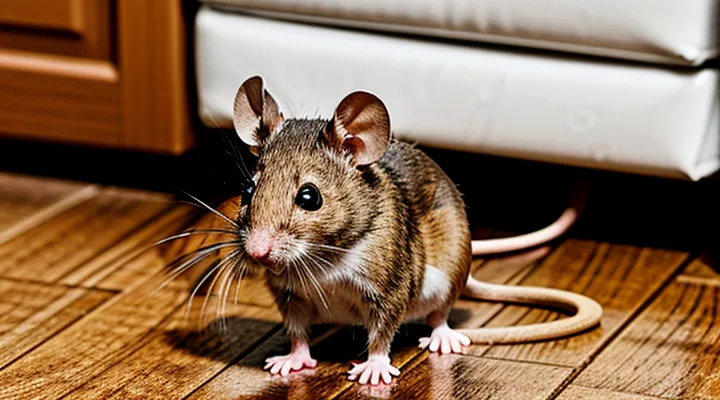
«Understanding Mice Behavior»
«Why Mice Enter Homes»
«Food Sources»
Mice enter homes primarily to obtain food that is easy to reach, poorly stored, or left exposed after meals. Their presence is sustained when such resources are not eliminated.
Typical household food sources that attract rodents include:
- Unsealed cereal boxes, grains, and pet kibble
- Open containers of flour, sugar, rice, and pasta
- Fruit bowls, vegetable scraps, and compost bins placed indoors
- Crumbs on countertops, floors, and behind appliances
- Stale bread, pastries, and snack packages left unattended
- Spilled sugary drinks and syrup residues
Eliminating these attractants requires systematic actions:
- Transfer all dry goods to airtight containers made of metal or heavy‑wall plastic.
- Store pet food in sealed bins and remove leftovers immediately after feeding.
- Clean kitchen surfaces after each use; sweep floors and vacuum cracks where particles accumulate.
- Dispose of food waste in sealed trash cans; empty them regularly and keep lids tightly closed.
- Relocate fruit bowls to the refrigerator or cover them with mesh.
- Regularly inspect pantry shelves for spills and discard expired items.
By denying mice access to these food sources, the incentive for infestation diminishes, making control measures more effective and reducing the likelihood of future rodent activity.
«Shelter and Warmth»
Mice survive by locating protected, warm environments. Removing those conditions forces rodents to abandon the premises.
Typical shelter sources include:
- Stacked boxes, laundry, or other clutter that creates hidden cavities.
- Gaps behind appliances, within wall cavities, or under flooring.
- Loose insulation, shredded paper, or fabric left in storage areas.
Eliminate shelter by:
- Decluttering rooms, storing items in sealed containers.
- Inspecting walls, ceilings, and floors for openings; sealing them with steel wool, caulk, or metal mesh.
- Removing any loose insulation or debris that could serve as nesting material.
Warmth attracts mice, especially in colder months. Heat originates from:
- Radiators, baseboard heaters, or electric blankets left on unattended.
- Drafts that channel outdoor heat into interior voids.
- Appliances that generate residual heat, such as ovens or dryers.
Reduce warmth by:
- Lowering thermostat settings during periods of inactivity.
- Installing draft excluders and weatherstripping around doors and windows.
- Relocating heat‑producing appliances away from walls or storage spaces.
Denying both shelter and warmth deprives mice of essential survival needs, prompting rapid departure and preventing future infestations.
«Water Access»
Mice avoid environments where water is readily available because moisture supports breeding, encourages disease, and creates pathways for scent trails. Eliminating standing water removes a critical attractant, reduces the likelihood of nests, and disrupts the rodents’ navigation system.
Identify and eliminate all potential water sources. Common culprits include leaky pipes, dripping faucets, pet water bowls left overnight, condensation in refrigerators, and excess moisture in basements or crawl spaces. Repair leaks promptly, dry damp areas, and store food in airtight containers to prevent condensation.
- Fix dripping fixtures and seal pipe joints.
- Empty and clean pet water dishes daily; provide water only when needed.
- Use a dehumidifier in basements, attics, or other humid zones.
- Wipe condensation from refrigerator doors and dishwasher seals.
- Store indoor plants on trays with drainage holes, and remove excess water after watering.
- Inspect and repair roof leaks, roof gutters, and exterior drainage to prevent water ingress.
By removing water access, the home becomes less hospitable to mice, simplifying control efforts and minimizing the need for chemical interventions.
«Signs of a Mouse Infestation»
«Droppings and Urine Trails»
Mice leave small, dark pellets and faint, often invisible urine lines wherever they travel. These traces signal active foraging routes and nesting sites, making them both a warning sign and a lure for additional rodents.
Droppings measure about 3‑5 mm, are cylindrical, and dry quickly. They contain pathogens such as hantavirus, salmonella, and leptospira, which can contaminate surfaces, food, and air. Direct contact or inhalation of dust‑borne particles from dried feces poses a health risk to occupants.
Urine trails consist of concentrated nitrogen compounds that evaporate, leaving a lingering scent detectable by mouse olfactory receptors. The odor is not perceptible to humans at low concentrations, yet it marks a chemical pathway that encourages others to follow the same route.
Effective elimination follows a three‑step protocol:
- Identify all droppings and suspected urine paths; use a black light to reveal invisible stains.
- Clean with a detergent solution, then apply a disinfectant containing at least 0.5 % bleach or a commercial rodent‑specific sanitizer; allow a minimum of ten minutes of contact time before wiping.
- Seal entry points and remove food sources that may have been attracted by the residue; replace torn insulation, repair gaps, and store dry goods in airtight containers.
Preventive action hinges on denying mice the sensory cues they rely on. Regularly sweep corners, under appliances, and storage areas; vacuum with a HEPA filter to capture microscopic particles; and maintain low humidity to discourage urine accumulation. When these measures are combined with targeted trapping or baiting, the environment becomes hostile to rodents, reducing the likelihood of further droppings and urine trails.
«Gnaw Marks»
Gnaw marks are the most visible evidence of a mouse presence. They appear as shallow, crescent‑shaped bites on wood, plastic, wires, and furniture. The size of each mark corresponds to the rodent’s incisors, typically 2–3 mm wide. Fresh gnawing leaves clean, glossy edges; older damage darkens and may splinter.
Mice produce gnaw marks to keep their teeth at a functional length and to access food or nesting material. The activity concentrates around concealed routes such as wall voids, baseboards, and appliance gaps. Identifying the pattern of damage—regular spacing along a linear path—helps locate the underlying travel corridor.
Eliminating gnaw marks requires two parallel actions: stop the rodents and repair the damage.
- Seal entry points with steel wool or cement‑based caulk.
- Install snap traps or electronic bait stations along identified pathways.
- Remove all accessible food sources; store items in airtight containers.
- Replace or reinforce chewed components with rodent‑resistant materials (e.g., metal conduit for wiring).
- Apply a non‑toxic wood filler or epoxy to restore structural integrity after the infestation is cleared.
Consistent monitoring of the repaired areas prevents re‑infestation. Any new gnaw marks indicate a breach in the barrier or a surviving mouse, prompting immediate reinforcement of exclusion measures.
«Scratching Noises»
Mice produce scratching sounds when they gnaw on building materials, insulation, or stored food. The noise signals a safe passage or a hidden nest, and it often triggers further activity that can damage structures and contaminate supplies. Reducing or eliminating these sounds removes a key incentive for rodents to remain in a dwelling.
The primary reasons mice generate scratching noises include:
- Searching for entry points such as gaps around pipes, vents, or foundation cracks.
- Creating a nest by tearing paper, fabric, or insulation.
- Accessing stored food that emits subtle vibrations when disturbed.
To suppress scratching noises and discourage rodents, apply the following measures:
- Seal all potential openings: Use steel wool, caulk, or metal mesh to close gaps larger than ¼ inch.
- Remove nesting materials: Store paper, fabric scraps, and insulation in sealed containers; keep clutter to a minimum.
- Eliminate food sources: Store dry goods in airtight containers, clean crumbs promptly, and keep countertops free of leftovers.
- Deploy deterrents: Place peppermint oil-soaked cotton balls, mothballs, or commercial rodent repellents near suspected pathways.
- Install ultrasonic emitters: Position devices in rooms where scratching is audible; they emit high-frequency tones that rodents find uncomfortable.
- Set traps: Use snap traps or live-catch traps at active scratching sites; check and replace them regularly.
Consistently applying these steps eliminates the auditory cues that attract mice, reduces structural damage, and creates an environment that rodents naturally avoid.
«Nests and Tracks»
Mice construct nests from shredded paper, fabric, insulation, or dried food, often hidden in wall voids, attics, basements, and cluttered corners. The presence of a nest indicates a stable food source and shelter, which encourages further infestation. Identifying nests involves looking for:
- Compact piles of soft material with a distinct mouse odor
- Chewed wiring, insulation, or cardboard near the pile
- Small droppings surrounding the area
Tracks provide the most reliable evidence of mouse activity. Fresh footprints appear as dark, elongated prints on dusty surfaces, while older tracks turn grayish and may be obscured by debris. Additional indicators include:
- Gnaw marks on wood, plastic, or metal
- Grease smears from a mouse’s oily fur
- Accumulated urine stains that fluoresce under ultraviolet light
Effective removal of nests and tracks requires a systematic approach:
- Locate the exact position of nests and trails by inspecting likely hiding spots and following the pattern of droppings.
- Eliminate the nest material promptly, sealing it in a plastic bag before disposal to prevent re‑contamination.
- Sanitize the area with a disinfectant solution to remove scent trails that attract other rodents.
- Seal entry points by caulking gaps, installing steel mesh over vents, and repairing damaged screens.
- Set traps or deploy bait stations near identified pathways, ensuring placement along walls where mice travel.
- Monitor the site for new droppings or fresh tracks, adjusting control measures as needed.
By removing nesting sites, eradicating scent trails, and blocking access, homeowners can create an environment that mice find inhospitable, reducing the likelihood of re‑infestation.
«What Mice Naturally Dislike»
«Strong Scents That Repel Mice»
«Peppermint Oil»
Peppermint oil is a natural repellent that mice find offensive because its strong menthol scent overwhelms their sensitive olfactory receptors. The volatile compounds, primarily menthol and menthone, disrupt the rodents’ ability to locate food and nesting sites, prompting them to avoid treated areas.
To employ peppermint oil effectively:
- Dilute 10–15 drops of pure peppermint essential oil in 1 cup of water; add a few teaspoons of a neutral carrier such as liquid dish soap to keep the mixture from separating.
- Soak cotton balls or small fabric squares in the solution, then place them in entry points, along baseboards, behind appliances, and in any location where mouse activity has been observed.
- Replace the soaked material every 3–5 days, or sooner if the scent diminishes, to maintain a continuous deterrent effect.
- For larger spaces, fill a spray bottle with the same diluted solution and mist corners, shelves, and cracks, allowing the liquid to dry before reapplying.
Safety considerations include keeping the oil away from pets, children, and food preparation surfaces, as high concentrations can cause irritation. Use only food‑grade peppermint oil to avoid introducing harmful chemicals into the home environment.
Peppermint oil works best when combined with other exclusion tactics: seal gaps, eliminate food sources, and set mechanical traps. Relying solely on scent may reduce mouse presence but rarely eradicates an established infestation. Regular monitoring and prompt replacement of the repellent material ensure sustained effectiveness.
«Eucalyptus Oil»
Eucalyptus oil emits a strong, menthol‑like scent that rodents find repulsive. The volatile compounds, primarily eucalyptol, interfere with mice’s olfactory receptors, causing them to avoid treated areas.
Application methods:
- Dilute 10‑15 mL of pure eucalyptus oil in 1 L of water. Soak cotton balls or cloth strips, place them in corners, behind appliances, and along baseboards where activity is observed. Replace every 3‑4 days.
- Mix 5 mL of oil with 100 mL of carrier oil (e.g., mineral oil) and apply a thin layer to the exterior of entry points such as cracks, gaps, and door frames. Reapply weekly.
- Add 5‑10 drops to a spray bottle filled with water, shake well, and mist surfaces, shelves, and pantry shelves. Do not spray directly on food or food‑contact surfaces.
Effectiveness considerations:
- Continuous exposure maintains an unpleasant environment for mice; intermittent use reduces impact.
- Combine with sealing entry points and eliminating food sources for a comprehensive control strategy.
- Eucalyptus oil is safe for humans and pets in recommended concentrations, but avoid direct skin contact and ingestion.
Precautions:
- Test a small area before widespread application to ensure no damage to finishes.
- Store oil in a cool, dark place to preserve potency.
- Use gloves when handling undiluted oil to prevent irritation.
«Cayenne Pepper»
Cayenne pepper is a natural rodent repellent that works by irritating the nasal passages and mucous membranes of mice. The active component, capsaicin, triggers a strong sensory response, causing discomfort that mice quickly associate with the treated area.
When applied correctly, cayenne pepper creates an environment that mice avoid, reducing the likelihood of entry and nesting. The compound does not harm the animals; it simply makes the space unpleasant, encouraging them to seek alternative routes.
- Mix 1–2 teaspoons of cayenne powder with an equal amount of powdered sugar to improve adherence.
- Sprinkle the blend along baseboards, entry points, and around food storage containers.
- Reapply after cleaning or when the powder appears faded, typically every two weeks.
- For active infestations, combine with other deterrents such as steel wool or sealed gaps to block access.
Safety considerations include keeping the powder away from children and pets, as inhalation or ingestion can cause irritation. The effectiveness of cayenne pepper varies with the severity of the problem; it works best as part of an integrated approach that includes sealing entryways and maintaining cleanliness. Excessive use may lead to dust accumulation, which can affect indoor air quality, so moderation and regular cleaning are essential.
«Clove Oil»
Clove oil contains eugenol, a compound with a strong, pungent aroma that mice find repulsive. The scent interferes with their olfactory receptors, causing discomfort and prompting avoidance of treated areas.
Studies indicate that exposure to clove oil reduces mouse activity in kitchens, pantries, and crawl spaces. Laboratory tests show a measurable decline in rodent presence when the oil is applied at concentrations of 5‑10 % in water or carrier oil.
To employ clove oil effectively:
- Dilute 1 ml of pure clove oil in 20 ml of water or a neutral carrier (e.g., mineral oil).
- Soak cotton balls or small cloth pieces in the solution.
- Place the saturated material near entry points, along walls, and in suspected nesting zones.
- Replace every 3‑4 days to maintain potency.
Clove oil poses minimal risk to humans and pets when used externally and does not leave toxic residues. It should complement other control measures such as sealing gaps, removing food sources, and setting traps for comprehensive rodent management.
«Ammonia»
Ammonia emits a strong, pungent smell that rodents find highly aversive. The compound interferes with their keen sense of smell, causing discomfort and prompting them to avoid treated areas.
When using ammonia as a deterrent, follow these steps:
- Dilute one part household ammonia with three parts water in a spray bottle.
- Apply the solution along baseboards, entry points, and near suspected nesting sites.
- Reapply every 48 hours, especially after cleaning or ventilation.
- Keep the spray away from food preparation surfaces and pet areas.
- Wear gloves and ensure adequate ventilation to prevent respiratory irritation.
Ammonia’s effectiveness diminishes as the odor dissipates; regular reapplication maintains a hostile environment for mice. The substance is inexpensive and readily available, making it a practical option for quick, short‑term control. However, it does not eradicate established infestations; combine it with sealing entry gaps and trapping for comprehensive management.
«Vinegar»
Vinegar serves as an effective mouse repellent because its strong acetic odor overwhelms the rodents’ sensitive olfactory system, making treated areas unattractive for nesting and foraging.
The deterrent effect stems from the combination of acidity and pungency. Mice detect even faint concentrations of vinegar, associate the scent with an unsafe environment, and avoid spaces where it is present.
Practical application:
- Dilute white distilled vinegar with water in a 1:1 ratio.
- Fill a spray bottle and mist corners, baseboards, entry points, and behind appliances.
- Soak cotton balls in undiluted vinegar and place them in cupboards, pantry shelves, and near known activity zones; replace every 48 hours.
- Wipe countertops, sinks, and floors with the solution after cleaning to leave a residual scent.
Safety considerations: vinegar is non‑toxic to humans and pets, but prolonged skin contact may cause irritation; use gloves when handling undiluted liquid. The scent diminishes within a few days, requiring regular reapplication for continued effectiveness. Vinegar alone may not eradicate an established infestation; combine with sealing entry gaps and trapping for comprehensive control.
«Sounds and Vibrations»
«Ultrasonic Repellers»
Ultrasonic repellers emit high‑frequency sound waves that fall outside the range of human hearing but are intolerable for mice. The devices generate a continuous or intermittent pulse that interferes with the rodents’ auditory and nervous systems, prompting them to abandon the area.
Placement is critical for optimal performance. Install a unit in each room where activity has been observed, positioning it at least 12 inches off the floor and away from large furniture that could block the signal. Avoid mounting near metal surfaces, as they can reflect the waves and reduce coverage.
Effectiveness varies with environmental factors. Open floor plans allow the sound to travel farther, while cluttered spaces limit the reach. Multiple devices may be required in larger homes to create overlapping zones. Studies indicate a reduction in mouse sightings after consistent use for several weeks, but results are not guaranteed in heavily infested environments.
Key advantages:
- No chemicals or traps, eliminating risk to children and pets
- Silent operation for occupants
- Simple installation and minimal maintenance
Limitations:
- Ineffective against mice that have already established nests deep within walls
- Signal diminishes over distances greater than 20 feet
- Some rodent populations may habituate after prolonged exposure
Maintenance involves periodic cleaning of the unit’s exterior and replacing batteries or resetting the power supply annually. For best results, combine ultrasonic repellers with sanitation measures such as sealing entry points, removing food sources, and using physical traps for any remaining individuals.
«Loud Noises»
Mice possess acute hearing; sudden, high‑volume sounds trigger stress responses that discourage them from staying in a dwelling. Their nervous system interprets abrupt acoustic stimuli as threats, prompting them to seek quieter shelter.
Effective use of loud noises includes:
- Installing a battery‑operated alarm that emits a short, sharp blast at random intervals.
- Playing a playlist of varied, high‑frequency sounds (e.g., metal clatter, door slam recordings) for several minutes each hour.
- Setting up motion‑activated devices that release a loud click or bang when movement is detected.
- Employing ultrasonic emitters calibrated to frequencies beyond human hearing but uncomfortable for rodents; ensure coverage of all potential nesting zones.
Consistent exposure to these auditory disturbances reduces mouse activity and promotes relocation to less noisy environments.
«Physical Deterrents»
«Cleanliness and Sanitation»
Mice are attracted to accessible food, standing water, and clutter that offers nesting sites. A tidy, dry environment removes these incentives and reduces the likelihood of infestation.
- Store all food in sealed containers; avoid leaving pet food out overnight.
- Clean countertops, floors, and appliance interiors promptly after meals; remove crumbs and spills.
- Dispose of garbage in bins with tight‑fitting lids; empty them regularly.
- Repair leaks, mop up condensation, and keep basements, crawl spaces, and storage areas dry.
- Eliminate clutter such as cardboard boxes, fabric piles, and unused appliances that can serve as shelter.
Routine inspections help identify hidden sources of moisture or food. Promptly fixing leaks, sealing entry points, and maintaining consistent cleaning schedules sustain a hostile setting for rodents, supporting long‑term control without chemical measures.
«Eliminating Hiding Spots»
Mice thrive in concealed areas where food, shelter, and darkness converge. Removing these refuges forces the pests to expose themselves, increasing the effectiveness of any control measures.
First, inspect walls, floors, and ceilings for gaps larger than a quarter‑inch. Seal openings with steel wool, caulk, or expandable foam; rodents cannot gnaw through metal or dense foam. Pay special attention to utility penetrations, pipe sleeves, and vent ducts.
Second, eliminate clutter that creates potential nests. Store boxes, laundry, and seasonal items in sealed containers rather than on the floor. Keep storage areas well‑lit; bright environments discourage rodent activity.
Third, manage food sources. Place all consumables in airtight containers made of glass, metal, or heavy‑wall plastic. Clean crumbs and spills immediately, and avoid leaving pet food out overnight.
Fourth, reduce indoor vegetation. Trim houseplants and remove excess soil that can hold moisture and serve as a breeding ground. Dispose of dead foliage promptly.
Fifth, maintain exterior perimeters. Trim shrubs and vines away from the building, and keep the yard free of debris, wood piles, and compost heaps that could harbor rodents.
By systematically eradicating each of these hiding places, homeowners create an environment that is inhospitable to mice, making subsequent eradication efforts more straightforward and sustainable.
«Effective Mouse Removal Strategies»
«Non-Lethal Methods»
«Live Traps and Release»
Live traps provide a humane solution for removing rodents without poison. The device isolates the animal in a confined space, preventing damage to structure and food supplies while allowing relocation.
Effective deployment requires strategic placement and appropriate bait. Position traps along walls, behind appliances, and near entry points where rodents travel. Use high‑fat foods such as peanut butter, cheese, or dried fruit to attract the target. Ensure the trap is level, closed securely, and checked at least twice daily to minimize stress on the captured mouse.
Release guidelines protect both the animal and the household. Follow these steps:
- Verify local regulations regarding relocation of wildlife.
- Transport the trap to a natural area at least two miles from the residence, preferably a field or wooded zone with shelter and water.
- Open the trap on a flat surface, allow the mouse to exit voluntarily, and retreat promptly.
- Seal any openings discovered during inspection to prevent re‑entry.
Consistent monitoring and prompt removal of trapped rodents sustain a mouse‑free environment while adhering to humane standards.
«Repellent Sprays and Sachets»
Repellent sprays and sachets provide a non‑lethal method for discouraging rodents from entering living spaces. Formulations typically contain essential oils, ammonia, or synthetic compounds that interfere with mice’s olfactory receptors, prompting avoidance behavior.
Key active agents include:
- Peppermint oil – strong scent that masks food odors.
- Eucalyptus oil – volatile compounds that irritate nasal passages.
- Ammonia – sharp vapor that creates an inhospitable atmosphere.
- Capsaicin – derived from chili peppers, produces a burning sensation on contact.
Effective deployment requires strategic placement and regular renewal. Apply spray along baseboards, entry points, and behind appliances; reapply every 7‑10 days or after cleaning. Position sachets in concealed corners, cupboards, and under sinks; replace sachets monthly or when scent diminishes. Ensure ventilation to prevent respiratory irritation for occupants and pets; avoid direct contact with food surfaces.
Advantages of sprays and sachets:
- Immediate odor impact deters mice without traps.
- Easy installation without professional tools.
- Minimal visual intrusion, suitable for residential interiors.
Limitations:
- Efficacy declines as scent fades, demanding consistent maintenance.
- Strong odors may be unpleasant to humans or sensitive pets.
- Not a substitute for sealing structural entry points.
Integrating repellents with exclusion measures—such as sealing gaps, removing clutter, and maintaining cleanliness—maximizes control. Use sprays and sachets as a supplementary barrier while addressing the underlying attractants that draw rodents into the home.
«Lethal Methods (When Necessary)»
«Snap Traps»
Snap traps are mechanical devices that kill rodents instantly with a spring‑loaded bar. The design requires no electricity, baiting is optional, and the unit can be placed in concealed locations such as behind appliances, within wall voids, or along baseboards.
Mice avoid snap traps because the sudden motion and audible click create a threat they recognize instinctively. The rapid closure also produces a brief vibration that alerts nearby rodents, prompting them to steer clear of the area.
Effective placement follows three principles:
- Position traps perpendicular to walls, with the trigger end facing the mouse’s travel path.
- Locate traps near known activity zones: droppings, gnaw marks, or food sources.
- Use a small amount of attractive bait (peanut butter, cheese, or dried fruit) only if necessary; over‑baiting reduces the trap’s shock value.
Safety measures include wearing gloves when handling traps, keeping them out of reach of children and pets, and checking daily. After a capture, immobilize the trap, dispose of the carcass in a sealed bag, and reset the device with fresh bait if further control is needed.
Compared with glue boards or poison, snap traps provide immediate results, eliminate the risk of secondary poisoning, and require minimal maintenance, making them a reliable choice for homeowners seeking swift, low‑cost rodent control.
«Glue Traps (Consider Ethical Concerns)»
Glue traps are widely marketed as a quick solution for indoor rodent problems. The device consists of a flat surface coated with a powerful adhesive; a mouse that steps onto the trap becomes immobilized within seconds.
The adhesive retains the animal by binding to fur and paws, preventing escape. The trap requires placement along known pathways, near walls, or behind appliances where activity has been observed. Once secured, the mouse cannot reach food or water, leading to rapid mortality.
-
Advantages
• Immediate capture without electricity or chemicals
• Low purchase cost, easy storage
• No need for professional installation -
Disadvantages
• High likelihood of prolonged suffering before death
• Non‑target capture of insects or small pets
• Difficult disposal; requires protective gloves and sealed container
Ethical concerns center on the prolonged distress caused by adhesive confinement. Immobilization prevents normal breathing and can result in dehydration, injury, or self‑inflicted wounds. Many animal‑welfare organizations classify glue traps as inhumane, recommending their avoidance in favor of methods that cause instantaneous death or allow live release.
For humane control, consider snap traps with quick‑kill mechanisms, electronic devices delivering lethal voltage, or exclusion techniques that seal entry points. Live‑catch traps paired with immediate release far from the residence also reduce suffering while maintaining effectiveness. Selecting a method that eliminates the pest swiftly and minimizes collateral harm aligns with both practical pest management and ethical responsibility.
«Electronic Traps»
Electronic traps provide a rapid, humane solution for eliminating rodents inside a residence. When a mouse contacts the baited plate, a high‑voltage shock instantly terminates the pest, preventing suffering and further contamination.
The device consists of a sealed chamber, a sensing circuit, and a rechargeable battery. Sensors detect the animal’s weight or movement, trigger the capacitor to discharge, and the insulated enclosure contains the lethal charge. No poison is released, eliminating secondary poisoning risks for pets and children.
Effective placement follows two principles: locate traps along walls, behind appliances, and near known droppings; and position them perpendicular to the mouse’s travel route, ensuring the animal must step onto the trigger plate. Avoid clutter that could obstruct the sensor or allow the mouse to bypass the device.
Advantages
- Immediate result, no waiting for bait consumption
- No chemical residues, safe for non‑target species
- Reusable battery reduces long‑term expense
- Quiet operation, suitable for bedrooms and offices
Considerations
- Initial cost exceeds that of snap traps
- Requires periodic inspection to replace dead rodents and recharge the battery
- May be less effective in cluttered spaces where mice can find alternative pathways
Regular maintenance—emptying the collection tray, cleaning the chamber, and confirming battery charge—preserves reliability. When installed correctly, electronic traps become a decisive component of a comprehensive rodent‑control strategy, addressing the primary sources of infestation without resorting to toxic substances.
«Professional Pest Control»
«When to Call an Expert»
Mice infestations become a professional concern when visual signs exceed isolated sightings. If droppings appear in multiple rooms, gnaw marks are found on structural elements, or nesting material accumulates in concealed spaces, a qualified exterminator should be engaged. Persistent odors of urine or a sudden increase in food loss also indicate a population beyond DIY mitigation.
When structural damage is evident—chewed wiring, compromised insulation, or breached seals—expert assessment prevents fire hazards and energy loss. Professional services can identify entry points hidden behind drywall, floor joists, or HVAC ducts, applying certified sealing methods that homeowners typically cannot implement safely.
A rapid rise in mouse activity during colder months, especially when seasonal behavior drives rodents indoors, warrants immediate intervention. Delays allow breeding cycles to expand the colony, escalating control difficulty and cost.
If previous traps or bait stations fail to reduce numbers after several weeks, the infestation likely requires integrated pest management. Certified technicians provide chemical controls, monitoring devices, and long‑term prevention plans that comply with health regulations.
Indicators for calling an expert:
- Droppings in three or more distinct locations
- Multiple gnaw marks on structural components
- Visible nests or shredded material in walls, attics, or basements
- Evidence of compromised wiring or insulation
- Ineffective results from personal traps or baits after 14 days
- Rapid population growth during seasonal shifts
Engaging a professional at these points ensures safe, comprehensive eradication and reduces the risk of recurring infestations.
«Benefits of Professional Service»
Professional pest‑control services address mouse infestations with expertise that surpasses DIY attempts. Trained technicians identify entry points, apply targeted treatments, and monitor results, ensuring the problem is eliminated rather than merely concealed.
Key advantages of engaging experts
- Accurate detection of concealed nests and food sources that homeowners often overlook.
- Use of certified, low‑toxicity products that protect residents and pets while remaining lethal to rodents.
- Rapid reduction of activity through methods mice instinctively avoid, such as ultrasonic devices and specialized bait stations.
- Ongoing maintenance plans that prevent re‑infestation by sealing gaps and reinforcing barriers.
- Documentation of actions taken, which can support liability claims if damage occurs.
Choosing a professional service reduces the time, effort, and risk associated with self‑managed control measures, delivering a reliable, long‑term solution to unwanted rodent presence.
«Preventing Future Infestations»
«Sealing Entry Points»
«Cracks in Walls and Foundations»
Cracks in walls and foundations act as direct access points for rodents, allowing them to enter, travel, and establish nests within a residence. These openings also create concealed pathways that protect mice from predators and environmental extremes, making the structure especially inviting.
Typical locations include gaps around utility penetrations, foundation seams, baseboard joints, and where exterior siding meets the ground. Visible signs such as gnaw marks, droppings, or fresh burrows near these areas confirm active use.
To eliminate these vulnerabilities, follow a systematic approach:
- Conduct a thorough visual inspection of interior and exterior walls, foundation walls, and floor joists.
- Measure each opening; any gap larger than ¼ inch (approximately 6 mm) must be sealed.
- Apply appropriate sealants: hydraulic cement for larger foundation cracks, expanding foam for irregular gaps, and steel wool or copper mesh behind caulk for smaller openings.
- Install weather‑resistant flashing around utility entry points and repair damaged siding or trim.
- Verify the seal by re‑inspecting after a 24‑hour period; reapply material if movement or moisture is observed.
Regularly monitor sealed areas, especially after heavy rain or seasonal temperature shifts, to detect new fissures promptly. Maintaining a crack‑free envelope reduces the likelihood of rodent intrusion and supports long‑term pest control.
«Gaps Around Pipes and Vents»
Mice enter homes through openings as small as a quarter‑inch, and gaps surrounding pipes and vents are frequent access points. These spaces often appear where plumbing penetrates walls, around dryer exhaust ducts, and at the junction of HVAC vents and the building envelope.
Rodents locate the gaps by following scent trails and using their ability to squeeze through narrow passages. Once inside, they can travel along pipe runs to reach insulation, food storage, and nesting sites, increasing the risk of contamination and structural damage.
To identify vulnerable areas, perform a systematic inspection:
- Visual scan of all pipe sleeves, vent collars, and utility chases for visible cracks or missing sealant.
- Touch test for airflow; a noticeable draft indicates an unsealed opening.
- Use a flashlight to view hidden junctions behind appliances and under cabinets.
Seal identified gaps with durable, mouse‑proof materials:
- Stuff steel wool into the opening, then cover with a layer of silicone or acrylic caulk.
- Apply expanding polyurethane foam for gaps larger than ¼ in, ensuring the foam is reinforced with a metal mesh strip.
- Install metal flashing or copper sleeves around pipe penetrations, securing them with screws and sealing the edges with high‑temperature sealant.
Maintain a barrier by scheduling quarterly checks, repairing cracked caulk, and confirming that vent covers remain tightly fastened. Consistent sealing of pipe and vent gaps eliminates a primary route for infestation and supports long‑term rodent control.
«Damaged Screens and Doors»
Damaged screens and doors create openings that allow mice to enter homes, locate food sources, and establish nests. Cracks, torn mesh, and misaligned hinges compromise the building envelope, providing easy access points for small rodents. Once inside, mice exploit the gaps to travel between rooms, increasing the risk of contamination and structural damage.
Effective elimination of these entryways involves the following actions:
- Inspect all exterior screens, door frames, and weatherstripping for tears, gaps, or loose fittings.
- Replace torn screen mesh with durable, fine‑mesh material; secure edges with rust‑resistant staples or adhesive.
- Adjust or reinstall door hinges to ensure proper alignment; tighten screws and replace worn hardware.
- Apply silicone or expanding foam sealant to fill cracks around hinges, locks, and door thresholds.
- Install self‑closing mechanisms on exterior doors to guarantee a tight seal after each use.
Regular maintenance of screens and doors prevents re‑entry, reduces the need for chemical controls, and sustains a rodent‑free environment.
«Maintaining a Clean Environment»
«Proper Food Storage»
Mice are attracted to accessible food, so securing nourishment eliminates a primary incentive for infestation. When food is sealed, odor diffusion drops dramatically, reducing the likelihood that rodents will investigate the area.
- Store dry goods in airtight containers made of heavy‑gauge plastic or metal with tight‑locking lids.
- Keep perishable items in the refrigerator or freezer; discard expired products promptly.
- Place pet food in sealed bins and feed pets only during supervised meals.
- Clean crumbs and spills immediately; wipe countertops after each use.
- Position trash cans with fitted lids and empty them regularly.
Containers must resist chewing; inspect seals weekly for damage. Rotate stocked items to use older supplies first, preventing spoilage that emits strong scents. Maintaining these practices creates an environment where mice find little nutritional reward, supporting long‑term exclusion.
«Regular Trash Removal»
Mice are attracted to food residues and odors that accumulate in household waste. Consistently removing trash eliminates a primary food source, reducing the likelihood that rodents will explore or settle in a dwelling.
Frequent disposal of garbage accomplishes three objectives: it deprives mice of readily available nourishment, prevents the buildup of scent trails that guide them to entry points, and discourages nesting in containers that are left open or overflowing.
Practical steps for effective waste management:
- Empty kitchen bins nightly; use containers with tight‑fitting lids.
- Seal and transport all trash to an external dumpster no later than 24 hours after collection.
- Clean the interior of trash cans with a disinfectant solution weekly to remove lingering food particles.
- Keep recycling bins separate from food waste and store them away from walls or cabinets.
- Inspect outdoor bins for damage; repair or replace to maintain a secure seal.
Implementing these measures systematically removes a key attractant, making the home environment hostile to mice and supporting broader pest‑control efforts.
«Decluttering Basements and Attics»
Mice are attracted to cluttered spaces where food, nesting material, and shelter are easily hidden. Basements and attics often serve as ideal hideouts because they accumulate boxes, old fabric, and debris. Removing unnecessary items eliminates the conditions mice need to thrive, making these areas less appealing and reducing the likelihood of infestation.
A systematic approach to clearing out these storage zones improves safety and discourages rodent activity:
- Sort items into three categories: keep, donate or discard, and dispose of as waste.
- Place kept items on shelves or in sealed containers; avoid stacking boxes directly on the floor.
- Seal all openings larger than ¼ inch with steel wool, mesh, or expandable foam; check for gaps around pipes, vents, and wiring.
- Install airtight storage bins for seasonal clothing, linens, and paper products; label containers for easy identification.
- Maintain a regular cleaning schedule: sweep floors, vacuum corners, and wipe surfaces weekly to remove crumbs and droppings.
After decluttering, inspect insulation and structural components for damage. Replace compromised insulation, repair torn drywall, and reinforce joists to eliminate potential entry points. By keeping basements and attics organized, dry, and sealed, homeowners create an environment that rodents find inhospitable, simplifying control efforts and preventing future problems.
«Outdoor Maintenance»
«Trimming Vegetation Away From the House»
Mice use dense vegetation as a bridge between outdoor habitats and the foundation of a house. When shrubs, vines, or tall grass touch the siding, they provide a protected route for rodents to climb onto the roof, enter eaves, or reach gaps in the exterior. Removing this natural pathway reduces the likelihood that mice will approach the structure and seek shelter inside.
Effective vegetation management includes the following actions:
- Cut back all bushes, hedges, and ornamental trees to a minimum distance of three feet from the house walls.
- Trim vines and climbing plants so they do not contact the siding, roof, or gutters.
- Mow lawns regularly, keeping grass no higher than two inches.
- Eliminate accumulated leaf litter, mulch, and compost piles within three feet of the foundation.
- Inspect and clear any debris that creates hidden corridors, such as stacked firewood or garden tools placed against the exterior.
Maintaining a clear perimeter deprives mice of cover, forces them to travel in open areas where predators are more active, and makes it harder for them to locate entry points. Consistent trimming also improves visibility for homeowners, allowing early detection of damage or new rodent activity. Implementing these measures creates a physical barrier that complements other exclusion methods, leading to a more secure, mouse‑free home.
«Securing Outdoor Food Sources»
Mice are attracted to easily accessible food outside the house, which often leads them to seek shelter indoors. Eliminating these external food sources cuts the primary incentive for entry and reduces the likelihood of infestation.
Secure outdoor waste containers with tight-fitting lids; replace damaged seals promptly. Store birdseed, pet food, and garden produce in sealed, rodent‑proof containers made of metal or heavy‑wall plastic. Position feeders away from building foundations and elevate them on sturdy poles to prevent rodents from climbing.
Maintain a clean perimeter by sweeping away fallen fruit, nuts, and seed debris. Dispose of garden clippings and compost in bins that feature a locking mechanism and a fine mesh screen to block entry. Trim vegetation that contacts walls or roofs, removing bridges that rodents could use to reach the structure.
Implement the following actions:
- Inspect all outdoor storage units weekly for signs of damage or tampering.
- Replace plastic bins with metal alternatives where feasible.
- Install metal baffles on feeder poles to impede climbing.
- Keep grass and shrubs trimmed at least six inches from the house.
- Use motion‑activated lights or ultrasonic deterrents around high‑risk zones.
Consistent enforcement of these measures removes the food draw that lures mice toward the home, supporting broader efforts to keep the interior free of rodent activity.