
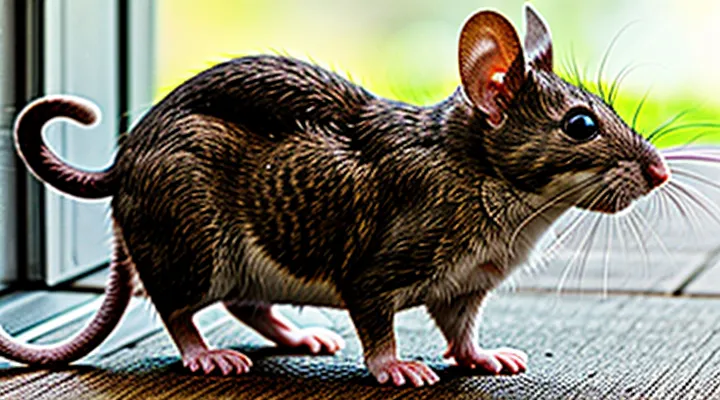
Understanding the Dangers Posed by Mice
Health Risks and Disease Transmission
Contamination of Food and Surfaces
Mice introduce contaminants onto food and surrounding surfaces through droppings, urine, saliva, and body hair. Their constant gnawing creates entry points for bacteria and viruses, while their movement spreads particles across countertops, utensils, and storage containers.
Contaminated items can carry Salmonella, Listeria, Hantavirus, and various parasites. Ingesting or handling such items may cause food poisoning, respiratory illness, or allergic reactions. Cross‑contamination occurs when mouse‑tainted surfaces contact untouched food, amplifying the risk of widespread infection.
Preventive actions focus on eliminating access, maintaining cleanliness, and monitoring activity:
- Seal cracks, gaps, and utility openings with steel wool, caulk, or metal mesh.
- Store all food in airtight containers made of glass, metal, or heavy‑gauge plastic.
- Keep floors, counters, and shelves free of crumbs and spills; clean with disinfectant daily.
- Install snap traps or electronic devices in suspected pathways; replace baits regularly.
- Conduct routine inspections of storage areas, waste bins, and exterior perimeters for signs of gnawing or droppings.
Consistent application of these measures reduces the likelihood of mouse‑related contamination and protects both food safety and surface hygiene.
Transmission of Pathogens: Hantavirus, Salmonella, Leptospirosis
Mice frequently harbor microorganisms that can infect humans through direct contact, aerosolized particles, or contaminated food and water. The most clinically relevant agents include hantavirus, Salmonella spp., and Leptospira interrogans.
Hantavirus infection originates when aerosolized rodent urine, feces, or saliva are inhaled. The virus can cause hemorrhagic fever with renal syndrome or hantavirus pulmonary syndrome, both characterized by rapid onset of fever, muscle aches, and respiratory distress. Preventive actions focus on minimizing exposure to mouse droppings:
- Seal entry points to block rodent ingress.
- Perform wet cleaning of contaminated areas to avoid dust generation.
- Use protective gloves and masks when handling infested spaces.
Salmonella transmission occurs when mice contaminate food stores, kitchen surfaces, or pet food with fecal material. Ingestion leads to gastroenteritis, presenting with diarrhea, abdominal cramps, and fever. Control measures include:
- Store dry goods in sealed, rodent‑proof containers.
- Remove spilled grain or pet food promptly.
- Implement regular pest‑monitoring traps in food‑handling zones.
Leptospirosis spreads through contact with water or soil tainted by infected mouse urine. The disease manifests as flu‑like symptoms, jaundice, and renal impairment. Mitigation steps consist of:
- Eliminate standing water and damp habitats that attract rodents.
- Disinfect surfaces with bleach solutions after rodent activity.
- Educate occupants about hand hygiene after handling potentially contaminated items.
Comprehensive prevention relies on integrated pest management: structural exclusion, environmental sanitation, and routine surveillance. Prompt identification of rodent activity and immediate remediation reduce the risk of pathogen transmission and protect public health.
Allergic Reactions and Asthma Triggers
Mice produce proteins in urine, feces, saliva and dander that act as potent allergens. When inhaled or contacted, these proteins can trigger IgE‑mediated hypersensitivity, resulting in sneezing, nasal congestion, itchy eyes, skin rash or wheezing. In susceptible individuals, exposure to mouse allergens frequently provokes asthma attacks, increasing airway hyper‑responsiveness and reducing lung function.
Repeated inhalation of airborne mouse particles sustains inflammation of the bronchial mucosa. This chronic irritation lowers the threshold for other irritants, amplifying the severity of asthma episodes. Children and adults with a history of allergic disease are especially vulnerable to mouse‑related respiratory deterioration.
Effective control relies on eliminating sources of contamination and minimizing exposure:
- Seal cracks, gaps and utility openings to prevent rodent entry.
- Store food in airtight containers; remove crumbs and waste promptly.
- Maintain clean, dry surfaces; use a damp cloth to wipe visible droppings before vacuuming.
- Employ HEPA‑equipped vacuums or air purifiers to capture fine allergen particles.
- Set snap traps or live‑capture devices; dispose of captured mice according to local health regulations.
- Schedule professional pest‑management inspections for persistent infestations.
- Install door sweeps and screen vents to block re‑entry.
Regular monitoring of indoor allergen levels, combined with the measures above, reduces the likelihood of allergic reactions and asthma flare‑ups caused by mouse exposure.
Property Damage and Economic Impact
Structural Damage to Homes and Buildings
Mice compromise the integrity of residential and commercial structures by gnawing through wood, insulation, wiring, and plumbing. Their incisors continuously grow, prompting persistent chewing that weakens load‑bearing elements and creates pathways for water intrusion.
- Wood framing and joists: bite marks reduce cross‑section, leading to sagging floors and roof collapse.
- Insulation: removal and contamination increase heat loss and fire risk.
- Electrical wiring: exposed conductors create short circuits and potential fires.
- Pipes and fixtures: chew through plastic and copper, causing leaks and water damage.
Preventive measures focus on exclusion, monitoring, and rapid response.
- Seal gaps larger than ¼ inch with steel wool, caulk, or metal flashing.
- Install door sweeps and repair damaged screens.
- Maintain a clean environment: store food in sealed containers, remove clutter, and eliminate standing water.
- Deploy snap traps or electronic devices in high‑activity zones; replace bait regularly.
- Conduct quarterly inspections of vulnerable areas, documenting signs of gnawing and droppings.
- Engage licensed pest‑control professionals for comprehensive eradication and structural repair when infestations are established.
Chewing Through Electrical Wiring and Fire Hazards
Mice gnaw on insulation, plastic coating, and copper strands, exposing live wires and creating short‑circuit conditions. The resulting electrical faults can trigger sparks, overload circuits, and ignite surrounding materials, leading to residential or commercial fires.
Typical indicators of wiring damage include intermittent power loss, frequent breaker trips, burnt odors near outlets, and visible gnaw marks on cords or conduit. Early detection prevents escalation to hazardous fire events.
Preventive actions:
- Seal entry points: Install steel‑wool or copper mesh around gaps, vents, and utility openings.
- Remove food sources: Store grains, pet food, and waste in airtight containers to discourage rodent activity.
- Reduce clutter: Eliminate cardboard boxes, fabric piles, and debris that provide nesting sites near electrical panels.
- Use rodent‑resistant wiring: Select cables with metal sheathing or reinforced insulation in high‑risk areas.
- Deploy traps and bait stations: Position snap traps or electronic devices along walls, and use approved anticoagulant baits in concealed locations.
- Conduct regular inspections: Schedule quarterly visual checks of wiring, conduit, and insulation for signs of chewing.
Implementing these measures lowers the probability of wire damage, diminishes fire risk, and safeguards property and occupants from rodent‑induced electrical hazards.
Damage to Insulation, Furniture, and Personal Belongings
Mice gnaw on insulation, compromising thermal efficiency and creating pathways for heat loss. Their teeth can cut through fiberglass, foam, and rubber, exposing wiring and increasing fire risk. Repaired insulation often requires removal of contaminated sections, which adds labor and material costs.
Furniture suffers from continuous chewing, especially wooden frames, legs, and upholstered cushions. Structural integrity declines as mice create holes, weakening support and leading to premature replacement. Soft fabrics become riddled with holes, reducing aesthetic value and necessitating costly reupholstery.
Personal belongings are vulnerable to contamination and destruction. Food packages are torn open, allowing spoilage and attracting additional pests. Paper documents, photographs, and electronic media are chewed, resulting in data loss and financial impact. Mice urine and droppings introduce pathogens, rendering items unsafe for use.
Preventive actions:
- Seal entry points: apply steel wool and caulk to gaps around pipes, vents, and foundation cracks.
- Maintain cleanliness: store food in airtight containers, dispose of waste promptly, and keep surfaces free of crumbs.
- Install traps and baits: position snap traps or electronic devices along walls and near known activity zones.
- Reduce habitat: trim vegetation, remove clutter, and store firewood away from the building.
- Conduct regular inspections: check insulation, furniture, and storage areas for signs of gnawing or droppings, and address findings immediately.
Contamination of Stored Goods and Inventory
Mice infiltrate warehouses, pantries, and retail shelves, leaving droppings, urine, and gnawed packaging that directly contaminate stored products. Their saliva introduces pathogens such as Salmonella, E. coli, and Hantavirus, while their excreta create breeding grounds for mold and insects, accelerating spoilage and rendering goods unsellable.
Contamination compromises food safety, triggers costly recalls, and damages brand reputation. In non‑food inventories, gnawing damages packaging, disrupts barcode integrity, and creates gaps that allow moisture ingress, leading to rust, corrosion, or chemical degradation.
Effective control relies on integrated measures:
- Seal all entry points: install steel mesh, caulk cracks, and repair damaged doors.
- Maintain a clean environment: remove debris, store items off the floor, and dispose of waste promptly.
- Implement monitoring: place snap traps, electronic sensors, and regular visual inspections in high‑risk zones.
- Enforce sanitation protocols: disinfect surfaces after any rodent sighting and rotate cleaning schedules to prevent buildup.
- Conduct periodic audits: assess structural integrity, verify trap effectiveness, and update prevention plans based on findings.
Consistent application of these actions limits rodent access, preserves product quality, and safeguards consumer health.
Effective Mouse Prevention Strategies
Exclusion: Sealing Entry Points
Identifying Common Entry Points: Cracks, Gaps, Utility Openings
Mice exploit structural weaknesses to infiltrate homes, posing health risks through contamination and disease transmission. Recognizing typical ingress locations enables effective barriers and reduces exposure.
- Cracks in foundation walls or basement floors allow rodents to slip beneath interior spaces. Seal with hydraulic cement or expanding polyurethane foam, ensuring a continuous, airtight layer.
- Gaps around doors, windows, and sliding panels serve as convenient passageways. Install weatherstripping, door sweeps, and tight-fitting screens; replace warped or cracked frames promptly.
- Utility openings—including pipe penetrations, conduit sleeves, and vent chases—provide direct routes from exterior to interior. Fit steel wool or copper mesh around each conduit, then cover with a durable sealant or metal flashing.
- Openings at attic access points, roof eaves, and soffits often remain unnoticed. Apply metal flashing or heavy-duty mesh, and verify that all ventilation gaps are covered with predator‑proof screens.
Regular inspection of these vulnerable spots, especially after seasonal weather changes, prevents rodents from establishing footholds. Prompt repair and the application of rodent‑resistant materials create a hostile environment that limits mouse entry and the associated health hazards.
Repairing and Sealing Holes with Appropriate Materials
Mice enter homes through gaps as small as a pencil lead, creating pathways for contamination, structural damage, and disease transmission. Eliminating these openings removes the primary access point and reduces the risk of infestation.
Effective repair requires selecting materials that resist gnawing and weathering. Common choices include:
- Steel‑grade hardware cloth (mesh size ≤ ¼ in) secured with stainless‑steel screws.
- Cement‑based mortar or concrete patch for masonry walls and foundations.
- Expanding polyurethane foam formulated for pest control, applied only to gaps up to ¼ in before sealing with metal flashing.
- Welded metal plates or steel strips for larger openings in doors, windows, or vents.
Installation steps:
- Clean the opening, removing loose debris and any gnawed material.
- Measure the gap to determine the appropriate material thickness.
- Fit the selected barrier tightly; overlap edges by at least 1 in to prevent mouse entry.
- Fasten securely with corrosion‑resistant fasteners, ensuring no protruding edges.
- Apply a weather‑proof sealant around the perimeter to block moisture and drafts.
Regular inspection of repaired sites, especially after severe weather, confirms integrity and prevents new breaches. Prompt maintenance preserves structural safety and eliminates the conditions that attract rodents.
Installing Mesh and Screens to Vents and Drains
Mice compromise structural integrity, contaminate food supplies, and transmit pathogens. Their ability to gnaw through insulation, wiring, and pipe insulation creates fire hazards and costly repairs. Access points such as ventilation openings and drainage systems provide unobstructed routes for entry, especially in basements, attics, and crawl spaces.
Installing protective mesh and screens on vents and drains creates a physical barrier that blocks rodents while preserving airflow and water flow. Properly fitted screens prevent gnawing damage and reduce the likelihood of nests forming within concealed cavities.
- Choose stainless‑steel or heavy‑gauge aluminum mesh with openings no larger than ¼ inch.
- Measure each vent or drain opening accurately; cut mesh to allow a slight overlap on all sides.
- Secure mesh with corrosion‑resistant screws or rivets, ensuring no gaps remain.
- Apply a silicone‑based sealant around the perimeter to seal joints against moisture infiltration.
- Inspect installed screens regularly for signs of wear, displacement, or chewing.
Benefits of this approach include:
- Elimination of primary entry routes for rodents.
- Preservation of ventilation efficiency and drainage performance.
- Reduction in potential fire‑related incidents caused by chewed wiring.
- Lower long‑term maintenance costs due to decreased structural damage.
Consistent implementation of mesh and screens on all ventilation and drainage points forms a reliable line of defense against mouse‑related threats.
Sanitation and Habitat Modification
Proper Food Storage and Waste Management
Mice are attracted to unsecured food and accumulating waste; their presence creates health hazards and structural damage. Food left exposed supplies nourishment, while discarded refuse offers shelter and breeding sites. Both conditions enable rapid population growth and increase the likelihood of contamination by droppings, urine, and parasites.
Effective food storage eliminates the primary attractant. Use airtight containers made of metal or heavy‑wall plastic; seal lids tightly after each use. Keep pantry shelves clear of crumbs, and place stored items off the floor to prevent rodents from reaching them. Label containers with purchase dates and rotate stock to avoid spoilage.
Waste management reduces shelter and breeding opportunities. Store garbage in containers with tight‑fitting lids; empty them daily, especially in kitchens and dining areas. Separate organic waste and dispose of it in sealed bags or compost bins equipped with rodent‑proof covers. Clean disposal areas regularly to remove residue that could serve as food.
Key preventive actions:
- Seal all food items in rodent‑proof packaging.
- Maintain a clean, clutter‑free environment; sweep floors and wipe surfaces after meals.
- Install waste containers with lockable lids; remove trash promptly.
- Inspect storage areas for gaps or holes; seal openings with steel wool or caulk.
- Conduct routine inspections for signs of mouse activity, such as gnaw marks or droppings.
Implementing these measures removes the incentives that draw mice, thereby limiting the risks they pose to health and property.
Eliminating Water Sources
Mice thrive where water is readily available, increasing the risk of disease transmission, structural damage, and contamination of food supplies. Removing accessible moisture directly reduces population growth and limits health hazards.
- Repair leaky pipes, faucets, and roof gutters; dry any standing water within 24 hours.
- Empty pet water dishes nightly, store them in sealed containers, and clean them with disinfectant.
- Store food in airtight containers; eliminate spillage that creates damp patches.
- Use moisture‑absorbing materials (silica gel, desiccants) in closets, basements, and crawl spaces.
- Ensure proper drainage around foundations; slope soil away from the building to prevent pooling.
Consistent elimination of water sources deprives mice of a critical resource, curbing their ability to reproduce and reducing the likelihood of infestation.
Reducing Clutter and Outdoor Debris
Mice exploit piles of stored items and garden waste to locate shelter and food. Excessive clutter creates hidden pathways that enable rodents to enter homes, increasing the risk of structural damage, contamination of food supplies, and transmission of pathogens.
- Remove cardboard boxes, paper stacks, and unused containers from storage areas.
- Trim vegetation, leaf litter, and compost heaps away from building foundations.
- Secure outdoor equipment in sealed containers or lockable sheds.
- Dispose of fallen fruit, nuts, and birdseed promptly.
- Maintain a clear perimeter of at least two feet between debris and walls.
A tidy environment eliminates the microhabitats mice need for nesting, thereby reducing the probability of infestations and the associated health hazards. Regular inspection and prompt removal of clutter sustain this defensive barrier over time.
Trimming Vegetation Away from Structures
Mice use dense plants as cover to travel from outdoor habitats to building openings. Overgrown vines, shrubs, and ground cover create continuous pathways that conceal rodents and increase the likelihood of entry.
Rodent intrusion leads to gnawed wiring, compromised insulation, and contamination of stored food, elevating fire risk and health hazards.
Regularly clearing vegetation around structures interrupts these pathways. Effective practice includes:
- Cutting back vines and climbing plants at least 12 inches from walls, roofs, and eaves.
- Trimming shrubbery to a height no greater than 6 inches above ground level.
- Removing leaf piles, compost heaps, and debris within a 3‑foot radius of foundations.
- Maintaining a gap of at least 2 feet between trees and the building envelope to prevent branches from contacting the roof.
- Inspecting and pruning after storms or seasonal growth spurts to sustain clearance.
Consistent implementation reduces shelter and access points, limiting mouse activity and associated damage.
Trapping and Removal Methods
Types of Traps: Snap, Live-Catch, Electronic
Mice spread disease, contaminate food supplies, and gnaw electrical wiring, creating fire hazards. Effective control relies on selecting the appropriate trap type for the specific infestation and environment.
-
Snap traps: spring‑loaded bars deliver an instantaneous kill. Steel construction ensures durability; placement along walls maximizes strike probability. Bait options include peanut butter, chocolate, or dried fruit. Immediate disposal of the carcass prevents secondary contamination.
-
Live‑catch traps: cage‑style devices capture rodents without lethal force. Interior surfaces coated with smooth plastic facilitate quick release. Regular inspection—at least twice daily—prevents stress‑induced mortality. Captured mice should be released at least 200 meters from the property or euthanized according to local regulations.
-
Electronic traps: battery‑powered plates emit a high‑voltage shock that kills within seconds. Transparent covers allow visual confirmation of a catch, reducing the need for frequent handling. Models with built‑in sensors deactivate after each kill, conserving power and limiting accidental activation.
Choosing a trap depends on occupancy level, humane considerations, and ease of maintenance. Snap traps excel in rapid reduction of large populations; live‑catch traps suit environments where killing is prohibited; electronic traps offer consistent performance with minimal mess. Proper baiting, strategic positioning, and routine monitoring complete an integrated mouse‑management program.
Proper Placement and Baiting Techniques
Mice travel close to surfaces, making strategic positioning of traps and bait stations essential for effective control. Placing devices along walls, behind furniture, and near entry points intercepts their natural routes and maximizes contact.
- Position devices 1–2 feet from walls, aligning with baseboards.
- Install stations behind appliances, under sinks, and in pantry corners.
- Use multiple stations spaced 10–15 feet apart in large areas.
- Avoid locations exposed to direct sunlight or moisture, which reduce bait efficacy.
Select bait that appeals to the target species and remains stable during deployment. Common options include high‑protein pellets, grain‑based blocks, and scented wax formulations. For areas with children or pets, choose tamper‑resistant bait stations that enclose the attractant.
- Secure stations with locking mechanisms to prevent accidental access.
- Replace bait every 3–4 days to maintain potency.
- Rotate bait types weekly to prevent habituation.
- Record placement and replacement dates for systematic monitoring.
Safety protocols protect non‑target organisms and maintain compliance with health regulations. Keep stations out of reach of children, label all devices clearly, and dispose of captured rodents in sealed containers. Regular inspection identifies compromised stations and allows prompt adjustment of placement or bait type.
Safe Disposal of Captured Mice
Captured rodents can transmit pathogens, contaminate food supplies, and attract predators. Proper disposal eliminates these health hazards and prevents re‑infestation.
When a mouse is caught, follow these steps:
- Wear disposable gloves to avoid direct contact with saliva, urine, or feces.
- Place the live animal in a sealed, puncture‑resistant container if release is permitted by local regulations; otherwise, transfer it to a sturdy plastic bag.
- Add a disinfectant‑soaked paper towel to the bag to reduce microbial load.
- Seal the bag tightly, then place it in an outdoor trash bin that is collected regularly.
- Clean and disinfect any surfaces or tools that touched the mouse with a solution containing at least 70 % alcohol or a diluted bleach mixture (1 part bleach to 9 parts water).
- Dispose of gloves and any disposable materials in the same sealed bag before discarding.
If local law requires euthanasia, use an approved method such as CO₂ exposure or a commercial rodent‑kill product, following manufacturer instructions and safety data sheets. Document the disposal process for pest‑control records.
Regularly reviewing disposal procedures ensures compliance with health codes and minimizes the risk of disease transmission within homes and businesses.
Professional Pest Control
When to Call an Exterminator
Mice become a health and structural threat when their presence exceeds the capacity of DIY measures. Call a professional exterminator if you observe any of the following conditions:
- Multiple droppings in kitchens, pantries, or storage areas.
- Gnaw marks on wiring, insulation, or furniture that appear repeatedly.
- Evidence of nesting material larger than a handful, indicating a growing colony.
- Persistent odor of urine or strong, lingering scent of mouse musk despite cleaning.
- Damage to food packaging or visible consumption of stored products.
- Recurrent sightings after traps or bait stations have been deployed for more than two weeks.
Professional intervention is also warranted when the infestation occurs in sensitive environments such as hospitals, food‑processing facilities, or schools, where regulatory compliance demands immediate eradication. In addition, if you lack the equipment to safely seal entry points or to apply rodenticides according to local regulations, an exterminator provides the expertise required to eliminate the problem without exposing occupants to hazardous chemicals.
Integrated Pest Management (IPM) Approaches
Mice pose health risks through disease transmission, contaminate food supplies, and compromise structural integrity by gnawing wiring and insulation. Their presence also triggers economic losses in agricultural and commercial settings. Integrated Pest Management (IPM) provides a systematic framework to reduce these threats while minimizing reliance on chemical controls.
- Monitoring: Deploy snap traps, live‑catch devices, and motion‑activated cameras to quantify activity levels and locate entry points. Data collected guides timely interventions.
- Identification: Confirm species, population size, and behavior patterns to select appropriate control tactics. Misidentification can lead to ineffective measures.
- Preventive sanitation: Seal cracks, install door sweeps, and eliminate standing water. Store grain, feed, and waste in sealed containers to remove attractants.
- Mechanical controls: Position bait stations and mechanical traps along established travel routes. Rotate trap types to prevent habituation.
- Biological controls: Encourage natural predators such as barn owls and feral cats where feasible, and consider the use of rodent‑specific pathogens under regulatory approval.
- Chemical controls: Apply rodenticides selectively, targeting only confirmed hotspots. Use low‑toxicity formulations and adhere to label directions to protect non‑target species.
- Evaluation: Review trap counts and damage reports after each intervention cycle. Adjust tactics based on observed effectiveness and emerging resistance patterns.
By integrating these components, IPM reduces mouse‑related hazards, safeguards food safety, and protects infrastructure while limiting environmental impact. Continuous assessment ensures that control measures remain proportionate to the risk level and that resources are allocated efficiently.
Long-Term Prevention Plans
Mice threaten structures, food supplies, and health through gnawing, contamination, and disease transmission. Effective long‑term control requires sustained measures that address entry points, habitat suitability, and population dynamics.
- Seal cracks, gaps, and utility openings with steel wool, caulk, or concrete; inspect annually and repair promptly.
- Maintain a clean environment: store dry goods in airtight containers, dispose of waste in sealed bins, and eliminate standing water.
- Landscape management: keep vegetation trimmed away from building foundations, remove debris piles, and store firewood off the ground.
- Install and monitor bait stations or traps on a scheduled basis; replace consumables according to manufacturer guidelines.
- Conduct quarterly professional inspections to assess infestation levels, verify integrity of barriers, and adjust control tactics as needed.
Documentation of actions, dates, and observations creates a reference system that supports early detection of breaches and informs adaptive adjustments, ensuring persistent protection against rodent‑related risks.