
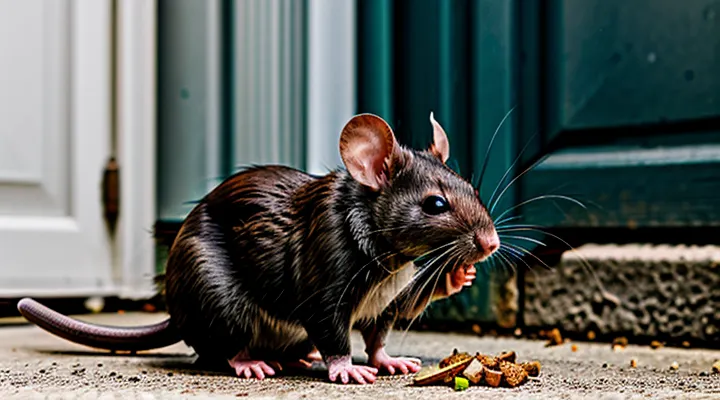
Understanding Rat Dietary Needs
Essential Nutritional Components
Protein Sources
Rats require high‑quality protein to support growth, reproduction and tissue repair. Sources that provide complete amino‑acid profiles and are easily digestible are preferred.
Acceptable protein sources include:
- Cooked chicken breast, turkey or lean meat, without added seasonings or sauces.
- Boiled eggs, including yolk, offered in small portions.
- Low‑fat cottage cheese or plain yogurt, unflavored and unsweetened.
- Commercial rodent pellets formulated with balanced protein content.
- Legumes such as lentils or cooked beans, provided in moderation after thorough cooking.
Protein sources that should be excluded are:
- Processed meats containing nitrates, preservatives or high salt levels.
- Raw fish or shellfish, which may carry parasites and cause thiamine deficiency.
- Cured or smoked products, due to excessive sodium and potential toxins.
- Dairy products with added sugars or artificial flavorings, which can disrupt gut flora.
- Soy products with high phytoestrogen content, which may interfere with hormonal balance.
When introducing any new protein, observe the rat for signs of digestive upset or allergic reaction. Gradual incorporation, combined with a varied diet of fruits, vegetables and whole grains, ensures nutritional completeness.
Carbohydrates and Fiber
Carbohydrates provide the primary energy source for laboratory and pet rats. Simple sugars such as glucose and fructose are rapidly metabolized and should be offered in limited quantities to prevent obesity and metabolic disturbances. Complex carbohydrates, including whole grains, oats, and barley, release energy more steadily and support normal activity levels. Processed foods high in refined starches, candy, or sugary drinks are unsuitable because they lack nutritional balance and can lead to digestive upset.
Fiber contributes to gastrointestinal motility and the maintenance of a healthy microbiota. Soluble fiber, found in foods like cooked carrots, apples (without seeds), and peas, forms a gel that moderates nutrient absorption. Insoluble fiber, present in wheat bran, rye, and leafy greens, adds bulk to feces and promotes regular bowel movements. Excessive fiber may cause diarrhea, while insufficient intake can result in constipation and reduced gut flora diversity.
Acceptable carbohydrate sources:
- Whole‑grain cereals (oats, barley, quinoa)
- Legumes (lentils, chickpeas, cooked beans)
- Fresh fruits in moderation (apple slices, banana pieces)
Unacceptable carbohydrate sources:
- Candy, chocolate, and sugary pastries
- Processed snack foods (chips, crackers)
- Sweetened beverages
Recommended fiber sources:
- Fresh vegetables (broccoli, kale, zucchini)
- Cooked roots (sweet potato, carrot)
- Small amounts of whole‑grain bread or crackers
Foods to avoid for fiber balance:
- Large quantities of raw cabbage or lettuce
- High‑fat seeds (sunflower, pumpkin) without accompanying fiber
- Commercial diets lacking a defined fiber content
Providing a balanced mix of complex carbohydrates and appropriate fiber ensures optimal energy levels, digestive health, and overall well‑being for rats.
Healthy Fats
Rats need dietary fats to supply energy, enable absorption of fat‑soluble vitamins, and support cell membrane structure. Including «Healthy Fats» in a rat’s diet improves coat condition and promotes reproductive health.
Suitable sources of «Healthy Fats» are:
- Small amounts of unsaturated oils such as olive oil or canola oil, diluted in water or mixed with dry feed.
- Finely chopped nuts (e.g., walnuts, almonds) offered sparingly to avoid excess calories.
- Seeds rich in omega‑3 fatty acids, for example flaxseed or chia seed, provided in limited quantities.
- Small pieces of cooked fish (e.g., salmon) without bones, introduced occasionally.
Recommended inclusion level ranges from 2 % to 5 % of total caloric intake, adjusted for age, activity, and body condition.
Fats to exclude from rat diets include:
- Saturated animal fats such as lard or butter, which can lead to obesity and cardiovascular strain.
- Hydrogenated or trans‑fat containing products, which impair lipid metabolism.
- Processed snack foods with added salts, sugars, or preservatives, which introduce harmful additives.
Monitoring body weight and coat quality provides practical feedback on the adequacy of fat provision. Adjust portions promptly if weight gain exceeds 10 % of ideal body mass or if the coat becomes dull.
Adhering to these guidelines ensures that «Healthy Fats» contribute positively to overall rat nutrition while respecting established feeding rules.
Vitamins and Minerals
Vitamins and minerals are critical components of a balanced rat diet, yet only specific forms and quantities are appropriate for laboratory‑grade or pet rodents.
Essential vitamins that can be safely incorporated include vitamin A (beta‑carotene), vitamin D3, vitamin E, and the B‑complex group (B1, B2, B6, B12, niacin, pantothenic acid, folic acid). Natural sources such as carrots, leafy greens, fortified cereals, and commercial rodent pellets supply these nutrients in bioavailable concentrations. Supplementation should not exceed 10 % of the total daily caloric intake to avoid hypervitaminosis.
Key minerals suitable for rats comprise calcium, phosphorus, magnesium, potassium, sodium, zinc, copper, selenium, and iron. Calcium‑rich foods (e.g., dairy‑free cheese, kale) and mineral‑enhanced pellets provide the required balance. The calcium‑to‑phosphorus ratio must remain near 1 : 1 to support skeletal health; excess calcium can precipitate renal calculi, while insufficient phosphorus impairs bone mineralization.
Vitamins and minerals that present toxicity risks at modest doses must be excluded. Vitamin A in retinol form, vitamin D in excess, and fat‑soluble vitamins beyond recommended limits can cause liver damage, hypercalcemia, and oxidative stress. Trace minerals such as manganese and chromium, when over‑supplemented, induce neurotoxicity. Synthetic vitamin supplements lacking carrier proteins often bypass metabolic controls, increasing the danger of overdose.
Practical feeding guidelines recommend the following protocol:
- Offer a commercial rodent diet formulated to meet established nutrient profiles; treat this as the primary source.
- Introduce fresh vegetables or fruits containing natural vitamins no more than three times per week, rotating varieties to prevent single‑nutrient excess.
- Apply mineral supplements only when a veterinary diagnosis confirms deficiency; use calibrated droppers to deliver precise doses.
- Monitor for clinical signs of imbalance: weight loss, alopecia, lethargy, abnormal gait, or excessive urination may indicate deficiency or toxicity.
Adherence to these standards ensures that rats receive the necessary micronutrients without exposure to harmful excesses, aligning feeding practices with current veterinary nutrition recommendations.
Foods to Avoid
Toxic Foods
Rats are highly sensitive to certain substances; ingestion can cause severe health problems or death. Recognizing toxic foods eliminates accidental poisoning and supports humane care.
- «Chocolate» – contains theobromine, which rats cannot metabolize; even small amounts lead to cardiac arrhythmia and seizures.
- «Caffeine» – stimulates the nervous system excessively, resulting in hyperactivity, tremors, and potentially fatal cardiac stress.
- «Alcohol» – depresses central nervous function; minimal doses cause respiratory failure and loss of coordination.
- «Onions, garlic, leeks, chives» – sulfur compounds damage red blood cells, producing hemolytic anemia and jaundice.
- «Raw potatoes and green tomatoes» – solanine toxin interferes with nerve transmission, causing gastrointestinal distress and neurological symptoms.
- «Avocado (especially skin and pit)» – persin induces respiratory distress and cardiac inflammation.
- «Rhubarb leaves» – oxalic acid precipitates kidney failure and severe abdominal pain.
- «Artificial sweeteners (xylitol)» – rapid insulin release leads to hypoglycemia, seizures, and hepatic failure.
Symptoms of toxic exposure include sudden lethargy, loss of appetite, vomiting, tremors, difficulty breathing, and discoloration of the gums. Immediate veterinary intervention is required; induce vomiting only under professional guidance, provide supportive fluids, and monitor vital signs continuously. Preventive measures consist of storing hazardous items securely and offering only rat‑safe foods listed in reputable nutrition guides.
Harmful Foods
Rats require a diet that avoids substances capable of causing acute or chronic health problems. Certain foods introduce toxins, disrupt digestive function, or trigger metabolic disorders, making them unsuitable for regular feeding.
- Chocolate and cocoa products – contain theobromine, which can lead to cardiac arrhythmia and seizures.
- Caffeine‑containing items such as coffee, tea, and energy drinks – stimulate the central nervous system, potentially resulting in hyperactivity and fatal overdose.
- Citrus fruits in large quantities – high acidity irritates the gastrointestinal lining and may cause ulceration.
- Processed meats and salty snacks – excess sodium and preservatives strain renal function and elevate blood pressure.
- Raw beans, especially kidney beans – contain lectins that interfere with nutrient absorption and may cause intestinal distress.
- Alcoholic beverages – depress central nervous activity, leading to respiratory failure and death.
- Avocado flesh and pit – contain persin, a toxin that can cause respiratory distress and heart damage.
- High‑fat foods such as fried items and butter – promote obesity, hepatic lipidosis, and cardiovascular disease.
Avoiding these items reduces the risk of toxicity, organ damage, and premature mortality. Replace harmful choices with fresh vegetables, whole grains, and specially formulated rodent pellets, which provide balanced nutrition without adverse effects.
High-Fat and Sugary Foods
High‑fat and sugary foods are energy‑dense, low in essential nutrients, and can rapidly disrupt a rat’s metabolic balance.
Rats may tolerate very small portions of certain high‑fat items when offered as occasional treats. Acceptable examples include:
- «peanut butter» (unsalted, without added sugars; no more than a half‑teaspoon per week)
- «cooked egg yolk» (plain, fully cooked; one teaspoon once weekly)
- «small piece of cheese» (hard cheese, low‑salt; up to one gram per week)
These foods should never replace the staple diet of balanced rodent pellets, fresh vegetables, and clean water.
Foods high in fat or sugar that exceed the rat’s nutritional requirements must be excluded entirely. Prohibited items comprise:
- «candy», «chocolate», «sugar‑coated pastries»
- «fried foods», «bacon», «sausage», «processed meats»
- «commercial bakery products» containing trans‑fat or high fructose corn syrup
- «nut butters» with added sweeteners or hydrogenated oils
Regular consumption of prohibited items leads to obesity, hepatic lipidosis, insulin resistance, and dental disease. Monitoring treats, limiting frequency, and maintaining a nutritionally complete base diet safeguard rat health and longevity.
Safe Feeding Practices
Introducing New Foods
Gradual Introduction
Gradual introduction is essential when expanding a rat’s diet. Sudden changes can disrupt gastrointestinal flora, leading to diarrhea or reduced appetite. By presenting new items incrementally, the animal’s digestive system adapts while the risk of adverse reactions remains low.
Typical protocol includes three stages:
- Selection – choose a single novel food item, preferably one previously confirmed safe for rodents.
- Exposure – offer a tiny portion (approximately 1 % of the regular daily intake) alongside the standard diet for two to three days.
- Adjustment – if no signs of discomfort appear, increase the portion by 1 % each subsequent day until the desired amount is reached, then monitor for tolerance over a week.
Observation focuses on stool consistency, activity level, and weight stability. Any deviation, such as loose feces or reduced movement, signals the need to revert to the previous step or discontinue the food entirely. Consistent application of this method minimizes nutritional imbalances and supports long‑term health.
Observation for Reactions
Observing rats after introducing a new food item provides essential data on safety and palatability. Immediate reactions include changes in behavior, gastrointestinal activity, and physical condition. Record the following parameters within the first 24 hours:
- Activity level: increased agitation, lethargy, or abnormal grooming.
- Food intake: refusal, reduced consumption, or excessive eating.
- Stool consistency: diarrhea, soft feces, or presence of blood.
- Respiratory signs: labored breathing, coughing, or nasal discharge.
- Skin and fur: discoloration, alopecia, or excessive scratching.
- Body temperature: measurable rise or drop from baseline.
Continue monitoring for up to seven days to detect delayed effects such as weight loss, organ enlargement, or altered reproductive patterns. Document each observation with time stamps and quantitative measurements whenever possible. Comparative analysis of these data against control groups enables the identification of toxic, irritating, or nutritionally unsuitable substances. «Systematic observation eliminates guesswork and supports evidence‑based feeding decisions».
Portion Control and Frequency
Daily Feeding Guidelines
Rats require a consistent feeding routine to maintain health and prevent obesity. Provide a balanced diet each day, consisting of a commercially formulated rodent pellet as the primary source of nutrition. Supplement with fresh vegetables, limited fruit, and occasional protein treats.
- Pellet portion: 15–20 g per adult rat, divided into two equal meals.
- Fresh vegetables: 1–2 Tbsp, chopped, offered once daily.
- Fruit: ½ Tbsp, no more than twice a week.
- Protein treats (hard‑boiled egg, cooked chicken): ¼ Tbsp, limited to once weekly.
- Water: clean, fresh supply available at all times; replace daily.
Monitor intake by observing leftover food each evening. Adjust portions if more than 20 % of the offered amount remains, or if rats consume the entire portion rapidly, indicating a possible increase in activity or growth. Record any changes in weight or behavior to detect early signs of dietary imbalance.
Avoid feeding items that can cause toxicity or digestive issues. Ensure that treats are introduced gradually, observing for adverse reactions. Regularly clean feeding dishes to prevent bacterial growth and maintain hygiene. «Cheese should be offered sparingly» to prevent excessive fat intake.
Treats and Snacks
Treats and snacks serve as occasional enrichment for rats, providing sensory variety without replacing a balanced staple diet.
Safe options include:
- Fresh vegetables such as carrots, broccoli florets, and bell‑pepper strips.
- Small pieces of fruit, limited to apple (seedless), banana, or berries.
- Unsalted nuts in very small quantities, for example a single almond or walnut half.
- Cooked lean protein like boiled chicken breast or scrambled egg, cut into pea‑size bits.
Items to avoid completely:
- Processed foods containing added sugars, salt, or artificial flavors.
- Chocolate, caffeine, or any products with theobromine.
- Citrus fruits in large amounts, as the acidity can cause digestive upset.
- Raw potatoes, raw beans, or any nightshade family members that contain solanine.
Guidelines for offering treats: limit total snack calories to no more than 10 % of daily intake, distribute portions throughout the day, and monitor for changes in weight or stool consistency. Introduce any new item gradually, observing the rat’s reaction before regular inclusion.
Water Availability
Fresh and Clean Water
Rats need uninterrupted access to fresh, clean water to maintain hydration, kidney function, and overall health. Water should be free from debris, mold, and bacterial growth; any discoloration or odor indicates contamination and requires immediate replacement.
- Provide water in a sealed bottle with a stainless‑steel or plastic sipper that prevents leakage and limits exposure to bedding.
- Replace water daily, or more frequently if the bottle becomes dirty or the animal drinks heavily.
- Use filtered tap water or bottled spring water; avoid chlorinated or heavily mineralized sources that may irritate the digestive tract.
- Maintain water temperature between 15 °C and 25 °C; extreme cold or heat reduces consumption and can cause stress.
- Clean the water bottle and sipper with mild detergent and rinse thoroughly before refilling; sterilize monthly with a dilute vinegar solution to eliminate biofilm.
Monitoring water intake offers a reliable indicator of health; a sudden decrease may signal illness, while excessive consumption can point to metabolic disorders. Consistent provision of safe water aligns with established feeding guidelines for laboratory and pet rats.
Water Bottle vs. Bowl
Providing a clean, constant water source is essential for rat health. Two common delivery methods are hanging water bottles and open water bowls. Each system presents distinct advantages and drawbacks that influence hygiene, water consumption, and cage maintenance.
A hanging water bottle consists of a sealed reservoir with a stainless‑steel or plastic sipper tube. The sealed design prevents spillage, reduces contamination risk, and conserves water in environments where bedding absorbs moisture. The sipper tube encourages frequent, small sips, mirroring natural drinking behavior. However, bottles require regular cleaning of the tube and reservoir to prevent biofilm buildup, and malfunctioning tubes can restrict flow, leading to dehydration.
An open water bowl offers unrestricted access, allowing rats to drink freely and observe liquid levels. Bowls facilitate easy cleaning by hand‑washing or dishwasher use, and eliminate the need for tube maintenance. Nevertheless, bowls are prone to tipping, especially in multi‑rat cages, and bedding can quickly soak up water, creating damp spots that promote bacterial growth. Frequent refilling is necessary to maintain adequate depth.
Comparison
- Spillage – Bottle: minimal; Bowl: high risk of overflow.
- Contamination – Bottle: sealed, lower; Bowl: exposed, higher.
- Cleaning frequency – Bottle: tube and reservoir weekly; Bowl: daily removal of soaked bedding and refill.
- Accessibility – Bottle: sipper tube may limit intake for injured rats; Bowl: unrestricted access.
- Space usage – Bottle: hangs, saving floor space; Bowl: occupies cage floor area.
Choosing the appropriate method depends on cage setup, number of occupants, and caretaker diligence. For single‑rat or low‑traffic cages, a bottle provides superior hygiene and water conservation. In larger, multi‑rat enclosures where monitoring tube function is challenging, a sturdy, weighted bowl with regular bedding replacement may be preferable. Consistent monitoring of water levels and routine sanitation remain critical regardless of the selected system.
Special Dietary Considerations
Age-Specific Diets
Young Rats
Young rats require diets high in protein, fat, and moisture to support rapid growth and organ development. Commercially formulated weanling pellets meet these requirements and should form the staple of daily feeding.
Allowed foods include:
- High‑quality weanling pellets (minimum 18 % protein)
- Soft, unflavored kitten or rabbit milk replacer, diluted to manufacturer’s specifications
- Fresh, rinsed vegetables such as carrots, broccoli, and spinach (small, bite‑size pieces)
- Cooked, unseasoned lean meats (chicken breast, turkey) cut into tiny cubes
- Small amounts of plain, low‑fat yogurt for probiotic support
Prohibited items consist of:
- Raw or undercooked eggs, which may contain salmonella
- Citrus fruits, whose acidity can cause gastrointestinal upset
- Processed human snacks (chips, candy, chocolate) that contain additives and toxic compounds
- High‑sugar fruits (grapes, raisins) linked to kidney failure
- Nuts and seeds, which pose choking hazards and excessive fat load
- Dairy products with added flavorings or high lactose content, which young rats cannot digest efficiently
Feeding frequency should be three to four small meals per day, evenly spaced, to prevent hypoglycemia. Fresh water must be available at all times; automatic dispensers reduce contamination risk. Sudden dietary changes are discouraged; transition new items over a 48‑hour period to avoid digestive disturbance. Monitoring body condition and stool consistency provides early indicators of nutritional adequacy.
Adult Rats
Adult rats require a diet that supplies protein, fiber, vitamins and minerals while maintaining hydration. Commercial rodent pellets formulated for mature individuals meet the baseline nutritional profile; supplemental fresh items should complement, not replace, the pellet base.
Acceptable supplements
- Fresh leafy greens such as kale, romaine lettuce and spinach
- Small quantities of fruit (apple slices, berries, banana) administered without seeds or pits
- Cooked lean proteins (chicken, turkey, boiled egg) presented in bite‑size pieces
- Whole grains (oats, brown rice, quinoa) offered in limited portions
- Fresh vegetables (carrot, broccoli, bell pepper) diced to prevent choking
Prohibited items
- Chocolate, caffeine‑containing products and alcoholic beverages
- Raw beans, especially kidney beans, which contain lectins
- Citrus fruits and their peels, which can cause digestive upset
- Processed snacks high in salt, sugar or artificial additives
- Fatty meats, processed sausages and foods with strong spices
Water must be available at all times; a stainless‑steel bottle or ceramic bowl prevents contamination. Treats should not exceed ten percent of total caloric intake, and any new food must be introduced gradually to monitor tolerance. Regular observation of stool consistency and activity level provides immediate feedback on dietary suitability.
Senior Rats
Senior rats require a diet that supports reduced metabolism, dental wear, and potential organ decline. Protein intake should remain moderate; high‑quality rodent pellets formulated for older animals provide balanced nutrients without excess calories. Fresh vegetables such as cooked carrots, steamed broccoli, and peeled cucumber supply vitamins and moisture, while avoiding fibrous stems that may be difficult to chew.
Allowed foods for senior rats include:
- Commercial senior‑specific pellets
- Cooked lean meats (e.g., chicken breast, turkey) in small portions
- Soft fruits (e.g., banana, peeled apple) without seeds
- Cooked grains (e.g., rice, oatmeal) without added sugar or salt
Prohibited items are:
- Raw nuts and seeds, which pose choking hazards and high fat content
- Citrus fruits, whose acidity can irritate the digestive tract
- Processed snacks containing artificial additives, salt, or sugar
- Dairy products, as many rodents lack lactase enzyme
Hydration must be maintained through fresh water changed daily and moisture‑rich foods such as cucumber or watermelon. Monitoring body condition weekly helps adjust portion sizes and prevent obesity or underweight issues. Regular veterinary check‑ups enable early detection of age‑related disorders and allow dietary modifications tailored to individual health status.
Health Conditions
Obesity Management
Obesity in laboratory and pet rats compromises health, reduces lifespan, and interferes with experimental outcomes. Effective control relies on precise adjustments to diet composition, portion size, and feeding frequency.
Energy-dense foods such as high‑fat pellets, nut butter, and sugary treats increase caloric intake rapidly. These items should be excluded from regular rations. Low‑fat, high‑fiber diets provide adequate nutrition while limiting excess calories. Portion sizes must correspond to the animal’s body weight and activity level; a common guideline recommends 10–12 g of standard chow per 100 g of body weight per day, divided into two equal meals.
Key practices for «obesity management» include:
- Monitoring body weight weekly and recording trends.
- Adjusting feed quantity when weight gain exceeds 2 % of baseline within a month.
- Replacing caloric treats with fresh vegetables such as carrot sticks, cucumber slices, or leafy greens.
- Providing constant access to clean water; avoid sugary liquids.
- Encouraging activity through enrichment devices, climbing structures, and scheduled exercise periods.
When weight reduction is necessary, a gradual decrease of 5–10 % in daily caloric intake is advisable to prevent stress and preserve lean tissue. Sudden calorie restriction may lead to metabolic disturbances and reduced immune function.
Regular veterinary assessment ensures that weight loss progresses safely and that no underlying health issues contribute to obesity. Documentation of diet, weight, and activity levels creates a comprehensive record for ongoing management.
Dental Health
Rats possess continuously growing incisors; proper wear depends on a diet that supplies adequate fiber and hardness. Soft, sugary foods encourage malocclusion, while abrasive items promote natural grinding.
Key dietary considerations for dental health:
- Fresh vegetables such as carrots, broccoli stems, and kale provide fibrous texture that assists in tooth wear.
- Whole grains, including rolled oats and whole‑wheat bread, offer moderate resistance without excessive hardness.
- Raw nuts, limited to small portions, contribute to enamel polishing but contain high fat; monitor caloric intake.
- Fresh fruit should be offered sparingly; high sugar content accelerates plaque formation.
- Commercial rat pellets formulated with balanced fiber are essential for consistent enamel abrasion.
Foods to avoid for dental integrity:
- Processed sweets, candy, and chocolate; sugar fuels bacterial growth and leads to decay.
- Soft breads, crackers, and rice cakes; lack of resistance results in insufficient tooth grinding.
- Sticky substances such as peanut butter or honey; adhere to teeth, fostering plaque buildup.
- Seeds with hard shells that are too large; may cause tooth fractures or uneven wear.
Regular inspection of incisors is recommended. Signs of overgrowth include protruding teeth, difficulty chewing, and visible gaps. Immediate dietary adjustment, coupled with veterinary intervention if necessary, prevents severe complications. Maintaining a balanced intake of fibrous and mildly abrasive foods supports natural incisor maintenance and overall oral health.
Digestive Issues
Rats are prone to gastrointestinal disturbances when their diet includes inappropriate items or lacks essential nutrients. High‑fat treats, sugary snacks, and raw beans introduce toxins or excessive calories, leading to bloating, diarrhea, or constipation. Inadequate fiber reduces gut motility, while sudden dietary changes stress the digestive tract, increasing the risk of ulceration.
Typical signs of digestive upset include soft or watery stools, visible mucus, reduced appetite, and lethargy. Persistent symptoms may indicate severe conditions such as bacterial overgrowth or intestinal parasites, requiring veterinary intervention.
Preventive measures:
- Offer a balanced staple of commercial rodent pellets supplemented with fresh vegetables and limited fruit.
- Introduce new foods gradually, monitoring stool consistency for 48 hours.
- Avoid processed human foods, dairy products, and uncooked legumes.
- Provide constant access to clean water to support digestion and hydration.
Common Feeding Mistakes
Overfeeding
Overfeeding occurs when a rat receives more calories than its metabolic needs, leading to excessive weight gain.
Excessive caloric intake accelerates fat deposition, reduces activity levels, and shortens lifespan. Metabolic disorders such as insulin resistance and hepatic lipidosis become more likely as body condition deteriorates.
Visible indicators of overfeeding include rapid increase in body mass, loss of defined musculature, sluggish movement, and difficulty navigating narrow spaces. Internal signs may involve elevated blood glucose and lipid levels, detectable through veterinary testing.
Preventive measures:
- Provide measured portions based on age, sex, and activity level; adjust quantities as the animal matures.
- Offer fresh vegetables and low‑calorie treats in limited amounts; reserve high‑fat foods for occasional enrichment.
- Monitor body condition weekly; compare the rat’s silhouette to established scoring charts.
- Replace continuous feeding with scheduled meals, allowing natural foraging behavior while limiting total intake.
If overfeeding is suspected, reduce daily calories by 10‑15 % and increase opportunities for exercise, such as climbing structures and wheel access. Reassessment after two weeks determines whether further adjustments are needed.
Inconsistent Diet
Inconsistent diet destabilizes a rat’s gastrointestinal flora, leading to digestive disturbances, reduced nutrient absorption, and heightened susceptibility to disease. Sudden changes in food composition trigger stress responses that can manifest as weight loss, diarrhea, or abnormal grooming behavior.
Key factors contributing to dietary irregularity include:
- Rotating protein sources without a gradual transition period.
- Alternating between dry pellets and fresh produce on a daily basis.
- Introducing sugary treats sporadically while neglecting staple nutrients.
To maintain nutritional stability, follow a structured feeding plan:
- Select a high‑quality commercial pellet formulated for laboratory or pet rats.
- Supplement with a consistent amount of fresh vegetables, introducing new items over a 7‑day acclimation interval.
- Limit treats to a fixed weekly quota, ensuring they do not exceed 5 % of total caloric intake.
Monitoring body condition score and fecal consistency provides early indicators of dietary imbalance. Adjustments should be made incrementally, allowing a minimum of three days for the animal to adapt before further modifications. Consistency in food type, portion size, and feeding schedule promotes optimal health and longevity in rat colonies.
Unsafe Storage
Proper storage of rat food directly influences safety and nutritional quality. Food left exposed to moisture, heat, or light accelerates spoilage and encourages bacterial growth. Contaminated feed can cause gastrointestinal distress, weight loss, and increased mortality in laboratory or pet rodents.
Common unsafe storage practices include:
- Keeping dry pellets in unsealed containers that allow humidity ingress.
- Storing fresh produce in the refrigerator without a protective cover, leading to cross‑contamination with other foods.
- Placing high‑fat treats near heat sources, causing oxidation and rancidity.
- Using plastic bags with punctures or tears, permitting insects and rodents to access the contents.
Recommended measures:
- Seal dry ingredients in airtight, opaque containers made of glass or heavy‑wall plastic.
- Refrigerate perishable items in sealed, food‑grade containers and discard leftovers after 48 hours.
- Keep all feed away from direct sunlight, radiators, and ventilation ducts.
- Label containers with the date of purchase and the expiration date; rotate stock to use older supplies first.
Neglecting these precautions can introduce toxins such as mold‑produced mycotoxins or chemical residues from spoiled fats. Compliance with strict storage protocols eliminates these risks and supports consistent health outcomes for rats. «Do not store feed in damp areas» serves as a concise reminder of the fundamental requirement for safe rat nutrition.
Benefits of a Balanced Diet
Improved Health and Longevity
A diet that respects the nutritional limits of laboratory and pet rats directly influences their physiological resilience and lifespan. Balanced intake of high‑quality protein, complex carbohydrates, fiber, and essential micronutrients supports immune function, reduces the incidence of metabolic disorders, and promotes tissue regeneration.
Beneficial items include:
- Commercial rodent pellets formulated with calibrated protein (15‑20 %) and vitamin‑mineral premix;
- Fresh vegetables such as carrots, broccoli, and leafy greens, providing fiber and antioxidants;
- Small portions of fruit (apple, pear) for natural sugars and additional vitamins;
- Cooked lean meats or boiled eggs for supplemental protein when required;
- Clean, fresh water available at all times.
Items that must be excluded because they impair health and shorten lifespan:
- Processed foods high in salt, sugar, or artificial additives;
- Citrus fruits, onions, garlic, and raw potatoes, which contain compounds toxic to rodents;
- Chocolate, caffeine, and alcohol, known to cause cardiac and neurological toxicity;
- Moldy or spoiled food, which introduces mycotoxins and bacterial pathogens;
- High‑fat treats (nuts, seeds) in excess, leading to obesity and hepatic stress.
Adhering strictly to these feeding parameters minimizes chronic disease risk, sustains optimal body condition, and extends the functional years of the animal. Regular monitoring of weight and behavior confirms that dietary guidelines are being met and that health outcomes remain favorable.
Enhanced Behavior and Activity
A balanced diet rich in protein, complex carbohydrates, and healthy fats directly improves rats’ exploratory behavior and locomotor activity. Adequate protein sources such as boiled egg, cooked chicken, and low‑fat cottage cheese supply essential amino acids that support muscle tone and neural function. Complex carbohydrates from whole‑grain cereals, cooked quinoa, and sweet potatoes provide sustained energy, reducing periods of lethargy. Omega‑3 fatty acids found in small quantities of fish oil or flaxseed promote synaptic plasticity, resulting in quicker response to novel objects.
Conversely, excessive sugars, saturated fats, and processed snacks cause hyperactivity followed by rapid fatigue, disrupting normal activity cycles. Toxic compounds in certain seeds, nuts, and fruits impair motor coordination and may lead to avoidance of enrichment items.
Key dietary components that enhance activity:
- Cooked lean meats (chicken, turkey) – 2–3 g per 100 g body weight daily
- Low‑fat dairy (cottage cheese, plain yogurt) – 1 g protein per gram of body weight weekly
- Whole‑grain grains (brown rice, oats) – 10–15 % of total caloric intake
- Vegetables with moderate fiber (broccoli, carrots) – 5 % of diet by weight
- Omega‑3 supplements (fish oil, flaxseed) – 0.1 % of total feed weight
Monitoring intake and adjusting portions according to growth stage ensures that rats maintain high levels of curiosity, grooming, and social interaction. Regular assessment of body condition and activity patterns confirms that nutritional guidelines are effectively supporting enhanced behavior.
Stronger Immune System
A diet rich in specific nutrients enhances the rat’s immune defenses, reducing susceptibility to bacterial and viral infections. Vitamin C, vitamin E, and selenium act as antioxidants, protecting immune cells from oxidative stress. Probiotic‑containing foods, such as fermented soybeans, promote a balanced gut microbiota, which directly influences systemic immunity.
Foods that support immune strength include:
- Fresh vegetables (broccoli, kale, carrots) – high in vitamins A and C.
- Fresh fruits (blueberries, strawberries) – source of antioxidants.
- Lean protein (cooked chicken, boiled eggs) – provides essential amino acids for antibody production.
- Whole grains (oats, brown rice) – supply zinc and B‑vitamins.
- Fermented products (plain yogurt, kefir) – introduce beneficial bacteria.
Items that compromise immune function must be avoided:
- Processed snacks high in sugar and saturated fat – impair leukocyte activity.
- Raw meat or unpasteurized dairy – risk of pathogenic contamination.
- Citrus fruits in excess – can cause gastrointestinal upset in rats.
- Artificial sweeteners and flavor enhancers – may disrupt gut flora.
- Moldy or spoiled food – introduces mycotoxins that suppress immune response.
Consistent provision of the recommended foods, coupled with strict exclusion of harmful items, establishes a robust immune system in laboratory and pet rats alike.