
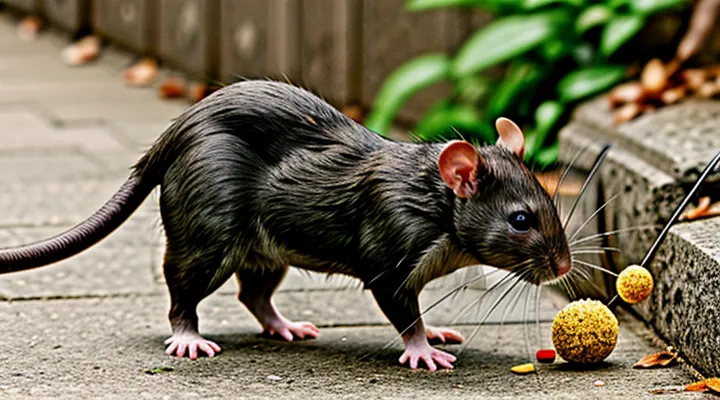
Understanding Rat Behavior
What Attracts Rats Indoors?
Food Sources
Rats are omnivorous mammals with a strong preference for high‑energy, easily digestible foods. Their foraging behavior centers on items that provide calories, moisture, and nutrients with minimal effort to obtain.
- Grains and cereals: wheat, corn, rice, and oats contain carbohydrates that fuel rapid metabolism. Crushed or broken kernels are especially attractive because they can be swallowed whole.
- Fruits and vegetables: apples, bananas, berries, and leafy greens offer sugars and water. Soft, over‑ripe produce releases strong aromas that draw rats from a distance.
- Protein sources: cooked meat, fish, eggs, and dairy products supply amino acids essential for growth. Small pieces of lean meat or cheese emit volatile compounds that rats detect with high sensitivity.
- Fats and oils: peanut butter, butter, and animal fat are dense energy reserves. Their strong scent persists in low‑temperature environments, maintaining lure over time.
- Sugary substances: honey, syrup, and jam provide immediate glucose. Viscous consistency adheres to bait stations, reducing loss to non‑target species.
- Pet food: dry kibble and canned meals combine protein, fat, and carbohydrate profiles in a single matrix, making them highly effective composite baits.
- Household waste: garbage containing food scraps, coffee grounds, and discarded bread creates a continuous source of attractants, especially in urban settings.
Selecting bait should align with the target environment’s available food residues. Matching the dominant food source in a specific area maximizes attraction and improves control outcomes.
Water Sources
Rats require regular hydration, making any accessible water a primary draw. Fresh, clean water placed near food sources creates a micro‑environment that satisfies both thirst and foraging instincts, increasing the likelihood of rodent activity.
Key characteristics of effective water bait:
- Availability: Open containers, leaking pipes, or puddles that can be reached without obstruction.
- Consistency: Continuous presence of water prevents rats from abandoning the area.
- Purity: Clear, odorless water encourages consumption; heavily chlorinated or scented liquids deter rodents.
When incorporating water into baiting strategies, consider the following actions:
- Position shallow dishes or sponges near known pathways, ensuring they are refilled daily.
- Repair leaks in plumbing, gutters, and foundation cracks; unaddressed drips act as inadvertent bait.
- Use absorbent materials (cotton balls, felt) soaked in water to extend moisture availability in trap zones.
- Combine water with high‑protein or grain baits; rats often feed while drinking, amplifying trap success.
Monitoring water sources provides insight into infestation levels. Frequent wet spots, gnaw marks on containers, and droppings near water indicate active presence. Eliminating or controlling these sources reduces the attractiveness of the site and complements other control measures.
Shelter and Warmth
Rats prioritize locations that provide consistent temperature and protection from predators. A nest site that retains heat reduces metabolic demand and supports breeding cycles. Structures such as wall voids, insulated crawl spaces, and stacked firewood create micro‑environments where ambient temperature remains above outdoor fluctuations.
Warm, sheltered areas concentrate rodent activity, increasing the likelihood that bait will be encountered. When bait is placed within or adjacent to these zones, rats spend less time exposed while foraging, resulting in higher consumption rates.
Practical guidelines for leveraging shelter and warmth in bait deployment:
- Position bait stations inside insulated cavities (e.g., attic corners, basement joist spaces) where heat accumulates.
- Use weather‑proof containers that retain internal temperature, especially during cold seasons.
- Locate bait near existing rodent runs that terminate in protected nesting sites, such as under floorboards or in garage storage areas.
- Ensure the bait material itself remains stable at lower temperatures; gelatin‑based or fatty baits retain scent longer in warm micro‑habitats.
- Avoid open placement on exposed surfaces; rats will bypass areas lacking cover.
Implementing these measures aligns bait placement with the primary environmental drivers of rat activity, thereby maximizing attraction and control efficiency.
Common Rat Species and Their Preferences
Norway Rats
Norway rats (Rattus norvegicus) are omnivorous mammals that thrive on high‑energy foods. Their sensory systems are tuned to detect fats, proteins, sugars, and strong aromatic compounds. Consequently, baits that combine these elements generate the strongest attraction.
- Peanut butter — rich in fat and protein, emits a strong, persistent odor.
- Bacon or cooked meat — high protein and lipid content, releases volatile compounds during heating.
- Chocolate or candy — high sugar concentration, sweet scent stimulates the rat’s taste receptors.
- Sunflower seeds — dense oil content, crunchy texture encourages gnawing.
- Cheese — protein and fat blend, aromatic profile appeals to the rat’s olfactory nerves.
Bait effectiveness increases when the material is fresh, moist, and placed in a location with frequent rat activity, such as near walls, in burrow entrances, or along established runways. Using a small amount of bait on a secure platform prevents contamination by non‑target species and reduces waste. Combining two or more of the listed attractants can enhance draw, as the varied scent profile engages multiple sensory pathways simultaneously.
Roof Rats
Roof rats (Rattus norvegicus) prefer elevated environments such as attics, eaves, and roof spaces. Their climbing ability allows them to access food sources stored above ground level, while their nocturnal activity reduces competition with ground‑dwelling rodents.
Attraction factors include high‑energy foods, strong odors, and moisture. Roof rats are drawn to items that provide quick calories and a scent they can detect from a distance. Sweet, fatty, and protein‑rich substances are particularly effective.
Recommended baits
- Peanut butter mixed with oats or cornmeal – strong aroma, high fat content.
- Dried fruit (e.g., raisins, apricots) – sweet scent, low moisture, easy to handle.
- Whole nuts (peanuts, almonds) – natural rodent preference, durable.
- Soft cheese or processed cheese spreads – pungent odor, high protein.
- Canned fish or tuna water – intense smell, attractive to omnivores.
Placement guidelines: position bait on small platforms or in sealed containers with entry holes sized for roof rats; locate stations near known travel routes, such as along roof joists, vent openings, or near stored food. Refresh baits every 48 hours to maintain scent potency and to monitor activity.
House Mice (Distinction)
House mice (Mus domesticus) differ from rats in size, behavior, and dietary preferences, which influences the effectiveness of bait strategies. Mice are smaller, more agile, and tend to explore tight spaces, making them less likely to be drawn to large, heavy baits that appeal to rats. Their foraging habits favor high‑energy, sweet, and protein‑rich foods that can be consumed quickly.
Key factors that attract house mice:
- Sweetness: granulated sugar, honey, and fruit preserves.
- Protein: peanut butter, dried fish, and cooked meat scraps.
- Fat: rendered animal fat, cheese, and butter.
- Moisture: wet foods such as canned pet food or gelatinous attractants.
Effective bait formulations for mice typically combine a sweet base with a protein or fat component. Examples include:
- Peanut butter mixed with powdered sugar.
- Chocolate‑coated cereal combined with a small amount of bacon grease.
- Soft cheese blended with honey.
Placement considerations are critical. Position baits along walls, behind appliances, and in concealed entry points where mice travel. Use small, easily accessible portions to accommodate their limited mouth size and reduce competition from larger rodents.
Understanding the distinction between mouse and rat preferences allows for targeted control measures, minimizing non‑target exposure and improving trap success rates.
Effective Baits for Rat Control
Best Food-Based Baits
Peanut Butter
Peanut butter stands out as a highly effective rodent lure because of its strong aroma, high fat content, and sweet taste. Rats detect the scent from a distance, and the dense texture allows the bait to stay in place on traps or stations without dripping.
Key characteristics that make peanut butter successful:
- Odor intensity – volatile compounds release a persistent smell that draws rats into the immediate area.
- Nutrient density – fats and proteins provide immediate energy, encouraging quick consumption.
- Adhesion – thick consistency prevents the bait from being removed by wind or other animals, ensuring the trap remains baited.
- Versatility – can be applied to snap traps, live‑catch cages, and bait stations with equal effectiveness.
When deploying peanut butter, follow these guidelines for optimal results:
- Apply a small pea‑sized amount directly to the trigger mechanism; excess can cause rats to eat without activating the trap.
- Secure the bait with a thin layer of petroleum jelly or a plastic wrapper if the environment is wet, preserving scent and texture.
- Replace bait every 2–3 days to maintain freshness and prevent mold, which can deter rodents.
- Position traps along known runways, near walls, and close to food sources; rats preferentially travel along the same routes.
Comparative data indicate that peanut butter consistently outperforms grain‑based baits in field trials, achieving capture rates 15–25 % higher under identical conditions. Its reliability makes it a preferred choice for both professional pest control operators and homeowners seeking a straightforward, low‑cost solution.
Seeds and Grains
Seeds and grains rank among the most effective attractants for rats. Their natural dietary preferences, high carbohydrate content, and easy accessibility make them a reliable choice for bait stations.
- Corn kernels: Sweetness and texture stimulate feeding behavior; small pieces disperse quickly, covering larger areas.
- Wheat berries: Dense nutrients encourage repeated visits; resistant to rapid spoilage when stored in dry conditions.
- Rice: Light weight allows for precise placement; strong scent attracts rats from considerable distances.
- Oats: Soft consistency appeals to young rodents; can be mixed with powdered attractants for enhanced potency.
- Barley: Slightly bitter flavor complements other grains, preventing premature consumption by non‑target species.
When deploying seeds or grains as bait, consider the following practices:
- Moisture control – keep the bait dry to avoid mold, which deters rats and reduces efficacy.
- Size reduction – crush or chop larger kernels to increase surface area and accelerate ingestion.
- Combination – blend multiple grain types to broaden attraction across varying rat preferences.
- Placement – locate bait near known travel paths, nesting sites, or food sources; conceal with minimal cover to avoid interference from predators.
- Rotation – replace bait every 2–3 days to maintain freshness and prevent habituation.
Proper selection and management of seeds and grains maximize capture rates while minimizing waste and non‑target exposure.
Sweet Foods
Rats exhibit a strong preference for sugary substances, making sweet foods among the most effective attractants for trapping and control efforts. The attraction stems from rats’ natural inclination toward high‑energy resources, which support rapid metabolism and reproductive cycles.
Typical sweet baits include:
- Fruit pieces (apple, banana, grapes)
- Dried fruit (raisins, apricots)
- Candy (hard caramel, chocolate, marshmallows)
- Sweetened cereals and granola bars
- Syrup‑coated nuts or seeds
When deploying these items, follow precise guidelines:
- Cut fruit into bite‑size portions to fit bait stations.
- Place candy or syrup‑based bait on a small platform to prevent spillage.
- Combine a sweet component with a protein source (e.g., peanut butter) to increase appeal and reduce premature consumption by non‑target species.
- Refresh bait daily to maintain fragrance and prevent mold growth.
Storage considerations are critical: keep sweet baits in airtight containers, refrigerated if perishable, and away from sunlight to preserve potency. Proper handling ensures consistent effectiveness and reduces waste.
Meats and Fish
Meats and fish rank among the most effective attractants for rats, delivering strong protein odors that trigger their feeding response.
The potency of these baits depends on scent intensity, moisture level, and freshness. Warm, moist tissue releases volatile compounds that rats detect from a distance, while dry or stale meat loses attractiveness quickly.
-
Beef – lean cuts, ground beef, and organ meat (liver, heart) emit strong iron-rich aromas; ground form spreads scent uniformly.
-
Poultry – chicken thighs, turkey, and duck provide fatty cues; skin-on pieces increase odor release.
-
Pork – bacon, pork shoulder, and pork liver supply both fat and protein, enhancing detection.
-
Game – venison and rabbit offer wild scent profiles that appeal to outdoor or feral rats.
-
Fish – sardines, mackerel, and herring release pungent oils that remain potent even when chilled.
-
White fish – cod and hake produce milder smells but retain appeal when mixed with fat.
-
Shellfish – shrimp and mussels add briny notes that attract rats in coastal settings.
-
Fish offal – heads, guts, and roe deliver high‑nutrient content, creating rapid uptake.
For maximum effectiveness, keep baits refrigerated until deployment, then position them in shallow containers that prevent spillage. Replace baits every 24–48 hours to maintain freshness. Use sealed packaging for transport to avoid premature scent loss.
Non-Food Attractants
Nesting Materials
Rats prioritize locations that provide secure, comfortable shelters for breeding and resting. Materials that are soft, readily available, and emit familiar odors become primary targets for nest construction, making them powerful attractants when used as bait substrates.
- Straw, hay, or dried grasses: lightweight, easy to manipulate, and mimic natural nesting sites.
- Fabric scraps, especially cotton or fleece: offer warmth and insulation, encouraging prolonged occupancy.
- Paper products, such as shredded newspaper or cardboard: provide both structural support and a familiar scent from previous rodent activity.
- Insulation fibers, including fiberglass or mineral wool: create a protected micro‑environment and are often found in building cavities.
- Plant debris, like dried leaves or pine needles: supply a natural bedding that blends with outdoor habitats.
These items draw rats because they meet basic shelter requirements while simultaneously offering a concealed space for food storage. Incorporating such nesting materials into bait stations increases the likelihood of rat visitation and retention, improving overall control efficacy.
Scents
Rats rely heavily on their sense of smell to locate food, making aromatic cues the most effective component of any lure. Strong, natural odors that mimic their preferred diet trigger investigative behavior and increase trap success.
- Peanut butter – dense, fatty scent that signals high‑energy food.
- Bacon or cooked meat – rich protein aroma draws scavenging rats.
- Fresh fruit – sweet, fermenting notes appeal to omnivorous habits.
- Cereal grains (wheat, oats, cornmeal) – earthy, carbohydrate‑rich fragrance.
- Nut oils (almond, walnut) – nutty, lipid‑laden odor similar to natural foraging sources.
- Anise or licorice – sharp, aromatic compound that mimics certain plant seeds rats consume.
Combining two or more of these scents enhances attractiveness, as rats often follow multiple olfactory cues simultaneously. Applying a thin layer of the chosen bait to a trap or feeding station ensures the odor disperses quickly, encouraging rapid engagement. Regularly refreshing the scent prevents habituation and maintains efficacy over extended periods.
Commercial Baits and Their Advantages
Rodenticides
Rodenticides are chemical agents formulated to lure and eliminate rats through ingestion. Their effectiveness depends on palatability, active ingredient potency, and delivery format. Highly attractive flavors—such as peanut butter, grain, and meat emulsions—mask the toxic component, encouraging rapid consumption. Anticoagulant compounds (warfarin, bromadiolone, difethialone) and neurotoxic agents (bromethalin, zinc phosphide) are the primary classes used in bait stations.
- Palatable carriers: Peanut butter, cornmeal, fish oil, and soy protein increase acceptance rates.
- Anticoagulants: Low-dose first‑generation (warfarin) for short‑term control; second‑generation (bromadiolone, difethialone) for resistant populations.
- Neurotoxins: Bromethalin provides rapid knock‑down; zinc phosphide releases phosphine gas after ingestion of acidic stomach contents.
- Form factors: Block baits, pellets, and liquid gels allow placement in concealed areas, reducing non‑target exposure.
Selection criteria include target species susceptibility, resistance history, and environmental constraints. Proper placement—along walls, near gnaw marks, and in concealed pathways—maximizes encounter probability. Monitoring bait consumption and rat activity informs adjustments to bait type and concentration, ensuring sustained control.
Non-Toxic Lures
Non‑toxic lures provide an effective alternative to chemical poisons when targeting rats, allowing control without risking secondary poisoning or environmental contamination. These attractants rely on natural food cues that rodents find irresistible, making them suitable for residential, commercial, and agricultural settings where safety is a priority.
Common non‑toxic options include:
- Peanut butter – high fat content and strong odor stimulate feeding behavior.
- Sunflower seeds – bright color and nutty flavor encourage exploration and nibbling.
- Dried fruit – sweet taste and aromatic compounds attract both adult rats and juveniles.
- Cooked bacon bits – protein‑rich scent mimics scavenging opportunities.
- Fresh carrots or celery – crisp texture and natural sweetness appeal to herbivorous tendencies.
Effective deployment requires placement on sturdy platforms that prevent spillage, positioning near known runways or nesting sites, and regular replacement to maintain freshness. Combining multiple lure types can broaden appeal across varying dietary preferences, increasing capture rates while preserving a non‑hazardous environment.
Baiting Strategies and Considerations
Placement of Baits
High-Traffic Areas
High‑traffic zones—such as kitchen counters, pantry shelves, garbage collection points, and utility corridors—provide rats with continuous access to food, water, and shelter. The constant movement of people and supplies creates disturbances that rats exploit to locate fresh resources and avoid predators.
Key factors that make these areas attractive:
- Abundant food residues, including crumbs, spills, and improperly stored waste.
- Moisture sources from leaky pipes, dishwashers, or condensation.
- Structural gaps that allow entry and concealment, such as gaps around doors, vents, and baseboards.
- Frequent human activity, which masks rat scent trails and discourages natural enemies.
Effective bait deployment in high‑traffic locations follows a systematic approach:
- Identify points where food debris accumulates, then place bait within 12–18 inches of those spots.
- Secure bait in tamper‑resistant stations to prevent accidental contact and protect it from non‑target species.
- Rotate bait types (e.g., peanut butter, dried fruit, meat‑based formulations) every 3–5 days to maintain novelty and prevent habituation.
- Monitor stations daily, record capture rates, and adjust placement based on activity patterns.
Targeting rats in these zones reduces population pressure and limits spread to adjacent, less active spaces. Consistent observation and strategic bait management are essential components of an integrated rodent‑control program.
Hidden Locations
Rats seek concealed environments that provide shelter, food residue, and easy travel routes. Identifying these sites allows precise placement of attractants, increasing capture rates while reducing waste.
- Wall voids behind baseboards
- Empty crawl spaces under flooring
- Insulated pipe chases and vent ducts
- Stacks of stored cardboard or paper goods
- Overgrown garden debris adjacent to building foundations
- Unsealed gaps around utility penetrations
- Forgotten pantry corners with stale crumbs
Positioning bait directly within or adjacent to these concealed areas exploits natural rat pathways. Use small, odor‑intense pellets that remain effective despite limited exposure. Seal entry points after baiting to prevent re‑infestation and to concentrate activity around the selected attractants. Continuous monitoring of these hidden zones ensures timely replenishment and optimal control outcomes.
Safety Precautions
When selecting and applying attractants for rodents, safety must be the primary consideration. Improper handling of baits can cause accidental poisoning of children, pets, and non‑target wildlife, and may lead to legal liabilities.
Key precautions include:
- Store all bait products in locked, clearly labeled containers out of reach of unauthorized persons.
- Wear disposable gloves and, if recommended by the manufacturer, protective eyewear while mixing or placing baits.
- Keep bait stations sealed and positioned away from food preparation areas, water sources, and places where children or pets roam.
- Follow dosage instructions precisely; excessive amounts do not increase effectiveness and raise toxicity risks.
- Use tamper‑resistant bait stations that prevent accidental contact and limit exposure to non‑target species.
- Record the location of each bait placement to facilitate monitoring and removal after the control period ends.
- Dispose of unused or expired bait according to local hazardous waste regulations, never by flushing or discarding in regular trash.
Regular inspection of bait stations ensures that damage or displacement has not occurred. If a station is compromised, remove the bait immediately and replace it with a new, intact unit. Maintaining detailed logs of bait types, quantities, and dates supports compliance with health and environmental standards.
By adhering to these measures, the effectiveness of rodent attractants is preserved while minimizing health hazards and ecological impact.
Bait Station Design
Tamper-Resistant Stations
Tamper‑resistant stations are sealed containers designed to hold rodent bait while preventing accidental contact, theft, or interference by non‑target animals. Their construction typically includes lockable lids, reinforced walls, and weather‑proof seals that maintain bait potency under varying environmental conditions.
Effective stations incorporate several design features:
- Secure locking mechanism that resists forced entry.
- Transparent or windowed panels for visual inspection without opening.
- UV‑stable plastic or coated metal to withstand sun exposure.
- Integrated drainage to avoid water accumulation.
These attributes reduce bait loss, limit secondary poisoning risks, and ensure consistent delivery of attractants to target rodents. By restricting access, stations maintain bait placement accuracy, which directly influences capture rates.
When choosing a tamper‑resistant station, consider the following criteria:
- Compatibility with the specific bait type (gel, block, or pellet).
- Size appropriate for the expected rodent activity area.
- Ease of cleaning and refilling to minimize handling time.
- Certification for safety standards relevant to the jurisdiction.
Proper placement enhances effectiveness: position stations along known runways, near food sources, and at a height that discourages non‑target species. Regular inspection confirms integrity of seals and replenishes bait before depletion.
Open Trays (Limited Use)
Open trays present a straightforward delivery system for rodent attractants. The shallow container exposes bait directly to the environment, allowing rats to detect scent and visual cues without barriers. This design maximizes initial encounter rates, especially when placed along established runways or near food sources.
Key characteristics of limited‑use open trays:
- Bait composition – high‑protein or high‑fat foods (peanut butter, dried fish, bacon bits) generate strong olfactory signals that rats locate from several meters away. Sweetened grain mixes add a secondary attractant for omnivorous individuals.
- Scent volatility – fresh, moist bait releases volatile compounds rapidly, sustaining attraction for the short lifespan of the tray. Once the bait dries, effectiveness declines sharply.
- Placement precision – positioning at 6–12 inches above the floor prevents interference from debris while keeping the bait within reach of a rat’s foraging height.
- Exposure control – the open format limits the amount of bait that can be used safely; overloading the tray reduces the concentration of attractive odors and may attract non‑target wildlife.
Limitations include vulnerability to weather, rapid depletion, and potential for accidental contact by pets or children. Consequently, open trays are best employed in indoor or sheltered settings where environmental variables remain stable. Replace or replenish the bait after 24–48 hours, or sooner if signs of consumption appear, to maintain peak attractiveness.
When integrated with a broader control strategy—such as perimeter trapping and sanitation—limited‑use open trays enhance detection of active rat populations and improve overall bait uptake.
Rotation of Baits
Preventing Bait Shyness
Rats quickly become wary of bait that is repeatedly presented in the same form or location. Preventing this avoidance requires systematic variation and careful handling of the attractant.
- Rotate food types every few days; alternate grain, fruit, protein, and commercial paste.
- Replace bait frequently; discard stale portions and introduce fresh material to maintain strong odor.
- Pre‑bait traps by placing a small amount of food near the entry point for several days before installing the trap.
- Position bait away from strong competing scents such as cleaning chemicals, pet food, or garbage.
- Use low‑odor containers for storage to prevent contamination; seal each batch tightly until use.
- Combine visual cues with scent, for example, adding a small piece of colored cloth that matches the bait’s color.
- Apply a thin layer of non‑toxic attractant gel on trap surfaces to enhance detection without overwhelming the rat’s sense of smell.
Consistent implementation of these measures reduces the likelihood that rats will learn to ignore the lure, thereby sustaining trap efficacy over extended periods.
Monitoring Effectiveness
Effective monitoring determines whether a chosen lure truly reduces rodent activity. Begin by establishing a baseline count of sightings, droppings, or damage before bait deployment. Record this data in a standardized format to enable comparison.
Implement multiple observation points around the bait stations. Use motion‑activated cameras to capture visitation frequency and time of day. Complement visual records with physical checks: count remaining bait, note gnaw marks, and replace items only when consumption falls below a predetermined threshold.
Maintain a log of environmental variables that may influence rodent behavior, such as temperature, humidity, and nearby food sources. Correlate these factors with bait uptake to identify patterns that could affect efficacy.
Analyze collected data regularly. Apply simple statistical methods—average daily captures, percentage reduction from baseline, and trend lines over weeks—to assess performance. When results show a decline in activity, consider rotating to an alternative attractant or adjusting placement density.
Key actions for reliable assessment:
- Establish pre‑deployment baseline metrics.
- Deploy cameras and conduct daily physical inspections.
- Document environmental conditions alongside bait consumption.
- Perform weekly statistical reviews and adjust strategy accordingly.
Consistent application of these steps provides objective evidence of bait success and informs future selection of the most compelling attractants for rat control.
Beyond Baiting: Integrated Pest Management
Sanitation Practices
Food Storage
Rats locate food by scent and moisture; unsecured storage creates a reliable source that draws them into homes and warehouses.
Grains, nuts, dried fruit, and sugary products emit volatile compounds detectable at low concentrations, making them the strongest attractants. Protein-rich items such as pet food, cheese, and cooked meat also rank high, especially when left at ambient temperature.
Effective storage eliminates these cues. Seal containers with airtight lids, use metal or heavy‑wall plastic bins, and keep storage areas clean of crumbs and spills. Position food away from walls, elevate it off the floor, and inspect for damage weekly.
Recommended baits for trapping:
- Peanut butter mixed with oats – high fat and carbohydrate content, strong odor.
- Sunflower seeds with a few drops of vanilla extract – aromatic, attractive to both wild and urban rats.
- Canned tuna, finely shredded – potent protein scent, effective for nocturnal foragers.
- Sweet corn kernels soaked in molasses – combines sugar and moisture, stimulates prolonged feeding.
Deploy baits in tamper‑proof traps, replace daily, and rotate flavors to prevent bait fatigue. Proper storage coupled with targeted baiting reduces rat presence and limits damage.
Waste Management
Effective waste management directly influences the success of rat control programs. Proper segregation, containment, and removal of refuse eliminate the primary food sources that lure rodents, thereby increasing the potency of bait stations.
Organic waste—such as kitchen scraps, spoiled produce, and animal by‑products—provides high caloric value and moisture, making it the most attractive material for rats. Grease‑laden residues, dairy products, and sugary items further enhance palatability. In contrast, inert materials like cardboard, glass, and metal offer little nutritional appeal and do not compete with bait.
When waste is stored in sealed, rodent‑proof containers and removed regularly, rats encounter fewer alternative food options. This scarcity forces them to investigate bait stations, improving bait uptake and reducing the number of bait placements needed for effective control.
Optimal bait formulations for environments with stringent waste control include:
- Peanut butter or nut paste mixed with a high‑grade anticoagulant
- Fresh fruit puree combined with a slow‑acting rodenticide
- Grain‑based pellets enriched with protein and a bittering agent
- Commercially prepared wax blocks containing attractant oils and a single‑dose toxin
Selecting baits that complement a clean waste system maximizes consumption rates while minimizing non‑target exposure. Consistent application of these practices yields measurable declines in rat activity and population density.
Exclusion Techniques
Sealing Entry Points
Sealing entry points removes the primary pathway rats use to access food and shelter, directly reducing their attraction to a property. Identify gaps larger than a quarter inch in walls, foundations, utility openings, and roof eaves; these dimensions allow rodents to enter easily.
- Inspect exterior walls for cracks, holes around pipes, and damaged siding; fill with steel wool followed by caulk or cement.
- Close gaps around vents, chimney flues, and attic fans using metal mesh and expanding foam.
- Apply weather‑resistant sealant to gaps around doors, windows, and garage doors; install door sweeps to block the lower perimeter.
- Repair damaged foundations with concrete or mortar; backfill soil to create a slope away from the building.
Implementing these measures creates a continuous barrier that limits rat movement, thereby decreasing the effectiveness of any bait placed inside the structure. Regular inspection and maintenance of seals sustain the barrier over time.
Repairing Damage
Rats compromise building integrity; successful baiting must be followed by prompt restoration of affected areas.
Typical damage includes gnawed wood framing, chewed insulation, exposed wiring, and punctured drywall. Each material requires a specific repair approach to restore safety and functionality.
Repair steps
- Inspect every room for signs of gnawing, holes, and contamination.
- Remove damaged sections of wood, insulation, or drywall; discard as hazardous waste.
- Replace structural wood with pressure‑treated lumber of equal dimensions.
- Install new insulation, sealing seams with rodent‑proof mesh.
- Repair or replace compromised electrical cables; verify connections meet code requirements.
- Patch drywall with joint compound, sand smooth, and repaint to match surrounding surfaces.
- Apply metal or hardware cloth covers to all openings larger than a quarter‑inch.
After repairs, seal entry points using steel wool, caulk, or concrete. Install bait stations in concealed locations to maintain control while monitoring for re‑infestation. Regular inspections confirm that repairs remain intact and that no new damage occurs.
Trapping Methods
Snap Traps
Snap traps remain a cornerstone of rodent control because they deliver immediate, lethal results without the need for chemicals. The mechanism consists of a spring‑loaded bar that snaps shut when the rat triggers a pressure plate, causing rapid death and minimizing suffering. Their simplicity allows for easy deployment in tight spaces such as wall voids, attics, and pantry corners.
Effective bait selection determines capture rates. Rats are opportunistic feeders, drawn to high‑protein, high‑fat, and sweet substances. Recommended attractants for snap traps include:
- Peanut butter – strong odor, adheres to trigger plate.
- Hard‑boiled egg – rich protein, appealing scent.
- Bacon or cooked sausage – high fat, potent aroma.
- Chocolate or caramel – sweet profile, strong draw.
- Sunflower seeds – natural grain scent, easy to attach.
Bait placement matters. Position the bait on the trigger plate so that the rat must apply pressure to acquire it. Secure the bait with a small amount of adhesive to prevent removal without activating the trap. Place traps along established runways, near walls, and behind objects where rats habitually travel.
Safety considerations are critical. Use traps with a protective shield to reduce accidental contact for children and pets. Check traps daily; remove dead rodents promptly to prevent disease spread and to maintain trap effectiveness. Dispose of captured rats in sealed bags and follow local regulations for waste handling.
Maintenance involves resetting the spring tension after each catch and inspecting the trigger mechanism for rust or debris. Replace worn traps after several uses to ensure consistent performance. By combining a reliable snap‑trap design with proven bait choices and strategic placement, pest managers achieve rapid population reduction and long‑term deterrence.
Live Traps
Live traps provide a humane alternative to lethal methods, capturing rats without injury and allowing for release or controlled disposal. Their effectiveness depends on the strength of the lure placed inside the cage, which must overcome rats’ natural wariness.
The most reliable attractants for live traps include:
- Fresh fruit (apple, banana, berries) – strong scent, high sugar content.
- Nut butter (peanut, almond) – oily texture adheres to trap surfaces.
- Meat scraps (cooked chicken, bacon) – protein and fat trigger feeding response.
- Birdseed mixtures – familiar grain aroma, especially effective in rural settings.
- Cheese fragments – traditional, works well when paired with a secondary scent.
Placement of the bait matters as much as its composition. Position the food at the far end of the chamber to force the rat to fully enter before reaching it. Secure the lure to prevent removal, using a small amount of adhesive or a wire mesh. Locate traps along established runways, near walls, or close to known droppings, where rats naturally travel.
Regular inspection ensures traps remain functional and humane. Remove captured animals promptly, disinfect the device, and replenish bait to maintain attraction. Replace worn traps to avoid escape routes and to preserve a consistent capture rate.
Glue Traps (Ethical Considerations)
Glue traps consist of a sticky surface that immobilizes rodents when they step onto it. The adhesive is usually a petroleum‑based compound that remains effective for several weeks, even in humid conditions. When placed near attractants such as grain, fruit, or peanut butter, glue boards capture rats quickly, providing a visual confirmation of activity.
Ethical concerns arise from the prolonged suffering experienced by trapped animals. Rats caught on glue remain conscious, unable to free themselves, and may endure dehydration, starvation, or injury before death. This outcome conflicts with humane pest‑control standards that prioritize rapid, painless removal.
Key points for responsible use include:
- Verify local regulations; many jurisdictions restrict or ban glue traps for vertebrate pests.
- Consider alternative methods—snap traps, electronic devices, or exclusion techniques—that deliver immediate death or prevent entry.
- If glue traps are employed, limit exposure time, monitor daily, and euthanize captured rats humanely using approved methods.
- Dispose of trapped rodents in sealed containers, following public‑health guidelines to prevent disease transmission.
- Document placement and results to assess effectiveness and justify continued use only when no humane alternatives exist.
Professional pest‑management programs integrate these practices to balance control efficiency with animal welfare obligations.