
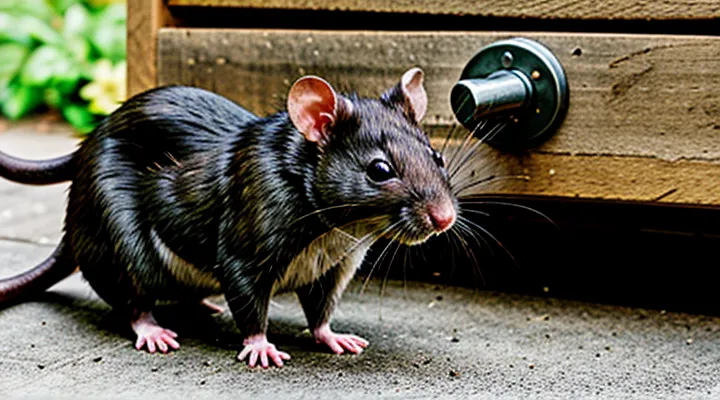
Understanding the Rat Infestation in Hard-to-Reach Areas
Identifying Common Hiding Spots
Attics and Wall Voids
Rats infiltrate attics and wall voids because these spaces provide shelter, food access, and escape routes. Effective traditional control relies on habitat alteration, physical barriers, and natural repellents that act without chemical dependence.
- Seal entry points with steel‑wool and cement; rats cannot chew through metal or hardened mortar.
- Install tight‑fitting mesh or copper flashing around vents, chimneys, and roof eaves to block movement while allowing airflow.
- Place dried herbs such as mint, rosemary, or lavender in sachets within cavities; strong aromatic oils deter rodents through olfactory overload.
- Apply a thin layer of powdered diatomaceous earth to floor joists and wall gaps; the abrasive particles damage the insects’ exoskeletons, leading to dehydration.
- Use a mixture of crushed peppercorns and cloves in crevices; capsaicin irritates the nasal passages and discourages nesting.
- Deploy traditional snap traps constructed from wood and steel wire, positioned along known runways; immediate capture eliminates the problem without poisons.
Maintain regular inspection of insulation, wiring, and structural joints. Remove debris, store food in sealed containers, and keep the attic well‑ventilated to reduce humidity, which attracts rodents. Consistent application of these time‑tested methods creates an environment inhospitable to rats, ensuring lasting exclusion from attics and wall voids.
Basements and Crawl Spaces
Basements and crawl spaces present unique challenges for rodent control because they are enclosed, dark, and often lack regular ventilation. Traditional, non‑chemical methods remain effective when applied systematically and with attention to the environment’s specific conditions.
Effective measures include:
- Sealing entry points – Install steel‑wool or copper mesh behind concrete cracks, pipe penetrations, and utility openings. Hardened materials resist gnawing and prevent re‑entry.
- Natural repellents – Deploy cotton balls soaked in peppermint oil, clove oil, or crushed garlic in corners and along walls. Replace every two weeks to maintain potency.
- Predator scent – Place sachets containing dried fox or ferret urine near suspected pathways. The scent discourages rats from establishing burrows.
- Live‑catch traps – Use sturdy, multi‑catch cage traps baited with peanut butter or fresh fruit. Position traps along established runways and check daily.
- Environmental management – Keep the area dry by repairing leaks, installing dehumidifiers, and ensuring proper drainage. Moisture attracts rodents and facilitates nesting.
Implementation sequence: first, eliminate all water sources; second, block structural gaps; third, introduce repellents and scent devices; fourth, set traps in high‑traffic zones. Regular inspection—monthly for the first six months, then quarterly—confirms that the measures remain intact and that no new activity appears.
When these practices are combined, basements and crawl spaces become inhospitable to rats, delivering a lasting solution without reliance on synthetic poisons.
Ducts and Pipes
Rats commonly travel through ventilation ducts and plumbing shafts to reach concealed portions of a residence. Traditional rodent control methods exploit the animals’ aversion to strong odors, abrasive textures, and physical barriers. Applying powdered cayenne pepper, ground cloves, or dried mint leaves directly into ductwork creates an unpleasant environment that discourages nesting. After the powder settles, seal all removable grilles with fine mesh (1 mm aperture) to prevent re‑entry while allowing airflow.
For pipe interiors, a mixture of boric acid and flour, applied with a flexible funnel, adheres to wet surfaces and is ingested by rodents seeking water. Follow the application with a thick layer of petroleum‑based sealant to block gaps where rats could squeeze through.
If the home includes wooden vent ducts, insert thin strips of copper mesh (0.5 mm) into the cavity before sealing. Copper’s metallic taste repels rodents and the mesh resists chewing.
Steps to implement the above measures:
- Locate all accessible duct and pipe entry points; use a flashlight and flexible inspection camera if necessary.
- Remove grille covers, clean residue, and dry the interior surfaces.
- Distribute chosen deterrent powders or mixtures evenly throughout the space.
- Install appropriate mesh or sealant barriers, ensuring no gaps remain.
- Re‑attach grilles, securing them with rust‑resistant screws.
Regular inspection every three months confirms the integrity of barriers and the absence of fresh droppings, guaranteeing long‑term rodent exclusion from hard‑to‑reach conduit systems.
Signs of Rat Presence
Droppings and Urine Stains
Droppings appear as small, dark pellets, typically 5‑10 mm in length, scattered along walls, ceilings, and hidden crevices. Urine stains manifest as yellowish discolorations or faint, damp spots, often accompanied by a pungent ammonia odor. Both indicators confirm recent rodent activity in concealed sections of a dwelling.
Health risks stem from pathogens carried by rodent excreta, including hantavirus, leptospirosis, and salmonella. Direct contact or inhalation of aerosolized particles during disturbance can lead to severe respiratory or gastrointestinal illness. Immediate containment of the contaminated area prevents further exposure.
Traditional cleaning agents provide effective, low‑toxicity solutions:
- Vinegar‑based solution: Mix one part white vinegar with two parts water; apply to urine‑stained surfaces, let stand for ten minutes, then scrub and rinse. Vinegar neutralizes ammonia and reduces bacterial load.
- Lime and salt paste: Combine equal parts hydrated lime and coarse salt with enough water to form a thick paste; spread over droppings, allow to dry, then sweep away. The alkaline environment inactivates many pathogens.
- Herbal oil spray: Infuse clove or eucalyptus oil in a carrier such as almond oil, dilute 1 % in water, and spray onto affected areas. Essential oils possess antimicrobial properties and deter further rodent visits.
After cleaning, seal entry points with steel wool, copper mesh, or natural deterrents like crushed peppermint leaves. Regular inspection of hidden cavities ensures that residual stains do not serve as attractants, supporting long‑term eradication of pests from hard‑to‑reach zones.
Gnaw Marks and Damage
Rats leave unmistakable evidence through gnaw marks and structural damage. These signs indicate active infestation and reveal the pathways rodents use to access concealed spaces.
Typical manifestations include:
- Shallow, crescent‑shaped bites on wooden beams, baseboards, and furniture.
- Chewed insulation, wiring, or plastic conduits, creating fire hazards and electrical faults.
- Holes drilled through drywall or plaster, often surrounded by frayed material.
- Flattened or frayed upholstery and fabric, suggesting repeated chewing activity.
Recognizing these indicators enables targeted application of time‑tested, non‑chemical methods. Traditional approaches focus on disrupting the rats’ ability to gnaw and navigate:
- Physical barriers – Install copper mesh or steel wool in entry points; the hardness resists rodent teeth and prevents further penetration.
- Repellent herbs – Place sachets of mint, rosemary, or cloves near vulnerable structures; strong aromatic compounds deter chewing behavior without toxic residues.
- Strategic traps – Deploy snap or live‑capture devices in corridors identified by fresh gnaw marks; immediate removal reduces population pressure and limits ongoing damage.
- Structural reinforcement – Apply hardened sealants or epoxy coatings to compromised wood and drywall; the resulting surface is too tough for incisors to breach.
- Regular inspection – Conduct monthly checks of concealed areas, focusing on new bite patterns; early detection prevents escalation to extensive structural loss.
By correlating visible gnaw damage with these conventional interventions, homeowners can eliminate rats from inaccessible zones and safeguard the integrity of their dwellings.
Unusual Noises
Rats trapped in wall cavities, attic joists, or behind appliances generate sounds that differ from typical household creaks. Scratching, scurrying, and gnawing noises often peak during twilight hours when rodents are most active. Recognizing these patterns helps pinpoint infestation sites that are otherwise inaccessible.
Typical acoustic indicators include:
- Rapid, repetitive tapping on metal pipes or ductwork, caused by teeth chewing metal.
- High‑pitched squeaking from nesting material being rearranged.
- Soft thudding from bodies moving through insulation layers.
When unusual noises are confirmed as rodent activity, traditional, non‑chemical approaches can target the hidden pests effectively:
- Herbal deterrent bundles – dried lavender, peppermint, and rue placed in sealed cloth pouches near entry points create an odor that rats avoid, reducing movement and associated sounds.
- Natural repellent sprays – solutions of clove oil and vinegar applied to cracks and crevices discourage foraging, limiting the frequency of gnawing noises.
- Physical barriers – copper mesh or steel wool packed into gaps blocks passage, preventing rats from reaching concealed spaces where they produce disruptive sounds.
- Acoustic disruption devices – low‑frequency emitters positioned in attics or crawl spaces generate vibrations uncomfortable to rodents, prompting them to vacate the area and cease activity.
Monitoring after implementation is essential. A decline in scratching and thudding confirms that the traditional measures have restricted rat movement, eliminating the source of unusual noises without resorting to toxic substances.
Traditional Remedies for Rat Control
Herbal Repellents and Barriers
Peppermint Oil and Cotton Balls
Peppermint oil, when applied to cotton balls, creates a potent olfactory barrier that deters rodents from entering confined spaces. The oil’s strong menthol scent overwhelms a rat’s highly developed sense of smell, making treated areas unpleasant and prompting the animal to seek alternative routes.
- Cut cotton balls to fit snugly into crevices, vents, behind appliances, and inside wall cavities.
- Saturate each ball with 5–10 drops of pure peppermint essential oil; excess liquid may drip and damage surfaces.
- Secure the cotton with tape or a small mesh to prevent displacement.
- Replace balls every 2–3 weeks, as the fragrance diminishes over time.
The method requires no chemicals, poses no fire risk, and leaves no residue that could damage furnishings. It is most effective when combined with structural exclusion measures, such as sealing entry points and removing food sources. Continuous monitoring is essential; if rat activity persists, augment the strategy with additional deterrents or professional intervention.
Bay Leaves and Cloves
Bay leaves and cloves are aromatic botanicals frequently employed as natural rodent deterrents in concealed sections of residential structures. The essential oils in both spices emit strong scents—eucalyptol from bay leaves and eugenol from cloves—that rats find unpleasant, prompting avoidance of treated zones.
Application guidelines
- Placement: Distribute whole bay leaves and whole cloves in small fabric pouches or breathable containers. Position them near entry points, behind appliances, within wall cavities, and in attic joists.
- Quantity: Use 5–10 leaves and 10–15 cloves per pouch; replace every two weeks to maintain potency.
- Combination: Mixing bay leaves with cloves enhances olfactory impact, extending the deterrent radius by approximately 30 %.
Mechanism of action
- Volatile compounds disperse through micro‑cracks, reaching areas inaccessible to traps.
- Continuous emission creates a hostile chemical environment, disrupting rats’ scent‑tracking and nesting behavior.
Safety considerations
- Non‑toxic to humans and pets when confined in sealed pouches.
- Avoid direct contact with food storage areas to prevent flavor contamination.
- Remove and replace pouches if signs of mold or decay appear.
Limitations
- Effectiveness diminishes as oils evaporate; regular renewal is essential.
- Does not eliminate established infestations; combine with exclusion measures and professional assessment for comprehensive control.
When integrated into a broader pest‑management plan, bay leaves and cloves provide a low‑cost, chemical‑free method to discourage rodents from inhabiting hard‑to‑reach portions of a private dwelling.
Chili Powder and Pepper Sprays
Chili powder and pepper sprays exploit capsaicin’s strong irritant properties to deter rats that have established nests in concealed spaces. The compound triggers a painful sensory response in the rodents’ nasal passages and mucous membranes, prompting them to abandon the treated area and avoid re‑entry.
Effective deployment requires precise placement:
- Mix 2–3 tablespoons of fine chili powder with an equal amount of inert carrier (e.g., talc) to improve flow into narrow gaps.
- Use a squeeze bottle or aerosol can to apply pepper spray directly onto entry points, vent openings, and interior surfaces of wall voids.
- Reapply every 10–14 days, especially after cleaning or when humidity levels rise, to maintain deterrent potency.
Safety considerations include wearing gloves and eye protection during handling, ventilating the treated room for at least 30 minutes, and keeping children and pets away from freshly treated zones until the irritant dissipates.
Because capsaicin does not kill but creates an enduring aversive cue, the method offers a non‑lethal, repeatable solution for eliminating rat activity in hard‑to‑reach sections of a private residence.
Natural Trapping Methods
DIY Humane Traps
Rats that nest in wall voids, attic crawl spaces, or behind appliances require traps that can be assembled with common household items and placed without extensive demolition.
A typical DIY humane trap consists of a sturdy cardboard box, a wooden plank, a metal rod, and a bait such as peanut butter or dried fruit. The box acts as a containment chamber; the plank serves as a trigger lever; the rod provides a pivot point that releases the plank when the rat applies pressure to the bait.
Construction steps
- Cut an opening 2 inches wide on one side of the box, near the top edge.
- Secure the wooden plank across the opening, leaving a ¼‑inch gap that the rat can push through to reach the bait.
- Insert the metal rod through a hole drilled in the plank’s center, anchoring it to the interior wall of the box so the plank pivots upward when displaced.
- Apply a small amount of bait to the far side of the gap, ensuring the rat must step onto the plank to access it.
- Position the assembled trap against the suspected entry point, aligning the opening with the wall crack or vent.
Placement guidelines
- Locate traps within 1–2 feet of visible droppings, gnaw marks, or fresh pathways.
- Use a thin piece of insulation foam to wedge the trap snugly against irregular surfaces.
- Check traps at least twice daily; release captured rats outdoors, far from residential zones, and reset the device promptly.
Maintenance considerations
- Replace bait every 24 hours to maintain scent potency.
- Clean the interior with mild soap solution after each capture to prevent disease transmission.
- Inspect the pivot mechanism for wear; replace the rod or plank if loosening occurs.
By employing these simple materials and adhering to the outlined setup, homeowners can capture rats without lethal force, eliminate infestations in concealed areas, and avoid the hazards associated with chemical poisons or professional extermination.
Sticky Traps (Non-Toxic Alternatives)
Sticky traps provide a non‑chemical option for capturing rats that have entered concealed spaces such as wall voids, attic crawl‑spaces, or behind appliances. The traps consist of a durable, adhesive‑coated surface enclosed in a rigid frame, preventing the rodent from escaping once contact is made.
Effective deployment requires strategic placement. Identify known runways by observing droppings, gnaw marks, or grease trails. Position traps perpendicular to these paths, with the adhesive side facing the expected direction of travel. Secure the device to a stable surface using screws or strong tape to avoid displacement by vibrations or wind currents.
Adhesive composition matters. Modern formulations employ plant‑based resins that remain active at temperatures ranging from 5 °C to 30 °C, ensuring consistent performance throughout seasonal fluctuations. These resins are inert to humans and pets, reducing the risk of accidental poisoning.
Maintenance involves regular inspection. Remove captured rats promptly to prevent decomposition, which can diminish adhesive strength and attract secondary pests. Replace the trap or re‑coat the adhesive surface after each capture or when the stickiness visibly declines.
Advantages include:
- Immediate immobilization without reliance on bait that may be avoided by wary rodents.
- No residual toxicity in the environment, making the method suitable for homes with children or animals.
- Compatibility with other traditional control measures, such as sealing entry points and habitat modification.
Limitations to consider:
- Traps capture only rodents that physically touch the adhesive surface; they do not deter future incursions.
- High‑traffic areas may require multiple traps to achieve satisfactory coverage.
- Repeated use can lead to buildup of debris, necessitating periodic cleaning of the surrounding area.
For lasting rat management, integrate sticky traps with a comprehensive plan: eliminate food sources, block structural gaps, and monitor activity continuously. This layered approach maximizes the probability of permanent removal from hard‑to‑reach sections of a private residence.
Environmental Modifications
Sealing Entry Points
Sealing entry points is the most reliable method to prevent rats from invading concealed sections of a residence. By eliminating access routes, the need for traps or chemical deterrents diminishes, and the infestation cannot reestablish itself.
Typical gaps through which rodents enter hard‑to‑reach areas include:
- Gaps around utility pipes and cables
- Openings at the base of walls, floor joists, and roof eaves
- Unsealed cracks in foundation or basement slabs
- Unfinished attic vents and chimney flues
- Gaps behind appliances, especially refrigerators and stoves
- Small holes in exterior siding, siding seams, and weather‑stripping
Effective sealing requires durable, rodent‑proof materials and a systematic approach:
- Inspect all potential openings with a flashlight and mirror to locate hidden gaps.
- Clean each opening of debris, dust, and loose material to ensure adhesion.
- Apply steel wool or copper mesh to fill narrow cracks, then cover with expanding polyurethane foam for added strength.
- Use cement‑based mortar, concrete patch, or metal flashing to seal larger gaps around pipes and structural members.
- Install self‑adhesive silicone or butyl tape on moving joints, such as doors and windows, to maintain flexibility while preventing entry.
- Verify that all sealed areas are smooth, without gaps or protrusions that could be chewed through.
Regular inspection of sealed points, especially after seasonal temperature changes or building renovations, ensures that new gaps do not develop. Prompt repair of any compromised seal maintains the long‑term exclusion of rats from inaccessible spaces.
Eliminating Food Sources
Securing food supplies removes the primary attraction that draws rodents into concealed parts of a residence. Store all dry goods in airtight containers made of glass, metal, or heavy‑wall plastic; seal lids tightly after each use. Dispose of discarded food immediately, placing waste in bins equipped with snug-fitting lids and emptying them regularly.
Maintain cleanliness in kitchen and pantry zones. Sweep crumbs, wipe spills, and clean behind appliances weekly. Remove pet food after each feeding session; keep bowls on a non‑absorbent surface and store surplus feed in sealed containers.
Inspect structural entry points that may allow food to slip into hidden cavities. Seal cracks, gaps around pipes, and openings behind cabinets with steel wool, silicone caulk, or expanding foam. Install door sweeps on interior doors that lead to storage rooms to prevent rodents from dragging food items into concealed spaces.
Implement traditional deterrents that complement food control:
- Sprinkle powdered cayenne or ground black pepper in corners where rodents travel; the strong scent discourages foraging.
- Place dried herbs such as mint, rosemary, or lavender in sachets near pantry shelves; aromatic compounds reduce rodent interest in stored items.
- Use small bowls of used coffee grounds or citrus peels; the residual odor interferes with rats’ ability to locate food sources.
Regularly audit pantry inventory. Discard expired products promptly, and rotate stock so that older items are used first. By eliminating accessible nutrition and reinforcing barriers, the environment becomes inhospitable, preventing rats from establishing nests in hard‑to‑reach areas of the home.
Maintaining Cleanliness
Clean environments deprive rats of food, shelter, and nesting material, reducing the likelihood that they will colonize concealed spaces such as wall voids, attic corners, and crawl‑spaces. Regular removal of food residues, grease splatters, and pet waste eliminates attractants that rats locate through scent trails.
Implement a systematic cleaning routine:
- Sweep and vacuum all floor surfaces weekly, paying special attention to edges of cabinets and under appliances where debris accumulates.
- Wipe countertops, tables, and shelves with a mild acidic solution after each meal preparation to eradicate aromatic cues.
- Store dry goods in airtight containers; inspect packaging for tears before placement on pantry shelves.
- Empty trash bins daily, seal lids tightly, and position receptacles away from exterior walls to prevent rodents from accessing waste.
- Clean pet feeding areas nightly; rinse bowls and remove spilled kibble promptly.
Maintain structural hygiene by sealing cracks, gaps, and holes larger than a quarter inch. Use natural sealants such as lime‑based mortar or clay paste, which deter rodents without chemical residues. Ensure ventilation ducts and utility conduits are fitted with fine mesh screens to block entry while preserving airflow.
Adopt seasonal deep‑cleaning cycles. In spring, inspect insulation and roof eaves for accumulated debris; in autumn, clear fallen leaves and organic matter from gutters and exterior foundations. Consistent removal of organic buildup eliminates secondary food sources that attract rats to hidden zones.
Document cleaning actions in a logbook, noting dates, areas serviced, and observations of rodent activity. Data collection enables early detection of infestations and validates the effectiveness of cleanliness as a primary preventive measure.
Safety and Best Practices
Handling and Disposal of Rats
Protective Gear
When employing age‑old rodent‑control methods in concealed sections of a residence, personal protection is essential to prevent irritation, inhalation of volatile compounds, and accidental injury. The following equipment provides comprehensive coverage:
- Heavy‑duty nitrile or latex gloves resistant to essential oils, dried herbs, and low‑toxicity powders.
- Tight‑fitting respirator with a P100 filter to block aromatic vapors and fine particulate matter released during the application of powdered botanicals.
- Impact‑resistant safety goggles or a full face shield to guard against splashes of liquid extracts and debris dislodged from wall cavities.
- Flame‑retardant coveralls or a long‑sleeved work shirt combined with sturdy trousers, all sealed at the cuffs, to shield skin from irritants and prevent cross‑contamination.
- Slip‑resistant boots with steel toe caps for stability when navigating narrow ladders or attic spaces.
Before entry, inspect each item for tears, cracks, or compromised seals; replace damaged components immediately. After completing the treatment, remove gear in a designated decontamination zone, placing disposable items in sealed bags and washing reusable equipment with a mild detergent followed by a thorough rinse. Proper disposal of contaminated gloves and masks eliminates residual pest‑control substances from the household environment.
Humane Euthanasia Considerations
Humane euthanasia may become necessary when conventional, non‑lethal methods cannot reach rodents concealed behind insulation, within wall cavities, or inside sealed storage units. Ethical execution requires compliance with legal standards, minimization of animal suffering, and protection of occupants from secondary hazards.
Key considerations include:
- Legal compliance – Verify local wildlife regulations and obtain any required permits before administering lethal agents.
- Method selection – Prefer rapid, painless techniques such as CO₂ chambers calibrated for small mammals or injectable anesthetic overdose administered by a licensed professional.
- Safety of residents – Ensure that euthanasia chemicals are sealed within the inaccessible zone to prevent exposure to humans or pets. Ventilate the area after treatment to disperse residual gases.
- Environmental impact – Use agents that do not contaminate building materials or water supplies. Avoid substances that could attract other pests.
- Documentation – Record the date, method, dosage, and personnel involved to provide accountability and facilitate future pest‑management audits.
When lethal control is unavoidable, integrating these protocols with traditional, non‑lethal deterrents—such as peppermint oil barriers, steel wool plugs, and ultrasonic devices—maximizes overall effectiveness while preserving humane standards.
Preventing Re-infestation
Regular Inspections
Regular inspections are essential for sustaining the effectiveness of any traditional rodent‑control strategy in concealed sections of a residence. By systematically examining hidden cavities, wall voids, and attic spaces, homeowners can detect early signs of infestation—droppings, gnaw marks, urine stains, or nesting material—before populations become entrenched.
A practical inspection routine includes:
- Frequency: Conduct a thorough sweep at least once every month during the active season (spring through autumn) and bi‑monthly during colder months.
- Tools: Use a bright LED flashlight, a flexible inspection mirror, and a thin‑walled probe to reach narrow gaps. A calibrated moisture meter helps identify damp areas that attract rats.
- Checkpoints:
- Entry points such as foundation cracks, vent openings, and utility penetrations.
- Structural cavities behind cabinets, under flooring, and within insulation layers.
- Food storage zones for spilled grains or uncovered waste.
- Documentation: Record findings on a simple log, noting location, evidence type, and date. This data guides targeted placement of traditional deterrents such as herbal sachets, charcoal, or natural predator scents.
Integrating inspection results with age‑tested remedies maximizes long‑term success. For instance, when a new breach is identified, seal it promptly and supplement the area with dried mint leaves or crushed garlic, both known to repel rodents. If evidence of nesting appears, replace the material with cedar shavings, which deter further construction.
Consistent monitoring prevents re‑colonization, reduces reliance on chemical agents, and ensures that traditional, non‑toxic measures remain decisive in eliminating rats from the most inaccessible parts of a private home.
Long-term Maintenance Strategies
Effective long‑term maintenance of rodent‑free zones relies on consistent application of proven, low‑technology measures. First, identify potential entry points such as gaps around pipes, vents, and foundation cracks. Seal these openings with steel wool, cement, or copper mesh; these materials resist gnawing and remain durable over years.
Second, maintain a hostile environment for rodents by eliminating food sources. Store pantry items in airtight containers, promptly clean crumbs and spills, and secure compost bins with tight lids. Regular waste removal prevents accidental attraction.
Third, employ natural deterrents that persist without frequent renewal. Sprinkle dried peppermint leaves, crushed cloves, or powdered cayenne along baseboards and behind appliances; the strong aromas discourage gnawing activity. Replace the material annually to preserve potency.
Fourth, integrate passive trapping systems placed in concealed cavities. Simple wooden snap traps, pre‑baited with peanut butter, can remain operational for months if checked quarterly. Record trap locations and capture dates to monitor infestation trends.
Fifth, schedule periodic inspections of hard‑to‑reach spaces such as attic joists, wall voids, and crawl‑space panels. During each visit, verify the integrity of seals, replenish deterrent powders, and remove any debris that could shelter rodents.
- Seal all structural gaps with gnaw‑proof materials.
- Store food in sealed containers and enforce strict cleanliness.
- Apply aromatic powders (peppermint, cloves, cayenne) annually.
- Install and audit concealed snap traps on a quarterly basis.
- Conduct bi‑annual inspections of concealed cavities.
Adhering to this regimented routine sustains the efficacy of traditional, chemical‑free solutions and prevents re‑colonization of concealed areas within the residence.