
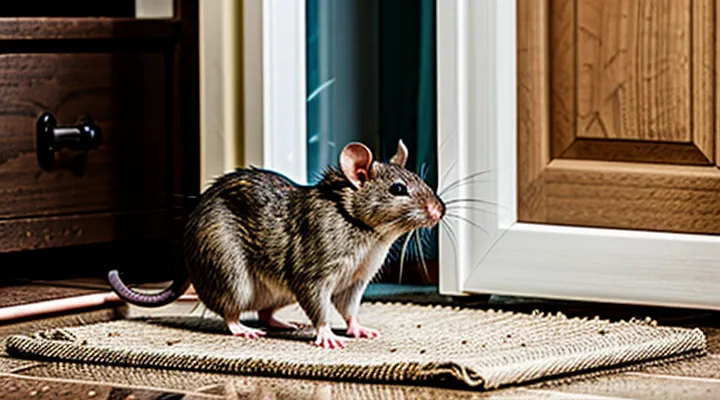
Understanding the Problem: The Need for Traditional Methods
Why Traditional Methods Remain Relevant
Limitations of Modern Solutions
Modern rodent control options—chemical baits, electronic traps, ultrasonic emitters, and glue boards—promise rapid results but exhibit several practical shortcomings.
- Chemical poisons require precise placement, risk accidental ingestion by children or pets, and often provoke resistance in rodent populations after repeated exposure.
- Electronic traps depend on reliable power sources; battery failure or power outages render them ineffective.
- Ultrasonic devices claim to repel pests through sound frequencies, yet scientific studies show inconsistent efficacy across species and limited range within cluttered interiors.
- Glue boards provide visual confirmation of capture but cause prolonged suffering, generate hazardous waste, and attract secondary infestations when not disposed of promptly.
These drawbacks limit the reliability of contemporary approaches, especially in residential settings where safety, maintenance, and consistent performance are critical. Consequently, reliance on modern methods alone may fail to achieve sustainable rodent suppression.
Environmental and Safety Concerns
Conventional rodent control techniques raise several environmental and safety issues that must be considered before implementation.
Chemical baits contain anticoagulants or neurotoxins that persist in soil and water, potentially affecting wildlife, beneficial insects, and aquatic organisms. Improper placement can lead to accidental ingestion by children, pets, or non‑target animals, resulting in acute poisoning. Disposal of contaminated dead rodents and residual poison requires sealed containers and compliance with local hazardous‑waste regulations to prevent secondary contamination.
Mechanical devices such as snap traps and glue boards present physical hazards. Sharp spring mechanisms can cause injury to users handling the traps, especially when setting or retrieving caught rodents. Glue boards may trap non‑target species, leading to suffering and ecological disruption. Reuse of these devices without thorough cleaning can spread disease agents between capture events.
Biological approaches, including the use of predatory cats, introduce additional concerns. Outdoor cats may hunt native birds and small mammals, altering local biodiversity. Indoor cats exposed to poisoned rodents risk secondary poisoning if they consume the carcasses.
To mitigate these risks, adopt the following practices:
- Position chemical baits in tamper‑proof stations, out of reach of children and pets.
- Use the minimum effective dose and rotate active ingredients to reduce resistance development.
- Select snap traps with safety shields and handle them with protective gloves.
- Dispose of captured rodents in sealed bags, then place them in a municipal waste facility that accepts hazardous material.
- Monitor trap locations regularly to remove non‑target captures promptly.
- Evaluate the impact of predatory animals on local fauna before introducing them as control agents.
Compliance with environmental regulations and adherence to safety protocols ensure that traditional rodent control remains effective while minimizing ecological harm and health hazards.
Prevention: Sealing and Securing Your Home
Identifying and Blocking Entry Points
Gaps in Walls and Foundations
Gaps in interior and exterior walls, as well as openings at the foundation, provide direct routes for rats and mice to enter residential structures. Rodents exploit cracks as small as a quarter‑inch, using them to reach food, shelter, and nesting material. Unsealed joints around utility penetrations, recessed lighting fixtures, and window frames further increase vulnerability.
Typical gaps and proven sealing actions include:
- Cracks around pipe sleeves – insert steel wool, then apply expanding foam.
- Gaps under door thresholds – install metal flashing or threshold seal.
- Openings at foundation footings – backfill with compacted gravel, then apply concrete patch.
- Spaces around vent pipes – fit copper mesh, then seal with mortar.
- Gaps behind baseboards – remove loose trim, fill with cement‑based filler, reinstall trim.
Regular inspection, at least twice yearly, should focus on foundation walls after heavy rain, and on interior wall seams after seasonal heating changes. Immediate repair of any discovered breach prevents rodent colonization and reduces the need for later extermination measures.
Openings Around Pipes and Utilities
Openings around plumbing, electrical conduits, and other utilities provide easy entry points for rodents. Sealing these gaps eliminates the most common pathways that rats and mice use to infiltrate a residence.
Identify every gap where a pipe or cable penetrates a wall, floor, or foundation. Inspect exterior walls, basement slabs, and crawl spaces for visible cracks or holes. Use a flashlight to reveal hidden spaces behind insulation or under cabinets.
Apply a two‑layer barrier to each opening. First, pack the gap with steel wool or copper mesh tightly enough to prevent chewing. Then, cover the material with a durable sealant such as hydraulic cement, expanding foam, or silicone caulk. For larger openings, install a metal flashing plate secured with screws before applying sealant.
Maintain the barrier regularly. Check for new cracks after seasonal temperature changes, and replace any damaged steel wool or mesh promptly. Keep utility penetrations clear of debris that could conceal fresh openings.
Materials commonly used for sealing utility gaps
- Steel wool (grade 0000) or copper mesh
- Hydraulic cement
- Expanding polyurethane foam
- Silicone or acrylic caulk
- Metal flashing or steel plates
By systematically locating and fortifying every pipe and utility opening, homeowners create a physical obstacle that deters rodent intrusion without relying on chemicals or traps. This traditional approach remains effective when combined with regular inspection and maintenance.
Damaged Screens and Vents
Damaged window screens and ventilation openings create direct pathways for rats and mice to enter residential spaces. Small tears, gaps around frames, or missing sections compromise the barrier that normally deters these pests. Once inside, rodents can access food, nesting material, and shelter, leading to contamination, structural damage, and health hazards.
Traditional home rodent control relies on repairing or reinforcing these weak points. Effective measures include:
- Inspecting all screens, louvers, and vent covers for tears, rust, or misalignment.
- Replacing torn screen material with metal mesh or heavy‑duty fiberglass that resists gnawing.
- Securing vent openings with steel hardware cloth (¼‑inch gauge) and fastening with stainless‑steel screws to prevent corrosion.
- Applying expanding foam or caulk around frame edges to seal residual gaps.
- Installing removable grille covers on larger vents to allow airflow while blocking entry.
Regular maintenance—cleaning debris from screens, tightening fasteners, and checking for new damage after storms—prevents rodents from exploiting newly formed openings. By keeping these barriers intact, homeowners maintain the integrity of conventional pest‑prevention strategies without resorting to chemical or electronic controls.
Food Storage and Sanitation Practices
Proper Storage of Food Items
Proper storage of food items is a cornerstone of any conventional rodent‑prevention strategy in residential settings. Sealed containers made of glass, metal, or heavy‑wall plastic eliminate easy access points, while keeping pantry shelves clear of crumbs prevents accidental attraction. Regularly inspect bags and boxes for torn seams; replace compromised packaging promptly to maintain an airtight barrier.
Key practices include:
- Transferring bulk goods into containers with snap‑tight lids within 24 hours of purchase.
- Storing dried foods on upper shelves, away from floor level where rodents can gnaw.
- Using moisture‑proof bins for pet food and birdseed, as moisture encourages scent dispersion.
- Rotating stock on a “first‑in, first‑out” schedule to avoid stale residues that emit odor.
Consistent application of these measures reduces food availability for rats and mice, reinforcing the effectiveness of time‑tested household pest control methods.
Regular Cleaning and Waste Management
Regular cleaning and proper waste handling constitute a core component of conventional rodent deterrence in residential settings. By eliminating food residues, water sources, and shelter opportunities, these practices reduce the attraction and survivability of rats and mice.
Key actions include:
- Removing food scraps promptly and storing consumables in sealed containers.
- Sweeping, mopping, and vacuuming floors daily to eradicate crumbs and droppings.
- Disposing of garbage in tightly‑fitting bins, emptying them regularly, and keeping them away from building walls.
- Cleaning behind appliances, under furniture, and in utility closets where debris can accumulate.
- Maintaining dry conditions by fixing leaks, wiping spills, and using dehumidifiers in damp areas.
Consistent implementation creates an environment that discourages rodent activity, complements physical barriers, and supports long‑term pest suppression without reliance on chemical interventions.
Repellents: Natural deterrents
Plant-Based Repellents
Peppermint Oil and Other Essential Oils
Peppermint oil has long been employed as a natural deterrent against rodents. The oil’s high menthol content produces a strong, volatile scent that interferes with the olfactory receptors rats and mice use to locate food and shelter. Direct application to entry points, nesting sites, and pathways creates an environment that rodents typically avoid.
Other essential oils also exhibit repellent properties. Eucalyptus oil contains eucalyptol, which irritates the respiratory system of rodents. Clove oil’s eugenol component acts as a neurotoxin at high concentrations, discouraging gnawing activity. Citronella oil, rich in citronellal, generates a sharp aroma that masks food odors. Each oil can be used alone or blended to broaden the spectrum of deterrence.
Practical guidelines for employing essential oils in rodent control:
- Dilute 10–15 drops of oil in 1 cup of water; add a few teaspoons of a neutral carrier (e.g., vegetable oil) for spray stability.
- Apply the solution to cracks, gaps, and the exterior of containers where rodents may enter.
- Reapply every 3–5 days, or after heavy cleaning or rain, to maintain potency.
- Use cotton balls soaked in undiluted oil in concealed areas such as attic corners or behind appliances; replace weekly.
- Combine oil treatment with traditional measures—sealed food storage, removal of clutter, and exclusion of entry points—to enhance overall effectiveness.
Safety considerations include testing a small area for material compatibility, avoiding direct skin contact without gloves, and keeping oils out of reach of children and pets. Proper ventilation reduces the risk of respiratory irritation for occupants. When applied correctly, peppermint and complementary essential oils provide a low‑toxicity, cost‑effective component of a comprehensive rodent‑prevention strategy.
Chili Powder and Cayenne Pepper
Chili powder and cayenne pepper are common kitchen spices employed in conventional home pest control to deter rats and mice. Their strong, irritant aroma interferes with the rodents’ highly developed sense of smell, creating an environment that rodents avoid.
Application methods include:
- Sprinkling a thin layer of chili powder along baseboards, entry points, and near suspected activity zones.
- Mixing equal parts cayenne pepper and powdered garlic, then dusting the blend in cracks, crevices, and behind appliances.
- Preparing a spray by dissolving a tablespoon of cayenne pepper in a quart of water, adding a few drops of dish soap, and applying the solution to surfaces where rodents travel.
Effectiveness relies on regular reapplication, especially after cleaning or exposure to moisture, because the volatile compounds dissipate quickly. The spices do not kill rodents; they function solely as repellents, reducing the likelihood of infestation without hazardous chemicals.
Safety considerations:
- Keep powders away from food preparation areas to prevent accidental ingestion.
- Wear gloves and a mask during application to avoid irritation of skin, eyes, and respiratory passages.
- Store remaining material in sealed containers, out of reach of children and pets.
When combined with physical barriers such as steel mesh, sealed entry points, and proper sanitation, chili powder and cayenne pepper contribute to a comprehensive, low‑toxicity strategy for managing rodent problems in residential settings.
Bay Leaves and Cloves
Bay leaves and cloves are long‑standing botanical deterrents employed in domestic rodent control. Both plants emit strong aromatic compounds—eucalyptol in bay leaves and eugenol in cloves—that rodents find unpleasant, prompting avoidance of treated areas.
Application methods focus on placement and concentration. The following steps maximize efficacy:
- Dry whole bay leaves and whole cloves; avoid ground forms that disperse quickly.
- Scatter a thin layer of each spice along baseboards, entry points, and near food storage containers.
- Replace the material weekly, or sooner if the scent diminishes.
- Combine with other non‑chemical measures, such as sealing cracks and maintaining cleanliness, to reinforce the barrier.
Effectiveness varies with species and environmental conditions. Rats tend to be less sensitive to the scents than mice, resulting in higher success rates in mouse‑infested spaces. The deterrent effect persists only while the aroma remains potent; exposure to moisture or heat accelerates degradation.
Safety considerations include keeping the spices out of reach of children and pets, as ingestion of large quantities may cause gastrointestinal irritation. Bay leaves and cloves pose no toxicity to humans when used as described, and they leave no residue that contaminates food surfaces. Their low cost and natural origin make them suitable for households seeking non‑synthetic rodent management.
Other Natural Substances
Ammonia-Soaked Rags
Ammonia‑soaked rags are a long‑standing rodent deterrent that relies on the pungent vapour to discourage rats and mice from entering treated areas. The chemical’s strong odour overwhelms the animals’ sensitive olfactory system, prompting them to avoid spaces where ammonia vapour is present.
Preparation
- Obtain household ammonia (5‑10 % concentration).
- Dilute with water if a milder scent is preferred; a 1:1 ratio is common.
- Submerge clean, lint‑free rags in the solution.
- Wring out excess liquid until the rag is damp but not dripping.
- Store each rag in a sealed, airtight bag until use.
Placement
- Position rags near known entry points: door thresholds, window sills, and utility openings.
- Place additional rags in pantry corners, behind appliances, and within attic spaces.
- Keep rags away from food preparation surfaces and stored provisions to prevent contamination.
Safety considerations
- Wear protective gloves and eyewear while handling ammonia.
- Ensure adequate ventilation; avoid confined areas without airflow.
- Keep rags out of reach of children and pets.
- Do not combine ammonia with bleach or other cleaners, as hazardous gases may form.
Effectiveness
- Provides a repellent effect for 2–4 days, after which the odour diminishes and the rag should be replaced.
- Does not kill rodents; it merely creates an unfavourable environment.
- Less effective against populations that have established deep nesting sites; supplementary sealing of gaps is required.
Maintenance
- Replace rags every few days or when the smell weakens.
- Inspect treated zones regularly for signs of activity and adjust rag locations accordingly.
- Combine with additional conventional measures—such as trap placement and exclusion work—to achieve comprehensive control.
Steel Wool and Copper Mesh
Steel wool is a dense, fibrous metal that rats and mice cannot easily gnaw through. When packed tightly into gaps around pipes, vents, and foundation cracks, it creates a physical barrier that blocks entry. The material’s sharp strands also irritate the rodents’ mouths, discouraging attempts to chew further. For optimal performance, use 100‑grade stainless steel wool, compress it firmly, and seal the surrounding area with caulk to prevent displacement.
Copper mesh, commonly sold as hardware cloth, provides a similar obstruction with added durability. The fine, interwoven wires form a screen that resists chewing and corrosion. Install the mesh over larger openings such as crawl‑space vents, attic access points, and basement windows. Secure the edges with staples or screws, and overlap sections by at least two inches to eliminate gaps. A mesh gauge of 1/4 inch (6 mm) or finer is sufficient to stop most rodent species.
Both materials share practical advantages:
- Cost‑effective and readily available at hardware stores.
- Easy to cut and shape for custom fits.
- Non‑chemical, safe for households with children and pets.
Limitations include:
- Steel wool may deteriorate in moist environments if not sealed.
- Copper mesh can be ripped if rodents find a weak point or if installation is improper.
Maintenance recommendations:
- Inspect installations quarterly for signs of rust, corrosion, or displacement.
- Replace compromised sections promptly to maintain an uninterrupted barrier.
- Combine with other traditional measures—such as sealing food sources and eliminating clutter—to enhance overall effectiveness.
Trapping: Physical Removal Methods
Snap Traps
Baiting Techniques
Baiting remains a core component of conventional rodent control strategies for residential settings. Effective baiting relies on selecting an appropriate attractant, positioning it where rodents travel, and managing exposure to non‑target organisms.
-
Attractant types
- Grain‑based mixtures (corn, wheat, oats) combined with powdered poison.
- Peanut butter or nut paste, favored for its strong scent and high fat content.
- Fruit or vegetable purées (e.g., apple, carrot) for mice that prefer sweeter foods.
- Commercially prepared blocks or pellets formulated with anticoagulants or bromethalin.
-
Preparation guidelines
Mix powdered poison with the chosen food substrate in a ratio recommended by the product label.
Form small, bite‑size portions to encourage immediate consumption.
Avoid excess moisture that could dissolve the poison or attract insects. -
Placement principles
Locate baits along walls, behind appliances, and in concealed corners where rodent activity is evident.
Secure bait stations or tamper‑resistant containers to prevent accidental contact by children or pets.
Space stations 10–15 feet apart to cover the entire infestation zone. -
Safety and monitoring
Check stations daily for consumption levels and replace depleted units promptly.
Record dates of placement and removal to assess effectiveness.
Dispose of unused bait according to local hazardous waste regulations.
Consistent application of these techniques, combined with sanitation and exclusion measures, reduces rodent populations while minimizing risks to humans and domestic animals.
Strategic Placement
Strategic placement maximizes the effectiveness of conventional rodent control measures while minimizing the need for chemical interventions. Identify high‑traffic zones by observing droppings, gnaw marks, and pathways along walls, under appliances, and near food storage. Position snap traps or live‑catch devices perpendicular to these routes, with the trigger end facing the wall to align with the rodent’s natural movement.
Place bait stations at least 12 inches from walls to prevent rodents from bypassing them. Secure stations on stable surfaces to avoid tipping, and rotate locations weekly to prevent habituation.
Install physical barriers such as steel wool or copper mesh in gaps larger than ¼ inch, focusing on entry points around pipes, vents, and foundation cracks. Seal openings with cement, caulk, or hardware cloth after confirming that no rodents are present inside.
Maintain clear zones around traps and barriers by removing clutter, debris, and food residues. Regularly inspect and reset devices, discarding captured rodents promptly and resetting traps in the same strategic positions.
- Survey for signs of activity; map routes.
- Align traps perpendicular to walls, trigger end facing the wall.
- Position bait stations 12 inches from walls; relocate weekly.
- Seal gaps >¼ inch with steel wool, copper mesh, or hardware cloth.
- Keep surrounding area clean; inspect and reset devices routinely.
Live Traps
Advantages of Live Trapping
Live trapping remains a core component of conventional home rodent control, offering a humane alternative to lethal measures. The method captures individual rats or mice without killing them, allowing owners to relocate the pests safely.
Key benefits include:
- Humane treatment: Animals are confined alive, preventing unnecessary suffering.
- Targeted removal: Traps capture specific individuals, reducing collateral impact on non‑problematic wildlife.
- Chemical‑free: No poisons or rodenticides are introduced, eliminating risks to children, pets, and the environment.
- Reusable equipment: Traps can be cleaned and redeployed, lowering long‑term costs.
- Immediate verification: Captured specimens provide direct evidence of infestation, aiding assessment of population size and activity patterns.
Additionally, live traps facilitate precise monitoring. Regular inspection of trap contents reveals species, gender, and health status, informing tailored prevention strategies such as sealing entry points and improving sanitation. The absence of toxins also preserves indoor air quality and prevents secondary poisoning of predators that might encounter discarded carcasses.
Overall, live trapping delivers a controllable, ethical, and cost‑effective solution for homeowners seeking to manage rodent problems without resorting to lethal or chemical interventions.
Safe Release Protocols
When rodents are captured using traps that do not kill, a systematic release procedure protects both the animal and the household. The following steps constitute a reliable protocol.
- Identify a release location at least 1 kilometer from the residence, preferably in a wooded or agricultural area where food and shelter are abundant. Verify that local ordinances permit the introduction of wild rodents.
- Prepare a sturdy, ventilated container with a secure lid. Place a soft bedding material inside to reduce stress during transport.
- Wear disposable gloves to prevent disease transmission. Transfer the captured rat or mouse into the container, ensuring the animal remains upright and calm.
- Transport the container in a vehicle that maintains a moderate temperature, avoiding direct sunlight or extreme cold. Limit travel time to no more than 30 minutes.
- Upon arrival, open the container on the ground, step back, and allow the rodent to exit voluntarily. Observe from a distance until the animal disappears into its new environment.
- Dispose of gloves and clean any equipment with a disinfectant solution. Record the date, capture site, and release location for future reference.
Adhering to this sequence minimizes injury, reduces the risk of disease spread, and aligns with humane practices embedded in conventional rodent control strategies.
Monitoring and Ongoing Maintenance
Regular Inspections
Signs of Rodent Activity
Rodent presence becomes evident through distinct physical evidence. Fresh droppings, typically dark, pellet‑shaped, and found along walls, behind appliances, or in pantry corners, indicate active foraging. Gnaw marks on wood, plastic, or wiring reveal chewing behavior; fresh bites exhibit clean edges, while older ones appear ragged. Nest material— shredded paper, fabric, insulation, or dried vegetation— accumulates in hidden spaces such as under cabinets, inside wall voids, or within attic insulation. Audible indicators include scratching or scurrying sounds at night, especially in ceiling spaces, walls, or beneath flooring. Visible tracks appear as dark smears on dusty surfaces, often forming parallel lines that converge toward food sources. Grease or oil streaks left by rodents’ oily fur may darken corners and corners of cabinets. Burrows or burrowing activity manifest as small holes in flooring, baseboards, or garden mulch. Evidence of gnawed food packaging, torn bags, or spilled grain points to contamination. Urine stains, which may fluoresce under ultraviolet light, signal frequent use of a particular area. Each of these signs warrants immediate inspection and the application of time‑tested, non‑chemical control measures.
Checking for New Entry Points
Regular inspection of a residence for fresh rodent ingress is essential for any conventional pest‑prevention strategy. Begin with a systematic walk‑through of the building envelope, focusing on seams where structures meet.
- Examine the foundation for cracks larger than a quarter‑inch; seal gaps with hydraulic cement or expandable foam.
- Inspect exterior walls for torn siding, missing caulking, or gaps around vent pipes; repair or fill with steel‑wool backed sealant.
- Test doors and windows by sliding a thin piece of paper along frames; replace weatherstripping or install door sweeps where resistance is absent.
- Verify that utility penetrations—such as electrical conduit, plumbing stacks, and cable entries—are tightly wrapped with metal mesh or silicone sealant.
- Review the attic and crawl spaces for openings around insulation, roof vents, or chimney flues; cover with steel mesh or close with appropriate lumber.
After each repair, observe the area for signs of activity—droppings, gnaw marks, or fresh gnawed fibers—to confirm that the closure remains effective. Conduct this audit at least quarterly, and after any severe weather event that could create new fissures. Consistent vigilance prevents rodents from establishing new pathways, sustaining the overall effectiveness of traditional household defense measures.
Sustained Application of Prevention and Repellent Strategies
Consistent implementation of preventive measures determines long‑term success in household rodent control. Sealing entry points, maintaining cleanliness, and employing natural repellents must be performed regularly rather than as one‑off actions.
- Inspect foundations, walls, and utility penetrations weekly; apply steel wool, copper mesh, or expanding foam to gaps larger than ¼ inch.
- Store food in airtight containers; discard crumbs and spills each night.
- Keep garbage bins sealed with tight‑fitting lids; empty them at least twice weekly.
- Place dried herb bundles (e.g., mint, rosemary) or cotton balls soaked in essential oil mixtures in corners, cabinets, and pantry shelves; replace them every two weeks to preserve potency.
- Deploy traditional snap traps or live‑capture cages along established runways; reset or clean them after each capture to maintain effectiveness.
- Rotate wooden blocks treated with powdered garlic or pepper every 30 days; monitor for diminished scent and reapply as needed.
Routine monitoring reinforces each tactic. Conduct monthly visual surveys for fresh gnaw marks, droppings, or nesting material; adjust sealant applications and reposition traps based on observed activity. Document findings in a simple log to track patterns and verify that preventive actions remain uninterrupted.
Sustained adherence to these practices eliminates attractants, blocks access, and creates an environment hostile to rats and mice, ensuring durable protection without reliance on chemical interventions.