
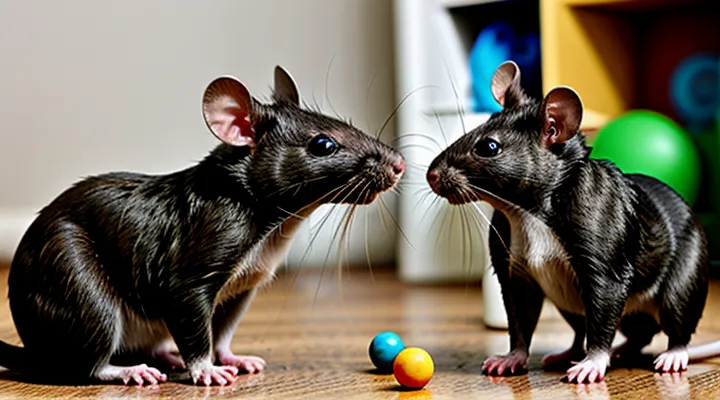
Why Rats Need Toys
Mental Stimulation
Rats require regular mental engagement to maintain cognitive health and prevent stereotypic behaviors. Structured challenges presented by appropriately designed toys stimulate problem‑solving abilities and enhance neural pathways.
Effective mental enrichment includes:
- Puzzle feeders that require manipulation to release food, encouraging exploration of cause‑and‑effect relationships.
- Maze modules with interchangeable sections, allowing the animal to navigate new routes and develop spatial memory.
- Interactive objects such as treat‑dispensing balls that roll unpredictably, prompting curiosity and adaptive learning.
- Sensory toys featuring varied textures, scents, and sounds, which engage multiple sensory modalities simultaneously.
Implementing these tools involves rotating items every few days to avoid habituation, monitoring the rat’s interaction to ensure the challenge remains within achievable limits, and adjusting difficulty based on observed proficiency. Safety considerations demand non‑toxic materials, secure construction to prevent ingestion of loose parts, and regular cleaning to inhibit bacterial growth.
Consistent exposure to cognitively demanding toys results in measurable improvements in exploratory behavior, reduced anxiety indicators, and increased overall activity levels. The described approach provides a practical framework for delivering sustained mental stimulation to laboratory and companion rats alike.
Physical Activity
Physical activity is a primary driver of health in domestic rats, influencing cardiovascular function, musculoskeletal strength, and behavioral balance. Regular movement prevents obesity, reduces stress‑induced behaviors, and maintains agility needed for natural foraging and escape responses.
Effective stimulation arises from enrichment items that compel the animal to climb, run, explore, or manipulate objects. Common devices include:
- Multi‑level climbing platforms with textured surfaces
- Solid‑core running wheels calibrated for appropriate diameter
- Flexible tunnels and tubes encouraging burrowing and rapid transit
- Puzzle feeders that require paw or snout work to release food
- Suspended chew toys attached to movable cords, prompting reach and swing motions
Selection criteria focus on safety and suitability: material must be non‑toxic, chew‑resistant, and free of sharp edges; dimensions should accommodate the rat’s size, allowing unrestricted passage; and moving parts must be securely anchored to avoid entanglement. Rotating toys every few days sustains novelty and prevents habituation.
Monitoring during use ensures that activity levels remain within healthy limits. Observe for signs of fatigue, injury, or excessive aggression, and adjust duration or intensity accordingly. Integrating varied physical challenges into daily routines optimizes physiological benefits while reinforcing natural exploratory instincts.
Types of Rat Toys
Chewing Toys
Rats instinctively gnaw to wear down continuously growing incisors; providing suitable chew objects satisfies this innate need and prevents dental complications.
Chewing toys deliver three core advantages: they maintain tooth length within safe limits, offer tactile exploration that reduces boredom, and divert destructive tendencies away from cage fixtures.
Common chew options include:
- Untreated hardwood blocks (apple, maple, birch)
- Compressed cardboard tubes or rolls
- Fresh natural branches (hazel, willow) free of pesticides
- Food‑grade mineral chews formulated for rodents
- Durable, non‑toxic plastic cylinders with textured surfaces
Safety standards require materials free of chemicals, smooth edges, and dimensions that prevent ingestion of large fragments. Regular inspection for splintering or excessive wear is essential; any damaged piece must be removed immediately.
When choosing chew items, evaluate durability, texture variety, and compatibility with the rat’s size. Preference for natural, unscented wood reduces the risk of respiratory irritation, while rotating different textures encourages comprehensive oral exercise.
Maintenance involves weekly cleaning with warm water, occasional mild disinfectant rinse, and complete replacement every few weeks depending on wear rate. Proper rotation and sanitation keep chew toys effective and hygienic.
Foraging Toys
Foraging toys engage a rat’s natural instinct to search for hidden food, turning a simple snack into a problem‑solving exercise. By concealing treats inside compartments, tubes, or puzzle boxes, these devices require the animal to manipulate objects, navigate mazes, or gnaw to access the reward. The mental effort involved reduces boredom and promotes cognitive resilience.
Key characteristics of effective foraging toys include:
- Durable, chew‑resistant construction to withstand persistent gnawing.
- Adjustable difficulty levels, allowing gradual escalation as the rat’s skill improves.
- Easy cleaning and safe, non‑toxic materials that prevent contamination of food items.
- Compact design that fits comfortably within a standard cage layout.
When selecting a foraging toy, consider the following criteria:
- Size appropriate for the rat’s body length, ensuring the animal can reach all openings without risk of injury.
- Compatibility with the cage’s bar spacing and flooring, preventing entrapment.
- Variety of interaction methods—rolling, sliding, flipping—to stimulate different motor patterns.
- Availability of interchangeable inserts or treat chambers, extending the toy’s usefulness over time.
Regular rotation of foraging toys maintains novelty and encourages continuous engagement. Introducing new puzzles every few weeks prevents habituation, while occasional use of homemade devices—such as rolled paper tubes with hidden kibble—adds further enrichment without additional expense.
Climbing and Exploring Toys
Climbing structures provide vertical space that encourages natural rat behavior. Platforms, ladders, and rope nets enable rats to stretch limbs, improve balance, and develop muscle tone. Materials such as untreated wood, stainless‑steel mesh, and natural fiber rope resist chewing damage while remaining safe for ingestion of small fragments.
Exploration toys stimulate curiosity and problem‑solving. Tunnel systems, multi‑level mazes, and hide‑away chambers present variable pathways that require rats to navigate, turn, and adjust body posture. Incorporating interchangeable sections extends the complexity of the environment without additional floor space.
Key considerations when selecting climbing and exploring accessories:
- Durability: Choose items that withstand constant gnawing; avoid plastic that cracks into sharp shards.
- Size: Ensure openings are large enough for the rat to pass comfortably but small enough to prevent accidental entrapment.
- Stability: Anchor platforms securely to the cage base or attach to the cage walls to prevent wobbling during vigorous activity.
- Cleaning: Opt for components that disassemble easily for routine sanitation; porous surfaces may harbor bacteria if not thoroughly washed.
Regular rotation of toys maintains novelty, preventing habituation that can reduce engagement. Observe each rat’s interaction pattern; individuals may favor vertical climbing over horizontal exploration, or vice versa. Adjust the arrangement to match observed preferences, ensuring each animal receives adequate stimulation for physical health and mental acuity.
Puzzle Toys
Puzzle toys provide rats with mental challenges that complement physical activity, enhancing overall well‑being. By requiring the animal to manipulate objects to obtain a reward, these toys engage problem‑solving instincts and reduce boredom‑related behaviors.
Key characteristics of effective rat puzzle toys include:
- Small, sturdy components that withstand chewing.
- Clear reward compartments that release treats only after a specific action.
- Adjustable difficulty levels to match the animal’s skill progression.
- Materials free of toxic chemicals and sharp edges.
When selecting a puzzle toy, evaluate durability, ease of cleaning, and the ability to modify complexity. Begin with simple mechanisms such as sliding doors or rotating discs, then advance to multi‑stage puzzles that combine several actions. Observe the rat’s interaction; successful engagement should be evident within a few minutes of introduction.
Regular rotation of puzzle toys prevents habituation. Replace or reconfigure puzzles every one to two weeks, and monitor for signs of frustration, such as excessive gnawing on the toy’s structure. Properly maintained puzzle toys serve as a reliable component of a comprehensive enrichment program for pet rats.
DIY Rat Toys
Safe Materials for Homemade Toys
When creating DIY enrichment items for pet rats, select materials that pose no toxicity risk, resist chewing damage, and can be sterilized easily.
Key criteria include: non‑treated, non‑aromatic wood; natural fibers without chemical finishes; food‑grade polymers; and paper products free of inks or glues. Materials should be sized to prevent blockage if ingested and should withstand repeated gnawing without splintering.
- Untreated hardwoods such as aspen, birch, or maple. Avoid cedar, pine sap, and pressure‑treated lumber, which contain volatile oils and chemicals.
- Natural fibers like 100 % cotton, hemp, or unbleached linen. Ensure threads are tightly woven to reduce fraying.
- Food‑grade silicone for flexible tunnels or chew toys. Verify that the product is BPA‑free and labeled safe for animal use.
- High‑density polyethylene (HDPE) and acrylic sheets. These plastics are non‑porous, can be sanitized with hot water, and do not release harmful substances.
- Uncoated cardboard or paper tubes. Use plain, white cardboard without printed inks; discard after signs of wear.
- Non‑toxic paints and sealants such as water‑based, acrylic formulas labeled safe for pets. Apply thin coats and cure fully before offering to rats.
Preparation steps:
- Cut wood to dimensions that allow easy gnawing without creating sharp edges. Sand surfaces smooth.
- Wash natural fibers in hot, unscented detergent; rinse thoroughly and dry completely.
- Sterilize silicone and plastic components by boiling for 5 minutes or using a dishwasher on a high‑heat cycle.
- Apply approved paint or sealant only to exterior surfaces; avoid coating interior cavities where rats will chew.
- Inspect each toy for loose fragments before each use; remove damaged items promptly.
By adhering to these material guidelines and preparation protocols, homemade rat toys provide safe, engaging stimulation while minimizing health hazards.
Easy DIY Toy Ideas
Rats thrive on varied stimulation; simple homemade toys can enrich their environment without costly purchases. Materials such as cardboard, untreated wood, paper towel rolls, and plastic bottle caps are readily available and safe when cleaned thoroughly. Assemble each item with attention to size, ensuring no small parts detach and pose choking hazards.
- Cardboard tunnel: Cut a rectangular piece of sturdy cardboard, fold edges inward, and secure with non‑toxic glue. Insert a paper towel roll as a removable core for extra passageways.
- Wooden chew block: Drill shallow holes in a small, untreated pine block; insert natural twine or sisal rope to create textured surfaces for gnawing.
- Bottle‑cap puzzle: Attach several plastic caps to a wooden base with small screws, leaving gaps wide enough for a rat’s paws. Hide a treat beneath a cap to encourage problem‑solving.
- Paper roll maze: Connect multiple paper towel rolls with tape, forming a branching network. Place a few shredded paper strips inside each tube for tactile interest.
Safety checks before each use include confirming that all adhesives are non‑hazardous, edges are smoothed, and items are free of splinters or sharp points. Rotate toys weekly to maintain novelty and prevent habituation. Cleaning is straightforward: soak in warm, mild detergent, rinse thoroughly, and dry completely before returning to the cage. These DIY solutions deliver effective enrichment while fostering natural foraging and exploratory behaviors.
Toy Safety Considerations
Avoiding Harmful Materials
Safe enrichment items are essential for the well‑being of pet rats. Selecting toys made from non‑toxic substances prevents injuries, respiratory issues, and long‑term health problems.
Materials that commonly cause harm include:
- Soft PVC and low‑grade plastic, which may release phthalates and degrade into sharp fragments.
- Paints and inks containing lead, cadmium, or volatile organic compounds.
- Treated or pressure‑preserved wood that retains chemicals such as formaldehyde or arsenic.
- Foams and rubber products infused with benzene‑based additives.
Guidelines for choosing appropriate toys:
- Verify that the product is labeled “pet‑safe” or “rat‑compatible.”
- Prefer natural, untreated hardwoods such as birch, maple, or beech.
- Use food‑grade silicone or stainless steel for chewable items.
- Avoid glossy finishes; opt for matte, water‑based paints certified free of heavy metals.
- Inspect each toy for cracks, splinters, or loose components before offering it to the animal.
Maintenance practices reinforce safety. Clean washable toys with mild, unscented soap and rinse thoroughly. Disinfect hard surfaces with a diluted hydrogen peroxide solution, avoiding bleach residues. Replace any item that shows signs of wear or material degradation.
Adhering to these standards minimizes exposure to hazardous substances and supports healthy, active behavior in rats.
Regular Inspection and Replacement
Regular inspection of rodent enrichment devices safeguards health and prolongs usability. Examine each item at least once a week. Look for frayed cords, broken plastic, sharp edges, and loose components. Replace any toy that shows structural compromise, as damaged parts can cause injury or ingestion hazards.
Key indicators for replacement:
- Cracks or splits in plastic surfaces
- Severed or exposed wiring
- Loose or missing pieces
- Persistent odor despite cleaning
- Deformation from chewing or gnawing
Cleaning alone does not restore compromised integrity. When wear exceeds visual signs—such as softening of material or loss of shape—retire the item immediately. Maintain an inventory log that records inspection dates, observed conditions, and replacement actions. Rotate new toys into the enclosure regularly to sustain novelty while ensuring that older items are removed before they become unsafe.
Integrating Toys into a Rat's Environment
Toy Rotation Strategies
Effective toy rotation maintains novelty, prevents habituation, and supports healthy exploratory behavior in pet rats. Implement a systematic schedule: introduce a new item every 3–5 days, withdraw the previous one for a minimum of two weeks, then re‑introduce it. This interval preserves interest while allowing thorough cleaning.
Select toys based on function. Group items into categories such as:
- Foraging – tunnels, treat‑filled tubes, hidden food puzzles.
- Chewing – wooden blocks, natural fiber ropes, mineral chews.
- Climbing – ladders, platforms, vertical mesh.
- Sensory – textured mats, glass beads, mirror fragments.
Rotate categories sequentially, ensuring each session presents at least one item from a different functional group. This diversity stimulates multiple senses and motor skills.
Observe individual preferences. Record which toys elicit sustained interaction, noting duration and frequency. Prioritize high‑engagement items in the rotation, while occasionally re‑introducing lower‑interest toys to assess changes in behavior.
Maintain hygiene. Clean all accessories with mild, rodent‑safe detergent after each use, rinse thoroughly, and dry before storage. Store items in a labeled container indicating the last rotation date to avoid accidental reuse before the prescribed interval.
Adjust the schedule in response to seasonal changes, health status, or age. Younger rats may require more frequent introductions, whereas seniors benefit from longer exposure to familiar objects. Consistent rotation, guided by observation and hygiene, maximizes enrichment value and promotes overall well‑being.
Creating a Stimulating Habitat
A well‑designed habitat maximizes a rat’s natural curiosity and provides opportunities for physical and mental exercise. The enclosure should accommodate climbing, chewing, foraging, and social interaction without compromising safety.
Key elements include:
- Multi‑level structure – platforms, ramps, and hanging tubes create vertical space that encourages exploration.
- Chew‑resistant materials – untreated wood blocks, mineral sticks, and safe plastic toys satisfy gnawing instincts and protect teeth.
- Foraging enrichment – puzzle feeders, hidden treats, and paper rolls stimulate problem‑solving behavior.
- Nest zones – secluded corners with soft bedding allow rest and privacy, reducing stress.
- Rotational toys – regularly swapping items prevents habituation and maintains interest.
Cage dimensions must exceed the minimum recommendation of 24 × 18 inches for a pair, with additional floor space for each extra rat. Wire spacing should be no larger than ½ inch to prevent escapes. Lighting should mimic natural cycles, providing 12‑14 hours of light and a consistent dark period.
Cleaning protocols preserve health without disrupting enrichment. Spot‑clean daily, replace bedding weekly, and sterilize toys monthly using mild, rodent‑safe disinfectants. Maintain a balance between novelty and familiarity: introduce new objects gradually and monitor behavior for signs of anxiety or aggression.
By integrating structural complexity, appropriate materials, and a schedule of rotating stimuli, owners create an environment that supports vigorous activity, cognitive development, and overall well‑being for their pet rats.
Benefits of Play for Rat Well-being
Reducing Boredom and Stress
Pet rats confined to limited spaces exhibit repetitive pacing, excessive grooming, and reduced food intake, all indicators of boredom and elevated stress. Chronic anxiety impairs immune function and shortens lifespan, making mental stimulation a health priority.
Enrichment objects introduce novel challenges that engage natural foraging, climbing, and chewing instincts. By requiring problem‑solving or physical effort, toys divert attention from stressors and promote the release of endorphins, which stabilizes mood and supports cardiovascular health.
- Chewable blocks of untreated wood or mineral‑based material
- Tunnel systems with multiple entry points and bends
- Puzzle feeders that dispense seeds when manipulated
- Swinging ropes or hammocks suspended at safe height
- Textured balls that roll unpredictably across the cage floor
Effective implementation includes rotating items every 3–5 days to preserve novelty, inspecting for wear that could cause injury, and observing the rat’s interaction patterns. A balanced schedule of exploration, exercise, and rest optimizes mental resilience and reduces the frequency of stress‑related behaviors.
Promoting Natural Behaviors
Rats express innate activities such as gnawing, exploring, climbing, and foraging; providing objects that trigger these actions supports their physiological and psychological health.
- Chewable items (wood blocks, mineral rods) satisfy the constant need to wear down incisor teeth.
- Puzzle feeders and treat-dispensing devices encourage foraging, requiring manipulation to access food.
- Vertical structures (ramp systems, climbing ladders) enable climbing and surveying, mirroring natural habitat use.
- Nesting materials (soft fabrics, shredded paper) allow construction of secure sleeping sites.
Effective use of enrichment follows three principles. First, select toys sized for the animal to prevent entrapment. Second, rotate items weekly to maintain novelty and prevent habituation. Third, inspect regularly for wear or breakage, removing compromised pieces to avoid injury.
When these guidelines are applied, rats exhibit increased activity levels, reduced stereotypic behaviors, and improved overall welfare, confirming that targeted toys directly reinforce species‑specific patterns.