
Understanding Water Rats
Identifying Water Rats on Your Property
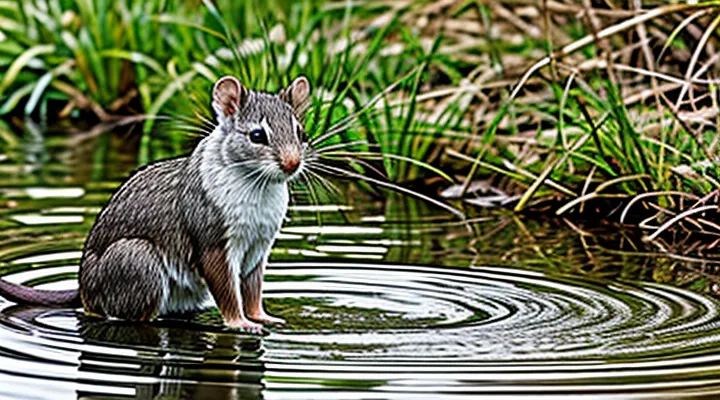
Physical Characteristics
Understanding the anatomy and behavior of water rats is essential for selecting an eradication technique that works reliably on residential and commercial sites.
- Length: 20–30 cm body, tail adds another 15–25 cm, allowing rapid movement through narrow burrows and vegetation.
- Fur: dense, water‑repellent coat protects against immersion, reduces bait scent absorption.
- Tail: laterally flattened, strong, used for swimming and climbing, enables escape from ground‑level traps.
- Teeth: incisors continuously grow, capable of gnawing through soft plastics and wood, affecting trap durability.
- Vision: limited, relies heavily on whisker‑mediated tactile perception and acute hearing.
- Locomotion: proficient swimmer, can remain submerged for up to 30 seconds, traverses water channels and flooded grounds.
- Activity pattern: primarily nocturnal, peak foraging occurs between dusk and midnight, influencing timing of control measures.
These characteristics dictate practical requirements for a control program. Trap entrances must accommodate a 30 cm body plus tail width, while materials should resist gnawing damage. Bait formulations need strong olfactory appeal that penetrates the water‑repellent fur. Placement near water edges and burrow entrances exploits their swimming proficiency and territorial routes. Deployment during nighttime aligns with peak activity, maximizing encounter rates. By matching device design and operation to these physical traits, the likelihood of successful removal increases markedly.
Signs of Infestation
Water rats leave unmistakable evidence that signals a growing problem. Recognizing these indicators early allows prompt implementation of the most efficient eradication strategy.
- Fresh droppings, dark and pellet‑shaped, found near water sources, drainage pipes, or under debris.
- Gnawed vegetation, bark, or plastic, often with clean, straight bite marks.
- Chewed or missing insulation, wiring, and pipe insulation, indicating nesting activity.
- Distinctive musky odor, especially in confined areas such as basements or crawl spaces.
- Visible tracks in moist soil, mud, or dust, showing four‑toed footprints with a characteristic heel pad.
- Presence of nests constructed from shredded material, grasses, or paper, typically located in concealed, damp locations.
- Audible scratching or scurrying sounds during quiet periods, especially near walls or ceilings.
Additional clues include occasional sightings of live rats at dusk, increased activity around food or water containers, and damage to stored feed. Any combination of these signs warrants immediate action to prevent population expansion and to facilitate the application of the most effective control measures.
Risks Associated with Water Rats
Property Damage
Water rats cause extensive damage to structures, landscaping, and utilities. Their gnawing habit compromises wooden beams, insulation, and drainage pipes, leading to costly repairs.
Typical damage includes:
- Chewed wooden joists and floorboards, weakening load‑bearing capacity.
- Burrowed tunnels in foundation walls, allowing moisture infiltration and mold growth.
- Severed electrical wiring, creating fire hazards and service interruptions.
- Disrupted irrigation systems, resulting in water loss and overwatering of plant beds.
Unaddressed damage reduces property value and increases insurance premiums. Structural weakening may require professional assessment, while compromised utilities often demand emergency service calls.
Implementing a rapid, targeted eradication strategy prevents further deterioration. Effective control eliminates the source of gnawing and burrowing, preserving the integrity of building components and reducing long‑term maintenance expenses.
Health Concerns
Water rats pose significant health risks to residents and workers on an infested property. Their presence introduces pathogens, contaminates water sources, and creates conditions conducive to disease spread.
Diseases commonly associated with water rats include:
- Leptospirosis, transmitted through urine-contaminated water.
- Hantavirus, spread by inhalation of aerosolized rodent droppings.
- Salmonellosis, resulting from consumption of food tainted by rodent feces.
- Rat‑bite fever, caused by bacterial infection following a bite or scratch.
Control actions can generate secondary hazards. Chemical rodenticides may cause accidental poisoning of humans, pets, and non‑target wildlife. Traps and snap devices risk injury if mishandled. Biocides applied to water sources can contaminate drinking water and disrupt beneficial aquatic organisms.
Protective measures reduce exposure:
- Use personal protective equipment (gloves, masks, eye protection) when handling bait or cleaning contaminated areas.
- Isolate and label treated zones to prevent accidental contact.
- Store toxic substances in locked containers, away from children and animals.
- Conduct thorough ventilation after dust‑generating activities, such as sweeping droppings.
- Perform regular health monitoring of occupants for symptoms of rodent‑borne illnesses.
Implementing these precautions alongside an effective eradication strategy safeguards human health while eliminating the rat population.
Integrated Pest Management Approaches
Habitat Modification
Removing Food Sources
Eliminating food availability reduces water rat activity and forces individuals to seek sustenance elsewhere, weakening the population on a property.
Typical attractants include:
- Open containers of pet or livestock feed left outdoors.
- Spilled grain, corn, or seed near fences and gardens.
- Compost piles without secure lids.
- Fallen fruit, berries, or vegetable waste.
- Standing water that supports algae and insects.
To remove these attractants, follow a systematic approach:
- Store all animal feed in sealed, rodent‑proof containers; place feeders on raised platforms with droppings‑proof trays.
- Sweep and clean any spilled feed or grain daily; use a broom or vacuum to collect debris from the ground and around structures.
- Cover compost bins with tight‑fitting lids; turn compost regularly to discourage rodent nesting.
- Harvest fruit promptly; prune trees to limit low‑hanging branches that drop produce onto the ground.
- Install drainage solutions to eliminate standing water; use grates, French drains, or slope adjustments to direct runoff away from foundations.
Maintain a weekly inspection schedule to verify that no new food sources appear. Record any incidents of spillage or waste accumulation, and address them immediately. Consistent enforcement of these practices deprives water rats of essential nutrition, supporting the overall eradication effort.
Eliminating Water Sources
Removing standing water deprives water rats of the moisture they require for drinking, breeding, and nest building. Identify all sources of excess moisture, including leaky pipes, clogged gutters, and damp soil, then eliminate or repair them promptly.
Seal entry points that allow water infiltration. Apply waterproof sealant to foundation cracks, install splash‑back plates under downspouts, and replace damaged roofing tiles. Ensure that drainage systems slope away from the building to prevent pooling.
Implement a maintenance schedule that includes:
- Weekly inspection of irrigation systems for leaks.
- Monthly cleaning of gutters and downspouts.
- Quarterly assessment of basement and crawl‑space humidity levels, using dehumidifiers where necessary.
By systematically reducing available water, the habitat becomes unsuitable for water rats, leading to a significant decline in population without reliance on chemical controls.
Sealing Entry Points
Sealing entry points prevents water rats from accessing a property, making it a cornerstone of any eradication plan.
Typical ingress routes include gaps around gutters, downspouts, foundation cracks, utility penetrations, vent pipes, and openings beneath decks or sheds. Each opening offers a direct path to shelter and food sources.
Effective sealing requires a systematic approach:
- Inspect the entire perimeter, focusing on low‑lying areas where moisture accumulates.
- Use stainless‑steel mesh or hardware cloth to cover vent openings and drainage pipes; mesh must have openings no larger than ¼ inch.
- Apply high‑quality, rodent‑resistant sealant or expanding foam to fill cracks in foundations, walls, and concrete slabs.
- Install splash blocks or drip edges to divert water away from the building envelope, reducing moisture that attracts rodents.
- Fit weather‑stripping around doors and windows, ensuring a tight seal when closed.
After installation, conduct a follow‑up inspection within two weeks to confirm that all materials remain intact and no new gaps have formed. Repeat the assessment seasonally, especially after heavy rain, to maintain a barrier that denies water rats any foothold on the property.
Trapping Methods
Live Traps
Live traps provide a humane, controllable approach to eliminating water rats from a property. They capture individuals without killing them, allowing owners to monitor population size and adjust control measures accordingly.
Effective deployment requires the following steps:
- Choose a trap designed for semi‑aquatic rodents, featuring a robust frame and a water‑resistant trigger mechanism.
- Position traps along known runways, near water sources, or at entry points such as drainage pipes and low‑lying vegetation.
- Bait with high‑protein attractants—fresh fish, canned cat food, or peanut butter mixed with oats—placed directly on the trigger plate.
- Set traps in the late afternoon; water rats are most active during dusk and early night hours.
- Check traps every 12 hours to prevent stress or injury; release captured animals at least 5 km from the property or hand them over to a licensed wildlife control service.
Regular inspection of the premises enhances trap success. Seal cracks, repair leaking gutters, and clear vegetation that offers cover. Maintaining a dry environment reduces the attractiveness of the area to water rats, complementing the trapping effort.
When live traps are integrated with habitat modification and sanitation, they become the most reliable component of a comprehensive eradication strategy.
Lethal Traps
Lethal traps provide a direct solution for eliminating water rats that inhabit property structures. Effective devices combine rapid kill mechanisms with minimal risk of non‑target capture.
- Snap‑type steel traps: Hardened jaws deliver instantaneous death when the animal triggers the spring. Ideal for corridors, burrow entrances, and walkways where rats travel in single file.
- Electric kill stations: High‑voltage plates discharge upon contact, producing immediate fatality. Suitable for concealed installation within wall cavities and underground tunnels.
- Conibear® live‑kill traps fitted with lethal inserts: Modified to release a single, powerful blow to the neck. Useful where precise placement is required, such as near water sources or feeding stations.
- Glue boards with incorporated toxic bait: Adhesive surface immobilizes the rat, while a fast‑acting rodenticide is absorbed through the skin. Best applied in low‑traffic zones to avoid accidental capture of pets.
Selection criteria focus on trigger sensitivity, durability in humid environments, and ease of maintenance. Traps must be positioned at established runways, preferably near water lines, drainage pipes, or vegetation that offers shelter. Regular inspection—at least once daily—ensures prompt removal of deceased specimens and prevents odor buildup, which can attract additional rodents.
Proper disposal follows local wildlife regulations: place carcasses in sealed, puncture‑proof containers, label them as hazardous waste, and deliver them to an authorized disposal facility. Personal protective equipment, including gloves and eye protection, is mandatory during handling to avoid disease transmission.
Implementing these lethal devices in a systematic grid, combined with habitat modification, yields the highest probability of complete eradication of water rats on a property.
Trap Placement Strategies
Effective trap placement is critical when targeting water rats on a property. Position devices where rats naturally travel, concentrate activity, or seek shelter to maximize capture rates.
- Locate traps along the edges of ponds, streams, or drainage ditches, as water rats use these corridors for movement.
- Install devices at the entrances of known burrow systems; rats enter and exit through predictable openings.
- Place traps near vegetation that provides cover, especially dense reeds, cattails, or low shrubs adjacent to water sources.
- Set baited traps on raised platforms or on the ground, depending on the species’ preferred foraging height; water rats often forage at water level.
- Deploy a series of traps in a linear “catch line” spaced 3–5 feet apart to intersect multiple runways.
- Use motion-activated or spring-loaded traps in high‑traffic zones identified by fresh gnaw marks, droppings, or scent trails.
- Rotate trap locations weekly to prevent trap shyness and to discover new activity patterns.
Maintain a consistent checking schedule, replace bait daily, and record capture data to adjust placement density and improve overall effectiveness.
Chemical Control Options
Baits and Rodenticides
Bait selection determines the success of any water‑rat control program. Anticoagulant rodenticides such as brodifacoum, bromadiolone, and difenacoum provide rapid mortality after a single ingestion. First‑generation compounds (warfarin, chlorophacinone) require multiple feedings and are less reliable against resistant populations. Second‑generation agents act at lower doses, reduce bait consumption, and are effective against most urban water‑rat strains.
Effective deployment follows these steps:
- Conduct a thorough inspection to locate active burrows, runways, and feeding stations near water sources, drainage pipes, and vegetation edges.
- Choose a bait matrix that remains palatable in damp conditions; wax‑based or grain‑based formulations resist moisture degradation.
- Place bait stations at least 5 cm above ground level to avoid flooding, securing them to sturdy structures to prevent displacement by wind or wildlife.
- Load each station with 0.5–1 g of active ingredient, ensuring no more than 10 g per 100 m² to comply with regulatory limits.
- Replace stations every 3–5 days, monitoring for fresh chew marks and dead rodents to gauge efficacy.
Safety considerations are mandatory. Wear disposable gloves when handling rodenticides, store products in locked containers, and label stations clearly to keep non‑target animals and children away. If a non‑target capture occurs, retrieve the carcass promptly and follow local hazardous waste disposal guidelines.
Integrated management enhances bait performance. Eliminate alternative food sources by clearing debris, sealing garbage containers, and repairing leaky irrigation systems. Maintain vegetation trimming to reduce cover, limiting rat movement and increasing encounter rates with bait stations.
Regular assessment after two weeks should reveal a decline in activity. If signs persist, adjust station density, rotate to a different active ingredient, or combine with habitat modification. Continued monitoring for at least six weeks confirms eradication and prevents re‑infestation.
Safe Application Practices
Effective rodent control requires strict adherence to safety protocols during product application. Improper handling of toxic agents can jeopardize human health, domestic animals, and non‑target wildlife while compromising the efficacy of the eradication program.
- Verify label instructions before each use.
- Apply only the recommended concentration.
- Target active burrows and pathways, avoiding areas frequented by children or pets.
- Use calibrated equipment to prevent over‑application.
- Record date, location, product batch, and dosage for every treatment.
Personal protective equipment (PPE) must be worn at all times: chemical‑resistant gloves, goggles, long‑sleeved clothing, and respirators when aerosolized formulations are used. Decontaminate PPE after each session and store it in a secure, ventilated area.
Environmental safeguards include sealing drainage systems to prevent runoff, limiting application to dry weather, and employing bait stations with lockable covers to restrict access. Dispose of unused material and containers according to local hazardous‑waste regulations.
Maintain a treatment log that details site conditions, observed rodent activity, and corrective actions. Regular audits ensure compliance with regulatory standards and enable adjustment of tactics for optimal results.
Considerations for Pets and Wildlife
Effective rat control on a property must account for the safety of domestic animals and surrounding wildlife. Toxic baits, traps, and chemical applications can cause accidental poisoning, secondary exposure, or habitat disruption. Selecting methods that limit non‑target access reduces the risk of harm to cats, dogs, birds, and beneficial mammals.
Key considerations include:
- Bait placement – locate poison stations in sealed, tamper‑proof units positioned out of reach of pets and wildlife; avoid ground‑level placement where small mammals forage.
- Trap design – use snap or live‑capture traps with trigger mechanisms that require a minimum weight exceeding that of typical pets; inspect and reset traps daily to prevent prolonged suffering of unintended captures.
- Chemical choice – prefer rodenticides with low secondary toxicity, such as anticoagulants with limited residual activity; verify local regulations regarding wildlife protection.
- Environmental impact – assess proximity to water sources, nesting sites, and feeding areas; implement buffer zones where no control measures are employed.
- Monitoring – conduct regular surveys of pet behavior and wildlife activity after intervention; adjust strategies promptly if non‑target interactions are observed.
Documentation of all control actions, including dosage, location, and timing, supports compliance with animal welfare standards and facilitates future adjustments without endangering non‑target species.
Advanced Eradication Techniques
Professional Pest Control Services
When to Call Professionals
Water rats can spread disease, damage structures, and contaminate water sources. When a single sighting turns into repeated activity, personal control measures often fail. Recognizing the point at which expert assistance becomes necessary protects health and property.
- Population exceeds three individuals in a confined area.
- Damage includes gnawed wiring, weakened foundations, or compromised drainage.
- Signs persist despite traps, bait stations, or repellents.
- Legal restrictions limit the use of certain poisons or traps for non‑professionals.
- Risk of secondary infestation, such as fleas or mites, is evident.
Professional pest controllers bring licensed chemicals, calibrated trapping systems, and knowledge of local regulations. They conduct thorough inspections, identify entry points, and implement integrated eradication plans that minimize collateral harm.
Prompt engagement with qualified experts prevents escalation, reduces long‑term costs, and restores a safe environment for occupants and wildlife alike.
What to Expect from a Professional Service
A professional water‑rat control service begins with a thorough on‑site inspection. Technicians identify entry points, assess infestation density, and document conditions that favor rodent activity. The findings are presented in a written report that includes a customized eradication plan.
The treatment plan specifies the techniques to be employed—such as bait stations, trapping devices, or targeted rodenticides—selected for maximum efficacy against aquatic rodents. All products used comply with local regulations and are applied according to label instructions to protect humans, pets, and non‑target wildlife.
Safety protocols are integral to every operation. Personnel wear protective gear, isolate treated areas, and provide clear instructions for occupants during and after application. Waste disposal follows environmental guidelines to prevent secondary contamination.
Implementation follows a defined schedule. Initial actions address the most active zones, followed by systematic monitoring at predetermined intervals. Progress is recorded, and adjustments are made if infestation indicators persist.
After the primary phase, the service conducts a post‑treatment inspection. Results are compared with baseline data to confirm reduction or elimination of water rats. Clients receive a final report, warranty details, and recommendations for long‑term prevention, such as habitat modification and regular inspections.
Biocontrol Methods
Natural Predators
Natural predation provides a biologically based approach to reducing water rat populations on a property. Predators locate prey through scent and movement, creating continuous pressure that limits breeding success and survivorship.
- Barn owls (Tyto alba) – nocturnal hunters that specialize in small mammals; nesting boxes increase local presence.
- Great horned owls (Bubo virginianus) – larger raptors capable of capturing adult rats; perches near water edges enhance hunting opportunities.
- Red-tailed hawks (Buteo jamaicensis) – diurnal predators that hunt from elevated perches; open fields adjacent to water bodies attract them.
- Short‑tailed snakes (Lampropeltis calligaster) – aquatic and semi‑aquatic species that pursue rats in burrows and along banks.
- North American river otters (Lontra canadensis) – semi‑aquatic mammals that forage in streams and ponds, directly removing rats from water habitats.
- Feral cats (Felis catus) – opportunistic hunters; controlled populations can contribute to rat control while minimizing ecological impact.
Encouraging these predators involves habitat enhancement: install nesting boxes for owls, maintain mature trees for perching, preserve riparian vegetation for snakes and otters, and provide undisturbed shoreline for hunting. Avoid pesticide use that could poison predators or contaminate prey.
Potential drawbacks include non‑target predation on native wildlife, disease transmission, and legal restrictions on certain species. Monitoring predator activity, limiting feral cat numbers, and complying with wildlife regulations mitigate these risks while preserving the effectiveness of natural predation as a primary control method.
Future Research and Development
Future investigations must refine the precision of population‑control technologies to reduce non‑target impacts while maintaining high mortality rates for water‑rat infestations on residential and commercial sites. Advanced sensor networks can detect burrow activity in real time, enabling immediate deployment of targeted toxicants or mechanical traps. Integration of machine‑learning algorithms will predict infestation spikes based on weather patterns, water sources, and waste management practices, allowing proactive interventions before colonies expand.
Key development priorities include:
- Biodegradable bait matrices that release active ingredients only under specific environmental triggers, minimizing ecological residues.
- Autonomous delivery drones capable of navigating complex terrain to place control devices at inaccessible locations.
- Genetic‑based control methods, such as gene‑drive constructs, designed to suppress fertility or viability in water‑rat populations without cross‑species gene flow.
- Remote monitoring platforms that combine infrared imaging and acoustic analysis to verify eradication efficacy and document collateral effects.
Regulatory frameworks must evolve concurrently to accommodate novel methodologies, ensuring risk assessments address long‑term ecosystem health and public safety. Collaborative trials involving pest‑management firms, academic institutions, and government agencies will generate robust data sets, facilitating evidence‑based policy revisions and standardization of best practices across jurisdictions.
Prevention and Long-Term Management
Regular Property Inspections
Regular property inspections form the cornerstone of any successful water‑rat eradication program. By systematically reviewing the premises, owners identify conditions that support rodent habitation before they develop into infestations.
During each inspection, assess the following elements:
- Structural gaps around foundations, walls, and utility entries; seal openings larger than ¼ inch.
- Moisture sources such as leaking pipes, standing water, and damp basements; repair and improve drainage.
- Food and waste accumulation; remove debris, secure garbage containers, and maintain clean storage areas.
- Vegetation and landscaping that provide cover; trim overgrown shrubs, remove dense ground cover near the building envelope.
A quarterly schedule provides sufficient frequency to detect emerging problems while limiting the time rodents have to establish colonies. In high‑risk zones—properties adjacent to waterways or with extensive irrigation—monthly checks are advisable.
Document findings, prioritize corrective actions, and verify remediation during subsequent visits. This disciplined approach reduces habitat suitability, interrupts breeding cycles, and enhances the overall efficacy of control measures aimed at eliminating water rats from the property.
Sustained Sanitation Practices
Sustained sanitation is essential for long‑term reduction of water rat populations on a property. Eliminating food sources, nesting sites, and water access prevents re‑infestation after initial treatment.
- Remove standing water: drain pools, fix leaks, and ensure proper drainage in low‑lying areas.
- Secure waste containers: use tight‑fitting lids, keep them off the ground, and empty them regularly.
- Clean up vegetation: trim overgrown grasses, cut back shrubs, and clear debris that can shelter rodents.
- Store feed outdoors only in rodent‑proof containers; keep feed bins elevated and sealed.
- Maintain building exteriors: seal cracks, install metal flashing, and repair damaged screens to block entry points.
Regular inspection reinforces these measures. Schedule monthly walkthroughs to verify that water sources remain absent, waste is contained, and structural barriers are intact. Document findings and adjust actions promptly when gaps appear.
Consistent application of these practices creates an environment where water rats cannot thrive, thereby enhancing the overall effectiveness of any control program.
Community-Wide Control Efforts
Effective eradication of water rats requires coordinated action that extends beyond individual properties. When neighbors, local authorities, and wildlife agencies collaborate, the population pressure that drives reinfestation diminishes dramatically. Joint efforts create a barrier that prevents rats from moving freely between parcels, thereby sustaining the results achieved on any single site.
Key components of a community-wide program include:
- Unified baiting schedule – synchronized placement of rodenticides or traps across all affected lots prevents gaps that rats could exploit.
- Shared surveillance data – regular reporting of sightings, trap counts, and damage assessments enables rapid identification of hotspots.
- Standardized sanitation standards – collective enforcement of waste‑management rules eliminates food sources that attract rodents.
- Public education outreach – workshops and printed guides inform residents about proper bait handling, exclusion techniques, and legal obligations.
- Legal framework – municipal ordinances provide authority to enforce compliance and to levy penalties for violations that threaten collective progress.
Implementation proceeds through a structured cycle: initial assessment, coordinated deployment of control measures, continuous monitoring, and periodic review. Each phase relies on clear communication channels, such as a shared online dashboard or a neighborhood liaison committee, to ensure that all participants receive timely updates and can adjust tactics as needed.
Sustained success depends on maintaining the collaborative network. When a property experiences a resurgence, neighboring owners can respond immediately, leveraging the established infrastructure rather than restarting isolated campaigns. This integrated model delivers a consistently higher reduction in water‑rat activity than isolated, ad‑hoc interventions.