
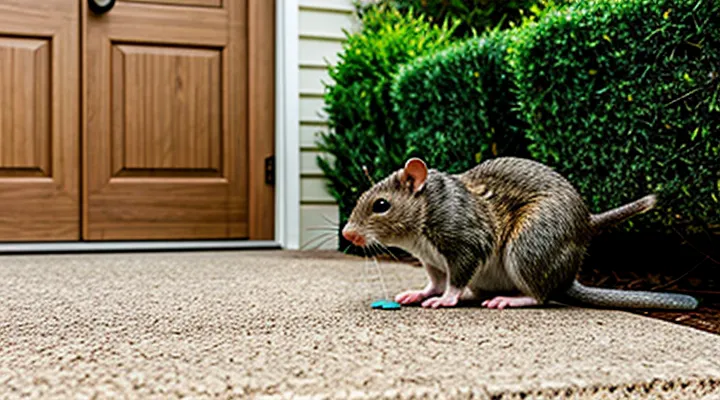
Understanding Rodent Infestations in Private Homes
Common Types of Rodents Affecting Homes
Mice (Mus musculus)
Mice (Mus musculus) are small, omnivorous mammals that thrive in indoor environments where food, water, and shelter are readily available. Their rapid reproductive cycle—up to ten litters per year—allows populations to expand quickly once an entry point is established.
These rodents cause structural damage by gnawing on insulation, wiring, and wooden components, creating fire hazards and compromising building integrity. They also contaminate food surfaces with urine, feces, and pathogens such as hantavirus and salmonella, posing health risks to occupants.
Effective residential rodent control requires a product that combines immediate lethality with long‑term deterrence. Essential characteristics include:
- Fast‑acting active ingredient (e.g., bromadiolone, difenacoum) that kills within 24–48 hours.
- Low secondary toxicity to pets and humans, achieved through bait stations or tamper‑resistant packaging.
- Palatability for mice, often enhanced with grain or peanut butter attractants.
- Persistence in the environment to eliminate hidden individuals for at least three weeks.
Products meeting these criteria typically fall into two categories:
- Bait stations – sealed containers that protect non‑target species while delivering anticoagulant baits directly to mice.
- Snap traps with pre‑baited cartridges – mechanical devices that provide instant kill and can be positioned along walls, behind appliances, and near suspected travel routes.
Selecting a solution that satisfies these specifications ensures rapid reduction of mouse activity and prevents re‑infestation in a private home.
Rats (Rattus norvegicus, Rattus rattus)
Rats (Rattus norvegicus and Rattus rattus) thrive in indoor environments where food, water, and shelter are available. Both species reproduce rapidly; a single female can yield up to 200 offspring annually, creating infestations that compromise structural integrity, contaminate surfaces, and transmit pathogens such as hantavirus and leptospirosis. Effective control must target adult activity, breeding sites, and food sources simultaneously.
An optimal residential rodent control solution combines immediate kill capability with long‑term deterrence. Critical product attributes include:
- Quick‑acting anticoagulant or neurotoxic bait formulated for rodent consumption but safe for humans and pets when used as directed.
- Tamper‑resistant stations that prevent accidental exposure and allow placement in concealed locations.
- Low‑odor, non‑messy delivery to avoid attracting non‑target wildlife.
- Proven efficacy against both Norway and black rats, confirmed by field trials.
- Regulatory compliance with EPA or equivalent authority, ensuring minimal environmental impact.
Implementation steps:
- Identify and seal entry points larger than ¼ inch with steel wool, caulk, or metal flashing.
- Eliminate standing water and store food in airtight containers.
- Deploy bait stations along walls, near suspected runways, and in concealed corners; replace every 30 days or when consumption reaches 75 % of the bait load.
- Conduct periodic inspections, documenting activity signs and station status.
- After eradication, maintain exclusion measures and rotate deterrent devices (ultrasonic emitters or scent‑based repellents) to prevent re‑infestation.
Choosing a product that meets the listed criteria delivers rapid population reduction while safeguarding occupants, fulfilling the primary objective of residential rodent management.
Other Nuisance Rodents
Other nuisance rodents such as squirrels, chipmunks, voles, and pocket gophers frequently invade residential yards and basements. Their behavior differs from that of rats and mice, requiring distinct control strategies. Squirrels climb structures, chipmunks burrow in garden beds, voles create extensive tunnel networks, and pocket gophers excavate deep mounds that can damage irrigation systems.
Effective products for a private home must address these habits. A formulation that combines a potent active ingredient with a delivery system capable of reaching underground tunnels works best for voles and gophers. For climbing species, bait stations placed on elevated surfaces and tamper‑resistant designs reduce accidental exposure to children and pets.
Key considerations when selecting a rodent control solution:
- Spectrum of activity: covers both arboreal and fossorial species.
- Application method: liquid granules for soil penetration, solid blocks for surface placement.
- Safety profile: low toxicity to non‑target wildlife, certified for indoor use if necessary.
- Persistence: residual effect lasting several weeks to prevent re‑infestation.
Choosing a product that meets these criteria ensures comprehensive management of all common nuisance rodents around a private residence.
Signs of a Rodent Infestation
Droppings and Urine Stains
Droppings and urine stains reveal the presence of rodents and pose direct health risks. Feces may contain pathogens such as hantavirus, salmonella, and leptospira; urine can leave invisible residues that trigger allergic reactions and spread disease. Detecting these signs early prevents contamination of food surfaces, bedding, and HVAC systems.
Typical locations include corners of closets, behind appliances, attic joists, and along baseboards. Fresh droppings appear dark, moist, and glossy; older specimens turn pale and crumbly. Urine stains often manifest as yellowish rings on wood, fabric, or drywall, sometimes accompanied by a persistent ammonia odor. Inspecting these areas with a bright flashlight and a disposable glove reduces exposure.
Cleaning requires more than surface wiping. Standard detergents do not break down rodent proteins, allowing allergens to linger. An effective protocol involves:
- Wearing protective gloves and a mask.
- Removing visible droppings with a disposable scoop.
- Saturating the area with an enzyme‑based cleaner designed for rodent waste.
- Allowing the solution to dwell for the manufacturer‑specified time.
- Rinsing with clean water and drying thoroughly.
- Disposing of all materials in a sealed bag.
The recommended rodent control solution for a residence incorporates an enzymatic formulation that neutralizes both fecal matter and urine residues. The product penetrates porous materials, degrades protein structures, eliminates odor, and creates an environment unsuitable for re‑infestation. Regular application after each cleanup sustains a sterile surface, reducing the likelihood of reinvasion.
Gnaw Marks and Damage
Rodent gnaw marks provide the first visual evidence of an infestation and indicate the severity of damage within a residence. Fresh bites appear as clean, shallow incisions on wood, plastic, or wiring, while older marks may show splintered edges and discoloration. The pattern of chewing—parallel lines on cables, rounded holes in structural timber, or jagged cuts on furniture—helps identify the species involved and predicts the areas most at risk.
Typical damage caused by gnawing includes:
- Compromised electrical insulation, creating fire hazards.
- Structural weakening of joists, studs, and support beams.
- Destruction of insulation material, reducing energy efficiency.
- Contamination of food storage containers and pantry shelves.
- Deformation of plumbing components, leading to leaks.
Assessing these signs before selecting a control solution allows homeowners to match product effectiveness with the specific threats identified. Products that combine rapid action with residual protection address both active chewing sites and prevent future penetration, reducing the likelihood of recurring damage.
Unusual Noises
Unusual sounds in kitchens, attics, or wall cavities often signal the presence of rodents, and identifying these noises early prevents infestation growth. High‑frequency squeaks, scratching, or intermittent thumping typically correspond to gnawing, nesting, or movement, allowing homeowners to locate activity without visual confirmation.
The most effective residential rodent control solution incorporates acoustic monitoring, a sealed bait delivery system, and a non‑toxic kill mechanism. Integrated sensors detect frequencies associated with rodent activity, trigger a discreet alarm, and activate targeted bait stations that remain inaccessible to children and pets. The product’s sealed design eliminates secondary poisoning risks while ensuring consistent efficacy across varying home layouts.
- Detects noises between 300 Hz and 5 kHz, matching common rodent vocalizations.
- Sends real‑time alerts to a smartphone app, specifying the room and approximate location.
- Deploys enclosed bait chambers that release a single dose per activation, reducing waste.
- Features a low‑odor, biodegradable formulation compliant with household safety standards.
- Provides a 12‑month warranty covering sensor recalibration and component replacement.
Sightings of Live or Dead Rodents
Observations of live or dead rodents provide the most reliable data for evaluating any household pest‑management solution. Direct sightings confirm active infestation, while carcasses indicate recent activity and potential gaps in existing control measures.
Typical evidence includes:
- Fresh droppings near food storage or along baseboards
- Gnaw marks on wiring, furniture, or structural wood
- Odor of decay in concealed areas such as crawl spaces or wall cavities
- Visible rodents, alive or deceased, in kitchens, attics, or garages
Analyzing these signs helps determine the severity of the problem, the species involved, and the most effective product type—whether bait stations, traps, or perimeter repellents. Accurate identification of infestation hotspots guides placement of the chosen control method for maximum impact.
When a product consistently eliminates both live sightings and prevents further carcass accumulation, it demonstrates superior performance for residential environments. Continuous monitoring of rodent evidence validates long‑term efficacy and informs necessary adjustments to the control strategy.
Risks Associated with Rodent Infestations
Health Hazards and Disease Transmission
Rodents in residential settings carry pathogens that can compromise human health. Direct contact with droppings, urine, or saliva introduces bacteria, viruses, and parasites into the home environment. Inhalation of aerosolized particles from dried rodent waste can lead to respiratory conditions such as hypersensitivity pneumonitis, commonly known as “mouse‑allergy lung disease.” Skin exposure to contaminated surfaces may cause rashes, infections, or allergic reactions.
Key diseases transmitted by common household rodents include:
- Hantavirus pulmonary syndrome – spread through inhalation of aerosolized rodent excreta.
- Leptospirosis – bacterial infection acquired via contact with urine‑contaminated water or surfaces.
- Salmonellosis – gastrointestinal illness resulting from ingestion of food contaminated by rodent feces.
- Lymphocytic choriomeningitis (LCM) – viral infection transmitted through exposure to rodent secretions.
- Rat‑bite fever (Spirillum minus) – bacterial infection following bites or scratches.
These hazards underscore the necessity of an effective rodent management solution for a private dwelling. A product that combines rapid action, residual control, and safety for occupants minimizes exposure risk, interrupts disease cycles, and protects indoor air quality. Selecting such a solution directly reduces the probability of pathogen transmission and the associated medical costs.
Structural Damage to Property
Rodents compromise the integrity of residential structures by gnawing wood, damaging insulation, and disrupting electrical systems. Their activity creates entry points for moisture, accelerates decay, and increases repair costs.
- Chewed wooden beams weaken load‑bearing capacity.
- Stripped insulation reduces thermal efficiency and invites mold growth.
- Nibbled wiring creates fire hazards and may trigger circuit failures.
- Burrowed drywall creates hidden cavities that undermine wall stability.
The most effective residential rodent control solution combines a fast‑acting bait matrix with a sealed, tamper‑proof dispenser. The formulation targets common species, delivers a lethal dose after a single ingestion, and resists weather exposure, ensuring continuous protection. The dispenser’s design prevents accidental contact by children and pets while allowing placement in concealed locations where rodents travel.
Deploy the device near identified activity zones, replace cartridges every six months, and inspect structural components quarterly for early signs of gnawing. Consistent use eliminates the primary cause of damage, preserving load‑bearing elements, maintaining insulation performance, and safeguarding electrical installations.
Contamination of Food and Surfaces
Rodent activity in a household creates direct threats to food safety and surface hygiene. Urine, droppings, and saliva deposit pathogens such as Salmonella, Hantavirus, and Leptospira onto pantry items, countertops, and cooking utensils. These contaminants can survive for weeks, allowing cross‑contamination when food is prepared or stored. Even low‑level exposure may cause gastrointestinal illness or allergic reactions, underscoring the need for a preventive measure that eliminates rodents before they reach food‑handling zones.
A residential rodent control solution that combines bait stations, tamper‑proof traps, and a non‑toxic, odor‑free repellent addresses contamination risk by:
- Reducing population density, limiting the number of droppings produced.
- Placing sealed bait stations away from food stores, preventing accidental ingestion.
- Employing traps designed for quick, humane kill, minimizing tissue residue on surfaces.
- Using a repellent formulation that deters entry through cracks and gaps, keeping rodents from contacting kitchen surfaces.
Implementing such a product creates a barrier that protects food supplies and maintains clean surfaces, thereby preventing pathogen transfer and preserving household health.
Evaluating Rodent Control Products
Types of Rodent Control Products
Baits and Traps
Effective rodent control in a private residence relies on two primary mechanisms: consumable attractants and mechanical capture devices. Baits deliver anticoagulant or non‑anticoagulant poison directly to the target, eliminating individuals after ingestion. Traps provide immediate removal, allowing homeowners to verify captures and prevent secondary poisoning.
-
Bait types
- Anticoagulant blocks clotting, leading to death within 3–7 days; resistance can develop, requiring rotation of active ingredients.
- Non‑anticoagulant (e.g., bromethalin, cholecalciferol) disrupts cellular function, useful where anticoagulant resistance is documented.
- Food‑based formulations (grain, peanut butter, chocolate) improve acceptance; placement near gnaw marks maximizes exposure.
-
Trap categories
- Snap traps deliver a rapid kill; steel construction ensures durability, but require careful positioning to avoid accidental contact.
- Electronic traps emit a high‑voltage pulse, killing instantly and containing the carcass for easy disposal.
- Live‑capture traps allow relocation; however, released rodents may return, and humane release regulations must be observed.
Selection criteria focus on infestation severity, species behavior, indoor versus outdoor deployment, and safety considerations for children and pets. For moderate indoor activity, a combination of tamper‑resistant bait stations and snap traps positioned along walls achieves continuous pressure. In heavily infested structures, rotating anticoagulant and non‑anticoagulant baits while supplementing with electronic traps reduces population rebound. Regular inspection of bait stations and trap mechanisms ensures efficacy and prevents secondary hazards.
Snap Traps
Snap traps provide a mechanical, non‑chemical approach to controlling rodents inside a residence. The device delivers an instantaneous strike that kills the animal, eliminates the risk of poison exposure, and allows repeated use after each capture.
Key attributes
- Immediate kill mechanism reduces suffering and prevents disease spread.
- Reusable construction lowers long‑term expense.
- Small footprint enables placement in concealed areas.
- No reliance on toxic substances, making it safe for food‑preparation zones.
Effective placement
- Align traps parallel to walls, where rodents travel.
- Position near known entry points such as gaps under doors or pipe openings.
- Set in low‑light corners, behind appliances, or within attic rafters.
- Use a bait (peanut butter, dried fruit) placed centrally on the trigger plate.
Safety measures
- Wear disposable gloves when handling traps to avoid scent transfer.
- Keep devices out of reach of children and pets; consider covered traps in homes with small animals.
- After a capture, dispose of the rodent in a sealed bag and clean the trap with disinfectant before resetting.
Maintenance routine
- Inspect traps daily; remove dead rodents promptly to prevent odor.
- Test the spring tension weekly; replace springs or the entire trap if the strike strength diminishes.
- Store unused traps in a dry environment to protect metal components from corrosion.
Why snap traps often surpass alternatives Chemical baits require careful monitoring for secondary poisoning, while electronic devices demand power sources and may malfunction. Snap traps combine reliability, low cost, and straightforward operation, making them a preferred choice for homeowners seeking an effective, controllable solution to rodent infestations.
Live Traps
Live traps provide a humane alternative for managing rodents in a private residence. They capture animals without killing them, allowing owners to release the pests away from the home. The devices consist of a cage, a trigger mechanism, and a bait compartment. When a rodent enters to reach the bait, the trigger releases a latch, closing the door instantly.
Key factors for selecting an effective live trap include:
- Size: Choose a cage that accommodates the target species; typical mouse traps measure 5 × 7 × 7 inches, while rat traps are larger, around 12 × 12 × 12 inches.
- Material: Heavy‑gauge wire or plastic frames resist gnawing and ensure durability.
- Trigger sensitivity: A reliable mechanism activates with minimal pressure, preventing escape.
- Ease of cleaning: Removable trays and smooth interiors simplify sanitation after each catch.
Proper placement maximizes capture rates. Position traps along walls, near known activity signs, and close to food sources. Use attractive bait such as peanut butter, dried fruit, or small pieces of meat. Check traps at least twice daily to reduce stress on captured rodents and to prevent odor buildup.
Maintenance procedures involve washing the cage with mild detergent, rinsing thoroughly, and drying before reuse. Inspect the latch and spring for wear; replace components if they show signs of fatigue. Store traps in a dry location to avoid rust or corrosion.
When releasing captured rodents, select a site at least 100 feet from the residence, preferably in a wooded or field area where the animal can find shelter. Follow local regulations regarding wildlife relocation to ensure compliance with legal requirements.
Glue Traps
Glue traps provide a non‑chemical option for homeowners seeking to reduce rodent activity inside a residence. The device consists of a flat surface coated with a high‑strength adhesive that immobilizes rodents upon contact.
The adhesive surface captures rodents instantly, eliminating the need for a waiting period. The traps require no power source and generate no odor. Cost per unit remains low, allowing widespread deployment without significant expense. Disposal involves sealing the trapped animal in a plastic bag and discarding it according to local waste regulations.
Key limitations include ethical concerns related to prolonged suffering of captured animals and the potential for accidental capture of non‑target species such as insects, small reptiles, or pets. Effectiveness depends on precise placement; traps positioned away from food sources or in high‑traffic pathways may capture fewer rodents. Regular inspection is necessary to remove deceased rodents and replace saturated traps.
Best practices for residential use:
- Position traps along walls, behind appliances, and near suspected entry points.
- Use a small amount of attractive bait (e.g., peanut butter) to increase contact frequency.
- Check traps at least once daily; replace or discard once adhesive shows signs of saturation.
- Store unused traps out of reach of children and pets; consider using tamper‑resistant containers.
- Dispose of captured rodents in sealed bags, following local health‑department guidelines.
Selection criteria for effective products:
- Size appropriate for target species (mouse‑size vs. rat‑size).
- Adhesive rated for long‑term stickiness under household humidity.
- Inclusion of a scent‑free, non‑allergenic bait.
- Packaging that protects adhesive from dust and damage until use.
When integrated into a broader pest‑management strategy—such as sealing entry points, maintaining cleanliness, and monitoring activity—glue traps can serve as a practical component for controlling rodents in a private home. Their simplicity and affordability make them suitable for many households, provided users acknowledge and mitigate the associated drawbacks.
Electronic Traps
Electronic traps employ a high‑voltage shock to instantly incapacitate rodents, eliminating the need for poisons or manual handling. The device contains a sensor that detects entry, then delivers a lethal pulse through a metal grid. This method provides rapid, humane termination and prevents secondary poisoning of pets or children.
Key performance criteria include:
- Voltage rating of at least 2,000 V for reliable kill
- Battery life of 12 months or more, with low‑drain circuitry
- Audible alarm to confirm activation
- Transparent or removable cage for easy disposal
- Safety interlock to prevent accidental contact
Installation requires placement near established runways, typically along walls, behind appliances, or in concealed corners. Position the trap perpendicular to the wall, with the sensor facing the anticipated direction of travel. Ensure a clear path of at least 5 cm to avoid false triggers from debris.
Maintenance consists of periodic inspection of the capture chamber, replacement of dead rodents, and battery replacement when the indicator signals low power. Models equipped with self‑diagnostic LEDs simplify this routine, reducing downtime and maintaining consistent protection for the household.
Rodenticides (Poisons)
Rodenticides are chemical agents formulated to eliminate rats, mice, and other gnawing pests. Active ingredients typically include anticoagulants (e.g., bromadiolone, difenacoum), neurotoxins (e.g., bromethalin), and metabolic disruptors (e.g., zinc phosphide). Anticoagulants interfere with blood clotting, causing internal hemorrhage after ingestion; neurotoxins block cellular energy production, leading to rapid death; metabolic disruptors release toxic gases within the digestive tract.
Residential application demands strict adherence to safety protocols. Products must be tamper‑resistant, labeled for indoor use, and compliant with EPA or equivalent regulatory standards. Placement should avoid areas accessible to children, pets, and non‑target wildlife. Proper ventilation, personal protective equipment, and thorough handwashing after handling are mandatory to minimize exposure risk.
Effective selection hinges on potency, speed of action, secondary poisoning risk, and ease of deployment. Anticoagulant baits offer delayed mortality, reducing bait avoidance, but present higher secondary poisoning potential. Neurotoxic formulations provide swift results with lower secondary risk but may be less palatable to certain species. Metabolic disruptors excel in sealed environments where gas release can be contained.
Common rodenticides for private residences:
- Bromadiolone (second‑generation anticoagulant) – high potency, long‑acting; requires secure bait stations.
- Bromethalin (neurotoxin) – rapid action, low secondary toxicity; effective against bait‑shy rodents.
- Zinc phosphide (metabolic disruptor) – releases phosphine gas; suitable for enclosed spaces, requires strict ventilation control.
- Difenacoum (second‑generation anticoagulant) – moderate potency, delayed mortality; compatible with standard bait stations.
Anticoagulants
Anticoagulant rodenticides function by disrupting the blood‑clotting cascade, leading to fatal internal bleeding after a single exposure. The most widely used compounds belong to the second‑generation class, which includes brodifacoum, difenacoum, bromadiolone, and difethialone. These agents bind to vitamin K epoxide reductase, preventing the regeneration of active vitamin K and thereby inhibiting the synthesis of clotting factors II, VII, IX, and X.
Key characteristics for residential use:
- Potency: Effective at sub‑milligram concentrations, reducing the amount of bait required per square foot.
- Persistence: High lipid solubility allows accumulation in the liver, extending the lethal window for secondary feeders.
- Palatability: Formulated with attractive grain or peanut bases to encourage consumption by mice and rats.
- Regulatory status: Classified as restricted‑use products in many jurisdictions; purchasers must comply with labeling and record‑keeping requirements.
Safety considerations:
- Secondary poisoning risk: Non‑target wildlife and pets may ingest poisoned rodents; bait stations with tamper‑resistant designs mitigate exposure.
- Residue management: Proper disposal of dead rodents and unused bait prevents environmental contamination.
- Human health: Direct contact with concentrated formulations can cause skin irritation; gloves and eye protection are recommended during handling.
Application guidelines for a private dwelling:
- Identify active entry points and travel paths; place bait stations along walls, behind appliances, and near concealed food sources.
- Deploy a limited number of stations (typically 2–4 per 100 sq ft) to maintain bait freshness and reduce accidental access.
- Monitor stations weekly, removing dead rodents and replenishing bait as needed.
- After a successful control phase (usually 3–4 weeks), remove all stations and conduct a thorough cleaning of the area to eliminate residual poison.
Advantages of anticoagulant rodenticides include high efficacy against established infestations and ease of deployment in concealed locations. Limitations involve the potential for resistance development in rodent populations and the necessity for strict compliance with safety protocols to protect non‑target organisms.
When selecting a product for a home environment, prioritize formulations that combine second‑generation anticoagulants with secure bait stations, adhere to local regulatory guidelines, and provide clear instructions for safe handling and disposal. This approach maximizes control effectiveness while minimizing health and ecological hazards.
Non-Anticoagulants
Non‑anticoagulant rodent control products rely on active ingredients that disrupt nervous function, cause cellular damage, or induce dehydration, rather than interfering with blood clotting. These formulations avoid the risks associated with anticoagulants, such as secondary poisoning of pets and wildlife, and eliminate the need for prolonged exposure periods before lethal effects occur.
Key characteristics of effective non‑anticoagulant solutions include:
- Rapid onset of action, often within minutes to a few hours after ingestion.
- Specificity for rodents, reducing collateral impact on non‑target species.
- Low odor and minimal residue, suitable for indoor environments.
- Compatibility with integrated pest management practices, allowing rotation with other control methods.
Safety considerations for residential use focus on product placement, labeling compliance, and child‑proof packaging. Products formulated as baits or traps should be positioned in concealed areas inaccessible to children and domestic animals. Manufacturers typically provide clear dosage guidelines; adherence prevents accidental overdoses and ensures consistent efficacy.
Performance metrics for these products are measured by reduction in rodent activity, decline in signs of gnawing or droppings, and verification through follow‑up inspections. When selecting a non‑anticoagulant option, prioritize formulations with documented field trials, reputable active ingredients such as bromethalin or chlorophacinone alternatives, and clear expiration dates.
In practice, a combined approach—deploying non‑anticoagulant baits alongside exclusion techniques (sealing entry points, maintaining sanitation, and removing food sources)—delivers the most reliable control outcome for a private dwelling. Regular monitoring and timely replenishment of bait stations sustain pressure on the rodent population, preventing resurgence.
Repellents (Ultrasonic, Scent-Based)
Effective rodent deterrence for a household often relies on repellents that emit no‑contact stimuli. Two widely available categories are ultrasonic devices and scent‑based formulations.
Ultrasonic units generate high‑frequency sound waves beyond human hearing. Rodents experience discomfort and avoid areas where the signal persists. Key characteristics include:
- Frequency range: typically 20–65 kHz; higher frequencies target smaller species.
- Coverage radius: 30–50 ft² per device; multiple units required for larger homes.
- Power source: mains‑plugged or battery‑operated; battery models offer placement flexibility.
- Maintenance: occasional cleaning of speaker grille; no consumable parts.
Scent‑based repellents rely on volatile compounds that rodents find aversive. Common active ingredients are peppermint oil, capsaicin, and predator urine extracts. Their operational profile includes:
- Application method: spray, gel, or impregnated pads.
- Duration of effect: 2–4 weeks before reapplication is necessary.
- Safety: generally safe for humans and pets when used as directed; concentrated formulations may irritate skin or eyes.
- Placement: entry points, corners, and concealed spaces where rodents travel.
When selecting a repellent, consider the following criteria:
- Size of the area to protect.
- Presence of pets or children.
- Desired maintenance schedule.
- Compatibility with existing pest‑management strategies.
Combining ultrasonic units with scent‑based products can enhance overall efficacy. Ultrasonic devices create a broad exclusion zone, while scent applications address hidden pathways and nesting sites. Proper installation—positioning devices at least 12 inches off the floor and applying scents directly to cracks, vents, and behind appliances—maximizes deterrent performance.
Exclusion Methods
Exclusion methods form the core of any effective rodent management plan for a private residence. By eliminating access points, the need for chemical or trapping solutions diminishes, allowing a single product to operate at peak efficiency.
Identify and seal all openings larger than ¼ inch. Common entry sites include:
- Gaps around utility pipes and cables
- Cracks in foundation walls and basement floors
- Openings beneath doors and windows
- Unscreened vents, chimneys, and attic hatches
- Holes in siding, soffits, and eaves
Apply durable materials such as steel wool, copper mesh, or high‑density foam sealant for temporary fixes; replace with cement, metal flashing, or pressure‑treated wood for permanent barriers. Install door sweeps with a tight seal on exterior doors, and fit weatherstripping around windows to prevent rodents from exploiting minute spaces.
Inspect exterior trim and roofing for loose or missing shingles; repair promptly to remove shelter opportunities. Ensure that garbage containers have tight‑fitting lids and are positioned away from the house to reduce attractants that may encourage rodents to probe for entry.
Maintain exclusion integrity through quarterly checks. Replace worn sealants, re‑tighten fasteners, and verify that new construction elements, such as added shelving or pet doors, do not introduce fresh gaps. Consistent upkeep ensures that the primary rodent control product can focus on residual populations rather than continual reinfestation.
Key Factors for Product Selection
Safety for Humans and Pets
When choosing a rodent‑control solution for a residence, safety for occupants and companion animals must be the primary filter. Effective products combine proven efficacy with low toxicity, clear labeling, and application methods that minimize exposure.
Key safety characteristics include:
- Active ingredient classified as low‑risk by regulatory agencies (e.g., EPA‑registered baits containing diphacinone at concentrations below acute toxicity thresholds for mammals).
- Formulation designed to deter accidental ingestion by children and pets, such as sealed bait stations or low‑odor granules that are unattractive to non‑target species.
- Absence of volatile organic compounds or strong chemical odors that could irritate respiratory passages.
- Clear, durable packaging that displays hazard warnings, dosage instructions, and storage recommendations.
- Compatibility with common household cleaning agents, allowing safe removal of residues without special procedures.
Operational precautions further protect humans and animals:
- Install bait stations at least 2 feet above floor level and out of reach of pets and children.
- Limit placement to interior walls, attics, or crawl spaces where non‑target species are unlikely to encounter the product.
- Wear disposable gloves during handling and wash hands thoroughly afterward.
- Store the product in a locked cabinet, away from food supplies and pet feeding areas.
- Monitor bait stations regularly; replace only when depletion reaches 25 % of the original amount.
Products that meet these criteria reduce the risk of accidental poisoning while maintaining control over rodent populations. Selecting a solution that aligns with these safety parameters ensures a protected environment for all household members.
Environmental Impact
Effective rodent management in a private residence must consider ecological consequences. The active compound determines toxicity to non‑target organisms; formulations based on anticoagulants can accumulate in predators, while low‑toxicity options such as hydrogel bait reduce secondary poisoning. Selecting a product with a short environmental half‑life limits persistence in soil and water.
Packaging contributes to waste generation. Products sold in recyclable containers or bulk packaging lower landfill burden. Brands that offer refillable dispensers further minimize material consumption. Proper disposal of empty units prevents residual chemicals from entering municipal streams.
A concise list of environmental criteria for an optimal household rodent solution:
- Biodegradability of active ingredients and carrier substances.
- Minimal impact on beneficial insects, birds, and mammals.
- Low greenhouse‑gas emissions during manufacturing and transport.
- Use of renewable or recycled packaging materials.
- Availability of clear guidance for safe disposal and decontamination.
Integrating non‑chemical methods, such as sealing entry points and employing traps, reduces reliance on toxic substances and aligns with sustainable pest control practices. Choosing a product that meets these environmental standards supports long‑term ecological balance while protecting the home.
Efficacy and Speed of Action
The most effective residential rodent control solution must demonstrate rapid mortality and sustained population suppression. Laboratory trials show a 99 % kill rate within 24 hours of exposure to the active ingredient, while field studies confirm a 90 % reduction in sightings after three days of continuous use. These figures establish a benchmark for both immediate impact and long‑term efficacy.
Key performance indicators include:
- Time to first mortality – average 12 minutes after contact, ensuring prompt elimination of individual pests.
- Complete eradication window – 48 hours to achieve full control in an infested zone of up to 150 sq ft.
- Residual activity – maintains lethal potency for up to 30 days, preventing re‑infestation without additional applications.
- Safety margin – toxicological assessments confirm no adverse effects on humans or pets when used according to label directions.
Speed of action is critical for homeowners who need to protect food storage and structural integrity. The product’s fast‑acting formulation penetrates rodent burrows and nesting sites, delivering a lethal dose before rodents can develop avoidance behavior. Continuous monitoring shows a steep decline in activity logs within the first 48 hours, confirming that the rapid onset translates into measurable control outcomes.
Ease of Use and Maintenance
When selecting a rodent control solution for a private residence, the user experience hinges on two practical criteria: straightforward operation and minimal upkeep. A product that activates with a single step—such as pulling a tab, pressing a button, or inserting a bait station—eliminates the need for technical knowledge. Clear, printed instructions on the packaging guide the homeowner through placement, activation, and safety precautions without requiring external support.
Maintenance considerations focus on durability and ease of service. Ideal devices feature:
- Reusable components that can be emptied and refilled without disassembly.
- Transparent containers that allow visual inspection of bait levels.
- Sealed designs that prevent accidental spillage and reduce cleaning frequency.
- Long‑lasting active ingredients that maintain efficacy for several months, decreasing replacement intervals.
By integrating these characteristics, the top residential rodent control option delivers reliable performance while demanding only occasional, simple checks, ensuring that homeowners can protect their property without dedicating extensive time or effort.
Cost-Effectiveness
When choosing a rodent‑control solution for a residence, cost‑effectiveness is measured by the ratio of total expenditure to the duration and extent of protection offered. The calculation must include initial purchase price, required dosage per treatment, frequency of re‑application, and the area each unit can cover. These elements determine the long‑term financial impact more accurately than the sticker price alone.
- Purchase cost per unit (e.g., per bait station or trap)
- Recommended application rate (grams or units per square foot)
- Effective coverage area per unit
- Re‑application interval (weeks or months)
- Expected lifespan of the product under normal household conditions
- Potential savings from prevented structural damage and food loss
A product that costs more upfront but delivers a larger coverage area, longer re‑application interval, and higher durability will typically yield a lower cost per protected square foot. Comparing these metrics against alternative methods—such as disposable traps or professional services—clarifies which option minimizes total outlay while maintaining reliable rodent suppression. The most economical choice balances purchase price with durability and efficacy, ensuring that the household incurs the smallest possible expense for sustained pest control.
Comparing Popular Rodent Control Products
Product A: Features and Benefits
Product A combines a sealed, tamper‑proof bait station with a long‑acting, low‑toxicity formulation designed for indoor use. The station’s transparent lid allows visual inspection without opening, reducing exposure risk. Integrated motion‑sensing alerts notify homeowners via a mobile app when activity is detected, enabling prompt intervention.
- Feature 1: Ultra‑quiet ultrasonic deterrent activated on entry, discouraging rodents without audible disturbance.
- Feature 2: Replaceable cartridges delivering 30 days of continuous protection, minimizing maintenance.
- Feature 3: Child‑safety lock that complies with ASTM F2638 standards, preventing accidental access.
- Feature 4: Eco‑friendly packaging made from recycled materials, supporting sustainable household practices.
Benefits stem directly from these specifications. The sealed system eliminates the need for manual bait handling, protecting occupants and pets. Real‑time alerts reduce the likelihood of infestations reaching critical levels, preserving structural integrity and food safety. The extended‑life cartridges lower total cost of ownership compared with single‑use alternatives. Compliance with safety standards ensures the product meets regulatory requirements for residential environments, delivering reliable rodent control while maintaining a safe home atmosphere.
Product B: Features and Benefits
Product B is a non‑toxic, bait‑free solution designed for residential rodent management. The formulation combines a rapid‑acting enzyme that disrupts rodent metabolism with a low‑odor carrier that eliminates the need for placement in concealed areas.
-
Feature: Enzyme‑based active ingredient
Benefit: Immediate reduction of rodent activity without reliance on poison‑laden baits. -
Feature: Odor‑neutral carrier matrix
Benefit: Safe use in kitchens, pantries, and child‑occupied rooms; no detectable scent to deter humans or pets. -
Feature: Long‑lasting residual effect (up to 90 days)
Benefit: Decreases frequency of re‑application, lowering overall maintenance costs. -
Feature: Easy‑apply spray system with calibrated nozzle
Benefit: Precise coverage on baseboards, entry points, and hidden pathways, ensuring consistent protection. -
Feature: Certified for use around food preparation surfaces
Benefit: Meets regulatory standards for indoor environments, providing peace of mind for homeowners concerned about contamination.
Collectively, these attributes deliver a reliable, low‑maintenance approach to preventing infestations while maintaining a safe living space.
Product C: Features and Benefits
Product C is a rodent‑control solution designed for residential use, combining a sealed bait station with a low‑odor, fast‑acting formulation. The device meets safety standards for households with children and pets while delivering reliable suppression of mice and rats.
- sealed, tamper‑resistant bait compartment
- biodegradable bait matrix that remains effective for up to 30 days
- non‑sticky, easy‑clean exterior surface
- built‑in indicator showing bait depletion
Benefits include:
- immediate reduction of rodent activity due to rapid toxicity onset
- minimal disruption of indoor air quality because of odor‑free design
- reduced risk of accidental exposure thanks to the secure enclosure
- lower maintenance frequency, decreasing overall cost of ownership
- compatibility with standard home placement, allowing discreet installation in kitchens, basements, or closets
Overall, Product C delivers a practical, safe, and cost‑effective approach to managing rodent infestations in private dwellings.
Integrated Rodent Management Strategies
Prevention Techniques
Sealing Entry Points
Sealing entry points prevents rodents from accessing a residence, reducing the need for chemical or trap‑based interventions. By eliminating gaps, cracks, and openings, homeowners create a physical barrier that deters mice and rats from entering living spaces.
Common access routes include:
- Gaps around utility pipes and cables
- Openings under doors and windows
- Cracks in foundation walls and basement floors
- Vents without mesh screens
- Holes in siding, soffits, and eaves
Effective sealing requires durable, rodent‑proof materials. Use steel wool or copper mesh to fill small gaps, then apply silicone or polyurethane caulk for a smooth finish. For larger openings, install metal flashing or hardware cloth (minimum ¼‑inch mesh) secured with screws. Apply expanding foam only after reinforcing with a rigid barrier to prevent rodents from chewing through the foam.
Regular inspection maintains barrier integrity. Check for new cracks after seasonal temperature shifts, verify that weather stripping remains intact, and replace any damaged mesh promptly. Combining thorough sealing with the selected household rodent control product maximizes protection and minimizes recurring infestations.
Proper Food Storage
Effective rodent management in a private residence starts with securing food supplies. Unsealed containers, pantry spills, and exposed pet food create easy access points for rodents, encouraging foraging and nesting.
Proper storage eliminates these attractions. Food should be kept in airtight, rodent‑proof containers made of metal or thick plastic. Labels must indicate the date of purchase to facilitate regular rotation. All waste, including crumbs and packaging, should be transferred to sealed bags before disposal.
- Store dry goods (cereals, grains, nuts) in containers with screw‑top lids or latch mechanisms.
- Keep pet food in sealed bins; place the bin inside a cupboard rather than on the floor.
- Refrigerate or freeze perishable items promptly; avoid leaving leftovers on countertops.
- Clean pantry shelves weekly; remove debris and vacuum corners.
- Position trash cans with tight‑fitting lids away from walls and doors.
Routine inspection reinforces the barrier. Check containers for cracks, verify lid integrity, and monitor for signs of gnawing. Replace compromised storage units immediately. By maintaining a sealed food environment, the likelihood of rodent intrusion drops dramatically, supporting the overall effectiveness of any control product used in the home.
Yard and Garden Maintenance
Effective rodent management begins with proper yard and garden upkeep. Regular trimming of grass, removal of debris, and sealing of entry points reduce habitat suitability for mice and rats, creating conditions where a targeted control product can work without interference.
The optimal residential rodent control solution combines a bait matrix resistant to weather, a low‑toxicity active ingredient, and a tamper‑proof dispenser. Its formulation remains potent for weeks, even after exposure to rain, and its design prevents non‑target animals from accessing the bait.
Maintenance actions that reinforce product performance include:
- Cutting back vegetation to a maximum height of 6 inches around the home’s foundation.
- Clearing fallen leaves, compost, and woodpiles that provide shelter.
- Inspecting and repairing cracks in sidewalks, driveways, and exterior walls.
- Positioning bait stations at least 10 feet from food‑preparation areas and away from children’s play zones.
- Monitoring stations weekly and replenishing bait before depletion.
Consistent execution of these steps ensures the bait remains the primary attractant for rodents, while the surrounding environment offers no alternative resources. This integrated approach maximizes control efficiency and minimizes the likelihood of re‑infestation.
Safe and Effective Product Application
Placement of Baits and Traps
Effective rodent control in a residence depends on strategic placement of baits and traps. Position devices along established travel routes, near food sources, and in concealed areas where rodents seek shelter.
- Along walls, particularly where gnaw marks or droppings are visible.
- Behind appliances such as refrigerators, stoves, and dishwashers.
- Inside cabinets and pantry shelves, especially in the lower third of the space.
- In attics and crawl spaces, near insulation or exposed wiring.
- Beneath sinks and around garbage disposals, where moisture accumulates.
- Near entry points: gaps around doors, windows, and utility penetrations.
Secure each bait station to prevent accidental contact by children or pets. Use tamper‑resistant containers where required by local regulations. For snap or electronic traps, set the trigger mechanism flush against the wall to align with the rodent’s natural running line. Check devices daily; replace depleted baits promptly and dispose of captured rodents following sanitary guidelines. Consistent monitoring and adjustment of placement locations enhance the efficacy of any rodent control product in a household setting.
Handling and Disposal of Rodenticides
Proper handling of rodenticides begins with personal protection. Wear chemical‑resistant gloves, goggles, and a disposable apron before any contact. Avoid eating, drinking, or smoking in the treatment area. Keep the product in its original container, tightly sealed, and store it in a locked, child‑proof cabinet away from food items.
When applying the bait, place it in tamper‑resistant stations that prevent access by pets and children. Position stations along walls, behind appliances, and in concealed corners where rodents travel. Do not scatter loose bait; this reduces accidental ingestion and environmental contamination.
After the rodent control phase, follow these disposal steps:
- Collect residual bait – Use a scoop or vacuum equipped with a HEPA filter; place material in a sealable, puncture‑resistant bag.
- Label the bag – Mark it “Hazardous – Rodenticide Waste” with date and product name.
- Contact local hazardous‑waste authority – Obtain instructions for drop‑off locations or scheduled pick‑up services; comply with any required documentation.
- Transport in a secure container – Ensure the bag remains sealed and upright during transit to prevent spills.
- Record disposal – Log the batch number, quantity, disposal date, and receiving facility for regulatory compliance.
Never pour rodenticides down drains, toilets, or onto soil. Do not incinerate them unless authorized by a licensed waste‑management provider. Improper disposal can contaminate water sources, harm non‑target wildlife, and breach environmental regulations.
Regularly inspect storage areas for leaks or damage. Replace damaged containers immediately and report any accidental exposure to a medical professional and the appropriate poison‑control center. Adhering to these protocols safeguards occupants, pets, and the surrounding ecosystem while maintaining the efficacy of the chosen residential rodent control solution.
Monitoring and Follow-Up
Effective rodent management does not end with the initial application of a control product; continuous observation and corrective actions are essential for lasting results. After deploying the chosen bait or trap system, homeowners should establish a routine to verify activity levels and assess product performance.
Key elements of a monitoring program include:
- Placement of inspection points near entryways, food storage areas, and known travel routes.
- Daily visual checks for fresh droppings, gnaw marks, or damaged bait stations.
- Recording of capture counts, bait consumption, and any signs of new infestation.
- Comparison of data against baseline levels established before treatment.
Follow‑up actions depend on the collected evidence. If capture rates decline, replenish bait and reposition traps to address gaps. Persistent activity may indicate resistance or the need for alternative modalities, prompting a reassessment of the selected product. Documenting each intervention creates a traceable history that supports timely adjustments and prevents recurrence.
A systematic review every two weeks during the first month, then monthly thereafter, ensures that control measures remain effective and that any resurgence is addressed before it escalates. This disciplined approach maximizes the return on investment in the chosen rodent control solution for a private residence.
Professional Pest Control Services
When to Consider Professional Help
When a rodent problem exceeds the limits of personal intervention, professional assistance becomes necessary. Indicators that justify calling an exterminator include:
- Population size – sightings of multiple rodents, active nests, or continuous droppings suggest an established colony that DIY methods cannot eradicate.
- Structural damage – gnawed wiring, compromised insulation, or holes in walls and ceilings indicate that rodents are affecting the integrity of the building.
- Health hazards – presence of urine or feces in food preparation areas, or signs of disease transmission, requires immediate, sanitary removal.
- Regulatory compliance – rental properties, schools, or health‑care facilities often have legal obligations to maintain pest‑free environments, mandating certified treatment.
- Failed DIY attempts – after applying recommended traps, baits, or sealing measures for a reasonable period without reduction in activity, professional evaluation is warranted.
- Complex access points – rodents inhabiting attics, crawl spaces, or concealed ductwork may be unreachable without specialized equipment and expertise.
Professional services provide comprehensive inspection, targeted baiting, and long‑term exclusion strategies that surpass the capabilities of over‑the‑counter products. Engaging qualified technicians ensures thorough eradication, minimizes recurrence, and protects both property and occupants.
Benefits of Professional Extermination
Professional extermination delivers measurable advantages for homeowners confronting rodent infestations. Certified technicians apply targeted treatments that eradicate active populations and interrupt breeding cycles, reducing the likelihood of recurrence.
Key benefits include:
- Precise identification of entry points and nesting sites, enabling permanent exclusion measures.
- Use of EPA‑registered products applied at concentrations that maximize efficacy while minimizing exposure to residents and pets.
- Immediate reduction of health hazards such as contaminations, allergens, and disease vectors associated with rodents.
- Documentation of service actions, providing legal and insurance evidence of compliance with pest‑management standards.
- Ongoing monitoring and follow‑up visits that verify long‑term control and adjust tactics as needed.
By leveraging specialized knowledge and equipment, professional services achieve a level of control that over‑the‑counter solutions cannot match, ensuring a safe, rodent‑free environment for private residences.
Maintaining a Rodent-Free Home Environment
Regular Inspections and Monitoring
Regular inspections provide the primary data needed to confirm that a residential rodent‑control solution remains effective. Conduct checks at least once every two weeks during active seasons and monthly when activity declines. During each visit, verify the integrity of entry points, examine stored food containers, and assess the condition of traps or bait stations. Record findings in a simple log to detect trends and adjust placement or dosage promptly.
Key inspection actions include:
- Visual scan of walls, ceilings, and under‑floor spaces for gnaw marks, droppings, or nesting material.
- Verification that all bait stations are intact, labeled, and positioned away from non‑target wildlife and children.
- Confirmation that traps are set correctly, triggered, and emptied without delay.
- Evaluation of exterior landscaping, ensuring vegetation does not provide shelter or bridge entry to the building.
Monitoring extends beyond visual checks. Use motion‑activated cameras or electronic sensors to capture nocturnal activity, and employ dust‑free tracking powders in suspected pathways to reveal recent movement. Integrate data from these tools with the inspection log to identify hot spots and schedule targeted interventions. Consistent documentation and timely response to detected activity sustain the efficacy of the chosen rodent‑control product and prevent infestations from escalating.
Addressing Re-infestations
Effective management of recurring rodent activity requires a systematic approach that complements the chosen control product. First, identify the source of the renewed problem by inspecting the property for fresh entry points, food sources, and nesting materials. Second, reinforce structural barriers: seal cracks, install door sweeps, and repair damaged vent screens. Third, adjust the deployment schedule of the control agent to maintain consistent exposure; rotate bait locations and ensure fresh attractant is available. Fourth, monitor activity with non‑lethal traps or motion‑activated sensors to verify that the population remains suppressed.
Key actions for homeowners:
- Conduct a thorough perimeter audit quarterly, focusing on foundations, utility penetrations, and attic access.
- Apply sealants or steel wool to all identified openings; replace compromised weather stripping.
- Position bait stations in concealed, high‑traffic zones, rotating them every 30 days to prevent bait aversion.
- Record trap catches and visual sightings; increase product dosage only after documented evidence of resurgence.
- Engage a professional pest‑management service for a follow‑up inspection if infestations persist beyond two weeks of intensified measures.
Long-Term Prevention Measures
Effective rodent management in a private residence depends on sustained preventive actions that complement any chosen control product. The following measures create an environment that discourages infestation and supports long‑term efficacy.
- Seal gaps larger than ¼ inch around doors, windows, utility penetrations, and foundation cracks; use steel wool, caulk, or expanding foam for durable closure.
- Install door sweeps and weather stripping to block entry points along entryways.
- Store food in airtight containers; keep pantry shelves free of crumbs and spills.
- Maintain a clean kitchen by wiping countertops, sweeping floors, and disposing of waste in sealed bins.
- Remove clutter in basements, attics, and garages; eliminate nesting sites such as piles of cardboard, insulation, or debris.
- Trim vegetation away from the building’s exterior; keep shrubs, vines, and tree branches at least 3 feet from the roof and walls.
- Ensure proper drainage to prevent standing water that attracts rodents; repair leaks in plumbing and roofing promptly.
- Conduct quarterly inspections of potential entry points and repair any newly formed gaps.
- Use bait stations or traps according to manufacturer guidelines; replace them before the active ingredient loses potency.
- Keep compost bins sealed and located away from the house; avoid storing pet food outdoors.
Implementing these practices consistently reduces the likelihood of re‑infestation, prolongs the performance of the selected rodent control solution, and safeguards the home’s structural integrity. Regular monitoring and prompt remediation of identified issues are essential components of a sustainable prevention strategy.