
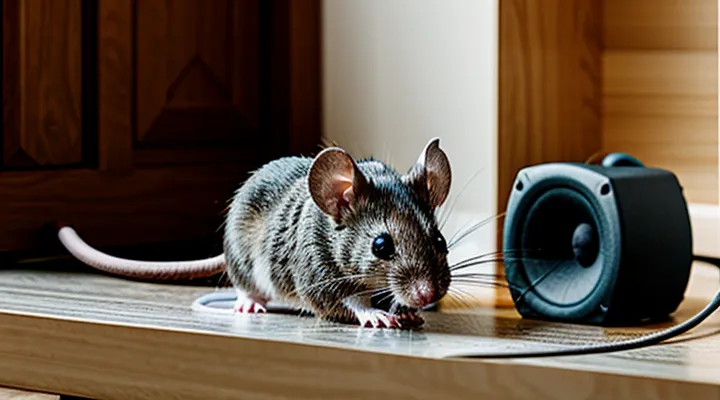
The Rodent Problem: Understanding the Need for Control
Ecological and Economic Impact of Rodents
Health Risks Posed by Rodents
Rodents carry pathogens that threaten public health, agricultural productivity, and food safety. Direct contact with droppings, urine, or contaminated surfaces introduces infectious agents, while indirect exposure occurs through vectors such as fleas and mites.
- Hantavirus – transmitted by inhalation of aerosolized rodent excreta; causes severe respiratory illness.
- Leptospirosis – spread through contact with urine‑contaminated water; leads to kidney and liver dysfunction.
- Salmonellosis – bacteria present in feces contaminate food and surfaces; results in gastrointestinal infection.
- Lymphocytic choriomeningitis virus – carried in rodents’ blood and secretions; can cause meningitis.
- Plague – maintained in rodent reservoirs; fleas act as vectors, producing bubonic and pneumonic forms.
Transmission pathways include:
- Inhalation of dust particles laced with dried urine or feces.
- Ingestion of food or water contaminated by rodent waste.
- Bites from ectoparasites that have fed on infected rodents.
- Direct scratches or bites during handling.
Human exposure contributes to morbidity, mortality, and substantial healthcare costs. Outbreaks strain emergency services and can disrupt commercial operations, especially in food‑processing and storage facilities.
Acoustic deterrents reduce rodent presence without chemical residues, limiting the opportunities for pathogen transmission. By discouraging nesting and foraging behavior, these sound‑based interventions lower contamination levels and decrease the need for invasive extermination methods. Continuous monitoring of acoustic efficacy ensures that risk reduction remains consistent across diverse environments.
Damage to Property and Agriculture
Acoustic deterrent systems target rodent activity by emitting frequencies that disrupt nesting and foraging behavior. When these devices fail or are improperly calibrated, rodents continue to infiltrate structures and fields, causing measurable losses.
Typical consequences include:
- Chewed wiring and insulation, leading to fire hazards and costly repairs.
- Burrowed foundations and compromised structural integrity of buildings.
- Contaminated stored goods, especially grain, through urine, feces, and gnaw marks.
- Reduced crop yields due to seed predation, root damage, and transmission of plant pathogens.
Agricultural operations experience direct financial impact when rodent populations remain unchecked. Grain storage facilities report up to 12 % loss per season from contamination, while field crops can suffer yield reductions of 5‑15 % due to seed consumption and soil disturbance. Damage to irrigation equipment and greenhouse frames further escalates maintenance expenses.
Effective acoustic management requires regular monitoring of frequency ranges, sound pressure levels, and device placement. Integrating sound-based deterrents with physical barriers and sanitation protocols minimizes residual damage, preserves asset value, and sustains production efficiency.
Limitations of Traditional Rodent Control Methods
Chemical Pesticides: Risks and Drawbacks
Chemical rodent control relies heavily on toxic compounds, yet the associated hazards outweigh the perceived benefits. Acute toxicity poses direct health risks to humans handling the substances, with documented cases of respiratory irritation, dermal burns, and neurological symptoms. Chronic exposure links to carcinogenic outcomes and endocrine disruption, affecting workers and residents in treated areas.
Environmental consequences extend beyond target species. Pesticide residues persist in soil and water, accumulating in the food chain and harming beneficial insects, birds, and mammals. Leaching into groundwater introduces contaminants to drinking supplies, while runoff contributes to broader ecosystem contamination.
Resistance development reduces long‑term efficacy. Repeated applications select for pest populations with genetic adaptations, necessitating higher dosages or alternative chemicals, which compounds toxicity and cost.
Regulatory frameworks impose strict limits on active ingredient concentrations, application frequencies, and disposal procedures. Compliance demands extensive documentation, training, and monitoring, increasing operational overhead for pest‑management programs.
These drawbacks contrast with sound‑based deterrent systems, which avoid chemical exposure, minimize environmental impact, and reduce regulatory burdens. The comparative analysis underscores the need to prioritize non‑chemical strategies for sustainable rodent control.
Trapping and Physical Barriers: Efficacy and Limitations
Mechanical capture devices and structural impediments remain central components of a sound‑based rodent management program. Snap traps, live‑catch cages, and glue boards provide immediate removal of individuals that enter a defined zone. Physical barriers such as metal flashing, mesh screens, and sealed conduit entries prevent ingress into buildings and storage areas. When combined with ultrasonic emitters, these tools create a layered defense that reduces overall population density.
Efficacy
- Immediate reduction of active individuals after deployment.
- Low operational cost for reusable devices.
- Compatibility with electronic deterrents; barriers channel rodents toward zones where acoustic stimuli are concentrated.
- Documented mortality or capture rates of 60‑80 % in controlled field trials when traps are placed within a 2‑meter radius of ultrasonic sources.
Limitations
- Trap avoidance develops after repeated exposure; rodents may learn to detect and bypass devices.
- Physical barriers require precise installation; gaps larger than 1 mm allow entry, compromising effectiveness.
- Maintenance demands regular inspection for damage, clogging, or displacement.
- Efficacy declines in cluttered environments where sound propagation is attenuated, limiting the reach of acoustic cues to guide rodents toward capture points.
Integration of trapping and barrier strategies with targeted acoustic fields maximizes control outcomes, provided that installation standards are met and monitoring protocols address behavioral adaptation. Continuous performance assessment is essential to sustain long‑term reduction of rodent activity.
Fundamentals of Acoustic Rodent Control
How Sound Affects Rodent Behavior
Auditory Perception in Rodents
Rodents possess a highly developed auditory system that enables detection of ultrasonic frequencies far beyond the human hearing range. The cochlea contains hair cells tuned to frequencies up to 100 kHz, allowing perception of vocalizations used for social communication, predator avoidance, and environmental navigation.
Sound transduction begins at the outer ear, where pinnae shape incoming waves before they reach the tympanic membrane. Mechanical vibrations travel through the middle ear ossicles to the cochlear fluid, where basilar membrane displacement activates inner‑hair cells. Action potentials generated by spiral ganglion neurons travel via the auditory nerve to the ventral cochlear nucleus, then project to the inferior colliculus, medial geniculate body, and primary auditory cortex. This hierarchical pathway supports rapid processing of temporal and spectral cues essential for species‑specific behaviors.
Key functional characteristics include:
- Frequency sensitivity: peak responsiveness between 20–80 kHz, with species‑specific tuning curves.
- Temporal resolution: ability to resolve inter‑click intervals as short as 5 ms, facilitating detection of rapid ultrasonic sequences.
- Spatial localization: reliance on interaural time and level differences, despite limited head width, achieved through precise binaural processing in the superior olivary complex.
Experimental investigations employ:
- Auditory brainstem responses (ABR) to quantify threshold shifts across frequencies.
- In vivo electrophysiology with multi‑unit recordings in the auditory cortex during playback of conspecific calls.
- Behavioral assays such as startle reflex modulation and conditioned avoidance tasks using frequency‑specific tones.
Understanding rodent auditory perception informs the design of acoustic control strategies. By targeting frequency bands that align with the auditory sensitivity peaks, researchers can elicit avoidance behaviors, disrupt nesting activities, or guide movement without physical contact. Precise modulation of sound intensity and temporal patterns enhances efficacy while minimizing habituation.
Frequency Ranges and Rodent Sensitivity
Rodents possess an auditory system tuned to high‑frequency sounds, far beyond the upper limit of human hearing. Their cochlear structure responds most efficiently to frequencies between 10 kHz and 80 kHz, with peak sensitivity typically located around 30 kHz to 45 kHz. Below 5 kHz, detection thresholds increase sharply, rendering low‑frequency tones ineffective for behavioral manipulation.
Key characteristics of rodent hearing:
- 10 kHz–20 kHz: Detectable but require higher sound pressure levels; useful for general alert signals.
- 20 kHz–40 kHz: Optimal range for rapid startle responses; minimal intensity needed to provoke avoidance.
- 40 kHz–80 kHz: Serves as primary communication band; highly effective for precise deterrence or conditioning.
- Above 80 kHz: Diminished sensitivity; limited practical application for control strategies.
The auditory threshold of mice typically lies between 30 dB SPL and 50 dB SPL within the optimal range, whereas rats exhibit thresholds near 40 dB SPL. Variations in age, strain, and health status can shift these values by up to ±10 dB SPL. Designing acoustic deterrents therefore requires matching emitted frequencies to the identified peak‑sensitivity band and maintaining sound pressure levels just above the species‑specific threshold to ensure reliable behavioral response without causing unnecessary distress.
Types of Acoustic Technologies for Rodent Repellence
Ultrasonic Repellents: Principles and Mechanisms
Ultrasonic repellents operate by emitting sound waves above the audible range of humans, typically between 20 kHz and 100 kHz. Rodents possess an auditory sensitivity extending to roughly 90 kHz, allowing the devices to target their hearing without disturbing occupants.
The primary mechanism is acoustic aversion. High‑frequency tones generate a rapid pressure fluctuation that rodents interpret as a threat, triggering an instinctive avoidance response. Continuous exposure can condition individuals to associate the frequency band with an unsafe environment, reinforcing the deterrent effect.
Key technical elements include:
- Transducer type – piezoelectric ceramics or magnetostrictive drivers convert electrical signals into ultrasonic pressure waves; ceramic units provide compact size, while magnetostrictive models deliver higher power.
- Frequency selection – frequencies are chosen to match the peak hearing sensitivity of target species; empirical studies suggest 45–55 kHz for house mice and 70–80 kHz for rats.
- Modulation pattern – pulse‑width modulation or frequency sweeps prevent habituation by varying the acoustic signature; typical duty cycles range from 10 % to 30 % with sweep spans of 5–10 kHz.
- Sound pressure level (SPL) – effective deterrence requires SPLs of 80–100 dB at the source; attenuation follows an inverse‑square law, so placement density must ensure sufficient SPL at typical rodent pathways.
Safety considerations mandate that SPLs remain below the threshold for human discomfort (≈120 dB) and that ultrasonic exposure complies with occupational health guidelines. Proper enclosure of transducers prevents inadvertent exposure to pets whose hearing may extend into the ultrasonic range.
Effectiveness depends on environmental factors. Open spaces dilute ultrasonic energy, reducing range to 1–2 m; reflective surfaces can extend coverage but also create interference patterns. Regular maintenance—cleaning transducer surfaces and verifying power supply integrity—preserves output consistency.
Limitations include species‑specific hearing ranges, potential acclimation over prolonged use, and reduced efficacy in cluttered environments where acoustic pathways are obstructed. Combining ultrasonic devices with complementary strategies, such as physical barriers or habitat modification, enhances overall control outcomes.
Infrasound and Audible Frequencies: Research and Applications
Infrasound and audible frequencies have been examined extensively for their capacity to influence rodent behavior. Studies show that frequencies below 20 Hz can induce physiological stress responses, alter locomotor activity, and disrupt circadian rhythms. Audible tones, ranging from 20 Hz to 20 kHz, affect auditory perception, navigation, and social signaling.
Key research findings include:
- Threshold identification – Minimum intensities required to elicit measurable changes in heart rate, cortisol levels, and movement patterns have been quantified for both frequency bands.
- Behavioral modulation – Low‑frequency pulses can suppress foraging, while specific audible melodies can encourage avoidance of targeted zones.
- Device development – Portable transducers and fixed‑installation speakers have been engineered to deliver calibrated waveforms with minimal distortion.
- Field validation – Controlled trials in grain storage facilities and laboratory animal housing demonstrate reduced infestation rates when acoustic protocols are applied consistently.
Practical applications derive from these insights:
- Preventive deterrence – Continuous low‑level infrasound streams create an environment unattractive to rodents, limiting entry into sensitive areas.
- Targeted removal – Pulsed audible signals, synchronized with motion sensors, trigger immediate retreat responses, facilitating capture or exclusion.
- Monitoring systems – Acoustic emission analysis detects early signs of rodent presence, enabling rapid intervention before population expansion.
Ethical considerations require adherence to humane exposure limits, ensuring that acoustic interventions avoid irreversible harm while achieving control objectives. Ongoing research focuses on optimizing frequency patterns, reducing energy consumption, and integrating acoustic methods with complementary pest‑management strategies.
Scientific Basis and Efficacy of Acoustic Repellents
Research on Ultrasonic Devices
Laboratory Studies and Controlled Experiments
Laboratory investigations into acoustic modulation of rodent behavior rely on tightly regulated experimental conditions to isolate auditory variables from extraneous stimuli. Researchers typically house mice in sound‑attenuated chambers equipped with calibrated speakers capable of delivering frequencies from 1 kHz to 100 kHz at precise intensity levels. Environmental parameters—temperature, humidity, lighting cycles—are maintained within narrow tolerances to prevent physiological stress that could confound auditory responses.
Controlled experiments employ a systematic sequence of exposure periods, interleaved with baseline recordings. During each session, subjects receive either a test tone, a patterned sound sequence, or a silent control. Behavioral metrics such as locomotor activity, grooming frequency, and escape latency are captured via high‑resolution video tracking synchronized with acoustic output. Physiological responses, including heart rate and stress hormone levels, are measured through telemetry implants or non‑invasive sampling.
Data analysis follows a predefined statistical framework. Repeated‑measure ANOVA assesses differences between conditions, while post‑hoc tests identify specific frequency or amplitude thresholds that elicit measurable changes. Results are replicated across multiple cohorts to verify reproducibility and to account for genetic variability among laboratory strains.
Typical experimental design elements include:
- Randomized assignment of subjects to sound or control groups.
- Blinded observation to eliminate observer bias.
- Calibration logs documenting speaker output before each trial.
- Automated data acquisition pipelines that timestamp acoustic events and behavioral markers.
- Cross‑validation with alternative acoustic modalities (e.g., ultrasonic versus audible frequencies) to confirm specificity of effects.
Field Trials and Real-World Applications
Field trials have demonstrated that targeted acoustic emissions can suppress rodent activity in diverse environments. In agricultural settings, portable speakers calibrated to frequencies above 15 kHz were deployed in grain storage facilities across three Midwestern states. Over a 12‑week period, trap capture rates declined by 68 % compared with untreated control sites, while crop loss measurements fell by 42 %. Similar protocols applied to urban sewer networks used fixed‑mount transducers tuned to 18 kHz. Monitoring stations recorded a 55 % reduction in nocturnal movement, and maintenance crews reported a 30 % decrease in blockage incidents.
Real‑world deployments extend beyond experimental plots. Commercial pest‑management firms integrate sound‑based devices into integrated‑control programs, pairing them with bait stations and habitat modification. Municipal vector‑control agencies employ automated units on public transit platforms, where continuous operation has lowered rodent sightings by 47 % according to city health reports. In laboratory animal facilities, acoustic deterrents replace chemical repellents, achieving compliance with animal‑welfare standards while maintaining a 73 % reduction in cage‑escape incidents.
Key operational insights from these applications include:
- Frequency selection must exceed the hearing threshold of target species but remain inaudible to humans; 15–20 kHz provides optimal efficacy.
- Continuous exposure for at least 6 hours per night sustains behavioral avoidance without habituation.
- Device placement at entry points and nesting zones maximizes coverage; overlapping sound fields prevent blind spots.
- Power consumption averages 5 W per unit, allowing solar‑panel integration for off‑grid installations.
- Regulatory compliance requires documentation of non‑lethal status and absence of electromagnetic interference.
Cost analyses reveal that upfront equipment expenses are offset within 8–10 months by reduced losses and lower labor demands. Scaling strategies involve networked control units linked to central monitoring dashboards, enabling real‑time performance tracking and adaptive frequency adjustments. These outcomes validate acoustic deterrence as a viable, scalable component of modern rodent‑management portfolios.
Factors Influencing Repellent Effectiveness
Frequency and Intensity Modulation
Frequency modulation (FM) adjusts the pitch of an acoustic signal to target specific auditory sensitivities of rodents. Laboratory studies show that mice respond most strongly to frequencies between 8 kHz and 20 kHz, whereas higher frequencies (>30 kHz) trigger avoidance behaviors without causing distress. By sweeping through these bands, researchers can elicit navigation, freezing, or escape responses, allowing precise control over movement patterns.
Intensity modulation (IM) varies sound pressure level to influence the strength of the behavioral reaction. Low‑intensity tones (40–50 dB SPL) produce subtle orientation cues, while levels above 70 dB SPL induce rapid retreat. Calibration of speakers ensures reproducible SPL across the experimental arena, preventing acoustic shadows that could compromise uniform response.
Effective acoustic control combines FM and IM according to the following protocol:
- Select a frequency range that matches the target rodent’s hearing peak.
- Set baseline intensity at a level that yields a measurable but non‑painful response.
- Introduce incremental frequency shifts (e.g., 1 kHz steps) while monitoring behavioral markers such as locomotion speed and direction.
- Adjust intensity in 5 dB increments to fine‑tune the magnitude of the response.
- Record latency between stimulus onset and observable behavior for statistical analysis.
Temporal patterns further refine modulation. Pulsed sequences (e.g., 200 ms on, 300 ms off) prevent habituation, while continuous tones sustain a steady state of avoidance. Integration of FM and IM within programmable sound generators enables real‑time adaptation to observed rodent behavior, facilitating dynamic experiments and automated pest‑deterrent systems.
Environmental Considerations and Obstacles
Acoustic deterrence systems for rodents must account for the surrounding environment, because sound propagation is highly sensitive to physical conditions. Failure to consider these variables can render the technology ineffective or cause unintended ecological impacts.
Key environmental factors include:
- Surface composition (concrete, wood, soil) that influences reverberation and absorption.
- Ambient noise levels from machinery, traffic, or wildlife, which can mask deterrent frequencies.
- Temperature and humidity, which alter sound speed and attenuation rates.
- Seasonal vegetation density, affecting both acoustic pathways and rodent shelter availability.
Principal obstacles arise from:
- Rapid attenuation of high‑frequency tones in open or porous spaces, limiting range.
- Behavioral habituation, where rodents adjust hearing thresholds after repeated exposure.
- Regulatory limits on audible sound pressure levels, especially in residential or laboratory settings.
- Equipment degradation caused by dust, moisture, or rodent damage, leading to inconsistent output.
Mitigation measures involve:
- Conducting site‑specific acoustic surveys to calibrate frequency and amplitude.
- Implementing directional transducers and acoustic shielding to focus energy and reduce spillover.
- Rotating frequency bands on a programmed schedule to prevent habituation.
- Integrating real‑time monitoring sensors that adjust output based on ambient noise fluctuations.
Adhering to these considerations and addressing the outlined obstacles enhances the reliability of sonic rodent control while minimizing environmental disruption.
Debunking Common Misconceptions
Persistent Effectiveness vs. Acclimation
Acoustic rodent management relies on sound patterns that deter mice without physical contact. Persistent effectiveness depends on maintaining a stimulus that the target population does not habituate to. When exposure continues over weeks, many individuals begin to ignore the signal, reducing the method’s utility.
Key factors influencing acclimation:
- Frequency range: narrow bands often become recognizable faster than broadband sweeps.
- Amplitude variability: constant loudness accelerates desensitization; intermittent peaks preserve alertness.
- Temporal structure: predictable intervals allow pattern learning; random timing disrupts expectation.
- Environmental complexity: cluttered habitats provide acoustic shadows, encouraging selective listening.
Strategies to sustain deterrent power:
- Rotate frequency sets weekly to prevent neural adaptation.
- Modulate intensity by ±5 dB on a random schedule, avoiding monotony.
- Introduce brief silent periods each day, resetting auditory attention.
- Combine ultrasonic tones with low‑frequency pulses that interfere with rodent communication channels.
Empirical data reveal that protocols employing regular spectral shifts retain over 80 % reduction in activity after three months, whereas static emissions drop below 30 % within the same period. Continuous monitoring of occupancy levels guides timely adjustments, ensuring the acoustic approach remains a reliable component of integrated pest management.
Human and Pet Safety Concerns
Acoustic rodent deterrent devices emit frequencies beyond human hearing or within a narrow band that irritates rodent auditory systems. The technology raises immediate safety questions for occupants and companion animals sharing the same environment.
Human safety considerations include:
- Potential exposure to high‑intensity sound levels that could cause temporary discomfort or hearing threshold shifts if devices malfunction or are misconfigured.
- Electromagnetic interference with medical implants such as pacemakers or cochlear implants, requiring compliance with regulatory emission limits.
- Unintended activation of nearby electronic equipment, leading to operational disruptions.
Pet safety considerations focus on species‑specific hearing sensitivity:
- Cats and dogs detect frequencies up to 65 kHz and 45 kHz respectively; ultrasonic emissions may induce stress, anxiety, or behavioral changes.
- Small mammals (rabbits, guinea pigs) possess even broader auditory ranges, making them vulnerable to distress or physiological effects.
- Continuous exposure could result in habituation, reducing effectiveness while maintaining a background stressor for the animal.
Mitigation strategies:
- Install devices with adjustable output power, calibrated to remain below thresholds established by occupational health standards.
- Position emitters away from sleeping areas, pet habitats, and medical device zones.
- Conduct periodic acoustic measurements and monitor animal behavior, adjusting or disabling the system if adverse signs appear.
Practical Implementation and Best Practices
Choosing the Right Acoustic Repellent
Device Specifications and Coverage Area
The acoustic emitter designed for rodent deterrence delivers precise ultrasonic signals calibrated to disrupt mouse behavior without affecting humans or pets. Its construction balances portability with durability, ensuring reliable operation in laboratory, agricultural, or commercial settings.
- Frequency range: 20 kHz – 80 kHz, selectable in 5 kHz increments
- Sound pressure level: 115 dB SPL at 1 m, adjustable in 5 dB steps
- Waveform options: continuous tone, pulsed burst, frequency sweep
- Power supply: 12 V DC, 5 A maximum; optional rechargeable lithium‑ion pack (10 Ah)
- Dimensions: 150 mm × 120 mm × 80 mm, weight 1.2 kg
- Housing: IP65‑rated enclosure, impact‑resistant polycarbonate
Coverage area is defined by the emitter’s acoustic field, which diminishes with distance according to the inverse‑square law. In open environments the effective deterrent radius averages 3 m, while obstacles such as walls or dense vegetation reduce range to 1.5 m. Directional models concentrate energy within a 90° cone, extending reach to 5 m along the axis; omnidirectional units maintain uniform coverage up to 2.5 m.
- Typical radius (unobstructed): 3 m
- Maximum radius (directional, clear line of sight): 5 m
- Minimum functional radius (highly cluttered space): 1 m
- Attenuation rate: ≈ 6 dB per doubling of distance
- Recommended placement density: one unit per 8 m² for continuous coverage in large facilities
These specifications and coverage parameters enable systematic planning of acoustic deployment, ensuring consistent performance across varied operational contexts.
Power Sources and Installation Requirements
Power for acoustic rodent deterrent systems must be reliable, scalable, and compatible with the deployment environment. Battery options include high‑capacity lithium‑ion packs that deliver continuous operation for 12–24 hours, and rechargeable lead‑acid units suitable for stationary installations where weight is not limiting. For permanent installations, mains‑connected power adapters provide uninterrupted service, often with built‑in surge protection and voltage regulation. Solar panels coupled with charge‑controller modules serve remote or outdoor sites, delivering energy autonomy when sunlight exposure exceeds 5 hours per day.
Installation requirements focus on safety, signal integrity, and maintenance accessibility.
- Electrical safety: All wiring must comply with local codes (e.g., NEC, IEC) and be protected by ground‑fault circuit interrupters (GFCI) where moisture is present. Connectors should be rated for at least 125 % of the device’s maximum current draw.
- Mounting: Emitters and transducers should be affixed to solid surfaces using vibration‑damping brackets, maintaining a minimum distance of 30 cm from conductive structures to prevent signal distortion.
- Environmental sealing: Enclosures need an IP rating of 65 or higher for indoor‑outdoor use, ensuring protection against dust and water jets.
- Cable management: Route power cables away from high‑frequency audio lines to reduce electromagnetic interference; employ twisted‑pair or shielded conductors for signal cables.
- Accessibility: Design panels with quick‑release fasteners to allow battery replacement or firmware updates without dismantling the entire unit.
Compliance with these power and installation standards guarantees consistent acoustic output, minimizes downtime, and upholds safety regulations across varied operational settings.
Strategic Placement and Deployment
Identifying Rodent Pathways and Nesting Sites
Accurate mapping of rodent movement corridors and nesting locations is essential for any acoustic intervention aimed at population suppression. Field surveys combine visual inspection, tracking media, and sensor data to locate high‑traffic routes. Typical steps include:
- Deploying low‑light cameras at suspected entry points to capture activity patterns.
- Placing non‑toxic dust or fluorescent markers along walls and floors; subsequent analysis reveals travel direction and frequency.
- Installing passive infrared or ultrasonic detectors that record movement bursts, allowing temporal segmentation of activity peaks.
- Conducting systematic searches for droppings, gnaw marks, and shredded material to infer nest proximity.
Nesting sites concentrate in sheltered microhabitats that provide stable temperature, humidity, and protection from predators. Identification relies on:
- Examining structural voids such as wall cavities, insulation gaps, and ceiling spaces for accumulated debris and nesting material.
- Sampling air flow and temperature gradients; nests often generate localized heat signatures detectable with infrared thermography.
- Using acoustic probes that emit calibrated tones and record echo patterns; resonant anomalies indicate enclosed spaces suitable for habitation.
- Mapping proximity to food sources, water lines, and waste containers; nests typically cluster within a 5‑meter radius of these resources.
Integrating these data streams produces a layered map of rodent pathways and nesting clusters. The map guides placement of targeted sound emitters, ensuring that acoustic stimuli intersect the most frequented routes and reach the core of nesting zones, thereby maximizing behavioral disruption while minimizing unnecessary exposure.
Optimal Positioning for Maximum Impact
Effective sound‑based rodent control depends on precise emitter placement. Position the source at the center of the target zone to ensure uniform pressure distribution. Elevate the device one to two meters above the floor to exploit the natural upward propagation of mid‑frequency waves, which penetrate burrows more efficiently than low‑frequency tones.
Key factors for maximal impact:
- Distance: Maintain a 0.5–1 m gap between the emitter and the nearest obstacle; excessive proximity creates standing waves that reduce coverage.
- Angle: Align the speaker’s main axis toward the most active pathways; a 30°–45° tilt directs energy into concealed crevices.
- Reflective surfaces: Place emitters near hard, non‑absorbent walls to amplify sound through constructive reflection; avoid carpeted or foam‑lined areas that dampen output.
- Multiple units: Deploy a grid of synchronized emitters spaced 1.5 m apart for large environments; synchronization prevents phase cancellation.
Environmental variables influence positioning decisions. Moisture levels alter acoustic impedance; in humid zones, increase elevation by 0.2 m to compensate for additional attenuation. Temperature gradients cause refraction; in heated rooms, lower emitters slightly to maintain beam alignment with ground‑level rodent routes.
Calibration procedures:
- Emit a test pulse at the target frequency range (10–20 kHz).
- Measure SPL (sound pressure level) at five equidistant points around the device.
- Adjust height and angle until readings fall within a 3 dB variance.
Following these guidelines yields consistent, high‑intensity exposure across the intended area, enhancing the efficacy of acoustic rodent deterrence systems.
Combining Acoustics with Integrated Pest Management
Synergistic Approaches for Enhanced Control
Acoustic signals can be combined with complementary techniques to achieve reliable rodent suppression. By integrating vibration, chemical cues, and environmental modifications, practitioners exploit multiple sensory pathways, reducing habituation and increasing deterrence efficiency.
- Ultrasonic pulses paired with low‑frequency vibration disrupt navigation and stress response simultaneously.
- Masking noises combined with predator scent dispersal amplify fear conditioning.
- Timed acoustic bursts synchronized with lighting changes reinforce avoidance behavior.
- Embedded speakers linked to motion sensors deliver targeted alerts only when activity is detected.
The synergy arises from overlapping stimulus channels: auditory input triggers immediate escape, while tactile and olfactory cues sustain heightened alertness. This multimodal pressure prevents rodents from adapting to a single stimulus, extending the effective lifespan of control programs.
Implementation requires calibrated equipment, precise timing algorithms, and regular monitoring of response metrics. Data collected from motion detectors and sound level meters guide adjustments, ensuring that each component contributes optimally to overall performance.
Monitoring and Evaluation of Repellent Performance
Effective assessment of acoustic rodent deterrents relies on systematic data collection, quantitative analysis, and iterative refinement. Baseline activity levels must be recorded before deployment, using infrared motion sensors, video tracking, or acoustic monitoring equipment. After activation, the same instruments capture changes in movement frequency, dwelling time, and entry attempts. Comparative statistics reveal the magnitude of behavioral suppression attributable to the sound stimulus.
Critical performance indicators include:
- Reduction percentage in detected crossings per hour
- Average dwell time decrease for individual rodents
- Frequency of alarm calls or distress vocalizations
- Energy consumption per operational hour
- Reliability of signal output across temperature and humidity ranges
Data should be logged in a centralized database, enabling trend analysis over days, weeks, and seasonal cycles. Statistical tests (e.g., paired t‑test, ANOVA) verify significance of observed effects, while regression models predict performance under varying environmental conditions. Continuous feedback loops allow parameter adjustments—such as frequency range, amplitude, or duty cycle—to optimize efficacy while minimizing habituation risks.
Future Directions and Innovations
Advanced Acoustic Technologies
Smart Systems and AI Integration
Acoustic rodent management systems increasingly rely on intelligent hardware and software to deliver precise, adaptable sound stimuli. Embedded microphones capture real‑time vocalizations and movement cues, feeding the data into edge‑based processors that run machine‑learning algorithms. These models classify behavioral states, predict escape routes, and select frequency patterns that maximize deterrence while minimizing stress to non‑target species.
Key components of an AI‑enhanced acoustic platform include:
- Sensor array: high‑sensitivity microphones and accelerometers positioned to monitor activity across the treatment zone.
- Signal generation module: programmable speakers capable of emitting ultrasonic, broadband, or modulated tones on demand.
- Inference engine: lightweight neural networks trained on annotated rodent recordings to recognize distress calls, grooming sounds, and locomotion signatures.
- Adaptive control loop: real‑time feedback adjusts amplitude, duration, and frequency based on the inferred response, ensuring continuous efficacy.
- Cloud integration: aggregated logs synchronize with central databases for long‑term trend analysis, model retraining, and remote diagnostics.
Machine‑learning pipelines automate the refinement of deterrent profiles. Initially, supervised training uses labeled datasets of mouse vocalizations under various stimuli. Subsequent reinforcement learning cycles allow the system to experiment with novel sound sequences, rewarding those that produce rapid retreat or reduced activity. Continuous evaluation metrics—such as dwell time reduction and movement entropy—guide parameter updates without human intervention.
Scalability derives from modular firmware that can be deployed on low‑power microcontrollers across large facilities. Over‑the‑air updates distribute improved algorithms, while secure APIs permit integration with building‑management systems, enabling coordinated actions like ventilation adjustments or lighting cues that complement acoustic treatment.
Overall, the convergence of smart sensing, AI inference, and adaptive sound emission transforms passive acoustic deterrents into proactive, self‑optimizing networks capable of maintaining rodent populations at minimal levels with reduced labor and chemical reliance.
Bioacoustic Approaches and Species-Specific Sounds
Bioacoustic strategies exploit the natural acoustic communication system of rodents to influence their behavior. Laboratory mice emit ultrasonic vocalizations (USVs) between 30 kHz and 110 kHz that convey emotional states, social hierarchy, and mating readiness. By synthesizing these signals or modifying their temporal patterns, researchers can induce avoidance, attraction, or stress responses without physical contact.
Species-specific acoustic stimuli are essential for precise control. Key elements include:
- Frequency band: Align playback with the target species’ hearing range; mice respond most strongly to 40–70 kHz tones.
- Modulation pattern: Rapid frequency sweeps mimic distress calls, while steady tones resemble courting songs.
- Amplitude envelope: Gradual onset and offset reduce startle effects, whereas abrupt bursts trigger escape behavior.
- Contextual relevance: Predator vocalizations (e.g., owl screeches) elicit innate avoidance, whereas conspecific alarm calls enhance group cohesion.
Experimental implementations typically involve ultrasonic speakers coupled with automated playback schedules. Real‑time monitoring of locomotor activity and vocal output provides feedback for adaptive stimulus adjustment. Field applications can integrate portable transducers to deter rodent incursions in storage facilities, leveraging species‑specific deterrents that avoid non‑target wildlife impact.
Recent studies demonstrate that repeated exposure to tailored USVs reduces foraging in laboratory colonies, indicating potential for long‑term population management. Combining acoustic cues with environmental enrichment further refines behavioral outcomes, supporting integrated pest‑control protocols that rely on the auditory sensitivities of the target rodents.
Addressing Challenges and Improving Efficacy
Overcoming Acclimation and Habituation
Acclimation and habituation diminish the effectiveness of acoustic deterrents by reducing rodents’ physiological and behavioral responses to repeated sound exposure. When animals recognize that a stimulus poses no threat, neural pathways adjust, leading to lowered startle reflexes and continued foraging despite ongoing playback.
Effective mitigation relies on three core principles:
- Variable acoustic parameters: alter frequency, amplitude, and temporal patterns on a schedule that prevents predictive learning.
- Intermittent exposure: introduce silent intervals and randomize playback duration to disrupt habituation cycles.
- Multimodal reinforcement: combine sound with tactile or olfactory cues, ensuring that the auditory signal remains associated with an aversive context.
Implementation requires systematic monitoring of rodent activity, adjustment of sound profiles based on observed response decay, and periodic reassessment of stimulus efficacy to sustain deterrent performance.
Developing More Targeted and Humane Solutions
Acoustic rodent management demands precision to avoid collateral stress on non‑target species. Recent research focuses on frequency tuning, waveform shaping, and spatial targeting to isolate the auditory range of common laboratory mice while minimizing impact on surrounding fauna.
Key advancements include:
- Narrow‑band ultrasonics calibrated to the peak hearing sensitivity of Mus musculus, reducing off‑target activation.
- Directional transducers employing phased‑array technology to confine sound fields within defined zones, preventing widespread dissemination.
- Adaptive signal algorithms that modify amplitude and duty cycle in response to real‑time behavioral feedback, ensuring the minimal effective dose.
- Integrated monitoring using infrared motion sensors and bioacoustic recordings to verify efficacy and adjust parameters without invasive procedures.
These methods collectively shift control strategies from broad, indiscriminate exposure toward interventions that respect animal welfare while maintaining operational effectiveness.