
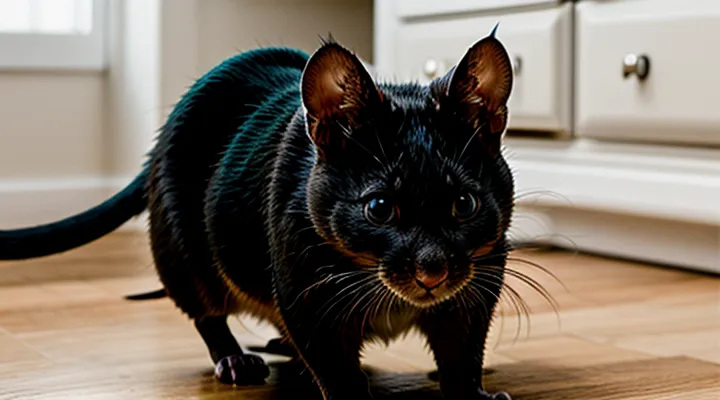
Understanding Mouse Behavior and Olfaction
Why Scent is Crucial for Mice
Mouse Communication Through Scent
Mice rely heavily on olfactory cues to establish territories, identify kin, and signal reproductive status. Individual scent marks, primarily urine and glandular secretions, contain specific pheromones that other mice detect with a highly sensitive nasal epithelium. These chemical messages convey dominance hierarchies, warn of predators, and synchronize breeding cycles.
When a mouse deposits urine along a wall, the volatile compounds disperse quickly, creating a scent trail that other mice follow to locate food sources or avoid conflict zones. Glandular secretions from the flank and preputial glands add a layer of individual identity, allowing mice to distinguish familiar conspecifics from strangers. Disruption of these signals can lead to heightened stress, reduced feeding, and abandonment of infested areas.
Certain odors interfere with mouse pheromonal communication by masking or neutralizing the relevant volatile compounds. Effective repellents exploit this mechanism, making the environment chemically hostile to the mice’s social signaling system.
- Peppermint oil: strong menthol vapors overwhelm urine-derived pheromones, causing disorientation.
- Eucalyptus oil: high concentrations of eucalyptol mask flank gland secretions, diminishing territory recognition.
- Citronella: citral compounds disrupt the detection of predator alarm pheromones, reducing perceived safety.
- Clove oil: eugenol interferes with the binding of pheromones to olfactory receptors, impairing social coordination.
Application guidelines: saturate cotton balls or cloth strips with the selected oil, place them near known mouse pathways, and refresh every 48 hours to maintain potency. Ensure ventilation to prevent human irritation while preserving the repellent effect.
Understanding mouse olfactory communication clarifies why specific scents deter infestation. By targeting the species’ reliance on chemical signals, homeowners can employ odor-based strategies that are both humane and scientifically grounded.
Mouse Navigation and Food Seeking
Mice locate food primarily through scent, following volatile compounds that lead from entry points to potential sources. Their olfactory system detects concentrations as low as a few parts per billion, allowing them to trace minute gradients across walls, floors, and ceilings. Whisker feedback and low‑light vision supplement this navigation, but the dominant cue remains chemical.
During foraging, a mouse samples ambient odors, compares them with stored memory of profitable routes, and evaluates risk based on predator‑related scents. When a food source emits a strong, recognizable aroma, the rodent reinforces the path with pheromone markings, creating a repeatable trail that other mice can exploit.
Repellent odors interfere with this process by masking food scents and introducing aversive signals that the animal associates with danger. Effective compounds include:
- Peppermint oil (high menthol concentration) – overwhelms olfactory receptors, disrupts trail recognition.
- Ammonia solution – produces pungent vapors that trigger avoidance behavior.
- Clove oil (eugenol) – creates a hostile scent environment, discourages marking.
- Citronella extract – emits a sharp, citrus odor that masks food cues.
Application guidelines:
- Dilute essential oils to a 5‑10 % solution in water or carrier oil.
- Soak cotton balls or apply spray near entry points, along baseboards, and around suspected feeding stations.
- Reapply every 48‑72 hours, or after cleaning, to maintain potency.
- Combine multiple scents in separate locations to prevent habituation.
By disrupting the chemical map mice rely on, these odors reduce the likelihood of successful food acquisition and encourage the rodents to seek alternative habitats.
Limitations of S Olfactory Repellents
Olfactory repellents based on strong scents offer a non‑chemical option for deterring rodents, yet their practical impact is constrained by several factors. The volatile compounds disperse quickly, limiting the effective radius to a few feet; rooms larger than this require multiple sources or frequent renewal. Mice can become desensitized after repeated exposure, diminishing the repellent’s deterrent power over time.
- Short‑term effectiveness demands regular reapplication, typically every few days.
- Concentration must be high enough to be perceptible to rodents but low enough to avoid human discomfort or respiratory irritation.
- Environmental variables such as humidity, temperature, and airflow alter diffusion rates, causing inconsistent coverage.
- Certain scents may attract other pests (e.g., insects) or interfere with pet behavior.
- Commercial formulations often lack standardized potency, leading to variable results across brands.
Because these limitations reduce reliability, olfactory solutions should complement, not replace, structural sealing, sanitation, and trapping measures for comprehensive mouse control.
Natural Scents That Repel Mice
Essential Oils and Their Application
Peppermint Oil
Peppermint oil contains menthol and volatile compounds that produce an odor mice find intolerable. The scent interferes with their olfactory receptors, discouraging entry and habitation.
To employ peppermint oil effectively, follow a structured protocol:
- Dilute 10‑15 drops of pure peppermint oil in 250 ml of water.
- Transfer the mixture to a spray bottle.
- Apply the spray to the exterior of doors, windows, baseboards, and any visible mouse pathways.
- Place cotton balls soaked with 5‑8 drops of oil in hidden corners, cupboards, and under appliances.
- Refresh applications every 3‑4 days, especially after cleaning or ventilation.
Direct contact with undiluted oil may irritate skin and respiratory passages; use gloves when handling concentrated oil. Store the bottle in a dark, cool environment to preserve potency. Keep oil and treated materials out of reach of children and pets, as ingestion can cause gastrointestinal upset. Combining peppermint oil with sealing cracks and removing food sources maximizes deterrent effect.
Eucalyptus Oil
Eucalyptus oil emits a strong, camphoraceous aroma that mice find intolerable. The scent interferes with their olfactory receptors, discouraging entry and lingering in areas where food is stored or waste accumulates.
Effective application methods include:
- Dilute 10 ml of pure eucalyptus oil in 250 ml of water; spray the solution along baseboards, entry points, and behind appliances every 3‑4 days.
- Soak cotton balls with undiluted oil and place them in sealed containers, pantry corners, and crawl‑space openings; replace the balls weekly.
- Add 5‑6 drops of oil to a diffuser operating for 30 minutes in rooms where mouse activity is suspected; maintain ventilation after use.
The oil’s volatility ensures rapid dispersion, while its low toxicity makes it safe for homes with pets and children when used as directed. Regular reapplication sustains the repellent effect, preventing re‑infestation.
Citronella Oil
Citronella oil is a plant‑derived essential oil known for its strong, citrus‑like aroma that rodents find unpleasant. The oil’s primary active compounds, citronellal and geraniol, interfere with mice’s olfactory receptors, prompting avoidance of treated areas.
The oil can be deployed in several practical ways:
- Soak cotton balls or small fabric pads, place them in corners, behind appliances, and along baseboards where mice travel. Replace every 3–5 days to maintain potency.
- Add a few drops to an ultrasonic diffuser, allowing continuous vapor release in rooms prone to infestation.
- Create a spray by mixing 10–15 ml of citronella oil with 250 ml of water and a teaspoon of mild dish soap; mist surfaces such as shelves, pantry doors, and entry points.
- Incorporate a few drops into a carrier oil (e.g., mineral oil) and apply thinly to the exterior of mouse traps to deter non‑target species while enhancing the trap’s attractiveness to rodents.
Effective concentrations typically range from 0.5 % to 2 % of total volume. Excessive amounts may cause strong odors that become intolerable for occupants and may irritate the respiratory system. Apply only the amount needed to saturate the target area; a thin, even layer is sufficient.
Citronella oil is generally safe for humans when used as directed, but prolonged skin contact can cause irritation. Pets, especially cats, may be sensitive; avoid direct application on fur or surfaces they frequently lick. Ensure adequate ventilation during use and store the oil out of reach of children.
Combining citronella with other natural repellents—such as peppermint oil, eucalyptus oil, or dried lavender—can broaden the spectrum of odors that deter mice, reducing the likelihood of habituation. Rotate or blend oils every few weeks to maintain effectiveness without increasing concentration.
Tea Tree Oil
Tea tree oil emits a sharp, medicinal aroma that mice find intolerable, making it a reliable component of indoor rodent‑deterrent strategies.
The oil’s primary active compound, terpinen‑4‑ol, interferes with the rodents’ olfactory receptors, prompting avoidance of treated areas. Concentrations between 5 % and 10 % in water are sufficient to produce a deterrent effect without causing irritation to humans.
Application methods include:
- Diluting oil in water (5 %–10 %) and spraying along baseboards, entry points, and known pathways.
- Soaking cotton balls in undiluted oil, placing them in corners, cabinets, and under appliances; replace every 48 hours.
- Adding a few drops to a diffuser for continuous low‑level vapor distribution in rooms prone to infestation.
Safety precautions require keeping treated cotton balls out of reach of pets and children, avoiding contact with food‑preparation surfaces, and ventilating rooms after spraying. Prolonged exposure may cause skin irritation; use gloves when handling undiluted oil.
Effectiveness diminishes as the scent evaporates; reapplication every two to three days maintains a repellent barrier. Combining tea tree oil with complementary scents such as peppermint or eucalyptus can broaden the spectrum of deterrence, though the core action remains the oil’s strong, pungent odor.
How to Use Essential Oils
Essential oils provide a natural, odor‑based barrier against house mice when applied correctly. Choose oils with proven rodent‑deterrent properties—peppermint, eucalyptus, citronella, clove, and rosemary are the most effective.
Prepare a dilution that balances potency with safety. Mix 10‑15 drops of oil with 30 ml of carrier liquid such as water, white vinegar, or a mild vegetable oil. For cotton‑ball applications, saturate each ball with 5‑8 drops of undiluted oil; place the balls in concealed areas where mice travel, such as behind appliances, under sinks, and inside wall voids.
Apply the solution using the following routine:
- Identify entry points and high‑traffic zones.
- Deploy saturated cotton balls or spray the diluted mixture onto cloth strips.
- Replace or re‑saturate every 3‑5 days, or after cleaning or moisture exposure.
- Rotate oils weekly to prevent habituation; alternate peppermint with eucalyptus or clove.
Safety considerations include keeping oils out of reach of children and pets, avoiding direct skin contact without gloves, and testing a small area for material compatibility before widespread use. Store unopened bottles in a cool, dark place to preserve potency.
Consistent application of these practices creates an olfactory environment that discourages mice from nesting, while maintaining a chemical‑free household.
Scented Cotton Balls
Scented cotton balls serve as a simple, low‑cost method for delivering volatile compounds that discourage rodent activity. The cotton absorbs the aromatic oil or powder, allowing the scent to disperse slowly in confined spaces such as cabinets, pantry corners, and under appliances.
- Effective scents include peppermint oil, eucalyptus oil, clove oil, and citronella oil. Each contains phenolic or terpenoid molecules that trigger an aversive response in mice.
- Prepare a cotton ball by saturating it with 5–10 drops of essential oil or sprinkling ½ teaspoon of powdered spice. Allow excess liquid to drip off before placement.
- Position the treated cotton ball 12–18 inches from potential entry points, near food storage, and in dark crevices where mice travel.
- Replace the cotton ball every 7–10 days, or sooner if the scent fades noticeably.
Safety considerations: avoid direct contact with eyes and skin; use gloves when handling concentrated oils. Store cotton balls out of reach of children and pets to prevent accidental ingestion. Do not apply oils to surfaces that may be damaged by solvents.
Monitoring results: after initial deployment, observe mouse activity for 48 hours. If signs persist, increase the number of cotton balls or combine with physical barriers such as door sweeps and sealed food containers. Consistent use of scented cotton balls, integrated with proper sanitation, reduces the likelihood of infestation without relying on toxic chemicals.
Diffusers
Diffusers disperse volatile compounds that mice find unpleasant, creating an invisible barrier that discourages entry and nesting. The technology relies on continuous emission of essential oils or synthetic repellents, maintaining a low‑level scent throughout the treated area.
Effective mouse‑repelling aromas include peppermint, eucalyptus, clove, and citronella. Each oil should be diluted according to the diffuser’s specifications, typically a few drops per 100 ml of water, to avoid saturation that could irritate occupants.
Application guidelines
- Position the device near known entry points, such as gaps under doors, utility shafts, and pantry shelves.
- Keep the diffuser at least 30 cm above surfaces to ensure even vapor distribution.
- Operate for 8–12 hours daily during peak mouse activity periods (dusk and dawn).
- Replace the oil mixture every 2–3 weeks to sustain potency.
Safety considerations require placing diffusers out of reach of children and pets, using only food‑grade oils, and ensuring adequate ventilation to prevent respiratory discomfort. Regular cleaning of the reservoir prevents mold growth, which could diminish the repellent effect.
Advantages of diffusers include silent operation, no mess from traps, and the ability to cover larger spaces compared to localized deterrents. Limitations involve dependence on power sources, reduced efficacy in highly ventilated rooms, and the need for periodic maintenance. Selecting a high‑quality ultrasonic or heat‑based model enhances oil vaporization, delivering consistent odor levels that effectively deter mice without compromising indoor air quality.
Spray Solutions
Spray solutions provide a practical way to distribute volatile compounds that mice find unpleasant. Common active ingredients include peppermint oil, eucalyptus oil, clove oil, and citrus extracts, each possessing a strong scent that interferes with rodent olfactory cues. Commercial products often combine these essential oils with a carrier such as water, alcohol, or a mild detergent to improve adhesion to surfaces.
To prepare a homemade mouse‑repellent spray, follow these steps:
- Mix 20 ml of pure peppermint oil with 500 ml of distilled water.
- Add 2 ml of vodka or rubbing alcohol to enhance evaporation.
- Incorporate a teaspoon of liquid dish soap to emulsify the mixture.
- Transfer the blend to a spray bottle and shake vigorously before each use.
Application guidelines:
- Target entry points, including door frames, baseboards, and gaps around pipes.
- Spray a thin, even coating on the exterior of cabinets, countertops, and pantry shelves.
- Reapply every 48 hours, or after cleaning, to maintain an effective scent barrier.
- Avoid direct contact with food preparation surfaces; allow the spray to dry completely before handling food.
Safety considerations are essential. Essential oils may irritate skin and eyes; wear gloves and protective eyewear during preparation. Keep sprays out of reach of children and pets, and store them in a cool, dark place to preserve potency.
Effectiveness depends on consistent coverage and periodic renewal of the odor. Studies indicate that a sustained concentration of peppermint oil above 0.5 % vol/vol can deter mouse activity for up to two weeks, provided the environment remains dry and the spray is not washed away. Combining spray solutions with other non‑chemical measures—such as sealing cracks and maintaining cleanliness—optimizes overall rodent control.
Other Natural Repellents
Cayenne Pepper
Cayenne pepper is a potent deterrent for house mice because its strong, pungent aroma overwhelms their sensitive olfactory receptors. The capsaicin compound that gives the spice its heat also triggers an aversive response, causing rodents to avoid areas where the scent is present.
Effective application requires strategic placement and regular maintenance.
- Sprinkle a thin layer of cayenne powder along baseboards, behind appliances, and in entry points such as gaps around doors and windows.
- Mix equal parts cayenne and powdered garlic, then spread the blend in cabinets and pantry shelves to reinforce the repellent effect.
- Prepare a spray by dissolving one tablespoon of cayenne powder in a cup of white vinegar; apply to surfaces after the powder dries, allowing the liquid to carry the aroma into crevices.
Reapplication every 3‑5 days maintains potency, as the scent dissipates with cleaning and airflow. Avoid direct contact with food preparation surfaces; use a barrier of parchment paper or seal the treated area with a clear plastic sheet to prevent contamination.
Cayenne pepper does not eliminate mice but creates an environment they find hostile, reducing the likelihood of infestation when combined with proper sanitation and exclusion measures.
Garlic
Garlic emits a strong sulfurous odor that mice find unpleasant. The scent interferes with their sensory receptors, discouraging them from entering treated areas. Studies show that concentrated garlic vapor can reduce rodent activity within 24 hours of application.
Effective use of garlic requires consistent exposure:
- Crush several cloves and mix with water at a 1:4 ratio; let the mixture steep for 30 minutes, then strain.
- Soak cotton balls in the strained solution and place them in corners, behind appliances, and near entry points.
- Replace soaked cotton balls every 2–3 days to maintain potency.
- For larger spaces, fill spray bottles with the same solution and mist floors, baseboards, and shelving regularly.
Dry garlic powder can serve as a complementary barrier. Sprinkle a thin layer along mouse pathways, then seal with a light dusting of talc to slow evaporation. Reapply after cleaning or when the powder loses its aroma.
Garlic poses no toxicity to humans or pets when used externally, but avoid ingestion of large quantities. Store prepared solutions in sealed containers away from direct sunlight to preserve effectiveness.
Cloves
Cloves emit a strong, pungent aroma that mice find unpleasant, making them a practical component of odor‑based mouse deterrents for residential environments. The essential oil in cloves contains eugenol, a compound known for its repellent properties against various rodents.
The effectiveness of cloves depends on concentration, exposure time, and placement. Fresh whole cloves release volatile compounds slowly, while ground cloves or essential oil provide quicker, more intense scent dispersal. Consistent exposure is necessary to maintain an environment that rodents avoid.
Practical application methods include:
- Cotton ball placement: Soak cotton balls in clove essential oil (5–10 drops per ball) and position them in corners, behind appliances, and near entry points. Replace every 3–4 days to sustain potency.
- Clove‑infused sachets: Combine whole cloves with dried herbs in breathable fabric pouches. Hang or tuck pouches in cabinets, pantry shelves, and crawl spaces. Refresh monthly.
- DIY spray: Mix 1 cup water, 1 teaspoon ground cloves, and 1 teaspoon white vinegar. Heat briefly, cool, then transfer to a spray bottle. Apply to baseboards, door frames, and other travel routes. Reapply after cleaning or rain exposure.
- Barrier strips: Lay a thin line of ground cloves along the perimeter of a room or near known mouse pathways. Secure with tape to prevent displacement.
Safety considerations are straightforward. Cloves are non‑toxic to humans in the quantities used for deterrence, but direct ingestion or prolonged skin contact with concentrated oil may cause irritation. Keep prepared solutions out of reach of children and pets, and avoid applying oil directly to surfaces that may be damaged by strong fragrances.
Monitoring results involves observing mouse activity over a two‑week period after implementation. A noticeable decline in sightings or droppings indicates successful deterrence; otherwise, increase the number of application points or combine cloves with other aromatic repellents such as peppermint or citrus peels for synergistic effect.
Onion
Onion emits a strong sulfurous aroma that mice find unpleasant. The volatile compounds released when an onion is cut or bruised interfere with the rodents’ olfactory receptors, prompting them to avoid areas where the scent is present.
To employ onion as a deterrent, follow these steps:
- Slice fresh onions into rings or wedges, about one‑centimeter thick.
- Place the pieces on small trays, plates, or in breathable fabric pouches.
- Distribute the containers along mouse pathways, near entry points, and around stored food.
- Replace the onion material every 2–3 days, as the scent diminishes with exposure to air.
For extended coverage, combine fresh onion with a few drops of essential oil such as peppermint or eucalyptus in the same pouch. The mixture enhances the repellent effect without introducing toxic chemicals.
Caution: Onion scent can attract pets and affect sensitive individuals. Keep the preparations out of reach of children and animals, and ventilate the area regularly to prevent lingering odor.
Mothballs (Naphthalene)
Mothballs, composed primarily of naphthalene, emit a volatile odor that mice find uncomfortable, prompting them to avoid treated areas.
The scent works by irritating the rodents’ respiratory system and disrupting their ability to locate food and shelter. Effectiveness depends on maintaining a concentration that remains unpleasant to mice while staying below harmful levels for humans.
Application guidelines
- Place 2‑3 mothballs per 10 sq ft in concealed locations such as behind appliances, under cabinets, or inside wall voids.
- Use airtight containers (e.g., sealed plastic boxes) to control vapor release.
- Replace mothballs every 2‑3 weeks, as the odor diminishes over time.
- Ensure the treated space is well‑ventilated after the final replacement cycle.
Safety considerations
- Naphthalene is toxic if inhaled in large quantities; avoid use in occupied rooms.
- Keep mothballs out of reach of children and pets; many animals experience severe reactions to the fumes.
- Do not apply directly on food surfaces or where food is stored.
- In regions with strict chemical regulations, verify compliance before purchase.
Mothballs can deter mice when deployed correctly, but their health risks and legal restrictions often make them less suitable than non‑toxic alternatives. Use them only in isolated, uninhabited spaces and follow the outlined precautions to minimize danger.
Warning Regarding Mothballs
Mothballs contain naphthalene or paradichlorobenzene, chemicals that evaporate and produce a strong odor. The vapor can deter rodents, but it also poses serious health risks.
- Inhalation may cause headaches, nausea, dizziness, or respiratory irritation.
- Ingestion can lead to liver and kidney damage, especially in children and pets.
- Skin contact may produce allergic reactions or dermatitis.
The chemicals persist on surfaces, contaminating food preparation areas and clothing. Even low‑level exposure over time can accumulate in the body, increasing the likelihood of chronic effects.
Many jurisdictions classify mothballs as hazardous household products. Indoor use is restricted or prohibited in several states and countries. Violations can result in fines or liability for health damages.
If mothballs are employed despite the risks, follow strict precautions: use only in well‑ventilated spaces, keep them out of reach of children and animals, seal them in airtight containers when not actively dispersing odor, and dispose of used balls according to local hazardous‑waste guidelines.
Safer repellents—peppermint oil, dried lavender, cloves, or ultrasonic devices—provide comparable rodent deterrence without toxic fumes. These alternatives eliminate health hazards while maintaining effectiveness.
Vinegar
Vinegar emits a strong, sharp odor that mice find unpleasant, making it a practical option for deterring rodents in residential spaces.
The acetic acid in vinegar interferes with mice’s sensitive olfactory receptors, prompting them to avoid areas where the scent is present. The scent does not attract other household pests, offering a focused repellent effect.
- Soak cotton balls in white distilled vinegar and place them in known entry points, such as gaps around doors, windows, and baseboards.
- Fill a spray bottle with a 1:1 mixture of vinegar and water; spray the solution on countertops, pantry shelves, and behind appliances.
- Apply undiluted vinegar to a cloth and wipe surfaces where mouse droppings have been detected, disrupting scent trails.
- Refresh cotton balls or re‑spray surfaces every 48 hours, as the odor dissipates quickly in well‑ventilated rooms.
Vinegar is non‑toxic to humans and pets when used as described, but it should not be applied directly to food‑contact surfaces without thorough rinsing. The method works best when combined with other odor‑based deterrents and when entry points are sealed to prevent re‑infestation.
Dryer Sheets
Dryer sheets emit strong fragrances that mice find unpleasant, making them a practical option for deterring rodents in residential spaces. The scent concentration remains high after a single use, allowing the aroma to linger for several days when the sheets are placed strategically.
Effectiveness depends on the type of scent. Commonly scented sheets—such as lavender, citrus, or pine—contain essential oils that interfere with mice’s olfactory receptors, reducing their willingness to explore treated areas. Unscented or heavily perfumed varieties may be less reliable.
To employ dryer sheets as a rodent deterrent, follow these steps:
- Cut each sheet into 2‑inch squares to increase surface area.
- Place squares under cabinets, behind appliances, and in pantry corners where evidence of mouse activity has been observed.
- Replace the squares every 5‑7 days, or sooner if the fragrance diminishes.
- Avoid direct contact with food items; keep the sheets isolated from surfaces used for food preparation or storage.
Safety considerations include keeping dryer sheets out of reach of children and pets, as ingestion can cause gastrointestinal irritation. Do not apply sheets to upholstery or fabrics that will be in close contact with skin, as residual chemicals may cause allergic reactions.
Limitations are notable. Dryer sheets do not eliminate an existing infestation; they only create an unfavorable environment. For severe problems, combine this method with traps, sealing entry points, and professional pest control services.
Overall, dryer sheets provide a low‑cost, easy‑to‑implement supplement to broader rodent‑management strategies, especially in areas where chemical repellents are undesirable.
Used Coffee Grounds
Used coffee grounds emit a strong, bitter aroma that mice find unpleasant. The scent interferes with their olfactory navigation, discouraging entry into areas where the grounds are placed.
To employ spent coffee grounds effectively, follow these steps:
- Collect grounds after brewing, allowing them to cool completely.
- Spread a thin layer (approximately ¼ inch) along baseboards, under appliances, and in pantry corners.
- Refresh the layer every 3‑5 days to maintain potency, especially in humid environments.
- Combine with other natural repellents, such as dried lavender or peppermint oil, for broader coverage.
The material is safe for homes with pets and children, as it contains no toxic chemicals. However, it does not provide a permanent barrier; mice may return once the odor dissipates. Regular replacement and complementary sealing of entry points are necessary to sustain deterrence.
Ammonia
Ammonia produces a sharp, pungent odor that mice find intolerable. The scent irritates their nasal passages and disrupts normal foraging behavior, prompting them to avoid treated zones.
Effectiveness depends on concentration and exposure. A solution of one part household ammonia to three parts water creates a vapor strong enough to deter rodents without damaging most indoor surfaces. Direct application of undiluted ammonia can corrode finishes and pose health risks, so dilution is essential.
Practical application:
- Mix one cup of ammonia with three cups of water in a spray bottle.
- Spray the mixture along baseboards, behind appliances, and in any identified entry points.
- Reapply every 48 hours, or after cleaning, to maintain potency.
- Use a cloth or sponge to wipe surfaces in areas where mice have been sighted, allowing the solution to dry naturally.
Safety measures:
- Ensure adequate ventilation; open windows and run exhaust fans during and after treatment.
- Keep the solution out of reach of children and pets; store in a clearly labeled container.
- Wear gloves and eye protection when preparing and applying the mixture.
- Avoid contact with food preparation surfaces; clean any residue with a mild detergent before cooking.
Limitations include reduced appeal for occupants due to the strong smell and the possibility that heavily infested locations may require additional control methods. Ammonia should complement, not replace, structural repairs that block mouse access.
Commercial Natural Repellents
Commercial natural mouse deterrents rely on volatile compounds that mice find unpleasant. Products are formulated with plant extracts, essential oils, or mineral-derived scents, providing an alternative to synthetic chemicals.
Typical active ingredients include:
- Peppermint oil (Mentha piperita) – strong menthol aroma interferes with rodents’ olfactory receptors.
- Citronella (Cymbopogon spp.) – citrus‑grass scent masks food odors and discourages entry.
- Eucalyptus oil (Eucalyptus globulus) – sharp, camphorous vapors repel mammals.
- Clove oil (Syzygium aromaticum) – phenolic compounds produce a pungent environment.
- Naphthalene‑free mineral blends – powdered silica or diatomaceous earth create a dry, abrasive surface that irritates rodents.
Application methods recommended by manufacturers:
- Spray the concentrate on baseboards, behind appliances, and in entry points; reapply weekly or after cleaning.
- Place pre‑saturated pads or sachets in cabinets, closets, and crawl spaces; replace every 30‑45 days.
- Use plug‑in diffusers that emit a continuous low‑level mist; maintain power source continuously for best coverage.
- Apply granular formulations directly to nesting zones; avoid contact with food preparation surfaces.
Effectiveness depends on concentration, ventilation, and placement density. Studies show that consistent exposure to peppermint oil at 5 % dilution reduces mouse activity by up to 70 % in test chambers. Citronella and eucalyptus achieve comparable results when applied in sealed environments such as attics or basements.
Safety considerations:
- Verify that products are labeled pet‑safe; some essential oils can irritate cats or dogs at high concentrations.
- Keep all repellents out of reach of children; follow label instructions for maximum exposure time.
- Avoid direct application on food surfaces; use barriers such as cloth or paper when placing pads.
Selecting a commercial natural solution requires matching the scent profile to the target area, ensuring proper dosing, and maintaining a regular re‑application schedule. Consistent use creates an inhospitable olfactory landscape that deters mice without introducing toxic residues.
Types of Commercial Repellents
Commercial mouse repellents fall into several distinct categories, each relying on specific odor or sensory mechanisms to discourage rodents.
-
Essential‑oil sprays – Formulations containing peppermint, eucalyptus, or citronella oil. Application involves misting seams, entry points, and interior surfaces every few days. Concentrations typically range from 5 % to 10 % oil in a carrier solvent to ensure volatility without damaging finishes.
-
Granular deterrents – Pelleted products infused with natural extracts such as capsaicin or rosemary oil. Spread in a thin layer along foundation walls, crawl spaces, and garden borders. Re‑application is required after rain or after 4–6 weeks of exposure.
-
Plug‑in diffusers – Devices that heat or evaporate a liquid repellent blend, releasing a continuous scent plume. Install near suspected pathways; replace cartridges according to manufacturer guidelines, usually every 30 days.
-
Liquid concentrate concentrates – Highly concentrated solutions of plant‑based repellents that dilute with water for large‑area treatment. Mix according to label instructions (commonly 1 part concentrate to 20 parts water) and apply with a pump sprayer to walls, baseboards, and storage areas.
-
Ultrasonic emitters – Electronic units that generate high‑frequency sound waves perceived as hostile by mice. Position one device per 500 sq ft, ensuring unobstructed line of sight to target zones. Power sources may be mains‑plugged or battery‑operated; replace batteries annually.
-
Bait‑station additives – Repellent compounds added to rodent bait to deter consumption by non‑target species while still attracting mice. Use only in sealed stations, following dosage recommendations to maintain efficacy and safety.
Effective deployment combines proper placement with adherence to dosage intervals specified on product labels. Regular inspection of treated zones confirms coverage continuity and identifies any need for re‑application.
How to Deploy Commercial Repellents
Commercial mouse deterrents rely on concentrated odorants that irritate rodent sensory pathways. Effectiveness depends on proper selection, placement, and maintenance of the product.
Begin by selecting a repellent that lists proven active ingredients such as peppermint oil, eucalyptus, or synthetic rodent‑specific compounds. Verify that the label confirms safety for household use and clarifies any restrictions concerning children or pets. Purchase a formulation suited to the intended area—spray for open spaces, granules for crevices, or plug‑in devices for continuous diffusion.
Deployment procedure
- Identify entry points, nesting sites, and travel corridors; typical locations include gaps around pipes, under cabinets, and along baseboards.
- Apply the product according to manufacturer instructions: spray a thin, even coat on surfaces, disperse granules into voids, or position plug‑ins at least 12 inches from walls.
- Ensure coverage without saturating the area; excess concentration can diminish odor potency and increase health risks.
- Allow the repellent to air dry or activate for the period specified on the label before re‑entering the space.
After initial treatment, inspect the treated zones weekly. Reapply when the odor fades, when the product’s recommended duration expires, or after cleaning activities that may remove residues. Combine chemical deterrents with basic sanitation—seal food containers, eliminate standing water, and repair structural gaps—to prevent reinfestation.
Consistent adherence to these steps maximizes the deterrent effect of commercial mouse repellents while maintaining a safe indoor environment.
Strategic Deployment of Repellents
Identifying Mouse Entry Points
Inspect walls, foundations, and utility penetrations for gaps larger than a quarter‑inch. Mice squeeze through openings as small as 0.5 cm, so any crack, hole, or seam warrants attention.
Typical entry points include:
- Gaps around pipes, cables, and vent ducts;
- Unsealed gaps under doors and windows;
- Cracks in the foundation, siding, or basement walls;
- Openings around HVAC ducts, chimney flues, and dryer vents;
- Holes left by rodents or insects in insulation or drywall.
Use a flashlight and a mirror to examine concealed areas such as behind appliances, under sinks, and within crawl spaces. Mark each opening with a piece of tape or chalk to track progress.
Seal identified gaps with appropriate materials: steel wool combined with caulk for small cracks, expanding foam for larger voids, and hardware cloth or metal flashing for structural openings. After sealing, apply the chosen rodent‑repelling aromas near potential entry zones, ensuring the scent remains concentrated where mice might attempt access.
Placement in Key Areas
Kitchen and Pantry
Mice are attracted to food residues and accessible storage in kitchens and pantries. Certain natural odors create an environment that mice avoid, reducing the likelihood of infestation without chemicals.
Common deterrent scents include:
- Peppermint oil: strong menthol aroma; apply a few drops on cotton balls and place them in corners, behind appliances, and within pantry shelves. Replace every 3–4 days.
- Clove oil: pungent spice smell; dilute 1 ml in 30 ml water, spray lightly on pantry door frames and cabinet interiors. Reapply weekly.
- Eucalyptus oil: sharp, camphor-like scent; use a cotton pad soaked with 5–10 drops, position near food containers and under the sink. Refresh after two weeks.
- Citronella oil: citrus‑grass fragrance; mix 10 ml with 200 ml water, mist shelves and pantry door seals. Reapply after rain or heavy cleaning.
- Ammonia: strong ammonia vapor; place a shallow dish with a small amount in an unused pantry corner, ensuring it is out of reach of children and pets. Replace when odor diminishes.
Implementation guidelines:
- Clean all surfaces to remove food particles before applying any scent. Residual crumbs diminish the effectiveness of odors.
- Position scent sources at entry points—gaps under cabinets, vent openings, and pantry door hinges—to block mice from advancing deeper into storage areas.
- Rotate scents weekly to prevent mice from habituating to a single odor.
- Store food in airtight containers made of glass or heavy‑wall plastic; sealing eliminates food odors that can override repellent scents.
- Monitor for signs of activity (droppings, gnaw marks) and adjust placement or concentration of deterrents accordingly.
Combining multiple scents, maintaining regular replacement, and ensuring proper food storage create a hostile environment for mice in kitchen and pantry spaces, sustaining long‑term protection.
Basement and Attic
Mice frequently seek shelter in basements and attics because these areas provide darkness, warmth, and easy access to stored food. Effective odor control in these spaces requires selecting scents that mice find intolerable and applying them where the pests travel.
Common repellant aromas include:
- Peppermint oil: strong menthol scent overwhelms rodent olfactory receptors.
- Clove oil: eugenol component acts as a natural deterrent.
- Citronella: citrus notes disrupt mouse scent trails.
- Ammonia: sharp chemical odor creates an inhospitable environment.
- Vinegar: acetic acid vapour irritates nasal passages.
Application guidelines for basements and attics:
- Saturate cotton balls or small fabric patches with 10‑15 drops of essential oil or 1‑2 tablespoons of vinegar. Place them near entry points, insulation seams, and stored boxes.
- For larger areas, mix 1 cup of peppermint oil with 1 gallon of water in a spray bottle. Apply to walls, beams, and floor joists every 3‑4 days.
- Position open containers of ammonia (½ cup) on low shelves, ensuring they are out of reach of children and pets. Replace daily to maintain potency.
- Install vented mesh sachets containing dried cloves or citrus peels in attic vents and basement crawl spaces. Refresh monthly.
Safety and maintenance considerations:
- Verify that oil concentrations do not exceed manufacturer recommendations to avoid damage to paint or wood finishes.
- Use airtight containers for ammonia and keep the area well‑ventilated to prevent respiratory irritation.
- Rotate scent sources regularly; rodents can habituate to a single odor after two weeks.
- Inspect for signs of nesting or gnaw marks after each treatment cycle; adjust placement if activity persists.
By targeting the specific pathways and hiding spots in basements and attics with a rotating regimen of potent aromas, homeowners can create an environment that discourages mouse habitation without resorting to traps or chemicals.
Garage and Storage Areas
Mice frequently invade garages and storage rooms because these areas provide shelter, food residues, and easy access to the rest of the house. Odor-based deterrents work by creating an environment that mice find intolerable, reducing the likelihood of nesting and foraging.
- Peppermint oil – strong menthol scent; effective when applied to cotton balls or cloth strips.
- Clove oil – potent aromatic compound; works similarly to peppermint when dispersed.
- Ammonia – sharp chemical odor; useful in sealed containers with small openings.
- Citronella – citrus‑like smell; suitable for spray solutions or scented sachets.
- Eucalyptus oil – earthy, camphoraceous aroma; can be mixed with water for misting.
Application methods:
- Soak cotton pads in essential oil, place them in corners, under shelving, and near doorways. Replace every 7‑10 days.
- Fill small, perforated containers with a few drops of oil or a few teaspoons of ammonia; position them on shelves or in hidden nooks.
- Prepare a spray by diluting oil (10 ml per liter of water) and mist the interior surfaces, focusing on cracks, vents, and the floor‑wall junction. Reapply weekly.
- Use pre‑made scented sachets, distributing them evenly throughout the space; exchange when the scent fades.
Placement guidelines:
- Locate deterrents at every potential entry point: garage door gaps, utility openings, and ventilation ducts.
- Position items near stored boxes, tool chests, and stacked materials where mice might hide.
- Avoid direct contact with combustible materials when using ammonia; ensure adequate ventilation.
Maintenance recommendations:
- Refresh oil‑based deterrents before the scent diminishes; visual discoloration of cotton pads indicates replacement is needed.
- Clean spills, crumbs, and pet food promptly; eliminate secondary attractants that could override odor deterrents.
- Combine odor control with physical barriers such as steel wool or metal mesh to seal holes and prevent re‑entry.
- Monitor mouse activity with traps or visual inspections; adjust the number and location of scent sources accordingly.
Cracks and Crevices
Cracks and crevices serve as primary entry points for rodents seeking shelter and food. Even the most potent aromatic deterrents lose effectiveness if mice can bypass barriers through these openings. Identifying and sealing gaps eliminates the need for continuous scent application in hidden zones.
To maximize the impact of odor-based repellents, follow these steps:
- Inspect walls, baseboards, and flooring for fissures larger than a pencil line.
- Apply a rodent‑repelling essential oil (e.g., peppermint, clove, or eucalyptus) directly into each opening using a dropper or spray bottle.
- Allow the oil to absorb for 10–15 minutes, then wipe excess with a cloth to prevent pooling.
- Fill the gap with appropriate filler material: caulk for narrow seams, expanding foam for larger voids, or steel wool backed by sealant for structural cracks.
- Reapply a thin layer of oil over the sealed area to create a lingering scent barrier.
Regular maintenance includes re‑checking sealed points after seasonal temperature shifts, as expansion and contraction can reopen seams. Re‑treating with aromatic deterrents every two weeks sustains the olfactory deterrent environment, reducing the likelihood of re‑infestation.
Frequency of Application
Effective mouse deterrence using aromatic compounds depends on regular renewal of the scent barrier. Volatile oils dissipate quickly, especially in well‑ventilated spaces or warm temperatures, so reapplication must align with their decay rate.
- Peppermint oil: apply a 10 % solution to cotton balls or cloth strips, place in corners, cupboards, and entry points. Replace every 3–5 days, or sooner if the scent fades.
- Eucalyptus oil: use a 5 % spray on surfaces and floor edges. Reapply weekly; increase to every 4 days in high‑humidity areas.
- Clove or cinnamon oil: soak small fabric pads, position near food storage. Refresh every 5–7 days; in drafty rooms, renew after 3 days.
- Vinegar or citrus peels: spread thin layers on shelves or in traps. Replace daily in hot rooms, otherwise every 2 days.
Factors influencing schedule include room size, airflow, temperature, and the concentration of the preparation. Larger, poorly ventilated areas retain scent longer, allowing extended intervals; small, breezy zones require more frequent treatment. Seasonal changes affect volatility; summer heat accelerates loss, demanding shorter cycles, while cooler months permit longer gaps.
Consistent monitoring of mouse activity provides feedback on effectiveness. If signs reappear, increase application frequency or elevate concentration within safety limits. Maintaining the prescribed renewal pattern ensures continuous olfactory repellent pressure, reducing the likelihood of infestation.
Combining Repellents with Other Control Methods
Sanitation Practices
Food Storage
Proper food storage is a critical component of any strategy that relies on aromatic deterrents to keep rodents away. Food that is left uncovered or stored in permeable containers releases odors that attract mice, undermining the effectiveness of natural repellents. By eliminating these attractants, the scents used for repulsion remain potent and undiluted.
Sealing food in airtight containers prevents the diffusion of crumbs and volatile compounds. Choose containers made of glass, heavy‑wall plastic, or metal with secure locking lids. Store grains, cereals, and dried goods in such vessels, and keep them in a cool, dry area away from direct sunlight. This reduces the baseline scent profile that mice use to locate sustenance.
Integrating repellent aromas into the storage environment enhances deterrence. Place a few drops of peppermint oil on cotton balls and tuck them inside pantry doors, between shelf dividers, or within the lids of storage containers. Replace the cotton balls every two weeks to maintain fragrance intensity. Alternatively, use dried herbs such as cloves, bay leaves, or rosemary in small sachets placed alongside food supplies; the herbs release volatile oils that mice find unpleasant.
Maintain cleanliness around storage zones. Sweep floors regularly, wipe down shelves with a mild vinegar solution, and dispose of waste promptly. A clean area limits secondary food sources and ensures that repellent scents are not masked by lingering debris.
Key practices for effective food storage with aromatic rodent deterrents:
- Use airtight, lockable containers for all consumables.
- Position containers away from wall gaps and vent openings.
- Apply peppermint oil or similar essential oils to absorbent material inside storage spaces.
- Rotate dried herb sachets every 10–14 days.
- Perform weekly cleaning of pantry surfaces and surrounding floors.
Consistent application of these measures sustains a low‑odor environment, allowing natural repellents to function at maximum efficiency and reducing the likelihood of mouse intrusion.
Waste Management
Effective waste handling reduces food sources and odor cues that draw rodents into residential spaces. Proper segregation, sealed containers, and regular removal of refuse eliminate the scent trails mice follow to locate nourishment.
Maintain airtight bins for organic waste, store them in cool, dry locations, and empty them at least every 48 hours. Clean the interior of containers with a mild bleach solution to remove residual smells. Keep compost piles outdoors, cover them with a tight‑fitting lid, and turn them weekly to prevent fermentation odors that attract pests.
Natural volatile compounds that discourage mice can be introduced alongside waste control measures:
- Peppermint oil (Mentha piperita) – apply a few drops on cotton balls placed near trash cans and recycling stations.
- Eucalyptus oil (Eucalyptus globulus) – spray diluted solution on the exterior of waste containers weekly.
- Clove oil (Syzygium aromaticum) – soak cloth strips and hang them inside pantry doors and garbage rooms.
- Citronella oil (Cymbopogon nardus) – disperse using a low‑output diffuser in areas where waste is stored.
Integrate these repellents by refreshing applications every 5–7 days, ensuring the scent remains potent. Combine scent barriers with rigorous waste management to create an environment where rodents find neither food nor a comfortable olfactory pathway, thereby minimizing infestation risk.
Cleaning Regimen
A clean environment reduces the attractiveness of food residues and nesting materials that draw rodents. Regular removal of crumbs, spills, and waste eliminates the primary food sources that encourage mice to linger despite odor deterrents.
- Sweep and vacuum floors daily, focusing on corners, under appliances, and behind furniture where droppings may accumulate.
- Wipe countertops, tables, and cabinet interiors with a mild detergent after each meal preparation.
- Empty trash bins nightly, seal lids tightly, and store bins away from cooking areas.
- Clean pet feeding stations after every use; rinse bowls with hot, soapy water and dry thoroughly.
- Launder kitchen towels, rags, and mop heads weekly in hot water (≥60 °C) to destroy scent cues left by rodents.
Mopping should incorporate a solution that both disinfects and reinforces repellent aromas. Mix one part white vinegar with four parts water, add a few drops of peppermint or eucalyptus essential oil, and apply to hard surfaces after detergent cleaning. The acidic base neutralizes odors, while the essential oils provide a lingering scent that discourages mouse activity.
Periodic deep cleaning of hidden zones prevents buildup that regular sweeps might miss. Schedule a thorough inspection and scrub of:
- Behind refrigerators and stoves.
- Inside pantry shelves and storage boxes.
- Crawl spaces and basement corners.
Use a brush and the vinegar‑oil solution, then dry surfaces completely to avoid moisture that could attract pests. Maintaining this regimen creates an inhospitable setting for mice, allowing odor-based repellents to work more effectively.
Exclusion Techniques
Sealing Gaps and Holes
Sealing gaps and holes eliminates entry points that allow mice to access spaces where repellent odors are applied. Without a continuous barrier, scent diffusion cannot protect vulnerable areas, and rodents can bypass the deterrent by moving through cracks in walls, floors, or foundations.
Identify openings by conducting a visual inspection and using a flashlight to reveal seams around baseboards, utility penetrations, and door frames. Feel for drafts with a hand or a smoke pencil; any airflow indicates a breach that requires closure.
Select appropriate sealing materials:
- Expanding polyurethane foam for irregular cavities larger than ¼ inch.
- Silicone caulk for joints around windows, doors, and trim.
- Steel wool combined with caulk for holes larger than ½ inch to prevent gnawing.
- Concrete patch or mortar for foundation cracks exceeding 1 inch.
Apply the chosen material according to manufacturer instructions. For foam, insert the nozzle into the gap, dispense slowly, and allow expansion to fill the void. After curing, trim excess foam flush with the surface. For caulk, cut the tube tip to match the joint width, load a caulking gun, and lay a continuous bead. Smooth the bead with a wet finger or tool to ensure adhesion.
After sealing, place repellent scent sources—such as peppermint oil-soaked cotton balls or commercial rodent deterrent sprays—adjacent to the sealed areas. The sealed barrier forces mice to remain in the treated zone, where the odor concentration reaches levels that discourage movement. Regularly inspect sealed points for wear or new damage, and reapply sealant as needed to maintain an effective, odor‑based defense.
Installing Door Sweeps
Door sweeps create a physical barrier that blocks the gaps beneath exterior doors, preventing mice from slipping inside. By sealing these entry points, the effectiveness of odor-based deterrents improves because rodents cannot bypass the scent barrier through hidden cracks.
To install a door sweep correctly:
- Measure the door width and cut the sweep to match, leaving a small margin for adjustment.
- Remove any existing sweep or debris from the door bottom.
- Align the sweep with the door edge, ensuring the brush or rubber strip contacts the floor without dragging.
- Secure the sweep with the supplied screws or adhesive, tightening enough to hold firm but allowing slight vertical movement for floor variations.
- Test the door by opening and closing it several times; the sweep should remain snug and not lift off the floor.
Regular inspection of the sweep for wear, debris buildup, or displacement maintains a sealed perimeter. Replacing worn components promptly preserves the barrier, allowing scented repellents to work uninterrupted throughout the home.
Trapping as a Complementary Method
Snap Traps
Snap traps provide a rapid, humane method for eliminating mice that have entered a residence despite the presence of odor‑based deterrents. The mechanism consists of a spring‑loaded bar that releases upon contact with a trigger, delivering an instantaneous kill. Their effectiveness depends on correct placement, appropriate bait, and coordination with scent repellents.
- Position traps along walls, behind appliances, and near known entry points; mice travel close to surfaces.
- Use bait that combines a strong food attractant (peanut butter, dried fruit) with a faint scent that does not mask the repellent odor already deployed in the area.
- Set traps at night, when mouse activity peaks, to increase capture rates.
- Inspect traps daily; replace captured specimens promptly to prevent predator attraction.
- Dispose of dead rodents in sealed bags and clean traps with a mild disinfectant before reuse.
Integrating snap traps with home scent deterrents maximizes control. Place traps upwind of the repellent source so the mouse follows the scent gradient toward the bait. Rotate trap locations every few days to prevent habituation. Ensure traps are out of reach of children and pets by using protective covers or placing them in sealed bait stations. This combined approach reduces mouse populations while maintaining a chemical‑free environment.
Live Traps
Live traps provide a humane alternative to lethal devices while allowing homeowners to manage rodent incursions without chemical interventions. When combined with odor-based mouse deterrents, they become part of a comprehensive, non‑toxic control strategy.
The trap itself consists of a cage with a trigger mechanism that closes the door as soon as a mouse enters. The design prevents injury, enabling safe capture and later release. To maximize effectiveness, position traps along walls, behind appliances, and near known activity zones, because mice travel close to surfaces.
Effective use hinges on three factors:
- Scent integration – Apply a few drops of peppermint oil or a sachet of dried lavender on the trap’s exterior. The aroma discourages entry into surrounding areas while the captured mouse remains inside, reducing the chance of escape.
- Bait selection – Use high‑protein foods such as peanut butter, cheese, or sunflower seeds. Place a small amount on the trigger platform to entice the rodent.
- Monitoring schedule – Check traps at least twice daily. Prompt removal prevents stress and allows immediate release at a distance of at least 100 meters from the residence.
When releasing captured mice, select a natural habitat with adequate cover and food sources. Wear gloves to avoid leaving human scent on the trap, which could deter future captures. Re‑apply scent deterrents after each release to maintain a consistent olfactory barrier throughout the home.
Glue Traps
Glue traps serve as a direct capture method that works alongside odor‑based deterrents. While scented repellents discourage entry, glue boards provide a physical means to eliminate mice that breach the barrier.
The device consists of a flat panel coated with a non‑drying adhesive. When a mouse steps onto the surface, its limbs become immobilized, preventing escape. The adhesive remains effective for several weeks if kept dry and free from dust.
Placement determines success. Position traps along walls, behind appliances, and near known runways. Align the sticky side perpendicular to the wall, as rodents travel close to vertical surfaces. Avoid areas with high foot traffic or where pets and children can reach the board.
Strong scents can influence trap performance. Potent repellents may keep mice away from the vicinity of a glue board, reducing capture rates. For maximum efficacy, locate glue traps at a distance of 12–18 inches from concentrated odor sources, allowing mice to encounter the adhesive after being deterred from the immediate scented zone.
Safety measures include wearing disposable gloves when handling boards, sealing captured rodents in a plastic bag, and disposing of the entire trap in a sealed container. Do not reuse traps; re‑adhesion diminishes over time and can spread contaminants.
Key considerations:
- Use glue traps as a supplemental tool to scent repellents.
- Position traps along walls, perpendicular to the surface.
- Keep traps 12–18 inches away from strong odors.
- Handle with gloves, seal, and discard after use.
These practices ensure that glue traps function efficiently within an integrated mouse‑control strategy.