
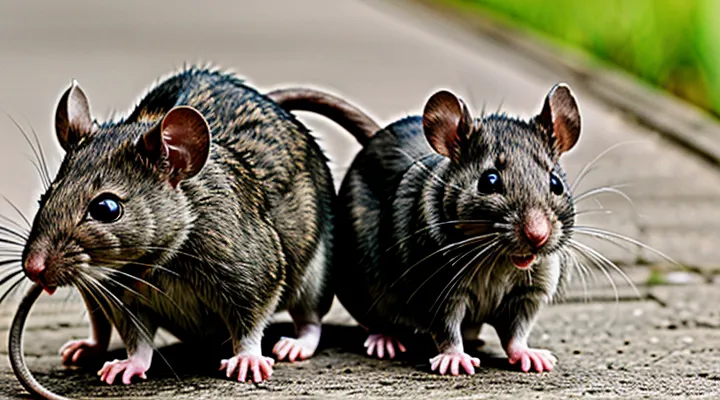
Understanding Rats and Mice
Biological Distinctions
Taxonomy and Species
Rats and mice belong to the order Rodentia, class Mammalia, phylum Chordata, kingdom Animalia. Within Rodentia they are placed in the family Muridae, the largest rodent family, which is divided into several subfamilies. The subfamily Murinae contains the genera Rattus (true rats) and Mus (true mice).
Genus Rattus
- Rattus norvegicus (Norway rat) – large, robust body, average weight 250‑300 g.
- Rattus rattus (Black rat) – slender build, average weight 150‑200 g.
- Rattus exulans (Polynesian rat) – smallest true rat, weight 50‑70 g.
Genus Mus
- Mus musculus (House mouse) – most widespread mouse, weight 15‑30 g.
- Mus spretus (Algerian mouse) – slightly larger, weight 20‑35 g.
- Mus spicilegus (Steppe mouse) – adapted to open grasslands, weight 25‑40 g.
Taxonomic distinction rests on dental formula, skull morphology, and chromosome number. Rats possess three molar rows per quadrant, mice have two. Cranial measurements show a broader rostrum in rats, while mice exhibit a more pointed snout. Chromosome counts differ: R. norvegicus 2n = 42, M. musculus 2n = 40.
Ecological niches overlap but remain partitioned. Rats prefer deeper burrows, sewers, and larger food stores; mice exploit surface litter, grain stores, and indoor crevices. Reproductive cycles diverge: rats produce 5‑7 litters per year, each with 6‑12 offspring; mice generate 8‑10 litters, each with 4‑8 offspring. These differences reduce direct competition and facilitate coexistence in shared environments such as urban habitats, agricultural settings, and laboratory colonies.
Understanding taxonomy clarifies why both groups can occupy the same geographic area without displacing each other. Distinct species classifications correspond to unique physiological and behavioral traits that sustain parallel populations.
Physical Characteristics and Size
Rats and mice exhibit distinct morphological traits that influence their ability to share habitats. The typical brown rat (Rattus norvegicus) reaches a head‑body length of 20–25 cm, tail length of 15–20 cm, and adult weight of 250–500 g. In contrast, the house mouse (Mus musculus) measures 7–10 cm in head‑body length, tail 5–10 cm, and weighs 15–30 g. These dimensions affect spatial requirements, foraging ranges, and shelter preferences.
Key physical differences include:
- Body mass: Rats are 8–30 times heavier than mice, providing greater resilience to temperature fluctuations and predator attacks.
- Tail proportion: Rat tails are proportionally shorter relative to body size, while mouse tails are often equal to or longer than the body, aiding balance during rapid climbs.
- Fur density: Rat pelage is coarser and thicker, offering better insulation; mouse fur is finer, suited for navigating tight spaces.
- Skull and dentition: Rats possess a broader skull with larger incisors capable of gnawing thicker materials; mice display a narrower skull and smaller incisors, limiting the size of objects they can process.
- Sensory organs: Rat ears are larger, enhancing low‑frequency sound detection; mouse ears are proportionally smaller but more mobile, improving directional hearing.
These morphological parameters determine niche partitioning. Rats dominate open burrows and larger debris piles, whereas mice exploit narrow crevices and fine-grained food sources. The size disparity reduces direct competition, supporting the possibility of coexistence in shared environments.
Lifespan and Reproduction
Rats and mice share habitats where lifespan and reproductive capacity directly influence their ability to occupy the same environment.
Typical adult laboratory rats live 2–3 years, with some strains reaching 4 years under optimal conditions. Wild Norway rats average 1–2 years, succumbing to predation, disease, and resource scarcity. House mice survive 1–2 years in the wild; laboratory strains may live up to 3 years.
Reproductive characteristics are comparable but differ in magnitude:
- Maturation: Rats become sexually mature at 5–6 weeks; mice at 4–5 weeks.
- Gestation: Rat gestation lasts 21–23 days; mouse gestation 19–21 days.
- Litter size: Rats produce 6–12 offspring per litter; mice produce 4–8.
- Breeding frequency: Both species can breed every 3–4 weeks, allowing up to 10 litters per year for rats and up to 12 for mice under favorable conditions.
High reproductive rates generate rapid population turnover, creating overlapping generations that intensify competition for food and nesting sites. Simultaneous breeding cycles increase the probability of interspecific encounters, potentially elevating stress and aggression. Shared susceptibility to the same pathogens further links their population dynamics, as disease outbreaks can spread quickly through mixed colonies.
Consequently, the comparable lifespans combined with prolific, asynchronous breeding enable both species to persist together, but the intensity of competition and disease risk rises proportionally with population density. Managing resource availability and habitat structure remains essential for sustaining a balanced coexistence.
Behavioral Differences
Social Structures
Rats and mice exhibit distinct social organization that influences their ability to share environments. In laboratory and field observations, rats form hierarchical groups dominated by a single adult male, supported by subordinate males and a network of females and offspring. This structure relies on scent marking, vocalizations, and grooming to maintain order and reduce aggression within the colony.
Mice, by contrast, display more fluid social arrangements. Female mice often create communal nests, rotating caregiving duties among kin. Male mice typically establish territories that overlap with multiple female ranges, leading to a polyandrous system. Communication is primarily ultrasonic, with pheromonal cues guiding mating and recognition.
Key factors affecting coexistence include:
- Territorial overlap: Rats defend larger, exclusive zones; mice tolerate shared spaces if resources are abundant.
- Resource partitioning: Rats prefer bulky food items and lower ground levels; mice exploit finer grains and higher vertical niches.
- Stress signaling: Elevated corticosterone levels in rats increase aggression toward unfamiliar mice, while mice show reduced stress when rats are absent from immediate foraging zones.
- Reproductive timing: Seasonal peaks in rat breeding can suppress mouse population growth through competition for nesting sites.
When both species occupy the same habitat, stable coexistence emerges only if environmental complexity supports niche differentiation. Providing varied shelter heights, separate feeding stations, and ample concealment reduces direct confrontations, allowing each species to maintain its characteristic social dynamics without destabilizing the other’s group structure.
Dietary Habits
Rats and mice share many dietary resources, yet their feeding preferences differ enough to reduce direct competition. Both species are omnivorous, consuming plant matter, insects, and human‑derived waste. Rats tend to favor higher‑calorie items such as grains, seeds, and fatty scraps, while mice preferentially select smaller seeds, nuts, and soft fruits. This divergence allows each to exploit distinct niches within the same environment.
Key aspects of their diets include:
- Protein sources: Rats readily consume insects, carrion, and pet food; mice prefer insects and occasional animal protein from eggs.
- Carbohydrates: Rats gravitate toward stored grains and bread; mice focus on wild seeds and cereals.
- Water intake: Both obtain moisture from food, but rats can survive longer periods without direct water, whereas mice depend more on fresh water sources.
When both species occupy a shared habitat, overlap occurs primarily in grain‑rich areas. Competition intensifies if food supplies become limited, leading to aggressive encounters. However, ample, diversified food availability supports simultaneous habitation, as each species can target its preferred items without forcing the other into direct conflict. Consequently, dietary segregation plays a central role in determining whether rats and mice can cohabit peacefully.
Habitat Preferences
Rats and mice occupy distinct ecological niches, reducing direct competition for space.
- Rats favor environments with abundant water sources, such as sewers, riverside banks, and agricultural irrigation channels. Their large body size allows them to exploit deep burrows, storage facilities, and cluttered urban structures.
- Mice prefer dry, concealed habitats like grain stores, field margins, and wall voids. Their agility enables occupation of narrow gaps and high‑frequency movement through vegetation.
Habitat segregation is reinforced by dietary differences: rats consume larger food items and waste, while mice target seeds and insects. Overlap occurs in areas where food abundance and shelter are plentiful, but each species typically selects micro‑habitats that align with its physiological tolerances and reproductive strategies. Consequently, coexistence is facilitated by complementary habitat preferences rather than direct displacement.
Coexistence or Conflict?
Interspecies Interactions in the Wild
Competition for Resources
Rats and mice frequently occupy the same habitats, leading to direct competition for limited resources. Both species exploit similar food categories—grains, seeds, insects, and human waste—so overlap in diet creates constant pressure on available supplies. When food stores dwindle, dominant individuals, typically larger rats, assert control through aggressive encounters, often displacing mice from prime feeding sites.
Nesting opportunities present another contested arena. Rats prefer deep burrows or concealed structures, while mice seek shallow cavities and crevices. In environments where suitable shelters are scarce, the larger competitor can physically block entrances, forcing the smaller species to relocate or share compromised spaces. This interaction elevates stress levels and reduces reproductive success for the subordinate group.
Water sources, especially in arid settings, become focal points of competition. Both rodents are capable of extracting moisture from food, but direct access to standing water accelerates growth rates. Observations indicate that rats monopolize open water containers, compelling mice to rely on alternative, less efficient hydration methods.
Resource partitioning occasionally mitigates conflict. Temporal separation—rats foraging nocturnally and mice extending activity into twilight—reduces simultaneous demand. Spatial segregation, such as rats dominating lower strata of structures and mice occupying upper levels, also occurs when habitat complexity permits.
Key factors influencing the intensity of competition:
- Population density: High densities amplify encounters and aggression.
- Habitat heterogeneity: Diverse microhabitats enable niche differentiation.
- Human activity: Waste management practices alter resource abundance and distribution.
- Seasonal variation: Fluctuations in food and water availability shift competitive balance.
Overall, the outcome of resource competition hinges on environmental conditions, relative abundance, and the adaptive strategies each species employs to secure essential sustenance and shelter.
Predation and Defense Mechanisms
Rats frequently act as predators toward mice, especially when food is scarce. Their larger size, stronger bite force, and superior agility enable them to capture and kill juvenile or weakened mice. Predatory encounters often occur in shared habitats such as grain stores, sewers, and urban alleys, where both species compete for limited resources.
Mice employ several defense mechanisms to reduce vulnerability:
- Rapid sprinting: short bursts of speed exceed rat pursuit capabilities.
- Burrow complexity: intricate tunnel networks create escape routes inaccessible to larger rodents.
- Chemical signaling: release of alarm pheromones alerts conspecifics to danger and triggers collective fleeing.
- Nocturnal activity shift: adjusting active periods to times when rat presence is lower.
Rats also exhibit defensive behaviors when threatened by larger predators or hostile conspecifics, such as aggressive posturing, teeth display, and territorial marking with urine. These actions can deter intruding mice from entering established rat territories.
The balance between rat predation and mouse defenses determines whether the two species can share the same environment. When mouse populations maintain effective escape strategies and resource partitioning reduces direct competition, coexistence becomes viable despite ongoing predatory pressure.
Interactions in Human Environments
Shared Spaces and Resource Overlap
Rats and mice frequently encounter one another in urban, agricultural, and laboratory environments, where both species seek shelter, water, and food. Their coexistence depends on the degree to which habitats and resources intersect.
Both species exploit similar structures: abandoned burrows, wall voids, storage areas, and debris piles. Rats, larger and more dominant, often claim prime nesting sites, yet mice can occupy peripheral chambers or secondary openings. Overlap intensifies when space is limited or when structures provide protection from predators and climate extremes.
Resource overlap includes:
- Grain, seeds, and processed food remnants
- Fruit, vegetable waste, and compost material
- Fresh water sources such as leaky pipes or puddles
- Soft nesting material like paper, fabric, and insulation
When resources are abundant, competition diminishes, allowing simultaneous occupation of a single location. Scarcity triggers aggressive encounters, territorial displacement, and increased mortality for the subordinate species.
Population density, seasonal food availability, and habitat complexity shape the balance between competition and coexistence. High densities and limited food drive exclusion, whereas diversified food supplies and complex structures support multi‑species occupancy.
Effective control measures must address shared spaces and overlapping resources, employing habitat modification, sanitation, and targeted removal to reduce the likelihood of both species thriving in the same area.
Impact on Human Health and Property
Rats and mice sharing the same environment create distinct health hazards for people and cause measurable damage to structures and belongings. Both species are vectors for pathogens; they transmit bacteria such as Salmonella and Leptospira, viruses including hantavirus, and parasites like fleas and mites. Direct contact with droppings, urine, or contaminated food can lead to gastrointestinal illness, respiratory infections, and allergic reactions. Indirect exposure occurs when insects feed on rodent waste and then bite humans, spreading disease agents.
Property damage arises from the combined foraging and nesting behaviors of the two rodents. Their activities include:
- Gnawing on electrical wiring, increasing fire risk.
- Chewing wooden beams, insulation, and drywall, compromising structural integrity.
- Contaminating stored goods with urine and feces, resulting in loss of food supplies and spoilage of merchandise.
- Burrowing in foundations and landscaping, causing soil erosion and water infiltration.
Control measures must address the overlapping habitats of both animals. Effective strategies involve sealing entry points, removing food sources, and implementing traps or baits that target each species without excessive chemical use. Regular inspection of buildings and prompt remediation of infestations reduce health risks and limit material loss.
Scientific and Anecdotal Evidence
Studies on Rodent Behavior
Research on rodent behavior provides the empirical foundation for evaluating whether rats and mice can share habitats. Laboratory experiments demonstrate that both species establish distinct territorial boundaries when resources are limited, reducing direct aggression. Field observations confirm that mixed‑species colonies emerge in environments where food abundance and shelter diversity exceed the carrying capacity of a single species.
Key findings from recent studies include:
- Resource partitioning: Rats preferentially exploit larger seeds and waste, while mice focus on smaller grains and insects, minimizing competition.
- Social hierarchy: In mixed groups, rats typically assume dominant positions, yet mice maintain independent foraging routes that avoid confrontations.
- Stress physiology: Corticosterone levels rise only when interspecific encounters are forced into confined spaces; natural settings show baseline stress comparable to single‑species colonies.
- Reproductive timing: Seasonal breeding cycles differ, with rats breeding earlier in the year and mice later, further reducing overlap in reproductive resource demands.
Methodological approaches combine video tracking, RFID tagging, and hormonal assays to quantify interaction patterns. Experiments that manipulate shelter complexity reveal that providing multiple nesting sites enables coexistence without elevating aggression markers. Conversely, homogeneous environments increase territorial disputes and result in the displacement of the subordinate species.
Overall, the body of evidence indicates that rats and mice can occupy the same ecological niche when environmental heterogeneity supports resource segregation and when spatial structures accommodate the social needs of both species.
Observations from Pest Control Professionals
Pest‑control experts consistently report that rats and mice rarely share the same micro‑habitat when food sources are limited. Field assessments in residential, commercial, and agricultural properties reveal distinct territorial boundaries, with each species favoring specific structural features.
- Rats dominate larger openings, burrows, and sewer lines; they exploit deep trash containers and structural voids.
- Mice prefer narrow cracks, wall voids, and elevated shelving; they are attracted to granulated food and light‑weight debris.
- When both species are present, competition intensifies during winter, leading to increased aggression and displacement of the smaller mouse populations.
- Bait consumption patterns differ: rats favor larger, rodent‑specific stations, while mice respond to low‑dose, scented pellets.
- Integrated monitoring shows that simultaneous infestations raise overall pest density by 30‑45 % compared with single‑species occurrences.
Professionals advise that effective management requires separate but coordinated strategies. Routine inspections should map entry points for each rodent, followed by targeted sealing and habitat modification. Bait placement must reflect species preferences, and monitoring devices should be calibrated to detect both sizes of activity.
The consensus among field technicians is that coexistence is unstable; competition drives one species to dominate, often resulting in heightened infestation levels. Preventive measures that isolate habitats and address species‑specific behavior reduce the likelihood of dual infestations and improve control outcomes.
Factors Influencing Interaction
Resource Availability
Food Sources
Rats and mice frequently occupy the same habitats, exposing them to identical food supplies. Their diets overlap considerably, creating direct competition for limited resources.
Typical food items include:
- Grains and cereals (wheat, rice, corn)
- Seeds and nuts
- Fresh produce (fruits, vegetables)
- Invertebrates (insects, larvae)
- Animal waste and carrion
- Human leftovers (processed foods, pet feed)
Both species exhibit opportunistic foraging behavior, exploiting any accessible nutrient source. When food abundance declines, competition intensifies, leading to aggressive encounters, displacement, or reduced reproductive output for the subordinate species.
Resource partitioning can mitigate conflict. Rats often dominate larger, higher‑calorie items, while mice specialize in smaller seeds and insects. Temporal separation—rats foraging during daylight, mice at night—also reduces overlap.
Effective control strategies must address shared food sources. Removing accessible waste, securing storage containers, and limiting spillage diminish the attractant pool, thereby decreasing the likelihood of coexistence-driven competition.
Water Access
Water sources shape the dynamics of cohabiting rodent populations. Both species require regular intake for metabolic functions, yet their physiological tolerances differ. Rats can sustain longer periods without water than mice, allowing them to exploit intermittent supplies, while mice depend on more frequent, smaller sources.
Competition for water manifests in several ways:
- Territorial use: Rats often dominate larger water containers, establishing dominance through scent marking and aggressive encounters. Mice tend to occupy peripheral edges or secondary vessels.
- Temporal partitioning: Mice frequently visit water sources during nocturnal peaks, whereas rats may be active across broader time windows, reducing direct overlap.
- Spatial segregation: In mixed colonies, rats concentrate near open water dishes, while mice favor concealed troughs or dripping fixtures.
Health outcomes correlate with access quality. Contaminated water accelerates disease transmission among both groups, but rats, being larger, can carry higher pathogen loads, increasing the risk of cross‑species infection. Regular cleaning and filtration mitigate these hazards.
Management recommendations focus on resource allocation:
- Provide multiple, physically separated water stations to limit direct encounters.
- Size containers proportionally: larger basins for rats, smaller dispensers for mice.
- Install drip‑free designs that reduce spillage, preventing communal puddles that foster competition.
- Monitor consumption patterns; abrupt changes may signal stress or illness.
By structuring water provision to accommodate species‑specific behaviors, coexistence becomes feasible without compromising welfare or population stability.
Shelter and Nesting Sites
Rats and mice frequently share the same environments, and the availability of shelter determines whether they can occupy a space simultaneously. Both species seek protection from predators, temperature extremes, and human disturbance, yet they differ in the structures they prefer and the way they construct nests.
Typical shelter options include:
- Burrows in soil or under debris, favored by mice for their small size and ease of excavation.
- Void spaces within walls, ceilings, or insulation, commonly exploited by rats because of their larger body mass and ability to gnaw through tougher materials.
- Elevated platforms such as rafters, attics, or storage boxes, used by both species when ground-level sites are scarce.
- Artificial nest boxes or cardboard tubes, occasionally adopted by mice but less attractive to rats due to limited entry size.
When shelters overlap, competition intensifies. Rats often dominate larger, structurally robust sites, displacing mice to smaller, more concealed locations. Mice respond by increasing reproductive rates and expanding into peripheral niches, while rats may defend prime territories through aggressive encounters and scent marking. The resulting spatial segregation reduces direct contact but can still lead to resource depletion and disease transmission.
Effective management of shared habitats focuses on reducing shelter suitability for both rodents. Strategies include sealing entry points larger than ½ inch, removing accumulated debris, maintaining low humidity, and installing physical barriers such as metal flashing in wall cavities. Regular inspection of attics, basements, and storage areas identifies emerging nests, allowing prompt removal before populations establish. By limiting accessible shelter, the likelihood of coexistence diminishes, and the overall rodent burden declines.
Population Density
Effects of High Densities
High densities occur when the number of individuals per unit area exceeds the level at which resources, space, and ventilation remain adequate for normal physiological function. In typical laboratory or urban settings, densities above 10–15 rats per square meter and 20–30 mice per square meter trigger measurable disturbances.
- Health deterioration – crowding elevates pathogen transmission, intensifies parasite infestations, and impairs immune response. Mortality rates rise sharply when ventilation is insufficient to disperse airborne contaminants.
- Behavioral escalation – limited space provokes aggression, increases bite incidents, and disrupts normal social hierarchies. Both species exhibit heightened nocturnal activity as individuals search for scarce shelter.
- Resource depletion – competition for food and water intensifies, leading to reduced intake per animal, weight loss, and altered foraging patterns. Nutrient deficiencies become common under sustained scarcity.
- Reproductive suppression – elevated stress hormones correlate with lower estrous cycle frequency in females and decreased sperm viability in males. Litter sizes shrink, and neonatal survival declines.
- Spatial segregation – when densities force overlap of territories, rats tend to dominate larger burrows while mice retreat to peripheral niches. This partitioning reduces direct encounters but does not eliminate competition for shared resources.
Collectively, these effects diminish the likelihood that rats and mice can share the same environment without management interventions. Effective mitigation requires lowering population numbers, improving ventilation, and providing abundant, species‑specific resources to prevent the cascade of adverse outcomes associated with overcrowding.
Impact of Low Densities
Low population numbers of both species alter the dynamics of shared habitats. When rats and mice are present at sparse levels, direct encounters decrease, reducing immediate aggressive interactions.
Reduced competition for food and shelter follows from the lower encounter rate. Resources that would otherwise be contested become sufficient for each species, allowing individuals to occupy overlapping niches without displacing one another.
Territorial boundaries become less rigid. With fewer individuals defending specific areas, the spatial overlap expands, and both rodents can exploit marginal zones that would be excluded under higher densities.
Key outcomes of low-density conditions include:
- Decreased aggression-related injuries;
- Stabilized foraging patterns with minimal overlap conflict;
- Enhanced reproductive success for both species due to lower stress;
- Increased likelihood of long-term coexistence in the same environment.
Environmental Conditions
Climate and Weather
Climate determines the spatial and temporal overlap of rats and mice by shaping the habitats each species can occupy. Temperature thresholds define the active periods of both rodents; warmer months expand foraging ranges, while colder periods restrict movement to insulated shelters.
Elevated temperatures increase metabolic rates, leading to higher food consumption. When resources become abundant, competition lessens, allowing both species to share the same environment. Conversely, extreme heat can force individuals into limited cool microhabitats, intensifying direct encounters.
Humidity influences nest construction and pathogen prevalence. High moisture levels support dense vegetation, providing cover and nesting material for mice, while rats prefer drier, open areas. Fluctuations in precipitation alter ground cover, affecting predator exposure and subsequently the willingness of each species to occupy shared spaces.
Seasonal cycles drive breeding peaks. Synchronised reproductive periods generate simultaneous population surges, heightening competition for nests and food. As spring progresses, both species exploit emerging seed sources; during autumn, declining resources prompt territorial disputes.
Key climate variables affecting coexistence:
- Mean annual temperature
- Seasonal temperature range
- Relative humidity
- Monthly precipitation totals
- Frequency of extreme weather events
Understanding these parameters enables prediction of when and where rats and mice are likely to coexist or exclude each other.
Human Activity and Intervention
Human activities shape the environments where commensal rodents live, directly influencing the likelihood that rats and mice share the same habitats. Urban expansion, waste production, and building design create niches that can either separate or bring together these species, depending on the degree of resource overlap and shelter availability.
Key interventions affecting coexistence include:
- Waste management that reduces food abundance, limiting competition for limited resources.
- Structural modifications such as sealing entry points and installing rodent‑proof materials, which restrict access to shared shelter.
- Targeted chemical controls applied selectively to one species, altering population balances.
- Biological methods, including the use of predators or sterile‑male releases, that suppress one species without eliminating the other.
- Monitoring programs that track population dynamics and inform adaptive management strategies.
Effective policies combine these measures into an integrated pest management framework, emphasizing prevention, precise targeting, and continuous evaluation. Such a coordinated approach maintains public health standards while allowing controlled coexistence where ecological or economic conditions warrant it.
Managing Rodent Populations
Prevention Strategies
Securing Food and Water
When rats and mice occupy the same habitat, both species compete for limited supplies, increasing the risk of food spoilage and water contamination. Effective resource protection requires physical barriers, rigorous sanitation, and continuous monitoring.
- Store all feed in airtight, metal containers with lockable lids.
- Position containers on elevated platforms to prevent gnawing from floor level.
- Apply rodent‑proof seals around doorways, vents, and pipe openings.
- Conduct daily inspections for droppings, gnaw marks, or signs of intrusion.
Water sources must remain inaccessible to rodents while remaining functional for human or animal use. Use the following safeguards:
- Install stainless‑steel or heavy‑duty plastic water tanks equipped with screw‑on caps.
- Fit dispensing spouts with bite‑resistant guards.
- Place water containers on raised platforms or within sealed cabinets.
- Test water quality weekly for contamination indicators such as turbidity or bacterial growth.
Regular maintenance reinforces these measures. Replace worn seals promptly, rotate stored food to avoid prolonged exposure, and schedule monthly deep‑cleaning of storage and watering areas. Consistent application of these protocols sustains safe food and water supplies despite the presence of both rodent species.
Sealing Entry Points
Effective control of rodent populations depends on eliminating the pathways that allow animals to enter buildings. Identifying potential gaps begins with a systematic inspection of the structure’s exterior and interior. Look for openings around utility penetrations, foundation cracks, vent pipes, door sweeps, and window frames. Any gap larger than ¼ inch can admit a mouse; larger openings readily admit rats.
Sealing methods must match the size and location of each opening. Use steel wool or copper mesh for small voids, then apply a durable sealant such as polyurethane caulk. For larger gaps, install metal flashing or concrete patching, followed by a weather‑resistant sealant. Reinforce door thresholds with heavy‑duty sweeps that close tightly against the floor.
Materials selection influences long‑term efficacy. Stainless steel hardware cloth resists gnawing, making it suitable for vent covers and pipe sleeves. Expanding foam that contains steel particles provides rapid closure for irregular cavities while maintaining structural integrity. All sealants should be rated for exterior use and compatible with the building’s substrate.
Regular maintenance confirms the integrity of sealed points. Conduct quarterly visual checks, especially after severe weather, and repair any new damage immediately. Documenting inspections and repairs creates a record that supports ongoing prevention efforts.
Maintaining Cleanliness
Keeping an environment free of contamination is essential when rats and mice share the same space. Both species are attracted to food residues, moisture, and shelter, so any lapse in sanitation increases the likelihood of infestation and disease transmission.
Effective sanitation measures include:
- Sealing cracks, gaps, and utility openings to prevent entry.
- Storing food in airtight containers and removing waste daily.
- Cleaning floors, countertops, and equipment with disinfectants at least once a day.
- Eliminating standing water and fixing leaks promptly.
- Using removable trays or liners under cages, pens, or storage areas for easy disposal.
Regular monitoring supports cleanliness efforts. Conduct visual inspections for droppings, gnaw marks, and nesting material. Deploy snap traps or electronic monitors to detect activity. Record findings and adjust cleaning frequency based on observed pressure.
Consistent hygiene reduces pathogen load, limits competition for resources, and creates conditions where coexistence does not compromise health or structural integrity.
Control Methods
Trapping Techniques
Effective control of rodent populations requires methods that address both species without disrupting their simultaneous presence. Traps must be selected based on size, behavior, and habitat preferences of rats and mice.
- Snap traps: Steel spring mechanisms sized for rats (large) and mice (small). Placement at active runways maximizes capture rates. Ensure trigger sensitivity matches target species to avoid missed strikes.
- Live‑catch cages: Multi‑compartment designs allow separation of captures. Use bait that appeals to both—peanut butter, dried fruit, or meat. Release captured animals far from the infestation zone or follow local disposal regulations.
- Glue boards: Adhesive surfaces positioned in concealed corners. Effective for mice; rats may avoid due to weight. Combine with larger traps for comprehensive coverage.
- Electronic traps: High‑voltage devices delivering instantaneous fatality. Models often include dual‑size chambers, permitting simultaneous targeting. Minimal bait required; detection circuitry reduces non‑target captures.
- Flood traps: Large containers with water and bait, placed along drainage paths. Rats readily enter; mice may require additional attractants. Regular monitoring prevents overflow and secondary hazards.
Successful implementation depends on strategic placement: along walls, behind appliances, and near food storage. Rotate trap types to prevent habituation. Maintain a consistent checking schedule—daily for live‑catch cages, every 24‑48 hours for snap and glue devices. Record captures by species to adjust bait and trap selection, ensuring balanced reduction without eliminating one population entirely.
Baits and Repellents
Effective management of rodent populations that include both rats and mice requires careful selection of control agents. Baits and repellents represent the primary tools, each with distinct mechanisms and practical considerations.
Baits deliver toxicants that rodents ingest, leading to mortality. Successful application depends on product type, dosage, and placement. Common categories include:
- Anticoagulant pellets, which interrupt blood clotting and cause death after several days of consumption.
- Acute toxins, such as bromethalin, that act quickly and reduce the risk of bait shyness.
- Non‑chemical options, like zinc phosphide, which release phosphine gas in the stomach.
Key factors for bait effectiveness are:
- Palatability to both species; formulations often contain grain or meat flavors.
- Protection from non‑target exposure; sealed stations limit access by pets and wildlife.
- Regular monitoring; bait consumption patterns indicate whether the population is responding.
Repellents discourage entry and foraging without killing rodents. They operate through odor, taste, or sensory disruption. Main types include:
- Chemical repellents containing capsaicin or naphthalene, applied to surfaces where rodents travel.
- Ultrasonic devices emitting high‑frequency sound that rodents find uncomfortable.
- Natural deterrents, such as peppermint oil or predator urine, which exploit innate avoidance behavior.
Effective repellent deployment requires:
- Thorough coverage of potential entry points, including cracks, vents, and gaps.
- Reapplication according to product lifespan; many chemicals degrade within weeks.
- Integration with sanitation measures; reduced food availability enhances repellent impact.
Combining baits and repellents yields a balanced strategy. Baits reduce existing numbers, while repellents prevent new incursions. Implementing both in a coordinated plan—baits placed in interior stations, repellents applied to exterior perimeters—optimizes control across mixed rat and mouse infestations. Continuous assessment ensures adjustments align with observed activity, maintaining long‑term coexistence management.
Professional Pest Management
Professional pest management addresses the coexistence challenge between rats and mice by applying species‑specific monitoring, habitat modification, and control tactics. Accurate identification of each rodent’s activity patterns enables targeted action; rats typically occupy larger burrows and travel farther, while mice favor hidden indoor routes.
Effective programs combine preventive and reactive measures:
- Inspection: Conduct regular visual surveys and use tracking stations to locate signs of infestation.
- Sanitation: Eliminate food sources, store waste in sealed containers, and maintain clean surfaces to reduce attractants.
- Exclusion: Install metal flashing, seal cracks, and fit door sweeps to block entry points specific to each species.
- Population reduction: Deploy snap traps, electronic devices, or bait stations calibrated for rat or mouse toxicity levels, ensuring compliance with local regulations.
- Monitoring: Record trap catches, adjust bait placement, and reassess environmental conditions weekly.
Integrated pest management (IPM) principles require documentation of all actions, evaluation of efficacy, and adaptation of methods when resistance or reinfestation occurs. Training personnel in species‑differentiated behavior and proper equipment handling minimizes non‑target impacts and enhances long‑term control.
Professional oversight ensures that interventions remain humane, legally compliant, and economically justified, ultimately reducing the likelihood that rats and mice will share the same premises.
Myths and Misconceptions
Common Beliefs About Rodent Interactions
Common perceptions about how rats and mice interact often simplify a complex ecological relationship. Many assume that the two species cannot occupy the same environment, that they constantly fight for resources, and that one species inevitably dominates the other.
- Mutual exclusion – the belief that rats will eliminate mice from any shared space. Field observations show coexistence in urban and rural settings where niche partitioning reduces direct competition.
- Aggressive dominance – the idea that rats are universally aggressive toward mice. Behavioral studies indicate that aggression varies with population density, food availability, and habitat structure.
- Uniform diet competition – the notion that both species compete for identical food sources. Research demonstrates dietary flexibility: rats often exploit larger waste items, while mice focus on grains and seeds, minimizing overlap.
Scientific evidence confirms that coexistence is possible when resources are abundant and habitats provide distinct micro‑niches. Spatial segregation, temporal activity differences, and species‑specific foraging strategies enable both rodents to persist in the same area without inevitable displacement.
Addressing Inaccurate Information
Misinformation about the cohabitation of rats and mice often stems from anecdotal observations and outdated studies. Claims that the two species inevitably clash ignore documented instances of stable, mixed colonies in controlled environments. Scientific literature demonstrates that competition intensifies only when resources are scarce or when territorial aggression is provoked by overcrowding.
Correcting false statements requires a systematic approach:
- Identify the specific claim and locate its source.
- Verify the claim against peer‑reviewed research on interspecies interactions.
- Cite recent experimental data that illustrate the conditions under which coexistence is viable.
- Disseminate the verified information through reputable channels such as academic journals, professional societies, and educational outreach programs.
Effective communication emphasizes evidence rather than opinion. Presenting quantitative results—population ratios, aggression frequency, resource consumption—allows stakeholders to assess the validity of the information. When discrepancies arise, reference the methodological differences that explain divergent outcomes, thereby clarifying why some reports suggest conflict while others demonstrate harmony.
Ongoing monitoring of published material and public discourse helps prevent the resurgence of inaccurate narratives. Establishing a database of validated studies on rat‑mouse dynamics provides a ready reference for researchers, pest managers, and educators, ensuring that future discussions are grounded in reliable evidence.
Educating the Public
Accurate information reduces fear and promotes responsible behavior toward rodents that share urban and rural habitats. Misconceptions about disease, aggression, and ecological impact often lead to unnecessary extermination or neglect.
Key messages for outreach:
- Rats and mice differ in size, diet, and breeding cycles; identification prevents misdirected control efforts.
- Both species can carry pathogens; transmission risk depends on sanitation and direct contact, not mere presence.
- Small mammals contribute to seed dispersal and serve as prey for predators; eliminating them may disrupt local food webs.
- Humane deterrence—sealing entry points, removing food sources, using live traps—limits population growth without cruelty.
- Reporting sightings to municipal pest services ensures coordinated response and data collection.
Effective channels:
- Community workshops that demonstrate inspection techniques and safe trap handling.
- School programs integrating rodent ecology into science curricula, fostering early awareness.
- Local media segments presenting expert interviews and visual guides.
- Dedicated website offering downloadable fact sheets, interactive maps of reported activity, and contact information for assistance.
Providing clear, evidence‑based guidance empowers residents to make informed decisions, supports public health objectives, and maintains ecological balance.