
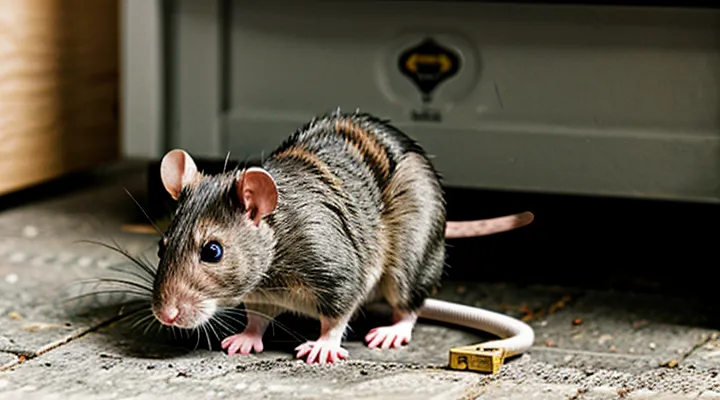
Understanding Rat Traps
Types of Rat Traps
Snap Traps
Snap traps are mechanical devices that kill rats instantly by applying a rapid closing force to the animal’s neck or spine. The design typically includes a spring‑loaded bar, a trigger platform, and a secure enclosure to contain the carcass.
Purchasing options include:
- Large‑format home‑improvement chains, which stock a range of sizes and price points.
- Online marketplaces such as Amazon, eBay, and dedicated pest‑control sites, offering customer reviews and bulk discounts.
- Agricultural supply stores, where heavy‑duty models are available for farm environments.
- Local exterminator or pest‑control retailers, which may provide professional‑grade traps and warranty support.
When choosing a snap trap, consider the following criteria:
- Bar length sufficient to accommodate adult rats (typically 3–4 inches of travel).
- Adjustable trigger sensitivity to reduce false releases.
- Safety shield or lockout feature to protect children and non‑target animals.
- Durable construction material, such as stainless steel, to resist rust in damp locations.
To set a snap trap correctly:
- Remove the safety latch and open the spring mechanism.
- Place the bait on the trigger platform, ensuring it does not obstruct the spring’s motion.
- Align the trigger so it is barely depressed by the bait’s weight.
- Secure the latch, confirming the bar is locked in the ready position.
- Position the trap perpendicular to the wall, with the entry side facing the anticipated travel path of the rat.
Effective baits include peanut butter, dried fruit, or small pieces of meat. Apply a pea‑sized amount directly on the trigger platform; excess bait can cause premature activation.
Placement strategies:
- Near walls, as rats travel close to surfaces.
- In corners, behind appliances, and within concealed pathways.
- At least 12 inches from each other to increase coverage without overlapping strike zones.
After a capture, wear disposable gloves, lift the trap by the handle, and transfer the carcass to a sealed bag. Clean the trap with hot, soapy water, dry thoroughly, and inspect the spring for fatigue before redeployment. Replace any trap showing signs of wear or loss of tension.
Live Traps
Live traps capture rats without killing them, keeping the animal intact for later release. The devices typically consist of a sturdy cage with a spring‑loaded door that closes when the rodent enters to reach bait.
- Online marketplaces such as Amazon, eBay, and dedicated pest‑control sites list models ranging from small, single‑catch units to larger multi‑catch cages.
- Large‑format retailers (Home Depot, Lowe’s, Menards) stock live traps in the hardware or garden sections; inventory often includes insulated versions for cold climates.
- Specialty pest‑control suppliers (Orkin, Pest‑Solutions, local rodent‑control shops) provide traps with warranty coverage and professional advice.
- Direct purchase from manufacturers (e.g., Havahart, Tomcat) allows bulk orders and access to accessories like nesting material and carrier bags.
Effective deployment follows a simple sequence:
- Select a location where rat activity is evident—near walls, along runways, or close to food sources.
- Place a small amount of attractive bait (peanut butter, dried fruit, or fish) on the trigger plate or inside the cage.
- Set the door mechanism according to the manufacturer’s instructions, ensuring the trap is stable and the entry hole is unobstructed.
- Check the trap at least twice daily; release captured rodents at least 100 feet from the property, adhering to local wildlife regulations.
Regular cleaning with mild detergent prevents scent buildup that could deter future captures. Inspect hinges and springs for wear, replace damaged components promptly, and store unused traps in a dry environment to maintain functionality.
Electronic Traps
Electronic rat traps deliver a high‑voltage shock that kills rodents instantly. The devices consist of a bait compartment, a sensor plate, and a sealed battery‑powered circuit. When a rat steps on the sensor, the circuit releases a lethal pulse, preventing escape and eliminating the need for poison or manual disposal.
Where to purchase
- Major home‑improvement chains (e.g., Home Depot, Lowe’s) stock models ranging from compact single‑catch units to larger multi‑catch stations.
- Online retailers such as Amazon, Walmart.com, and specialized pest‑control sites provide detailed specifications, customer reviews, and bulk‑order options.
- Professional pest‑management suppliers (e.g., Pest‑Control Products, Terminix) offer commercial‑grade traps with extended warranties and technical support.
How to use
- Position the trap along walls, near known runways, or close to food sources; rats prefer concealed routes.
- Place a small amount of attractive bait (peanut butter, dried fruit, or commercial lure) on the sensor plate.
- Connect the battery, ensuring the unit is on a stable, dry surface.
- Activate the trap according to the manufacturer’s instructions; most models feature a visible indicator when armed.
- After a kill, open the release compartment, remove the carcass with gloves, and dispose of it in a sealed bag.
- Reset the sensor, replace the battery if voltage drops, and reposition the trap if activity shifts.
Maintenance
- Inspect the sensor plate weekly for debris that could impede contact.
- Replace batteries every 6–12 months, depending on usage frequency.
- Clean the interior with a mild detergent after each catch to prevent odor buildup.
Advantages
- Immediate, humane kill without chemicals.
- Reusable design reduces long‑term cost.
- Minimal risk of secondary poisoning for pets or children.
Limitations
- Higher upfront price than snap or glue traps.
- Requires reliable power source; battery failure disables functionality.
- Effectiveness declines if bait is not refreshed regularly.
Choosing an electronic trap involves balancing initial expense against long‑term efficiency, safety, and ease of disposal. Proper placement, regular maintenance, and consistent baiting maximize capture rates and support a rodent‑free environment.
Glue Traps
Glue traps consist of a flat cardboard or plastic base coated with a non‑drying adhesive. When a rat steps onto the surface, the sticky layer immobilizes the animal within seconds, preventing escape and allowing for later removal.
Typical purchase points include:
- Large‑format home‑improvement chains (e.g., Home Depot, Lowe’s).
- Specialized pest‑control suppliers (e.g., Pest‑One, Terminix).
- Online marketplaces (Amazon, Walmart.com, Chewy).
- Local hardware or farm‑store outlets that stock rodent‑control products.
Effective deployment follows a simple protocol:
- Identify high‑traffic zones such as along walls, behind appliances, and near food storage.
- Position the trap with the adhesive side up, ensuring the surface is flat and undisturbed.
- Apply a small amount of attractive bait—peanut butter, dried fruit, or commercial rodent lure—directly onto the glue surface.
- Check traps at least once daily; remove captured rats promptly to prevent decay and odor.
Safety measures are essential:
- Place traps out of reach of children and pets; consider enclosed bait stations when non‑target exposure is likely.
- Wear disposable gloves when handling captured rodents to avoid disease transmission.
- Dispose of traps in sealed plastic bags before discarding them in accordance with local waste regulations.
Glue traps provide rapid immobilization but have limitations: they do not kill instantly, may cause prolonged suffering, and can attract other wildlife if not monitored. For large infestations, combine glue traps with snap traps or bait stations to increase overall control efficacy.
Baited Traps
Baited rat traps combine a mechanical capture mechanism with an attractant designed to lure rodents into contact with the trigger. Effective bait selection determines trap success; common choices include peanut butter, dried fruit, nuts, and commercial rodent attractants. When applying bait, place a pea‑size amount on the trigger platform, ensuring it does not obstruct the snap or interfere with the sensor in electronic models.
Purchase locations vary by region. Large‑scale retailers such as Home Depot, Lowe’s, and Walmart stock a range of snap, glue, and electronic traps with pre‑applied bait or separate bait kits. Specialized pest‑control suppliers like Orkin and Terminix offer professional‑grade baited devices, often packaged with safety instructions. Online marketplaces—Amazon, Chewy, and pest‑control‑focused sites—provide extensive product listings, customer reviews, and bulk pricing options.
Proper deployment follows a consistent routine. Identify high‑activity zones by observing droppings, gnaw marks, and runways. Position traps perpendicular to walls, with the trigger side facing the expected travel path. Maintain a one‑inch clearance between bait and trigger to allow the rat to bite the bait before activating the mechanism. Check traps daily; dispose of captured rodents according to local regulations and reset traps with fresh bait as needed. Regular inspection and replacement of bait preserve scent potency and improve capture rates.
Factors to Consider When Choosing a Trap
Effectiveness
The effectiveness of a rat trap depends on three measurable factors: capture rate, time to kill, and durability.
Capture rate reflects the proportion of rodents removed from a targeted area. Snap traps with high‑tension springs consistently achieve 70‑90 % success when positioned along walls and near food sources. Electronic traps report similar rates but require power sources, limiting placement options. Glue boards capture 40‑60 % of encounters, often leaving live rats trapped, which reduces overall control efficiency.
Time to kill influences both humane considerations and the likelihood of secondary infestation. Mechanical snap devices deliver instantaneous death, preventing disease transmission and scavenger attraction. Multi‑catch traps retain several rodents before release, extending the interval between checks and increasing labor demands. Glue boards immobilize rodents for hours, raising ethical concerns and increasing the chance of escape.
Durability determines long‑term cost effectiveness. Stainless‑steel snap traps resist corrosion and maintain spring tension after hundreds of cycles. Plastic electronic units may suffer battery degradation, requiring periodic replacement. Glue boards deteriorate after exposure to moisture, necessitating frequent renewal.
Key practices that maximize trap performance:
- Position traps 1–2 inches from walls, aligned with known runways.
- Use fresh, species‑specific bait (peanut butter, dried fruit, or meat) and replace every 48 hours.
- Inspect and reset traps at least once daily; remove captured rodents promptly to avoid scent saturation.
- Rotate trap locations weekly to prevent rodent habituation.
When purchasing traps, prioritize models with documented capture statistics from independent testing agencies. Verify warranty terms that cover spring fatigue or electronic component failure. Selecting devices that combine high capture rates, rapid kill times, and robust construction ensures the most effective rodent control solution.
Safety for Pets and Children
When rodent traps are installed in homes with pets or young children, the potential for accidental injury rises sharply. Selecting devices that minimize exposure reduces that risk without compromising effectiveness.
Choose traps that feature enclosed chambers, spring‑loaded mechanisms shielded by solid walls, or bait stations that lock the lure inside. Avoid open‑wire snap traps, which can snap shut on any small animal that contacts them. Look for products certified by safety agencies and labeled “child‑proof” or “pet‑safe.”
Place traps out of reach: mount them on walls at least 18 inches above floor level, secure them behind appliances, or install them in sealed boxes that allow only rodents to enter. Ensure cords or strings used to suspend traps are taut and inaccessible to curious paws or fingers.
Maintain vigilance after deployment. Check traps daily, remove captured rodents promptly, and reset devices only after confirming the area is clear. Keep first‑aid supplies nearby and know the procedure for treating puncture or bite injuries.
Key safety actions
- Purchase enclosed or lock‑box traps.
- Verify safety certifications before use.
- Install traps above 18 inches or inside sealed compartments.
- Inspect and empty traps every 24 hours.
- Store bait and spare traps in locked containers.
- Educate household members about trap locations and hazards.
Reusability
Reusability refers to the ability of a rodent capture device to be emptied, cleaned, and redeployed multiple times without loss of effectiveness. Unlike disposable snap traps, reusable models incorporate sturdy spring mechanisms, replaceable bait stations, and corrosion‑resistant housings that withstand repeated handling.
Key benefits include:
- Lower long‑term expense compared with single‑use units.
- Reduced waste, supporting environmentally responsible pest control.
- Consistent performance, as the trap’s mechanics remain calibrated after each cycle.
Retail outlets offering reusable designs span online marketplaces and specialized hardware stores. Notable sources are:
- Major e‑commerce platforms that list steel‑frame snap traps with detachable trigger plates.
- Agricultural supply chains providing heavy‑duty live‑catch cages with hinged doors.
- Professional pest‑control distributors stocking models equipped with interchangeable bait chambers.
Effective operation of a reusable trap follows a defined routine:
- Load the bait compartment with appropriate attractant; secure the trigger mechanism.
- Position the device along established rodent pathways, ensuring the trigger aligns with the expected travel route.
- After capture, disengage the spring, remove the rodent, and dispose of it according to local regulations.
- Wash the housing with mild detergent, rinse thoroughly, and dry before reassembly.
- Inspect the spring and latch for wear; replace components if tension diminishes.
Adhering to this protocol maximizes capture rates while extending the service life of each unit, delivering both economic and ecological advantages.
Ease of Use
Ease of use determines whether a rodent control device can be deployed quickly and reliably. Modern snap traps feature a spring‑loaded bar that clicks into place with a single push. The mechanism requires no calibration; the user simply pulls the arm back, engages the trigger, and releases. This simplicity reduces the chance of mis‑setting, which can compromise effectiveness.
Placement instructions are straightforward. The trap should be positioned perpendicular to the wall, with the trigger facing the anticipated travel path of the animal. A thin layer of bait—such as peanut butter or dried fruit—applied to the trigger platform attracts rodents without complicating the setup. No additional tools or adhesives are needed.
Maintenance involves two brief actions. After a capture, the user lifts the bar, discards the dead rodent, and resets the trap by repeating the initial pull‑release motion. Disposable models incorporate a sealed cage that slides open for cleaning, eliminating the need for disassembly. This design limits exposure to pathogens and speeds up turnover.
Key advantages of user‑friendly designs include:
- Rapid deployment: installation takes less than a minute per unit.
- Minimal training: intuitive mechanism requires no specialized instruction.
- Low error rate: fixed trigger geometry prevents accidental release.
- Easy disposal: integrated waste compartment or simple release lever streamlines cleanup.
When selecting a product, prioritize models that advertise “one‑hand operation,” “no‑assembly,” or “quick‑reset.” These descriptors indicate a focus on functional simplicity, which directly translates to higher capture rates and reduced labor for homeowners and professionals alike.
Cost
When budgeting for rodent control devices, the primary expense is the trap itself, but ancillary costs—such as bait, protective equipment, and disposal fees—also affect the total outlay.
Typical price ranges vary by trap type:
- Snap traps: $2 – $10 each.
- Electric traps: $30 – $120 per unit.
- Glue boards: $5 – $20 for a pack of 10.
- Live‑catch cages: $15 – $50 each.
Several factors determine these figures:
- Construction material (plastic vs. steel) influences durability and price.
- Brand reputation often adds a premium for reliability.
- Integrated technology (e.g., battery‑powered shock) raises cost.
- Capacity for multiple catches reduces per‑capture expense.
Calculating cost per capture clarifies economic efficiency. For example, a $10 snap trap that eliminates five rats yields a $2 per‑rat expense, whereas a $100 electric trap capturing 20 rats results in $5 per‑rat. Bulk purchases lower unit price; a 100‑pack of snap traps may cost $150, reducing the per‑trap cost to $1.50.
To minimize spending, consider the following purchasing channels:
- Online marketplaces (e.g., Amazon, eBay) provide competitive pricing and bulk options.
- Large‑format home‑improvement stores often run seasonal discounts.
- Wholesale clubs (Costco, Sam’s Club) offer reduced rates for members.
- Direct manufacturer websites sometimes list bulk‑order programs.
Overall, selecting the appropriate trap type, evaluating per‑capture cost, and sourcing from discount‑oriented retailers produce the most cost‑effective rodent control solution.
Where to Purchase Rat Traps
Retail Stores
Home Improvement Stores
Home improvement retailers stock a broad range of rodent control devices, from snap traps and electronic models to multi‑catch cages. Major chains such as Lowe’s, The Home Depot, and Menards carry nationally recognized brands, while regional stores often feature budget‑friendly options.
When selecting a trap, consider the following factors:
- Size of the target rodent; larger traps handle rats, smaller ones are suited for mice.
- Trigger mechanism; snap traps provide immediate kill, whereas live‑catch traps require regular checking.
- Safety features; insulated handles and sealed housings reduce risk of accidental injury.
- Bait compatibility; some models include built-in bait stations for consistent placement.
Purchasing tips:
- Verify stock online before visiting the store to avoid unnecessary trips.
- Compare unit prices with bulk discounts; many retailers offer reduced rates for packs of ten or more.
- Check return policies, especially for electronic models that may malfunction.
- Ask staff for recommendations on placement accessories such as bait stations or protective gloves.
Using the traps purchased at these outlets involves standard procedures:
- Wear disposable gloves to prevent scent transfer.
- Position traps along walls, behind appliances, and near known activity signs, aligning the trigger side toward the wall.
- Apply a small amount of attractive bait—peanut butter, dried fruit, or commercial lure—directly to the bait cup.
- Set the trigger mechanism according to the manufacturer’s instructions, ensuring the spring is fully engaged.
- Inspect traps daily; remove captured rodents promptly and reset or replace the device as needed.
Home improvement stores therefore provide convenient access to a variety of rat control solutions, supported by knowledgeable staff and purchasing options that streamline the selection and deployment process.
Hardware Stores
Hardware retailers provide the most accessible source for rodent control devices. Shelves typically stock snap traps, electric models, and multi‑catch cages, allowing buyers to match the tool to the infestation level. Major chains carry national brands such as Victor, Tomcat, and Havahart, while regional stores often feature locally produced options that may be priced lower.
When selecting a trap, consider the following criteria:
- Size of the target rodent (adult rats require larger trigger plates than juveniles).
- Placement flexibility (some models include bait stations for concealed installation).
- Reset mechanism (reusable traps reduce long‑term cost).
- Safety features (protected trigger edges minimize accidental injury).
Hardware outlets usually keep a stock of complementary supplies: steel wool, sealant, and disposable gloves. Purchasing these items together ensures a complete setup for sealing entry points after capture.
Effective deployment involves positioning traps along walls, near burrow openings, and behind objects where rats travel. Aim to set the trigger on the side opposite the bait to encourage entry. Check traps daily, dispose of captured rodents according to local regulations, and reset or replace devices as needed.
Price ranges vary from under $5 for basic snap traps to $30‑$70 for electronic units. Bulk packs often provide a discount, making hardware stores a cost‑effective venue for both single‑use and ongoing pest‑management programs.
Agricultural Supply Stores
Agricultural supply stores are a reliable channel for acquiring rat control devices. These retailers stock a range of mechanical and electronic traps designed for farm environments, where rodent pressure can affect storage facilities and livestock feed.
Typical inventory includes:
- Snap traps with reinforced steel jaws for quick kill.
- Multi‑catch traps capable of holding several rodents before emptying.
- Electronic devices that deliver a lethal shock and reset automatically.
- Bait stations pre‑filled with anticoagulant or non‑toxic attractants.
When selecting a trap, consider the target species, infestation level, and placement constraints. Durable construction and weather‑proof sealing are essential for outdoor use. Verify that the model complies with local pest‑control regulations and that the supplier provides a warranty.
Proper deployment follows a straightforward sequence:
- Identify high‑traffic zones such as feed bins, burrow entrances, and dark corners.
- Position the trap with the trigger mechanism facing the anticipated direction of approach.
- Apply bait sparingly to avoid contamination of stored products.
- Check traps daily, remove captured rodents, and reset the device promptly.
- Rotate trap locations periodically to prevent habituation.
Agricultural supply stores often offer expert advice on trap selection and maintenance. Staff can recommend models suited to specific crops or livestock operations, and they may provide supplemental products such as protective gloves, disposal bags, and sanitation supplies. Purchasing through these outlets ensures access to bulk pricing, local inventory, and immediate support for effective rodent management.
Pet Supply Stores
Pet supply retailers frequently stock a variety of rodent control devices, including snap, live‑catch, and electronic traps. These outlets often complement their animal care inventory with products designed for homes where pets and pests coexist.
The selection typically includes nationally recognized brands such as Victor, Havahart, and Kness. Prices range from budget models under $10 to premium units exceeding $30, allowing shoppers to match cost with performance expectations. Stores commonly provide disposable bait stations and protective gloves, ensuring a complete solution for immediate deployment.
When choosing a trap at a pet‑oriented shop, consider the following criteria:
- Compatibility with household pets – opt for designs that minimize accidental triggering.
- Bait type – select pre‑loaded options or compatible attractants that suit the target species.
- Reset mechanism – prefer models that allow quick re‑arming after a catch.
- Warranty and return policy – verify coverage in case of defect or unsatisfactory capture rate.
Proper use involves a short, repeatable process:
- Place the trap along walls, behind appliances, or near known activity zones, positioning the trigger side toward the wall.
- Apply a small amount of bait, ensuring it does not obscure the trigger mechanism.
- Secure the trap on a stable surface to prevent tipping.
- Monitor daily; dispose of captured rodents according to local health regulations and reset the device if needed.
- After the infestation subsides, store the trap in a dry location or return it to the retailer for disposal if it is a single‑use model.
Pet supply stores also often employ knowledgeable staff who can advise on safe placement and pet‑friendly alternatives, streamlining the acquisition and application of effective rodent control tools.
Online Retailers
E-commerce Giants
E‑commerce giants dominate the online market for rodent control devices, offering extensive catalogs that include snap traps, electronic models, and live‑catch cages. Platforms such as Amazon, Walmart.com, eBay, and Target’s digital storefront provide nationwide reach, rapid delivery, and integrated payment security.
Key benefits of sourcing traps from large online retailers:
- Broad product range from multiple manufacturers
- Verified customer feedback that highlights performance and durability
- Tiered pricing structures, often with bulk‑purchase discounts
- Flexible shipping options, including same‑day or free‑delivery thresholds
- Return policies that protect against defective items
When choosing a trap, prioritize the following criteria:
- Mechanism type aligned with the infestation severity
- Size and bait compatibility for the target species
- Safety features that prevent accidental activation by children or pets
- Warranty length and manufacturer support
- Compliance with local pest‑control regulations
Effective deployment after purchase involves:
- Positioning traps along walls, near entry points, and behind obstructions
- Using appropriate bait (e.g., peanut butter, dried fruit) to maximize attraction
- Setting traps according to manufacturer instructions to ensure reliable trigger
- Monitoring daily, removing captured rodents promptly, and disposing of them following health guidelines
- Resetting or replacing traps as needed to maintain continuous control
By leveraging the logistical strengths of major online retailers and adhering to precise selection and placement practices, consumers achieve reliable rodent management with minimal inconvenience.
Specialized Pest Control Websites
Specialized pest‑control websites aggregate professional‑grade rat traps, detailed specifications, and safety guidelines in a single, searchable platform. These sites typically partner with manufacturers to offer products that meet industry standards, ensuring reliable performance and compliance with local regulations.
Key advantages of using dedicated pest‑control portals include:
- Comprehensive product catalogs with filter options for trap type, size, and bait compatibility.
- Expert reviews that compare capture efficiency, durability, and ease of deployment.
- Instructional resources such as step‑by‑step videos, downloadable placement diagrams, and FAQ sections that cover proper baiting, trigger sensitivity, and disposal procedures.
- Bulk‑order discounts and subscription services for ongoing infestations, allowing consistent supply without repeated searches.
- Customer support staffed by certified exterminators who can recommend trap models based on infestation severity and environment.
When selecting a rat trap through these platforms, verify that the listing includes a clear warranty statement, clear return policy, and compliance certifications. Follow the provided usage guidelines—pre‑bait the device, place it along established rodent pathways, and check it at regular intervals—to maximize capture rates while minimizing non‑target exposure.
How to Use Rat Traps Effectively
Preparation
Identifying Rat Activity
Rats reveal their presence through distinct evidence that guides effective trap placement. Droppings appear as small, dark pellets near food sources, walls, and hidden corners. Gnaw marks indicate material preference; fresh cuts have clean edges, while older ones show ragged surfaces. Burrow openings are typically found along baseboards, under appliances, or in insulation, often accompanied by shredded material. Audible activity includes scratching or scurrying sounds, especially at night, and may be heard through walls or ceilings. Wet, oily stains on floors or countertops signal urine deposits, which emit a characteristic odor detectable with a flashlight. Damaged packaging, shredded food, and unexplained missing items confirm foraging behavior. Visible rats or tail tracks in dusty areas provide direct confirmation.
To translate these observations into trap deployment, follow a systematic approach:
- Survey each room for the listed indicators.
- Map the locations where evidence clusters, focusing on walls, corners, and pathways.
- Position traps perpendicular to travel routes, with bait placed near but not directly on the evidence site.
- Check traps regularly, noting any new signs to adjust placement.
Accurate identification of rat activity reduces trial-and-error, ensures targeted control, and maximizes the effectiveness of any purchased trapping solution.
Cleaning the Area
When a rat trap is deployed, the surrounding space must be kept clean to maintain effectiveness and prevent health hazards. Residual bait, droppings, and urine can attract additional pests and spread disease, reducing the trap’s reliability.
Key actions for sanitizing the trap zone:
- Remove all bait remnants and debris after each capture.
- Dispose of trapped rodents in sealed, disposable containers; follow local regulations for animal waste.
- Disinfect surfaces with a solution containing at least 70 % isopropyl alcohol or a diluted bleach mixture (1 part bleach to 9 parts water).
- Allow the disinfectant to remain on the area for a minimum of five minutes before wiping it dry.
- Inspect the floor or countertop for cracks, gaps, or clutter that could conceal food sources; seal or eliminate these hazards.
- Replace any damaged flooring or insulation that could harbor rodents.
Regular cleaning, performed after each trap check, ensures the environment remains unattractive to rats and supports the long‑term success of any trapping strategy.
Choosing the Right Bait
Selecting effective bait determines the success of any rat‑control effort. The choice depends on species behavior, habitat conditions, and safety requirements. Use data‑driven criteria rather than assumptions.
- Peanut butter – strong scent, high fat content; works well indoors, may attract non‑target animals if not sealed.
- Fresh fruit (apple, banana) – sweet aroma, short shelf life; suitable for temporary indoor placements.
- Meat scraps – powerful odor, rapid spoilage; ideal for outdoor traps where frequent replacement is feasible.
- Commercial rodent attractants – formulated for consistency; costlier but provide standardized potency.
Key factors to evaluate before committing to a bait:
- Target species diet preferences – Norway rats favor grains and protein, while roof rats prefer fruits and nuts.
- Environmental exposure – moisture and temperature affect bait integrity; choose waterproof or freeze‑dry options for damp areas.
- Non‑target risk – avoid baits that are highly attractive to pets or wildlife; use enclosed trap designs when necessary.
- Longevity – consider how long the bait remains effective without refrigeration; longer‑lasting baits reduce maintenance frequency.
- Regulatory compliance – ensure bait ingredients meet local pest‑control regulations and do not contain prohibited substances.
After selecting a bait, conduct a brief field test: place a small amount in a single trap, observe capture rates for 24‑48 hours, and adjust based on results. Rotate baits periodically to prevent habituation; alternating between protein‑rich and carbohydrate‑rich options maintains attraction.
By applying these criteria, users can match bait characteristics to specific infestation scenarios, enhancing trap performance and minimizing wasted effort.
Placement Strategies
High-Traffic Areas
When targeting rodent activity in high‑traffic zones, select trap models that function reliably under constant movement and variable lighting. Snap traps with sturdy springs and quick‑release mechanisms survive frequent disturbances, while electronic traps maintain consistent voltage despite temperature fluctuations common in busy areas.
Placement strategies for these zones include:
- Position traps along walls, 1‑2 inches from the baseboard, where rats travel to avoid open space.
- Install devices near food‑service counters, waste‑disposal units, and loading docks, as these points concentrate nocturnal foraging.
- Align traps perpendicular to the expected travel path; rats approach head‑first, increasing capture success.
- Secure traps on stable surfaces; avoid locations prone to vibration from forklifts or heavy foot traffic that could dislodge the mechanism.
Purchasing considerations focus on durability, bait compatibility, and compliance with local pest‑control regulations. Reputable suppliers—both online retailers and specialty hardware stores—offer bulk‑pack options that reduce per‑unit cost and ensure consistent performance across multiple high‑traffic sites. Verify that the chosen product carries certification for humane use and that the vendor provides clear instructions for safe deployment in densely populated environments.
Hidden Locations
Strategic placement in concealed areas maximizes the effectiveness of rodent control devices while minimizing human contact and visual disruption. Selecting spots that rats frequent yet remain out of sight prevents accidental triggering and preserves the aesthetic of the environment.
- Behind appliances such as refrigerators, dishwashers, or washing machines where rats travel along utility lines.
- Inside wall cavities or behind baseboards, accessed through small inspection holes.
- Underneath sinks, especially in cabinets where food residues accumulate.
- In attic insulation or ceiling joist spaces, where rats nest and move between floors.
- Within crawl spaces or under floorboards, reachable through removable panels.
- Near vent ducts or chimney flues, which serve as natural pathways for rodent movement.
When purchasing traps, prioritize models with compact designs that fit easily into tight spaces. Place each device directly against the wall or within the listed concealed zones, ensuring the trigger mechanism aligns with the expected direction of rodent travel. Secure the trap to prevent displacement, and monitor it regularly to replace bait or remove captured rodents promptly. This approach reduces exposure risk and enhances overall pest management efficiency.
Near Food Sources
When rodents forage, they gravitate toward any accessible food. Positioning traps within a few feet of storage areas, pantry shelves, or countertops maximizes encounter rates. Ensure the bait—peanut butter, dried fruit, or meat scraps—remains fresh; replace it daily to maintain attractiveness.
Select traps that suit the environment near food sources. Snap traps provide immediate kill and are discreet enough for kitchens; electronic models deliver rapid voltage shock without mess. Glue boards risk contaminating food surfaces and should be limited to non‑food zones. Purchase from reputable hardware retailers, online marketplaces with verified reviews, or specialty pest‑control suppliers that guarantee humane design and compliance with local regulations.
Effective placement guidelines:
- Identify the most frequented feeding routes; set traps along these paths.
- Place traps perpendicular to walls, with the trigger facing the wall to align with the rodent’s natural movement.
- Keep traps at floor level, as rats rarely climb higher than 12 inches when seeking food.
- Use multiple traps spaced 2–3 feet apart to cover larger feeding zones.
- Monitor traps daily; remove captured rodents promptly and reset with fresh bait.
Along Walls
Placing rat traps directly against walls maximizes capture rates because rodents follow the perimeter of rooms while seeking shelter and food sources. Position traps where walls meet floors, behind furniture, or near entry points such as doorways and vents.
Choose trap types that suit the environment. Snap traps provide quick kill and are reusable; electric traps deliver lethal voltage and contain the carcass; multi‑catch glue boards hold several rodents but require frequent inspection. Verify that the selected model can accommodate the preferred bait and fits the available space.
Installation guidelines:
- Set the trigger mechanism facing the wall, allowing the rat to approach from the side.
- Place the trap 1–2 inches from the wall to accommodate the animal’s whisker navigation.
- Position the trap at a height of 2–4 inches above the floor, matching the typical travel path.
- Ensure the area is free of clutter that could obstruct the trap’s operation.
- Use a thin layer of bait (peanut butter, dried fruit, or commercial attractant) directly on the trigger.
Purchasing options include home‑improvement centers, agricultural supply stores, and reputable e‑commerce platforms. Compare product specifications, warranty terms, and customer reviews before committing. Bulk packs often reduce per‑unit cost and provide spare traps for rotation.
Safety precautions:
- Wear disposable gloves when handling traps and bait.
- Keep traps out of reach of children and non‑target pets.
- Inspect traps daily; dispose of captured rodents according to local regulations.
- Reset or replace traps promptly to maintain continuous control.
Setting the Trap
Safety Precautions
When handling rodent control devices, strict safety measures prevent injury and ensure effective operation. Wear thick gloves to avoid direct contact with bait or trap mechanisms. Use eye protection if the trap employs spring‑loaded parts that could snap outward. Keep traps out of reach of children and pets; store them in a locked cabinet or high shelf.
Before setting a trap, inspect it for damage. Replace cracked springs, missing latch components, or corroded metal. Verify that the trigger is calibrated correctly; a misadjusted trigger may release unexpectedly. Place traps on stable, level surfaces; uneven ground can cause tipping and accidental release.
During deployment, position traps away from food preparation areas to reduce contamination risk. If using lethal traps, handle captured rodents with disposable gloves and place them in sealed containers for disposal. Clean the area with a disinfectant after each capture to eliminate disease vectors.
After use, disassemble the trap according to the manufacturer’s instructions. Dispose of all bait and captured rodents in accordance with local regulations. Store or discard the trap components in a manner that prevents accidental re‑activation.
Key safety steps
- Wear protective gloves and eye gear.
- Inspect and maintain trap integrity.
- Secure traps from unauthorized access.
- Position traps on stable, non‑contaminated surfaces.
- Follow proper disposal and sanitation procedures.
Proper Baiting Techniques
Effective baiting determines the success of any rodent trap. Choose attractants that match the target’s dietary preferences and present them in a manner that prevents premature removal.
- Peanut butter – strong odor, adheres to trap surfaces, suitable for snap and live‑catch models.
- Dried fruit or raisins – sweet scent, works well with bait stations and glue boards.
- Meat scraps – high protein, ideal for nocturnal rats; wrap in cheesecloth to reduce mess.
- Commercial rodent lures – formulated blends, often contain pheromones for increased draw.
Placement guidelines:
- Position bait at the rear of the trigger mechanism, ensuring the rat must contact the trigger to reach the food.
- Secure bait with a small amount of adhesive or a dab of petroleum jelly to keep it from being lifted without activating the trap.
- Set traps along walls, behind appliances, and in concealed pathways where rats travel.
- Maintain a 2‑inch gap between bait and trap edges to allow natural chewing motions while preserving trigger sensitivity.
Maintenance practices:
- Replace bait daily to preserve freshness and scent potency.
- Inspect traps for residual food particles; clean with mild detergent to avoid contaminating new bait.
- Rotate trap locations periodically to prevent habituation and to cover larger infestation zones.
Safety considerations:
- Use gloves when handling bait to avoid transferring human scent onto trap components.
- Keep toxic attractants, such as anticoagulant pellets, away from pets and children; label baited areas clearly.
- Dispose of used bait and captured rodents according to local regulations to minimize disease risk.
Securing the Trap
When a rodent trap is set, the most reliable outcome depends on how firmly it is secured. A stable trap prevents accidental displacement, ensures the trigger mechanism functions as intended, and reduces the risk of injury to non‑target animals or humans.
- Position the trap on a flat, rigid surface; avoid carpet, loose rugs, or uneven flooring that can shift under pressure.
- Use a non‑slip mat or a piece of rubber shelf liner beneath the device to increase friction.
- Anchor the base with a small screw or zip‑tie to a nearby fixed object (e.g., a baseboard or pipe) when the environment allows.
- Verify that the bait holder is tightly closed; loose bait can cause the trap to tip or trigger prematurely.
- Check the trigger arm for any obstruction; debris can hinder the spring action and cause the trap to fail.
Regular inspection reinforces security. After each capture, remove the trap, clean the surface, and re‑secure before redeployment. If the trap is moved to a new location, repeat the anchoring steps to maintain consistent performance.
Post-Capture Procedures
Safe Disposal of Rats
When a trap captures a rat, the first priority is to prevent disease transmission and environmental contamination. Wear disposable gloves and, if possible, a face mask before handling the carcass. Place the live animal or dead body in a sealed, puncture‑resistant bag; double‑bagging adds an extra barrier against leakage.
Dispose of the sealed bag according to local regulations. Most municipalities classify trapped rodents as household waste, allowing placement in regular trash bins after sealing. In areas with strict wildlife rules, contact the public health department for guidance on required disposal methods, which may include delivery to a licensed rendering facility.
If the trap is reusable, clean it thoroughly before the next use. Follow these steps:
- Remove all debris and bodily fluids with a paper towel that can be discarded safely.
- Wash the trap with hot, soapy water; a concentration of at least 1 % bleach solution is recommended for disinfection.
- Rinse completely to eliminate chemical residue.
- Allow the device to air‑dry in a well‑ventilated area before storage.
For traps that are not designed for reuse, seal them in a sturdy container and treat them as waste. This prevents accidental release of trapped rodents and protects sanitation workers.
Document the disposal date, method, and any relevant local ordinance numbers. Maintaining records supports compliance audits and helps refine pest‑control protocols over time.
Cleaning and Reusing Traps
Proper maintenance extends the life of rodent control devices and prevents odor buildup that can deter future catches.
Before handling any trap, wear disposable gloves and protect eyes with safety glasses. Ensure the trap is fully discharged; for snap‑type models, verify that the spring is relaxed, and for live‑capture cages, confirm the door is open.
Cleaning procedure
- Disassemble the trap according to the manufacturer’s instructions.
- Rinse removable parts under hot running water to eliminate blood and debris.
- Submerge the components in a solution of one part white vinegar to three parts water; let soak for 10 minutes.
- Scrub surfaces with a stiff brush, focusing on hinges and latch mechanisms.
- Rinse thoroughly to remove all cleaning agents.
After cleaning, place all parts on a clean towel and allow them to air‑dry completely. Store the trap in a sealed container to protect against moisture and dust.
Before each reuse, inspect moving parts for wear, corrosion, or damage. Replace any compromised component to maintain trap efficacy and safety.
Monitoring for Further Activity
After placing a rodent capture device, systematic observation determines whether the location remains active and whether additional measures are required. Immediate inspection should occur within the first 24 hours, followed by regular checks at intervals that match the trap type and bait longevity.
- Record the date, time, and condition of each trap (triggered, bait depleted, or untouched).
- Identify captured specimens and note their size and health status to assess population dynamics.
- Replace or reposition traps in zones where no activity is detected for more than two consecutive inspections.
- Adjust bait type or placement based on observed preferences, such as shifting from grain to protein sources if captures decline.
Consistent documentation creates a data set that reveals trends, informs decisions about expanding or reducing trap coverage, and supports timely intervention before infestations worsen.
Safety Considerations and Best Practices
Protecting Children and Pets
Secure Placement
Secure placement of rat control devices determines their effectiveness and minimizes unintended hazards. Position traps where rodents travel routinely, such as along walls, behind appliances, and near food sources. Avoid areas with high human traffic to reduce accidental contact.
Key considerations for optimal positioning:
- Proximity to nesting sites – place traps within 1–2 feet of suspected burrows or droppings.
- Concealed routes – target concealed pathways, including gaps under cabinets, behind baseboards, and inside crawl spaces.
- Elevation – set traps on flat surfaces; avoid sloped floors that allow rats to bypass the mechanism.
- Safety barriers – use protective cages or tamper‑resistant models when traps are near children or pets.
- Weather protection – for outdoor setups, locate traps under shelters or cover them with waterproof enclosures to preserve functionality.
Maintain a clear line of sight to the trap’s trigger area. Remove clutter that could obstruct rat access or mask the device. Regularly inspect placement; relocate traps if capture rates decline, indicating rodents have altered their routes. Consistent, strategic positioning ensures reliable control while safeguarding non‑target occupants.
Child-Resistant Traps
Child‑resistant rat traps are engineered to prevent accidental activation by children while maintaining effectiveness against rodents. These devices typically incorporate safety mechanisms such as concealed trigger plates, lockable bait chambers, or dual‑action release systems that require deliberate manipulation.
Key characteristics of child‑safe designs include:
- Trigger hidden beneath a secure lid that opens only with a two‑step motion.
- Bait compartment locked with a key or combination that limits access.
- External surfaces smooth and free of protruding parts that could be grasped by a child.
- Clear labeling indicating age‑appropriate use and hazard warnings.
Retail options for acquiring these traps span several channels:
- Specialty pest‑control suppliers, both online and brick‑and‑mortar, often list “child‑proof” models in their catalogs.
- Large home‑improvement chains carry a limited selection; inquire at the store’s pest‑control aisle for products meeting safety standards.
- Direct purchase from manufacturers’ websites ensures access to the latest safety features and detailed usage instructions.
- Certified online marketplaces provide user reviews that can help verify the reliability of safety mechanisms.
Proper deployment follows a strict sequence:
- Read the manufacturer’s safety instructions in full before handling any component.
- Assemble the trap in a secure area, ensuring all safety locks are engaged.
- Place bait inside the sealed compartment, then lock the compartment according to the device’s protocol.
- Position the trap away from high‑traffic zones, preferably at least 3 feet from where children play or eat.
- Monitor the trap regularly; when a capture occurs, deactivate the mechanism using the prescribed release method before disposal.
- Store unused traps out of reach, preferably in a locked container.
Compliance with local safety regulations, such as the Consumer Product Safety Commission’s guidelines for household traps, reinforces responsible use. Selecting a child‑resistant model and adhering to the outlined handling procedure minimizes risk to youngsters while preserving the trap’s efficacy against rats.
Hygiene
Wearing Gloves
When handling rodent control devices, gloves protect skin from bites, scratches, and disease‑bearing residues. Disposable nitrile gloves provide a barrier against saliva and urine, resist punctures, and are inexpensive. Reusable leather or heavy‑duty work gloves offer additional protection for setting snap traps or cage traps that require force.
Selection criteria
- Material: nitrile for chemical resistance, leather for abrasion resistance.
- Thickness: 4–6 mil for disposable, 12–14 mil for reusable.
- Fit: snug enough to maintain dexterity, loose enough to avoid tearing.
- Length: extended cuffs protect forearms when removing trapped animals.
Where to purchase
- Hardware stores carry nitrile and leather options near the aisle for pest‑control tools.
- Online retailers list bulk packs, often with price discounts for quantities over 50 pairs.
- Specialty safety suppliers provide gloves rated for biological hazards, identified by ANSI/ISEA 105 standards.
Application steps
- Put on gloves before approaching any baited device.
- Verify glove integrity; replace if punctured or torn.
- Position the trap using fingertips; avoid gripping metal parts with bare skin.
- After activation, release the animal into a containment bag while keeping gloves on.
- Remove gloves by turning them inside out, seal in a disposable bag, and discard or disinfect according to local regulations.
Proper glove use reduces the risk of pathogen transmission and improves handling precision, contributing to effective rodent management.
Hand Washing
Hand hygiene directly affects safety when handling rodent capture devices. Contact with traps, bait, or trapped animals introduces pathogens that survive on skin. Proper washing removes contaminants, reduces infection risk, and preserves the effectiveness of pest‑control operations.
Wash hands before inspecting, setting, or disposing of traps. Follow these steps:
- Wet palms with clean water, adjust temperature to comfortable warmth.
- Apply liquid soap, covering all surfaces: backs of hands, between fingers, under nails.
- Scrub for at least 20 seconds, using a circular motion.
- Rinse thoroughly until no residue remains.
- Dry with a disposable paper towel or a clean cloth; avoid shared towels.
When soap or clean water are unavailable, use an alcohol‑based hand rub containing at least 60 % ethanol or isopropanol. Apply enough product to cover the entire hand surface, rub until dry, and repeat after each trap manipulation.
Gloves provide an additional barrier, but they do not replace hand washing. Remove gloves carefully, discard or disinfect them, then perform the full hand‑washing routine. This two‑layer approach prevents cross‑contamination between the trap environment and other surfaces.
Maintain a supply of soap, sanitizer, and disposable towels at every location where rodent traps are stored or used. Regular inventory checks ensure that hygiene materials are never lacking, supporting consistent compliance with safety protocols.
Preventing Future Infestations
Sealing Entry Points
Effective rodent management begins with eliminating access routes. Sealing entry points reduces the need for repeated trap deployment and lowers the likelihood of reinfestation.
Typical access routes include gaps around utility pipes, cracks in foundations, unsealed door frames, vent openings, and openings beneath appliances. Small rodents can exploit openings as narrow as ¼ inch, so thorough inspection of exterior walls, crawl spaces, and interior basements is essential.
Key sealing actions:
- Inspect exterior and interior surfaces for gaps larger than ¼ inch.
- Apply steel wool or copper mesh to fill irregular openings before applying sealant.
- Use silicone-based caulk for seams around windows and doors.
- Install hardware cloth (½‑inch mesh) over larger gaps, such as vent openings.
- Replace damaged weatherstripping on doors and windows.
- Seal gaps around utility penetrations with expanding foam rated for pest control.
Materials are available at local home‑improvement centers, specialty pest‑control suppliers, and major online retailers. Look for products labeled “rodent‑proof” or “pest‑resistant” to ensure durability.
After sealing, position traps along established pathways, near the points that were closed, to intercept any rodents that may have already entered. Combining physical barriers with strategically placed traps maximizes control efficiency and minimizes long‑term costs.
Proper Food Storage
Proper food storage reduces the likelihood of attracting rodents, thereby enhancing the effectiveness of any rodent control devices you install. Seal all containers with airtight lids; plastic bins with locking mechanisms or glass jars with rubber gaskets are ideal. Keep storage areas clean, removing crumbs and spills immediately, and schedule regular inspections for signs of pest activity.
When selecting storage solutions, prioritize materials that resist gnawing. Metal containers, heavy-duty plastic, and thick glass deter rats from breaching the seal. Position storage units away from walls and corners, creating a clear perimeter that makes it harder for rodents to navigate unnoticed.
Integrating proper storage with trap deployment follows a logical sequence:
- Eliminate accessible food sources by securing all consumables.
- Place traps along established rodent pathways, such as behind appliances or near entry points.
- Monitor traps daily, resetting or relocating them based on capture data.
- Reassess storage practices if captures persist, adjusting container types or placement.
Consistent adherence to these storage protocols limits bait availability, forces rats to seek alternative routes, and increases trap success rates. Regularly audit both storage conditions and trap locations to maintain a controlled environment.
Maintaining Cleanliness
Keeping the area around a rodent control device clean reduces the likelihood of secondary infestations and improves trap performance. A tidy environment eliminates hiding spots, making it easier to monitor bait placement and to identify captured rodents promptly.
Before installing any snap‑type or live‑catch device, remove food debris, spilled grain, and pet food dishes. Store waste in sealed containers and dispose of it regularly. Sweep floors, vacuum corners, and wipe surfaces with a mild disinfectant to eliminate scent trails that attract rats.
When setting traps, follow these steps:
- Place traps on flat, stable surfaces free of clutter.
- Ensure bait is applied to a clean platform, avoiding contact with dust or grease.
- Inspect traps daily; clean any residue with a disposable wipe before resetting.
After a catch, wear disposable gloves, seal the rodent in a plastic bag, and dispose of it in an outdoor trash bin. Sanitize the trap with a bleach solution (1 part bleach to 9 parts water) and let it air‑dry before reuse. Regular cleaning of the trap and surrounding area prevents disease transmission and maintains the device’s reliability.