
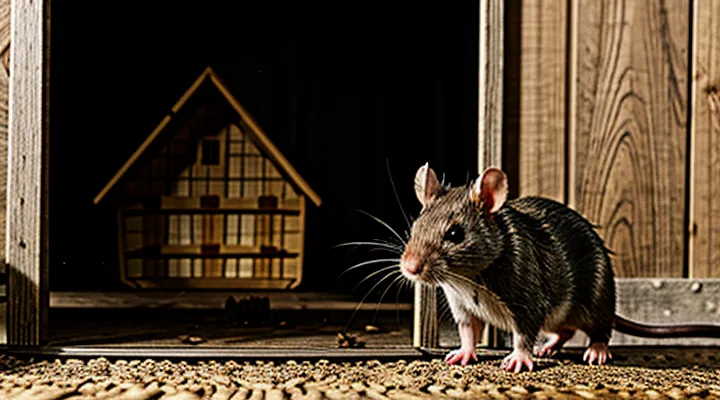
Understanding Your Uninvited Guest
Identifying the Problem
Signs of a Rat Infestation
Rats leave unmistakable evidence that distinguishes a minor sighting from a developing infestation. Early detection prevents structural damage, disease transmission, and costly remediation.
• Droppings resembling dark grains, typically found along runways, in corners, and near food sources.
• Gnaw marks on wood, plastic, or wiring, characterized by clean, V‑shaped incisions.
• Fresh nests constructed from shredded paper, fabric, or insulation, often concealed in hidden spaces such as attics, wall voids, or under flooring.
• Unexplained squeaking, scurrying, or scratching noises, especially at night when rats are most active.
• Strong, musky odor emanating from urine or gland secretions, detectable in confined areas.
• Grease tracks or smears along walls and baseboards, indicating frequent travel routes.
Visible damage to stored grain, feed, or packaged goods signals direct consumption. Presence of bite marks on electrical cords poses fire hazards. Increased sightings of live or dead rats confirm an established population.
Prompt identification of these indicators enables targeted control measures, reducing the likelihood of widespread colonization.
Common Rat Species in Barns
Barns provide shelter, food, and nesting material that attract several rat species. Understanding which species are most likely to invade helps target control measures.
-
«Rattus norvegicus» – often called the brown or Norway rat. Prefers ground-level burrows, thrives in moist environments, and feeds on stored grain, feed, and animal waste. Distinctive features include a robust body, blunt nose, and tail shorter than the head‑body length.
-
«Rattus rattus» – known as the roof or black rat. Excellent climbers, they occupy lofts, rafters, and elevated structures. They favor dry, warm spaces and consume seeds, nuts, and soft fruit. Appearance includes a slender body, pointed nose, and tail longer than the head‑body length.
-
«Rattus argentiventer» – the silver‑backed rat, less common but reported in some agricultural regions. Occupies both ground and elevated sites, feeds on a variety of plant material, and displays a gray‑brown dorsal coat with a lighter ventral side.
-
«Rattus exulans» – the Polynesian rat, occasional intruder in barns receiving imported goods. Small size, agile climber, diet includes grains and insects.
Key identification points for each species involve tail length relative to body, fur coloration, and preferred microhabitats within the barn. Recognizing these traits supports accurate monitoring and effective eradication strategies.
Why Rats Are Attracted to Barns
Rats are drawn to barns because the environment satisfies several basic survival requirements. Food sources, shelter, and favorable microclimates combine to create an ideal habitat.
- Abundant feed: stored grain, hay, and supplemental feed provide a reliable calorie supply.
- Structural protection: wooden beams, stacked straw, and lofts offer concealed nesting sites.
- Stable temperature: insulated walls and stored bedding maintain warmth during cold periods.
- Access routes: gaps in roofing, open doors, and ventilation openings allow easy entry.
- Low predator density: limited presence of natural predators reduces threat levels.
Each factor reinforces the others, establishing a self‑sustaining cycle that encourages rat populations to colonize barn structures. Continuous availability of nourishment, combined with secure hiding places and minimal predation, explains the persistent attraction of barns to these rodents.
Assessing the Extent of the Infestation
Assessing the extent of a barn‑dwelling rodent problem requires systematic observation and data collection. Begin with visual inspection of structural elements, feed storage areas, and utility lines. Look for droppings, gnaw marks, and nesting material. Record the size, location, and frequency of each sign.
Next, set up monitoring devices such as tracking boards or motion‑activated cameras. Place devices along known travel routes, near food sources, and at entry points. Review captured evidence daily to determine peak activity periods and movement patterns.
Conduct a physical count of active burrows or nests. Measure each opening, noting depth and proximity to structural supports. Use this information to estimate population density by applying standard occupancy ratios for the species.
Compile findings into a concise report that includes:
- Number of active signs per zone
- Temporal activity trends
- Estimated population range based on burrow density
- Identified entry points and vulnerable structures
The compiled data guides targeted control measures, prioritizing high‑risk zones and informing the selection of appropriate eradication tools.
Preparing for Rat Removal
Safety First: Personal Protective Equipment
When rodents infest a barn, direct contact with droppings, urine, and contaminated surfaces poses health risks. Protective gear isolates the worker from pathogens, prevents accidental ingestion, and reduces exposure to allergens.
Essential equipment includes:
- Disposable nitrile gloves, resistant to punctures and chemicals.
- Respiratory protection rated N95 or higher, fitted to seal against airborne particles.
- Safety goggles or face shields, covering the entire eye area.
- Full‑body coveralls with a breathable yet water‑resistant fabric.
- Slip‑resistant boots, preferably with steel toe caps for impact protection.
Selection criteria focus on durability, chemical resistance, and proper fit. Each item must be inspected for tears, compromised seals, or contamination before use. After completion of pest‑control activities, all disposable gear should be discarded in sealed containers, while reusable items undergo thorough decontamination according to manufacturer guidelines. Continuous adherence to these measures safeguards personnel and maintains a hygienic environment throughout eradication efforts.
Barn Preparation
Removing Food Sources
Eliminating accessible food dramatically reduces rodent activity in agricultural structures. When nourishment is unavailable, rats lose the incentive to enter and remain in the building.
- Store grain, feed, and seed in sealed metal containers equipped with tight‑fitting lids.
- Position feed stations away from walls and elevated on sturdy platforms to prevent easy climbing.
- Clean spillages and droppings immediately; use a vacuum or broom followed by a detergent solution.
- Install metal or heavy‑duty plastic troughs that cannot be gnawed through.
- Rotate stock regularly to avoid stale or moldy feed that attracts pests.
Routine inspection of storage areas identifies compromised seals, broken containers, or hidden caches. Replacing damaged equipment promptly prevents new entry points. Maintaining a strict sanitation schedule limits accidental food exposure and supports long‑term rodent exclusion.
Securing Potential Entry Points
Securing potential entry points prevents rodents from accessing a barn, reduces damage, and limits disease transmission.
Common access locations include:
- Gaps around doors and windows larger than a quarter‑inch;
- Openings at roof eaves, vent pipes, and chimney flues;
- Cracks in foundation walls and floor joists;
- Unsealed utility penetrations such as wiring, plumbing, and ventilation ducts;
- Damaged or missing weather‑stripping and door sweeps.
Effective sealing measures:
- Install steel‑wool or copper mesh behind exterior caulking to block chewing;
- Apply high‑quality, rodent‑resistant sealant to all cracks and joints;
- Fit self‑closing door devices and heavy‑duty hinges on barn doors;
- Cover vent openings with metal screens of ¼‑inch mesh or smaller;
- Replace damaged plaster, siding, or roofing material promptly.
Routine inspection schedule:
- Conduct visual checks monthly, focusing on high‑traffic zones;
- Test door sweeps and weather‑stripping for wear during each inspection;
- Reapply sealant after severe weather events or structural repairs;
- Record findings and corrective actions in a maintenance log.
Consistent implementation of these practices creates a barrier that deters rodent entry, supporting long‑term barn integrity.
Cleaning and Sanitation
Effective rodent control in agricultural structures begins with rigorous cleaning and sanitation. Removing food residues, spilled grain, and standing water eliminates attractants and reduces the likelihood of infestation. Regular sweeping of aisles, thorough washing of feeding equipment, and prompt disposal of waste create an environment hostile to rodents.
Key sanitation practices include:
- Immediate removal of droppings and urine using disposable gloves and sealed bags; dispose of material in a sealed container away from the barn.
- Disinfection of surfaces with a rodent‑safe sanitizer after each cleaning cycle to break down scent trails.
- Storage of feed in airtight containers; inspect seals weekly for damage.
- Installation of drainage to prevent moisture accumulation; dry floors discourage nesting.
- Routine inspection of loading bays and ventilation openings; seal gaps no larger than ¼ inch with metal mesh or steel wool.
Implementing a schedule that alternates deep cleaning with daily maintenance preserves hygiene standards and supports long‑term rodent exclusion. Continuous monitoring of sanitation levels ensures rapid response to any breach, maintaining the barn’s structural integrity and livestock health. «Cleanliness is the first line of defense».
Non-Lethal Rat Control Methods
Trapping Without Harm
Live Traps: Selection and Placement
Live traps provide a humane method for removing rodents from agricultural structures. Selection should focus on size, trigger sensitivity, and material durability to ensure effective capture of the target species without injury.
- Size: Choose a cage that accommodates adult rats while preventing escape; interior dimensions of at least 12 × 8 × 6 inches are typical.
- Trigger mechanism: Opt for a spring‑loaded or pressure‑activated plate that responds to minimal weight, reducing false releases.
- Construction: Prefer sturdy wire mesh with a smooth interior to avoid bruising; corrosion‑resistant coating extends service life.
- Escape prevention: Verify that the door latch closes securely after activation and cannot be reopened by the animal.
Placement directly influences capture rates. Position traps along established runways, near food sources, and close to entry points such as gaps in walls or vents. Align the trigger plate with the rodent’s natural path, ensuring unobstructed access. Set traps at ground level or slightly elevated where rats travel, and stagger multiple devices to cover larger areas. Regularly inspect and reset traps, disposing of captured animals according to local regulations. «Live traps capture without killing», offering an ethical solution for barn pest management.
Releasing Captured Rats Responsibly
When a rodent is captured in a livestock building, the release process must protect both the animal and the farm environment.
First, verify local wildlife regulations; many jurisdictions require permits or prohibit releasing non‑native species. Compliance prevents legal penalties and ecological disruption.
Second, select a release location that offers shelter, abundant food, and natural predators to maintain ecological balance. Suitable sites include wooded areas at least 500 meters from the barn, away from crops and human dwellings.
Third, conduct the release during cooler hours, preferably at dawn or dusk, to reduce stress and predation risk. Handle the animal with gloves, keep it in a breathable container, and open the lid only after reaching the chosen site.
Fourth, after release, inspect the barn for entry points, seal gaps, and eliminate attractants such as spilled grain or standing water. Implementing exclusion measures reduces the likelihood of future captures.
Finally, document the release date, location, and number of individuals. Records support ongoing pest‑management audits and demonstrate responsible stewardship.
Adhering to these steps ensures humane treatment of the captured rat while safeguarding farm productivity and environmental health.
Natural Deterrents
Essential Oils and Scents
Essential oils provide a natural deterrent for rodent activity in agricultural buildings. Their volatile compounds create an environment that rodents find hostile, reducing the likelihood of entry and nesting.
Commonly used oils include peppermint, eucalyptus, citronella, and clove. Each oil contains specific constituents—menthol, eucalyptol, citronellal, eugenol—that irritate the olfactory receptors of rats, prompting avoidance behavior. Application methods vary:
- Soak cotton balls in undiluted oil and place them in entry points, lofts, and feed storage areas. Replace every 48 hours to maintain potency.
- Prepare a spray by mixing 10 ml of oil with 250 ml of water and a few drops of emulsifier. Apply to walls, beams, and shelving surfaces once weekly.
- Incorporate oil-infused pads into bedding or insulation layers, allowing continuous release of scent.
Safety considerations demand proper ventilation and avoidance of direct contact with livestock. Dilution ratios should follow manufacturer recommendations to prevent respiratory irritation. Essential oils complement mechanical barriers, traps, and sanitation practices, forming an integrated pest‑management strategy.
Field observations indicate that consistent use of peppermint oil reduces rodent sightings by up to 70 %. «Rats retreat from strong aromas», a principle confirmed by laboratory studies measuring decreased activity in oil‑treated chambers.
Integration of aromatic deterrents with regular structural inspections maximizes effectiveness, ensuring that infestations remain under control without reliance on chemical rodenticides.
Ultrasonic Devices
Ultrasonic devices emit high‑frequency sound waves that rodents cannot tolerate. The emitted frequencies, typically above 20 kHz, cause discomfort and disorientation, prompting rats to vacate the area. These devices operate continuously, requiring only a power source and minimal maintenance.
Key characteristics of ultrasonic deterrents for barn environments include:
- Frequency range calibrated to target rodent hearing sensitivity while remaining inaudible to humans and livestock.
- Coverage area measured in square meters; multiple units may be needed for large structures.
- Automatic shut‑off during power loss, preventing accidental exposure to non‑target species.
- Low‑energy consumption, allowing integration with solar or battery backup systems.
Effectiveness depends on proper placement: devices should be positioned near entry points, feeding stations, and nesting sites, with line‑of‑sight unobstructed by metal or dense insulation. Regular monitoring of rodent activity confirms performance and informs adjustments to unit density. When combined with sanitation and physical exclusion measures, ultrasonic technology provides a non‑chemical, humane solution for eliminating unwanted rodents from agricultural buildings.
Introducing Natural Predators (Controlled)
Introducing controlled natural predators offers an effective biological approach to managing rodent incursions in agricultural structures. Predatory species can suppress populations while minimizing chemical reliance and preserving ecological balance.
Commonly employed predators include:
- Barn owls, housed in nesting boxes that encourage site fidelity.
- Ferrets, trained for short‑term release during peak activity periods.
- Raptors such as hawks, deployed through licensed falconry programs.
- Domestic cats, integrated under strict supervision to prevent unintended impacts.
Implementation requires coordination with wildlife agencies to secure permits, ensure humane handling, and monitor predator health. Habitat enhancements—such as perches, shelters, and water sources—support predator establishment. Regular observation confirms target effectiveness and identifies any collateral effects on non‑target species.
Safety protocols mandate secure enclosures during off‑hours, vaccination of mammals, and avoidance of predator exposure to feed contaminants. Data collection on capture rates, breeding success, and barn integrity informs adaptive management, allowing adjustments to predator numbers and deployment schedules. This systematic integration of controlled predators sustains long‑term rodent control without reliance on toxic interventions.
Lethal Rat Control Methods (If Necessary)
Snap Traps: Proper Usage
Trap Placement Strategies
Effective rodent control in a barn requires precise positioning of traps to maximize capture rates and minimize disruption to livestock. Successful placement depends on understanding rat movement patterns, preferred pathways, and shelter locations.
Key considerations include:
- Identify high‑traffic zones such as feed storage areas, water sources, and wall voids; position traps perpendicular to the expected travel line.
- Install traps along walls, with the trigger end facing the baseboard, because rats prefer to run with their backs to a surface.
- Place devices near concealed entry points, including gaps under doors, ventilation openings, and utility conduits, to intercept newcomers.
- Use multiple traps spaced 12–18 inches apart in active corridors; this density reduces the chance of a single rat bypassing the system.
- Secure traps at a height of 2–4 inches off the floor, aligning with the typical rat run line.
Regular inspection of trap locations should follow a schedule of every 24 hours, adjusting placement based on capture data and observed activity. Maintaining a clean environment—removing spilled feed and sealing debris—supports trap efficiency and discourages alternative foraging routes.
Baits for Snap Traps
Effective bait selection determines the success of snap traps in eliminating rodents from agricultural structures. Properly chosen attractants increase capture rates while minimizing non‑target interference.
Commonly recommended baits include:
- Fresh meat or fish fragments, providing strong protein scent.
- Peanut butter, offering high‑fat content and strong odor.
- Dried fruit or raisins, supplying natural sugars.
- Grain mixtures, such as cracked corn or wheat, appealing to omnivorous rodents.
- Commercially formulated rodent attractants, designed for consistent potency.
When preparing bait, apply a small amount directly to the trigger mechanism to ensure immediate contact. Position traps along established runways, near walls, and close to food storage areas. Secure bait to prevent displacement by wind or other animals. Replace bait daily to maintain freshness and scent strength.
Safety protocols require handling traps with gloved hands, storing them out of reach of children and pets, and disposing of captured rodents in sealed bags. After each capture, clean trap surfaces with mild detergent to eliminate residual odors that could deter future activity. Regular inspection of bait effectiveness and trap placement supports sustained rodent control.
«Snap traps are most effective when baited with fresh, aromatic food». This principle guides consistent application of the strategies outlined above.
Poison Baits: Risks and Precautions
Selecting the Right Bait Station
Choosing an effective bait station is essential for controlling rodent activity in agricultural structures.
The station must protect bait from weather, non‑target animals, and accidental contact. Sealed models with a lockable lid meet these criteria, while open designs allow rapid bait loss and increase risk to livestock.
Key factors for selection:
- Material durability – stainless steel or heavy‑duty plastic resists corrosion in humid barns.
- Tamper‑resistance – a mechanism that requires a rodent‑sized entry prevents interference by larger animals.
- Size – a chamber that fits the intended bait volume without excess space reduces waste.
- Placement flexibility – stations with mounting brackets or hanging hooks enable strategic positioning near walls, feed lines, or entry points.
Safety considerations include compliance with local pesticide regulations and clear labeling of the bait compartment. Stations equipped with a visible indicator of bait depletion allow timely replenishment and maintain consistent control pressure.
Finally, match the bait station to the chosen attractant. For example, a station designed for granular formulations works best with «grain‑based bait», whereas a snap‑type device suits «block bait». Aligning station design with bait type maximizes efficacy and minimizes environmental impact.
Safe Handling and Disposal of Poison
Effective rodent control in agricultural structures requires strict adherence to safety protocols when handling toxic baits. Personal protective equipment (PPE) forms the first barrier against accidental exposure. Recommended PPE includes chemical‑resistant gloves, goggles, and disposable coveralls; replace gloves immediately after contact with bait.
Apply poison only in sealed bait stations positioned away from livestock, feed, and human traffic. Follow a step‑by‑step procedure:
- Inspect bait station for damage before loading.
- Wear PPE, then open the station using the provided latch.
- Dispense the exact amount of bait specified on the product label; avoid over‑application.
- Close the station securely, ensuring no gaps.
- Record the location, date, and product batch number in a maintenance log.
Disposal of unused or expired poison follows hazardous waste regulations. Transfer remaining material to a labeled, sealable container; store the container in a locked, ventilated area until collection by a licensed waste disposal service. Do not discard poison in regular trash, drains, or compost.
Clean and decontaminate all equipment after each use. Rinse PPE with water, then wash with a mild detergent. Inspect tools for residue before storage. Maintain documentation of disposal actions to demonstrate compliance with safety standards.
Protecting Pets and Livestock
Rats in agricultural structures pose a direct threat to the health and safety of domesticated animals. Their presence can lead to disease transmission, stress‑induced weight loss, and accidental injuries caused by bites or contaminated feed.
Effective protection strategies include:
- Secure storage of feed in metal containers with tight‑fitting lids to prevent access.
- Regular inspection and repair of building foundations, walls, and roof seams to eliminate entry points.
- Installation of sturdy metal or concrete barriers around water troughs and feeding stations.
- Deployment of snap traps or electronic devices in perimeters, positioned away from animal pathways.
- Use of natural predators such as barn owls, provided nesting boxes are installed safely.
Monitoring protocols should involve weekly visual checks for droppings, gnaw marks, and unusual animal behavior. Immediate removal of identified rodents reduces the risk of rapid population growth and limits exposure to pathogens that can affect livestock and companion animals alike.
Preventing Future Infestations
Long-Term Exclusion Strategies
Sealing Cracks and Openings
Sealing cracks and openings is a critical step in preventing rodent intrusion in agricultural structures. Identify all potential entry points by conducting a thorough visual inspection of the building envelope, including walls, roof eaves, ventilation ducts, and utility penetrations. Prioritize gaps larger than ¼ inch, as they accommodate even juvenile rats.
- Apply expanding polyurethane foam to irregular gaps around pipes and wiring. Allow the foam to cure fully before trimming excess material.
- Install metal flashing or hardware cloth (minimum ¼‑inch mesh) over larger openings, securing it with stainless‑steel screws to resist corrosion.
- Use cement‑based mortar or cementitious sealant for cracks in masonry, ensuring the filler adheres to both sides of the fracture.
- Cover vent openings with durable screens fitted tightly to the frame; replace damaged screens promptly.
- Seal gaps around doors and windows with weatherstripping that compresses firmly when closed, preventing lateral movement.
After sealing, re‑inspect the structure monthly during peak rodent activity seasons to verify the integrity of repairs and address new gaps promptly. Maintaining a continuous barrier eliminates shelter and access, reducing the likelihood of future infestations.
Repairing Damaged Structures
Rats that infiltrate a barn often gnaw wood, chew insulation, and compromise the integrity of load‑bearing elements. Prompt repair of these damages prevents structural failure and reduces the likelihood of further infestation.
First, assess all affected components. Identify visible chew marks, test for softness in beams, and inspect roof trusses for missing sections. Document each defect to prioritize repairs according to load importance.
Next, remove compromised material. Cut away gnawed wood until healthy, dry tissue remains. Replace with pressure‑treated lumber or metal brackets that resist rod damage. Secure connections with stainless‑steel fasteners to avoid corrosion.
Apply protective barriers after reconstruction. Install metal mesh or hardware cloth around ventilation openings, feed troughs, and wiring channels. Seal gaps with rod‑proof caulk, ensuring continuity of the barrier.
Finally, reinforce the overall structure. Add cross‑bracing to vulnerable walls, reinforce joist hangers, and install additional support beams where load calculations indicate stress. Conduct a load test to verify that repaired sections meet safety standards.
Regular maintenance eliminates re‑infestation risk. Schedule quarterly inspections, replace any worn barrier material, and keep the barn free of food debris that attracts rodents.
Ongoing Sanitation and Maintenance
Regular Barn Cleaning Schedule
A systematic cleaning routine removes food residues, eliminates shelter, and creates an environment hostile to unwanted rodents.
Daily tasks focus on immediate waste management and surface sanitation:
- Collect and dispose of spilled grain, feed, or hay within minutes of occurrence.
- Sweep floors to expose hidden debris.
- Empty animal‑feeding containers and clean them with hot water and detergent.
Weekly tasks address deeper contamination and structural upkeep:
- Scrub walls, beams, and equipment using a brush and an approved disinfectant.
- Inspect and repair cracks, gaps, or holes in the building envelope.
- Rotate stored feed to prevent moisture buildup and mold growth.
Monthly tasks target accumulated grime and long‑term pest indicators:
- Vacuum lofts, rafters, and elevated platforms where droppings may accumulate.
- Clean drainage channels and gutters to prevent standing water.
- Conduct a thorough inventory of feed storage, discarding any expired or damp supplies.
Seasonal tasks adapt the schedule to weather‑related risks:
- In spring, increase exterior perimeter checks for burrows or nesting material.
- Before winter, reinforce doors, windows, and ventilation openings with weather‑tight seals.
- After winter, perform a deep clean of insulation and bedding to remove any rodent remnants.
Consistent adherence to this schedule reduces attractants, limits hiding places, and facilitates early detection of rodent activity. Integration with regular pest‑monitoring inspections enhances overall effectiveness and sustains a barn free of uninvited guests.
Proper Feed Storage Solutions
Proper feed storage is a primary defense against rodent intrusion in livestock shelters. Secure containers limit access to food, reduce scent trails, and eliminate breeding sites.
Effective storage units possess three essential attributes: airtight sealing, construction from non‑chewable material, and placement above ground level. Metal drums with lockable lids satisfy the first two criteria, while pallet racks provide the required elevation.
Implementation steps:
- Select containers rated for agricultural use and certified pest‑resistant.
- Position units on concrete pads to prevent moisture accumulation.
- Install shelving that raises feed at least 30 cm from the floor.
- Seal all joints with silicone gaskets to block entry points.
- Label each container with «feed type» and date of receipt for inventory control.
Routine maintenance includes weekly inspection for damaged seals, prompt removal of spilled grain, and rotation of stock to avoid stale residues. Cleaning schedules should employ hot water and detergent, followed by thorough drying before resealing.
Monitoring for Recurrence
Effective surveillance after an initial rodent elimination program prevents re‑infestation and protects livestock health. The first step is to establish a baseline detection schedule. Visual inspections of feed storage, structural gaps, and droppings should occur weekly for the first month, then transition to bi‑weekly checks. Inspectors must record evidence of activity in a standardized log, noting location, date, and any signs of gnawing.
A second layer of monitoring employs mechanical devices. Permanent snap traps or electronic bait stations placed along known travel routes provide continuous data. Traps should be checked daily for captures; a sudden increase signals a breach in the barrier system. Recording trap counts in a spreadsheet enables trend analysis and early warning.
Chemical indicators augment physical methods. Non‑toxic tracking powders applied to suspected pathways reveal recent movement when dust appears on fur or surfaces. Dust samples collected during inspections are examined under a magnifying lens; any fresh residue confirms recent presence.
Digital technologies offer remote oversight. Motion‑activated cameras installed near entry points capture nocturnal activity, transmitting images to a central dashboard. Infrared sensors integrated with the barn’s ventilation system detect temperature fluctuations associated with animal movement. Alerts generated by these systems prompt immediate investigation.
Sanitation audits complete the monitoring framework. Waste removal schedules, feed‑bin sealing procedures, and vegetation control around the structure are reviewed monthly. Any lapse in housekeeping creates harborages that facilitate rodent return; corrective actions are documented and verified.
Consistent documentation across all methods creates a comprehensive dataset. Analyzing trends over a six‑month horizon identifies patterns, such as seasonal spikes, and informs adjustments to exclusion measures. By maintaining rigorous «Monitoring for Recurrence», barn owners secure long‑term protection against unwanted guests.