
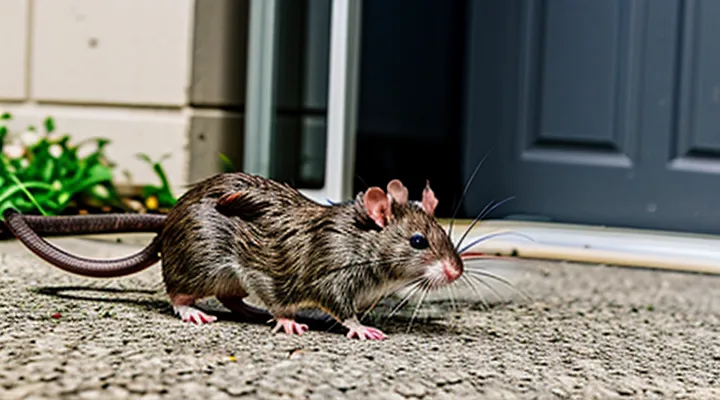
Understanding the Rat Problem
Identifying Rat Infestations
Signs of Rats
Rats leave unmistakable evidence that signals infestation and guides selection of control measures. Recognizing these indicators early prevents property damage and health risks.
Typical indications include:
- Droppings, dark and rod-shaped, found near food sources, along walls, or in hidden corners.
- Gnaw marks on wood, plastic, wiring, or insulation, often with fresh, clean cuts.
- Grease trails or smudged pathways along walls, created by oily fur.
- Nesting material such as shredded paper, fabric, or insulation in concealed areas.
- Audible noises, especially scurrying or scratching, occurring at night.
- Unexplained food loss or contamination, accompanied by shredded packaging.
Observing multiple signs within a short period confirms active presence and justifies immediate deployment of appropriate rat control products.
Common Entry Points
Rats gain access to buildings through small openings that often escape casual inspection. Identifying these pathways is essential for deploying control measures that target the source of infestation rather than merely reacting to visible activity.
- Gaps surrounding utility pipes and cables, typically ¼‑inch or larger.
- Cracks in foundation walls, slab joints, and concrete floors.
- Unscreened or damaged vent openings, including attic and dryer vents.
- Roof eaves, soffits, and damaged shingles that create direct routes to the attic.
- Door frames with worn weatherstripping or improperly aligned thresholds.
- Openings around sewer and storm‑water drains, especially where covers are missing or deteriorated.
- Crawl‑space access points, such as gaps under floor joists or low‑lying doorways.
- Damaged or missing window screens, especially in basements and garages.
After cataloging these entry points, effective rat control solutions focus on two actions. First, seal each opening with appropriate materials—steel wool, metal flashing, concrete caulk, or hardware cloth—to prevent re‑entry. Second, position bait stations, snap traps, or electronic devices within a 10‑foot radius of the identified gaps, ensuring that rodents encounter the product before reaching interior spaces. Proper sealing combined with strategic placement maximizes the likelihood of long‑term exclusion and population reduction.
Types of Rats
Rats that most frequently trigger the need for control measures belong to two globally distributed species. Their biological traits dictate the choice and performance of mitigation products.
- Norway rat (Rattus norvegicus) – also called brown rat, averages 250–300 mm in body length, prefers ground burrows and sewers, thrives in temperate climates, exhibits strong chewing ability, and readily avoids open traps.
- Roof rat (Rattus rattus) – known as black rat, measures 150–200 mm, favors elevated locations such as attics and trees, favors warm, humid environments, displays excellent climbing skills, and shows heightened wariness of bait stations.
- Polynesian rat (Rattus exulans) – the smallest of the group at 100–150 mm, inhabits island ecosystems, often enters homes through low‑lying openings, and reacts differently to anticoagulant baits due to its rapid metabolism.
- House rat (Rattus rattus domestica) – a regional variant of the roof rat, adapted to urban structures, demonstrates increased tolerance to certain rodenticides, and tends to establish colonies near food storage areas.
Understanding these classifications clarifies why specific control products succeed or fail. Ground‑dwelling species respond better to snap traps placed along runways, while arboreal rats require bait stations positioned at elevated points. Anticoagulant formulations must consider metabolic rates that vary among species, influencing dosage and bait acceptance. Accurate identification of the resident rat type therefore underpins an effective selection of control solutions.
Overview of Rat Control Products
Baits and Rodenticides
Types of Baits
Baits constitute a core element of any rat management program, delivering toxicants directly to target animals while minimizing exposure to non‑targets. Various formulations address differences in habitat, feeding behavior, and resistance patterns.
- Anticoagulant baits – contain compounds such as brodifacoum or difethialone; inhibit blood clotting, leading to fatal hemorrhage after multiple ingestions. Available in single‑feed (lower dose) and multiple‑feed (higher dose) variants.
- Non‑anticoagulant baits – include zinc phosphide, which releases phosphine gas upon ingestion; cholecalciferol, causing hypercalcemia; and bromethalin, a neurotoxin that disrupts mitochondrial function. These agents act after a single consumption.
- Grain‑based baits – composed of wheat, corn, or rice; appeal to rats that forage on stored cereals. Often combined with anticoagulant or non‑anticoagulant active ingredients.
- Protein‑based baits – formulated with fish, meat, or soy meals; attract rats that prefer protein sources, especially in urban settings where grain is less prevalent.
- Flavored or scented baits – incorporate attractants such as peanut butter, chocolate, or synthetic pheromones; enhance palatability and increase uptake rates.
- Pre‑bated stations – sealed containers that house bait blocks or pellets; limit access by non‑target species while allowing rats to enter through narrow entry points.
Selection criteria should consider resistance history, environmental constraints, and regulatory limits on active ingredient concentrations. Proper placement, periodic monitoring, and rotation of bait types help sustain efficacy and reduce the risk of resistance development.
Active Ingredients
Active ingredients determine the efficacy and safety profile of rodent management solutions. Understanding each compound’s mode of action, toxicity level, and regulatory status is essential for selecting an appropriate product.
- Warfarin and first‑generation anticoagulants – inhibit vitamin K recycling, causing delayed hemorrhage. Effective at low concentrations but susceptible to resistance after repeated exposure.
- Bromadiolone, difenacoum, brodifacoum – second‑generation anticoagulants with higher potency and longer half‑life. Provide single‑dose control of resistant populations; require careful handling due to increased secondary‑poisoning risk.
- Bromethalin – disrupts mitochondrial oxidative phosphorylation, leading to rapid neurotoxicity. Works quickly, suitable where anticoagulant resistance is documented; toxic to non‑target wildlife if ingested.
- Zinc phosphide – releases phosphine gas upon contact with stomach acid, causing acute respiratory failure. Primarily used in bait stations for outdoor applications; highly toxic to birds and mammals.
- Cholecalciferol (vitamin D3) – induces hypercalcemia, resulting in kidney failure. Low environmental persistence, minimal secondary poisoning, but slower onset compared with bromethalin.
- Sodium fluoroacetate – interferes with the citric acid cycle, producing fatal metabolic disruption. Restricted in many jurisdictions because of high toxicity to native fauna.
Regulatory agencies classify these compounds based on acute toxicity, environmental impact, and resistance potential. Products containing second‑generation anticoagulants often require a restricted‑use label, while non‑anticoagulant options may be available for broader distribution. Selecting an active ingredient should align with the target infestation level, local resistance patterns, and compliance with regional pesticide regulations.
Safety Considerations for Baits
When selecting rodent bait, the foremost priority is preventing accidental exposure to non‑target organisms. Evaluate toxicity classifications, ensuring the product’s active ingredient aligns with the intended environment and risk profile.
- Choose baits with the lowest effective dose of anticoagulants or neurotoxins.
- Verify that the formulation includes bittering agents or scent deterrents to reduce ingestion by children and pets.
- Confirm clear, durable labeling that lists active ingredients, hazard symbols, and first‑aid instructions.
- Store containers in locked, ventilated areas away from food preparation zones.
- Dispose of unused bait according to local hazardous‑waste guidelines to avoid environmental contamination.
Compliance with regulatory frameworks, such as EPA registration and state pesticide statutes, guarantees that manufacturers have met safety testing standards. Products must carry a valid registration number and a Material Safety Data Sheet (MSDS) that details handling precautions, exposure limits, and emergency procedures.
During application, spread bait in tamper‑resistant stations positioned along walls, behind appliances, and in concealed corners. Avoid placement on elevated surfaces where children can reach them. Monitor stations regularly, replenish only as needed, and record usage to track exposure risk. By adhering to these protocols, users minimize unintended harm while maintaining effective rodent control.
Traps
Snap Traps
Snap traps provide a rapid, lethal method for reducing rat populations in residential and commercial settings. Constructed from steel or wood, they employ a spring‑loaded bar that releases upon trigger activation, delivering an instantaneous kill. The design eliminates the need for ongoing bait management and reduces the risk of secondary poisoning for non‑target animals.
Key characteristics of effective snap traps include:
- High spring tension for swift impact
- Adjustable trigger sensitivity to accommodate varying rodent sizes
- Durable construction to withstand repeated use
- Secure locking mechanism for safe handling and disposal
Proper deployment enhances performance: position traps along walls, near entry points, and in areas showing rodent activity; use chew‑resistant bait such as peanut butter or dried fruit; and inspect traps daily to remove captured rats and reset mechanisms. When used correctly, snap traps offer a cost‑effective, low‑maintenance solution for immediate rat control.
Live Traps
Live traps constitute a non‑lethal method for managing rat populations, allowing capture without chemical agents. The devices consist of a secure cage, a trigger mechanism, and a bait station; when a rat enters and contacts the trigger, the door closes, confining the animal inside.
Advantages include humane treatment, reusability, and elimination of secondary poisoning risks. Captured rats can be released far from residential areas or dispatched according to local regulations, reducing environmental impact.
When selecting a live trap, consider the following criteria:
- Size and weight capacity – sufficient to accommodate adult rats (up to 500 g) without causing injury.
- Construction material – stainless steel or heavy‑duty plastic for durability and ease of sanitation.
- Trigger sensitivity – adjustable pressure plates to prevent accidental closures while ensuring reliable activation.
- Ventilation and access – multiple air holes and a wide opening for quick removal of the catch.
- Portability – compact design for placement in tight spaces such as crawl spaces, basements, or attics.
Effective models frequently cited by pest‑management professionals include:
- Havahart 1050 – 12‑inch steel cage, 4‑kg capacity, spring‑loaded door, rust‑resistant coating.
- Tomcat Live‑Catch – 10‑inch polypropylene cage, adjustable trigger, transparent front for monitoring.
- Kness K-5 – 14‑inch aluminum frame, dual‑door release, built‑in bait holder, lightweight for transport.
Proper deployment involves positioning traps along established rodent pathways, using attractive bait such as peanut butter or dried fruit, and checking the devices at least twice daily to prevent stress or dehydration of captured rats. Regular cleaning with a mild disinfectant maintains trap efficacy and prevents disease transmission.
Glue Traps
Glue traps are adhesive platforms designed to immobilize rodents upon contact. The surface is coated with a non‑toxic, high‑strength resin that remains effective in temperatures ranging from –10 °C to 40 °C. Once a rat steps onto the trap, its paws and tail become stuck, preventing further movement and leading to death by exhaustion or dehydration.
Key characteristics:
- Construction: Polypropylene base, single‑sided glue layer, sealed edges to avoid accidental release.
- Placement: Near walls, behind appliances, in dark corners, or along established runways.
- Duration of effectiveness: Up to 12 months if stored in a cool, dry environment; active capture period of 30–45 days in situ.
- Disposal: Seal captured rodent in a plastic bag, then encase the entire trap in a second bag before discarding according to local waste regulations.
Advantages:
- No electrical components, eliminating power‑outage concerns.
- Immediate capture without need for bait, reducing attraction of non‑target species.
- Low purchase price; bulk packages often cost less than $0.20 per unit.
Limitations:
- Non‑selective adhesion may trap insects, small reptiles, or pets if improperly positioned.
- Requires regular inspection to prevent prolonged suffering of captured animals.
- Ineffective against highly active rats that avoid known obstacles.
Safety considerations:
- Wear disposable gloves when handling traps to avoid skin contact with adhesive.
- Keep traps out of reach of children and domestic animals; label storage containers clearly.
- Follow manufacturer instructions regarding maximum load per trap to avoid reduced adhesion.
Regulatory notes:
- Some jurisdictions classify glue traps as “restricted devices” due to animal welfare concerns; users must verify local legislation before purchase.
- Certification labels such as ISO 9001 or CE indicate compliance with manufacturing standards but do not guarantee humane outcomes.
When integrated into a broader rodent management program, glue traps provide rapid detection of infestation hotspots and serve as a supplemental tool alongside exclusion techniques and bait stations. Their simplicity and cost efficiency make them a viable option for short‑term control, provided that monitoring and humane disposal protocols are strictly observed.
Electronic Traps
Electronic traps provide a rapid, humane method for eliminating rats in residential, commercial, and industrial settings. The devices deliver a high‑voltage shock that instantly disables the target, eliminating the need for poisons or manual handling. Sensors detect the presence of a rodent, trigger the discharge, and log each event, allowing users to monitor activity without entering the trap.
Key characteristics of effective electronic traps include:
- Voltage output: Minimum 2,500 V, sufficient to ensure immediate incapacitation.
- Power source: AC mains with battery backup or fully battery‑operated models for areas without reliable electricity.
- Sensor technology: Infrared, pressure, or dual‑sensor systems reduce false triggers from debris or non‑target species.
- Capacity: Multiple entry slots enable capture of several rats before the trap must be emptied.
- Safety features: Insulated housing, child‑proof locks, and automatic shut‑off to protect humans and pets.
- Data logging: Built‑in counters or Bluetooth connectivity for remote monitoring and performance analysis.
Maintenance requirements are minimal. After each discharge, the interior should be wiped clean to prevent residue buildup; most units include removable trays for easy disposal. Battery‑powered models demand periodic recharge or battery replacement, typically every 6–12 months depending on usage frequency.
Cost considerations balance upfront price against long‑term savings. Higher‑priced units often incorporate advanced sensors and data interfaces, reducing labor and chemical expenses. Lower‑priced models may lack some safety or logging features but still deliver reliable lethality.
Overall, electronic traps represent a dependable component of comprehensive rat management strategies, offering speed, safety, and traceability without reliance on toxic substances.
Repellents
Ultrasonic Repellents
Ultrasonic repellents emit high‑frequency sound waves that rodents cannot tolerate. The devices are powered by batteries or mains electricity and typically include a built‑in timer or motion sensor to activate the emitter only when activity is detected.
Key characteristics:
- Frequency range: 20–65 kHz, above human hearing threshold.
- Coverage area: 150–500 sq ft per unit, depending on model and placement.
- Power source: AC adapter, AA/AAA batteries, or solar panel for outdoor units.
- Additional features: adjustable intensity, remote control, integrated LED indicator.
Effectiveness depends on several factors. Continuous operation in a confined space creates a hostile acoustic environment, reducing rat presence within weeks. Open environments with multiple entry points diminish impact, as sound waves dissipate quickly. Studies show a 60–80 % reduction in rodent activity when devices are correctly positioned and used alongside sealing of gaps.
Advantages:
- No chemicals, safe for humans and pets when used as directed.
- Quiet operation; audible only to rodents.
- Easy installation; no wiring or professional service required.
- Low maintenance; battery replacement or occasional cleaning of transducer surface.
Limitations:
- Ineffective against rodents that have become habituated to the frequency.
- Limited range; multiple units required for large warehouses or multi‑room residences.
- Not a standalone solution; sealing entry points and removing food sources remain essential.
- Performance can be affected by ambient noise, furniture, and wall materials that absorb sound.
Best practices for deployment:
- Identify rat activity zones using droppings, gnaw marks, or tracking powder.
- Place the repellent at least 6 inches from walls and furniture to avoid sound obstruction.
- Install one unit per 150 sq ft for optimal coverage; increase density in high‑traffic areas.
- Combine with physical exclusion methods (steel‑wool inserts, caulking) and sanitation measures.
- Monitor activity for a minimum of four weeks; replace or reposition units if no decline is observed.
Overall, ultrasonic devices provide a non‑toxic, low‑maintenance option for reducing rat presence when integrated into a comprehensive pest‑management program. Their efficacy is maximized by proper placement, adequate coverage, and complementary control strategies.
Scent-Based Repellents
Scent‑based repellents rely on odors that rodents find unpleasant, prompting them to avoid treated areas. The approach exploits natural aversions rather than lethal mechanisms, allowing continuous protection without direct contact.
Common active components include:
- Peppermint oil, which contains menthol and linalool that irritate rodent sensory receptors.
- Predator urine extracts, such as fox or ferret, that trigger fear responses.
- Ammonia solutions, creating a sharp chemical environment that discourages nesting.
- Capsaicin derivatives, delivering a burning sensation upon inhalation.
Application formats vary to suit different environments:
- Spray bottles for targeted coverage on surfaces, corners, and entry points.
- Granular pellets for placement in burrows, crawl spaces, or along baseboards.
- Passive diffusers that release volatile compounds over extended periods, suitable for indoor storage areas.
Effectiveness depends on concentration, frequency of reapplication, and environmental conditions. High‑humidity settings may diminish volatility, requiring more frequent treatment. Proper placement eliminates gaps that rats could exploit. Safety considerations include avoiding direct skin contact and keeping products away from pets and food sources. When integrated with physical barriers and sanitation measures, scent‑based repellents contribute to a comprehensive rodent management strategy.
Exclusion Methods
Sealing Entry Points
Sealing potential openings prevents rats from entering structures, eliminating the primary pathway for infestation. Effective barriers reduce reliance on traps and poisons, lowering overall control costs.
Common entry points include:
- Gaps around utility pipes (diameter ≤ ½ in).
- Cracks in foundation walls and slab edges.
- Openings under doors and windows, especially where weather‑stripping is missing.
- Vents and exhaust ducts lacking mesh covers.
- Roof eaves and soffit gaps where fascia boards are loose.
Materials that provide durable exclusion:
- Steel wool – tightly packed into small holes, resistant to chewing.
- Copper or stainless‑steel mesh – applied over larger gaps; mesh size ≤ ¼ in.
- High‑expansion polyurethane foam – expands to fill irregular voids, hardens to a rigid barrier.
- Silicone or acrylic caulk – seals seams around fixtures and trim.
- Concrete patch – restores integrity of foundation cracks exceeding ½ in.
Inspection protocol:
- Conduct visual sweep of exterior walls, foundation, and roofing after each seasonal change.
- Use a flashlight to identify shadowed gaps behind insulation and within crawl spaces.
- Apply a thin layer of powdered talc at suspected openings; rat activity displaces talc, confirming access points.
- Record locations, seal with appropriate material, and re‑inspect after two weeks to verify integrity.
Routine maintenance includes clearing debris that obscures sealed areas, checking for damage after heavy rain or ground movement, and reapplying sealants as they age. Consistent execution of these steps creates a robust physical barrier, forming a cornerstone of any comprehensive rat management program.
Habitat Modification
Effective rat management relies on altering the environment to reduce shelter, food, and water sources. Habitat modification addresses the root causes of infestation by eliminating conditions that support rodent populations.
Key measures include:
- Sealing entry points: Install steel wool or cement-based sealants around pipes, vents, and foundation cracks.
- Removing clutter: Clear debris, stacks of cardboard, and unused equipment that provide hiding places.
- Controlling vegetation: Trim overgrown shrubs, maintain a clear perimeter, and keep grass at a manageable height.
- Managing waste: Use tightly sealed containers, schedule regular trash removal, and keep compost bins rodent‑proof.
- Eliminating water sources: Repair leaks, install drip‑free faucets, and ensure drainage systems function properly.
Consistent application of these practices reduces the likelihood of rat colonization and enhances the efficacy of chemical and mechanical control methods. Integrated implementation yields a sustainable reduction in rodent activity.
Choosing the Right Rat Control Product
Factors to Consider
Severity of Infestation
Severity of infestation determines the urgency and type of rat‑control measures required. Low‑level activity, identified by occasional droppings or isolated sightings, permits the use of single‑dose bait stations or targeted traps. Moderate infestation, indicated by frequent droppings, gnaw marks, and multiple sightings across a confined area, necessitates a combination of bait stations, snap traps, and possibly a short‑term rodenticide program to reduce population density rapidly. High‑level infestation, characterized by extensive droppings, widespread gnaw damage, audible activity, and sightings in multiple zones, demands an integrated approach: dense placement of bait stations, continuous monitoring, multiple trap types, and, where legally permissible, a comprehensive rodenticide regimen with rotation of active ingredients to prevent resistance.
Key indicators for assessing severity:
- Quantity and distribution of droppings
- Frequency of audible activity (scratching, scurrying)
- Extent of gnaw damage to structures and wiring
- Number of live or dead rats observed during inspection
The chosen control products must align with the infestation level. For minor problems, low‑toxicity baits and a few traps minimize non‑target risk while achieving control. Moderate cases benefit from medium‑strength baits combined with mechanical traps to accelerate reduction. Severe infestations often require high‑potency baits, professional application, and a structured removal schedule to prevent re‑infestation. Selecting products that match the severity ensures efficient resource use, compliance with safety regulations, and successful eradication.
Location of Infestation
Identifying the precise site of a rat problem determines which control measures will work best. In residential settings, infestations often concentrate in kitchens, basements, and attics where food, water, and shelter are readily available. These areas demand products that can be placed discreetly, such as snap traps with bait stations or sealed bait blocks that comply with indoor safety standards.
In commercial facilities, rats frequently occupy waste storage rooms, loading docks, and pipe chases. Solutions for these zones include heavy‑duty multi‑catch traps, tamper‑proof bait stations, and rodenticide granules designed for high‑traffic environments. Durability and resistance to tampering are critical factors in selection.
Outdoor infestations typically develop around garbage bins, sewer lines, and vegetation that provides cover. Effective options for exterior use comprise weather‑resistant snap traps, bait stations with UV‑protected bait, and broadcast granules that can be spread along perimeter zones. Placement should target runways and burrow entrances identified during inspection.
When infestations span multiple locations, a layered approach maximizes results. Combine indoor bait stations with exterior traps, and supplement with exclusion measures such as sealing entry points, installing door sweeps, and repairing structural gaps.
Key considerations for product choice based on location:
- Safety compliance: Verify that indoor products meet residential safety regulations.
- Durability: Select materials resistant to weather and vandalism for outdoor or industrial sites.
- Accessibility: Ensure traps and baits can be reached for regular monitoring and maintenance.
- Target specificity: Use products formulated for the species and size of rats present in the identified area.
Accurate mapping of infestation zones enables targeted deployment of the most appropriate rat control tools, reducing waste of resources and accelerating eradication.
Safety for Pets and Children
Effective rat management products must protect household members, especially pets and children, from toxic exposure and physical hazards. Formulations that rely on anticoagulant rodenticides pose a high risk of secondary poisoning; ingestion of a single bait can cause severe bleeding in dogs, cats, and small children. Mechanical traps, such as snap or live-catch devices, present choking or injury hazards if left within reach. Selecting options that limit accessibility and employ low-toxicity active ingredients reduces these dangers.
Safety measures include:
- Placing bait stations out of reach, mounted at least 18 inches above floor level and secured to walls.
- Using tamper‑proof containers that lock automatically after a single dose is removed.
- Labeling all treatment areas clearly, with warning signs visible to caregivers.
- Conducting regular inspections to remove spent baits and verify trap integrity.
- Choosing products certified for use in homes with pets and children, indicated by third‑party testing results.
When evaluating specific solutions, prioritize those that:
- Contain non‑anticoagulant, low‑toxicity chemicals such as zinc phosphide in sealed dispensers.
- Offer electronic or ultrasonic deterrents that emit no chemicals and require no direct contact.
- Provide clear, child‑safe instructions and include safety data sheets that detail accidental ingestion protocols.
Implementing these practices ensures rat control effectiveness while maintaining a safe environment for vulnerable occupants.
Environmental Impact
Effective rat control solutions vary in their ecological footprint. Anticoagulant baits introduce chemical agents that persist in soil and water, creating a risk of secondary poisoning for predatory birds and mammals that consume poisoned rodents. Snap traps generate minimal chemical waste but produce disposable plastic or wooden components that contribute to landfill volume. Electronic devices deliver rapid, humane termination without chemicals, yet their batteries contain heavy metals that require proper disposal to prevent soil contamination. Biological approaches, such as introducing natural predators or deploying pheromone‑based mating disruption, avoid direct toxin release but may alter local food‑web dynamics if predator populations expand beyond intended levels.
Key environmental considerations include:
- Non‑target exposure – accidental ingestion by wildlife or pets, especially with rodenticides.
- Residue longevity – chemical stability in the environment, influencing groundwater quality.
- Material waste – disposability of trap components and packaging.
- Energy consumption – power requirements for electronic units and associated carbon output.
- Ecosystem balance – potential effects of predator augmentation or pheromone saturation on native species.
Regulatory frameworks often require labeling that identifies hazards to non‑target organisms and prescribe disposal methods for spent products. Selecting a control option should involve evaluating these impact categories against the severity of the infestation, ensuring that mitigation measures, such as bait stations with restricted access or recycling programs for trap parts, are incorporated into the management plan.
Integrated Pest Management (IPM) Approach
Integrated pest management (IPM) provides a structured framework for controlling rat populations while minimizing reliance on chemical interventions. The approach combines biological, mechanical, and chemical tactics, each applied according to defined thresholds and monitoring results.
Key components of an IPM program include:
- Monitoring and identification – regular inspection of premises, trapping data, and species confirmation.
- Establishing action thresholds – predetermined levels of activity that trigger specific control measures.
- Prevention – sealing entry points, eliminating food sources, and maintaining sanitation to reduce habitat suitability.
- Control tactics – deployment of snap traps, electronic devices, bait stations, and, when necessary, targeted rodenticides formulated for safety and efficacy.
- Evaluation – post‑intervention assessment to verify reduction in activity and adjust future actions.
When selecting rat control products, IPM emphasizes compatibility with non‑chemical methods. For example, snap traps and electronic kill devices can be positioned based on monitoring data, reducing the need for widespread bait use. Bait stations, if employed, should contain anticoagulant formulations approved for indoor or outdoor environments, placed in secured locations to prevent non‑target exposure.
Effective IPM implementation relies on documentation of each step, enabling continuous improvement and regulatory compliance. By integrating multiple control options within a data‑driven process, rat management achieves sustained suppression with reduced environmental impact.
Safe and Effective Product Application
Proper Placement of Baits and Traps
Effective bait and trap placement determines success in any rat management program. Position devices where rats travel routinely: along walls, behind appliances, beneath shelving, and near concealed entry points. Place baits 1‑2 feet off the ground, directly adjacent to the wall, because rats prefer to run close to surfaces. Secure traps on the same plane, ensuring the trigger mechanism is accessible from the rat’s side of the wall.
Key considerations for optimal deployment:
- Proximity to food sources – locate baits within 12‑18 inches of suspected food caches, but away from human contact zones.
- Shelter zones – install traps in dark, undisturbed corners, such as under piles of debris, inside crawl spaces, or behind insulation.
- Travel pathways – identify runways by observing gnaw marks, droppings, or grease trails; position devices directly on these routes.
- Safety distance – maintain at least 3 feet between baits and non‑target animals or children; use tamper‑resistant stations when necessary.
- Environmental factors – avoid placement in direct sunlight, extreme moisture, or high‑traffic human areas that may degrade bait effectiveness.
Regularly inspect stations, replace depleted baits, and reposition traps if capture rates decline. Rotate bait locations every 7‑10 days to prevent habituation. Ensure that each device remains stable and that the trigger is oriented toward the anticipated direction of approach. Consistent adherence to these placement principles maximizes the performance of the selected rat control products.
Handling and Disposal of Rodents and Products
Proper management of captured rodents and the devices used to eliminate them is essential for health safety and regulatory compliance. Personnel must wear disposable gloves and eye protection when removing live or dead specimens. After removal, place rodents in sealed, puncture‑resistant containers lined with absorbent material to prevent leakage.
Key disposal procedures include:
- Biological waste: Transfer sealed containers to a licensed animal carcass disposal service or incinerate according to local health department guidelines. Do not dispose of rodents in regular trash.
- Chemical baits and traps: Store unused products in original, unopened packaging. Dispose of empty containers by crushing, then placing them in a hazardous waste bin approved for pesticide residues.
- Cleaning: Disinfect work surfaces with a solution containing at least 1 % sodium hypochlorite or an EPA‑registered disinfectant. Rinse and dry equipment before reuse or storage.
Documentation of each disposal event—date, quantity, method, and responsible staff—must be retained for audit purposes. Compliance with OSHA, EPA, and local wildlife regulations prevents fines and reduces the risk of secondary infestations.
Monitoring and Follow-Up
Effective rat management does not end with product application; continuous observation determines whether control measures achieve intended outcomes. After deploying traps, bait stations, or repellents, record capture rates, bait consumption, and signs of activity such as droppings or gnaw marks. Compare data against baseline levels to assess reduction trends and identify locations where infestations persist.
Implement a structured follow‑up routine:
- Conduct weekly inspections for the first month, focusing on high‑risk zones identified during the initial survey.
- Document quantitative metrics (e.g., number of rats trapped per device, bait weight loss) in a standardized log.
- Adjust placement density, bait type, or device settings based on observed efficacy.
- Schedule monthly reviews thereafter, extending the interval if capture rates remain consistently low.
- Integrate environmental factors (weather, food sources) into analysis to anticipate resurgence.
Maintain records for at least six months to verify long‑term suppression. If data indicate a rebound, re‑evaluate product selection and consider supplemental strategies such as sealing entry points or enhancing sanitation. Continuous monitoring ensures that chosen control solutions remain effective and that resources are allocated efficiently.
Preventing Future Rat Problems
Sanitation Practices
Effective rat management begins with rigorous sanitation. Reducing food sources, shelter, and water availability limits rodent attraction and supports the action of bait stations, traps, and repellents.
- Store all consumables in sealed, rodent‑proof containers.
- Remove food debris promptly from preparation and eating areas.
- Clean spills, crumbs, and residues with disinfectant solutions.
- Secure garbage in containers with tight‑fitting lids; empty them regularly.
- Eliminate standing water by fixing leaks and draining puddles.
- Maintain clear zones around building exteriors; trim vegetation and remove clutter that could serve as nesting material.
- Inspect and seal entry points such as gaps around pipes, vents, and doors.
Sanitation creates an inhospitable environment, decreasing the number of rats that encounter control devices. When food and shelter are scarce, bait uptake rises, trap success improves, and the overall need for chemical interventions declines. Integrating these practices with product selection maximizes efficacy and reduces long‑term reliance on toxicants.
Home Maintenance
Effective rodent management protects structural integrity, prevents damage to wiring and insulation, and reduces health risks associated with droppings. Incorporating reliable control measures into routine home upkeep minimizes emergency repairs and preserves property value.
Commonly available solutions include:
- Snap traps: immediate capture, low cost, reusable components.
- Live‑catch traps: humane capture, requires regular monitoring and release protocols.
- Bait stations: pre‑measured poison pellets, sealed to prevent accidental exposure, suitable for concealed areas.
- Electronic deterrents: ultrasonic emitters, designed for continuous operation without chemicals.
- Structural sealing products: steel mesh, expanding foam, and weather‑strip kits to block entry points.
Selection criteria focus on safety, placement flexibility, durability, and regulatory compliance. Products with tamper‑resistant designs reduce risk to children and pets. Materials resistant to corrosion withstand exposure in basements, attics, and crawl spaces. Certifications from pest‑control authorities confirm efficacy and legal usage.
Maintenance actions to sustain effectiveness:
- Inspect exterior walls, foundation, and roof per quarter for gaps or signs of gnawing.
- Replace or repair damaged seals, caulking, and vent covers promptly.
- Rotate trap locations to cover new activity zones identified during inspections.
- Replenish bait stations according to manufacturer shelf‑life recommendations.
- Test electronic devices monthly to confirm power supply and audible alerts.
Integrating these practices into a regular home maintenance schedule ensures consistent rodent control and reduces the likelihood of infestation.
Regular Inspections
Regular inspections form the backbone of any rat management program. By systematically examining interior spaces, storage areas, and building exteriors, operators can detect early signs of activity and intervene before populations expand. Inspections should target entry points, droppings, gnaw marks, and nesting material, providing a clear picture of infestation levels.
A disciplined inspection schedule enhances the effectiveness of control products. Recommended intervals are:
- Weekly checks in high‑risk zones such as kitchens, waste rooms, and utility corridors.
- Bi‑weekly assessments in moderate‑risk locations, including office spaces and secondary storage.
- Monthly reviews for low‑risk areas like administrative offices and finished floors.
During each visit, inspectors record observations, identify new entry points, and verify that bait stations or traps remain functional. Documentation includes dates, locations, and specific findings, enabling trend analysis and timely adjustments to product placement. Integrating these records with a maintenance calendar ensures that control measures are refreshed precisely when needed, reducing the likelihood of product failure and limiting rodent resurgence.