
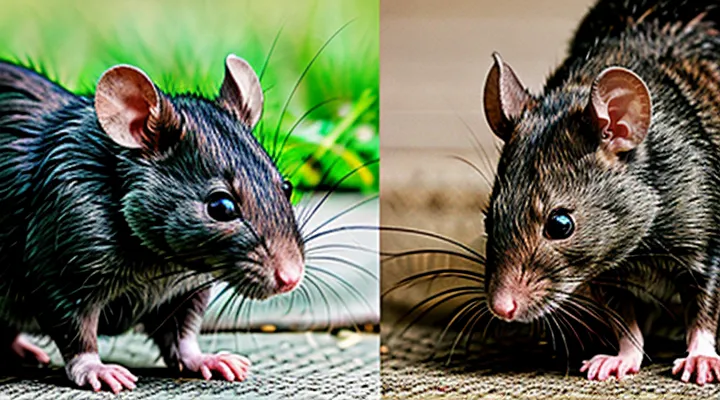
Understanding the Rat Problem
Risks Associated with Rat Infestations
Health Hazards
Rat control interventions introduce substances and devices that can affect human health, domestic animals, and non‑target wildlife. Exposure pathways include ingestion, inhalation, dermal contact, and secondary poisoning through contaminated food or water.
Common chemical rodenticides present specific risks:
- Anticoagulants (warfarin‑type, bromadiolone, difenacoum) cause internal bleeding if absorbed; sub‑lethal doses may lead to chronic anemia.
- Metal phosphides generate phosphine gas upon contact with moisture; inhalation produces respiratory irritation, pulmonary edema, and potentially fatal outcomes.
- Bromethalin interferes with mitochondrial function, producing neurotoxic symptoms such as tremors and paralysis.
- Sodium fluoroacetate disrupts the citric‑acid cycle, resulting in cardiac arrhythmias and sudden death after relatively low exposure.
Physical trapping devices also create hazards:
- Snap traps can cause accidental injury to children or pets if mishandled.
- Glue boards trap limbs, leading to tissue damage, infection, or prolonged suffering of non‑target animals.
- Live‑catch cages may stress captured rodents, increasing the likelihood of disease transmission to handlers.
Mitigation strategies focus on reducing unintended exposure:
- Store rodenticides in locked, clearly labeled containers away from food preparation areas.
- Apply bait stations that restrict access to authorized personnel and prevent wildlife intrusion.
- Use personal protective equipment (gloves, respirators) when handling chemicals or setting traps.
- Conduct regular training for staff on safe handling procedures and emergency decontamination protocols.
- Implement integrated pest management (IPM) practices that prioritize sanitation, exclusion, and monitoring before resorting to toxic agents.
Property Damage
Rats cause material loss through gnawing, contamination, and nesting. Damage includes compromised structural components, chewed electrical wiring, compromised insulation, and spoiled stored goods. Each incident creates repair costs, increased fire risk, and potential health hazards.
Effective control measures reduce these losses:
- Snap traps: Immediate cessation of gnawing activity; eliminate individuals before extensive damage accumulates.
- Electronic traps: Rapid kill with minimal mess; prevent secondary contamination from carcasses.
- Bait stations with anticoagulant rodenticides: Continuous reduction of population; lower probability of repeated chewing incidents.
- Ultrasonic emitters: Deter activity in confined spaces; limit exposure of wiring and insulation to rodents.
- Sealants and exclusion products: Block entry points; prevent initial infiltration and subsequent structural compromise.
Selection criteria focus on product reliability, speed of action, and suitability for the affected environment. Proper deployment aligns with reduced repair expenditures and enhanced longevity of building assets.
Prevention Strategies
Exclusion Methods
Sealing Entry Points
Sealing entry points forms the first line of defense in any rodent management program. By eliminating access routes, the need for continuous trapping or baiting diminishes, and the likelihood of re‑infestation drops sharply.
Typical openings that rats exploit include:
- Gaps around plumbing and electrical conduits
- Cracks in foundation walls or slab edges
- Unscreened vent openings and eaves
- Door and window thresholds lacking weatherstripping
- Utility penetrations for cable, gas, or water lines
Effective sealing materials are readily available in most hardware stores. Steel wool or copper mesh can be packed into narrow gaps and secured with silicone caulk to prevent gnawing. Expanding polyurethane foam fills larger voids while providing a moisture‑resistant barrier. For structural cracks, concrete patch or hydraulic cement restores integrity. Hardware cloth (¼‑inch mesh) or metal flashing offers a durable shield for larger apertures such as vent covers and utility openings.
Application steps:
- Remove debris and clean each opening.
- Insert chosen filler material, ensuring a snug fit that leaves no residual space.
- Apply sealant (silicone or polyurethane) over the filler to lock it in place.
- Inspect the sealed area after a week to verify integrity; reapply as necessary.
Integrating thorough sealing with bait stations, snap traps, or electronic devices maximizes overall effectiveness. Once entry routes are blocked, residual control measures act on a confined population, leading to faster eradication and reduced long‑term maintenance.
Maintaining Property Hygiene
Effective rat management begins with stringent property hygiene. Regular removal of food residues eliminates attractants, reducing rodent activity. All waste containers should feature tight-fitting lids and be emptied daily to prevent odor buildup.
Surface sanitation requires daily sweeping of floors, countertops, and storage areas. Moisture‑prone zones, such as kitchens and basements, must be dried promptly after spills. Inspection of cracks, gaps, and utility openings should occur weekly; sealing these entry points blocks access routes.
Implement a routine inspection schedule:
- Examine interior and exterior perimeters for droppings, gnaw marks, or nesting material.
- Verify that vegetation is trimmed at least six inches from building foundations.
- Confirm that debris, compost piles, and firewood are stored off the ground and away from walls.
Adherence to these practices supports the performance of rodent control products, ensuring that chemical or mechanical interventions operate under optimal conditions. Consistent hygiene reduces the frequency of re‑infestation, extending the efficacy of any deployed solution.
Habitat Modification
Removing Food Sources
Eliminating accessible food is a primary factor in reducing rat activity. When rodents cannot locate reliable nutrition, their foraging range contracts, breeding success declines, and the likelihood of infestation diminishes.
- Secure all waste in containers with tight‑fitting lids; avoid overfilling.
- Remove pet food after each feeding; store dry feed in sealed bins.
- Clean kitchen surfaces promptly; sweep crumbs and dispose of leftovers.
- Seal cracks, gaps, and openings that allow entry to storage areas.
- Maintain outdoor trash piles at a distance from buildings; use rodent‑proof dumpsters.
Combining thorough food source management with bait stations, traps, and habitat modification creates a comprehensive control program. Consistent enforcement of these practices prevents re‑infestation and supports long‑term effectiveness of the overall rat management strategy.
Eliminating Shelter
Rats thrive when they can find protected spaces for nesting, feeding, and escaping predators. Removing or modifying these habitats reduces population growth and limits the effectiveness of bait or trap deployments.
Effective shelter elimination includes:
- Sealing gaps larger than ¼ inch in walls, foundations, and utility penetrations with steel wool, copper mesh, or expanding foam.
- Installing metal flashing or concrete barriers around crawl spaces, vent openings, and under decks.
- Trimming vegetation within two feet of building exteriors to prevent overgrown shrubs from serving as access routes.
- Removing stored debris, firewood piles, and compost heaps that can conceal nests.
- Replacing damaged or rotted wood, insulation, and roofing material with rodent‑resistant alternatives.
Products that support these measures comprise rodent‑grade sealants, pre‑formed steel mesh, hardened concrete patches, and tamper‑resistant storage containers. Application of these items follows manufacturer specifications for coverage and curing time, ensuring durable exclusion.
Integrating shelter removal with baiting, trapping, and ongoing inspection creates a comprehensive control program that limits re‑infestation and sustains long‑term reduction of rat activity.
Mechanical Control Methods
Snap Traps
Advantages of Snap Traps
Snap traps remain a cornerstone of rodent management due to their direct, mechanical approach. They eliminate the need for chemical agents, reducing health hazards for humans and non‑target animals. Their simplicity allows rapid deployment in residential, commercial, and agricultural settings.
- Immediate lethal action; kills within seconds, preventing prolonged suffering.
- Low acquisition cost; units are inexpensive and widely available.
- Reusability; spring mechanisms can be reset after each capture, extending service life.
- Minimal residue; no poison or bait remnants, facilitating clean disposal.
- Precise placement; compact design fits into walls, attics, and confined spaces where rats travel.
- No regulatory restrictions; avoids licensing requirements associated with toxic rodenticides.
- Reduced risk of secondary poisoning; predators and scavengers encounter no hazardous substances.
These attributes make snap traps a reliable, cost‑effective solution for rapid population reduction while maintaining safety standards. Their mechanical reliability and ease of use position them as a preferred option among professional pest‑control operators and DIY users alike.
Disadvantages of Snap Traps
Snap traps provide rapid mortality but present several drawbacks that limit their suitability in comprehensive rodent management.
- Non‑selective capture can kill non‑target wildlife, pets, or children that encounter the device.
- Immediate killing raises humane concerns; the rapid impact may cause excessive trauma or fail to induce instant death, leading to prolonged suffering.
- Effective placement demands precise positioning and bait selection; improper setup reduces capture rates and increases escape incidents.
- Traps must be inspected frequently to remove dead rodents, preventing odor buildup, disease transmission, and secondary infestations.
- Repeated exposure can condition rats to avoid traps, diminishing long‑term efficacy.
- Mechanical components may jam or lose tension, rendering the device ineffective until repaired or replaced.
- Disposal of captured animals requires careful handling to avoid contamination and comply with local health regulations.
- Safety hazards arise when handling loaded traps; accidental activation can cause injury to users or household members.
Best Practices for Placement
Effective rat control depends on strategic placement of devices and substances. Position baits, traps, and deterrents where rodents are most active while minimizing exposure to non‑target animals and humans.
- Install snap or electronic traps along walls, behind appliances, and near known runways. Secure them at a height of 2–4 inches from the floor to match the typical rat travel path.
- Place bait stations in concealed locations such as under cabinets, within crawl spaces, and inside attics. Ensure stations are sealed to prevent accidental contact and to protect the bait from moisture.
- Deploy ultrasonic or pheromone‑based repellents at entry points, ventilation openings, and along utility lines. Maintain a clear line of sight between the device and the targeted area; obstacles can reduce efficacy.
- Use bulk bait only in areas with verified infestation, distributing it in multiple small piles rather than a single large mass. This approach encourages thorough foraging and reduces waste.
- Rotate placement locations every 2–3 weeks in long‑term control programs. Rotation prevents rats from learning to avoid static devices and sustains pressure on the population.
When selecting placement sites, verify that the environment is dry, well‑ventilated, and free of food debris that could distract rodents from the control product. Record each installation’s exact position, date, and observed activity to facilitate ongoing assessment and adjustment of the control strategy.
Live Traps
Advantages of Live Traps
Live traps constitute a practical option for rat management, offering immediate capture without chemical intervention. They secure rodents alive, allowing owners to decide on relocation or humane euthanasia in compliance with local regulations.
- Humane capture eliminates suffering associated with lethal devices.
- Absence of poisons prevents secondary poisoning of non‑target wildlife and pets.
- Reusable construction reduces long‑term expenses compared with disposable bait stations.
- Captured individuals can be identified, providing data on population size and movement patterns.
- Legal restrictions on toxic rodenticides often favor live traps as an acceptable alternative.
The ability to retrieve and release captured rats supports integrated pest‑management programs, enhancing overall effectiveness while minimizing environmental impact.
Disadvantages of Live Traps
Live traps are frequently marketed as humane alternatives, yet they present several practical drawbacks.
- Capture requires frequent inspection; unattended traps allow prolonged suffering and increase the likelihood of escape.
- Handling live rodents exposes users to zoonotic pathogens such as leptospirosis, salmonellosis, and hantavirus, demanding protective equipment and thorough sanitation.
- Trapped animals must be relocated or euthanized, a process that often violates local wildlife regulations and may lead to illegal release, which can spread infestations to new areas.
- Traps are costly per unit and lose effectiveness when populations are large, because each device captures only a single individual before removal.
- Bait attraction varies with species and environmental conditions; ineffective baiting reduces capture rates and prolongs infestation.
These factors limit the suitability of live traps for comprehensive rat management programs.
Humane Release Procedures
Humane release procedures are essential for ethical rodent management. After trapping a rat, the operator should follow a standardized protocol to minimize stress and prevent injury.
First, verify that the animal is alive and unharmed. Hold the trap securely, avoid sudden movements, and keep the rat’s head protected from direct handling. Place a disposable glove or a soft cloth over the animal to reduce direct contact.
Second, transport the rat to a predetermined release site. Choose an area at least 200 meters from residential structures, food storage, and other attractants. The location must offer natural cover, water sources, and access to burrows.
Third, release the rat by opening the trap gently on the ground. Allow the animal to exit voluntarily; do not force movement. Observe for a brief period to ensure the rat leaves the trap and does not return.
Fourth, sanitize equipment. Discard disposable gloves, clean reusable traps with a mild detergent, rinse thoroughly, and dry before storage. Record the date, location, and number of releases for future monitoring.
Key considerations:
- Conduct releases during daylight to improve visibility and reduce predation risk.
- Avoid releasing during extreme weather conditions (heat, heavy rain, frost).
- Ensure local regulations permit release of captured rodents; obtain necessary permits when required.
- Use traps designed for humane capture, featuring smooth interiors and escape mechanisms that do not cause injury.
Following these steps maintains animal welfare, limits the chance of re-infestation, and aligns with responsible pest control practices.
Electronic Traps
How Electronic Traps Work
Electronic rat traps eliminate rodents by delivering a rapid, lethal electric shock. The device consists of a power source, a detection system, and a high‑voltage discharge circuit housed in a sealed enclosure.
- Power source: rechargeable battery or mains adapter supplies the energy needed for the shock.
- Detection system: infrared beam, pressure plate, or motion sensor registers the presence of a rodent.
- Discharge circuit: a transformer or capacitor bank generates a voltage of several thousand volts, released through a pair of metal electrodes when the sensor is triggered.
When a rat enters the chamber, the sensor closes the circuit, causing the capacitor to discharge across the electrodes. The current passes through the animal’s body within milliseconds, causing immediate incapacitation and death. The enclosure prevents accidental contact with the high voltage, protecting humans and pets.
Safety features include insulated housing, a transparent lid for visual monitoring, and an indicator LED that confirms a successful strike. Some models incorporate a reset button that disables the trap after a capture, allowing safe removal of the dead rodent.
Routine maintenance involves checking battery charge, cleaning debris from the entry tunnel, and disposing of captured rodents according to local regulations. Regular inspection ensures consistent performance and prolongs the trap’s service life.
Pros and Cons
Effective rat management solutions rely on a clear understanding of each option’s advantages and limitations.
Snap and electronic traps provide immediate removal of individual rodents.
- Pros: rapid kill, no chemical residue, reusable, low cost per unit.
- Cons: require regular inspection, risk of non‑target capture, limited scalability for large infestations.
Live‑capture cages allow relocation of captured rats.
- Pros: humane handling, avoids poison exposure, suitable for indoor use.
- Cons: requires secure release site, high labor demand, potential for recapture.
Rodenticides, including anticoagulant baits, target populations through ingestion.
- Pros: effective for extensive infestations, can be placed in concealed stations, long‑acting impact.
- Cons: toxic to pets and wildlife, regulatory restrictions, resistance development, requires strict placement protocols.
Ultrasonic emitters claim to repel rodents via high‑frequency sound.
- Pros: non‑chemical, silent to humans, easy installation.
- Cons: limited scientific validation, effectiveness diminishes with obstacles, devices may lose potency over time.
Natural repellents, such as peppermint oil or predator scent sprays, aim to deter rats without lethal action.
- Pros: environmentally benign, safe around children and pets, simple application.
- Cons: short‑term effect, requires frequent reapplication, inconsistent results across species.
Sanitation and exclusion measures address the underlying attractants.
- Pros: reduces food and shelter availability, prevents re‑infestation, complements other tactics.
- Cons: may involve structural repairs, requires ongoing maintenance, does not eliminate existing rodents.
Choosing the optimal approach demands assessment of infestation size, environment, safety considerations, and regulatory compliance. Combining multiple methods often yields the most reliable control outcome.
Chemical Control Methods
Rodenticides
Types of Rodenticides
Rodenticides constitute the chemical component of rat management strategies, offering rapid reduction of populations through toxic action. Their classification reflects distinct mechanisms of toxicity, formulation types, and regulatory status.
-
Anticoagulant rodenticides – interfere with vitamin K recycling, causing uncontrolled hemorrhage. Sub‑categories include first‑generation compounds (warfarin, chlorophacinone) with lower potency and second‑generation agents (bromadiolone, difenacoum, brodifacoum) that require single‑dose exposure. Formulations range from pelleted baits to liquid emulsions, targeting both commensal and wild rats.
-
Metal phosphides – zinc phosphide and aluminum phosphide release phosphine gas upon ingestion of acidic stomach contents. The gas disrupts cellular respiration, leading to acute mortality. Bait matrices typically consist of grain or dough, designed for nocturnal foraging species.
-
Vitamin D3 analogues – cholecalciferol induces hypercalcemia, resulting in renal failure and cardiac arrest. Usage focuses on indoor infestations where secondary poisoning risk is lower. Available as flavored blocks or granules.
-
Sodium fluoroacetate (1080) – inhibits the citric acid cycle, causing rapid energy depletion. Restricted to professional application due to high toxicity to non‑target fauna. Delivered in bait stations with secure access.
-
Brodifacoum‑based commercial blends – combine anticoagulant potency with attractants to enhance uptake. Often incorporated into tamper‑resistant stations to mitigate accidental exposure.
Each type presents specific considerations regarding resistance development, environmental persistence, and safety protocols. Anticoagulants dominate market share due to proven efficacy and flexible dosing, while metal phosphides and vitamin D3 products serve niche scenarios where rapid action or reduced secondary toxicity is required. Regulatory frameworks mandate labeling, usage limits, and disposal procedures to protect humans, domestic animals, and wildlife.
Anticoagulants
Anticoagulant rodenticides are chemical agents that disrupt blood clotting in rats, leading to fatal internal bleeding. They are classified into first‑generation compounds (warfarin, chlorophacinone, diphacinone) and second‑generation compounds (bromadiolone, difenacoum, brodifacoum). Second‑generation agents exhibit higher potency and longer biological half‑life, allowing a single feeding to achieve lethal effect.
Mechanism of action involves inhibition of vitamin K epoxide reductase, preventing regeneration of active vitamin K necessary for synthesis of clotting factors II, VII, IX, and X. The resulting coagulopathy manifests after a delay of 2‑7 days, permitting secondary poisoning of predators that consume the affected rodent.
Key considerations for effective deployment:
- Active ingredient selection – match potency to infestation level and resistance profile.
- Formulation type – bait blocks, pellets, or liquid concentrates; each offers distinct placement flexibility.
- Dosage concentration – typical lethal dose ranges from 0.005 mg/kg (first‑generation) to 0.025 mg/kg (second‑generation); accurate measurement prevents non‑target exposure.
- Resistance management – rotate between first‑ and second‑generation products or integrate alternative control methods to mitigate genetic tolerance.
- Regulatory compliance – adhere to local pesticide registration, labeling, and usage restrictions; many jurisdictions require certified applicators for second‑generation compounds.
- Environmental safety – place baits in tamper‑resistant stations, away from water sources, and monitor for unintended wildlife interaction.
Monitoring protocols include weekly inspection of bait stations, recording consumption rates, and confirming mortality through necropsy or laboratory testing. Documentation of product batch numbers, application dates, and observed resistance patterns supports ongoing efficacy assessment and regulatory reporting.
Non-Anticoagulants
Non‑anticoagulant rodenticides provide alternatives to blood‑clotting agents for managing rat populations. These products act through neurotoxicity, metabolic disruption, or physical damage, reducing the risk of secondary poisoning associated with anticoagulants.
Common categories include:
- Bromethalin – a neurotoxic compound that interferes with mitochondrial oxidative phosphorylation, leading to rapid energy depletion.
- Cholecalciferol (Vitamin D₃) – causes hypercalcemia, resulting in kidney failure and cardiac arrest.
- Zinc phosphide – releases phosphine gas in the acidic stomach environment, producing acute respiratory toxicity.
- Sodium fluoroacetate (1080) – inhibits the citric acid cycle, causing cellular energy failure.
Mechanisms of action differ markedly from anticoagulants. Bromethalin blocks ATP synthesis, producing paralysis and death within 2–4 days. Cholecalciferol elevates serum calcium to toxic levels, with clinical signs appearing after 3–7 days. Zinc phosphide’s phosphine gas disrupts cellular respiration, leading to death within hours. Sodium fluoroacetate stops the conversion of acetyl‑CoA to citrate, resulting in fatal metabolic collapse.
Advantages:
- Lower incidence of delayed secondary poisoning in predators and scavengers.
- Faster onset of mortality, facilitating quicker population reduction.
- Reduced risk of resistance development, as target pathways differ from clotting mechanisms.
Limitations:
- Some compounds, such as zinc phosphide, require careful handling due to acute toxicity to humans.
- Vitamin D₃ formulations demand precise dosing to avoid sublethal exposure.
- Regulatory restrictions may limit availability in certain jurisdictions.
Effective deployment involves:
- Selecting a product matching the target environment and species behavior.
- Placing baits in tamper‑resistant stations to limit non‑target access.
- Monitoring consumption rates and adjusting placement density to maintain pressure on the rat population.
- Documenting usage to comply with local pest‑control regulations and to evaluate efficacy.
Non‑anticoagulant options expand the toolkit for rat management, offering distinct biochemical pathways and operational benefits that complement traditional strategies.
Safety Precautions for Rodenticide Use
When applying chemical rodenticides, strict adherence to safety protocols protects occupants, pets, and the environment. Wear appropriate personal protective equipment—gloves, goggles, and respiratory protection—before handling any formulation. Verify that the product label matches the target species and the intended setting; misuse can cause accidental poisoning. Store all containers in a locked, well‑ventilated area, away from food, feed, and water sources. Dispose of unused material and empty containers according to local hazardous‑waste regulations to prevent contamination.
Key precautionary actions:
- Keep the area free of children and domestic animals during and after application until the label‑specified re‑entry interval expires.
- Apply bait only in tamper‑resistant stations designed to limit access by non‑target species.
- Record the product name, concentration, application date, and exact location for future reference and regulatory compliance.
- Conduct a thorough inspection of the site after treatment to ensure no spillage or residual bait remains in accessible areas.
- Maintain a safety data sheet (SDS) on site and train personnel on emergency procedures, including first‑aid measures for inhalation, ingestion, or skin contact.
Regularly review label updates and local regulations, as requirements may change. Implementing these measures reduces health risks while maintaining the efficacy of rodent control programs.
Environmental Impact
Rat control agents introduce active substances into habitats, altering ecological balances through direct toxicity and residual contamination.
Anticoagulant rodenticides, such as second‑generation warfarin analogues, exhibit high bioaccumulation potential. Non‑target mammals and birds ingest poisoned rodents, leading to secondary mortality. Persistence in soil and water varies with compound stability, influencing long‑term exposure levels.
Bait stations confine attractants, limiting accidental consumption by wildlife. Proper placement reduces drift and minimizes contact with non‑target species.
Non‑chemical options lower ecological footprints. Mechanical traps, exclusion barriers, and habitat modification remove food sources without introducing toxins.
Waste management protocols address residual bait and carcasses. Regulations require sealed disposal containers and documentation of quantities removed, preventing leaching and scavenger access.
Key environmental considerations:
- Toxicity to non‑target organisms
- Soil and water persistence
- Potential for secondary poisoning
- Effectiveness of containment measures
- Compliance with disposal standards
Repellents
Ultrasonic Repellents
Ultrasonic repellents emit high‑frequency sound waves (typically 20–65 kHz) that exceed the hearing range of humans but are audible to rodents. The devices generate continuous or pulsed signals intended to create an uncomfortable acoustic environment, prompting rats to vacate the area.
Effectiveness depends on several variables:
- Frequency spectrum: broader ranges cover more rodent hearing sensitivities.
- Power output: higher intensity expands the coverage radius, usually 30–100 ft² per unit.
- Placement: devices must be positioned away from solid obstacles that block sound propagation.
- Ambient noise: background sounds above 20 kHz can diminish the emitted signal.
Limitations include reduced efficacy in heavily insulated spaces, potential habituation after prolonged exposure, and the inability to eliminate established infestations. Ultrasonic units do not kill rodents; they serve as a deterrent, requiring complementary measures such as trapping or sanitation for complete control.
Safety considerations:
- No known risk to humans or typical household pets; however, some small mammals (e.g., hamsters, guinea pigs) may detect the frequencies.
- Continuous operation increases energy consumption; most models include automatic shut‑off timers to conserve power.
Integration with a broader pest‑management program involves deploying ultrasonic devices alongside physical barriers, bait stations, and regular inspection to verify that rodent activity diminishes over time.
Natural Repellents
Natural repellents constitute a non‑chemical approach to managing rat activity. They rely on odors, tastes or predator cues that rats find unpleasant, thereby discouraging entry and foraging.
Common natural repellents include:
- Peppermint oil, applied as a spray or on soaked cotton.
- Clove oil, used similarly to peppermint.
- Eucalyptus oil, effective when dispersed in confined spaces.
- Dried lavender or rosemary, placed in sachets near potential entry points.
- Predator urine or fur extracts, positioned along walls and in attics.
Typical application methods are:
- Spraying diluted essential oil solutions on baseboards, ceilings and around openings.
- Inserting oil‑soaked cotton balls into cracks, vents and behind appliances.
- Hanging sachets of dried herbs in storage rooms and crawl spaces.
- Refreshing treated areas every 2‑3 weeks to maintain potency.
Limitations of natural repellents involve short residual activity, sensitivity to ventilation, and reduced impact in severe infestations. Effectiveness varies with species tolerance and environmental conditions.
Integration with mechanical controls—such as snap traps, live‑capture devices, and exclusion sealing—enhances overall success. Maintaining cleanliness, eliminating food sources and sealing structural gaps remain essential components of a comprehensive rat‑management program.
Integrated Pest Management «IPM» for Rats
Principles of IPM
Integrated Pest Management (IPM) provides a structured framework for managing rat infestations while minimizing reliance on chemicals. The approach emphasizes five core principles that guide the selection and use of control products.
- Prevention – Identify and eliminate conditions that attract rats, such as accessible food sources, water, and shelter. Structural repairs and sanitation measures reduce the likelihood of entry and breeding.
- Monitoring – Deploy tracking stations, motion‑activated cameras, or regular visual inspections to assess activity levels. Data collected informs decision‑making and verifies the effectiveness of interventions.
- Accurate Identification – Confirm species, behavior patterns, and population size before implementing controls. Misidentification can lead to inappropriate product use and wasted effort.
- Economic Threshold – Establish a quantifiable level of infestation at which action becomes justified. Thresholds are based on damage potential, health risk, and cost of intervention.
- Control Tactics – Apply a hierarchy of methods, beginning with non‑chemical options and progressing to chemical measures only when necessary. Typical tactics include:
- Cultural – Modify waste management, store feed in sealed containers, and maintain vegetation at a distance from structures.
- Mechanical – Install physical barriers, seal entry points, and use snap traps or electronic devices for immediate reduction.
- Biological – Encourage natural predators, such as owls or feral cats, where appropriate and permissible.
- Chemical – Employ bait stations containing anticoagulant or non‑anticoagulant rodenticides, ensuring placement complies with safety regulations and aligns with the established threshold.
Applying these principles ensures that rat control products are integrated into a comprehensive program that reduces environmental impact, preserves efficacy, and aligns with regulatory standards. Continuous evaluation and adaptation of tactics sustain long‑term suppression and prevent resurgence.
Developing an IPM Plan
Assessment and Monitoring
Effective rat control relies on systematic assessment and continuous monitoring to verify product performance and detect emerging issues. Evaluation begins with baseline data collection, followed by comparative trials that isolate each method’s impact under identical conditions.
Key performance indicators include:
- Capture rate per trap per night
- Bait consumption relative to target mortality
- Time to population reduction threshold
- Evidence of anticoagulant resistance via biochemical assays
- Non‑target species exposure measured through environmental sampling
Monitoring protocols consist of scheduled site visits, real‑time data entry, and spatial analysis. Inspectors record trap counts, bait depletion, and signs of activity, then upload results to a centralized database. Geographic information systems plot infestation hotspots, enabling rapid redeployment of resources.
Analytical tools enhance accuracy. Digital trap counters log entries automatically, while infrared camera stations verify nocturnal activity. Laboratory testing of captured specimens confirms resistance patterns and pathogen presence. Regular audits compare current metrics against historical benchmarks, prompting adjustments to product selection or application frequency.
Implementation and Evaluation
Effective deployment of rat management technologies requires a structured approach that integrates product selection, field application, and systematic assessment. The process begins with a clear definition of target areas, infestation severity, and regulatory constraints. Once these parameters are established, the chosen control agents—whether bait stations, traps, or repellents—are positioned according to manufacturer guidelines and integrated pest management principles.
Implementation steps
- Identify infestation hotspots through visual inspection and activity monitoring.
- Choose products that match the species, environment, and resistance profile.
- Calibrate dosage or trap density based on area size and expected rodent population.
- Install devices in concealed, accessible locations to maximize contact and minimize non‑target exposure.
- Record placement coordinates, product batch numbers, and initial observations.
Evaluation criteria
- Reduction in capture or bait consumption rates compared to baseline.
- Mortality or exclusion percentages measured over a defined monitoring period.
- Incidence of non‑target interactions recorded and mitigated.
- Cost per unit of reduction, expressed in monetary terms relative to initial investment.
- Environmental impact, assessed through residue analysis and compliance with local regulations.
Data collection follows a predefined schedule: daily checks for the first week, then weekly assessments for the subsequent month. Quantitative results are entered into a database, enabling statistical comparison of pre‑ and post‑implementation metrics. Confidence intervals and significance testing verify whether observed changes exceed random variation. Final reports summarize performance against the established criteria, highlight deviations, and recommend adjustments for future cycles.
Professional Pest Control Services
When to Call an Expert
Professional rat control requires recognizing limits of DIY solutions. When infestation signs exceed a few sightings, or when traps and bait fail to reduce activity, a qualified pest‑management specialist should be engaged.
Typical indicators that professional assistance is warranted include:
- Multiple active burrows or nests within walls, ceilings, or crawl spaces.
- Continuous droppings, gnaw marks, or urine stains despite regular cleaning.
- Presence of disease‑carrying pathogens confirmed by laboratory testing.
- Structural damage caused by gnawing on wiring, insulation, or support beams.
- Legal or insurance requirements demanding certified remediation.
Additional circumstances that demand expert intervention are:
- Large property size where comprehensive assessment exceeds homeowner capacity.
- Commercial or food‑service environments subject to health‑code compliance.
- Situations involving children, pets, or vulnerable individuals where safe handling of toxic baits is critical.
- Persistent infestations after multiple rounds of over‑the‑counter products.
Engaging a certified technician provides access to industry‑approved tools, targeted bait formulations, and integrated monitoring plans that minimize recurrence and ensure compliance with local regulations. Prompt professional action reduces health risks, protects infrastructure, and prevents escalation of the problem.
What to Expect from Professional Services
Professional pest‑control firms begin with a site inspection that identifies infestation severity, entry points, and environmental factors influencing rodent activity. Inspectors document findings with photographs and measurements, then provide a written assessment outlining required interventions.
The service plan includes:
- Selection of approved rodent‑control agents and devices tailored to the identified problem.
- Installation of bait stations, traps, or exclusion barriers according to safety regulations.
- Integration of monitoring tools that record capture rates and bait consumption.
- Training of on‑site personnel on proper handling, placement, and maintenance of equipment.
Implementation follows the documented plan, with technicians adhering to local health codes and manufacturer instructions. All actions are recorded in a service log that details product types, placement locations, and dates of service.
After deployment, the provider conducts regular follow‑up visits to verify efficacy, adjust device placement, and replenish consumables. Clients receive a final report summarizing outcomes, recommendations for long‑term prevention, and a schedule for future inspections.
Choosing a Reputable Provider
When selecting a supplier for rodent‑control solutions, verify that the company holds all required licenses and certifications for pest‑management services. Documentation such as state pest‑control permits, ISO certifications, or membership in professional associations confirms compliance with industry standards.
Consider the provider’s product portfolio. A reputable source offers multiple control methods—baits, traps, and exclusion materials—each accompanied by safety data sheets and clear usage instructions. Access to integrated pest‑management (IPM) recommendations indicates a commitment to sustainable practices.
Evaluate customer feedback and case studies. Independent reviews, documented success rates, and references from commercial or residential clients provide measurable evidence of effectiveness. Transparent warranty terms and after‑sales support further demonstrate reliability.
Finally, assess logistical capabilities. Prompt delivery, consistent stock availability, and a responsive technical helpline reduce downtime during infestation events. Providers that maintain a robust supply chain and offer training resources enable faster, safer implementation of control measures.