
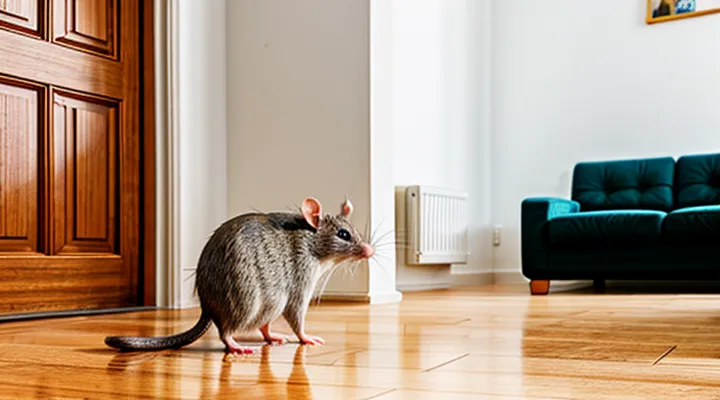
Immediate Actions After Discovering a Rat
Confirming the Presence of a Rat
«Signs of Infestation»
When a rat is discovered in a flat, early identification of infestation indicators prevents damage and health risks. Recognizing these signs allows prompt intervention before the problem expands.
- Droppings resembling dark grain, typically found along walls, in cabinets, or near food sources.
- Gnaw marks on wood, plastic, insulation, or wiring, often with fresh, reddish edges.
- Nests constructed from shredded paper, fabric, insulation, or dried vegetation, usually hidden in concealed spaces.
- Scratching noises in ceilings, walls, or attics, especially at night.
- Unusual odors, described as oily or musky, emanating from hidden areas.
- Presence of urine stains, which may appear as yellowish spots on surfaces or fabrics.
Inspect suspected zones systematically: examine corners, behind appliances, under sinks, and within crawl spaces. Use a flashlight to reveal droppings and gnaw marks. Confirm findings by setting motion-activated cameras or bait stations to verify activity.
Document all observed evidence. Accurate records support effective treatment planning and facilitate communication with pest‑control professionals. Prompt action based on identified signs reduces structural damage and limits disease transmission.
«Where to Look»
A rat that has entered a dwelling will conceal itself in areas that provide shelter, food, and easy access to the building’s structure. Identifying these locations is essential for effective control and prevention.
- Inside wall cavities and between studs, especially where insulation is present.
- Behind appliances such as refrigerators, stoves, and dishwashers, where heat and crumbs accumulate.
- Underneath cabinets and pantry shelves, particularly near stored grains or packaged foods.
- In ceiling joists or attic spaces, using gaps around vents, chimneys, and roof penetrations.
- Within floor voids, crawl spaces, and basement corners that remain damp or cluttered.
- Around plumbing fixtures, including under sinks, near pipe junctions, and behind washing machines, where water sources are readily available.
- In trash bins, recycling containers, and compost areas placed inside or near the entrance.
Inspect each site systematically, looking for droppings, gnaw marks, grease trails, or fresh burrows. Confirming rat activity in these zones directs targeted trapping, sealing of entry points, and sanitation measures, reducing the likelihood of recurrence.
Ensuring Safety
«Protecting Food and Water Sources»
Rats can contaminate stored food and any water containers they can reach. Secure these supplies to prevent ingestion of droppings, urine, or saliva, which may carry pathogens.
- Store dry goods in airtight, rodent‑proof containers such as heavy‑wall plastic or metal bins.
- Transfer pantry items to sealed bags or boxes after confirming no damage.
- Keep refrigerators and freezers closed; inspect seals for gaps and replace if necessary.
- Place water jugs, pet bowls, and plant trays on elevated surfaces or inside cabinets where rodents cannot climb.
- Dispose of garbage daily in bags that tie securely, and keep outdoor bins away from building entrances.
Inspect all food packaging for chew marks before use. Clean countertops and shelves with a disinfectant solution after each meal preparation. Replace any compromised containers promptly to maintain a safe storage environment.
«Securing Pets and Children»
When a rodent infiltrates a residence, the immediate priority is to protect vulnerable household members—especially children and companion animals. Secure all openings, including gaps around pipes, vents, and doors, with steel wool, hardware cloth, or sealant. Remove any accessible food sources: store pet kibble, human leftovers, and fruit in airtight containers, and clean up spills promptly. Place litter boxes and pet feeding stations on elevated surfaces or inside cabinets that the animal cannot reach.
Implement physical barriers and supervision:
- Keep children and pets out of rooms where sightings occurred until the situation is resolved.
- Install child‑proof gates or temporary barriers around affected areas.
- Use pet‑safe deterrents—such as ultrasonic devices or peppermint oil—only after confirming they do not cause distress to the animals.
- Ensure cages, crates, and aquariums are locked and positioned away from potential entry points.
Contact a licensed pest‑control professional to assess the infestation, apply appropriate traps, and advise on long‑term exclusion methods. Continue monitoring for signs of activity, and maintain the secured environment until the rodent threat is fully eliminated.
Eliminating the Rat and Preventing Reinfestation
Trapping Methods
«Snap Traps»
Snap traps are a proven mechanical solution for quickly eliminating rodents that have entered a living space.
The device consists of a rigid base, a spring‑loaded bar, and a triggering mechanism that releases the bar when the bait is disturbed. The sudden motion delivers a lethal blow to the animal’s skull, minimizing suffering and preventing escape.
Key considerations when selecting snap traps:
- Size and strength – Choose models designed for rats, which have larger jaws and stronger bodies than mice.
- Trigger sensitivity – Adjustable triggers accommodate cautious rodents and reduce false releases.
- Bait compatibility – Traps with a recessed bait cup keep food from being stolen without activation.
Effective placement follows a systematic approach:
- Identify high‑traffic paths: along walls, behind appliances, near garbage containers, and in dark corners.
- Position traps perpendicular to the wall, with the trigger side facing the expected direction of travel.
- Set the trigger just before the bait to ensure the rat contacts the mechanism when reaching for food.
- Maintain a distance of at least 12 inches between multiple traps to cover broader areas without interference.
Safety measures protect residents and pets:
- Wear thick gloves when handling traps to avoid accidental snapping.
- Keep traps out of reach of children and non‑target animals by using protective covers or placing them in sealed containers after setting.
- Check traps daily; remove dead rodents promptly to prevent disease spread.
Disposal procedure:
- Place the captured rodent in a sealable plastic bag, double‑bag for added containment.
- Dispose of the bag in an outdoor trash bin that is emptied regularly.
- Clean the trap with a mild disinfectant before re‑setting or storing.
Snap traps provide immediate control, low cost, and no reliance on chemicals. When used correctly, they form a critical component of an integrated rodent‑management plan for apartment dwellers confronting an unwanted rat presence.
«Glue Traps»
When a rat enters a living space, glue traps represent a direct method of capture. These devices consist of a flat board coated with a high‑strength adhesive that immobilizes the rodent upon contact.
The adhesive is formulated to remain effective despite dust, humidity, and temperature fluctuations. Once the animal steps onto the surface, it becomes stuck within seconds, preventing further movement and enabling removal.
Application procedure
- Choose a trap size appropriate for the target species; larger boards increase the capture area for sizeable rodents.
- Place the trap along established rodent pathways—near walls, behind appliances, or within concealed gaps.
- Position the trap perpendicular to the wall, with the adhesive side facing outward, to intersect the rat’s natural travel direction.
- Check the trap daily; replace or dispose of it promptly after a capture.
Advantages and disadvantages
-
Advantages
- Immediate immobilization without poison.
- No need for bait, reducing attraction of non‑target animals.
- Simple storage and deployment.
-
Disadvantages
- Potential harm to pets or children if accessed inadvertently.
- Ethical concerns regarding prolonged suffering of captured rodents.
- Limited effectiveness in high‑infestation scenarios; multiple traps may be required.
Safety measures are mandatory. Store traps out of reach of children and pets, and label the area with a warning sign. Use a disposable glove when handling captured rodents to avoid direct contact with the adhesive. After removal, place the trap in a sealed plastic bag before discarding it in a waste container that is inaccessible to wildlife.
Legal considerations vary by jurisdiction; some regions restrict the use of glue traps for humane reasons. Verify local regulations before deployment to ensure compliance.
If ethical or safety issues outweigh the benefits, consider alternative control options such as snap traps, electronic devices, or professional extermination services. Each method carries its own set of operational guidelines and effectiveness rates.
«Live Traps»
Live traps provide a humane method for removing a rat that has entered an apartment. The device captures the animal without injury, allowing for later release away from the building.
Advantages include immediate removal, avoidance of poison hazards, and compliance with rental‑property regulations that often prohibit lethal methods.
When choosing a trap, consider:
- Size: interior dimensions must accommodate an adult rat (approximately 10–12 inches long).
- Trigger mechanism: sensitive spring or foot‑pedal that activates with minimal force.
- Build material: durable plastic or metal to prevent escape.
- Ease of cleaning: smooth surfaces that can be disinfected after each use.
Placement and baiting affect success rates. Position traps along walls, behind furniture, and near visible droppings or gnaw marks. Use high‑protein attractants such as peanut butter, dried fruit, or small pieces of meat. Secure the bait to the trigger plate to ensure the rat contacts the mechanism while feeding.
After capture, wear disposable gloves, cover the trap with a cloth, and transport the animal to a suitable release site at least one mile from the residence, preferably in a wooded or agricultural area. Open the trap gently, allow the rat to exit, then seal the device.
Finally, inspect the apartment for additional entry points. Seal cracks, repair screens, and store food in sealed containers to prevent recurrence. Clean all surfaces that the rat may have contacted with a disinfectant solution to eliminate pathogens.
«Placement Strategies»
When a rodent infiltrates a living space, the effectiveness of control measures depends largely on where and how devices are positioned. Precise placement limits the animal’s access to food and shelter, increases capture rates, and reduces the risk of secondary infestations.
- Locate traps along walls, behind appliances, and near concealed pathways; rats prefer edge routes and will avoid open floor space.
- Position bait within the trap’s trigger zone, ensuring it is concealed but reachable; use a small amount to prevent premature removal.
- Install snap or electric devices at entry points such as gaps under doors, cracks in the foundation, and openings around plumbing; these locations intercept movement before the rodent reaches interior zones.
- Deploy monitoring stations in high‑traffic areas (e.g., pantry corners, garbage storage) to confirm activity patterns and adjust trap density accordingly.
- Maintain a clean environment around each device; remove food debris, seal containers, and eliminate standing water to discourage foraging away from the traps.
Strategic placement reduces the time required to eliminate the intruder and minimizes disruption to occupants. Consistent evaluation of trap performance and swift relocation of underperforming units ensure sustained control until the infestation is eradicated.
Baits and Repellents
«Effective Baits»
When a rodent infiltrates a living space, selecting the right bait determines the speed and safety of control. Effective baits combine palatable attractants with potent active ingredients that act quickly after ingestion.
- Food‑based attractants: Peanut butter, dried fruit, and bacon bits appeal to omnivorous rats. Apply a thin layer to the bait surface to encourage gnawing.
- Protein blocks: Commercial rodent blocks contain meat‑derived proteins and are formulated for long‑term placement. Use where rats travel along walls.
- Gel baits: Soft, scented gels penetrate small crevices. They are ideal for hidden entry points and require minimal exposure to children or pets.
- Liquid baits: Sugar‑water solutions with anticoagulant agents attract rats that prefer sweet fluids. Place in shallow dishes with a secure cover to prevent spillage.
Placement guidelines ensure maximum contact:
- Identify active runways by observing droppings, gnaw marks, and grease trails.
- Position baits perpendicular to the wall, 2–3 feet above the floor, where rats travel.
- Secure baits in tamper‑resistant stations to protect non‑target animals.
- Replace or refresh baits every 48 hours to maintain potency.
Safety considerations:
- Choose baits containing anticoagulants (e.g., bromadiolone) only when professional guidance is available; these agents affect blood clotting and require careful handling.
- Wear disposable gloves during placement to avoid direct contact with toxic compounds.
- Store unused bait in a locked container, out of reach of children and domestic pets.
Monitoring and evaluation:
- Inspect stations daily for consumption evidence and dead rodents.
- Record the number of removed individuals to assess population reduction.
- After three consecutive days with no bait uptake, remove all stations to prevent accidental poisoning.
By matching attractant type to observed rat behavior, positioning baits along validated pathways, and adhering to strict safety protocols, eradication proceeds efficiently while minimizing risk to occupants.
«Natural Repellents»
When a rodent enters a living space, immediate action reduces the risk of damage and disease. Natural deterrents offer a chemical‑free alternative to traps and poisons, suitable for occupants concerned about toxicity.
Peppermint oil creates an odor rats find intolerable. Dilute fifteen drops in a cup of water, soak cotton balls, and place them near entry points, behind appliances, and in dark corners. Replace every three days to maintain potency.
Ammonia vapor mimics the scent of urine from predators. Mix equal parts of household ammonia and water in a shallow dish, then set the dish on the floor where activity is observed. Ensure adequate ventilation; the strong smell may be unpleasant for humans as well.
Predator urine, available from wildlife supply stores, reproduces the chemical signals of natural enemies. Apply a thin layer to the perimeter of the building’s foundation, under doors, and along baseboards. Reapply after rain or cleaning.
Dry herbs such as cayenne pepper, cloves, and dried mint can be sprinkled in crevices and along walls. Their pungent aromas discourage gnawing and nesting. Refresh the coating weekly, especially after cleaning.
For long‑term protection, maintain a clean environment: store food in sealed containers, remove garbage promptly, and seal cracks larger than a quarter inch. Combined with the above natural repellents, these practices create an inhospitable setting for the intruder.
«Chemical Repellents (Use with Caution)»
When rodents infiltrate a living space, chemical deterrents become a practical option, provided they are applied responsibly.
Select products formulated specifically for indoor use. Look for EPA‑registered rodenticides or repellents that list active ingredients such as bromadiolone, difenacoum, or non‑lethal compounds like peppermint oil emulsions. Verify that the label confirms safety for occupied rooms and that the concentration complies with local regulations.
Before application, remove food, dishes, and pet supplies from the treatment zone. Wear disposable gloves and, if recommended, a mask to avoid inhaling fumes. Apply the repellent according to the manufacturer’s instructions, typically:
- Spray or place the product in concealed corners, behind appliances, and along baseboards.
- Maintain a distance of at least 12 inches from children’s play areas and pet bedding.
- Allow the treated surface to dry completely before re‑entering the room.
Monitor the area for signs of reduced activity. If rodents persist after a week, reassess placement and dosage, or consider integrating mechanical traps for confirmation of effectiveness.
Store any unused chemicals in sealed containers, out of reach of children and animals, and keep them in a cool, dry location. Dispose of empty containers according to local hazardous‑waste guidelines.
Document the dates of application, product details, and observed outcomes. This record assists in evaluating long‑term control strategies and ensures compliance with safety protocols.
Sealing Entry Points
«Identifying Entry Points»
Rats enter apartments through openings that provide access to food, water, or shelter. Detecting these gaps prevents recurring infestations and protects structural integrity.
Typical entry points include:
- Cracks around pipe penetrations, especially in kitchens and bathrooms.
- Gaps beneath doors and windows, often larger than a quarter‑inch.
- Openings around utility lines, such as electrical conduit or cable sleeves.
- Unsealed holes in exterior walls, including those for vents, dryer exhausts, or recessed lighting.
- Gaps at the base of cabinets, especially where they abut the floor or countertop edges.
Inspect each potential opening by shining a flashlight along baseboards, behind appliances, and inside closets. Use a thin piece of cardboard or a flexible probe to feel for hidden spaces. Document findings and prioritize sealing larger gaps first.
Seal identified openings with appropriate materials: steel wool combined with caulking for small cracks, heavy‑duty mesh or metal flashing for larger holes, and weatherstripping for door and window gaps. Apply expanding foam sparingly around pipe sleeves, ensuring the foam contacts the surrounding surface. After sealing, monitor for new activity and repeat inspections periodically to maintain a rat‑free environment.
«Materials for Sealing»
When a rodent is detected in a dwelling, preventing re‑entry by sealing all potential openings is the most reliable control measure. Effective sealing relies on selecting durable, pest‑proof materials that can withstand gnawing and environmental stress.
- Steel wool, tightly packed into gaps, resists chewing and conforms to irregular shapes.
- Copper or stainless‑steel mesh (hardware cloth) provides a rigid barrier for larger openings.
- Rigid metal flashing or sheet metal, cut to size, blocks entry points around vents and pipes.
- Expanding polyurethane foam fills voids in walls or foundations, then can be trimmed and covered with a hard sealant.
- Silicone or acrylic caulk seals cracks around windows, doors, and baseboards where movement is minimal.
- Concrete patch or mortar repairs damaged masonry and eliminates sizable holes.
- Weatherstripping applied to door frames and sliding windows prevents small gaps from being exploited.
Application steps must follow a consistent protocol:
- Identify every possible ingress route by conducting a thorough visual inspection of the building envelope.
- Remove debris, dust, and loose material from each opening to ensure adhesion.
- Insert steel wool or mesh into the gap, then secure with caulk, foam, or mortar as appropriate.
- For larger apertures, fasten metal flashing with screws and seal the edges with a weather‑resistant sealant.
- Allow sealants and foams to cure fully before restoring wall coverings or flooring.
- Conduct a follow‑up inspection after one week to verify that no new activity is evident.
Regular maintenance includes checking for fresh gnaw marks, resealing any compromised areas, and keeping the exterior perimeter clear of vegetation that could provide shelter. Consistent use of the materials listed above eliminates most access routes and reduces the likelihood of future infestations.
«Common Entry Locations»
Rats gain access to apartments through structural weaknesses and service penetrations. Identifying these points is essential for effective exclusion.
Typical entry routes include:
- Gaps beneath exterior doors, especially where weather‑stripping is missing or damaged.
- Cracks in foundation walls, floor joists, or around pipe sleeves.
- Openings around utility lines such as electricity, water, and gas, where conduits pass through the building envelope.
- Unscreened or poorly sealed vent openings, including dryer vents and bathroom exhaust fans.
- Unsecured windows, particularly those without intact screens or with damaged frames.
- Sewer and drainage pipes that lack proper caps or have deteriorated seals.
- Roof eaves, soffits, and attic access points where insulation gaps provide a pathway.
Inspecting these locations, sealing cracks with steel wool or caulk, installing door sweeps, and fitting metal mesh over vents eliminates most infiltration routes. Regular maintenance of exterior trim and prompt repair of water damage further reduce vulnerabilities.
Sanitation and Cleanup
«Thorough Cleaning Procedures»
A rodent sighting in a living space demands immediate, comprehensive sanitation to eradicate pathogens and deter re‑entry.
Begin by securing personal protection: wear disposable gloves, a mask rated for particulate matter, and eye protection. Open windows to increase airflow. Remove all food items, pet dishes, and open containers; store them in sealed bags or discard if contaminated.
- Collect all droppings, urine stains, and nesting material with a disposable scoop; place in a sealed bag for disposal.
- Apply a disinfectant solution (e.g., 1 part household bleach to 9 parts water) to hard surfaces—countertops, cabinets, floors, and walls. Allow a contact time of at least five minutes before wiping clean with disposable wipes.
- Treat porous items—carpets, upholstery, curtains—using a steam cleaner set to a minimum of 212 °F (100 °C) or arrange professional deep‑cleaning services. Follow with a spray of the same bleach solution, ensuring thorough saturation.
- Sanitize kitchen appliances, including the interior of refrigerators, ovens, and microwave cavities, by wiping with the bleach solution and rinsing with clean water.
- Dispose of all cleaning waste in double‑bagged, sealed containers; place them in an outdoor trash bin away from the building.
After cleaning, inspect the area for residual odors or stains. Conduct a visual sweep of walls, ceilings, and hidden corners for missed droppings. Repeat disinfection in any spot where contamination is suspected. Finally, maintain a schedule of weekly inspections and immediate cleaning of any new evidence to preserve a rodent‑free environment.
«Disinfecting Contaminated Areas»
A rat intrusion brings urine, feces, and saliva that can harbor bacteria, viruses, and parasites. Immediate disinfection of affected zones reduces the risk of illness for occupants and pets.
- Locate all areas with visible droppings, gnaw marks, or stains; prioritize kitchens, pantries, and storage closets.
- Remove food residues, nesting material, and debris before applying any chemical agent.
- Prepare a disinfectant solution with at least 1000 ppm bleach (1 part household bleach to 9 parts water) or an EPA‑approved rodent‑specific sanitizer.
- Apply the solution generously to surfaces, ensuring full coverage of cracks, corners, and hard‑to‑reach spots.
- Observe the manufacturer’s contact time, typically 10 minutes, before wiping or rinsing.
- Dispose of contaminated rags, sponges, and disposable gloves in sealed bags; wash reusable tools with hot water and detergent.
After treatment, keep the area dry, improve ventilation, and schedule a follow‑up inspection within 48 hours to verify that no residual contamination remains. Regular cleaning protocols should be maintained to prevent future rodent‑related hazards.
«Proper Disposal of Rat Evidence»
When a rodent is found inside a living space, handling the evidence correctly prevents disease spread, protects occupants, and aids pest‑control professionals. Improper disposal can contaminate surfaces, attract additional pests, and expose residents to pathogens carried by urine, feces, and carcasses.
The disposal process must follow these steps:
- Wear disposable gloves and a mask; seal them in a plastic bag after removal.
- Collect all visible evidence—droppings, urine stains, gnaw marks, and any dead rodents—using a disposable paper towel or a sealable container.
- Place each item in a separate, double‑layered biohazard bag; remove excess air before sealing.
- Disinfect the surrounding area with a rodent‑appropriate sanitizer (e.g., a 1% bleach solution) after removal.
- Store the sealed bags in a freezer for at least 24 hours to neutralize pathogens, then transport them to a licensed waste‑disposal facility or municipal hazardous‑waste collection point.
- Clean and disinfect all tools and protective equipment before discarding or storing them.
Following this protocol eliminates health risks, complies with local health regulations, and ensures that subsequent pest‑control measures are based on accurate, uncontaminated information.
Post-Extermination Measures
Monitoring for Reinfestation
«Ongoing Vigilance»
A rat sighting in a residence triggers the need for constant monitoring. Immediate removal does not guarantee the problem is solved; the environment must be observed continuously to detect any resurgence.
Inspect the premises daily for fresh evidence of rodent activity. Look for droppings, gnaw marks, urine stains, and new pathways. Focus on hidden zones such as behind appliances, under sinks, inside wall cavities, and in attic spaces. Replace any compromised food containers and seal cracks that could serve as entry points.
Maintain a systematic approach:
- Set up snap traps or live‑catch devices in identified hotspots; check them at least twice a day.
- Keep a log of trap placements, captures, and locations where signs appear.
- Clean surfaces with a disinfectant that eliminates scent trails.
- Reduce clutter that offers shelter; store items in sealed containers.
- Schedule professional pest‑control inspections every two weeks until no activity is recorded for a month.
When records show no new signs for a sustained period, reduce the frequency of inspections but retain a monthly walkthrough. Ongoing vigilance ensures that a single intrusion does not develop into a persistent infestation.
«Setting Up Monitoring Stations»
When a rodent is detected inside a dwelling, establishing a monitoring system provides reliable evidence of activity patterns and helps direct control measures.
- Snap or live‑catch traps equipped with bait stations
- Infrared motion‑activated cameras
- Plastic or metal tracking plates coated with flour or powdered charcoal
- Small handheld infrared thermometers for spot checks
- Data‑logging devices with battery backup
Place devices where signs of movement appear: along walls, behind appliances, near waste containers, and in concealed gaps. Install cameras at a height of 30–45 cm to capture the animal’s silhouette. Position tracking plates perpendicular to the anticipated travel route, ensuring the surface remains undisturbed. Secure traps in low‑traffic zones but away from children’s reach.
Record observations consistently. Log date, time, and location for each capture or detection. Review footage daily to identify peak activity periods. Use the information to schedule intensified trapping during high‑activity windows and to seal entry points discovered through repeated sightings.
Inspect equipment weekly. Replace batteries, clean camera lenses, and refresh bait. Discard used tracking media to prevent cross‑contamination. Store all collected data in a dedicated folder for future reference or for presentation to pest‑control professionals.
Professional Pest Control
«When to Call an Expert»
A rat inside a living space presents health risks, structural damage, and rapid population growth. Homeowners can often manage a single sighting with traps and sanitation, but certain conditions demand professional intervention.
Call a pest‑control specialist when any of the following occurs:
- Multiple droppings, gnaw marks, or nests are discovered.
- Damage to wiring, insulation, or food storage is evident.
- Attempts to capture or deter the animal have failed after several days.
- The infestation appears to spread to adjacent rooms or units.
- Residents experience allergic reactions, asthma flare‑ups, or other health concerns linked to rodent exposure.
Professional services provide comprehensive inspection, secure baiting, and exclusion methods that homeowners cannot implement safely. They also ensure compliance with local health regulations and offer guarantees for long‑term control.
Delaying expert assistance increases the likelihood of extensive damage and elevated disease transmission, making prompt action essential for effective resolution.
«Benefits of Professional Help»
When a rodent enters a living space, immediate action is essential to prevent damage, disease transmission, and structural compromise. Engaging a licensed pest‑control service provides several concrete advantages.
Professional technicians possess verified knowledge of rodent behavior, allowing them to locate entry points that are often hidden behind walls, vents, or foundation cracks. Their diagnostic tools include infrared cameras and tracking dust, which reveal activity patterns beyond the reach of an untrained resident.
Trained crews apply containment methods that meet health‑department standards. They use approved baits, traps, and exclusion materials, reducing the risk of accidental poisoning of children, pets, or non‑target wildlife. Moreover, they follow legal regulations regarding pesticide application, ensuring compliance and avoiding potential fines.
A structured eradication plan includes:
- Inspection of all potential ingress routes
- Sealing of gaps with durable materials such as steel wool, caulk, or metal flashing
- Placement of traps or baits in strategic locations, monitored for effectiveness
- Post‑treatment verification to confirm the absence of activity
These steps minimize the likelihood of recurrence, saving homeowners from repeated emergency interventions. Professional services also offer maintenance contracts that schedule periodic inspections, catching early signs of re‑infestation before they become visible.
Finally, licensed providers carry insurance that protects the property owner against accidental damage incurred during the removal process. This financial safeguard adds a layer of security unavailable through DIY attempts.
In summary, expert assistance delivers accurate identification, safe eradication, regulatory compliance, long‑term prevention, and liability protection—elements critical to resolving a rodent intrusion efficiently and responsibly.
Long-Term Prevention Strategies
«Maintaining a Clean Environment»
A rodent intrusion signals that the living space no longer meets basic sanitation standards. Immediate attention to cleanliness reduces the chance of recurrence and eliminates attractants that support infestation.
Eliminate food sources. Store pantry items in airtight containers, promptly clean crumbs from countertops, and wash dishes without delay. Dispose of garbage in sealed bags and transfer it to an outdoor bin regularly.
Control moisture. Repair leaks in pipes, faucets, and appliances. Wipe down wet surfaces after use and ensure that bathrooms and kitchens are well‑ventilated to discourage humidity‑loving pests.
Remove clutter. Keep storage areas organized, discard unused items, and avoid stacking boxes against walls. Open pathways hinder a rat’s ability to navigate and hide.
Seal entry points. Inspect walls, floors, and ceilings for gaps larger than a quarter inch. Apply steel wool, caulk, or metal mesh to close openings around pipes, vents, and door frames.
Maintain routine sanitation. Schedule weekly deep cleaning for kitchens, dining areas, and waste zones. Vacuum floors, mop surfaces, and sanitize countertops with appropriate disinfectants.
Key actions
- Store food in sealed containers.
- Empty trash daily; use tight‑fitting lids.
- Fix leaks; keep areas dry.
- Declutter storage spaces.
- Block cracks and holes.
- Perform regular deep cleaning.
By adhering to these practices, the apartment environment becomes inhospitable to rodents, supporting long‑term pest prevention and safeguarding health.
«Regular Inspections»
Regular inspections are essential for detecting early signs of rodent activity before an infestation becomes severe. By examining potential entry points, food storage areas, and waste disposal zones on a scheduled basis, occupants can intervene promptly and prevent damage.
A systematic inspection routine should include:
- Visual scan of walls, floors, and ceilings for gnaw marks, droppings, or nesting material.
- Verification that doors, windows, and utility openings have intact weather‑stripping or screens.
- Assessment of plumbing and drainage pipes for gaps or cracks that rodents could exploit.
- Inspection of pantry shelves, cabinets, and trash containers for unsecured food sources.
- Evaluation of ventilation ducts and attic spaces for evidence of burrows or pathways.
Inspections should occur at least once a month in high‑risk periods (e.g., autumn) and quarterly otherwise. Recording findings in a log enables trend analysis and supports timely remedial actions. When evidence of activity is discovered, seal identified openings, remove attractants, and engage a licensed pest‑control professional for targeted treatment. Consistent monitoring maintains a hostile environment for rodents and safeguards the apartment’s integrity.
«Neighborly Cooperation»
A rodent sighting inside a dwelling creates an immediate need for coordinated action among adjacent residents. Prompt notification of the property manager or landlord establishes a formal channel for response and ensures that building‑wide protocols are activated.
Direct communication with neighboring tenants clarifies the extent of the problem and prevents duplication of effort. Share the exact location of the encounter, the time of observation, and any evidence such as droppings or gnaw marks. Request confirmation of any similar incidents in nearby units.
- Report the incident to building management in writing, attaching photographs if available.
- Invite neighbors to join a brief meeting—virtual or in‑person—to align on reporting procedures.
- Agree on a schedule for inspecting common areas, utility shafts, and shared storage spaces.
- Designate a point of contact for updates on pest‑control actions and follow‑up inspections.
Maintain a written record of all communications, dates of inspections, and actions taken by pest‑control professionals. Review the outcomes together and identify structural vulnerabilities—such as gaps around pipes or unsecured trash containers—that facilitated entry. Implement agreed‑upon preventive measures, including sealing openings and enforcing proper waste disposal, to reduce the risk of recurrence across the building.