
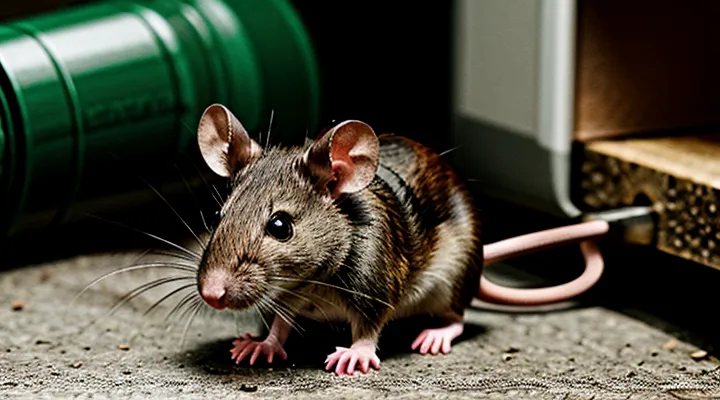
Understanding the Threat: Why Repel Rats and Mice?
Health Risks Associated with Rodents
Rodents carry pathogens that can cause acute and chronic illnesses in humans. Direct contact with urine, feces, or saliva introduces bacteria, viruses, and parasites into the body. Common infections include leptospirosis, hantavirus pulmonary syndrome, salmonellosis, and plague. Inhalation of aerosolized particles from dried droppings may trigger respiratory problems such as allergic reactions and asthma exacerbations.
Key health hazards linked to rodent activity are:
- Bacterial diseases: Salmonella, Streptobacillus moniliformis (rat‑bite fever), and Yersinia pestis (plague).
- Viral infections: Hantavirus, Lassa fever, and various encephalitis viruses.
- Parasitic infestations: Tapeworms (Hymenolepis spp.) and protozoa (Giardia, Cryptosporidium).
- Allergic responses: Proteins in rodent dander and urine can sensitize individuals, leading to rhinitis, conjunctivitis, and dermatitis.
- Food contamination: Rodent droppings compromise stored food, increasing the risk of food‑borne illness.
These risks intensify in settings where food is prepared or stored, where structural gaps allow entry, and where sanitation is inadequate. Effective deterrent selection must address the likelihood of infestation, the environment’s susceptibility to contamination, and the safety of occupants. Products that provide rapid exclusion, maintain long‑term protection, and pose minimal toxicity to humans and pets reduce exposure to the outlined health threats.
Property Damage Caused by Infestations
Rats and mice create structural problems that directly affect the cost‑effectiveness of any control plan. Their gnawing habit compromises insulation, wiring, and plumbing, leading to heat loss, short‑circuit hazards, and water leaks. Burrowing beneath foundations can shift load‑bearing elements, creating cracks in walls and floors that require professional repair.
When evaluating deterrents, consider the damage profile they address:
- Electrical systems: Choose products that deter rodents from entering conduit and junction boxes to prevent fire risk.
- Plumbing: Opt for repellents that discourage nesting near pipes, reducing the likelihood of leaks caused by chewing.
- Woodwork and insulation: Select solutions that protect exposed timber and insulation cavities from gnawing and contamination.
- Foundations and crawl spaces: Favor treatments that maintain a barrier in low‑lying areas, limiting burrowing activity that undermines structural integrity.
Effective selection hinges on matching the repellent’s action mechanism—chemical, ultrasonic, or physical barrier—to the specific damage vectors identified. A product that only masks scent without preventing access may leave wiring and piping vulnerable, while a comprehensive approach that integrates multiple deterrent methods reduces overall repair expenses and prolongs the lifespan of the building.
Signs of Rodent Presence
Identifying rodent activity is essential before selecting an effective deterrent. Visible and auditory clues indicate the presence of rats or mice and guide the choice of repellent.
Typical indicators include:
- Small, dark droppings near food sources, along walls, or in hidden corners.
- Gnaw marks on wood, plastic, wiring, or packaging, often at a 45‑degree angle.
- Nests constructed from shredded paper, fabric, insulation, or dried plant material.
- Scratching or scurrying sounds, especially at night, heard within walls, ceilings, or attics.
- Footprints or tail marks in dust, flour, or other fine particles.
- A musky, ammonia‑like odor emanating from enclosed spaces.
- Chewed or displaced food containers, pet food bags, or stored grains.
Recognizing these signs enables a targeted approach when evaluating chemical, ultrasonic, or natural repellents, ensuring the selected solution addresses the specific infestation level and location.
Types of Rat and Mouse Repellents
Natural and DIY Repellents
Essential Oils
Essential oils provide a natural option for deterring rats and mice, functioning through strong aromas that rodents find unpleasant. Their volatility allows rapid dispersion, creating an environment that discourages entry and nesting without relying on chemical poisons.
- Peppermint oil – high menthol concentration, strong cooling scent, documented repellency in laboratory trials.
- Eucalyptus oil – rich in eucalyptol, sharp fragrance that interferes with rodent olfactory cues.
- Citronella oil – citrus‑based aroma, effective against a range of pests, including rodents.
- Clove oil – high eugenol content, pungent odor that deters chewing and gnawing.
- Lavender oil – floral scent that some studies link to reduced rodent activity, useful when a milder fragrance is preferred.
Choosing an oil requires assessment of potency, evaporation rate, and safety profile. Potency determines the distance over which the scent remains effective; higher concentrations extend coverage but may increase irritation risk. Evaporation rate influences reapplication frequency—rapidly evaporating oils demand more frequent treatment. Safety considerations include toxicity to humans, children, and domestic animals; oils such as peppermint and eucalyptus are generally safe in diluted form, while clove oil warrants careful handling due to skin sensitization potential. Availability and cost affect long‑term feasibility, especially for large‑scale applications.
Application methods vary according to the target area. Spraying a diluted solution (10 ml oil per 1 L water) onto entry points, baseboards, and interior walls creates a barrier that refreshes with each application. Soaking cotton balls in pure oil and placing them in corners, under appliances, or inside trap tunnels delivers localized scent concentration. Diffusers maintain continuous vapor release in enclosed spaces, suitable for attics or storage rooms. Integrating oil‑treated materials with mechanical traps enhances overall effectiveness.
Safety protocols demand proper dilution, use of gloves during preparation, and avoidance of direct skin contact. Ventilation reduces inhalation exposure for occupants. Essential oils do not eradicate established infestations; they function best as part of an integrated pest‑management plan that includes sanitation, exclusion of entry points, and, where necessary, mechanical trapping. Regular monitoring confirms efficacy and informs adjustment of oil types or concentrations.
Peppermint Oil
Peppermint oil is a widely recognized botanical option for deterring rats and mice. Its strong menthol aroma disrupts the olfactory receptors of rodents, causing discomfort and prompting avoidance of treated areas.
Effectiveness depends on concentration and application frequency. Studies indicate that a solution containing 10‑15 % peppermint essential oil applied to entry points, seams, and nesting sites reduces rodent activity by up to 70 % within two weeks. Reapplication every 3‑5 days maintains potency, as the volatile compounds dissipate rapidly.
Typical deployment methods include:
- Soaking cotton balls or pads in undiluted oil and placing them in corners, under appliances, or inside wall cavities.
- Mixing oil with water and a few drops of dish soap to create an emulsion; spraying the mixture on surfaces where rodents travel.
- Incorporating oil into commercial bait stations that release a steady scent without attracting non‑target species.
Safety considerations:
- Pure peppermint oil may irritate skin and mucous membranes; wear gloves when handling and avoid direct contact with eyes.
- Pets, especially cats, can be sensitive to high concentrations; limit exposure by using sealed dispensers or low‑strength mixtures.
- Avoid applying oil on food‑contact surfaces or near open flames, as the oil is flammable.
When comparing peppermint oil to synthetic repellents, it offers a non‑toxic profile and minimal environmental impact, though it requires more frequent maintenance to sustain efficacy. Selecting peppermint oil as part of an integrated rodent‑control program provides a natural deterrent that complements traps, sealing measures, and sanitation practices.
Other Natural Ingredients
Peppermint oil remains a top choice for deterring rodents. Its strong menthol scent overwhelms the olfactory receptors of rats and mice, prompting avoidance. Apply 10–15 drops to cotton balls and place them in concealed corners, or mix with water for a spray solution.
Cayenne and other hot peppers contain capsaicin, which irritates the nasal passages of rodents. Sprinkle powdered cayenne along baseboards, entry points, and around stored food. Reapply after cleaning or heavy rain.
Garlic and onion extracts emit sulfur compounds that rodents find repulsive. Crush several cloves, soak in water for several hours, then strain and spray the liquid on surfaces where activity is observed.
Clove oil, rich in eugenol, works similarly to peppermint. Dilute 5 ml of oil in 250 ml of water, add a small amount of dish soap to emulsify, and spray cracks, crevices, and the exterior of garbage containers.
Eucalyptus oil, with its sharp, camphoraceous aroma, deters rodent foraging. Saturate fabric strips with 20 ml of oil and hang them near potential entryways.
Vinegar, particularly white distilled vinegar, disrupts scent trails left by rodents. Wipe down countertops, shelving, and floorboards with a 1:1 vinegar‑water solution after each cleaning cycle.
Citrus peels, especially orange and lemon, release limonene, an insecticidal compound that also discourages rodents. Scatter fresh peels in pantry corners or steep them in hot water to create a rinse for floor surfaces.
When combining ingredients, ensure each remains effective by applying them separately and allowing drying time between treatments. Rotate the assortment every two weeks to prevent habituation.
Ultrasonic Repellents
How Ultrasonic Devices Work
Ultrasonic rodent repellers emit sound waves above the range of human hearing, typically between 20 kHz and 65 kHz. A piezoelectric transducer converts electrical signals into rapid pressure fluctuations, creating a continuous or pulsed acoustic field. The device’s oscillator circuit determines frequency stability and modulation pattern, which influences the intensity and reach of the emitted waves.
Rats and mice possess auditory sensitivities extending up to 80 kHz. Exposure to frequencies within their hearing range triggers an involuntary startle response, causing discomfort and prompting avoidance of the area. Repeated exposure can lead to habituation; therefore, many units incorporate frequency‑sweeping or random‑interval modulation to maintain aversive effectiveness.
A typical ultrasonic repeller consists of:
- Power supply (plug‑in adapter or battery pack) delivering stable voltage to the oscillator.
- Frequency generator circuit that sets the output range and modulation scheme.
- Piezoelectric or ceramic transducer(s) that radiate the acoustic energy.
- Housing designed to direct sound outward and protect internal components.
When evaluating ultrasonic options for rat and mouse deterrence, consider the following factors:
- Frequency range – should cover at least 20 kHz to 65 kHz, matching rodent hearing thresholds.
- Coverage area – specification of square footage; larger spaces may require multiple units.
- Modulation type – frequency‑sweeping or random intervals reduce habituation risk.
- Power source – continuous mains power ensures consistent operation; battery models need regular replacement.
- Safety features – built‑in timers or automatic shut‑off prevent prolonged exposure in occupied human areas.
Proper installation places the device at a height of 4–6 feet, unobstructed by walls or furniture, and directs the acoustic field toward known rodent pathways. Regular inspection confirms that the unit remains functional and that the coverage zone aligns with infestation hotspots.
Effectiveness and Limitations
Effective rodent deterrents must be assessed on two criteria: the degree to which they reduce infestation and the conditions that restrict their performance.
Chemical repellents rely on volatile compounds such as phenols, capsaicin, or ammonia. Laboratory trials show mortality rates of 70‑90 % for rats and mice when concentrations exceed recommended thresholds. Field applications report lower success, often under 50 %, due to dilution by weather and the ability of rodents to habituate. Safety regulations limit permissible exposure for humans and pets, and repeated use may lead to resistance.
Ultrasonic devices emit frequencies above 20 kHz, claimed to cause discomfort in rodents. Independent studies demonstrate short‑term avoidance in confined spaces, but effectiveness declines after 24–48 hours as animals acclimate. Signal penetration is blocked by walls and furniture, restricting coverage to open areas only.
Natural repellents derived from peppermint oil, clove, or cedar oil create an unpleasant scent. Experiments indicate initial avoidance, yet the effect dissipates within 2–3 days without reapplication. Concentrations required for measurable impact can irritate human respiratory passages and may attract insects.
Physical barriers—steel mesh, sealed entry points, and snap traps—prevent access rather than repel. Proper installation yields near‑complete exclusion when gaps are reduced below 6 mm. Limitations include labor‑intensive inspection, potential damage to building structures, and the need for ongoing maintenance.
Key considerations
- Efficacy: chemical agents provide rapid reduction; ultrasonic and natural scents offer temporary deterrence; barriers deliver lasting exclusion.
- Durability: chemicals degrade; ultrasonic signals lose potency with habituation; natural oils evaporate quickly; barriers remain effective if intact.
- Safety: chemicals and strong scents may affect occupants; ultrasonic devices are safe for humans but not for some pets; barriers pose no chemical risk.
- Cost and effort: chemicals require periodic purchase; ultrasonic units involve a one‑time expense; natural oils need frequent reapplication; barriers demand upfront labor but minimal recurring cost.
Choosing a solution involves matching the infestation severity, environmental constraints, and acceptable maintenance level to the strengths and weaknesses outlined above.
Electronic and Sonic Repellents
Electronic and sonic devices emit ultrasonic or electromagnetic waves designed to disturb the nervous systems of rodents. Frequencies typically range from 20 kHz to 80 kHz, a band that rats and mice can hear but humans cannot. The signal is pulsed to prevent habituation; continuous tones lose effectiveness as pests adapt. Devices may also generate low‑frequency electromagnetic fields that interfere with the animals’ sensory perception, prompting them to vacate the area.
When selecting a unit, evaluate the following criteria:
- Frequency range and modulation pattern (broad spectrum and variable pulses improve coverage).
- Coverage area (square footage rating must match the target space; overlapping zones may be needed for large rooms).
- Power source (plug‑in, battery, or solar) and energy consumption.
- Durability and weather resistance for indoor versus outdoor deployment.
- Independent laboratory testing or certification confirming rodent deterrence.
Installation guidelines enhance performance: position devices at rodent pathways, avoid obstructive objects, and maintain a clear line of sight to the emitting source. Verify that the unit operates continuously or on a timer aligned with peak rodent activity periods. Combine sonic or electromagnetic repellents with exclusion methods—sealed entry points, traps, or sanitation—to achieve comprehensive control.
Baits and Traps (as a secondary measure)
Live Traps
Live traps provide a non‑lethal method for controlling rats and mice while allowing release of captured animals away from the infestation site. Their effectiveness depends on design, bait selection, placement, and maintenance.
A typical live trap consists of a hinged door that closes when the animal triggers a pressure plate or trip wire. Models vary by size, material, and release mechanism:
- Small mouse trap: dimensions under 5 cm, suitable for house mice, often made of plastic.
- Medium rat trap: capacity up to 2 kg, constructed from metal or reinforced polymer.
- Multi‑catch trap: internal compartment with several entry points, captures multiple rodents before needing emptying.
When choosing a live trap, evaluate these criteria:
- Target species weight and size; select a trap that closes securely around the animal without causing injury.
- Bait effectiveness; peanut butter, oats, or dried fruit attract most rodents, but local preferences may differ.
- Ease of release; a trap with a rear door or removable lid minimizes handling stress.
- Durability; metal cages resist chewing, while plastic units are lighter and easier to clean.
- Safety features; traps should prevent accidental closure on non‑target pets or children.
Placement influences capture rates. Position traps along walls, near suspected runways, and close to food sources. Set traps perpendicular to the wall, with the entry side facing the rodent’s travel path. Check traps at least twice daily to reduce stress and prevent escape.
Maintenance includes regular cleaning with mild detergent, inspection for damage, and replacement of worn components. Record capture dates and locations to identify activity patterns and adjust trap density.
Advantages of live traps:
- Humane removal without poisoning.
- Immediate observation of capture success.
- Reusability reduces long‑term cost.
Limitations:
- Requires frequent monitoring.
- May not be suitable for large infestations.
- Captured animals must be relocated legally, respecting local wildlife regulations.
Integrating live traps with other deterrent measures—such as sealing entry points, removing food debris, and employing repellents—creates a comprehensive strategy for managing rat and mouse populations.
Snap Traps
Snap traps provide a direct mechanical solution for rodent control. The device relies on a spring‑loaded bar that delivers a rapid, lethal strike when the animal activates the trigger. No chemicals are involved, which eliminates concerns about residues in food‑storage areas.
Effective models share several design elements. A sensitive trigger reduces missed catches; a robust spring ensures sufficient force to kill larger rats; a secure bait cup keeps the lure in place; and a size‑appropriate housing accommodates the target species. Some traps feature a shield to protect users from accidental activation.
Key factors for selecting a snap trap include:
- Target rodent size – choose a larger mechanism for rats, a smaller one for mice.
- Placement environment – indoor units should have enclosed designs; outdoor models need weather‑resistant construction.
- Safety features – look for spring guards or lockable arms to protect children and pets.
- Disposal method – traps with removable, sealed containers simplify waste handling.
Proper use maximizes efficacy. Position traps along walls, behind objects, and near known activity zones. Check devices daily; remove dead rodents promptly and reset the mechanism. Clean the trigger area with a mild disinfectant to maintain sensitivity. Replace worn springs or bait cups as soon as performance declines.
When compared with chemical baits or electronic repellents, snap traps offer immediate results, no odor, and compliance with regulations that restrict toxic substances. Their simplicity and low cost make them a reliable component of a comprehensive rodent‑management plan.
Poison Baits (considerations and risks)
Poison baits represent a chemical approach to controlling rodent populations, relying on ingestible toxins that cause rapid mortality after a single dose. Effectiveness depends on selecting the appropriate formulation and deploying it in a manner that maximizes contact with target animals while minimizing exposure to non‑target organisms.
Key considerations when choosing a bait include:
- Active ingredient (e.g., anticoagulants, bromethalin, zinc phosphide) and its mode of action.
- Toxic dose required to kill a rat or mouse, expressed in mg/kg of body weight.
- Palatability enhancers that attract rodents but do not appeal to pets or wildlife.
- Placement strategy: concealed stations near burrows, along travel routes, and away from food preparation areas.
- Compliance with local regulations governing pesticide use, labeling, and disposal.
- Shelf life and storage requirements to maintain potency.
Risks associated with poison baits are significant:
- Secondary poisoning of predators, scavengers, or domestic animals that consume dead rodents.
- Development of resistance in rodent populations, reducing long‑term efficacy.
- Environmental contamination through runoff or improper disposal of unused bait.
- Human exposure through accidental ingestion, skin contact, or inhalation of dust.
- Legal liability if non‑target species are harmed or if usage violates statutory restrictions.
Mitigation measures involve using tamper‑resistant bait stations, restricting access to authorized personnel, rotating active ingredients to delay resistance, and conducting regular monitoring to assess bait uptake and collateral impacts.
Commercial Chemical Repellents
Repellent Sprays
Repellent sprays deliver volatile or contact‑active compounds that deter rats and mice by creating an environment they avoid. Formulations differ in composition, delivery mechanism, and persistence, influencing effectiveness in various settings.
Chemical sprays commonly contain synthetic rodenticides, such as chlorophenols or pyrethroids, which act on the nervous system. Natural sprays rely on essential oils—peppermint, eucalyptus, or citronella—and plant extracts that produce strong odors or irritant sensations. Synthetic options generally provide longer residual activity, while natural products offer lower toxicity to non‑target species.
Application requires uniform coverage of entry points, nesting areas, and travel routes. Aerosol cans allow spot treatment; pump‑spray bottles facilitate extensive surface coverage; foggers disperse fine particles for concealed spaces. Drying time ranges from seconds for aerosols to several minutes for foggers; residual effect may last from a few days to several weeks, depending on formulation and environmental conditions.
Safety protocols include wearing protective gloves and eye protection, ventilating treated areas, and keeping pets and children away until the spray dries. Labels specify maximum allowable concentrations and re‑entry intervals; compliance with local regulations prevents accidental poisoning.
Key criteria for choosing a repellent spray:
- Active ingredient potency against rodents
- Duration of residual effect
- Compatibility with indoor or outdoor use
- Toxicity profile for humans, pets, and wildlife
- Ease of application and coverage area
- Cost per unit volume and availability of refill options
Selecting a product that aligns with these parameters maximizes deterrence while minimizing health risks and operational inconvenience.
Granular Repellents
Granular rodent repellents consist of dry particles that release odorants or chemicals deterring rats and mice from treated areas. The formulation typically contains natural extracts such as peppermint oil, capsicum, or synthetic compounds like chloropicrin, which irritate the animals’ sensory receptors.
Effectiveness depends on proper placement, concentration, and environmental conditions. Granules settle into cracks, burrows, and soil, creating a barrier that persists for weeks. Reapplication is required after heavy rain or when the granules become buried beyond the active layer.
Key factors for selecting a granular product:
- Active ingredient profile and known efficacy against both rats and mice.
- Duration of residual action, expressed in weeks or months.
- Compatibility with surrounding vegetation and non‑target wildlife.
- Safety certifications for indoor or food‑storage environments.
- Packaging size aligned with the area to be treated.
Application guidelines:
- Identify entry points, nesting sites, and travel paths.
- Spread granules evenly along these zones, maintaining a depth of 1–2 cm.
- Water the area lightly if the product requires activation.
- Monitor activity for two weeks, then re‑apply according to manufacturer instructions.
Safety considerations include wearing protective gloves, avoiding inhalation of dust, and preventing access by pets or children. Store unused granules in sealed containers away from heat sources.
Overall, granular repellents offer a low‑maintenance solution for perimeter protection, especially where liquid sprays or bait stations are impractical. Selecting a product with proven active ingredients, adequate residual life, and appropriate safety ratings ensures reliable control of rat and mouse populations.
Key Factors When Choosing a Repellent
Understanding Your Specific Infestation
Identifying the Rodent Species
Identifying the exact rodent species is a prerequisite for selecting an effective deterrent. Misidentifying a rat as a mouse, or vice versa, can lead to the use of an inappropriate formulation, reducing efficacy and increasing cost.
Key morphological differences:
- Size: Rats typically exceed 200 mm in body length; mice remain below 100 mm.
- Tail: Rat tails are thick, often hair‑covered; mouse tails are slender and hair‑less.
- Ears: Rats have proportionally smaller ears; mice possess large, rounded ears relative to head size.
- Head shape: Rats display a blunt snout; mice have a pointed snout.
- Behavior: Rats are more nocturnal and travel in larger groups; mice are more agile and can infiltrate smaller openings.
Diagnostic signs that confirm species:
- Droppings: Rat pellets are 18‑20 mm long, spindle‑shaped; mouse pellets are 5‑10 mm, cylindrical.
- Gnaw marks: Rats leave larger, irregular bite marks on wood and wires; mice create finer, parallel scratches.
- Tracks: Rat footprints show broader toe spreads; mouse prints are narrow with distinct toe pads.
- Nesting material: Rats construct bulky nests from shredded paper and fabric; mice use finer fibers and shredded insulation.
Accurate identification directs the choice of repellent. Products formulated with bromadiolone or chlorophacinone target larger rodents, while low‑dose anticoagulants and ultrasonic devices are calibrated for smaller mice. Placement strategies also differ: rat stations require deeper bait stations to accommodate larger bodies; mouse stations can be positioned in tighter spaces. By matching species characteristics to repellent specifications, the control program achieves optimal results.
Assessing the Severity of Infestation
Evaluating the level of a rat or mouse problem is the first step in selecting an effective deterrent. Accurate assessment prevents unnecessary expenditure on overly aggressive products and ensures that chosen solutions match the actual risk.
Observe activity patterns. Look for droppings, gnaw marks, burrows, and grease stains along walls or baseboards. Record the number of droppings per square foot and the frequency of fresh deposits. A high count indicates a breeding population, while isolated traces suggest occasional visitors.
Identify entry points. Inspect foundations, vents, utility openings, and gaps around pipes. Measure each opening; any gap larger than ¼ inch can admit mice, and openings exceeding ½ inch may permit rats. Document all breaches to prioritize sealing.
Determine damage extent. Examine stored food, wiring, insulation, and structural components for chew damage. Quantify affected items or materials; extensive damage signals a large, established colony.
Consider seasonal trends. Note whether activity spikes during colder months, when rodents seek shelter, or remains constant year‑round. Seasonal spikes often require temporary, high‑intensity measures, while chronic presence may need long‑term control.
Summarize findings in a brief report:
- Dropping density: low / moderate / high
- Entry points: count and size
- Damage level: minimal / moderate / severe
- Seasonal pattern: stable / seasonal surge
The compiled data guide the choice of repellent type, concentration, and application method, aligning the solution with the infestation’s true severity.
Safety Considerations
Pets and Children
When a household includes animals or young children, the safety profile of any rodent deterrent becomes a primary factor. Chemical products that rely on toxic baits can pose ingestion risks; therefore, opt for formulations that are labeled non‑toxic to mammals. Verify that the manufacturer provides third‑party testing results confirming low toxicity thresholds for pets and kids.
Select devices that operate without chemicals whenever possible. Ultrasonic emitters, motion‑activated traps, and sealed bait stations reduce direct contact. Ensure that the device’s housing is constructed from durable, chew‑resistant material and that bait compartments cannot be opened by paws or small hands.
Key criteria for evaluation:
- Toxicity rating – EPA or equivalent certification indicating safety for non‑target species.
- Access control – tamper‑proof design that prevents removal of bait or exposure to active ingredients.
- Odor level – minimal scent to avoid respiratory irritation in children and sensitive pets.
- Placement guidelines – clear instructions for installation in areas inaccessible to animals and children.
- Effectiveness data – documented reduction in rodent activity under controlled conditions.
If a chemical approach is unavoidable, choose products based on naturally derived compounds such as peppermint oil or capsicum extracts. Apply them to exterior surfaces or perimeters where pets and children do not roam. Avoid indoor sprays unless the label explicitly states “pet‑safe” and “child‑safe.”
Before implementation, conduct a risk audit: identify all entry points, map areas frequented by pets and kids, and match deterrent type to those zones. Follow the manufacturer’s dosage recommendations precisely; over‑application does not improve results and increases exposure risk.
In summary, prioritize non‑chemical, tamper‑resistant solutions, confirm regulatory safety endorsements, and align placement with household traffic patterns. This systematic approach ensures effective rodent control while safeguarding the health of pets and children.
Environmental Impact
Rodent deterrents affect ecosystems through chemical residues, noise emissions, and material disposal. Evaluating these effects is essential for responsible selection.
Chemical formulations often contain anticoagulants, pyrethroids, or repellents derived from essential oils. Anticoagulants persist in soil, can leach into groundwater, and threaten predatory species that ingest poisoned rodents. Pyrethroids degrade quickly but may harm aquatic invertebrates if runoff reaches water bodies. Plant‑based oils decompose rapidly yet may still impact non‑target insects when applied in high concentrations.
Ultrasonic devices emit frequencies above human hearing to deter rodents. Continuous operation consumes electricity and may interfere with bat echolocation or other wildlife that rely on similar frequencies. Placement near natural habitats increases the risk of unintended acoustic disturbance.
Organic options such as diatomaceous earth, predator scent, or biodegradable granules present lower toxicity. Their physical mechanisms—abrasion, odor—dissipate without leaving harmful residues. However, large‑scale application can alter soil composition or affect beneficial arthropods.
When comparing products, consider the following criteria:
- Persistence of active ingredients in soil and water
- Toxicity to non‑target mammals, birds, and aquatic organisms
- Potential for bioaccumulation in the food chain
- Energy consumption and noise footprint of electronic units
- Packaging materials and end‑of‑life recyclability
Applying these factors narrows choices to repellents that minimize ecological disruption while maintaining efficacy against rodents.
Indoor Versus Outdoor Application
Choosing rodent deterrents requires a clear distinction between indoor and outdoor environments. Indoor use demands products that pose no health risk to occupants, while outdoor applications can tolerate broader chemical spectra and longer residual activity.
- Formulation – Indoor options are typically aerosol sprays, ultrasonic devices, or low‑toxicity gels; outdoor choices include granules, bait stations, and perimeter sprays.
- Safety – Products placed inside must be non‑flammable, odorless, and free of substances harmful to pets or children. Outdoor formulations may contain anticoagulants or strong repellents, provided they are secured against accidental ingestion.
- Application method – Indoor treatment focuses on cracks, entry points, and hidden nesting sites; outdoor treatment targets perimeters, mulch, and vegetation where rodents travel.
- Coverage area – Indoor devices cover a single room or a defined interior space; outdoor products are designed for yards, gardens, or building exteriors, often requiring multiple treatment points.
- Durability – Indoor repellents usually lose effectiveness within weeks due to ventilation; outdoor products are formulated for weather resistance and can remain active for months.
- Environmental impact – Indoor applications minimize runoff and airborne dispersion; outdoor solutions must consider soil health and non‑target wildlife exposure.
When deciding between the two, assess the location of rodent activity, the presence of vulnerable occupants, and the required duration of protection. Select indoor‑rated products for enclosed spaces and reserve outdoor‑specific formulations for exterior barriers and landscaping. This approach ensures effective control while maintaining safety standards appropriate to each setting.
Ease of Use and Maintenance
When assessing a rodent deterrent, the practicality of installation and ongoing care determines whether the solution will remain effective over time. A product that can be set up without specialized tools or professional assistance reduces initial effort and cost. Simple snap‑in or adhesive mounting mechanisms allow users to position the device quickly, even in confined spaces.
Operational simplicity matters equally. Devices that require only a single switch, timer, or automatic activation based on motion eliminate the need for constant monitoring. Battery‑powered units should indicate low‑charge status clearly, while plug‑in models must have stable power cords that do not create tripping hazards.
Maintenance considerations include:
- Frequency of refilling or replacing active agents (e.g., ultrasonic batteries, scent cartridges, or bait). Longer intervals lower labor and expense.
- Accessibility of components for cleaning. Removable trays or washable surfaces prevent buildup of debris that could impair performance.
- Durability of housing. Materials resistant to corrosion, chew damage, and weather exposure extend service life and reduce replacement cycles.
- Availability of spare parts. Standardized components simplify repairs and avoid prolonged downtime.
Choosing a deterrent that integrates these attributes ensures reliable operation with minimal user intervention, supporting sustained rodent control in residential or commercial settings.
Cost-Effectiveness
Cost‑effectiveness determines whether a rodent deterrent delivers measurable results without exceeding budget constraints. Evaluation begins with the purchase price, then extends to the frequency of re‑application, the area each unit protects, and the product’s lifespan under typical indoor or outdoor conditions.
- Acquisition cost: price per unit or per kilogram.
- Coverage ratio: square footage or cubic meter protected per dose.
- Longevity: expected duration before replacement or retreatment.
- Maintenance requirements: need for cleaning, recalibration, or supplemental agents.
- Indirect savings: reduction in property damage, food loss, and pest‑control service fees.
Calculate total expense over a standard period (e.g., one year). Multiply acquisition cost by the number of units needed to cover the target area, add recurring costs for re‑application, then divide by the protected area to obtain cost per square foot. Compare this figure across chemical sprays, ultrasonic devices, and bait stations; the lowest figure that still meets efficacy benchmarks represents the optimal choice.
Select products with documented long‑term performance, minimal retreatment intervals, and transparent pricing. Prioritize solutions whose cumulative cost remains below the projected losses from rodent activity, ensuring fiscal responsibility while maintaining pest control standards.
Long-Term Solution vs. Quick Fix
When evaluating rodent deterrent options, the distinction between permanent measures and temporary interventions determines effectiveness, cost, and maintenance requirements.
A permanent approach integrates structural modifications, habitat alteration, and ongoing control programs. Typical components include sealing entry points, installing durable bait stations, employing ultrasonic emitters calibrated for continuous operation, and establishing regular monitoring schedules. These actions address the root causes of infestation, reduce population rebound, and lower long‑term expenses despite higher initial investment.
A temporary fix relies on short‑term tactics that provide immediate relief but do not prevent re‑entry. Common examples are single‑use traps, disposable repellents, and one‑time chemical sprays. They are inexpensive to acquire and easy to apply, yet they require repeated deployment and often fail to eliminate the underlying attractants.
Key considerations for choosing between the two strategies:
- Goal horizon – long‑term habitat protection vs. immediate removal.
- Budget allocation – larger upfront cost for structural upgrades vs. recurring purchase of consumables.
- Labor commitment – ongoing inspection and maintenance versus occasional trap setting.
- Effectiveness certainty – integrated barriers and monitoring yield measurable reduction; single‑use devices offer variable results.
- Environmental impact – permanent solutions typically use low‑toxicity methods; quick fixes may involve higher chemical exposure.
Decision-makers should align the selected method with the severity of the infestation, available resources, and willingness to sustain preventive actions. For entrenched problems, a permanent framework combined with occasional supplemental traps provides the most reliable outcome. For isolated sightings, a quick fix can suffice while planning eventual structural improvements.
Effective Application and Maintenance Strategies
Proper Placement of Repellents
Effective rodent deterrence begins with strategic positioning of repellents. Incorrect placement reduces efficacy, allowing rats and mice to bypass the device and maintain access to shelter and food.
-
Indoor environments: locate devices at each known entry point, such as gaps around doors, windows, and utility penetrations. Position units along interior walls, preferably 12‑18 inches above the floor, to cover the typical travel corridor of rodents. Install near food storage areas, pantry shelves, and waste containers, ensuring the device is not obstructed by furniture or appliances. For ultrasonic models, maintain a clear line of sight; solid barriers diminish the sound field.
-
Outdoor settings: place repellents around the building perimeter, focusing on the foundation, crawl spaces, and low‑lying vegetation. Set units at ground level, directly adjacent to burrow openings or rodent runways. Space multiple devices 10‑15 feet apart to create overlapping coverage zones. Shield solar‑powered units from direct rain and dust to preserve sensor function.
-
Maintenance considerations: verify continuous power supply, replace batteries according to manufacturer recommendations, and clean sensor surfaces regularly. If activity persists, relocate the unit 6‑12 inches farther into the affected zone and reassess placement after a 48‑hour observation period. Adjustments based on observed rodent movement patterns ensure sustained deterrence.
Combining Different Repellent Methods
Combining multiple rodent deterrent strategies increases overall effectiveness and reduces the likelihood of adaptation. Chemical repellents, such as rodenticides or scent‑based sprays, provide immediate toxicity or sensory irritation, but their impact diminishes as rodents become accustomed. Ultrasonic devices emit high‑frequency sounds that deter active animals; they work best in confined spaces where sound waves can reach all corners. Mechanical traps—snap, live‑catch, or electric—offer direct removal and allow monitoring of infestation levels. Natural deterrents, including peppermint oil, cayenne pepper, or predator urine, create an unfavorable environment without chemical residues. Physical exclusion involves sealing entry points, installing door sweeps, and using metal mesh to block gnawing pathways.
Effective integration follows these principles:
- Apply chemical or natural repellents along perimeter walls and known travel routes.
- Position ultrasonic emitters in rooms where visual detection is difficult, ensuring overlapping coverage.
- Deploy traps near food sources and along walls to capture individuals that bypass other barriers.
- Conduct regular inspections, replace failed devices, and maintain a clean environment to eliminate attractants.
- Reinforce structural gaps with steel wool, cement, or metal flashing to prevent re‑entry.
A coordinated approach leverages the strengths of each method while compensating for individual weaknesses, resulting in a robust, long‑term solution for rat and mouse control.
Regular Monitoring and Reapplication
Effective rodent deterrence depends on continuous observation and timely renewal of treatment. After an initial application, verify placement, coverage, and potency at least once a week for the first month. Look for signs such as fresh droppings, gnaw marks, or new activity trails; any indication of resurgence requires immediate corrective action.
When reapplication is needed, follow these guidelines:
- Re‑treat high‑traffic zones (entry points, nesting sites, food storage areas) before the product’s labeled efficacy period expires.
- Use the same formulation type to maintain consistent exposure, unless resistance or safety concerns dictate a switch.
- Apply according to manufacturer‑specified dosage, ensuring even distribution and avoiding gaps that rodents can bypass.
Maintain a simple log that records date of each application, product batch number, observed activity levels, and any adjustments made. This record supports pattern analysis, helps predict future treatment intervals, and provides evidence of compliance for pest‑management protocols. Regular monitoring combined with disciplined reapplication sustains a hostile environment for rats and mice, preventing re‑infestation and protecting property integrity.
Prevention as the Best Repellent
Sealing Entry Points
Sealing gaps eliminates the primary routes rodents use to access structures, making any chemical or physical deterrent far more effective.
Identify openings by inspecting foundations, walls, roofs, and utility penetrations. Look for gnaw marks, droppings, or visible holes larger than a quarter‑inch. Pay special attention to areas around pipes, vents, and doors.
Common sealing methods include:
- Steel‑wool stuffing followed by expanding foam for irregular cracks.
- Silicone or polyurethane caulk applied to seams around windows and baseboards.
- Sheet metal flashing or hardware cloth over larger voids such as vent openings.
- Concrete patching for foundation cracks exceeding ½ inch.
After installation, perform a follow‑up inspection within two weeks to confirm that repairs remain intact and no new entry points have appeared. Regular maintenance of seals preserves the integrity of the barrier and sustains the overall efficacy of the rodent deterrent strategy.
Eliminating Food Sources
Eliminating food sources is a fundamental step when selecting an effective rodent deterrent. Food availability directly influences infestation levels; removing attractants reduces the likelihood that rats and mice will tolerate other control measures.
Identify all potential feeding sites and secure them. Common locations include kitchen countertops, pantry shelves, pet feeding stations, and garbage containers. Seal cracks, install tight‑fitting lids, and use airtight containers to prevent access.
Implement a systematic removal plan:
- Clean surfaces daily to eliminate crumbs and spills.
- Store dry goods in metal or heavy‑plastic containers with sealable lids.
- Keep pet food in sealed containers and remove leftovers after each meal.
- Position trash cans with lids that close securely; empty them regularly.
- Repair structural gaps that allow rodents to enter storage areas.
Monitor the environment for signs of residual food sources. Conduct weekly inspections, document any discovered attractants, and adjust storage practices accordingly. Consistent elimination of sustenance complements the chosen repellent, enhancing overall efficacy.
Maintaining Cleanliness
Effective rodent management begins with eliminating food, water, and shelter sources. Clean environments reduce the likelihood that rats and mice will establish a presence, making any repellent choice more reliable.
- Store all food in sealed containers.
- Clean spills and crumbs immediately after meals.
- Dispose of garbage in tightly closed bins and remove waste regularly.
- Keep pet food out of reach and clean feeding areas daily.
- Eliminate standing water; repair leaks promptly.
Maintain structural integrity to prevent entry. Seal gaps around doors, windows, and utility penetrations. Install door sweeps and use weather stripping where appropriate. Regularly inspect basements, attics, and crawl spaces for signs of moisture or debris accumulation.
When selecting a deterrent, prioritize products that complement sanitary practices. Mechanical traps function best in clutter‑free zones, while ultrasonic devices lose efficacy if obstacles block sound propagation. Chemical repellents should be applied to clean, dry surfaces to ensure proper adhesion and avoid dilution by residues.
Consistent cleanliness creates conditions where repellents operate at peak performance, reducing the need for repeated applications and minimizing health risks associated with rodent infestations.