
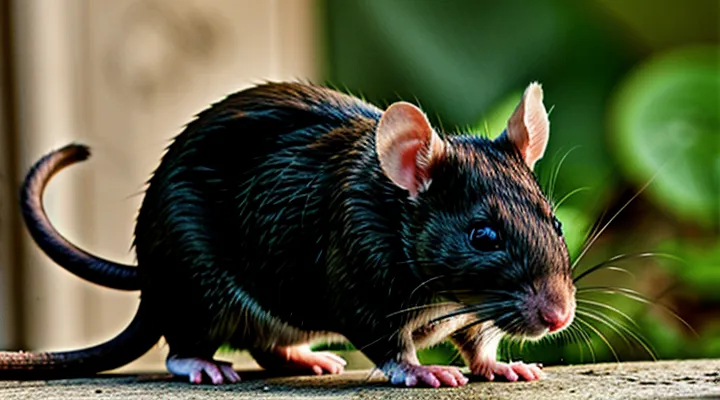
General Overview of Rats
Taxonomic Classification
Kingdom: Animalia
Rats belong to the kingdom Animalia, a group defined by multicellular organization, heterotrophic nutrition, and the ability to move at some life stage. Members of Animalia possess cells without rigid walls, develop from a blastula, and exhibit specialized tissues such as nervous and muscular systems. As vertebrates, rats inherit the defining features of this kingdom, including internal skeletal support and complex organ systems.
Key characteristics of Animalia relevant to rats:
- Eukaryotic cells with membrane-bound organelles
- Diploid chromosome sets governing development
- Developmental processes involving gastrulation and organogenesis
- Sensory organs enabling perception of the environment
- Reproductive strategies based on sexual reproduction and live birth in mammals
Within Animalia, rats are classified under the phylum Chordata, class Mammalia, order Rodentia, and family Muridae. This taxonomic placement reflects evolutionary relationships that determine anatomical and physiological traits such as fur covering, endothermy, and a highly developed brain. The animal kingdom’s diversity provides the ecological context in which rats adapt to varied habitats, exploit food resources, and interact with other organisms.
Phylum: Chordata
Rats belong to the phylum Chordata, a group defined by a set of embryonic structures that persist in various forms throughout development. These structures include a dorsal nerve cord, a notochord that serves as a skeletal scaffold, pharyngeal slits that give rise to respiratory and digestive passages, and a post‑anal tail. In mammals such as rats, the notochord is replaced by a vertebral column, while the dorsal nerve cord develops into the central nervous system.
Within Chordata, rats are classified in the subphylum Vertebrata, class Mammalia, and order Rodentia. The vertebrate condition provides a rigid axial support, enabling efficient locomotion and complex behaviors. Mammalian features—hair, mammary glands, and a neocortex—build upon the chordate foundation, allowing rats to thrive in diverse habitats.
Key chordate characteristics that manifest in rat anatomy and physiology include:
- A segmented spinal column derived from the original notochord.
- A centralized nervous system with a brain and spinal cord extending along the dorsal axis.
- Paired gill slits in embryonic stages that contribute to the formation of ear structures and the thyroid gland.
- A tail extending beyond the anus, serving balance and communication functions.
Understanding the chordate blueprint clarifies how rats inherit fundamental anatomical plans while evolving specialized traits that support their status as adaptable mammals.
Class: Mammalia
Rats belong to the class Mammalia, a group distinguished by several anatomical and physiological traits. Mammals possess true hair or fur, which provides insulation and sensory input; rats exhibit a dense pelage covering their bodies. All members produce milk from specialized mammary glands to nourish their young, and rat mothers lactate to support offspring during the early developmental stage. The skeletal structure includes three auditory ossicles—the malleus, incus, and stapes—enabling acute hearing; rats rely on this adaptation for predator detection and communication. Endothermy characterizes mammals, allowing internal regulation of body temperature; rats maintain a stable core temperature despite environmental fluctuations. Reproductive systems are defined by internal fertilization and relatively short gestation periods; rats have a gestation of approximately three weeks, followed by rapid postnatal growth.
Key mammalian characteristics exhibited by rats:
- Hair covering the skin
- Presence of mammary glands with lactation
- Three middle ear bones for enhanced hearing
- Endothermic metabolism
- Live birth with internal fertilization
- Specialized dentition (heterodont teeth) adapted for gnawing
These features place rats firmly within Mammalia, aligning them with other vertebrates that share the same fundamental biological framework.
Order: Rodentia
Rodents constitute the mammalian order Rodentia, the most speciose group of mammals, encompassing over 2,300 species. Members share a single pair of continuously growing incisors in each jaw, a dental arrangement that necessitates gnawing to maintain tooth length. The incisors possess enamel only on the outer surface, creating a self-sharpening edge as the softer dentine wears away during use.
Rats belong to the family Muridae, subfamily Murinae, which includes the genera Rattus and Mus. Key morphological traits of rats include a compact body, short tail, and highly adaptable cranial structure that accommodates strong jaw muscles. Their dentition enables consumption of a wide range of plant and animal matter, supporting opportunistic feeding habits.
Reproductive strategies within Rodentia are characterized by rapid sexual maturity, short gestation periods, and large litters. Female rats can produce several litters per year, each containing up to twelve offspring, facilitating swift population growth under favorable conditions.
Ecologically, rodents occupy diverse habitats—from forests and grasslands to urban environments. Their burrowing and foraging activities influence soil turnover, seed dispersal, and predator–prey dynamics. Species such as the brown rat (Rattus norvegicus) have expanded globally, often thriving in human-modified settings.
Key distinguishing features of the order include:
- Single pair of ever‑growing incisors per jaw
- Absence of canines, creating a diastema between incisors and molars
- Highly efficient reproductive cycles
- Versatile diets ranging from herbivory to omnivory
These characteristics define Rodentia and underpin the ecological success of rats within this extensive mammalian lineage.
Family: Muridae
The family Muridae comprises the largest group of mammals within the order Rodentia, encompassing over 700 species. Rats, mice, gerbils and their relatives belong to this lineage, which exhibits extensive ecological and morphological diversity.
Members of Muridae share several defining traits. Their incisors grow continuously and possess a characteristic orange enamel coating that enables gnawing without wear. Skull morphology includes a narrow rostrum and a well‑developed auditory bulla, facilitating acute hearing. Dental formula typically is 1.0.0.3/1.0.0.3, reflecting the loss of premolars in most genera.
Key biological attributes of Muridae include:
- Reproductive strategy: short gestation (≈ 20–30 days), large litter sizes, and rapid sexual maturity allow populations to expand swiftly.
- Habitat adaptability: species occupy forests, grasslands, deserts and urban environments; many demonstrate opportunistic nesting and foraging behaviors.
- Dietary flexibility: omnivorous diets range from seeds and insects to human food waste, supported by a highly efficient digestive tract.
- Social organization: hierarchical structures are common, with dominant individuals influencing breeding and territory use.
Geographically, Muridae are distributed across all continents except Antarctica. Evolutionary radiation during the Miocene produced distinct subfamilies, such as Murinae (true rats and mice) and Gerbillinae (gerbils). Molecular phylogenetics indicates that the common ancestor of modern rats emerged approximately 12 million years ago, diverging from other murid lineages through adaptive changes in dentition and habitat preference.
In summary, the Muridae family provides the taxonomic framework within which rats are classified, offering insight into their anatomical specializations, reproductive capacity, ecological resilience and evolutionary history.
Genus: Rattus
The genus Rattus belongs to the family Muridae and comprises the true rats that are most familiar to humans. Species within this genus share a common set of morphological traits: robust bodies, pointed snouts, large incisors, and a tail equal to or longer than the head‑body length. Dental formula is 1/1, 0/0, 0/0, 3/3, reflecting the adaptation to gnawing.
Rattus species are distributed worldwide, primarily in temperate and tropical regions. Their success in diverse habitats stems from high reproductive output, omnivorous diet, and capacity for rapid acclimatization to human‑altered environments. Typical litter size ranges from 5 to 12 offspring, with gestation lasting 21–23 days, enabling multiple generations per year.
Key species include:
- Rattus norvegicus (brown rat) – widespread in urban and agricultural settings, notable for its size and adaptability.
- Rattus rattus (black rat) – historically linked to shipborne dispersal, prevalent in coastal and island ecosystems.
- Rattus exulans (Pacific rat) – occupies many Pacific islands, often impacting native bird populations.
- Rattus argentiventer (ricefield rat) – common in Southeast Asian rice paddies, associated with crop damage.
Genetic studies reveal a high degree of chromosomal conservation across the genus, with most species possessing 42 chromosomes. Molecular phylogenetics places Rattus within the subfamily Murinae, closely related to Bandicota and Niviventer. This genetic cohesion supports the classification of the genus as a distinct clade despite ecological variability.
Ecologically, Rattus species serve as both predators and prey. They consume insects, seeds, and carrion, influencing nutrient cycles, while providing a food source for raptors, snakes, and carnivorous mammals. Their role as disease reservoirs is documented, with several zoonotic pathogens transmitted through saliva, urine, or ectoparasites.
In summary, the genus Rattus encompasses adaptable, high‑reproductive mammals with a global presence, marked by specific anatomical features, a well‑defined genetic framework, and significant ecological interactions.
Evolutionary History
Rats belong to the family Muridae, a lineage that emerged in the early Miocene, approximately 20 million years ago. Fossil evidence shows that ancestral murids diversified rapidly, giving rise to several subfamilies, among which the genus Rattus appears in the Pliocene, around 4 million years ago. Early Rattus species displayed dental and skeletal adaptations suited for omnivorous diets and burrowing behavior, traits that facilitated exploitation of varied ecological niches.
During the Pleistocene, climatic fluctuations promoted range expansions and genetic differentiation among rat populations. The emergence of Rattus norvegicus and Rattus rattus corresponds with the spread of agriculture and urban settlements, indicating a close association between human activity and rat dispersal. These species exhibit high reproductive rates, flexible social structures, and tolerance of diverse habitats, factors that underpin their global distribution today.
Key evolutionary milestones:
- Origin of Muridae in the early Miocene (≈20 Ma)
- Divergence of the Rattus genus in the Pliocene (≈4 Ma)
- Development of omnivorous dentition and robust forelimbs
- Pleistocene range expansions linked to climatic change
- Co‑evolution with humans during the Neolithic and subsequent urbanization
- Worldwide colonization facilitated by high fecundity and ecological plasticity
Geographic Distribution
Rats are among the most widely distributed mammals, occupying virtually every continent except Antarctica. Their presence is closely linked to human settlement, which provides food sources and shelter.
- Brown rat (Rattus norvegicus): Originated in the steppes of Central Asia; now established in North America, Europe, Asia, Africa, and Oceania. Thrives in temperate and subtropical climates, frequently inhabits sewers, basements, and agricultural fields.
- Black rat (Rattus rattus): Native to the Indian subcontinent; spread through maritime trade routes to the Caribbean, South America, Africa, and the Pacific islands. Prefers warm, humid environments, often found in rooftops, barns, and tropical forests.
Urban ecosystems support the highest densities, with rats exploiting waste, grain stores, and building structures. Rural areas host populations in grain bins, livestock facilities, and riverbanks. Coastal regions provide access to ships and ports, facilitating further dispersal. Extreme environments—high altitudes, deserts, and arctic zones—are generally unsuitable, limiting rat colonization to areas where temperature and moisture levels meet their physiological requirements.
Distinctive Biological Characteristics
Physical Anatomy
External Features
Rats exhibit a compact body plan optimized for agility and nocturnal activity. The head is proportionally large, supporting a well‑developed sensory array. The fur covers most of the surface, providing insulation and camouflage, while the skin remains exposed on the ventral surface and tail.
- Fur: Dense, coarse hair; dorsal coloration ranges from brown to black, ventral side lighter gray or white. Seasonal molting adjusts thickness.
- Whiskers (vibrissae): Long, stiff tactile hairs extending from the snout; detect airflow and obstacles with high spatial resolution.
- Ears: Large, thin‑skinned pinnae; highly vascularized, enabling rapid heat exchange and acute auditory perception.
- Eyes: Small, positioned laterally; pupils dilate widely for low‑light vision.
- Tail: Scaly, hairless, length comparable to body; functions in balance, thermoregulation, and communication.
- Limbs: Four short, sturdy legs; forepaws equipped with dexterous digits and sharp claws for climbing and manipulation; hind paws provide powerful propulsion.
- Nose: Moist, highly innervated; essential for olfactory detection of food and predators.
Size and Weight
Rats exhibit a wide range of body dimensions that reflect their adaptability to diverse habitats. Adult individuals typically measure between 18 and 30 cm (7–12 in) in head‑body length, not including the tail. Tail length often matches or exceeds the body, ranging from 15 to 25 cm (6–10 in). Small species such as the dwarf rat may fall below the lower limits, while larger varieties, including the brown rat, approach the upper extremes.
Weight correlates closely with length but varies according to age, sex, and nutritional status. Common laboratory and wild specimens weigh between 150 and 500 g (5.3–17.6 oz). Mature males generally attain the higher end of this spectrum, whereas females and juveniles occupy lower ranges. Extreme cases, such as exceptionally large brown rats, can exceed 600 g (21 oz), whereas small dwarf rats may be under 100 g (3.5 oz).
Fur Coloration
Rats exhibit a wide spectrum of fur coloration, ranging from uniform shades to complex patterns. Pigmentation is determined by melanocytes that synthesize melanin types—eumelanin (black/brown) and pheomelanin (red/yellow). Genetic loci such as Agouti, Extension, Brown, and Albino regulate melanin distribution, producing phenotypes including black, brown, gray, beige, and albino coats.
Key aspects of fur coloration include:
- Genetic control – allelic variations at specific loci dictate pigment type and intensity; dominant and recessive alleles interact to produce mixed patterns.
- Environmental influence – exposure to sunlight can cause localized fading; diet may affect pigment synthesis indirectly.
- Adaptive significance – coloration contributes to camouflage in diverse habitats, influencing predator avoidance and social signaling.
- Health indicators – abnormal pigmentation, such as leucism or melanism, may signal underlying metabolic or hormonal disorders.
Laboratory strains are often selected for consistent coat colors to facilitate identification and breeding. Wild populations display greater variability, reflecting regional selective pressures. Understanding fur coloration mechanisms aids in genetic research, pest management, and conservation efforts.
Tail Morphology
Rats possess a single, elongated tail that extends the length of the body and exhibits a consistent cylindrical shape. The skin is covered with fine, overlapping scales that provide a flexible yet protective surface.
Key morphological attributes include:
- Length ranging from 15 cm to 30 cm, proportionate to body size.
- Diameter tapering from approximately 5 mm near the base to 2 mm at the tip.
- Presence of 80–100 vertebrae, each separated by intervertebral discs that permit independent movement.
- Muscular sheath composed of longitudinal and circular fibers, enabling precise curvature.
- Vascular network with superficial arteries and veins that regulate blood flow.
The tail contributes to thermoregulation through heat exchange across its thin wall, assists in balance during climbing and rapid locomotion, and serves as a visual signal during social interactions. Fat deposits within the tail are minimal, reflecting its primary role in locomotor support rather than energy storage.
Morphological variation appears across species: Norway rats exhibit longer, thicker tails compared to smaller, more slender tails of roof rats. Juvenile tails are proportionally shorter and develop full vertebral count and scale pattern during the first few weeks of life.
Sensory Organs: Eyes, Ears, Whiskers
Rats possess highly developed sensory systems that support nocturnal foraging, navigation, and social interaction.
The visual apparatus consists of relatively large, forward‑facing eyes equipped with a high density of rod photoreceptors. Rod dominance enhances light sensitivity, allowing functional vision under low‑illumination conditions. The retina contains a modest cone population, providing limited color discrimination but sufficient for detecting movement and contrast. Pupil dilation expands the retinal aperture, further improving photon capture.
Auditory structures feature an elongated external ear (pinna) that funnels sound toward the tympanic membrane. The middle ear houses three ossicles that amplify vibrations before transmission to the cochlea. Within the cochlea, hair cells are tuned to frequencies between 1 kHz and 80 kHz, granting rats an acute ability to perceive ultrasonic vocalizations used in communication and predator detection.
Vibrissae (whiskers) serve as tactile receptors distributed across the mystacial pad, supra‑orbital region, and forelimbs. Each whisker is anchored in a follicle richly innervated by mechanoreceptors. Deflection of a whisker generates neural signals that encode object shape, texture, and spatial orientation. The somatosensory cortex allocates a disproportionately large cortical area to whisker input, enabling precise three‑dimensional mapping of the environment.
Key characteristics of rat sensory organs:
- Eyes: rod‑rich retina, low‑light vision, limited color perception.
- Ears: elongated pinna, middle‑ear ossicle amplification, ultrasonic hearing range (1–80 kHz).
- Whiskers: densely innervated follicles, mechanosensory detection, extensive cortical representation.
Collectively, these organs provide rats with a multimodal perception system that compensates for the limitations of any single sense, ensuring survival in diverse habitats.
Internal Systems
Rats possess a compact yet highly efficient arrangement of internal systems that support rapid growth, high metabolic demand, and adaptability to diverse environments.
The circulatory system features a four-chambered heart delivering oxygenated blood through a network of arteries and veins. A well‑developed capillary bed facilitates swift nutrient exchange, while the hepatic portal system channels blood from the gastrointestinal tract directly to the liver for detoxification and metabolism.
The respiratory apparatus comprises paired lungs with a large surface area relative to body size, enabling effective gas exchange. Nasal turbinates increase air filtration and humidification, protecting delicate alveolar tissue.
The digestive tract is divided into distinct sections: oral cavity, esophagus, stomach, small intestine, cecum, large intestine, and rectum. Enzymatic activity in the pancreas and liver optimizes breakdown of carbohydrates, proteins, and fats. The cecum hosts a microbial community that ferments fiber, producing short‑chain fatty acids essential for energy.
The excretory system includes paired kidneys that filter blood, reabsorb essential solutes, and concentrate urine. The urinary bladder stores waste before elimination, while the liver contributes to nitrogenous waste conversion into urea.
The nervous system integrates a central brain and spinal cord with peripheral nerves. Sensory organs—olfactory epithelium, whisker follicles, and auditory structures—provide acute environmental perception. Motor pathways coordinate fine‑motor movements necessary for foraging and nest construction.
The endocrine network regulates physiological processes through glands such as the pituitary, thyroid, adrenal, and pancreas. Hormones control growth, stress response, glucose homeostasis, and reproductive cycles.
Key internal systems can be summarized as follows:
- Cardiovascular: heart, blood vessels, portal circulation
- Respiratory: lungs, nasal passages, diaphragm
- Digestive: oral cavity, stomach, intestines, cecum, liver, pancreas
- Excretory: kidneys, bladder, ureters
- Nervous: brain, spinal cord, peripheral nerves, sensory organs
- Endocrine: pituitary, thyroid, adrenal, pancreatic islets, gonads
These systems operate in concert, allowing rats to maintain high reproductive rates, survive in varied habitats, and respond swiftly to physiological challenges.
Skeletal Structure
Rats possess a compact axial skeleton that supports rapid locomotion and burrowing activities. The vertebral column comprises cervical, thoracic, lumbar, sacral, and caudal regions, each adapted to specific functions. Cervical vertebrae provide head mobility, while thoracic vertebrae anchor rib cages that protect vital organs. Lumbar vertebrae are enlarged, offering strong attachment sites for hind‑limb musculature, and the sacrum fuses with pelvis bones to stabilize the hindquarters. The flexible caudal vertebrae form a muscular tail used for balance and communication.
The appendicular skeleton includes well‑developed forelimbs and hindlimbs. Forelimb bones consist of a scapula, humerus, radius, ulna, and a series of carpal, metacarpal, and phalangeal elements that facilitate grasping and digging. Hindlimb bones comprise the pelvis, femur, tibia, fibula, and corresponding tarsal, metatarsal, and phalangeal structures, enabling powerful jumps and swift sprints. Joint surfaces are covered with hyaline cartilage, reducing friction during high‑frequency movement.
Key skeletal characteristics of rats:
- High bone turnover rate, supporting growth and regeneration.
- Dense cortical bone in long bones, providing strength without excessive weight.
- Open growth plates (epiphyses) in juveniles, closing after sexual maturity.
- Robust attachment sites for large masticatory muscles, reflecting a gnawing diet.
Overall, the rat skeleton balances rigidity and flexibility, allowing efficient navigation of complex environments while sustaining the mechanical demands of a nocturnal, omnivorous lifestyle.
Muscular System
Rats possess a highly developed muscular system that enables rapid locomotion, fine manipulation of objects, and sustained activity. Muscle fibers are organized into distinct groups that correspond to specific functional demands.
- Skeletal muscles of the forelimb include the biceps brachii, triceps brachii, and flexor digitorum, providing grip strength and precision for tasks such as gnawing and nest construction.
- Hindlimb muscles, such as the gastrocnemius and quadriceps femoris, generate powerful thrusts for jumping and swift running, supporting escape responses.
- Axial muscles, particularly the epaxial and hypaxial groups, maintain posture, facilitate breathing, and assist in tail movement for balance.
- Cardiac muscle forms a compact, highly vascularized heart capable of sustaining elevated heart rates during intense activity.
- Smooth muscle lines the gastrointestinal tract, urinary system, and reproductive organs, regulating peristalsis, urine flow, and reproductive cycles.
Fiber composition varies across the body: fast‑twitch glycolytic fibers dominate in muscles responsible for rapid bursts, while slow‑twitch oxidative fibers predominate in postural and endurance muscles. Innervation follows a precise pattern, with motor neurons terminating at neuromuscular junctions that ensure swift signal transmission and coordinated contraction.
Metabolic support relies on a dense capillary network and high mitochondrial density, especially in oxidative fibers, providing the energy required for prolonged exertion. Hormonal regulation, notably by thyroid hormone and catecholamines, modulates muscle growth, repair, and performance.
Overall, the rat muscular architecture integrates speed, strength, and endurance, reflecting the species’ ecological niche as a versatile, opportunistic survivor.
Circulatory System
Rats possess a closed circulatory system typical of mammals, consisting of a four‑chambered heart, arterial and venous networks, and capillary beds that facilitate efficient exchange of gases, nutrients, and waste.
The heart is positioned centrally in the thoracic cavity, with a left ventricle that generates systemic pressure and a right ventricle that drives blood to the lungs. Average heart rate ranges from 300 to 400 beats per minute in adult laboratory rats, providing rapid cardiac output relative to body mass. Cardiac output is modulated by autonomic inputs and hormonal signals, allowing swift adjustments to metabolic demands.
Arterial vessels transport oxygen‑rich blood from the left ventricle to peripheral tissues. Major arteries include the aorta, carotid, and femoral vessels, each branching into progressively smaller arterioles that regulate flow through smooth‑muscle tone. Venous return is facilitated by the superior and inferior vena cava, which collect deoxygenated blood and direct it to the right atrium.
Capillaries, with diameters approaching that of red blood cells, form extensive networks in organs such as the liver, kidney, and skeletal muscle. Their thin walls enable diffusion of oxygen, carbon dioxide, glucose, and metabolic by‑products. The rat’s high metabolic rate necessitates a dense capillary distribution, particularly in thermogenic brown adipose tissue.
Blood composition mirrors that of other rodents: erythrocytes constitute roughly 45 % of volume, hemoglobin concentration averages 150 g L⁻¹, and plasma contains albumin, globulins, electrolytes, and clotting factors. Platelet count and coagulation cascade components are comparable to those of other mammals, supporting rapid hemostasis after injury.
The pulmonary circuit conveys deoxygenated blood from the right ventricle through the pulmonary artery to the lungs, where gas exchange occurs across alveolar membranes. Oxygenated blood returns via the pulmonary veins to the left atrium, completing the loop.
Regulatory mechanisms include baroreceptor reflexes that maintain arterial pressure within a narrow range, and renin‑angiotensin‑aldosterone signaling that adjusts blood volume. Vasomotor responses to temperature and activity ensure adequate perfusion of peripheral tissues.
Key characteristics of the rat circulatory system:
- Four‑chambered heart with high basal rate
- Extensive arterial and venous branching
- Dense capillary networks supporting elevated metabolic demand
- Blood parameters adapted for rapid oxygen transport
- Integrated autonomic and hormonal control of cardiovascular function
These features collectively enable rats to sustain vigorous activity, rapid growth, and efficient thermoregulation.
Respiratory System
Rats possess a compact respiratory apparatus adapted for high metabolic demand and rapid activity. Air enters through the nasal passages, where a dense network of turbinates humidifies, warms, and filters inhaled gas. The nasal cavity connects to the pharynx and larynx, leading to a relatively short trachea that divides into two primary bronchi, each supplying a lung lobe.
The lungs are divided into multiple lobes (right lung: four lobes; left lung: one lobe) and contain a dense alveolar mesh. Alveoli are lined with a thin epithelial barrier and a rich capillary network, facilitating diffusion of oxygen into the bloodstream and removal of carbon dioxide. The alveolar surface area, estimated at 0.5 m² in adult rats, supports the species’ elevated oxygen uptake relative to body size.
Ventilation is driven by a diaphragm that contracts rhythmically, creating negative intrathoracic pressure. Additional intercostal muscles modulate thoracic volume during forced respiration, such as during intense locomotion or thermoregulatory panting. Typical resting respiratory rates range from 70 to 115 breaths per minute, increasing proportionally with activity and ambient temperature.
Key physiological characteristics include:
- High tidal volume relative to body mass (≈0.5 mL g⁻¹) to sustain rapid gas exchange.
- Efficient oxygen extraction: arterial oxygen saturation remains above 95 % under normal conditions.
- Robust ventilatory control via chemoreceptors sensitive to arterial CO₂ and pH fluctuations.
- Adaptations for olfactory processing: extensive olfactory epithelium within the nasal cavity enhances scent detection while maintaining respiratory function.
These features collectively enable rats to maintain aerobic metabolism, support swift locomotion, and survive in diverse environments.
Digestive System
Rats have a simple, monogastric gastrointestinal tract adapted for omnivorous feeding. Food enters the oral cavity where incisors and molars mechanically break down material, and saliva, rich in amylase, begins carbohydrate digestion. The bolus passes through the esophagus into the stomach, a moderate‑sized organ that secretes hydrochloric acid and pepsin, facilitating protein denaturation and hydrolysis.
From the stomach, partially digested material moves into the small intestine, the principal site of nutrient absorption. The duodenum receives pancreatic enzymes (lipase, amylase, proteases) and bile from the liver, enabling lipid emulsification and further macronutrient breakdown. The jejunum and ileum contain dense villi and microvilli, maximizing surface area for absorption of amino acids, glucose, fatty acids, vitamins, and minerals.
The large intestine performs water reabsorption, electrolyte balance, and fermentation of indigestible fibers by a diverse microbial community. This microbiota synthesizes short‑chain fatty acids, contributing to the host’s energy budget and influencing immune function.
Key anatomical components:
- Mouth: incisors, molars, salivary glands (amylase)
- Stomach: glandular mucosa, acid, pepsin
- Duodenum: pancreatic secretions, bile
- Jejunum & Ileum: villi, microvilli, nutrient transporters
- Cecum: enlarged, site of microbial fermentation
- Colon: water absorption, fecal formation
- Rectum and Anus: storage and elimination
Physiological characteristics include rapid gastric emptying, high intestinal transit speed, and a capacity to adjust enzyme expression according to dietary composition. These features enable rats to exploit a wide range of food sources while maintaining efficient nutrient extraction and energy utilization.
Reproductive System
The reproductive system of the common laboratory rat (Rattus norvegicus) is highly efficient and adapted for rapid population growth. Males possess paired testes located in the scrotum, a large epididymis, and a well‑developed accessory sex gland complex that includes the seminal vesicles, prostate, and bulbourethral glands. Sperm production begins at sexual maturity, approximately six weeks of age, and continues throughout the animal’s lifespan.
Females have paired ovaries, oviducts, a bicornuate uterus, and a well‑vascularized placenta. Ovulation is induced by mating (spontaneous ovulation does not occur). The estrous cycle lasts four to five days, consisting of proestrus, estrus, metestrus, and diestrus phases, each identifiable by distinct hormonal profiles and vaginal cytology.
Key reproductive parameters:
- Gestation length: 21–23 days.
- Litter size: 6–12 pups on average; extremes range from 2 to 20.
- Weaning age: 21 days post‑birth.
- Sexual maturity: males ~6 weeks, females ~5 weeks.
- Post‑partum estrus: females can become receptive within 24 hours after delivery.
Hormonal regulation involves the hypothalamic‑pituitary‑gonadal axis. Gonadotropin‑releasing hormone (GnRH) stimulates pituitary release of luteinizing hormone (LH) and follicle‑stimulating hormone (FSH), which drive gonadal steroidogenesis. Estrogen peaks trigger the LH surge that initiates ovulation, while progesterone maintains pregnancy.
Reproductive performance is influenced by environmental factors such as photoperiod, nutrition, and stress. Controlled breeding programs manipulate these variables to achieve desired litter outcomes and maintain genetic integrity.
Physiological Processes
Metabolism
Rats exhibit a high basal metabolic rate relative to their body size, supporting rapid growth, reproduction, and activity. Energy derives primarily from carbohydrates, with protein and fat contributing to maintenance and storage. The gastrointestinal tract processes food efficiently; the small intestine absorbs glucose and amino acids, while the cecum hosts microbial fermentation that produces short‑chain fatty acids for additional energy.
Key metabolic characteristics include:
- Thermoregulation: Non‑shivering thermogenesis in brown adipose tissue generates heat during cold exposure, mediated by uncoupling protein‑1.
- Glucose homeostasis: Pancreatic β‑cells secrete insulin in response to elevated blood glucose, while hepatic gluconeogenesis maintains levels during fasting.
- Lipid metabolism: Liver synthesizes triglycerides from dietary fatty acids; adipose tissue stores excess energy and releases free fatty acids during caloric deficit.
- Protein turnover: Skeletal muscle protein synthesis is regulated by mTOR signaling, whereas ubiquitin‑proteasome pathways mediate degradation.
Laboratory rats display predictable metabolic responses to dietary manipulation, making them valuable models for studying obesity, diabetes, and pharmacological effects. Caloric restriction reduces metabolic rate and extends lifespan, whereas high‑fat diets increase adiposity and alter insulin sensitivity. Hormonal regulation, enzyme activity, and mitochondrial efficiency collectively shape the metabolic profile of this rodent species.
Thermoregulation
Rats maintain a relatively constant core temperature of 36‑38 °C despite ambient fluctuations. This stability results from coordinated physiological and behavioral processes that adjust heat production and loss.
- Metabolic heat generation: basal metabolism supplies continuous warmth; brown adipose tissue activates non‑shivering thermogenesis via uncoupling protein‑1, rapidly increasing heat output when cold exposure is detected.
- Shivering: skeletal muscle contractions produce additional heat during acute temperature drops.
- Vasomotor regulation: sympathetic nerves constrict cutaneous vessels to reduce heat loss in cold, while vasodilation promotes cooling in warmth.
- Respiratory evaporative cooling: increased panting and nasal airflow facilitate heat dissipation at elevated temperatures.
Behavioral responses complement physiological mechanisms. Rats construct nests from shredded material, select sheltered locations, and cluster together to share warmth. Activity cycles shift toward cooler periods during heat stress, and individuals seek shaded or ventilated microhabitats to lower body temperature.
Control centers reside in the preoptic area of the hypothalamus, which integrates peripheral thermal input and sets the target temperature. Thyroid hormones elevate basal metabolic rate, enhancing heat production, while catecholamines modulate brown adipose tissue activity and vascular tone. Feedback loops adjust hormone release in response to sustained temperature changes.
Acclimation to chronic temperature extremes modifies tissue composition and enzyme activity. Prolonged cold exposure increases brown adipose tissue mass and mitochondrial density, whereas prolonged heat exposure augments skin blood flow capacity and improves sweat gland efficiency. These adaptations expand the range of environmental temperatures that rats can occupy while preserving core thermal homeostasis.
Sensory Perception
Rats possess a highly developed sensory system that supports navigation, foraging, and social interaction.
-
Vision: Retina contains a high proportion of rods, providing sensitivity to low light levels. Color discrimination is limited; visual acuity is lower than that of many predators. Visual information is processed in the superior colliculus and visual cortex.
-
Auditory perception: Cochlear hair cells respond to frequencies up to 80 kHz, far exceeding human hearing. The auditory brainstem circuitry enables precise localization of sound sources and rapid detection of ultrasonic vocalizations used in communication.
-
Olfaction: Olfactory epithelium houses millions of receptor neurons, allowing discrimination of a vast array of chemical cues. The olfactory bulb projects to the piriform cortex and amygdala, guiding food selection, predator avoidance, and mate recognition.
-
Gustation: Taste buds on the tongue and palate detect sweet, salty, sour, bitter, and umami stimuli. Neural pathways transmit signals to the gustatory cortex, influencing dietary choices.
-
Tactile sensation: Whisker follicles contain mechanoreceptors that encode fine spatial details. Signals travel via the trigeminal nerve to the somatosensory cortex, facilitating texture discrimination and obstacle avoidance.
Integration of these modalities occurs in multimodal cortical regions, producing coherent representations of the environment. The rat’s sensory architecture underlies its adaptability to diverse habitats and complex social structures.
Olfaction
Rats possess a highly developed olfactory system that enables detection of a wide range of volatile compounds at concentrations as low as parts per trillion. The nasal cavity contains up to 12 million olfactory receptor neurons, each expressing a single type of G‑protein‑coupled receptor from a repertoire of roughly 1 200 functional genes. This diversity allows discrimination among thousands of odorants with fine gradations in intensity.
Key functional characteristics include:
- Sensory epithelium organization: Turbinate structures increase surface area, facilitating airflow and odorant contact.
- Signal transduction: Binding of an odorant to its receptor activates adenylate cyclase, raising cAMP levels and opening cyclic nucleotide‑gated ion channels, generating a depolarizing receptor potential.
- Neural routing: Axons from receptor neurons converge onto discrete glomeruli in the olfactory bulb, preserving chemotopic maps that are relayed to the piriform cortex and limbic structures.
- Behavioral relevance: Olfactory cues guide foraging, predator avoidance, social recognition, and mating; disruption of specific receptor families impairs these behaviors.
- Plasticity: Exposure to novel odor environments induces neurogenesis in the subventricular zone, integrating new interneurons into the olfactory bulb circuitry.
Overall, the rat’s olfactory apparatus combines anatomical specialization, extensive receptor diversity, and adaptive neural processing to support survival‑critical functions.
Audition
Rats possess a highly developed auditory system that supports survival in diverse habitats. The cochlea of a rat is elongated, allowing precise frequency discrimination across a range of 1–80 kHz, with peak sensitivity near 16 kHz. This range exceeds that of many mammals, enabling detection of ultrasonic vocalizations used in social communication and predator avoidance.
Sound transduction begins when vibrations reach the tympanic membrane, which transfers energy to the middle ear ossicles. The stapes drives fluid movement in the cochlear duct, stimulating inner‑hair cells. These cells convert mechanical stimuli into neural impulses that travel via the auditory nerve to the brainstem and auditory cortex, where complex processing of temporal and spectral cues occurs.
Key functional aspects include:
- Frequency resolution: Narrow tuning curves provide fine discrimination of overlapping sounds.
- Temporal precision: Rapid firing of auditory neurons supports detection of brief ultrasonic pulses.
- Plasticity: Exposure to specific acoustic environments modifies cortical maps, enhancing relevant frequency representation.
Behavioral studies demonstrate that rats rely on audition for foraging, navigation, and mating. Disruption of auditory pathways—through ototoxic agents or genetic mutations—results in impaired social interaction and heightened vulnerability to predation. Consequently, the auditory apparatus constitutes a critical component of the rat’s overall physiological adaptation.
Vision
Rats have relatively small eyes positioned laterally on the skull, granting a wide visual field of approximately 300°. This panoramic view enhances detection of movement along the periphery, a crucial advantage for a prey species.
The retinal composition includes a high proportion of rods, enabling detection of low‑light conditions. Consequently, rats exhibit superior scotopic sensitivity compared to many diurnal mammals, though their photopic acuity remains modest, estimated at 1–2 cycles per degree.
Color discrimination in rats is limited. Two types of cone photoreceptors—sensitive to short (blue) and medium (green) wavelengths—support dichromatic vision. This system lacks the red‑spectrum sensitivity found in trichromatic mammals, restricting color perception to the blue‑green range.
Key visual characteristics:
- Field of view: ~300°, providing extensive peripheral coverage.
- Rod density: High, facilitating night vision.
- Cone types: Two, supporting limited color detection.
- Visual acuity: Low; detailed resolution is minimal.
These traits reflect adaptation to nocturnal foraging and predator avoidance, shaping the rat’s reliance on vision as a supplementary sense alongside olfaction and tactile whisker input.
Tactile Senses
Rats possess a highly developed tactile system that enables precise interaction with their environment. Their whiskers (vibrissae) serve as mechanoreceptors, detecting minute air currents and surface textures. Each vibrissa is anchored in a follicle richly supplied with nerve endings, providing rapid feedback for navigation and object discrimination.
The skin of a rat’s forepaws contains dense Merkel cell complexes and Meissner’s corpuscles, which respond to light touch and vibration. These receptors transmit signals to the somatosensory cortex, allowing fine motor control during tasks such as food manipulation and nest building. The hindlimb pads, though less sensitive, contribute to proprioceptive awareness of body position.
Key tactile components in rats:
- Vibrissal follicles with associated trigeminal afferents
- Merkel cell clusters in paw pads for sustained pressure detection
- Meissner’s corpuscles for low‑frequency vibration
- Pacinian corpuscles in deeper tissues for high‑frequency vibration
- Hair follicle receptors distributed across the body surface
Collectively, these structures provide rats with a sophisticated sense of touch that supports foraging, predator avoidance, and social interaction. The integration of tactile input with other sensory modalities underlies the animal’s adaptive behavior in complex habitats.
Behavioral Ecology
Social Structure
Rats live in colonies that exhibit a clear hierarchy, with dominant individuals establishing priority access to food, nesting sites, and mates. Dominance is reinforced through aggressive encounters, scent marking, and vocalizations, creating a stable social order that reduces intra‑group conflict. Subordinate members typically defer to higher‑ranking rats, limiting direct competition for limited resources.
Colony organization includes a network of burrows and surface nests linked by shared tunnels. These structures serve as focal points for communal activities such as grooming, thermoregulation, and predator vigilance. Grooming exchanges strengthen bonds and disseminate chemical cues that convey individual identity and reproductive status.
Communication within the group relies on ultrasonic calls, pheromonal signals, and tactile interactions. These modalities coordinate foraging excursions, alert members to threats, and synchronize breeding cycles. The resulting social cohesion enhances survival rates and reproductive success across varying environments.
- Hierarchical dominance established through aggression and scent marking
- Burrow complexes function as communal hubs for nesting and defense
- Grooming behavior reinforces social bonds and information transfer
- Ultrasonic vocalizations and pheromones regulate foraging and mating
- Subordinate individuals adopt risk‑averse strategies, supporting colony stability
Communication
Rats rely on a multimodal communication system that integrates sound, scent, touch, and visual cues to coordinate social interactions, establish hierarchies, and respond to environmental threats.
Acoustic signals dominate nocturnal exchanges. Adult males emit ultrasonic vocalizations (USVs) in the 20–80 kHz range during mating, aggression, and territory defense. Pup distress calls peak at 40 kHz, prompting maternal retrieval. Frequency modulation and call duration encode urgency and identity, enabling rapid discrimination among conspecifics.
Chemical signals convey long‑term information. Urine and glandular secretions contain pheromones that mark territories, signal reproductive status, and reinforce dominance. Olfactory receptors in the vomeronasal organ detect these compounds, triggering stereotyped investigative or avoidance behaviors.
Tactile communication occurs through direct contact. Whisker brushing, allogrooming, and nose‑to‑nose touches transmit affiliative intent and reinforce social bonds. Grooming bouts often follow aggressive encounters, reducing tension within the group.
Visual cues supplement other modalities. Body posture, tail positioning, and ear orientation provide immediate feedback during confrontations. Elevated stance and erect tail indicate aggression, while crouched posture signals submission.
Key communication modalities
- Ultrasonic vocalizations: mate attraction, alarm, distress
- Pheromonal marking: territory, reproductive status, hierarchy
- Tactile interaction: grooming, whisker contact, nose touches
- Visual displays: posture, tail, ear movements
These channels operate concurrently, allowing rats to adaptively manage complex social structures and survive in diverse habitats.
Diet and Feeding Habits
Rats are omnivorous mammals whose diet reflects opportunistic foraging behavior and high metabolic demand. Their gastrointestinal tract accommodates a wide range of macronutrients, allowing efficient extraction of energy from both animal and plant sources.
In natural habitats, rats consume:
- Seeds, grains, and nuts, providing carbohydrates and fats.
- Insects, small vertebrates, and carrion, supplying protein and essential amino acids.
- Fruit, tubers, and leafy vegetation, offering vitamins, minerals, and fiber.
- Human-derived waste, including processed foods, which increases caloric intake and introduces novel compounds.
Feeding patterns are characterized by:
- Nocturnal activity – foraging peaks during twilight and night hours to avoid predators.
- Food storage – individuals gather and cache surplus items in burrows or concealed locations.
- Social sharing – dominant individuals may monopolize high‑quality resources, while subordinates exploit peripheral or discarded items.
- Adaptive flexibility – diet composition shifts rapidly in response to seasonal availability and urban environments, enabling survival in diverse ecosystems.
Digestive efficiency is enhanced by a caecum that ferments complex carbohydrates, producing short‑chain fatty acids that supplement energy intake. Renal adaptation allows rapid excretion of excess water and electrolytes, supporting high turnover of ingested material. Overall, the rat’s feeding strategy combines broad dietary breadth with behavioral plasticity, ensuring resilience across varied ecological contexts.
Reproduction and Life Cycle
Rats reproduce rapidly, employing a polyestrous cycle that enables multiple litters each year. Females reach sexual maturity at 5–6 weeks, after which estrus occurs every 4–5 days. Ovulation is induced by copulation; each mating can result in fertilization of up to 12 ova.
Gestation lasts 21–23 days. The uterus supports development of an average litter of 6–12 pups, though litter size varies with species, age and nutrition. Neonates are altricial: hairless, eyes closed, and entirely dependent on maternal care. Within 10 days, pups develop fur and open eyes; by 21 days they achieve weaning and begin solid food consumption.
Post‑weaning, juveniles attain sexual maturity in 8–10 weeks. Males exhibit a growth spurt and increased testosterone, leading to territorial behavior and competition for mates. Adult rats can produce up to 10 litters annually under favorable conditions, contributing to exponential population growth.
Key stages of the rat life cycle:
- Maturation: sexual readiness at 5–6 weeks (females) and 8–10 weeks (males).
- Estrus cycle: every 4–5 days, induced ovulation.
- Gestation: 21–23 days, yielding altricial offspring.
- Neonatal development: fur and eye opening by day 10; weaning by day 21.
- Reproductive peak: multiple litters per year, each producing 6–12 pups.
Survival rates decline sharply after birth; predation, disease and competition limit the proportion reaching adulthood. Nonetheless, the combination of early maturity, short gestation and large litters ensures a robust and adaptable population.
Habitat Preferences
Rats are highly adaptable mammals that occupy a wide range of environments, from natural ecosystems to human‑dominated settings. Their habitat selection reflects a combination of food availability, shelter options, and tolerance for disturbance.
- Natural habitats: grasslands, wetlands, forests, and agricultural fields where dense vegetation provides cover and abundant seeds or insects serve as food sources.
- Urban habitats: sewer systems, basements, abandoned structures, and garbage‑collection zones that offer constant waste supplies and concealed nesting sites.
- Peri‑urban zones: garden plots, compost heaps, and storage sheds where cultivated plants and discarded organic matter attract foraging activity.
Rats demonstrate flexibility in nesting behavior, constructing burrows, using crevices, or exploiting pre‑existing cavities. The presence of water sources, such as streams, drainage ditches, or standing rainwater, enhances habitat suitability. Seasonal changes influence occupancy patterns; colder periods drive individuals toward insulated structures, while warmer months expand activity into open fields. This ecological plasticity enables rats to thrive across diverse geographic regions and climatic conditions.
Adaptations and Survival Strategies
Reproductive Success
Rats achieve high reproductive output through several physiological and behavioral mechanisms. Females reach sexual maturity at 5–6 weeks, produce litters of 6–12 pups after a 21‑day gestation, and can breed every 4–5 weeks. This rapid turnover enables populations to expand quickly under favorable conditions.
Key determinants of reproductive efficiency include:
- Estrous cycle regulation: Short cycles (4–5 days) allow frequent mating opportunities.
- Sperm competition: Males develop large testes and high sperm counts, enhancing fertilization odds when multiple males vie for a single female.
- Maternal investment: Lactation lasts 3 weeks; mothers provide thermoregulation, nutrition, and protective behaviors that increase neonate survival.
- Environmental adaptability: Flexible breeding seasons and tolerance of varied habitats reduce constraints on reproduction.
Genetic factors also contribute. High heterozygosity correlates with larger litter sizes, while inbreeding depresses offspring viability. Hormonal feedback loops, particularly involving prolactin and oxytocin, synchronize parturition and maternal care, optimizing offspring development.
Overall, the combination of early maturity, frequent estrus, prolific sperm production, and robust parental care underpins the species’ capacity for sustained reproductive success.
Environmental Adaptations
Rats display a suite of physiological and behavioral traits that enable survival across diverse habitats, from urban sewers to arid plains.
Their sensory systems are finely tuned for variable environments. Large, mobile ears detect low‑frequency sounds, while whiskers (vibrissae) provide tactile feedback in confined spaces. Olfactory receptors detect food sources and predators, facilitating rapid foraging and avoidance.
Metabolic flexibility supports adaptation to fluctuating resource availability. Rats can lower basal metabolic rate during food scarcity, conserving energy. Their kidneys efficiently concentrate urine, reducing water loss in dry conditions.
Reproductive strategies reinforce ecological resilience. Short gestation periods (≈ 21 days) and large litter sizes allow rapid population expansion when conditions improve. Females can become pregnant shortly after weaning, ensuring continuous breeding cycles.
Key environmental adaptations include:
- Habitat plasticity: Ability to nest in burrows, attics, or underground tunnels; use of human structures for shelter.
- Dietary omnivory: Consumption of seeds, insects, waste, and carrion; enzymatic capacity to digest cellulose and starch.
- Disease tolerance: Robust immune response to pathogens commonly encountered in polluted or crowded settings.
- Social learning: Transmission of foraging routes and predator avoidance tactics through group interactions.
Collectively, these traits grant rats a competitive edge in ecosystems where resources and conditions shift unpredictably.
Disease Resistance and Susceptibility
Rats exhibit a complex pattern of disease resistance and susceptibility that reflects their genetic diversity, immune system architecture, and environmental exposure. Genetic strains differ markedly in their ability to withstand bacterial, viral, and parasitic challenges. Inbred laboratory strains such as Sprague‑Dawley and Wistar display high susceptibility to Streptococcus pneumoniae, whereas outbred populations often resist the same pathogen through more robust innate responses.
Key factors influencing resistance include:
- Innate immunity: Toll‑like receptors, antimicrobial peptides, and phagocytic activity provide the first line of defense. Certain strains possess elevated expression of TLR4, enhancing detection of Gram‑negative bacteria.
- Adaptive immunity: Variation in Major Histocompatibility Complex (MHC) alleles determines antigen presentation efficiency. Rats carrying the RT1.A^a allele show improved clearance of lymphocytic choriomeningitis virus.
- Microbiome composition: A balanced gut flora contributes to colonization resistance against opportunistic pathogens such as Clostridioides difficile. Dysbiosis, often induced by antibiotics, increases susceptibility.
Conversely, rats are prone to specific diseases that exploit weaknesses in their physiology:
- Leptospirosis: High renal colonization rates result from the organism’s ability to persist in the tubular epithelium, leading to chronic shedding.
- Hantavirus: Certain wild populations serve as reservoirs, with limited clinical manifestation despite high viral loads, indicating partial tolerance.
- Metabolic disorders: Obesity‑prone strains develop non‑alcoholic fatty liver disease, which compromises immune function and elevates infection risk.
Experimental models leverage these differences to study human disease mechanisms. Researchers select resistant strains to investigate protective pathways, while susceptible strains provide insight into disease progression and therapeutic efficacy. Understanding the genetic and environmental determinants of rat disease resistance informs both veterinary care and translational research.