
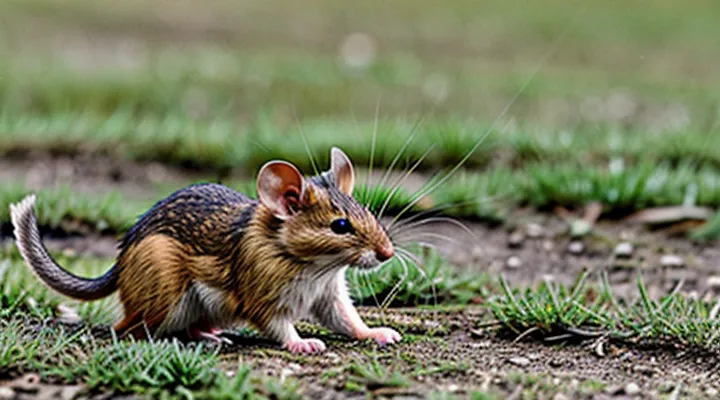
Understanding Rabies in Wild Animals
The Rabies Virus
Viral Characteristics
Rabies virus (RABV) is a nonsegmented, negative‑sense RNA virus belonging to the genus Lyssavirus within the family Rhabdoviridae. The genome encodes five structural proteins: nucleoprotein (N), phosphoprotein (P), matrix protein (M), glycoprotein (G) and the large polymerase protein (L). The G protein mediates attachment to neuronal receptors and facilitates membrane fusion, determining the virus’s neurotropic behavior.
Replication occurs exclusively in neuronal tissue. After peripheral inoculation, the virus travels retrogradely along axons to the central nervous system, where transcription and translation of viral proteins proceed in the cytoplasm. The virus assembles at the plasma membrane, buds, and is released as enveloped virions. The high fidelity of the L polymerase limits mutation rates, yet antigenic drift can produce variants with altered host range.
Key properties influencing infection in field mice:
- Stability: RABV remains infectious for days in moist environments and for weeks in frozen tissues; it is inactivated rapidly by UV light and heat above 56 °C for 30 minutes.
- Host specificity: While classic reservoirs include carnivores, certain Lyssavirus lineages have adapted to rodent hosts, exhibiting efficient replication in murine neurons.
- Transmission potential: Saliva containing high viral titers is the primary vector; bite wounds provide direct inoculation, but aerosolized droplets can transmit infection in confined, high‑density populations.
- Incubation period: In small rodents, the interval from exposure to clinical signs may be as short as 7–10 days, reflecting rapid neural dissemination.
Understanding these virological features clarifies why field mice can serve as incidental carriers and highlights the necessity for surveillance of viral genotype, environmental persistence, and transmission routes in natural rodent habitats.
Transmission Mechanisms
Rabies virus reaches field mice primarily through direct contact with infected saliva. The most common pathway is a bite that introduces virus-laden tissue fluids into the host’s peripheral nerves. After entry, the virus travels retrograde along axons to the central nervous system, where replication initiates clinical disease.
Additional transmission routes observed in rodent populations include:
- Scratching or gnawing injuries that breach the skin and expose nerve endings to contaminated saliva.
- Mucosal exposure when infected saliva contacts eyes, nose, or mouth, allowing the virus to access peripheral nerves.
- Aerosolized particles in densely populated burrow systems, especially during outbreaks, can deposit virus on respiratory epithelium; however, this route is less efficient than direct inoculation.
- Maternal transmission through placental passage or lactation, documented in a limited number of cases, suggests vertical spread under high viral load conditions.
Each mechanism relies on the virus’s affinity for neuronal tissue and its ability to move within the host’s nervous system. Understanding these pathways informs targeted control measures, such as reducing bite incidents, managing burrow density, and monitoring reproductive colonies for early detection.
Rabies in Field Mice
Prevalence and Incidence
Field mice serve as occasional reservoirs for lyssavirus, yet documented prevalence remains low. Surveillance in temperate agricultural zones reports seropositive rates between 0.1 % and 2.5 % of trapped specimens, with higher values (up to 4 %) observed in regions experiencing recent epizootics among carnivore hosts. In contrast, arid environments consistently yield prevalence below 0.5 %.
Incidence estimates derive from longitudinal capture‑mark‑recapture programs that monitor seroconversion over successive seasons. Reported annual incidence ranges from 0.02 % in stable populations to 0.8 % during peak vector activity. Seasonal peaks coincide with spring and early summer, aligning with increased rodent breeding and heightened interaction with infected mesocarnivores.
Key epidemiological parameters:
- Seroprevalence: 0.1 %–4 % across varied habitats
- Annual incidence: 0.02 %–0.8 % in monitored cohorts
- Seasonal surge: April–June, correlating with rodent reproductive cycles
- Geographic hotspots: Areas with recent fox or raccoon rabies outbreaks
These figures underscore the limited but measurable role of field mice in the maintenance of rabies virus, emphasizing the necessity of targeted surveillance in ecosystems where spill‑over from primary reservoirs is documented.
Susceptibility of Rodents
Rodents, particularly field mice, exhibit limited natural resistance to rabies virus, allowing occasional spill‑over infections from primary carnivore hosts. Experimental inoculation studies demonstrate that viral replication can be sustained in murine neural tissue, leading to clinical disease comparable to that observed in larger mammals. Field observations confirm that infected mice can develop salivary shedding, creating a potential, though low‑frequency, vector for virus transmission to predators and humans.
Factors influencing rodent susceptibility include:
- Species‑specific receptor affinity for viral glycoprotein
- Innate immune response strength, especially interferon pathways
- Viral dose at exposure, with higher inocula increasing infection probability
- Environmental temperature, which affects viral stability and host metabolism
- Age, where juveniles show higher mortality rates than adults
- Nutritional stress, compromising immune defenses
- Co‑infection with other pathogens that modulate immune function
Effective mitigation relies on reducing exposure opportunities and monitoring rodent populations. Surveillance programs should incorporate routine testing of captured field mice for rabies antigens. Wildlife vaccination campaigns targeting primary reservoirs diminish viral pressure on secondary hosts. Habitat management that limits rodent congregation near human dwellings further lowers the risk of incidental transmission.
Atypical Presentations
Atypical manifestations of rabies in field mice often deviate from the classic neurologic triad of aggression, paralysis, and hypersalivation. Infected rodents may exhibit subtle behavioral changes such as reduced foraging activity, intermittent lethargy, or brief episodes of tremor without overt aggression. Respiratory irregularities, including shallow breathing and occasional sighing, can precede overt neurologic signs. Some individuals display transient hyperthermia followed by a rapid return to normal temperature, a pattern rarely observed in other mammalian hosts.
Common atypical signs include:
- Intermittent tremor without progression to full convulsion
- Temporary loss of coordination limited to hind limbs
- Brief episodes of excessive grooming or self‑biting
- Subclinical weight loss detected only through serial measurements
- Sporadic vocalizations or high‑pitched squeaks not typical for the species
These presentations complicate field surveillance because standard observation protocols prioritize overt aggression and paralysis. Diagnostic protocols should incorporate routine polymerase chain reaction testing of brain tissue from any mouse with unexplained neurologic or respiratory anomalies, regardless of aggression level. Preventive strategies must extend vaccination of domestic animals and wildlife baiting programs to cover areas with high field‑mouse density, even when clinical suspicion is low. Early detection of atypical cases enhances control measures and reduces the risk of spill‑over to other susceptible species.
Risks Associated with Rabies in Field Mice
Risk to Humans
Direct Contact
Direct contact with field mice constitutes the primary pathway for rabies virus transmission to humans and domestic animals. The virus is present in the saliva of infected rodents and can be introduced into a wound through bites, scratches, or contaminated mucous membranes. Even brief handling of a live or recently deceased mouse without protective barriers creates a measurable exposure risk.
Transmission risk escalates when field mice are trapped, examined, or used in laboratory settings without adequate personal protective equipment (PPE). Contact with bodily fluids, including urine and feces, may not convey the virus directly, but secondary contamination of hands or tools can lead to accidental inoculation if a subsequent skin breach occurs.
Preventive actions focus on eliminating direct exposure:
- Wear disposable gloves and, when necessary, impermeable gowns during capture, transport, or necropsy.
- Disinfect surfaces and instruments with a 1% sodium hypochlorite solution or an equivalent virucidal agent after each use.
- Implement a quarantine protocol for captured rodents; isolate and test any animal showing neurological signs before further handling.
- Provide pre‑exposure rabies vaccination to personnel regularly interacting with field mice; arrange prompt post‑exposure prophylaxis if a breach occurs.
Monitoring programs that record bite incidents and conduct regular serological surveys of rodent populations enhance early detection of rabies activity, allowing swift implementation of control measures and reducing the likelihood of human infection.
Indirect Exposure
Indirect exposure refers to rabies acquisition by field mice without direct bite from an infected animal. Transmission occurs when mice contact contaminated saliva, urine, or brain tissue deposited on surfaces, ingest infected carcasses, or share burrows with infected conspecifics. Virus particles can persist in moist environments for several days, creating a viable infection source for non‑biting encounters.
Risk factors include high population density, overlapping home ranges, use of communal nesting material, and scavenging behavior. Burrow systems that connect multiple colonies facilitate viral spread through contaminated walls and bedding. Seasonal increases in carrion availability raise the probability of oral ingestion of infectious material.
Effective prevention relies on interrupting environmental pathways:
- Regular removal of carcasses and refuse from field sites.
- Installation of rodent‑proof barriers around livestock and human dwellings.
- Maintenance of dry, well‑ventilated burrow conditions to reduce viral stability.
- Targeted baiting programs using oral rabies vaccines for wild carnivores that interact with mouse populations.
- Vaccination of domestic animals that may contact field mice, coupled with routine health monitoring.
Implementing these measures reduces indirect transmission opportunities and lowers overall rabies incidence among field mouse communities.
Misconceptions and Reality
Rabies infection in field mice is often misunderstood, leading to ineffective control measures. Clarifying false beliefs helps align public health actions with scientific evidence.
-
Myth: Field mice rarely carry rabies because they are small.
Fact: Laboratory studies confirm that several rodent species, including field mice, can become infected and shed virus, though prevalence is lower than in carnivores. -
Myth: A bite from a mouse never transmits rabies.
Fact: Transmission requires saliva contact with broken skin; a deep puncture from an infected mouse poses a real risk. -
Myth: Rabies symptoms in mice are identical to those in larger mammals.
Fact: Rodents often display nonspecific signs such as lethargy, tremors, or sudden aggression, making early detection difficult. -
Myth: Vaccination of pet rodents eliminates the threat to wild populations.
Fact: Immunization programs target domestic animals; wild field mice remain unprotected and can serve as reservoirs.
Understanding the true epidemiology of the disease informs preventive actions. Surveillance programs should include rodent sampling in high‑risk areas. Personal protective equipment is advisable for field workers handling mice. Post‑exposure prophylaxis guidelines must consider rodent bites alongside traditional vectors. Accurate knowledge eliminates complacency and strengthens community health defenses.
Risk to Domestic Animals
Pets and Livestock
Field mice can carry rabies virus, creating a direct health threat to companion animals and farm stock that share outdoor environments. The virus resides in the nervous tissue of infected rodents and can be transmitted through bites, scratches, or contact with saliva-contaminated wounds.
Transmission occurs when a mouse bites a pet dog, cat, or a grazing animal, or when a predator species that has fed on infected rodents later interacts with domestic livestock. Indirect exposure through contaminated feed or bedding is less common but documented in high‑density rodent populations.
Risk for pets and livestock rises in regions with elevated rodent activity, especially during harvest and grain‑storage periods when mice seek food sources near human habitations. Young, unvaccinated animals and those kept in open pens are most vulnerable.
Preventive actions include:
- Maintaining up‑to‑date rabies vaccination for all dogs, cats, and eligible livestock.
- Implementing rodent‑exclusion measures: sealed feed containers, regular cleaning of barns, and physical barriers around animal housing.
- Conducting routine rodent control programs using traps and, where appropriate, licensed rodenticides.
- Inspecting animals daily for bite wounds or unusual behavior; isolating and testing any suspect cases immediately.
- Coordinating with local veterinary and public‑health authorities for surveillance and rapid response to confirmed rabies incidents.
Effective monitoring combines field observation of rodent activity, laboratory testing of captured specimens, and prompt reporting of animal exposures. Early detection and coordinated vaccination campaigns reduce the probability of rabies spillover from wild mice to domestic animal populations.
Wildlife Interactions
Field mice serve as a natural reservoir for rabies virus, creating a conduit for transmission among diverse wildlife species. Direct contact, such as biting or grooming, enables viral exchange, while indirect pathways include shared nesting sites and contaminated food sources. These interactions amplify the probability of spillover events that can affect predators, scavengers, and omnivores inhabiting the same ecosystem.
Key mechanisms of interspecies transmission include:
- Aggressive encounters that result in bite wounds, a primary route for virus entry.
- Predation, where infected mice are consumed by raptors, foxes, or mustelids, exposing the predator’s oral mucosa.
- Scavenging on carcasses, providing a secondary exposure route for opportunistic feeders.
- Co‑habitation in burrow complexes, allowing saliva or urine from infected mice to contaminate the environment.
Preventive measures focus on disrupting these pathways. Habitat management that reduces overlapping burrow systems limits shared spaces. Monitoring of rodent populations for clinical signs and laboratory confirmation of infection supports early detection. Vaccination programs targeting high‑risk carnivores, combined with public education on avoiding direct contact with wild rodents, further mitigate the spread.
Effective control depends on coordinated surveillance of rodent reservoirs, predator health assessments, and ecological interventions that lessen contact frequency across species.
Public Health Implications
Surveillance Challenges
Surveillance of rabies among wild rodents presents several intrinsic difficulties that limit early detection and effective control. Small body size and nocturnal activity reduce the probability of visual encounters, while the low incidence of infection in field mouse populations often yields insufficient sample sizes for statistically robust estimates. Capturing live specimens requires specialized traps and repeated field visits, increasing labor costs and exposure risk for personnel.
Key obstacles include:
- Limited diagnostic sensitivity: Standard rapid tests may produce false‑negative results in low‑viral‑load specimens, necessitating confirmatory laboratory assays that are time‑consuming and expensive.
- Geographic dispersion: Field mice inhabit a wide range of habitats, from agricultural fields to forest edges, complicating the design of representative monitoring grids.
- Resource allocation: Budget constraints restrict the frequency of sampling campaigns and the deployment of molecular diagnostics in remote locations.
- Data integration: Inconsistent reporting formats across agencies hinder the aggregation of surveillance data, reducing the ability to identify emerging hotspots.
- Regulatory barriers: Permitting requirements for wildlife handling can delay field operations and limit the number of authorized investigators.
Addressing these challenges demands coordinated sampling protocols, investment in high‑sensitivity diagnostic tools, and standardized data management systems to ensure timely identification of rabies transmission risk in field mouse reservoirs.
Reporting and Monitoring
Effective surveillance of rabies in wild mice requires systematic reporting and continuous monitoring. Authorities must establish a centralized database that records each confirmed case, location coordinates, species identification, and date of detection. Data entry should follow a standardized format to enable rapid aggregation and analysis.
Key components of a reporting framework include:
- Immediate notification of local veterinary services when a suspect animal is found.
- Mandatory laboratory confirmation of rabies virus presence using PCR or fluorescent antibody testing.
- Submission of a detailed incident report within 24 hours, covering animal condition, exposure risk, and environmental context.
Monitoring activities should be conducted on a regular schedule. Field teams perform live-trapping and necropsy surveys at predetermined intervals, documenting prevalence trends across habitats. Geographic information system (GIS) tools map case distribution, highlighting hotspots for targeted interventions.
Performance metrics guide program adjustments. Indicators such as reporting latency, case confirmation rate, and coverage percentage of surveyed sites are reviewed quarterly. When metrics fall below predefined thresholds, corrective actions—additional training, resource reallocation, or protocol revision—are implemented promptly.
Collaboration among wildlife biologists, public health officials, and laboratory personnel ensures data integrity and timely response. By maintaining rigorous reporting standards and sustained field monitoring, the spread of rabies among field mouse populations can be detected early and mitigated effectively.
Prevention and Management Strategies
Personal Protective Measures
Avoiding Contact
Field mice can carry the rabies virus, making direct interaction a potential health hazard. Preventing exposure requires strict control of human‑animal contact in both domestic and research settings.
- Wear gloves and protective clothing when handling or cleaning cages that may contain field mice.
- Use sealed containers for transport; avoid opening cages in open areas.
- Keep workspaces free of food or drink to discourage accidental ingestion of saliva or urine.
- Implement barriers such as wire mesh or plexiglass when observing mice without direct handling.
Sanitation protocols reduce indirect contact. Disinfect surfaces with a virucidal agent after any activity involving mice. Remove waste promptly, and store it in sealed containers before disposal. Regularly inspect enclosures for signs of injury or illness that could increase viral shedding.
Training programs reinforce safe practices. Personnel must understand proper glove removal, avoid touching face during procedures, and report any breach of containment immediately. Documentation of each interaction provides traceability and supports rapid response if exposure is suspected.
By eliminating unnecessary physical contact, the likelihood of virus transmission declines sharply, protecting both staff and the broader community from rabies‑related risk.
Handling Wildlife Safely
Field mice can carry rabies virus, and direct contact during capture or examination creates a pathway for transmission to humans and domestic animals. The probability of infection remains low, yet the consequence of a bite or scratch is severe; therefore, strict handling procedures are essential.
- Wear disposable gloves and a face shield before any interaction.
- Use mechanical traps or forceps to restrain the animal; avoid finger contact.
- Disinfect tools with a 10 % bleach solution or an approved virucidal agent after each use.
- Keep captured rodents in sealed containers until they are released or euthanized according to local regulations.
If a bite, scratch, or mucous membrane exposure occurs, follow these steps:
- Immediately rinse the wound with running water for at least 15 minutes.
- Apply an antiseptic solution and cover the area with a sterile dressing.
- Seek medical assessment within 24 hours; post‑exposure prophylaxis may be required.
Reducing the likelihood of encounters also lowers risk. Maintain clean storage areas, eliminate food sources, and position traps away from human activity zones. Regular monitoring of rodent populations helps identify hotspots where heightened precautions are warranted.
Post-Exposure Prophylaxis (PEP)
Post‑exposure prophylaxis (PEP) is the only proven method to prevent rabies after a bite or scratch from a field mouse known to carry the virus. Immediate wound cleansing with soap and running water for at least 15 minutes reduces viral load and is the first critical step.
PEP consists of two pharmacologic components:
- Rabies‑specific immunoglobulin (RIG) infiltrated around the wound site; any remaining volume is injected intramuscularly at a distant site.
- Inactivated rabies vaccine administered intramuscularly on days 0, 3, 7, and 14 (or 0, 3, 7, 14, 28 for immunocompromised individuals).
The schedule must begin within 24 hours of exposure; delays beyond this window significantly increase mortality risk. Dosage of RIG is calculated at 20 IU per kilogram of body weight, not exceeding the volume required for thorough wound infiltration.
After the initial series, patients receive a follow‑up assessment on day 21 to verify seroconversion. Antibody titers below the protective threshold (≥0.5 IU/mL) warrant an additional vaccine dose. Documentation of each administration, including lot numbers and injection sites, is mandatory for regulatory compliance and future reference.
Adherence to the complete PEP protocol eliminates virtually all cases of rabies transmission from infected field rodents, provided that the regimen is executed without interruption and under medical supervision.
Pet Vaccination and Control
Importance of Vaccination
Rabies virus frequently infects field mouse populations, creating a reservoir that can transmit the disease to predators, domestic animals, and humans. Controlling this reservoir is essential for breaking the transmission chain and protecting public health.
Vaccination directly lowers the prevalence of infection among wild rodents. By inducing immunity, it prevents individual mice from developing clinical disease and reduces viral shedding, thereby interrupting spread to other species.
Key advantages of immunizing field mice include:
- Decreased incidence of rabies within wildlife communities.
- Lower risk of spillover events to livestock and pets.
- Reduced need for post‑exposure treatments in humans.
- Economic savings from fewer diagnostic tests and medical interventions.
Effective delivery relies on oral bait formulations designed for rodent consumption. Programs target high‑density habitats, monitor uptake rates, and assess seroconversion through periodic sampling. Continuous surveillance ensures that vaccination coverage remains sufficient to sustain herd immunity and prevent resurgence.
Leash Laws and Supervision
Leash regulations for domestic animals and active supervision of outdoor activities directly affect the probability of human exposure to rabies carried by wild field mice. When pets are restrained, they cannot chase or capture rodents that may be infected, reducing the chance of bite transmission. Supervision of children and workers in agricultural or recreational areas ensures that encounters with small mammals are promptly identified and managed, preventing unnoticed scratches or bites.
Key preventive actions include:
- Enforcing local leash ordinances for dogs and cats in fields, parks, and farm perimeters.
- Maintaining constant visual oversight of children and personnel in habitats where field mice are present.
- Training pet owners to recognize signs of rabies in wildlife and to report suspicious animals to health authorities.
- Implementing barrier methods, such as fencing, to limit pet access to rodent‑infested zones.
- Conducting regular health checks and vaccination updates for domestic animals that could act as vectors.
By integrating mandatory restraint policies with diligent monitoring, communities lower the incidence of rabies transmission from field mice to humans and domesticated species.
Spaying and Neutering
Spaying and neutering field mice directly limit the size of populations that can harbor the rabies virus. Fewer individuals reduce the probability that an infected animal will encounter a susceptible host, thereby lowering overall transmission potential.
Sterilized mice exhibit reduced territorial aggression and lower rates of fighting. Decreased bite incidents diminish the primary route through which the virus spreads among rodents and to other species.
Key outcomes of a sterilization program include:
- Stabilized population density, preventing overcrowding that facilitates viral circulation.
- Diminished male dominance behaviors, which are linked to higher contact rates.
- Enhanced predictability for surveillance teams, as a controlled cohort simplifies monitoring efforts.
Effective implementation requires:
- Capture of juveniles before sexual maturity, typically at 3–4 weeks of age.
- Use of minimally invasive surgical techniques appropriate for small mammals.
- Post‑operative care that minimizes stress and infection risk, ensuring rapid recovery.
- Integration with broader wildlife health initiatives, such as vaccination bait distribution, to maximize disease control impact.
By curbing reproductive capacity, spaying and neutering serve as a practical measure that complements vaccination and habitat management, contributing to a measurable decline in rabies risk among wild mouse populations.
Environmental Management
Habitat Modification
Habitat modification directly influences the exposure of field mice to rabies‑carrying vectors and reduces the likelihood of viral transmission. Altering the environment limits contact between mice and infected wildlife, disrupts the breeding sites of reservoir species, and diminishes the availability of resources that attract both hosts and vectors.
Key actions for effective habitat management include:
- Removing dense ground cover such as tall grasses, leaf litter, and brush piles that provide shelter for rodents and stray carnivores.
- Installing smooth, impermeable barriers around storage facilities, barns, and feed stations to prevent wildlife entry.
- Maintaining regular mowing schedules to keep vegetation low and discourage nesting of foxes, raccoons, and other rabies reservoirs.
- Controlling standing water and damp soil to reduce insect populations that may serve as mechanical carriers of the virus.
- Implementing strategic placement of bait stations and feeding platforms away from mouse colonies to limit congregation points.
Monitoring the modified habitat is essential. Conduct periodic assessments of rodent density, track signs of wildlife intrusion, and test captured mice for rabies antibodies. Data-driven adjustments ensure that the environment remains unfavorable for virus spread while supporting the ecological balance required for agricultural productivity.
Rodent Control Measures
Rodent control is a primary strategy for reducing the incidence of rabies transmission from field mice to humans and domestic animals. Effective measures focus on habitat modification, population reduction, and barrier implementation.
- Eliminate food sources by securing grain stores, removing fallen fruit, and managing compost piles.
- Reduce shelter availability through regular clearing of vegetation, trimming overgrown grasses, and sealing building entry points.
- Deploy mechanical traps in high‑activity zones, positioning them along runways and near burrow entrances.
- Apply rodenticides according to integrated pest‑management guidelines, rotating active ingredients to prevent resistance.
- Install physical barriers such as metal mesh or concrete curbing around structures to block mouse ingress.
Monitoring programs should track trap catches and rodent sightings, adjusting tactics when population indices rise. Coordination with veterinary services ensures that wildlife vaccination campaigns complement control efforts, further limiting rabies exposure risk.
Public Education and Awareness
Community Outreach Programs
Community outreach programs serve as the primary conduit for translating scientific findings about rabies transmission from wild rodents into practical actions for residents, landowners, and local officials. By delivering targeted information on how field mice can harbor the virus, these initiatives reduce the likelihood of human exposure and limit the spread to domestic animals.
Key components of an effective outreach effort include:
- Educational workshops that explain the biology of the virus, typical habitats of infected mice, and signs of potential outbreaks.
- Distribution of printable materials—posters, flyers, and fact sheets—that outline safe handling practices, proper disposal of dead rodents, and steps for reporting suspected cases.
- Collaboration with veterinary clinics to provide free or low‑cost rabies vaccinations for pets in high‑risk zones, coupled with reminders for owners to keep animals confined or supervised outdoors.
- Training sessions for school personnel and youth groups, teaching children to avoid contact with wild rodents and to recognize early symptoms of rabies in animals.
Evaluation metrics such as the number of participants attending sessions, the volume of educational materials disseminated, and the rate of reported rodent sightings help program managers adjust content and allocate resources where the risk is greatest. Continuous feedback from community members ensures that messaging remains clear, culturally appropriate, and aligned with local concerns.
Dispelling Myths
Rabies infection in field mice generates numerous misconceptions that hinder effective control measures. Clarifying these false beliefs reduces unnecessary alarm and supports targeted prevention strategies.
Common myths and factual corrections:
-
Myth: Field mice rarely carry rabies, so exposure is negligible.
Fact: Small rodents can become infected, especially when bitten by rabid carnivores; laboratory surveillance confirms occasional viral presence. -
Myth: A single bite from a mouse never transmits rabies.
Fact: Transmission requires virus-laden saliva; while low‑dose exposures are uncommon, any bite from a potentially infected mouse warrants medical evaluation. -
Myth: Rabies vaccines are ineffective for rodent‑related risk.
Fact: Vaccine protocols for wildlife, including oral bait distribution, reduce viral circulation among rodent populations and surrounding predators. -
Myth: Visible symptoms appear immediately after infection.
Fact: Incubation may extend weeks; asymptomatic mice can still shed virus before clinical signs emerge. -
Myth: Eliminating all field mice eliminates rabies risk.
Fact: Rabies persists in multiple wildlife reservoirs; comprehensive ecosystem management, not eradication, mitigates overall threat.
Accurate knowledge replaces superstition with evidence‑based practice, enabling health officials to allocate resources efficiently and protect both human and animal populations.
Future Research and Considerations
Gaps in Knowledge
Current research identifies rabies infection in wild mice as a sporadic but poorly documented phenomenon. Surveillance systems focus on larger mammals, leaving the prevalence in small rodents largely unquantified.
Key uncertainties include:
- Geographic distribution of infected populations; limited sampling restricts mapping of endemic zones.
- Viral strain diversity within murine hosts; genotype sequencing data are scarce.
- Transmission dynamics between mice and other wildlife; experimental studies on interspecies spillover are minimal.
- Duration of viral shedding in rodent saliva; lack of longitudinal observations hampers risk assessment.
- Effectiveness of oral vaccine baits for small rodents; formulation and deployment strategies remain untested.
Addressing these gaps requires targeted field sampling, molecular characterization of isolates, controlled transmission experiments, and development of rodent‑specific immunization protocols.
Emerging Threats
Rabies viruses are adapting to new ecological niches, and wild rodents such as field mice are increasingly recognized as potential reservoirs. Genetic analyses have identified novel variants that differ from classic sylvatic strains, suggesting ongoing evolution that may expand host range and virulence.
Intensified human activity in agricultural and peri‑urban areas raises the frequency of encounters between field mice and domestic animals. These interactions create pathways for virus transmission that were previously uncommon, especially where livestock and pets share the same environment.
Key drivers of heightened risk include:
- Climate shifts that prolong rodent breeding seasons and increase population density.
- Habitat fragmentation that forces mice into closer proximity with human settlements.
- Co‑infection with other pathogens that can compromise immune defenses and facilitate viral shedding.
Mitigation relies on coordinated actions:
- Implement systematic trapping and testing programs to monitor viral prevalence in rodent populations.
- Maintain up‑to‑date vaccination schedules for dogs, cats, and livestock in regions with documented rodent activity.
- Apply integrated pest management to reduce mouse numbers without disrupting ecological balance.
- Provide targeted education for farmers and residents on safe handling of rodents and prompt reporting of suspicious animal behavior.
These measures address the emerging threat posed by rabies in field mice and aim to curtail spillover into human and domestic animal populations.
Collaborative Approaches
Collaborative initiatives combine veterinary services, wildlife biologists, and public‑health agencies to monitor rabies incidence among field mice. Joint surveillance programs standardize trapping protocols, specimen handling, and diagnostic testing, enabling rapid detection of viral circulation across habitats.
- Shared databases aggregate geographic coordinates of positive cases, seasonal trends, and host density metrics.
- Coordinated vaccination campaigns target domestic animals in proximity to high‑risk rodent populations, reducing spillover potential.
- Cross‑disciplinary research teams develop predictive models that incorporate climate variables, land‑use changes, and mouse population dynamics.
Community participation strengthens these efforts. Local landowners receive training on safe rodent handling and reporting procedures, increasing early‑warning capacity. Educational outreach informs residents about exposure risks and appropriate post‑exposure actions, reinforcing public‑health safeguards.
Funding mechanisms rely on pooled resources from governmental grants, non‑governmental organizations, and industry partners. Joint budgeting streamlines procurement of diagnostic kits, personal protective equipment, and field equipment, minimizing duplication of expense.
Evaluation metrics track reductions in laboratory‑confirmed rabies cases, response times to outbreaks, and the proportion of reported incidents originating from collaborative channels. Continuous feedback loops adjust protocols, ensuring adaptive management of the disease threat in wild rodent reservoirs.