
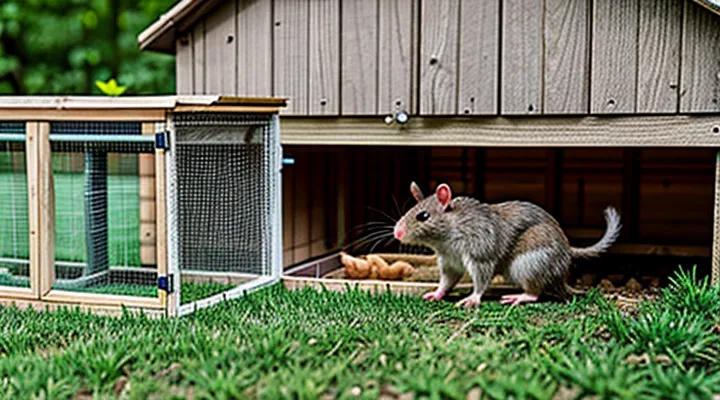
Understanding the Rat Problem in Chicken Coops
Why Rats are a Threat to Chickens and Coops
Health Risks for Chickens
Rats introduce pathogens that compromise poultry health, increasing mortality and reducing productivity. Direct contact with rodents or their droppings enables transmission of bacterial, viral, and parasitic agents.
Common diseases associated with rodent exposure include:
- Salmonellosis, caused by Salmonella spp.
- Campylobacteriosis, caused by Campylobacter jejuni
- Avian influenza strains carried by wild rodents
- Parasites such as tapeworms and coccidia
Contamination of feed and water occurs when rats gnaw containers, deposit urine, or disperse fecal matter. Ingested contaminants disrupt digestive function, weaken immune response, and predispose birds to secondary infections.
Effective rat control must integrate sanitation, exclusion, and targeted baiting. Remove spillage, seal cracks, and store feed in rodent‑proof containers. Deploy snap traps or anticoagulant baits in accordance with safety guidelines to prevent accidental chicken exposure. Regular health monitoring of the flock detects early signs of disease, enabling prompt veterinary intervention.
Damage to Coop Infrastructure
Rats compromise the structural integrity of chicken coops by gnawing on wood, metal, and wiring. Their incisors continuously grow, prompting persistent chewing that weakens load‑bearing elements and creates entry points for predators and weather.
- Chewed wooden beams and frames develop splinters, reducing support capacity and increasing the risk of collapse.
- Damaged metal fasteners and hinges become loose, allowing doors and vents to jam or remain open.
- Exposed electrical wiring may short circuit, creating fire hazards and disabling lighting or heating systems.
- Insulation and plaster are punctured, leading to drafts, moisture buildup, and accelerated corrosion of metal components.
Compromised infrastructure forces owners to repair or replace sections more frequently, inflating maintenance costs and disrupting flock health. Gaps created by gnawing provide additional pathways for rodents, amplifying the infestation cycle.
Preventive actions focus on reinforcing vulnerable areas. Install steel mesh or hardware cloth over all openings, secure wooden joints with metal brackets, and route wiring through conduit. Apply rodent‑resistant sealants to seams and corners, and schedule regular inspections to detect early signs of gnawing. By protecting the coop’s framework, the likelihood of severe structural damage diminishes, supporting effective rodent control efforts.
Economic Impact
Effective rodent control in a backyard poultry enclosure yields measurable financial advantages. Rat activity directly reduces revenue by damaging feed, contaminating eggs, and transmitting disease. Each compromised egg represents a loss of market value, while spoiled feed requires replacement at current retail prices. Veterinary interventions for disease outbreaks increase operational expenses and may necessitate temporary suspension of egg production.
Cost‑benefit analysis highlights three primary savings after prompt eradication:
- Elimination of feed waste, decreasing monthly supply costs by an estimated 5‑10 %.
- Preservation of egg quality, maintaining consistent sales income.
- Reduction in veterinary bills, avoiding expenses associated with bacterial or parasitic infections.
Initial investment in control measures—such as snap traps, bait stations, or professional pest‑management services—varies from $30 for basic hardware to $200 for comprehensive treatment packages. When compared with projected monthly losses exceeding $150 in unmanaged scenarios, the return on investment materializes within the first two weeks of successful implementation.
Long‑term economic stability depends on sustained vigilance. Regular monitoring prevents re‑infestation, thereby protecting profit margins and ensuring predictable cash flow for small‑scale producers.
Signs of Rat Infestation
Visual Evidence
Visual documentation provides concrete confirmation of rodent activity within a poultry enclosure, allowing precise assessment of infestation severity and verification of control measures. Photographs and video recordings reveal the presence of droppings, gnawed wood, nest material, and live sightings that may be missed during routine inspections.
Key forms of visual evidence include:
- Images of fecal pellets, typically dark and cylindrical, indicating recent movement.
- Close‑up shots of gnaw marks on beams, wire mesh, or feed containers, highlighting entry points.
- Video footage from motion‑activated cameras, capturing nocturnal foraging behavior.
- Photographs of nests constructed from shredded bedding, confirming breeding activity.
Effective capture of visual data requires strategic camera placement. Devices should be positioned near suspected entryways, feed stations, and water sources, with infrared illumination to record activity in low‑light conditions. Time‑lapse settings document gradual changes, while motion sensors trigger recordings only when movement is detected, conserving storage space.
Interpretation of visual evidence follows a systematic approach. First, quantify droplet density and gnaw mark frequency to estimate population size. Second, map recorded entry points to identify structural vulnerabilities. Third, prioritize treatment zones based on the concentration of observed activity, focusing resources on high‑risk areas.
Post‑intervention comparison of visual records confirms the success of eradication efforts. Side‑by‑side images taken before and after bait placement or trap deployment illustrate reductions in droppings and damage. Video logs showing diminished nocturnal movement validate the effectiveness of applied controls, informing any necessary adjustments to the management plan.
Auditory Clues
Auditory clues provide immediate evidence of rodent activity inside a poultry enclosure, allowing rapid response before damage escalates. Rats produce distinct sounds that differ from normal coop noises, enabling identification of infestation hotspots.
Typical rat-generated noises include:
- Scratching on wood or metal surfaces, especially during nighttime.
- High‑pitched squeaks when startled or navigating tight spaces.
- Soft chattering during social interaction, audible when multiple individuals occupy the same area.
- Rapid footfalls on loose bedding, creating a rustling pattern unlike chicken movement.
Listening for these signals should focus on periods of reduced ambient noise, such as early dawn or late evening, when the contrast between rat sounds and background is greatest. Recording devices placed near suspected entry points can capture intermittent noises, facilitating confirmation without visual inspection.
When auditory evidence confirms presence, immediate deployment of traps or bait stations near the source of the sound maximizes effectiveness. Continuous monitoring of the acoustic environment after intervention verifies success, as the disappearance of the described sounds indicates eradication.
Damage to Feed and Eggs
Rats infiltrating a chicken coop cause immediate financial loss by consuming and contaminating feed. Direct consumption reduces the quantity of grain available for hens, prompting the need for frequent replenishment. Contamination occurs when rodents defecate or urinate on stored feed, introducing pathogens that diminish nutritional value and may render the feed unsafe for consumption.
Egg production suffers from both quantity and quality degradation. Rats prey on eggs, crushing shells and ingesting contents, which eliminates marketable product. Their presence also increases the risk of bacterial contamination, as droppings can settle on eggs, leading to spoilage and potential health hazards for consumers.
Typical damage includes:
- Loss of feed weight ranging from 10 % to 30 % of stored supply.
- Direct egg predation, resulting in broken or missing eggs.
- Microbial contamination of feed and eggs, elevating the probability of salmonella or other infections.
- Increased labor for cleaning and sanitizing the coop after rodent activity.
Prompt and decisive rat control measures restore feed integrity and protect egg quality, preserving the economic viability of a home‑based poultry operation. «Effective rodent eradication prevents further loss and safeguards the coop’s overall health».
Prevention Strategies for Rat Control
Coop Maintenance and Design
Securing the Coop Structure
Securing the coop structure prevents rats from entering and establishes a barrier that supports rapid pest control. All openings larger than ¼ inch must be closed with sturdy hardware cloth or metal flashing. Reinforce walls, roof, and vent covers with mesh that resists chewing. Install self‑closing latches on doors and access panels to eliminate gaps when shut. Elevate the coop on a solid platform to keep the floor clear of soil and debris that attract rodents. Ensure the foundation is sealed with concrete or pressure‑treated lumber, and apply a continuous strip of metal flashing around the base.
Key actions for structural security:
- Inspect every joint, seam, and hinge; repair cracks with metal patches or caulk designed for outdoor use.
- Replace wooden slats with metal or reinforce them with steel brackets.
- Fit predator‑proof wire (¼‑inch mesh) over ventilation openings, securing edges with staples or clamps.
- Add a hinged “rat guard” on the door, allowing the door to close fully while still providing easy access for caretakers.
- Maintain a clear perimeter: remove piles of feed, straw, or litter that create hiding places.
A well‑sealed coop reduces rat activity, allowing other control measures to work more efficiently. Regular inspections and prompt repairs sustain the barrier and support swift, effective eradication.
Proper Feed Storage
Proper feed storage is a critical component of any strategy to remove rodent activity from a backyard poultry enclosure. Secure containers eliminate easy food sources that attract rats, reducing the incentive for infestation and supporting long‑term control measures.
Key practices for effective feed management:
- Use airtight, metal or heavy‑gauge plastic containers with tight‑fitting lids.
- Position containers on raised platforms to prevent water damage and ease cleaning.
- Store feed in a cool, dry area away from the coop’s entrance points.
- Label containers with the date of purchase; rotate stock to use older feed first.
- Inspect containers weekly for signs of damage or gnaw marks; replace compromised units immediately.
Additional considerations:
- Keep feed spillage to a minimum by dispensing only the required amount at feeding times.
- Clean the feeding area after each session to remove crumbs and debris.
- Avoid storing supplemental grains or treats in open bins; treat them as high‑risk items for rodent attraction.
Implementing these measures removes the primary nutritional lure for rats, thereby enhancing the effectiveness of trapping, baiting, and exclusion techniques employed within the coop environment.
Waste Management
Effective rat control in a backyard chicken enclosure depends heavily on how waste is handled. Food remnants, droppings, and bedding provide a continuous food source and shelter for rodents. Eliminating these resources reduces the attraction and survival capacity of rats.
Key waste‑management practices include:
- Collect spilled feed and grain daily; store feed in sealed, rodent‑proof containers.
- Remove droppings and soiled bedding at least once a week; use a dedicated shovel and dispose of material in a sealed bag.
- Replace bedding with fresh, absorbent material after each cleaning cycle; avoid straw or hay that can be gnawed.
- Keep compost piles at a distance from the coop; maintain a temperature above 55 °C to deter rodent activity.
- Dispose of all waste in a metal bin equipped with a tight‑fitting lid; empty the bin regularly to prevent buildup.
Consistent application of these measures deprives rats of nourishment and nesting sites, leading to a rapid decline in population. Proper waste containment also limits the spread of diseases that can affect both poultry and humans. By integrating rigorous waste management into daily coop maintenance, the likelihood of rodent infestation diminishes sharply, supporting a healthier environment for the chickens.
Natural Deterrents
Predatory Animals
Predatory animals provide an immediate biological solution for rodent suppression in backyard poultry housing. Species such as the barn owl, red‑tailed hawk, feral cat, and certain snakes actively hunt rats, reducing population density without chemical intervention.
Effective deployment requires compatible habitat, minimal risk to the flock, and compliance with local wildlife regulations. Habitat preparation includes installing perches or nesting boxes at elevated positions, ensuring unobstructed flight paths, and limiting shelter that could attract rats. Safety measures involve monitoring predatory activity to prevent accidental predation on chickens, especially with smaller or inexperienced birds. Legal considerations mandate permits for raptors and protection of native species.
Practical steps for integrating predators:
- Install a sturdy barn‑owl box at a height of 12–15 feet, facing away from the coop entrance.
- Position a hawk perch near the coop’s open side, allowing clear line of sight for hunting.
- Maintain a controlled feral‑cat presence, providing a feeding station separate from chicken feed to discourage scavenging.
- If using snakes, select non‑venomous, rodent‑specialist species and secure the coop perimeter to prevent escape.
Monitoring includes weekly checks of predator activity, assessment of rat sightings, and adjustment of habitat features to sustain predator interest while safeguarding the chickens. This approach delivers rapid reduction of rodent numbers and long‑term ecological balance within the coop environment.
Aromatic Plants
Aromatic plants provide a natural deterrent against rodents that threaten poultry shelters. Their strong scents interfere with the sensory perception of rats, reducing the likelihood of entry and nesting.
• Mint – emits menthol vapors that repel rodents; plant near coop walls or place dried leaves in feed bins.
• Lavender – releases linalool, an odor unpleasant to rats; grow in raised beds surrounding the enclosure.
• Rosemary – contains camphor and rosmarinic acid; scatter cut stems on the coop floor to discourage gnawing.
• Sage – produces thujone, a volatile compound that deters rodents; plant in pots at coop entry points.
• Thyme – offers thymol, a strong aromatic oil; use fresh sprigs in bedding material.
Application should follow a consistent schedule. Live plants require regular trimming to maintain volatile release. Dried herbs can be refreshed weekly, ensuring potency. Positioning plants at known rat pathways—doorways, ventilation openings, and perimeter fences—maximizes exposure to aromatic emissions.
Monitoring includes inspecting for chew damage and confirming reduced rodent activity. If signs persist, increase plant density or combine aromatic barriers with physical traps. Proper coop hygiene and secure feed storage remain essential complements to botanical deterrents.
Eradication Methods
Trapping Techniques
Snap Traps
Snap traps provide immediate, lethal control of rodent intruders in a poultry enclosure. The mechanism relies on a spring‑loaded bar that releases when a rat applies pressure to a trigger plate, delivering a swift, humane kill. Because the device does not require electricity or chemicals, it remains functional during power outages and eliminates the risk of contaminating feed or eggs.
Effective deployment follows a systematic approach:
- Identify high‑traffic zones: near nesting boxes, along walls, and close to feed containers where gnaw marks or droppings indicate activity.
- Position traps perpendicular to the wall, with the trigger plate facing the anticipated entry path.
- Bait with protein‑rich attractants such as peanut butter, dried pork, or canned fish; apply a pea‑sized amount to the trigger plate.
- Secure traps on stable surfaces to prevent displacement by chickens or wind.
- Inspect daily, remove captured rodents, and reset the mechanism with fresh bait.
Safety considerations are paramount. Place traps out of reach of birds to avoid accidental injury. Use sealed bait containers to prevent spillage that could attract additional pests. Replace worn springs promptly; a broken spring reduces lethality and may allow escape, diminishing overall effectiveness.
Routine maintenance extends trap lifespan. After each capture, clean the bar and trigger plate with a mild detergent solution, rinse thoroughly, and dry before re‑baiting. Store unused traps in a dry environment to protect metal components from rust. Consistent monitoring and timely reset ensure rapid reduction of the rat population, safeguarding the health of the flock and the integrity of the coop.
Live Traps
Live traps provide a humane solution for removing rats from a chicken enclosure without contaminating the environment.
Selection criteria include sturdy construction, escape‑proof hinges, and a size that accommodates adult rats while preventing chickens from entering. Models with transparent sides allow visual monitoring, reducing the need for frequent disturbance of the coop.
Placement guidelines:
- Position traps along established rodent pathways, such as near feed stations, water lines, and wall junctions.
- Secure traps on a stable surface to prevent tipping; use zip ties or brackets if necessary.
- Keep traps at least 12 inches (30 cm) away from perches and nesting boxes to avoid accidental capture of poultry.
Bait recommendations:
- Use high‑protein attractants like peanut butter, dried fruit, or canned fish.
- Apply a thin layer of bait to the trigger plate; excess material may attract non‑target species.
- Refresh bait every 24 hours to maintain effectiveness.
Monitoring and maintenance:
- Check traps at least twice daily; remove captured rats promptly to prevent stress and disease spread.
- Clean traps with a mild detergent solution after each capture; rinse thoroughly before redeployment.
- Record capture dates and locations to identify activity hotspots and adjust trap density accordingly.
Release protocol:
- Relocate captured rats at a minimum distance of 2 miles (3 km) from the property, in an area where they cannot return.
- Wear protective gloves and use a rigid container to transport the animal, minimizing handling time.
Integrating live traps with complementary measures—such as sealing entry points, maintaining clean feed storage, and regular coop inspections—creates a comprehensive, rapid approach to rat control in a backyard chicken setup.
Electronic Traps
Electronic traps offer a rapid, low‑maintenance solution for rat control in backyard poultry housing. The devices employ a high‑voltage discharge triggered by a rodent’s contact with a conductive plate, delivering an instantaneous lethal shock. An integrated infrared sensor or bait‑based attractant ensures activation only when a target animal enters the chamber, reducing accidental discharge.
Placement of the unit determines overall success. Position traps along established runways, near feed storage, and away from nesting boxes to prevent chicken exposure. Connect the trap to a reliable power source—either a mains outlet with a surge protector or a long‑life battery pack. Secure the housing with mounting brackets to prevent movement caused by coop activity.
Safety protocols protect both poultry and humans. Encase the shock chamber in a sturdy, insulated housing; ensure that the exterior surface remains cool to the touch. Install a protective grille that allows rats to enter but blocks chickens and larger animals. Disconnect power before cleaning or routine inspection.
Maintenance requirements are minimal. After each capture, remove the carcass, clean the interior with a mild detergent, and dry thoroughly. Replace batteries according to the manufacturer’s schedule or when the indicator light signals low voltage. Periodically test the voltage output with a multimeter to confirm consistent performance.
Key advantages of electronic traps include:
- Immediate mortality, eliminating disease transmission risk.
- Reusability for months without replacement of bait or traps.
- Low noise level, preserving a calm environment for birds.
- Precise targeting, minimizing non‑target wildlife impact.
Cost analysis shows a higher upfront investment compared with snap traps, yet the extended service life and reduced labor offset the initial expense. Field studies report capture rates exceeding 90 % within the first week of deployment, confirming the method’s efficacy for swift rat eradication in chicken coops.
Baits and Poisons (with Caution)
Types of Baits
Effective rat control in a backyard chicken enclosure relies on selecting appropriate baits. Different bait formulations target specific rat behaviors and environmental conditions, ensuring rapid reduction of the population while minimizing risk to poultry.
- Rodenticide blocks: Anticoagulant pellets or granules, such as bromadiolone or difenacoum, cause internal bleeding after ingestion. Suitable for long‑term control; require secure placement to prevent chicken access.
- Acute‑acting toxins: Bromethalin or zinc phosphide tablets induce rapid death within hours. Ideal for immediate elimination; must be housed in tamper‑proof stations.
- Food‑based attractants: Peanut butter, dried fruit, or grain mixes combined with low‑dose poison improve acceptance in coops where rats have established feeding habits.
- Non‑chemical baits: Fermented corn mash or yeast slurry attract rats without toxic agents, useful for monitoring or in organic‑focused operations.
Placement of baits must consider proximity to nesting boxes, water sources, and feed storage. Stations should be mounted at least 12 inches above the ground, secured to prevent tipping, and insulated from weather. Regular inspection every 24 hours confirms consumption and identifies any displaced bait. Disposal of dead rodents follows local wildlife regulations to avoid secondary poisoning of birds.
Safe Placement and Handling
Safe placement of rodent control devices within a poultry enclosure prevents accidental exposure of birds and humans while maintaining effective pressure on the rat population. Position traps and bait stations at least 30 cm away from roosting areas, nesting boxes, and feed containers. Secure devices to the coop floor or walls using sturdy brackets to avoid displacement by wind or animal movement. Keep placement low enough for rats to access but out of reach for chickens, typically 10–15 cm above ground level.
Handling procedures must minimize contamination and protect personnel. Wear disposable gloves and a mask when loading bait or resetting traps. Use sealed containers for bait storage, labeled with hazard warnings, and store them in a locked, temperature‑controlled area away from feed supplies. After each use, clean reusable traps with a solution of 1 % bleach followed by thorough rinsing with water; allow components to air‑dry before reassembly. Dispose of used bait and dead rodents in double‑bagged waste, sealed and placed in a designated refuse bin for regular collection.
Regular inspection reinforces safety and efficacy. Conduct a visual check of all devices twice weekly, confirming that traps remain operational, bait is fresh, and no non‑target animals have been affected. Document findings in a log, noting any adjustments to placement or handling protocols required to sustain a secure environment for both poultry and caretakers.
Risks to Chickens and Other Animals
Rats pose immediate threats to poultry health and safety. Predatory behavior can result in injuries, bruises, or fatal wounds when rodents attack chickens, especially young or weak birds. Disease transmission is another critical concern; rats carry pathogens such as Salmonella, Leptospira, and various parasites that can infect chickens, ducks, turkeys, and other livestock sharing the coop environment. Contamination of feed and water supplies by rat droppings introduces bacterial and viral agents, leading to respiratory, digestive, and systemic illnesses across all avian species present.
Key risks include:
- Physical trauma from bites or aggressive encounters.
- Introduction of zoonotic diseases affecting both birds and humans.
- Spoilage of feed and water through contamination, encouraging mold growth and toxin production.
- Stress‑induced immunosuppression in chickens, making them more vulnerable to secondary infections.
Secondary animals, such as dogs, cats, or farm cats that roam the coop area, may also suffer from accidental ingestion of poisoned bait or exposure to toxic residues used for rodent control. Non‑target wildlife, including beneficial insects and small mammals, can be harmed by indiscriminate trapping methods. Monitoring and selecting control techniques that minimize collateral damage protect the overall health of the coop ecosystem while eliminating the rodent problem efficiently.
Integrated Pest Management Approaches
Combining Methods for Effectiveness
Effective rat control in a chicken coop relies on integrating multiple tactics rather than depending on a single approach. Physical barriers such as steel mesh and sealed entry points prevent new infestations, while strategic placement of snap traps and electronic devices reduces the existing population rapidly. Combining these measures creates a hostile environment that discourages rodents from establishing a foothold.
Key components of an integrated strategy include:
- Installation of durable, chew‑resistant wire around ventilation openings and feed storage areas.
- Deployment of snap traps along known runways, checked and reset daily.
- Use of secure, tamper‑proof bait stations containing anticoagulant pellets, positioned away from poultry to avoid accidental exposure.
- Introduction of natural predators, for example barn owls or feral cats, in a controlled manner to add continuous pressure on the rodent community.
- Regular removal of spilled feed, droppings, and nesting material to eliminate food sources and shelter.
Consistent monitoring and prompt adjustment of each element sustain pressure on the rat population, leading to swift and lasting eradication while preserving the health of the chickens.
Ongoing Monitoring and Adaptation
Effective rat control in a backyard chicken coop depends on continuous observation and timely adjustments. Regular inspections identify new activity zones, damage to structures, and signs of reinfestation. Visual checks should include feed storage, nesting boxes, and perimeters where rodents can enter. Any fresh droppings, gnaw marks, or burrows require immediate documentation and response.
- Verify trap functionality daily; replace malfunctioning devices without delay.
- Rotate bait types every two weeks to prevent habituation; use non‑toxic alternatives when eggs are present.
- Adjust trap placement based on recent sightings; position devices along walls, near water sources, and at entry points.
- Maintain clean feed areas; eliminate spillage and store grain in sealed containers to reduce attractants.
- Seal gaps larger than ¼ inch with metal flashing or hardware cloth; re‑evaluate seals after seasonal temperature changes.
Record‑keeping supports adaptation. Log dates, locations, and outcomes of each inspection, noting trap catches and bait consumption. Trend analysis highlights patterns, enabling pre‑emptive measures before populations rebound. If monitoring reveals persistent activity despite current tactics, integrate additional control methods such as ultrasonic deterrents or predator attraction devices.
Overall, a disciplined schedule of surveillance, data collection, and method refinement ensures rapid and sustained reduction of rat presence, protecting poultry health and coop integrity.
Post-Eradication Measures and Long-Term Prevention
Cleaning and Sanitization of the Coop
Removing Contaminated Materials
Removing contaminated materials is a critical step in eliminating rodent activity from a chicken enclosure. All bedding, feed residues, droppings, and any soiled litter must be taken out before treatment. Failure to discard these items provides a food source and shelter that can sustain a rat population despite other control measures.
The process begins with a complete evacuation of the coop. Place all removable items—nest boxes, perch rods, and feed containers—on a clean surface away from the coop. Use disposable gloves and a mask to handle waste, preventing exposure to pathogens. Transfer the contaminated material into heavy‑duty, sealable bags; seal each bag tightly to contain odors and prevent escape of any hidden rodents.
Next, clean the interior surfaces. Scrub walls, floors, and perches with a diluted bleach solution (one part bleach to nine parts water). Rinse thoroughly and allow to dry completely. Dispose of the used cleaning solution in accordance with local regulations.
Finally, replace the coop with fresh, uncontaminated bedding such as kiln‑dried wood shavings. Store new bedding in sealed containers until installation to avoid re‑contamination. Re‑introduce feed and water containers only after they have been sanitized.
Key actions
- Evacuate and isolate all coop contents.
- Seal contaminated waste in heavy‑duty bags.
- Apply a bleach‑based disinfectant to all surfaces.
- Allow full drying time before reinstalling fresh bedding.
- Sanitize feed and water equipment prior to use.
By following these steps, the environment becomes inhospitable to rats, supporting rapid and effective eradication efforts in the chicken coop.
Disinfecting Surfaces
Disinfecting surfaces in a chicken coop eliminates residual food sources and scent trails that attract rodents. Thorough cleaning removes droppings, spilled feed, and nesting material, depriving rats of sustenance and hiding places. Using a disinfectant approved for poultry environments prevents pathogen spread while creating an inhospitable environment for pests.
Effective surface sanitation follows a systematic approach:
- Remove all movable items, including feeders, water containers, and nesting boxes.
- Scrape and discard accumulated debris, then wash surfaces with hot water and a detergent safe for poultry.
- Apply a diluted solution of a broad‑spectrum disinfectant (e.g., quaternary ammonium compound) according to manufacturer instructions; ensure complete coverage of walls, floor, and equipment.
- Allow the disinfectant to remain in contact for the recommended dwell time, then rinse with clean water to avoid residue buildup.
- Dry all surfaces thoroughly before returning equipment and birds.
Regular repetition of this process, especially after any infestation signs, sustains a clean environment that discourages rat activity and supports the health of the flock.
Continuous Monitoring and Maintenance
Regular Inspections
Regular inspections form the cornerstone of a proactive rodent‑control program in a backyard chicken enclosure. Systematic observation identifies early signs of infestation, allowing swift corrective measures before populations expand.
Inspection intervals should align with seasonal risk factors. Conduct a thorough sweep at least once a week during warmer months, reducing to bi‑weekly in cooler periods. Increase frequency after introducing new birds or after any structural repairs.
Key inspection items include:
- Visible droppings, gnaw marks, and urine stains on nesting boxes, feed containers, and perch rails.
- Entry points such as gaps around vents, doors, and utility lines; measure openings to ensure they are smaller than ¼ inch.
- Condition of wire mesh; look for rust, sagging, or torn sections that could permit entry.
- Food storage areas; verify that feed is sealed in rodent‑proof containers and that spillage is cleared promptly.
- Nesting material; replace soiled bedding that may attract rodents.
Document findings using a simple log: record date, observed evidence, and remedial actions taken. Review entries weekly to detect patterns, adjust inspection frequency, and verify that corrective steps—such as sealing holes or repositioning feeders—remain effective. Continuous record‑keeping supports accountability and ensures that rodent pressure is reduced consistently.
Reinforcing Prevention Strategies
Reinforcing prevention strategies safeguards a chicken coop from future rat incursions and reduces the need for repeated eradication efforts.
Structural barriers form the first line of defense. Install hardware cloth with a mesh size of no larger than ¼ inch around all openings, including ventilation slots, windows, and doorframes. Seal gaps in the foundation using cement or metal flashing. Elevate feed and water containers on sturdy platforms to prevent direct contact with the floor, where rodents seek shelter.
Sanitation practices limit attractants. Remove spilled grain and debris daily; store feed in sealed, rodent‑proof containers. Dispose of manure in sealed bags and transport it away from the coop at regular intervals. Keep surrounding vegetation trimmed to eliminate cover for rats seeking entry points.
Environmental monitoring detects early signs of activity. Place non‑toxic tracking stations at perimeter walls and inspect them weekly for footprints or gnaw marks. Rotate surveillance locations to cover all sections of the structure.
Deterrent methods augment physical barriers. Deploy ultrasonic emitters calibrated for rodent frequencies, ensuring continuous operation. Apply natural repellents such as peppermint oil on entry points, reapplying after rain. Install motion‑activated lights to discourage nocturnal foraging.
Maintenance routines preserve effectiveness. Inspect hardware cloth for corrosion or tears monthly; replace compromised sections promptly. Verify that doors latch securely and that hinges remain rust‑free. Conduct quarterly reviews of all preventive measures, adjusting components as the coop layout evolves.
By integrating robust barriers, rigorous sanitation, systematic monitoring, targeted deterrents, and disciplined upkeep, a chicken coop remains inhospitable to rats, sustaining a healthy environment for poultry without reliance on reactive extermination.
When to Seek Professional Help
Persistent Infestations
Persistent rat infestations in a chicken coop develop when food sources, shelter, and access points remain unchecked. Continuous availability of spilled feed, nesting material, and structural gaps creates a stable environment that supports multiple generations of rodents.
Key indicators of an ongoing problem include fresh droppings near perches, gnaw marks on wood or wire, audible scurrying at night, and a noticeable decline in egg production. Regular inspection of these signs allows early detection before the population expands.
Effective countermeasures require a coordinated approach:
- Eliminate all feed spillage; store grain in sealed containers and clean feeders after each use.
- Seal entry points with hardware cloth of at least ¼‑inch mesh; reinforce doors, windows, and ventilation openings.
- Deploy tamper‑resistant bait stations, positioning them along known runways while keeping them out of reach of poultry.
- Install motion‑activated traps near activity zones; check and reset devices daily.
- Conduct nightly visual sweeps to verify trap success and locate new burrows.
Long‑term prevention hinges on routine sanitation, periodic reinforcement of barriers, and systematic monitoring. Maintaining a clean, secure coop environment disrupts the conditions that enable rats to persist, ensuring rapid and lasting eradication.
Large-Scale Problems
Rats in poultry housing generate extensive challenges that exceed the immediate nuisance of gnawing. Their presence accelerates disease transmission, compromising flock health and increasing mortality rates. Contamination of feed and water supplies creates vectors for pathogens such as Salmonella and Leptospira, leading to costly veterinary interventions and potential market bans. Structural damage from burrowing weakens coop frames, requiring frequent repairs and elevating long‑term maintenance expenses. Environmental impact escalates when rodent populations expand beyond the coop, threatening surrounding gardens and wildlife habitats. Effective control must therefore address these systemic issues rather than focus solely on individual sightings.
Key considerations for large‑scale mitigation:
- Integrated pest‑management plan incorporating sanitation, exclusion, and baiting.
- Regular inspection schedule to identify entry points and signs of infestation.
- Use of rodent‑resistant feed containers and elevated water dispensers.
- Monitoring of population trends to adjust control measures before outbreaks occur.
Implementing comprehensive strategies reduces health risks, preserves infrastructure, and limits broader ecological repercussions.