
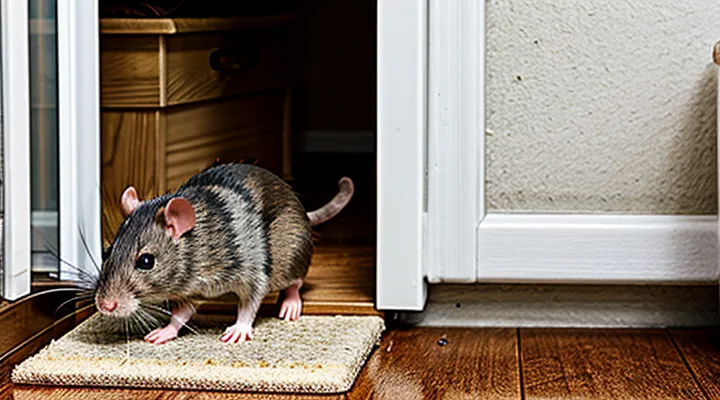
Understanding the Rat Problem
Identifying Rat Infestation Signs
Droppings and Urine Trails
Rat droppings and urine trails constitute the most reliable indicators of an active infestation and the primary pathways for disease transmission within a dwelling. Recognizing and addressing these signs are essential steps in any rapid and effective rodent control program.
Typical rat feces measure ½ to ¾ inch in length, are dark brown to black, and possess a pointed tip. They appear in clusters along walls, behind appliances, in cabinets, and near food storage areas. Fresh deposits are glossy, while older ones become dry and crumbly, facilitating identification of recent activity.
Urine trails manifest as faint, wet stains on surfaces, often accompanied by a musky odor detectable by sensitive individuals. The scent serves as a territorial marker, prompting additional rat movement and breeding. Infrared detection devices or ultraviolet lights reveal otherwise invisible traces, especially under furniture and in concealed crawl spaces.
Both droppings and urine harbor pathogens such as Leptospira, Salmonella, and hantavirus. Direct contact or inhalation of airborne particles generated during cleaning can cause severe respiratory and gastrointestinal illnesses. Protective equipment—including gloves, N‑95 respirators, and disposable coveralls—is mandatory before any removal procedure.
Safe decontamination follows a strict sequence:
- Isolate the affected area; restrict access for occupants and pets.
- Wet‑spray droppings and urine with a disinfectant solution (e.g., 10 % bleach) to prevent aerosolization.
- Allow a minimum of ten minutes for chemical action.
- Remove material with disposable rags or a HEPA‑filtered vacuum; place waste in sealed, labeled bags.
- Clean surfaces with a detergent‑based cleaner, then apply a secondary disinfectant rinse.
- Dispose of all protective gear and clean hands thoroughly after removal.
After treatment, install monitoring stations—such as snap traps or electronic sensors—in previously contaminated zones. Regular inspection over a four‑week period confirms the absence of new droppings or urine, indicating successful eradication and preventing re‑infestation.
Gnaw Marks and Damage
Rats leave distinctive gnaw marks that reveal both the presence of a infestation and the extent of structural compromise. The teeth of a rodent produce clean, V‑shaped incisions on wood, plastic, and insulation, often spaced 1‑2 cm apart. Such damage weakens support beams, compromises electrical wiring, and creates pathways for moisture and mold.
Common indicators include:
- Parallel cuts on wooden joists, baseboards, or furniture legs.
- Chewed sections of PVC or rubber conduit exposing wires.
- Frayed or missing insulation around ducts and pipes.
- Holes in food packaging and storage containers.
Identifying these signs early allows rapid intervention. Inspect hidden areas such as attics, crawl spaces, and behind appliances. Document location, size, and material affected to prioritize repairs and guide extermination efforts. Immediate sealing of entry points prevents further gnawing, while replacing compromised components restores safety and structural integrity.
Unusual Noises and Odors
Unusual sounds and smells often precede visible rat activity. Early detection relies on recognizing these sensory clues before damage escalates.
Rats produce distinct noises that differ from ordinary household sounds. Common auditory signs include:
- Sharp scratching on walls or ceilings, especially at night.
- Rapid scurrying across attic spaces or inside insulation.
- Repetitive gnawing on wood, plastic, or wiring, heard as intermittent clicking.
These noises usually originate from concealed routes such as wall voids, crawl spaces, or pipe chases. Listening near suspected entry points can pinpoint active zones.
Odors provide complementary evidence. Rats emit a musky urine scent and an ammonia‑like smell from droppings. The odor intensifies in confined areas like closets, under appliances, or within storage boxes. Detecting a persistent, sour smell after cleaning suggests ongoing infestation.
When unusual noises or odors are identified, follow a systematic response:
- Locate the source by tracing sound or scent to the nearest wall, floor, or vent.
- Inspect adjacent areas for droppings, gnaw marks, or burrows.
- Seal identified entry points with steel wool, metal flashing, or concrete caulk.
- Deploy snap traps or electronic traps along walls and near the activity zone.
- Use bait that includes peanut butter, dried fruit, or meat to increase capture rates.
- Remove captured rodents promptly, disinfect the area with a bleach solution, and dispose of waste in sealed bags.
- Monitor for recurring sounds or smells for at least two weeks; repeat trapping if necessary.
Prompt attention to atypical noises and odors curtails rat populations, protects structural integrity, and prevents health hazards.
Common Entry Points for Rats
Cracks in Foundations and Walls
Cracks in foundations and walls provide rats with entry points and shelter, directly undermining any effort to eliminate the pest from a residence. Even hairline fissures can accommodate a small rodent, while larger gaps allow for repeated access. Identifying these openings early prevents re‑infestation after traps or bait have been deployed.
Inspection should focus on the perimeter of the building, including basement walls, crawl‑space joists, and exterior footings. Look for signs such as displaced mortar, visible gnaw marks, or dust trails emanating from the opening. Use a flashlight and a mirror to view concealed areas; a moisture meter can reveal hidden cracks where water damage has weakened the structure.
Sealing cracks eliminates the primary pathway for rats and reinforces the building envelope. Recommended actions include:
- Clean the fissure of debris and loose material.
- Apply a high‑quality polyurethane or epoxy sealant for gaps up to ¼ inch.
- Use hydraulic cement for larger openings, pressing it firmly into the void before it sets.
- Install steel wool or copper mesh behind the sealant when gaps exceed ½ inch to deter chewing.
Regular maintenance of the sealed areas, coupled with routine perimeter checks, sustains the effectiveness of any rodent‑control program. Prompt repair of new cracks as they appear preserves the integrity of the barrier and reduces the likelihood of future rat activity.
Gaps Around Pipes and Utilities
Gaps surrounding plumbing, electrical conduits, and other utility penetrations provide direct routes for rats to enter living spaces. Small openings as narrow as a quarter‑inch allow rodents to squeeze through, while larger cracks accommodate multiple individuals and facilitate nesting. Identifying these openings early prevents infestation from escalating and reduces the need for extensive extermination measures.
Typical locations include:
- Space between pipe sleeves and wall studs
- Unsealed holes around water heaters and HVAC ducts
- Gaps at the base of cable bundles entering the foundation
- Openings around outdoor sprinkler lines and irrigation valves
Sealing procedures should follow a systematic approach:
- Inspect all utility entry points with a flashlight and a flexible probe; note any visible gaps or loose fittings.
- Clean debris and moisture from the area to ensure adhesion of sealants.
- Apply a durable, rodent‑resistant material such as stainless‑steel mesh, cementitious caulk, or expanding polyurethane foam, depending on gap size and exposure to water.
- Reinforce the seal with a layer of metal flashing or cement for high‑traffic zones.
- Conduct a final visual check to confirm that no residual openings remain.
Regular maintenance—tightening pipe clamps, repairing cracked foundations, and re‑applying sealant after renovations—keeps utility penetrations secure and eliminates the primary pathways rats exploit in residential environments.
Unsealed Vents and Chimneys
Unsealed vents and chimneys provide direct pathways for rats to enter residential spaces. Gaps around vent covers, exhaust fans, and chimney flues allow rodents to bypass interior barriers and establish nests in attics, walls, or crawl spaces.
Inspect each vent and chimney opening for cracks, missing screens, or damaged flashing. Use a flashlight to view the interior and feel for loose material around the perimeter. Record any compromised points before proceeding with repairs.
Seal identified openings using the following methods:
- Install stainless‑steel mesh (¼‑inch or smaller) over vent openings; secure with corrosion‑resistant screws.
- Apply high‑temperature silicone caulk around chimney caps and flashing to close small fissures.
- Replace broken or missing vent covers with fitted, rat‑proof models that include built‑in screens.
- Wrap chimney flues with metal flashing tape to reinforce seams and prevent gnawing.
After sealing, verify effectiveness by:
- Observing vent and chimney interiors for fresh droppings or gnaw marks over several days.
- Setting snap traps or bait stations near previously compromised openings to confirm reduced activity.
- Conducting a follow‑up visual inspection after a week to ensure seals remain intact.
Maintaining sealed vents and chimneys eliminates a primary entry route, thereby accelerating the overall process of rodent eradication within the home. Regular inspection, especially after severe weather, sustains the barrier and prevents future infestations.
Immediate Rat Removal Strategies
Trapping Methods
Snap Traps: Pros and Cons
Snap traps provide a direct, mechanical solution for rapid rodent control in residential environments. The device relies on a spring‑loaded bar that delivers an instantaneous kill when a rat triggers the trigger mechanism. This approach eliminates the need for chemicals, reduces exposure risks, and delivers immediate results.
Advantages
- Immediate mortality; no waiting period for poison to act.
- No toxic residues; safe for children and pets when placed correctly.
- Low purchase cost; reusable after proper cleaning.
- Simple operation; no specialized training required.
Disadvantages
- Requires precise placement to achieve high capture rates.
- Visual presence may cause discomfort for occupants.
- Single‑use design; each trap handles one animal before reset.
- Potential for accidental activation if not secured properly.
When speed and certainty are priorities, snap traps rank among the most effective tools for eliminating rats from a home. Proper bait selection, strategic positioning along walls and travel routes, and regular inspection maximize efficiency while minimizing drawbacks.
Live Traps: Ethical Considerations
Live traps provide a non‑lethal method for addressing rodent infestations while preserving animal welfare. Their design captures rats without causing injury, allowing owners to relocate the animals away from residential premises.
Key ethical considerations include:
- Animal welfare: Ensure traps are sized appropriately to prevent stress or injury; smooth interiors and adequate ventilation reduce discomfort.
- Release location: Relocate captured rats to environments where they can survive without threatening other properties; distance of at least several miles from the home is advisable.
- Legal compliance: Verify local regulations governing the capture and release of wildlife; some jurisdictions require permits or prohibit release in certain areas.
- Monitoring frequency: Check traps at least twice daily to avoid prolonged confinement, dehydration, or exposure to extreme temperatures.
- Humane handling: Use gloves, avoid direct contact, and transport rats in secure containers to minimize handling stress.
Responsible use of live traps involves selecting models with quick‑closure mechanisms, positioning them along established runways, and maintaining cleanliness to prevent disease transmission. After release, seal entry points and remove attractants to discourage re‑entry.
Balancing rapid pest control with ethical standards ensures effective reduction of rodent activity while respecting the intrinsic value of the captured animals.
Baiting Techniques for Traps
Effective baiting is central to any rat‑control strategy inside a residence. Selecting the right attractant determines trap success, while proper placement minimizes exposure to non‑target animals and humans.
- Use high‑protein foods such as peanut butter, bacon grease, or canned fish; rats prioritize protein over carbohydrates.
- Incorporate a small amount of sweetener, like honey or dried fruit, to increase palatability without encouraging other pests.
- Add a scent enhancer, for example, a few drops of vanilla or almond extract, to stimulate the rat’s keen sense of smell.
- Combine dry and oily components to create a semi‑solid bait that adheres to the trap mechanism and resists quick removal.
Placement guidelines:
- Position traps along walls, behind appliances, and near known runways; rats travel close to surfaces.
- Secure bait at the rear of the trap, ensuring the animal must contact the trigger to access the food.
- Maintain a 2‑foot clearance from pet feeding stations and child‑accessible areas; use tamper‑proof enclosures where necessary.
- Rotate bait types every 3–5 days to prevent habituation and sustain interest.
Safety considerations:
- Wear disposable gloves when handling bait to avoid transferring human scent.
- Store unused bait in sealed containers away from food supplies.
- Dispose of captured rodents promptly, following local health regulations, to prevent disease spread.
By matching bait composition to rat dietary preferences, locating traps in high‑traffic zones, and regularly updating the attractant, homeowners achieve rapid reduction of rodent activity while limiting collateral risks.
Chemical Control Options
Rodenticides: Safe Usage and Risks
Rodenticides provide a chemical option for eliminating rats that have infiltrated residential spaces. Proper application reduces infestation speed while minimizing unintended harm.
Safe usage requires strict adherence to the following practices:
- Store products in locked containers, out of reach of children and pets.
- Place bait stations where only target rodents can access them, such as behind appliances or within wall voids.
- Follow label‑specified dosage; avoid exceeding recommended concentrations.
- Wear disposable gloves and, if recommended, a mask when handling the substance.
- Record placement locations to facilitate later inspection and removal.
Risks associated with rodenticides include:
- Acute toxicity to humans and domestic animals through ingestion or dermal contact.
- Secondary poisoning of predators or scavengers that consume poisoned rats.
- Development of resistance in rodent populations after repeated exposure.
- Environmental contamination if bait is dispersed beyond intended zones.
Integrating rodenticides with sanitation, structural exclusion, and mechanical traps creates a comprehensive control program. Regular inspection of bait stations, prompt removal of dead rodents, and immediate reporting of any accidental exposure safeguard both occupants and the surrounding ecosystem.
Professional Extermination Services
Professional extermination services begin with a thorough inspection of the property to locate entry points, nesting areas, and signs of activity. Inspectors use visual checks, traps, and tracking powders to map infestation levels and identify structural vulnerabilities.
Based on the inspection, technicians select the most effective control methods, which may include:
- Placement of bait stations containing anticoagulant or non‑anticoagulant rodenticides, secured to prevent accidental exposure.
- Installation of snap or electronic traps in high‑traffic zones for immediate capture.
- Application of rodent‑proofing materials such as steel mesh, concrete sealants, or silicone caulking to block access.
All products used comply with EPA regulations and are applied according to label directions, minimizing health risks for residents and pets. Technicians wear protective equipment and follow strict containment procedures to avoid cross‑contamination.
After treatment, service providers schedule follow‑up visits to verify removal success, replace depleted bait, and reassess for new activity. Continuous monitoring and preventive maintenance reduce the likelihood of recurrence and protect the home’s structural integrity.
Natural Deterrents
Essential Oils and Strong Scents
Essential oils provide a natural, odor‑based barrier that can deter rats from entering living spaces. Their volatile compounds overwhelm the rodents’ keen sense of smell, making treated areas unattractive for nesting and foraging.
- Peppermint oil – high menthol content; apply 10 ml to cotton balls, place near entry points, wall voids, and pantry shelves. Replace every 48 hours.
- Eucalyptus oil – strong camphor scent; mix 15 ml with 250 ml water, spray around baseboards and under appliances.
- Citronella oil – citrus‑sharp aroma; diffuse in attics and crawl spaces for continuous coverage.
- Clove oil – phenolic oil with a pungent odor; soak small fabric strips, tuck into cracks and gaps.
Effectiveness hinges on consistent exposure. Oils evaporate quickly; reapplication schedules must align with the product’s volatility, typically every two to three days in high‑traffic zones. For larger areas, use a commercial-grade diffuser that maintains a steady concentration of scent molecules in the air.
Safety considerations include:
- Testing a small surface area to ensure no discoloration of finishes.
- Keeping oil‑treated materials out of reach of children and pets, as concentrated oils can cause irritation.
- Ventilating rooms after application to prevent buildup of strong fumes that may affect occupants.
Combining essential‑oil treatment with physical exclusion measures—such as sealing gaps, installing door sweeps, and removing food sources—creates a multi‑layered deterrent system. When oil barriers are maintained alongside these structural controls, rat activity drops markedly, reducing the need for more invasive interventions.
Ultrasonic Devices: Effectiveness Debate
Ultrasonic repellents emit high‑frequency sound waves intended to deter rats by creating an uncomfortable acoustic environment. Laboratory studies show that rodents detect frequencies above 20 kHz, yet tolerance develops after several days of exposure, reducing long‑term impact. Field trials in residential settings report mixed outcomes: some users observe immediate activity decline, while others detect no change after a week.
Effectiveness depends on several variables:
- Placement near entry points or nesting areas maximizes exposure.
- Continuous operation at manufacturer‑specified intensity is required; intermittent use weakens deterrence.
- Ambient noise levels can mask ultrasonic emissions, especially in homes with appliances that generate low‑frequency sounds.
- Species‑specific hearing ranges influence susceptibility; Norway rats respond differently than roof rats.
Manufacturers cite safety, ease of installation, and lack of chemicals as advantages. Critics highlight the absence of standardized testing protocols and the potential for false security, urging integration with traps, sealing of openings, and sanitation measures for reliable rat control.
Preventing Future Rat Infestations
Sealing Entry Points
Repairing Gaps and Cracks
Sealing openings eliminates entry points that rats exploit. Identify all visible cracks in walls, foundations, and around utility penetrations. Use a flashlight to inspect low‑light areas and a mirror for hidden spots. Clean debris from each opening before applying sealant to ensure adhesion.
- Apply expanding polyurethane foam to gaps larger than ¼ in.; trim excess after curing.
- Use cement‑based mortar or concrete patch for structural cracks; press material firmly and smooth surface.
- Install steel wool or copper mesh in narrow apertures, then cover with silicone caulk for added durability.
- Replace damaged weatherstripping around doors and windows; choose a product rated for pest resistance.
Regularly audit repaired areas, especially after seasonal temperature changes, to verify integrity. Prompt maintenance prevents re‑infestation and supports a swift, effective rodent control strategy inside the residence.
Installing Mesh on Vents
Installing a metal or stainless‑steel mesh over all ventilation openings creates a physical barrier that prevents rats from entering the interior while allowing airflow. Choose mesh with openings no larger than ¼ inch; this size stops juvenile rodents and adult rats alike. Secure the mesh with screws or heavy‑duty staples, and seal gaps with silicone caulk to eliminate entry points.
Key steps for proper installation:
- Measure each vent opening and cut mesh to fit, leaving a ½‑inch overlap on all sides.
- Position the mesh over the vent, ensuring it sits flush against the surface.
- Fasten the mesh with at least three screws per vent, spaced evenly to distribute load.
- Apply caulk around the perimeter of the mesh to seal any seams or nail holes.
- Inspect the completed work for loose sections and reinforce as needed.
Regularly inspect meshes for damage, rust, or displacement, and replace compromised sections promptly. Maintaining an intact barrier on vents reduces the likelihood of rodent infiltration, supporting an overall strategy for rapid and effective rodent control inside the residence.
Food and Water Management
Storing Food in Airtight Containers
Storing food in airtight containers eliminates accessible food sources, directly reducing rodent attraction. When food is sealed, rats cannot detect scent cues, limiting their ability to locate sustenance within the household.
- Use containers made of heavy‑gauge plastic or glass with silicone gaskets.
- Ensure lids close securely; test by pressing the edge to confirm a tight seal.
- Label each container with its contents and date of purchase to prevent prolonged storage.
- Keep containers on shelves rather than on the floor to reduce the chance of accidental spills.
By maintaining a closed food environment, the likelihood of rat activity drops sharply, supporting faster, more reliable pest management in residential settings.
Addressing Leaks and Standing Water
Rats are attracted to moisture; leaking pipes, roof penetrations, and accumulated water create ideal habitats. Identifying and repairing sources of water eliminates the environmental conditions that support rodent populations.
- Inspect all plumbing fixtures, including under‑sink connections, toilets, and washing machines, for drips or slow leaks. Replace worn seals and tighten fittings promptly.
- Examine exterior walls, foundations, and gutters for cracks or gaps that allow rainwater to infiltrate. Seal openings with appropriate caulk or metal flashing.
- Ensure proper grading around the building so that surface runoff flows away from the foundation. Use swales or drainage channels if necessary.
- Install or maintain a functional sump pump in basements and crawl spaces to prevent water accumulation after heavy precipitation.
- Regularly clear debris from downspouts and roof valleys to avoid blockages that cause overflow onto the property.
Prompt remediation of leaks and removal of standing water deprives rats of water sources, reduces shelter options, and complements other control measures, leading to faster and more reliable eradication outcomes.
Yard and Garden Maintenance
Trimming Overhanging Branches
Trimming overhanging branches is a practical measure that reduces rat access to residential structures. Branches that extend beyond the roofline create natural bridges, allowing rodents to reach eaves, attics, and entry points without crossing open ground. Removing these pathways limits the distance rats must travel, discouraging them from approaching the building.
Effective trimming involves several steps:
- Inspect the property from the ground and roof to identify all limbs within two feet of the roof surface.
- Cut each identified branch back to a minimum distance of six inches from the roof, ensuring no part of the foliage touches the siding or eaves.
- Use a pole saw or ladder-mounted pruning saw for high branches; employ a handsaw for lower limbs.
- After cutting, collect debris promptly to prevent it from serving as shelter for rodents.
- Apply a protective sealant to exposed wood surfaces to deter future infestation.
Timing matters. Perform the work during late summer or early autumn when rat activity peaks, reducing the chance that newly exposed surfaces become immediate entry points. Safety protocols—such as wearing gloves, eye protection, and securing ladders—prevent injuries during the operation.
By eliminating aerial shortcuts, homeowners create a physical barrier that complements other control methods, leading to faster, more reliable reduction of rat presence inside the home.
Removing Debris and Clutter
Removing debris and clutter eliminates shelter and food sources that attract rats, directly supporting rapid and efficient rodent control in residential environments. Excess material such as cardboard boxes, piles of newspapers, and unused appliances creates hidden pathways and nesting sites, allowing rodents to establish colonies undetected.
A systematic approach reduces the risk of infestation:
- Clear all floor spaces of unnecessary items; keep surfaces flat and unobstructed.
- Dispose of broken or damaged furniture that cannot be repaired.
- Store food containers in sealed, rodent‑proof bins; avoid leaving pet food exposed overnight.
- Organize storage areas so that boxes are stacked away from walls, leaving a gap of at least 2 inches between the stack and the structure.
- Regularly sweep and vacuum corners, under appliances, and behind cabinets to remove crumbs and droppings.
Maintenance routines reinforce the initial cleanup. Schedule weekly inspections of attics, basements, and garages to identify newly accumulated waste. Promptly address water leaks and condensation, which can soften materials and increase their suitability for nesting.
By consistently removing potential hiding places and food residues, homeowners create an environment where rats cannot thrive, accelerating the overall effectiveness of any eradication effort.