
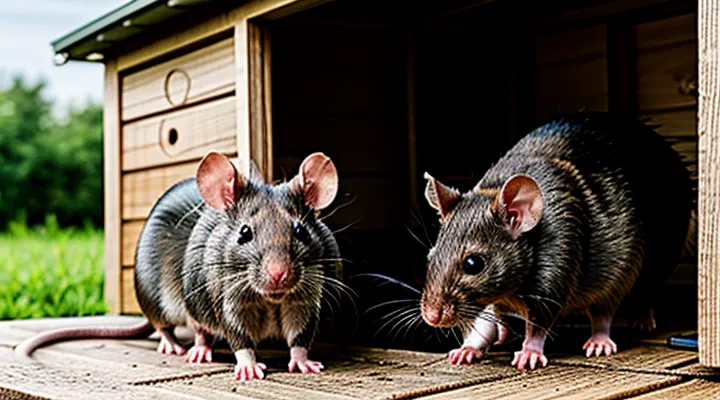
Understanding the Threat: Why Rats are a Problem for Your Summer House
Health Risks and Property Damage
Rats inhabiting a summer cottage pose serious health threats. They transmit leptospirosis, hantavirus, and salmonella through urine, feces, and bites. Contamination of kitchen surfaces and stored food creates a breeding ground for bacterial growth, increasing the risk of gastrointestinal illness for occupants and visitors. Allergic reactions to rodent dander and droppings further compromise indoor air quality, potentially triggering asthma attacks.
Structural damage results from gnawing behavior. Rats compromise wooden beams, insulation, and roofing material, leading to loss of thermal efficiency and heightened vulnerability to weather exposure. They sever electrical wiring, creating fire hazards and costly repairs. Stored provisions suffer loss through consumption and contamination, causing financial waste and necessitating replacement of spoiled goods.
Effective, long‑term control measures reduce both health hazards and property degradation. Integrated pest management—combining habitat modification, exclusion techniques, and targeted baiting—offers a systematic approach that eliminates infestations while minimizing non‑target impacts. Regular monitoring and prompt sealing of entry points sustain the protective barrier, ensuring a safe and intact summer residence.
Signs of Rat Infestation
Droppings and Urine
Droppings and urine are primary indicators of rodent activity in a summer house. Their presence signals contamination of surfaces, food supplies, and building materials. Immediate removal reduces health risks and deprives rats of scent trails used for navigation and territory marking.
Effective sanitation follows a systematic approach:
- Wear disposable gloves and a mask to prevent exposure to pathogens such as hantavirus and leptospirosis.
- Collect solid droppings with a disposable scoop; place them directly into a sealed plastic bag.
- Disinfect the collection bag with a 10 % bleach solution before sealing.
- Apply a diluted bleach solution (1 part bleach to 9 parts water) to all affected surfaces. Allow a minimum of ten minutes of contact time, then rinse with clean water.
- For porous materials (e.g., insulation, upholstery) that cannot be fully decontaminated, remove and dispose of them according to local waste regulations.
Urine residues require thorough cleaning because they evaporate quickly, leaving invisible traces that attract other rodents. Use an enzymatic cleaner specifically formulated for urine breakdown; these products neutralize odor molecules that standard detergents may miss. After application, allow the cleaner to work for the recommended period, then wipe the area dry.
Regular monitoring prevents re‑infestation. Install disposable monitoring pads in concealed corners; replace them weekly and inspect for fresh droppings. Maintaining a dry, food‑free environment eliminates the resources rats need to survive, reinforcing long‑term eradication efforts.
Gnaw Marks
Gnaw marks constitute the most reliable visual evidence of rodent activity in a summer residence. Fresh incisors leave shallow, V‑shaped bites on wood, plastic, and insulation, while older impressions appear deeper and may show splintered material. Identifying the pattern, depth, and location of these marks helps pinpoint entry points, feeding stations, and nesting sites.
Typical locations for gnaw marks include:
- Baseboards and door frames, where rats test for gaps.
- Electrical wiring conduits, indicating potential damage to insulation.
- Furniture legs and storage containers, suggesting foraging routes.
- Exterior siding and roof eaves, revealing external access routes.
Addressing gnaw marks requires a three‑step protocol. First, inspect all marked surfaces, document the extent, and prioritize areas that compromise structural integrity or safety. Second, seal identified entry points with steel wool, hardware cloth, or cement‑based caulk to prevent further incursion. Third, replace severely damaged components, applying rodent‑resistant materials such as metal flashing or hardwood treated with repellents.
Continuous monitoring of gnaw marks after remediation confirms the effectiveness of control measures. Absence of new impressions for a period of four weeks indicates successful exclusion, while any resurgence demands immediate resealing and potential escalation to professional pest‑management services.
Nests and Burrows
Rats establish nests in concealed locations such as wall voids, attic insulation, and under floorboards. Burrows originate outside the structure, often linking to interior entry points through gaps in foundations, siding, or drainage systems. Identifying these sites requires systematic inspection: look for shredded material, droppings, gnaw marks, and fresh soil mounds near exterior walls.
Effective eradication follows a three‑step protocol:
- Locate and remove all existing nests and burrows; dismantle shredded insulation, discard contaminated debris, and fill underground tunnels with coarse gravel or cement.
- Seal every potential entry point with steel‑wool, metal flashing, or concrete; prioritize gaps larger than ¼ inch, vents, and cracks around utility penetrations.
- Implement habitat‑reduction measures: eliminate standing water, store feed in airtight containers, and maintain a clean perimeter free of vegetation that provides cover.
Continuous monitoring after treatment confirms the absence of new activity. Re‑inspection at two‑week intervals during the breeding season ensures that any resurgence is detected and addressed before population recovery occurs.
Strange Noises
Strange noises in a summer cottage often indicate the presence of rodents. Scratching sounds behind walls, gnawing noises in insulation, and high‑pitched squeaks in attics correspond to typical rat activity periods—dusk and dawn. These auditory cues appear before visual evidence, allowing early intervention.
To convert auditory detection into permanent rat eradication, follow a systematic approach:
- Identify the exact location of the noise by listening from multiple points and noting the time of occurrence.
- Seal entry points within a 2‑inch radius of the identified area; use steel‑wool, cement, or metal flashing to prevent re‑entry.
- Deploy bait stations or snap traps directly beneath the noise source, ensuring placement along established runways.
- Install ultrasonic emitters calibrated to frequencies that disrupt rodent communication without affecting humans or pets.
- Conduct a post‑treatment inspection after 48 hours, listening for residual sounds; repeat sealing and trapping if any noise persists.
Eliminating the auditory evidence of rats confirms the effectiveness of the control measures and supports long‑term exclusion of the pests from the property.
Initial Assessment and Preparation
Identifying Entry Points
Exterior Inspection
Exterior inspection forms the first line of defense against rodent intrusion at a seasonal cottage. Identifying structural openings, damaged siding, and compromised foundations prevents rats from establishing pathways into the building envelope.
A systematic approach includes:
- Visual assessment of all exterior walls for gaps larger than ¼ inch, focusing on eaves, soffits, and vent openings.
- Examination of roof edges, gutters, and downspouts for sagging sections that may shelter rodents.
- Inspection of utility penetrations, such as cable conduits and pipe sleeves, ensuring tight seals around each entry point.
- Verification of door and window frames for worn weatherstripping or warped wood that could be exploited.
- Survey of surrounding vegetation, removing low‑lying branches and trimming shrubs to eliminate easy access routes.
Remediation actions follow the findings: replace damaged flashing, install metal mesh or hardware cloth over vents, apply expanding foam sealant to cracks, and reinforce door sweeps. Maintaining a clear perimeter and regular re‑inspection sustains the barrier, reducing the likelihood of rat re‑infestation.
Interior Inspection
A thorough interior inspection is the foundation of any lasting rat‑control program for a summer cottage. Detecting activity early prevents infestations from spreading and reduces the need for extensive remediation.
Inspectors should focus on the following areas:
- Kitchen and pantry: Examine food storage containers, countertops, and behind appliances for droppings, gnaw marks, or shredded packaging.
- Living spaces: Scan baseboards, furniture legs, and under cushions for urine stains, nests, or fresh gnaw holes.
- Utility rooms: Check water heaters, HVAC ducts, and electrical panels for signs of burrowing or chewed wiring.
- Structural cavities: Probe wall voids, attic joists, and floorboards with a flashlight and flexible probe to locate hidden nests.
Document all findings with photographs and a map marking each observation. Prioritize locations where evidence clusters, as these indicate primary activity zones.
Seal identified entry points after verification. Use steel‑wool or copper mesh to block gaps larger than ¼ inch, and apply rodent‑resistant caulking around pipes, vents, and window frames. Replace damaged insulation and repair compromised drywall to eliminate shelter.
Deploy monitoring devices in inspected zones. Place snap traps or electronic bait stations along established runways, positioning them perpendicular to walls and near concealed openings. Replace devices promptly when captures occur, and record capture data to gauge population trends.
A systematic interior inspection, combined with targeted sealing and monitoring, creates an environment where rats cannot establish footholds, thereby supporting permanent eradication in a seasonal residence.
Cleaning and Decluttering the Area
Cleaning and decluttering the area surrounding a summer cottage removes food sources, nesting sites, and pathways that attract rats. All debris, fallen fruit, and excess vegetation should be removed to deny rodents shelter and sustenance.
Key actions:
- Sweep floors, porches, and decks; dispose of accumulated dust and crumbs.
- Store firewood at least 30 cm off the ground and away from the building’s exterior walls.
- Trim shrubs, grasses, and vines to create a clear perimeter of at least one meter.
- Seal cracks, gaps, and openings in foundations, vents, and utility entries with steel wool or caulking.
- Eliminate standing water by repairing leaks, draining puddles, and using absorbent mats under sinks and appliances.
Regular maintenance sustains a hostile environment for rats. Conduct weekly inspections for new debris, re‑seal any compromised entry points, and keep the surrounding yard free of overgrown vegetation. Consistent application of these measures supports long‑term rat control at a seasonal residence.
Securing Food Sources
Securing food supplies removes the primary attraction that draws rodents into a summer cottage. When edible material is inaccessible, rats lose the incentive to enter, reducing population pressure and limiting damage to structures and stored provisions.
- Store all dry goods in airtight containers made of metal or heavy‑wall plastic; verify that lids seal completely.
- Relocate pet feed to sealed bins and feed only at scheduled times; discard leftovers promptly.
- Clean cooking areas after each use; sweep crumbs, wipe surfaces, and rinse dishes to eliminate residues.
- Install rat‑proof trash cans with tight‑closing lids; empty them regularly and keep them away from the building’s walls.
- Cover compost piles with fine mesh or lockable lids; avoid adding kitchen scraps that attract rodents.
- Secure outdoor grills and BBQ stations with covers; remove food debris and grease after each session.
- Inspect and seal gaps around doors, windows, and utility openings; use steel wool or metal flashing to block entry points.
Consistent implementation of these practices creates an environment where «food sources» are unavailable, compelling rats to seek alternative habitats and supporting long‑term exclusion from the property.
Proven Methods for Rat Elimination
Trapping Strategies
Snap Traps
Snap traps provide a rapid, lethal response to rat activity in a seasonal cottage. The device relies on a spring‑loaded bar that releases instantaneously when a rodent triggers a pressure plate, delivering a fatal blow. This mechanical action eliminates the need for chemicals, reduces the risk of secondary poisoning, and leaves no residual scent that could attract additional pests.
Effective placement follows three principles: proximity to runways, concealment from non‑target animals, and accessibility for checking.
- Position traps along walls, behind furniture, and near food storage areas where gnaw marks or droppings appear.
- Place traps perpendicular to the wall, with the trigger side facing the anticipated travel direction.
- Space traps 1–2 feet apart in high‑traffic zones; increase density in severe infestations.
Bait selection influences capture rates. Peanut butter, dried fruit, or small pieces of meat serve as strong attractants. Apply a pea‑sized amount directly onto the trigger platform, avoiding excess that could obscure the mechanism.
Safety measures protect occupants and pets. Secure traps in locations unreachable by children, and label each device with a warning. Use traps equipped with a protective shield to minimize accidental discharge. Regularly inspect traps; remove dead rodents promptly to prevent disease spread.
Maintenance involves resetting or disposing of traps after each capture. Wear disposable gloves, place the carcass in a sealed bag, and discard according to local regulations. Replace worn springs or damaged plates to preserve lethality.
Integrating snap traps with complementary tactics—such as sealing entry points, removing food sources, and employing rodent‑proof containers—creates a comprehensive, lasting solution for rat control in a summer residence.
Live Traps
Live traps provide a non‑lethal solution for rat control in a summer cottage, fitting within a comprehensive strategy for permanent eradication. The device captures rodents without poison, allowing owners to relocate captured animals away from the property.
Effective use of live traps requires attention to several factors:
- Trap type – Choose a sturdy, multi‑catch model with a sensitive trigger mechanism; snap‑type cages are unsuitable for live capture.
- Placement – Position traps along established runways, near walls, and close to food sources; avoid high‑traffic human areas.
- Bait – Use attractive, protein‑rich foods such as peanut butter, dried fruit, or small meat pieces; refresh bait regularly to maintain potency.
- Check frequency – Inspect traps at least twice daily; prolonged confinement increases stress and reduces capture success.
- Release protocol – Transport captured rats at least 5 km from the cottage, releasing them in a wooded area with adequate shelter and water; wear gloves to prevent disease transmission.
Integrating live traps with sanitation, structural repairs, and exclusion measures creates a layered defense that discourages re‑infestation and supports long‑term rat‑free conditions.
Electronic Traps
Electronic traps provide a rapid, humane solution for rat control in seasonal cottages. The devices emit a high‑frequency pulse that induces instantaneous cardiac arrest, eliminating the pest without poison or bait. Because the mechanism relies on electrical discharge, traps function in all weather conditions and require no regular re‑baiting.
Key considerations when selecting a model include voltage output, safety interlocks, and detection sensitivity. A minimum of 2,000 V is recommended for mature rats, while lower voltages suffice for juveniles. Safety interlocks prevent accidental activation during handling, and infrared sensors improve capture rates by distinguishing rodent movement from debris.
Effective placement follows a logical pattern: locate traps along walls, near known gnawing sites, and within 30 cm of entry points. Install devices at a height of 15–20 cm above the floor, where rats travel along baseboards. Space multiple units at intervals of 1–2 m to create an overlapping field of coverage.
Maintenance consists of routine inspection, removal of carcasses, and battery or power‑source replacement. Most units feature a transparent chamber for easy verification of kills, reducing the need for frequent manual checks. Replace batteries when the indicator light flashes amber, typically after 3–4 months of continuous operation.
Cost analysis shows that electronic traps offset the expense of consumable poison stations. Initial investment ranges from $50 to $150 per unit, with an operational lifespan of 3–5 years. The reduction in recurring chemical purchases and the avoidance of health‑hazard warnings contribute to long‑term savings.
Integration with complementary methods—such as sealing entry gaps, removing food sources, and monitoring with motion‑activated cameras—enhances overall efficacy. When used as part of a comprehensive pest‑management program, electronic traps achieve permanent rat suppression in summer residences.
Proper Placement and Baiting
Proper placement of bait stations and traps determines the effectiveness of any rat‑control program in a summer residence. Position devices along established rodent pathways: behind furniture, beneath eaves, within wall cavities, and near food storage areas. Avoid open spaces where wind or rain can disperse bait. Secure stations at least 12 inches from any non‑target wildlife entry points to reduce accidental exposure.
Key considerations for baiting:
- Use a single, high‑quality attractant per station; rotate flavors monthly to prevent habituation.
- Apply bait in a thin, even layer no thicker than ¼ inch to ensure rats can detect scent without excess waste.
- Seal stations with tamper‑proof lids, leaving only a small entry slot sized for rat heads.
- Replace bait immediately after any removal or contamination; do not exceed a two‑day exposure window.
Trap deployment follows similar principles. Place snap or electronic traps perpendicular to walls, with trigger plates facing the anticipated travel direction. Set traps at a height of 2–4 inches off the ground, matching the typical rat run. Space traps 6–8 feet apart along a continuous line to create an overlapping coverage zone. Check and reset traps daily; remove captured rodents promptly to maintain trap sensitivity.
Regular inspection of placement sites ensures that bait remains fresh and traps retain functionality. Adjust locations based on observed activity patterns, such as fresh gnaw marks or droppings, to maintain pressure on the rat population and achieve long‑term eradication.
Baits and Rodenticides (Use with Caution)
Types of Baits
Effective rat control at a summer cottage relies on selecting baits that match the target species’ feeding habits and the environment’s constraints. Bait choice determines the speed of population reduction, the risk of non‑target exposure, and the likelihood of long‑term suppression.
Common categories include:
- Anticoagulant baits — second‑generation compounds such as bromadiolone and brodifacoum; cause fatal internal bleeding after multiple feedings, suitable for established colonies.
- Acute toxic baits — zinc phosphide; releases phosphine gas upon ingestion, produces rapid mortality, useful for short‑term interventions.
- Vitamin D₃‑based baits — cholecalciferol; disrupts calcium metabolism, effective against resistant rats, low secondary toxicity.
- Food‑based attractants — peanut butter, grain mixes, or dried fruit; serve as carriers for active ingredients, enhance acceptance in low‑food‑availability periods.
Proper placement—near walls, travel routes, and concealed entry points—maximizes encounter rates while minimizing exposure to pets and wildlife. Rotation of active ingredients prevents resistance development and sustains efficacy over successive seasons.
Safety Precautions for Rodenticides
Effective rodenticide use demands strict adherence to safety protocols to protect occupants, pets, and the environment of a seasonal residence. Prior to application, identify all vulnerable groups, including children, elderly individuals, and non‑target animals, and restrict access to treated areas until residues have dried or degraded according to product specifications.
Key precautions include:
- Store all rodenticides in locked, clearly labeled containers away from food stores and living spaces.
- Wear protective gloves and, where indicated, goggles or a mask during handling and placement.
- Apply bait only in tamper‑resistant stations that prevent accidental ingestion by non‑target species.
- Position stations along established rodent pathways, away from water sources, food preparation zones, and pet activity areas.
- Record the exact location, type, and quantity of each bait placement to facilitate monitoring and safe removal if necessary.
After deployment, conduct regular inspections to verify bait integrity and replace depleted units promptly. Maintain a log of inspection dates, observations, and corrective actions. If a spill occurs, isolate the area, wear appropriate PPE, and follow the manufacturer’s decontamination instructions before disposing of contaminated materials in accordance with local hazardous waste regulations.
When the eradication program concludes, remove all bait stations, clean surfaces with a mild detergent, and ventilate the space thoroughly. Dispose of unused rodenticides in sealed containers labeled as hazardous waste, and arrange for collection by an authorized disposal service.
Continuous documentation, proper storage, and controlled application collectively minimize health risks while supporting a sustainable, long‑term solution for rat control at a summer property.
Natural Repellents and Deterrents
Essential Oils
Essential oils provide a natural, low‑toxicity option for controlling rodent activity in vacation cabins. Their strong aromas disrupt the sensory cues rats rely on for navigation and nesting, prompting avoidance of treated areas.
- «peppermint» – high menthol content creates an unpalatable scent for rodents.
- «eucalyptus» – volatile compounds interfere with rat olfactory receptors.
- «citronella» – sharp citrus notes deter foraging behavior.
- «lavender» – mild repellent effect complements other oils in blended applications.
Application methods focus on sustained exposure. Soak cotton balls in undiluted oil and place them in entry points, attic corners, and pantry perimeters. For broader coverage, mix 10 ml of oil with 500 ml of water, add a few drops of emulsifier, and spray onto baseboards, cracks, and exterior walls. Replace cotton balls every 3–4 days; reapply spray weekly during peak rodent season.
Safety considerations include keeping oils away from food preparation surfaces and ensuring pets are not exposed to concentrated spots. Use sealed containers to prevent accidental spillage. Regular inspection of treated zones confirms effectiveness and allows timely replenishment, maintaining a hostile environment for rats throughout the summer months.
Peppermint
Peppermint possesses a strong, volatile aroma that interferes with the sensory receptors of rodents. The active constituents, primarily menthol and menthone, trigger aversive reactions in rats, causing avoidance of treated areas.
The compound’s mechanism relies on overstimulation of the olfactory epithelium, leading to disorientation and reduced willingness to explore spaces saturated with the scent. This effect persists while the oil remains volatile, typically for several hours after application.
Practical deployment includes:
- Diluting pure peppermint oil with a carrier such as water or alcohol in a 1 %–2 % solution.
- Spraying the mixture along baseboards, entry points, and interior corners where rats travel.
- Placing cotton balls or fabric strips soaked in undiluted oil within concealed cavities, attics, and crawl spaces.
- Refreshing applications every 24 hours during periods of high humidity, which accelerates evaporation.
Integration with structural exclusion measures—sealing gaps, installing rodent‑proof screens, and maintaining a clean environment—enhances overall efficacy. Complementary tactics, such as snap traps or electronic devices, address any individuals that overcome scent barriers.
Safety considerations demand restricted access for children and non‑target wildlife. Peppermint oil exhibits low toxicity for humans when used as directed, but direct ingestion or prolonged skin contact should be avoided. Ventilation during application reduces inhalation risk.
Empirical observations from pest‑management professionals report a noticeable decline in rat activity within two to three days of consistent use. Controlled field trials indicate a reduction in ingress rates by up to 70 % when peppermint oil is combined with conventional exclusion strategies.
Ultrasonic Devices
Ultrasonic devices offer a non‑chemical approach to reducing rat activity in a summer residence. The units generate sound waves in the 20 kHz to 70 kHz range, a frequency band inaudible to humans but perceived as hostile by rodents. Exposure interferes with the animal’s auditory and nervous systems, prompting avoidance of the treated zone.
Effective placement follows several practical rules:
- Install devices at a height of 1–1.5 m, near known entry points such as doors, windows, and utility openings.
- Ensure line‑of‑sight coverage; solid walls, furniture and dense vegetation block ultrasonic propagation.
- Space units 10–15 m apart in larger structures to maintain overlapping fields.
- Use weather‑rated models for outdoor locations, protecting against moisture and temperature extremes.
Performance depends on environmental conditions. Open spaces with minimal obstacles allow full acoustic reach, while cluttered interiors reduce efficacy. Ultrasonic units typically suppress low‑level infestations but rarely eradicate established colonies without supplemental measures. Integration with sanitation practices—securing food sources, sealing gaps, and employing traps—enhances overall success.
Safety considerations are straightforward. Human exposure remains harmless, as the frequencies lie outside auditory perception. Some domestic pets, particularly cats and small dogs, may react to the emitted sound; selecting devices with adjustable frequency ranges mitigates this risk. Regulatory guidelines do not classify ultrasonic emitters as hazardous.
Routine maintenance preserves functionality. Clean transducer surfaces monthly to prevent dust accumulation, verify power supply integrity, and replace batteries or recharge units according to manufacturer specifications. Periodic performance testing—listening for the faint ultrasonic hum with a suitable detector—detects degradation before loss of control efficacy.
When deployed correctly and combined with complementary control strategies, ultrasonic devices contribute meaningfully to long‑term rat management at a vacation cottage. «Effective use requires adherence to placement, environmental, and maintenance guidelines.»
Long-Term Prevention and Maintenance
Sealing All Entry Points
Repairing Cracks and Holes
Repairing cracks and holes eliminates primary pathways that rodents exploit to enter a summer residence. Structural gaps provide direct access to shelter, food storage, and nesting material; sealing them removes the physical route rats use to infiltrate the building.
- Inspect exterior walls, foundation, and roof for openings larger than ¼ inch.
- Use a wire brush to remove loose material around each gap.
- Apply a high‑quality, rodent‑resistant sealant (polyurethane or silicone) to fill small fissures.
- For larger breaches, install steel mesh or hardware cloth, then cover with cement or wood patching compound.
- Allow sealant to cure fully before restoring interior finishes.
Regularly repeat visual inspections after severe weather or seasonal changes. Replace deteriorated sealant promptly to maintain an impenetrable barrier and sustain long‑term rodent exclusion.
Installing Mesh on Vents and Drains
Installing fine‑mesh screens on all ventilation openings and drainage pipes creates a physical barrier that prevents rodents from entering a summer residence. Mesh must have openings no larger than ¼ inch (6 mm) to block even juvenile rats while allowing adequate airflow.
- Choose stainless‑steel or galvanized steel mesh for durability in outdoor conditions.
- Secure mesh with rust‑resistant staples or stainless‑steel screws, ensuring a tight seal around the frame.
- Overlap sections by at least 2 inches (5 cm) and seal joints with silicone caulk to eliminate gaps.
- Inspect mesh regularly for damage caused by weather or gnawing; replace compromised sections promptly.
The installation process begins with a thorough inventory of all vent and drain locations, including attic vents, bathroom exhausts, and foundation weep holes. Remove existing covers, clean the opening, and fit the mesh to the exact dimensions. Attach the screen, then reinstall the vent cover, confirming that the assembly does not impede ventilation performance.
A well‑maintained mesh system reduces the likelihood of rat infestations without reliance on chemical deterrents. By eliminating entry points, the method contributes to long‑term pest control and protects the structural integrity of the cottage. Regular visual checks and prompt repairs sustain the barrier’s effectiveness throughout the year.
Maintaining a Clean Environment
Regular Cleaning Schedule
A systematic cleaning routine reduces food sources and shelter opportunities that attract rodents to a vacation cottage. Consistent removal of crumbs, spills, and waste eliminates the primary incentives for rat activity.
Cleaning tasks should be performed on a set timetable:
- Daily: wipe kitchen surfaces, sweep floors, empty trash bins, and store food in sealed containers.
- Weekly: mop hard floors, vacuum carpets, clean under appliances, and wash pet feeding dishes.
- Monthly: inspect and clean storage closets, garages, and sheds; remove debris from exterior walls and eaves; trim vegetation that contacts the building.
Each task targets specific habitats that rodents exploit. Regular sanitation deprives them of nourishment and nesting material, thereby lowering population pressure. Maintaining a predictable schedule also facilitates early detection of signs such as droppings or gnaw marks, enabling prompt remedial action.
«A clean environment deters rodents», reflects the direct correlation between hygiene standards and pest suppression. Implementing the outlined schedule creates an inhospitable setting, supporting long‑term rat elimination in a summer residence.
Proper Waste Management
Effective waste management directly reduces the availability of food sources that attract rats to a vacation cottage. Secure containers prevent rodents from accessing discarded food, while regular removal of garbage eliminates lingering odors that signal a reliable food supply.
Key practices:
- Use metal or heavy‑duty plastic bins with tight‑fitting lids.
- Position waste containers away from building foundations and elevate them on platforms or pallets.
- Empty bins at least twice weekly during warm months; increase frequency during periods of high rodent activity.
- Seal all food scraps in double‑layered bags before disposal.
- Keep compost piles contained, turn them frequently, and avoid adding meat or dairy products.
- Store pet food in sealed containers and feed animals only at designated times, removing leftovers promptly.
- Clear fallen fruit, seeds, and vegetable matter from lawns and garden beds daily.
Implementing these measures deprives rats of easy nourishment, disrupts breeding cycles, and diminishes the likelihood of infestations. Consistent adherence to waste control protocols sustains a hostile environment for rodents, supporting long‑term eradication efforts in seasonal residences.
Landscaping for Pest Control
Trimming Vegetation
Trimming vegetation around a summer house removes shelter and travel routes that rats exploit. Dense shrubs, tall grass, and overgrown vines create continuous cover from the surrounding landscape to the building foundation, facilitating entry and nesting.
Effective trimming includes:
- Cutting grass to a height of 5 cm or lower, eliminating ground-level concealment.
- Pruning shrubs so that branches end at least 30 cm above the ground, creating a clear zone around the structure.
- Removing vines and climbing plants that contact walls, roofs, or eaves; maintain a minimum gap of 25 cm between foliage and any surface.
- Disposing of cut material promptly, storing it away from the house or burning it to prevent rodents from re‑using the debris.
- Repeating the process every four to six weeks during the warm season, when vegetation growth accelerates.
Integrating regular vegetation management with sealing entry points, eliminating food sources, and employing traps creates a comprehensive barrier that discourages rats from establishing a presence at a summer residence.
Removing Debris
Removing debris is a critical step in achieving long‑term rat control at a seasonal cottage. Accumulated clutter provides shelter, nesting material, and easy access to food sources, encouraging rodent activity. By eliminating these resources, the environment becomes hostile to rats, reducing population pressure and preventing re‑infestation.
Key actions for effective debris removal:
- Clear all piles of wood, leaves, and garden waste from the perimeter; store firewood on raised platforms at least one meter from the structure.
- Trim vegetation, shrubs, and low‑lying branches to create a clear zone of at least two meters around the building.
- Empty gutters and downspouts regularly; ensure water does not pool, as moisture attracts insects that sustain rats.
- Dispose of compost, food scraps, and animal feed in sealed containers; remove any spilled grain or seed material promptly.
- Inspect and clean storage sheds, garages, and outbuildings; eliminate cardboard boxes, broken furniture, and other potential hideouts.
Consistent implementation of these measures removes the habitat that supports rat colonies, enhancing the efficacy of any additional control methods applied within the property.
Monitoring for Re-infestation
Regular Inspections
Regular inspections form a cornerstone of any long‑term rodent‑control program for a summer house. Systematic checks identify entry points, nesting sites and early signs of activity before infestations become entrenched.
A practical inspection routine includes:
- Visual survey of exterior walls, roof eaves and foundation for gaps larger than ¼ inch; seal openings with steel wool, caulk or metal flashing.
- Examination of utility penetrations, such as pipe sleeves and vent pipes, for damage or wear.
- Inspection of interior storage areas, attic spaces and crawl‑spaces for droppings, gnaw marks or shredded material.
- Evaluation of landscaping features that provide shelter, including dense shrubbery, wood piles and compost bins.
- Review of food sources; ensure all waste containers are tightly sealed and pet feed is stored in rodent‑proof containers.
Frequency depends on seasonal risk. Conduct a comprehensive inspection at the start of spring, repeat monthly through autumn, and perform a final sweep before winter closure. Supplement monthly checks with targeted inspections after severe weather events, such as storms that may dislodge protective barriers.
Documentation enhances effectiveness. Record date, inspected zones, identified issues and corrective actions in a logbook or digital system. Trend analysis of the log reveals recurring problem areas and informs preventive upgrades.
Integrating regular inspections with other proven control measures—trapping, baiting and habitat modification—maintains a hostile environment for rats and safeguards the summer house from future invasions.
Setting up Monitoring Stations
Effective monitoring stations are essential for confirming the presence of rodents and evaluating the success of control measures in a seasonal cottage. Proper installation and systematic observation provide reliable data that guide targeted interventions and prevent re‑infestation.
A monitoring station consists of a durable enclosure, baiting platform, and detection device such as a motion‑activated camera or a snap‑trap with a visual indicator. The enclosure should be weather‑resistant, positioned at least 30 cm above ground, and secured to a stable structure to deter tampering by wildlife.
Key steps for deployment:
- Select locations along known travel routes: near exterior walls, under eaves, and adjacent to food storage areas.
- Install stations at least 10 m apart to ensure coverage of the entire property.
- Use non‑poisonous bait that appeals to rats, such as peanut butter or dried fruit, refreshed every 48 hours.
- Attach a recording device or visual indicator to capture activity without disturbing the animal.
- Log each observation: date, time, number of visits, and any signs of damage.
Routine maintenance includes inspecting seals for wear, replacing depleted bait, and downloading data from cameras at weekly intervals. Anomalies, such as increased activity after rain, should prompt immediate escalation to exclusion or trapping measures.
Integrating monitoring data with extermination efforts enables precise placement of traps or bait stations, reduces unnecessary chemical use, and supports long‑term eradication of rodents from the summer residence.
When to Call Professionals
Signs of a Persistent Problem
Recognizing ongoing rat activity is essential before implementing permanent control measures at a summer residence. Observable indicators reveal whether a problem persists despite previous actions.
- Fresh droppings concentrated near food storage, insulation, or concealed corners
- Gnaw marks on wiring, wood, or plastic, especially where fresh cuts appear
- Visible nests constructed from shredded fabric, paper, or vegetation
- Scratching or scurrying sounds in walls, attics, or crawl spaces, particularly at night
- Unexplained damage to stored food, containers, or structural elements
- Distinctive musky odor that intensifies in enclosed areas
- Small, dark paths or grease trails along baseboards, pipes, or beams
- Direct sightings of rats during daylight or dusk, indicating habituation to human presence
- Burrows or entry holes near foundations, door thresholds, or utility openings
Each sign confirms that rats continue to inhabit the property, demanding immediate and comprehensive response. Prompt identification allows targeted actions—such as sealing entry points, deploying bait stations, and reinforcing sanitation—to achieve lasting elimination.
Extensive Infestation
An extensive rat infestation in a summer cottage presents a dense population that leaves droppings, gnaw marks, and audible activity throughout day and night. The presence of numerous individuals accelerates structural damage, contaminates food stores, and raises the risk of disease transmission.
Immediate assessment must quantify activity levels, identify entry points, and locate nesting sites. High‑traffic zones such as kitchens, storage sheds, and attic spaces require particular attention.
Effective, long‑term control relies on a combination of proven techniques:
- Sanitation and exclusion: eliminate food sources, store waste in sealed containers, and repair cracks, gaps, and openings larger than ¼ inch.
- Trapping: deploy snap traps or multi‑catch devices along established runways, positioning bait at least 12 inches from walls.
- Rodenticides: apply anticoagulant baits in tamper‑proof stations, following label instructions and local regulations.
- Biological control: introduce predatory owls or feral cats where appropriate, ensuring humane treatment.
- Structural modifications: install metal flashing around vent pipes, reinforce door sweeps, and reinforce foundation walls with concrete or steel mesh.
- Monitoring: conduct weekly inspections, record trap catches, and adjust bait placement based on activity patterns.
An integrated pest‑management approach coordinates these measures, reducing reliance on chemicals and preventing re‑infestation. Regular maintenance, including vegetation trimming around the building and periodic sealing of newly formed gaps, sustains the barrier against future incursions.
The recommended protocol begins with a professional inspection, followed by immediate exclusion work, strategic placement of traps and baits, and a scheduled review after 30 days to verify population decline. Continued vigilance ensures the cottage remains rat‑free throughout the season.
Difficult-to-Reach Areas
Rats exploit concealed spaces that are difficult to inspect, creating persistent infestation risks in seasonal residences.
Typical problem zones include attic insulation cavities, roof eaves, wall voids behind paneling, crawl‑space underfloor gaps, pipe chases, and sealed utility closets. These areas lack direct visual access, allowing rodents to nest undisturbed.
Effective control of such zones relies on three complementary actions:
- Seal all entry points using steel‑wool, copper mesh, or cement‑based rodent‑proof caulk; prioritize gaps larger than ¼ inch.
- Install tamper‑resistant bait stations or snap traps within concealed cavities, securing devices to structural members to prevent displacement.
- Integrate structural barriers such as metal flashing or rodent‑grade sheathing in roof and wall assemblies to block future access.
Regular inspection schedules, employing flashlights and flexible inspection mirrors, verify the integrity of seals and the condition of deployed devices. Prompt replacement of compromised barriers prevents re‑colonization.
Comprehensive attention to hard‑to‑reach locations eliminates hidden reservoirs, ensuring long‑term rodent exclusion from the summer house.