
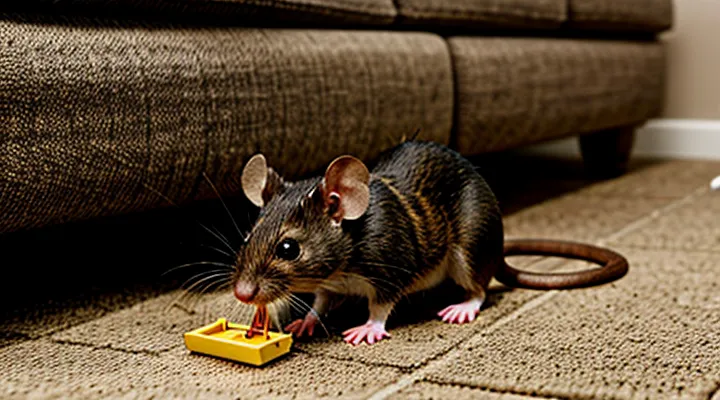
Understanding Why Your Mouse Trap Isn’t Working
Common Reasons for Trap Failure
Improper Baiting Techniques
Improper baiting is a frequent cause of trap failure. Using food that lacks strong scent, such as fresh vegetables, reduces attraction; rodents rely on odor cues to locate food sources. Placing bait too far from the trigger mechanism forces the mouse to travel an unnecessary distance, increasing the chance of avoidance. Overloading the trap with large pieces of bait can block the trigger, preventing activation when the rodent attempts to feed.
Common mistakes include:
- Selecting low‑odor items (e.g., plain bread) instead of aromatic attractants like peanut butter, cheese, or dried fruit.
- Securing bait loosely, allowing it to shift and expose the trigger prematurely.
- Applying bait to the edge of the trap where the mouse can nibble without contacting the trigger.
- Using stale or contaminated food that rodents find unappealing.
Correct baiting practices:
- Choose high‑protein, high‑fat substances with strong odor; apply a pea‑size amount directly onto the trigger plate.
- Secure bait firmly with a small amount of adhesive or by pressing it into a groove, ensuring the mouse must manipulate the trigger to reach it.
- Position bait centrally on the trigger surface, forcing the mouse to step onto the mechanism.
- Refresh bait every 24–48 hours to maintain scent potency and prevent spoilage.
By eliminating these errors, the likelihood of a successful capture increases dramatically.
Incorrect Trap Placement
Incorrect trap placement is the most common reason a rodent capture device fails. Mice travel along established routes that follow walls, behind appliances, and through cluttered areas. Placing a trap in the middle of an open floor or far from these pathways reduces the likelihood of contact. Additionally, positioning a trap too close to food sources may cause the mouse to avoid it, while placing it directly on a smooth surface can prevent proper anchoring and trigger activation.
To improve placement, follow these steps:
- Identify active runways by observing droppings, gnaw marks, or grease trails.
- Position the trap perpendicular to the wall, with the bait side facing the expected direction of travel.
- Set the trap on a flat, stable surface; use a piece of cardboard or a rubber mat if the floor is uneven.
- Keep the trap at least 2–3 inches away from any obstacles that could block the mouse’s approach.
- Relocate the trap after a few days if no catches occur, targeting new sections of the runway.
Correct positioning aligns the device with natural mouse behavior, increasing capture rates without additional equipment.
Choosing the Wrong Trap Type
Choosing a trap that does not suit the target mouse’s size, behavior, or environment often results in failure. A snap‑type designed for large rats will not close properly on a small house mouse, while a glue board placed in a high‑traffic area may catch insects but allow a mouse to avoid contact. Selecting a live‑capture cage without a proper bait or placement reduces the likelihood of entry, and using a bait‑less electric device in a cluttered space prevents the mouse from reaching the trigger.
Common mismatches include:
- Snap trap with insufficient spring tension for the species – replace with a mouse‑specific snap model.
- Glue board on a smooth surface where the mouse can glide past – relocate to a wall edge or use a sticky pad with a scent attractant.
- Live‑catch cage lacking secure entry points – add a narrow tunnel or chew‑resistant opening.
- Electric trap without a power source or placed near water – ensure reliable electricity and keep the unit dry.
To correct the error, evaluate the mouse’s habits, locate active pathways, and match the trap’s mechanism to those factors. Verify that the bait aligns with the species’ preferences, and position the device where the rodent must pass. Regularly inspect and adjust placement based on observed activity to maintain effectiveness.
Mouse Trap Phobia or Trap Shyness
Mouse trap phobia, often called trap shyness, refers to a rodent’s learned avoidance of devices designed to capture it. The behavior develops when a mouse experiences a painful encounter with a trap, associates the trigger mechanism with danger, and subsequently avoids similar stimuli. This adaptation reduces the effectiveness of standard snap or live‑catch traps, even when they are correctly placed and baited.
Key factors that reinforce trap shyness:
- Repeated exposure to malfunctioning or poorly set traps that deliver a non‑lethal shock.
- Use of strong scents or chemicals that alert the mouse to human interference.
- Placement of traps in high‑traffic areas where mice can observe other individuals being captured.
To counteract trap shyness and restore capture rates, follow these steps:
- Reset the learning cycle: Remove all existing traps for 48 hours. Allow mice to roam freely, eliminating the immediate threat perception.
- Introduce novel trap designs: Deploy a different model (e.g., a spring‑loaded snap trap if previously using a glue board) to break the association with a specific mechanism.
- Employ low‑noise bait: Use fresh, high‑protein items such as peanut butter or small pieces of cooked meat. Avoid strong odors that may signal human presence.
- Mask scent trails: Sprinkle a thin layer of powdered talc or cornstarch around the trap to obscure the mouse’s olfactory cues.
- Strategic placement: Position traps perpendicular to walls, with the trigger end facing the mouse’s entry point. Ensure the device is flush with the surface to minimize visual detection.
- Gradual conditioning: Set a few traps with a harmless stimulus (e.g., a soft click) that does not cause injury. After several exposures, replace them with lethal or live‑catch models.
Monitoring the area after each adjustment provides feedback on the mouse’s response. If avoidance persists, repeat the cycle with a different trap type and altered bait. Consistent application of these tactics eliminates the learned fear and restores the efficacy of rodent control measures.
Infestation Size and Mouse Activity
The number of mice present directly influences trap performance. A small population (one to three individuals) often yields quick captures because each animal encounters the bait frequently. Larger colonies create competition for food sources, causing some rodents to avoid a single trap location and seek alternative routes. Consequently, a single trap rarely suffices when the infestation exceeds a handful of individuals.
Mouse activity follows a predictable schedule. Peak foraging occurs during dusk and pre‑dawn hours, while daylight periods see reduced movement. High‑traffic zones—such as along walls, behind appliances, and near stored food—experience constant traffic, whereas peripheral areas receive occasional visits. Understanding these patterns helps position traps where rodents are most likely to encounter them.
To align trap placement with infestation size and activity:
- Conduct a 24‑hour observation of droppings, gnaw marks, and food theft to estimate population density.
- Identify at least three active pathways based on fresh evidence; prioritize the most heavily used.
- Deploy multiple traps along each pathway, spacing them 12–18 inches apart to cover the full width of the route.
- Set traps before the evening peak and check them at dawn; repeat the cycle for three consecutive nights.
- If captures remain low, increase trap count proportionally to the estimated mouse number and add bait stations in secondary corridors.
Accurate assessment of both the scale of the infestation and the timing of rodent movement enables targeted trap deployment, reducing the likelihood of ineffective trapping.
Troubleshooting and Solutions
Re-evaluating Your Bait Strategy
Best Baits for Mice
When a trap fails to secure a mouse, the choice of bait often determines success. Effective attractants share strong scent, high fat content, or natural sweetness that appeals to the rodent’s diet preferences.
- Peanut butter — dense, aromatic, and difficult for mice to resist. Apply a thin layer on the trigger mechanism to prevent slippage.
- Chocolate chips — sweet and oily; place a single piece directly on the trigger to focus the mouse’s attention.
- Sunflower seeds — nutrient‑rich and readily recognized; crush slightly to release oils before positioning.
- Dried fruit (e.g., raisins or apricots) — sweet and chewy; secure a small piece with a toothpick to keep it from moving.
- Bacon or cooked ham — high protein and strong odor; a tiny crumb suffices; ensure it does not melt and block the trap’s release.
Apply bait sparingly to avoid excess that allows the mouse to feed without activating the mechanism. Position the bait at the rear of the trigger plate so the animal must push the plate to reach it. Refresh bait every 24 hours to maintain potency and reduce the risk of contamination. If one attractant proves ineffective, rotate to another from the list to identify the most compelling option for the specific infestation.
How to Properly Bait a Trap
Effective baiting determines whether a rodent trap will capture its target. Select attractants that match the pest’s dietary preferences and present them in a manner that prevents theft or avoidance.
- Use high‑protein foods such as peanut butter, canned tuna, or cooked eggs. Apply a thin layer to the trigger platform to avoid excess mess that can distract the animal.
- Sweet options like dried fruit, chocolate chips, or honey work well for omnivorous rodents. Place a small piece directly on the bait holder.
- For grain‑eating species, offer a pinch of cracked corn, sunflower seeds, or oatmeal. Secure the grain with a dab of adhesive to keep it from being carried away.
- Avoid strong odors unrelated to food, such as scented cleaners or petroleum products, which can repel the creature.
Prepare the trap before placement:
- Clean the mechanism to remove residue from previous attempts. Residual scent can deter new captures.
- Apply bait sparingly; excess material can trigger premature releases or allow the rodent to eat without activating the trigger.
- Position bait at the exact point where the trigger will be engaged, ensuring the animal must contact the mechanism to reach the food.
- Secure the trap in a high‑traffic area, close to walls or along known runways. Rodents prefer concealed routes and will investigate nearby bait promptly.
Maintain bait freshness. Replace it every 24‑48 hours, especially in warm environments where spoilage occurs quickly. Rotate bait types periodically to prevent habituation; a rodent accustomed to one scent may lose interest if the same bait is used continuously.
By matching bait choice to species diet, applying it precisely, and maintaining a clean, strategically placed trap, the likelihood of successful capture increases dramatically, even when previous attempts have failed.
Avoiding Common Baiting Mistakes
When a rodent control device fails, the most frequent cause is improper bait selection and placement. Correct baiting eliminates hesitation by the target and maximizes trap efficiency.
Common errors and corrective actions:
- Using fresh produce that loses scent quickly; choose long‑lasting attractants such as peanut butter, dried fruit, or commercial rodent lure.
- Positioning bait on the trap’s exterior; secure the bait inside the trigger mechanism so the mouse must engage the spring to access it.
- Over‑baiting, which allows the animal to feed without activating the trap; apply a pea‑sized amount to maintain focus on the trigger.
- Selecting bait with strong odors that repel mice, such as strong herbs or citrus; opt for neutral or mildly sweet smells.
- Ignoring trap hygiene; clean any residue after each capture to preserve bait potency and prevent contamination.
Implementing these practices removes the primary obstacles to successful capture and restores the device’s functionality.
Optimizing Trap Placement
Identifying Mouse Runways
Identifying mouse runways is the first step toward successful capture. Mice travel along established paths that connect food, water, shelter, and entry points. Recognizing these routes allows precise trap placement and reduces wasted effort.
Typical indicators of a runway include:
- Fresh gnaw marks on baseboards, cabinets, or wires.
- Small, dark droppings aligned in a line.
- Grease or urine stains that darken wood or fabric.
- Scraped or shredded material near walls or under appliances.
- Audible rustling when the house is quiet, especially near concealed gaps.
To map a runway, follow a systematic approach:
- Conduct a visual sweep during daylight, noting all evidence listed above.
- Perform a night‑time observation using a flashlight or low‑light camera; activity peaks after dark.
- Apply a thin layer of powdered flour or talc along suspected paths; check for footprints after several hours.
- Mark each confirmed segment with tape or a small dot of non‑toxic paint to create a visible trail.
Place traps directly on or adjacent to the identified runway. Position bait at the far end of the path to encourage full traversal. Ensure traps are stable and not obstructed by clutter, as mice will avoid obstacles that disrupt their established route. Regularly reassess the runway after each capture attempt, adjusting trap locations to reflect any shifts in mouse behavior.
Strategic Trap Positioning
Effective placement determines success when a mouse trap yields no catches. Identify the rodent’s travel routes by observing droppings, gnaw marks, and food spillage. Position the device directly in these pathways, perpendicular to the wall so the animal must pass over it.
- Place traps at the junction of wall and floor, where mice habitually run.
- Locate devices near active food sources but not directly on the food, forcing the mouse to cross the trigger.
- Set traps beside concealed entry points such as gaps behind appliances or under cabinets.
- Use multiple traps spaced 12–18 inches apart in a straight line to create a barrier.
- Avoid high‑traffic human areas; rodents prefer secluded corners.
After deployment, monitor each trap for activity. If no capture occurs after 24–48 hours, relocate the trap a few inches along the same route or adjust its angle. Replace bait with fresh material to maintain attractiveness. Consistent repositioning based on observed movement patterns maximizes capture probability and compensates for initial trap failure.
Placement in Hard-to-Reach Areas
Effective trap placement in concealed or inaccessible locations maximizes capture rates when conventional setups fail. Identify pathways used by rodents, such as gaps behind appliances, under cabinets, and within wall voids. Position devices directly along these routes, ensuring the trigger mechanism faces the direction of travel.
- Use slim, flat traps that slide into narrow crevices; they occupy minimal space while remaining functional.
- Secure baited traps with adhesive strips or zip ties to prevent displacement by movement or cleaning activities.
- Install traps on the interior side of baseboard cutouts, behind radiators, or within ceiling joist cavities where rodents frequently travel.
- For ceiling or attic spaces, attach traps to joist beams using sturdy hooks; verify that the trigger is reachable from the rodent’s line of motion.
- In floor voids, place traps on the top surface of the gap and cover with a thin layer of insulation to conceal the device without obstructing the trigger.
After placement, monitor traps daily. Replace any that become dislodged or lose bait. Adjust locations based on observed activity patterns, moving devices closer to fresh signs of infestation. Consistent, targeted deployment in hard-to-reach zones eliminates escape routes and forces rodents into contact with the trap, restoring control over the problem.
Exploring Different Trap Types
Snap Traps: Pros and Cons
Snap traps remain a common choice for rodent control because they deliver immediate results with minimal expense. Their design— a spring‑loaded bar that snaps shut on contact—provides a lethal, quick kill, reducing suffering and preventing disease transmission. The mechanism requires no electricity or chemicals, making it suitable for use in kitchens, storage areas, and near food preparation surfaces where other methods might contaminate products.
Advantages
- Low purchase cost; a pack of ten typically costs less than a dollar per unit.
- Instant immobilization eliminates the need for monitoring live captures.
- Compact size allows placement in tight spaces and behind appliances.
- No residual toxins; safe for households with children and pets when positioned correctly.
Disadvantages
- Requires careful baiting and placement to ensure a strike; improper setup reduces effectiveness.
- Single‑use nature generates waste after each kill, increasing disposal effort.
- Potential for accidental activation if pets or non‑target animals encounter the trap.
- Visible dead rodents may be considered unsightly by some occupants.
Effective use of snap traps depends on selecting appropriate bait (e.g., peanut butter, dried fruit), positioning the device perpendicular to travel routes, and regularly checking for captures. When deployed correctly, snap traps provide a reliable solution for eliminating mice in environments where other methods have failed.
Live Traps: When and How to Use Them
Live traps provide a humane alternative when conventional snap devices fail. They capture rodents without injury, allowing release away from the building. Use them only when you can monitor the trap frequently; a captured mouse left unattended may suffer stress or die.
Select a trap that matches the target species. Small, single‑catch cages suit house mice; larger, multi‑catch designs accommodate rats. Ensure the trap has a secure latch and a smooth interior to prevent escape. Place the trap along established runways—near walls, behind appliances, or within cluttered areas—where rodents naturally travel.
Prepare bait that appeals to the specific pest. Peanut butter, rolled oats, or bits of fruit work well for mice; for larger rodents, use pieces of meat, cheese, or commercial rodent attractants. Apply a small amount to the trigger mechanism, avoiding excess that could allow the animal to feed without activating the latch.
- Set the trap with the door open, secure the latch, and position the bait at the far end.
- Check the trap at least twice daily; remove any catch promptly.
- Release the animal at least 200 meters from the residence, preferably in a wooded or field area.
- Clean the trap with mild detergent after each use to maintain effectiveness and prevent scent transfer.
Regularly inspect surrounding areas for new activity. If live traps continue to capture rodents, combine them with exclusion measures—sealing entry points, removing food sources, and maintaining sanitation—to reduce reinfestation.
Electronic Traps: Modern Solutions
Electronic traps provide a rapid, humane alternative when conventional snap or glue devices fail. The core mechanism consists of a high‑voltage pulse that instantly disables the rodent, eliminating the need for manual handling. Sensors detect movement through infrared, vibration, or pressure, triggering the shock within milliseconds.
Key advantages include:
- Immediate termination of the pest, reducing exposure to disease.
- Reusable design; batteries or AC adapters supply power for hundreds of captures.
- Data logging in many models, recording capture time and temperature for monitoring purposes.
- Minimal residual odor, preventing secondary infestations.
When selecting a unit, consider:
- Power source compatibility with the intended location (battery‑operated for remote areas, plug‑in for kitchens).
- Sensor type; infrared works best in well‑lit spaces, while vibration sensors suit cluttered environments.
- Capacity; larger chambers accommodate multiple captures without frequent emptying.
- Safety features such as insulated housing and automatic shut‑off to protect children and pets.
Installation steps:
- Place the trap along established rodent pathways, typically near walls, behind appliances, or close to food storage.
- Ensure a clear line of sight for infrared sensors; avoid obstacles that could block detection.
- Activate the device according to the manufacturer’s instructions, confirming that the power indicator is steady.
- Check the capture compartment daily; empty and disinfect after each event to maintain efficacy.
Maintenance involves periodic battery replacement or charger inspection, cleaning the interior with a mild disinfectant, and verifying sensor alignment. Proper upkeep preserves the high‑voltage output and prevents false triggers that could waste power.
Integrating electronic traps with complementary measures—such as sealing entry points and eliminating food sources—creates a comprehensive control strategy, especially when traditional methods prove ineffective.
Glue Traps: Considerations for Use
When conventional snap or electronic devices fail, adhesive traps provide an alternative method for capturing rodents. Their passive mechanism requires no mechanical activation, making them useful in confined spaces where quick strikes are impractical.
Key considerations for effective use include:
- Placement: Position traps along established runways, near walls, and behind appliances. Ensure the adhesive surface faces outward to prevent rodents from climbing over the edge.
- Surface preparation: Clean the area of dust, grease, or debris. A clean surface maximizes stickiness and reduces false releases.
- Bait selection: Apply a small amount of high‑protein attractant, such as peanut butter or dried fruit, directly to the center of the glue pad. Over‑baiting can cause the rodent to avoid the trap.
- Monitoring frequency: Inspect traps at least once daily. Prompt removal of captured animals limits suffering and prevents secondary infestations.
- Safety precautions: Keep traps out of reach of children and domestic pets. Use protective gloves when handling captured specimens to avoid accidental adhesion.
- Non‑target protection: Install barriers or place traps in locations inaccessible to insects, birds, or small mammals. Consider using covers that restrict entry to rodent-sized bodies.
- Disposal protocol: Seal captured rodents in a plastic bag, double‑bag, and dispose of according to local waste regulations. Clean or discard the adhesive surface to prevent reuse.
- Regulatory compliance: Verify that adhesive traps are permitted in the jurisdiction. Some regions restrict their use due to animal welfare concerns.
- Sanitation: After removal, clean the surrounding area with a mild disinfectant to eliminate scent trails that could attract additional rodents.
Adhering to these guidelines enhances the likelihood of successful capture while mitigating health risks, accidental harm to non‑target species, and legal complications.
Addressing Trap Shyness
Pre-Baiting and Desensitization
Pre‑baiting introduces a food source before the trap is set, allowing the mouse to associate the area with a reliable reward. Place a small amount of preferred bait—such as peanut butter, cheese, or dried fruit—on a piece of cardboard near the intended trap location. Leave the bait unattended for 24–48 hours; the mouse will frequent the spot, establishing a pattern that increases the likelihood of engaging the trap later.
Desensitization reduces the animal’s wariness of new objects. After the pre‑baiting period, gradually position the trap so that only a portion of it contacts the baited surface. Begin with the trap’s trigger mechanism concealed, then expose more of the device each day. This stepwise exposure conditions the rodent to accept the trap as part of its feeding routine.
The combined approach follows these actions:
- Deploy bait without a trap for two days to create a consistent foraging zone.
- Introduce the trap partially covered with bait, ensuring the mouse can access food without activating the trigger.
- Increase exposure of the trigger mechanism by 25 % each day until the trap is fully visible.
- Monitor activity, adjust bait type if capture rates decline, and replace the trap once the mouse reliably interacts with the trigger.
By establishing a reliable food source and systematically reducing fear of the device, the mouse becomes more prone to engage a functional trap, addressing failures caused by trap avoidance.
Camouflaging Traps
When a conventional mouse trap yields no captures, disguising the device can increase success. Rodents rely on sight and scent; a visible trap triggers avoidance. Camouflage integrates the trap into its surroundings, reducing suspicion and encouraging approach.
- Select a trap that matches the environment’s color palette. Paint wooden or plastic bodies with non‑toxic acrylics to blend with floorboards, walls, or pantry shelves.
- Cover the trap with natural materials such as shredded paper, fabric scraps, or cork. Ensure the covering does not obstruct the trigger mechanism.
- Apply a thin layer of unscented petroleum jelly around the trigger to mask any metal odor that may deter mice.
- Position the concealed trap along established runways: behind appliances, near baseboards, or adjacent to food sources.
For locations where visual concealment is insufficient, incorporate tactile camouflage. Attach a thin rubber mat or textured tape over the trap surface; the familiar texture encourages the mouse to step onto the trigger without detecting the device’s outline.
Maintain regular inspection. Remove debris that may reveal the trap’s presence, and replace bait with fresh, high‑protein options such as peanut butter or dried insects. Consistent monitoring ensures the camouflaged trap remains functional and undetected until capture occurs.
Using Multiple Trap Types
When a single mouse trap yields no captures, combining several trap designs increases the likelihood of success. Different mechanisms exploit distinct rodent behaviors, reducing the chance that a wary mouse will avoid all options.
- Snap traps: Immediate kill, high shock value, effective for active foragers. Place near walls, perpendicular to travel routes.
- Glue boards: Passive capture, suitable for hidden pathways. Use low‑profile placement to avoid detection.
- Live‑catch cages: Allows relocation, ideal for humane approaches. Bait with strong attractants and position at known entry points.
- Electronic traps: Delivers lethal voltage, reusable, minimal mess. Install where power access is convenient.
- Bucket‑style traps: Leverages mouse curiosity for falling into a container. Combine with baited ramps for continuous operation.
Strategic deployment involves overlapping zones: locate two or more trap types within a 12‑inch corridor, ensuring at least one aligns with the mouse’s preferred direction. Rotate positions every 48 hours to prevent habituation. Replace bait daily with fresh high‑protein items such as peanut butter or dried fruit. Monitor traps regularly; remove dead or captured rodents promptly to avoid scent buildup that deters further activity.
Integrating varied traps addresses behavioral diversity, mitigates single‑trap failure, and accelerates rodent elimination.
Advanced Rodent Control Techniques
Sealing Entry Points
Sealing entry points prevents rodents from re‑entering the space after a trap has been set, turning a failed capture into a lasting solution. Identify all potential openings—gaps around pipes, vents, doors, and windows. Measure each aperture and apply a material that blocks rodents permanently.
- Use steel wool or copper mesh to fill cracks smaller than ¼ inch; secure with caulk or expanding foam.
- Install sheet metal flashing around utility penetrations; screw tightly and seal joints with silicone.
- Replace damaged weatherstripping on doors and windows; choose a product that compresses to eliminate gaps.
- Apply concrete or mortar to foundation cracks larger than half an inch; smooth surface to prevent future settling.
- Cover vent openings with hardware cloth of ¼‑inch mesh; attach with screws and seal edges with sealant.
After sealing, re‑inspect the area weekly for new openings caused by settling or weather. Maintaining a sealed envelope reduces the need for repeated trapping and limits the likelihood of infestation spreading throughout the building.
Eliminating Food Sources
Eliminating food sources is essential when a rodent control device fails to capture the pest. Mice are attracted to readily available nourishment; removing that attraction reduces activity around the trap and increases the likelihood of a successful catch.
Identify all potential supplies within reach of the mouse. Typical items include uncovered pantry goods, pet food, crumbs on countertops, and spilled grains. Store dry products in sealed containers made of metal or thick plastic. Transfer pet feed to airtight bins and feed only at scheduled times, removing leftovers promptly.
Maintain a clean environment. Sweep floors daily to remove debris. Wipe surfaces with a mild detergent after meals to eliminate residue. Dispose of garbage in containers with tight-fitting lids and empty them regularly.
Control external access points. Seal gaps around doors, windows, and utility penetrations with steel wool or caulk. Prevent outdoor food sources, such as birdseed or compost, from being placed near the building’s foundation.
Implement a systematic approach:
- Conduct a thorough inventory of food items in the kitchen, pantry, and storage areas.
- Relocate each item to a sealed container or remove it from the premises.
- Clean all surfaces where crumbs or spills have accumulated.
- Establish a routine for immediate cleanup after eating or cooking.
- Verify that waste receptacles are sealed and emptied frequently.
By depriving rodents of sustenance, movement patterns shift away from the trap zone, allowing the device to function as intended. Consistent application of these measures creates an environment where trapping becomes effective without relying on additional bait.
Professional Pest Control Consultation
When a capture device repeatedly fails, a qualified pest‑control specialist can diagnose the underlying cause and implement a reliable solution.
The consultation begins with a thorough on‑site inspection. The expert determines rodent activity patterns, identifies entry points, and evaluates the effectiveness of existing traps and baits. Findings are documented and translated into a targeted action plan.
Typical recommendations include:
- Repositioning or replacing traps to align with rodent pathways.
- Selecting bait formulations proven to attract local species.
- Sealing gaps, cracks, and utility openings that provide access.
- Implementing sanitation measures that eliminate food sources.
- Applying approved rodenticides or electronic devices where traps alone are insufficient.
Professional intervention reduces the risk of infestation recurrence, ensures compliance with health‑safety regulations, and minimizes property damage.
To initiate the process, contact a licensed pest‑control provider, arrange a convenient inspection time, and prepare a list of observed rodent signs. Follow the specialist’s prescribed measures promptly to achieve swift and lasting results.