
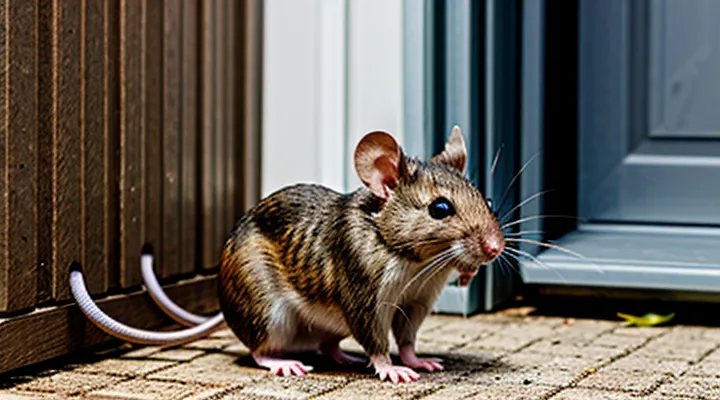
Understanding the Rodent Problem
Signs of a Rodent Infestation
Droppings and Urine Trails
Rodent activity leaves distinct evidence that can be leveraged to prevent further infestation. Fresh droppings appear as small, dark pellets, typically 3‑5 mm in length, and are often found along walls, behind appliances, and in hidden corners. Urine trails manifest as faint, oily stains that may darken fabric or wood, sometimes accompanied by a musky odor detectable after prolonged exposure.
Identifying these signs early enables targeted intervention. The following actions reduce attraction and limit spread:
- Immediate removal: Wear disposable gloves, collect droppings with a damp paper towel, and place them in a sealed bag. Dispose of the bag in an outdoor trash container.
- Disinfection: Apply a 10 % bleach solution (one part bleach to nine parts water) to the contaminated area. Allow the solution to remain for at least five minutes before wiping clean.
- Odor neutralization: After cleaning, spray an enzymatic cleaner designed for pet stains. Enzymes break down residual proteins that otherwise signal food sources to rodents.
- Barrier reinforcement: Seal cracks, gaps, and openings larger than ¼ inch with steel wool, caulk, or metal mesh to block entry points identified near droppings or urine paths.
- Monitoring: Install motion‑activated traps or infrared sensors in areas where evidence was found. Review trap catches weekly to assess activity levels.
Consistent application of these measures eliminates the sensory cues rodents rely on for navigation and sustenance, thereby reducing the likelihood of recurrent incursions.
Gnaw Marks
Gnaw marks are the primary visual evidence of rodent activity. They appear as V‑shaped incisions on wood, plastic, or wiring, with the opening pointing toward the animal’s head. The depth and spacing of the cuts reveal the size of the intruder and the duration of the infestation.
Identifying gnaw marks:
- V‑shaped bite marks with sharp edges
- Parallel lines spaced ½–1 inch apart on wooden surfaces
- Clean, circular holes in plastic or polymer components
- Damage to insulation on electrical cords, often exposing the conductor
These indicators confirm that mice have accessed the area, rendering any deterrent measures ineffective until the source of entry is sealed.
Mitigation steps:
- Inspect all potential entry points; prioritize areas with visible gnaw marks.
- Seal gaps larger than ¼ inch with steel wool, copper mesh, or silicone caulk.
- Replace damaged wiring or plastic components to eliminate hazards.
- Apply rodent‑resistant materials, such as metal flashing or concrete, to vulnerable surfaces.
- Deploy physical barriers—steel plates or mesh—over exposed wood or piping.
- Monitor the sealed zones for new gnaw marks; repeat inspection weekly for at least one month.
Addressing gnaw marks promptly removes the attraction of food sources and nesting material, thereby strengthening any repellent strategy. Continuous observation ensures that the deterrent system remains effective and prevents further structural damage.
Scratching Noises
Scratching noises are a reliable indicator of rodent presence, often heard behind walls, in ceilings, or within insulation. The sound originates from gnawing activity as mice create pathways and nesting sites.
Detecting these noises allows rapid identification of infestation zones, enabling targeted intervention before damage escalates. Early awareness reduces the need for extensive remediation.
Effective measures to eliminate scratching sounds include:
- Sealing gaps larger than ¼ inch with steel wool, caulk, or metal flashing.
- Installing rodent‑proof hardware cloth around vents, pipes, and utility openings.
- Deploying ultrasonic emitters that emit frequencies above human hearing, disrupting rodent communication.
- Placing vibration‑based deterrents beneath flooring or in wall cavities to create uncomfortable substrate movement.
- Removing food sources and clutter that encourage nesting, thereby decreasing activity levels.
Routine inspection of structural joints, attic spaces, and crawl areas confirms the success of preventive actions. Monitoring equipment such as motion‑activated audio recorders can verify the absence of further scratching, ensuring long‑term control.
Why Rodents Are a Nuisance
Health Risks
Rodent activity introduces pathogens that affect humans directly through bites, droppings, and urine. Contact with contaminated surfaces can lead to infection without visible signs of infestation.
- Hantavirus pulmonary syndrome
- Leptospirosis
- Salmonellosis
- Lymphocytic choriomeningitis
- Plague (Yersinia pestis)
Droppings and urine foster bacterial growth, contaminating food supplies and kitchen equipment. Persistent exposure raises the likelihood of gastrointestinal illness and respiratory irritation. Structural damage caused by gnawing can expose insulation, creating conditions for mold proliferation and aggravating asthma.
Chemical repellents and anticoagulant baits pose secondary health concerns. Inhalation of aerosolized compounds may irritate mucous membranes. Accidental ingestion of poisoned baits can result in internal bleeding for children and domestic animals. Mechanical traps generate sharp edges that risk lacerations if mishandled.
Effective risk reduction combines exclusion strategies—sealed entry points, regular sanitation—with safe deterrent practices. Non‑toxic repellents, such as ultrasonic devices or natural oils, minimize chemical exposure while maintaining rodent control. Continuous monitoring ensures prompt detection and prevents health hazards from escalating.
Property Damage
Rodents compromise the integrity of residential and commercial structures by gnawing electrical wiring, insulation, and wooden components. Damaged wiring increases fire risk, while compromised insulation reduces energy efficiency. Chewed wood weakens load‑bearing elements, potentially leading to costly repairs. Contamination of stored food and packaging results in product loss and health hazards. The cumulative financial impact of these issues can exceed several thousand dollars per infestation.
- Electrical cables: exposed conductors, short circuits, fire danger.
- Insulation: loss of thermal barrier, increased heating/cooling costs.
- Structural timber: reduced strength, need for replacement.
- Stored goods: spoilage, contamination, disposal expenses.
- Surface finishes: chewed paint, plaster, and wallpaper requiring rework.
Implementing rodent control measures directly curtails property damage. Sealing entry points eliminates access routes, reducing the likelihood of interior gnawing. Deploying ultrasonic emitters or scent‑based repellents deters activity in vulnerable zones, preserving wiring and insulation. Regular placement of snap traps or live‑catch devices maintains low population levels, preventing extensive chewing. Routine inspections identify early signs of intrusion, allowing prompt remediation before structural degradation occurs. These actions collectively safeguard assets and minimize repair costs.
Natural and DIY Rodent Deterrents
Essential Oils and Scents
Peppermint Oil
Peppermint oil functions as a volatile compound that irritates the sensory receptors of mice, creating an environment they avoid. The oil’s strong menthol scent interferes with rodents’ ability to locate food and nesting sites, prompting them to vacate treated areas.
- Mix 10–15 ml of pure peppermint essential oil with 1 liter of water; add a few drops of dish‑soap to emulsify.
- Apply the solution to entry points, baseboards, and suspected nesting zones using a spray bottle.
- Reapply every 48 hours, or after heavy cleaning, to maintain concentration.
Effectiveness depends on concentration and frequency of application. Studies indicate that a 1 %–2 % solution reduces mouse activity by up to 70 % in controlled environments. The oil’s rapid evaporation limits residual odor, making it suitable for indoor use where strong chemical repellents are undesirable.
- Avoid direct contact with pets; dilute as specified.
- Do not use on porous surfaces that absorb oil, as prolonged exposure may cause material degradation.
- Combine with physical barriers (e.g., steel mesh, sealed gaps) for comprehensive control.
Peppermint oil offers a non‑toxic, easily accessible option for deterring rodents, provided it is applied consistently and integrated with standard exclusion techniques.
Clove Oil
Clove oil functions as a natural rodent repellent due to its high eugenol concentration, which irritates the olfactory receptors of mice and creates an aversive environment.
When incorporated into a mouse deterrent program, clove oil offers several practical advantages: it is readily available, inexpensive, and does not require specialized equipment. Its strong aromatic profile persists for several days, reducing the need for frequent reapplication.
Effective application methods include:
- Diluting clove oil with a carrier such as water or mineral oil at a ratio of 1 %–2 % before use.
- Soaking cotton balls or small fabric pads in the diluted solution and placing them in known entry points, nesting sites, and along travel routes.
- Spraying the mixture onto perimeter surfaces, cracks, and gaps where rodents are likely to hide, allowing the liquid to dry completely before sealing any openings.
Safety considerations:
- Direct skin contact may cause irritation; gloves are recommended during preparation and handling.
- Keep the solution out of reach of children and pets, as ingestion can be toxic in large quantities.
- Test a small area first to ensure the material does not stain or degrade.
Research indicates that clove oil reduces mouse activity by up to 70 % in confined test environments, though results vary with concentration, ventilation, and the presence of alternative food sources. Combining clove oil with physical barriers, sanitation measures, and other botanical repellents typically yields the most reliable outcomes.
Eucalyptus Oil
Eucalyptus oil contains phenolic compounds, chiefly eucalyptol, that emit a strong, sharp aroma unpleasant to many rodents. The scent interferes with their olfactory cues, discouraging entry into treated spaces.
Application methods include:
- Soaking cotton balls in pure oil and placing them in corners, gaps, and near potential entry points.
- Adding a few drops to a spray bottle filled with water, shaking well, and misting shelves, baseboards, and crawl spaces.
- Incorporating oil into wooden blocks or felt pads, allowing gradual release over weeks.
Effectiveness relies on consistent exposure; the oil evaporates quickly, so replenishment every 3–5 days maintains deterrent strength. Combining eucalyptus oil with other natural repellents, such as peppermint or clove, can broaden the olfactory spectrum and reduce the chance of habituation.
Safety considerations:
- Use only food‑grade oil, avoid direct contact with skin; wear gloves when handling concentrated drops.
- Keep away from pets, especially cats, as high concentrations may cause respiratory irritation.
- Do not apply near open flames; the oil is flammable.
Limitations:
- Eucalyptus oil does not eliminate existing infestations; it prevents new incursions while other control measures address current populations.
- Strong ventilation can diminish potency, requiring more frequent application in well‑aired areas.
Overall, eucalyptus oil offers a non‑chemical, odor‑based strategy to deter mice when applied systematically and refreshed regularly.
Cayenne Pepper
Cayenne pepper functions as a natural rodent repellent due to its high capsaicin content, which irritates the sensory receptors of mice. The compound triggers a burning sensation when inhaled or contacted, prompting the animal to avoid treated areas.
Application methods include:
- Sprinkling powdered cayenne along baseboards, entry points, and near food storage.
- Mixing a tablespoon of cayenne with a cup of water, shaking to create a spray, and applying to cracks, crevices, and the outer edges of containers.
- Incorporating cayenne into cotton balls and placing them in concealed spots such as behind appliances or inside cabinets.
Effectiveness depends on regular reapplication, as moisture and dust diminish potency within 24–48 hours. The substance does not harm humans or pets when used in recommended quantities, but direct contact may cause skin irritation; gloves are advisable during handling.
Limitations involve the inability of cayenne to eliminate established infestations. It serves best as a preventive measure, complementing traps or professional control when a population is already present.
Household Items and Remedies
Steel Wool
Steel wool is a dense mesh of fine metal strands that creates an effective physical barrier against rodents. The abrasive texture irritates the sensitive whiskers and paws of mice, discouraging them from attempting to gnaw through openings. When tightly packed into gaps around pipes, vents, or foundation cracks, steel wool blocks access points that are otherwise too narrow for conventional sealing materials.
Effective deployment requires the following steps:
- Compress steel wool into a compact plug that fits snugly within the opening.
- Secure the material with a layer of caulk or expanding foam to prevent displacement.
- Inspect the barrier regularly and replace any sections that show signs of corrosion or wear.
Advantages include immediate deterrence, low cost, and compatibility with existing sealing products. The metal does not emit odors, making it suitable for indoor use where chemical repellents are undesirable. Additionally, steel wool does not attract insects or create secondary pest issues.
Limitations arise from its susceptibility to rust when exposed to moisture. In damp environments, corrosion can degrade the barrier, allowing rodents to re‑enter. For outdoor applications, consider galvanized steel wool or combine the mesh with a rust‑inhibiting sealant to extend service life.
Integrating steel wool with other deterrent strategies—such as ultrasonic devices, snap traps, and habitat modification—enhances overall effectiveness. By eliminating entry points and reducing the attractiveness of the area, steel wool contributes to a comprehensive rodent control program.
Dryer Sheets
Dryer sheets emit strong fragrances that rodents find unpleasant. The scent, often a blend of fabric softeners and chemicals, interferes with mice’s keen sense of smell, discouraging them from entering treated areas.
Application guidelines
- Place a sheet in each potential entry point, such as under appliances, in cabinets, and behind furniture.
- Replace sheets every two weeks to maintain potency.
- Ensure sheets do not contact food surfaces or pet bedding to avoid contamination.
Effectiveness considerations
- Aromas dissipate quickly; performance declines as the sheet dries out.
- Mice may become accustomed to a single scent, reducing long‑term impact.
- Success rates improve when dryer sheets are combined with physical barriers and sanitation practices.
Safety and environmental notes
- Most commercial dryer sheets contain volatile organic compounds; prolonged exposure in enclosed spaces may affect indoor air quality.
- Biodegradable alternatives exist, using natural oils like peppermint or eucalyptus, which provide similar olfactory deterrence without synthetic additives.
Limitations
- Dryer sheets do not trap or kill rodents; they only deter entry.
- Heavy infestations require more comprehensive measures, such as sealing gaps, removing food sources, and employing professional control methods.
Incorporating dryer sheets as part of a multi‑layered rodent‑repellent strategy can reduce mouse activity, especially in low‑severity situations where chemical traps are undesirable. Regular monitoring and replacement are essential to sustain their repellent effect.
Apple Cider Vinegar
Apple cider vinegar (ACV) is a household acid solution that can deter mice through scent aversion. The high concentration of acetic acid creates an odor mice associate with unpalatable environments, prompting them to avoid treated areas.
Effective deployment of ACV includes:
- Soaking cotton balls in undiluted ACV and placing them in corners, behind appliances, and near entry points.
- Spraying a 1:1 mixture of ACV and water on baseboards, shelves, and surfaces where rodents travel, then allowing the liquid to dry.
- Adding a few drops of ACV to a spray bottle with water and applying the solution to cracks and gaps that may serve as access routes.
Advantages of ACV as a repellent:
- Non‑toxic to humans and pets when used as directed.
- Readily available and inexpensive.
- Easy to reapply; the scent diminishes after 24–48 hours.
Limitations to consider:
- Effectiveness declines rapidly in high‑traffic or damp areas where the odor dissipates.
- Does not eliminate an existing infestation; it only discourages movement.
- Strong odor may be undesirable for some indoor environments.
For sustained results, combine ACV with physical barriers, regular sanitation, and, when necessary, professional pest control measures. This integrated approach maximizes rodent avoidance while maintaining a safe living space.
Creating a Less Inviting Environment
Eliminating Food Sources
Eliminating accessible food is a fundamental step in any rodent‑control program. Mice locate shelters by following scent trails to readily available nutrition; removing those cues reduces the likelihood of infestation.
- Store dry goods in airtight containers made of metal or heavy‑wall plastic.
- Keep countertops, floors, and cabinets free of crumbs by wiping with a damp cloth after each meal.
- Dispose of food waste in bins with tight‑fitting lids; empty them daily.
- Seal pet food in sealed bags or feed only the amount consumed each day.
- Remove fruit, nuts, and seeds from open shelves; place them in refrigerated or sealed storage.
Regular inspection of pantry shelves, kitchen appliances, and garbage areas helps identify accidental exposures. Promptly repair cracks, gaps, or holes that could allow rodents to reach hidden food sources. Consistent application of these practices deprives mice of sustenance, making the environment inhospitable and supporting broader deterrence measures.
Sealing Entry Points
Sealing entry points eliminates the most common route rodents use to access indoor spaces. Identify potential openings by inspecting foundations, walls, and utilities. Focus on gaps larger than a quarter‑inch, as mice can squeeze through openings as small as a dime.
- Repair cracks in concrete or brick with hydraulic cement or epoxy filler.
- Close gaps around pipes, vents, and cables using steel wool combined with caulk or expanding foam.
- Install door sweeps and weather stripping on exterior doors to block gaps at the threshold.
- Fit mesh or metal flashing over vents, chimneys, and crawl‑space openings, securing it with screws or sealant.
- Replace damaged or missing roofing shingles and seal roof‑to‑wall joints with appropriate roofing sealant.
After all openings are sealed, test the integrity by conducting a visual walk‑through and using a flashlight to reveal hidden cracks. Re‑apply sealants periodically, especially after seasonal temperature changes, to maintain a continuous barrier against rodent intrusion.
Commercial and Professional Rodent Solutions
Traps and Baits
Snap Traps
Snap traps provide immediate, mechanical control of rodents. The device consists of a spring‑loaded bar that releases on contact with a trigger, delivering a rapid, lethal strike to the mouse. Construction varies: wooden or plastic bodies, metal spring mechanisms, and interchangeable bait stations. Sensitivity adjustments allow calibration for different mouse sizes, reducing false triggers from non‑target objects.
Effective deployment follows a systematic approach:
- Identify high‑traffic zones by inspecting droppings, gnaw marks, and food sources.
- Position traps perpendicular to walls, with the trigger end facing the rodent’s travel path.
- Use attractive bait such as peanut butter, chocolate, or dried fruit; apply a pea‑sized amount directly on the trigger platform.
- Space traps 1–2 feet apart in clusters to increase capture probability.
- Check traps daily; remove deceased rodents promptly and reset with fresh bait.
- Wear gloves when handling traps to prevent scent transfer and protect against disease.
Safety considerations include securing traps out of reach of children and pets, using tamper‑proof designs where available, and disposing of captured rodents in sealed bags before discarding in a waste container. For environments where lethal methods are unsuitable, consider live‑catch traps paired with immediate release protocols, but note that live capture does not reduce population pressure as effectively as snap traps.
Maintenance involves inspecting the spring mechanism for corrosion, replacing worn springs annually, and cleaning the housing with a mild disinfectant to prevent odor buildup that could deter future captures. When integrated with broader rodent control measures—sealing entry points, eliminating food residues, and managing clutter—snap traps serve as a reliable, fast‑acting component of an overall mouse deterrence strategy.
Glue Traps
Glue traps consist of a flat surface coated with a non‑drying adhesive that immobilizes rodents on contact. The adhesive remains effective for several weeks, allowing capture without the need for mechanical components.
- Construction: a thin cardboard or plastic backing, a clear adhesive layer, and a protective film that is removed before use.
- Mechanism: a mouse steps onto the surface, limbs become stuck, and the animal cannot free itself.
Effectiveness is high when traps are placed along established runways, near walls, or close to food sources. Proper positioning maximizes contact probability and reduces the number of traps required.
Advantages:
- Immediate immobilization, no need for bait.
- Low cost per unit, easy storage.
- Silent operation, no visible movement that could alarm pests.
Disadvantages:
- Ethical concerns due to prolonged suffering.
- Risk of accidental capture of non‑target species, including beneficial insects.
- Disposal requires careful handling to avoid contaminating other areas.
Safety considerations:
- Wear disposable gloves when installing and removing traps.
- Keep away from children and pets; store in sealed containers.
- Follow local regulations regarding the use of adhesive devices, as some jurisdictions restrict or prohibit them.
Disposal procedure:
- Seal the trap in a plastic bag immediately after capture.
- Place the bag in a designated waste container for animal carcasses.
- Clean the surrounding area with a disinfectant to prevent odor buildup.
When selecting a mouse control strategy, evaluate glue traps alongside snap traps, live‑catch cages, and exclusion methods. Each option presents a different balance of efficacy, humane impact, and regulatory compliance. Glue traps remain a viable choice for quick, inexpensive immobilization when applied responsibly and in conjunction with an integrated pest‑management plan.
Electronic Traps
Electronic traps provide a rapid, non‑chemical solution for mouse control. They emit a high‑frequency shock or a lethal voltage when a rodent completes an electrical circuit, delivering immediate incapacitation without the need for poisons or bait.
Key characteristics of electronic devices include:
- Power source: Battery‑operated models offer portability; mains‑connected units ensure continuous operation.
- Detection mechanism: Infrared beams, pressure plates, or capacitive sensors trigger the discharge when a mouse enters the chamber.
- Capacity: Most units contain multiple compartments, allowing several rodents to be eliminated before the trap requires emptying.
- Safety features: Insulated housings prevent accidental contact; some models incorporate child‑proof locks and indicator LEDs for status monitoring.
Advantages over traditional snap or glue traps:
- Speed: Lethal shock occurs within milliseconds, reducing suffering.
- Hygiene: Enclosed chambers contain carcasses, limiting odor and contamination.
- Reusability: Devices can be reset after each catch, eliminating the need for frequent replacement.
- Data tracking: Certain models record catch counts, aiding in infestation assessment.
Installation guidelines:
- Position traps along walls, near known runways, and close to food sources.
- Ensure unobstructed line of sight for sensor beams.
- Maintain a clear area of at least 2 inches around each unit to avoid false triggers.
- Test functionality before deployment by simulating a trigger.
Maintenance requirements consist of periodic battery checks or power‑line verification, cleaning of interior chambers with mild detergent, and inspection of sensor components for dust accumulation. Proper upkeep preserves efficacy and extends device lifespan.
Rodenticides
Rodenticides are chemical agents formulated to eliminate rodents through acute toxicity. They are deployed when exclusion methods and traps fail to achieve sufficient population reduction.
Active ingredients fall into three principal categories:
- Anticoagulants (first‑generation: warfarin, chlorophacinone; second‑generation: bromadiolone, difenacoum) disrupt blood clotting, causing internal hemorrhage after ingestion.
- Bromethalin compounds interfere with mitochondrial oxidative phosphorylation, leading to rapid neurotoxicity.
- Zinc phosphide releases phosphine gas in the acidic environment of the stomach, producing lethal respiratory failure.
Application methods include bait stations, bulk granules, and pre‑filled blocks. Bait stations restrict access to target species, reduce non‑target exposure, and facilitate monitoring of consumption rates. Granular formulations are mixed into soil or placed along runways for dispersed uptake. Block baits provide a stable dose per unit, useful in confined structures.
Safety considerations demand strict adherence to label instructions, placement out of reach of children and pets, and regular inspection of stations for depletion or spillage. Personal protective equipment (gloves, eye protection) is required during handling. Disposal of unused product must follow local hazardous‑waste regulations to prevent environmental contamination.
Regulatory frameworks in many jurisdictions classify rodenticides as restricted-use pesticides, mandating certification for applicators. Record‑keeping of purchase dates, quantities, and site locations supports compliance audits and facilitates traceability in case of accidental exposure.
Effectiveness depends on proper bait selection, correct positioning relative to mouse activity, and integration with sanitation measures that remove alternative food sources. Monitoring after treatment should include visual inspection for live rodents and, when necessary, repeat dosing after the initial mortality window (typically 2–7 days) to address survivors.
Rodenticides remain a potent component of integrated mouse management, provided they are employed responsibly, in conjunction with habitat modification and mechanical controls.
Ultrasonic Deterrents
How They Work
Rodent deterrents rely on sensory disruption, environmental alteration, or physical obstruction to prevent mice from entering or remaining in a space.
-
Ultrasonic devices emit high‑frequency sound waves beyond human hearing. Mice perceive these tones as aversive, causing them to vacate the area. Effectiveness diminishes if the signal is blocked by walls or furniture, so placement near entry points is essential.
-
Scent‑based repellents use chemicals such as peppermint oil, ammonia, or predator urine. The strong odor triggers a natural avoidance response. Continuous exposure is required; the scent evaporates quickly and must be reapplied or delivered through slow‑release dispensers.
-
Physical barriers include steel wool, copper mesh, or sealed gaps. These materials deny mice a passageway because rodents cannot chew through metal or tightly woven fibers. Proper installation eliminates hidden cracks around pipes, vents, and doors.
-
Electronic traps deliver a brief, high‑voltage shock when a mouse completes a circuit. The shock is lethal, providing immediate removal without poisons. The device must be positioned on a flat surface and kept free of debris to maintain conductivity.
-
Trap‑based solutions, such as snap or live‑catch mechanisms, exploit the mouse’s instinct to seek shelter. Baited lures attract the animal, and the mechanical trigger secures it. Regular monitoring prevents escape or prolonged suffering.
Each method targets a specific sensory or physical vulnerability of mice, and combining multiple approaches maximizes deterrence by creating an inhospitable environment that discourages entry, feeding, and nesting.
Efficacy and Limitations
Effective rodent repellent strategies vary in measurable impact and practical constraints. Chemical agents, such as peppermint oil or commercial rodenticides, demonstrate rapid deterrence when applied directly to entry points; however, potency diminishes after several days, and improper use poses toxicity risks to non‑target species. Ultrasonic emitters claim broad coverage, yet field studies reveal limited penetration through solid barriers and rapid habituation, reducing long‑term success. Physical barriers—including steel mesh, sealed gaps, and snap traps—provide consistent exclusion when correctly installed, but require regular inspection and can be bypassed by determined individuals. Natural deterrents, such as predator scent products, offer low toxicity but produce modest, short‑lived effects that depend on continuous reapplication.
Key considerations for evaluating any repellent method:
- Efficacy duration – measurable reduction in activity over time; many products lose effectiveness within weeks.
- Coverage limitations – ability to protect enclosed spaces versus open areas; obstacles often create blind spots.
- Safety profile – potential hazards to humans, pets, and beneficial wildlife; chemical residues demand strict handling.
- Cost and maintenance – initial expense versus recurrent replacement or servicing; low‑cost solutions may incur higher labor.
- Behavioral adaptation – evidence of rodents learning to ignore or circumvent deterrents; rotating tactics can mitigate this effect.
Optimal control programs combine multiple approaches, aligning high‑efficacy tools with their respective constraints to sustain population suppression. Continuous monitoring ensures that diminishing performance is detected promptly, allowing timely adjustment of the strategy.
Professional Pest Control
When to Call an Expert
Effective rodent control often begins with DIY measures, but certain situations demand professional intervention. Recognizing those scenarios prevents damage escalation and safeguards health.
- Infestation exceeds fifty individuals or covers multiple rooms.
- Damage appears in structural components, wiring, or insulation.
- Evidence of gnawing on food containers, appliances, or stored goods persists despite traps and baits.
- Signs of disease exposure, such as droppings in kitchens, bathrooms, or HVAC systems.
- Attempts to seal entry points fail because of hidden cracks, vent openings, or utility penetrations.
- Legal or insurance requirements mandate certified pest management documentation.
When any of these conditions arise, contact a licensed pest‑control specialist. Verify credentials, request a detailed inspection report, and ensure the provider follows integrated pest management protocols. Professional services deliver thorough exclusion, targeted bait placement, and ongoing monitoring that surpasses household methods.
Integrated Pest Management Approaches
Integrated pest management (IPM) provides a systematic framework for reducing mouse activity while minimizing reliance on chemicals. The approach combines monitoring, habitat modification, and targeted interventions to achieve long‑term control.
Effective IPM implementation follows several core steps:
- Inspection and monitoring: Identify entry points, activity signs, and population hotspots using traps, visual checks, and motion‑activated cameras. Record data to evaluate trends and measure treatment efficacy.
- Exclusion: Seal gaps larger than ¼ inch with steel wool, metal flashing, or silicone caulk. Install door sweeps and repair damaged screens to prevent ingress.
- Sanitation: Remove food sources, store dry goods in airtight containers, and eliminate standing water. Maintain clean floors and waste areas to reduce attractants.
- Mechanical control: Deploy snap traps, live‑catch traps, or electronic devices at identified pathways. Position devices perpendicular to walls, with bait placed at the rear to encourage entry.
- Biological control: Encourage natural predators such as owls, hawks, and domestic cats by providing nesting boxes or perches near the property.
- Chemical control (last resort): Apply rodenticide baits only after non‑chemical measures have failed. Use tamper‑resistant stations, follow label instructions, and monitor for non‑target exposure.
Continuous evaluation distinguishes successful programs from temporary fixes. Adjust tactics based on monitoring results, ensuring that each action contributes to a declining mouse presence while preserving environmental safety.
Prevention and Long-Term Strategies
Regular Home Maintenance
Inspecting and Repairing Foundations
Inspecting a building’s foundation is a critical step in any rodent control strategy. Cracks, gaps around utility penetrations, and deteriorated concrete create pathways that mice exploit to reach interior spaces. Regular visual surveys, supplemented by moisture meters and infrared cameras, reveal hidden entry points before infestation becomes evident.
Repairing identified defects eliminates the primary access routes. Effective remediation includes:
- Removing loose material and cleaning the area to ensure proper adhesion.
- Applying epoxy or polyurethane sealants to fill cracks wider than ¼ inch.
- Installing steel mesh or metal flashing around utility openings to prevent gnawing.
- Regrading soil away from the foundation to reduce moisture accumulation that attracts rodents.
A maintenance schedule that repeats inspections semi‑annually, coupled with prompt repair of any new damage, sustains a barrier that deters mice from infiltrating the structure.
Trimming Vegetation
Trimming vegetation around a property reduces shelter and food sources for rodents, making the area less attractive for infestation. Regularly cut back shrubs, grass, and ground cover to a height of no more than six inches. Remove dense thickets that create hidden pathways between the building and the surrounding landscape.
Maintain a clear perimeter of at least three feet between any plant material and the foundation. Use pruners or a hedge trimmer to keep low‑lying branches away from walls and eaves. Dispose of cut foliage in sealed bags or compost bins located far from the structure.
Key practices include:
- Cutting back perennials after flowering to prevent seed drop.
- Eliminating weeds and tall grasses near entry points.
- Keeping mulch layers thin (no more than two inches) and away from the exterior walls.
- Inspecting and trimming vines that climb onto siding or roofing.
Consistent vegetation management deprives mice of nesting sites and limits their ability to travel unnoticed, thereby supporting broader rodent‑deterrent measures.
Sanitation Practices
Proper Food Storage
Proper food storage reduces the attraction of rodents by eliminating accessible food sources. Secure containers prevent odors from escaping and block entry points that mice and rats exploit.
- Use containers with gasket seals rated for pest protection.
- Choose materials such as heavy‑wall plastic or metal; avoid thin cardboard or paper bags.
- Store items at least six inches off the floor and away from walls.
- Label containers with purchase dates; rotate stock to consume older supplies first.
Regular cleaning reinforces containment. Wipe down shelves after each use, inspect containers for cracks, and discard damaged packaging. Vacuum crumbs and spills promptly to remove residual scents.
Position storage units in well‑ventilated areas, away from moisture and direct sunlight. Keep surrounding spaces free of clutter to limit hiding spots. Implementing these practices creates an environment where rodents find no viable food, supporting broader pest‑deterrence efforts.
Waste Management
Effective waste handling directly reduces the attraction of mice to residential and commercial spaces. Food residues, improperly sealed containers, and overflowing trash bins create a consistent food source that encourages rodent activity. Managing waste eliminates this resource, thereby supporting any physical or chemical deterrent measures.
- Store all food in airtight containers made of metal or heavy‑wall plastic.
- Remove kitchen waste daily; transport it to sealed outdoor bins equipped with tight‑fitting lids.
- Keep outdoor trash cans at least three feet from building foundations and elevate them on platforms to prevent easy access.
- Clean spillages immediately; wipe down surfaces with a disinfectant solution after each use.
- Conduct regular inspections of dumpster areas for torn bags, exposed food, or nesting material; replace damaged liners promptly.
Implementing these practices creates an environment where mice find no viable sustenance, enhancing the overall effectiveness of rodent control strategies. Consistent application of strict waste protocols prevents re‑infestation and reduces reliance on traps or poisons.
Monitoring and Early Detection
Routine Inspections
Routine inspections are essential for any effective rodent control program. They provide early detection of activity, verify the integrity of physical barriers, and confirm the proper functioning of deterrent devices.
During each inspection, verify the following elements:
- Seal integrity of doors, windows, and utility openings; repair gaps larger than ¼ inch.
- Condition of entry-point blocks such as steel wool, copper mesh, or foam sealants; replace deteriorated material.
- Placement and operation of traps, bait stations, and ultrasonic emitters; ensure they are active and positioned according to manufacturer guidelines.
- Cleanliness of food storage and disposal areas; remove spillage, secure containers, and empty waste receptacles regularly.
- Evidence of gnaw marks, droppings, or nesting material; document findings and map hotspots for targeted treatment.
Conduct inspections on a consistent schedule—weekly in high‑risk environments such as warehouses or restaurants, and monthly in residential settings. Record observations in a standardized log, noting date, location, and corrective actions taken. Prompt remediation of identified issues prevents population growth and reduces reliance on chemical controls.
Integrating systematic checks with other deterrent measures creates a layered defense that minimizes rodent intrusion and protects property integrity.
Setting up Monitoring Stations
Effective rodent control relies on continuous observation of activity patterns. Monitoring stations provide the data needed to direct deterrent measures and evaluate their impact.
A typical station includes a motion‑activated camera, a low‑profile bait box, and a passive infrared sensor. Power can be supplied by long‑life batteries or a wired connection to an existing circuit. All components should be weather‑sealed and positioned at a height of 4–6 inches above the floor to capture mouse movement without obstruction.
Key steps for deployment:
- Identify high‑traffic zones by inspecting for gnaw marks, droppings, and nesting material. Focus on entry points, wall voids, and areas near food storage.
- Install the camera facing the anticipated travel path. Align the sensor to cover a 30‑degree field of view, ensuring no blind spots.
- Place the bait box at the periphery of the monitored area, using non‑toxic attractants that do not interfere with the detection system.
- Connect the sensor to a data logger or wireless hub. Configure the logger to record timestamps and motion events at 5‑second intervals.
- Test each station for functionality, verifying that motion triggers both the camera and the logger. Adjust angles and sensitivity as needed.
Data collection proceeds continuously. Export logs daily to a spreadsheet or dedicated analysis software. Look for peak activity periods, repeat routes, and any reduction after implementing repellents. Correlate these findings with the placement of physical barriers, ultrasonic devices, or scent‑based deterrents to determine effectiveness.
Maintenance involves clearing debris, checking battery levels, and cleaning camera lenses weekly. Replace bait boxes when attractant loses potency. Consistent oversight ensures that the monitoring network remains reliable and that adjustments to control tactics are based on empirical evidence.