
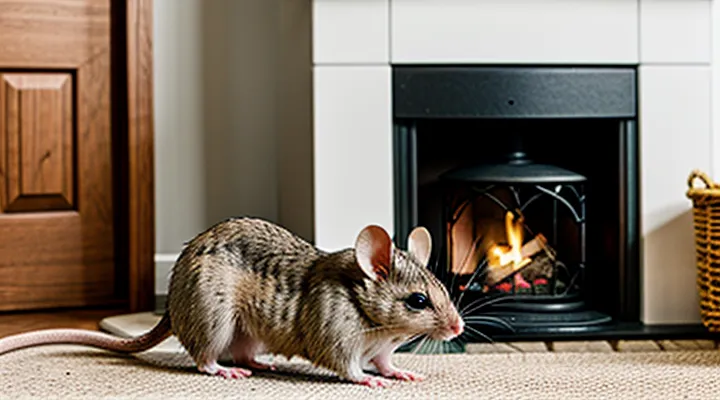
«Understanding Mouse Needs»
«Basic Requirements for a Mouse Habitat»
«Space and Dimensions»
When designing a mouse dwelling, space allocation determines comfort, safety, and enrichment. The enclosure must accommodate natural behaviors such as climbing, burrowing, and nesting while allowing easy cleaning and observation.
A functional layout separates three zones: a sleeping area, a foraging zone, and a climbing section. Each zone requires specific dimensions to prevent crowding and to promote activity.
- Minimum floor area: 600 cm² (approximately 90 mm × 70 mm). Larger footprints reduce stress and enable multiple enrichment items.
- Height: at least 200 mm to permit vertical movement and placement of ladders or tubes.
- Nesting compartment: 120 mm × 120 mm × 80 mm, providing sufficient space for bedding and a secure retreat.
- Foraging arena: 300 mm × 200 mm, allowing placement of food dishes, chew toys, and tunnels.
- Climbing structure: vertical elements 150–200 mm tall, spaced no more than 50 mm apart to support small paws.
The enclosure’s overall volume should exceed 30 liters, ensuring adequate air circulation and temperature stability. Materials must be rigid enough to maintain shape; acrylic or polycarbonate panels prevent deformation under the weight of bedding and accessories.
Clearances around the enclosure facilitate routine maintenance. A gap of at least 25 mm between the cage and surrounding surfaces allows safe handling of mice and quick removal of waste.
By adhering to these spatial parameters, the habitat supports physiological needs, encourages natural activity, and simplifies caretaker responsibilities.
«Ventilation and Airflow»
A mouse enclosure must allow fresh air to enter and stale air to exit continuously. Stagnant air promotes respiratory problems and encourages mold growth, which endangers the health of the animals.
Air exchange should reach at least 5–10 room volumes per hour. Achieve this by installing ventilation slots or mesh panels on opposite walls, creating a cross‑draft. Each opening must be no larger than 1 cm² per 100 cm³ of cage volume to prevent escape while ensuring sufficient flow.
- Cut rectangular vents (5 mm × 20 mm) into the side walls, covering them with stainless‑steel mesh.
- Use a small, low‑noise fan to boost circulation when ambient temperature is low.
- Position vents near the top of the enclosure for warm air to rise and exit, while cooler air enters near the bottom.
Inspect mesh screens weekly for debris or droppings that could block airflow. Clean openings with a soft brush and mild soap solution, then rinse thoroughly. Replace damaged mesh promptly to maintain the integrity of the ventilation system.
Consistent airflow, combined with regular cleaning, creates a stable microclimate that supports the well‑being of pet mice and preserves the comfort of their habitat.
«Safety Considerations»
When constructing an enclosure for pet mice, safety must be the primary focus. Every element, from the frame to the interior furnishings, should be evaluated for potential hazards that could harm a small rodent.
- Use untreated, non‑toxic wood such as pine or maple; avoid pressure‑treated lumber, cedar, and aromatic oils that can irritate respiratory passages.
- Select wire mesh with a gauge no larger than 1 mm; larger openings allow escape and increase injury risk.
- Ensure all connections are welded or securely fastened; loose bolts or nails can become projectiles.
- Apply a water‑based, low‑VOC sealant to surfaces that may contact the mice; solvent‑based finishes emit fumes that are lethal in confined spaces.
Structural integrity prevents collapse and entrapment. The frame should support the weight of bedding, nesting material, and the mice themselves without flexing. Corners and edges must be rounded or covered with soft material to eliminate sharp points. Verify that doors and tunnels latch firmly, eliminating gaps where a mouse could become stuck.
Environmental safety includes temperature regulation, ventilation, and humidity control. Maintain ambient temperature between 18 °C and 24 °C; extreme heat or cold stresses the animal’s metabolism. Provide continuous airflow through the mesh, but shield against drafts that could cause chilling. Keep humidity below 60 % to prevent mold growth on bedding and wood, which poses respiratory hazards.
Regular inspection completes the safety protocol. Check for wear on mesh, deterioration of sealants, and accumulation of droppings that could foster bacterial growth. Replace compromised components promptly to sustain a secure, comfortable habitat for the mice.
«Choosing Materials»
«Safe and Non-Toxic Options»
«Natural Materials»
When constructing a comfortable enclosure for small rodents, choose materials that mimic the textures and scents of their natural environment. Untreated hardwood, such as pine or birch, provides sturdy walls and platforms while allowing the scent of fresh wood to permeate the interior. Avoid pressure‑treated or painted lumber, which can release harmful chemicals.
Soft bedding options include dried wheat straw, shredded paper, and untreated cotton fibers. These substrates retain heat, absorb moisture, and can be replaced easily. Layer a thin sheet of natural bark on the floor to add tactile variety and encourage nesting behavior.
Ventilation openings should be covered with fine natural mesh, such as cotton gauze, to prevent drafts while maintaining airflow. Secure mesh with non‑toxic, water‑based glue or natural twine to avoid sharp edges.
Key natural components
- Solid, untreated wood for structural elements
- Natural bark strips for climbing and nesting surfaces
- Wheat straw or shredded paper for bedding
- Untreated cotton or linen for lining and mesh covers
All selected items must be free of synthetic dyes, preservatives, or adhesives containing volatile compounds. Regularly inspect for mold, rot, or fraying, and replace compromised pieces promptly to preserve a safe, inviting habitat.
«Avoidance of Harmful Substances»
Creating a comfortable enclosure for pet mice requires strict exclusion of toxic materials. Even trace amounts of harmful chemicals can cause respiratory irritation, liver damage, or behavioral changes in small rodents. Selecting safe components from the outset eliminates the need for corrective measures later.
- Lead‑based paints and varnishes
- Polyvinyl chloride (PVC) flooring or tubing containing phthalates
- Acrylic adhesives with solvent fumes
- Treated wood treated with chromated copper arsenate (CCA) or pressure‑treated preservatives
- Foam insulation that releases formaldehyde or volatile organic compounds (VOCs)
- Synthetic fibers that shed micro‑particles, such as certain polyester felts
Replace these items with proven alternatives: water‑based, zero‑VOC paints; untreated, kiln‑dried hardwood or solid pine; silicone or hot‑glue adhesives free of solvents; natural fiber bedding like shredded paper or aspen shavings; and non‑toxic, washable glass or acrylic panels. Verify product safety data sheets before purchase and prefer items labeled “food‑grade” or “pet‑safe”.
Regular cleaning prevents accumulation of residues. Wash all surfaces with a mild, unscented detergent, rinse thoroughly, and dry before reassembly. Inspect for wear or discoloration weekly; replace compromised parts immediately to maintain a toxin‑free environment.
«Durability and Ease of Cleaning»
Select materials that resist gnawing, moisture, and wear. Solid hardwood, untreated pine, and high‑density polymer panels provide structural integrity while tolerating the constant activity of small rodents. Avoid low‑grade particle board and soft plastics that deform under bite pressure.
Incorporate smooth, non‑porous surfaces to simplify sanitation. A single‑piece floor panel eliminates seams where debris accumulates. Removable roof panels allow quick access for spot cleaning and full‑wash procedures. Design openings with rounded edges to prevent dirt buildup and to facilitate tool insertion.
Key considerations for durability and maintenance:
- Material hardness – minimum Brinell rating of 40 for wooden components.
- Water resistance – apply food‑grade sealant to all exposed wood.
- Modular construction – use snap‑fit joints that can be detached without tools.
- Surface finish – choose matte, washable paint rather than glossy coatings that attract dust.
Regular cleaning routine: wipe interior with a damp cloth weekly, replace bedding weekly, and perform a thorough wash with mild soap monthly. Ensure all detachable parts are dried completely before reassembly to avoid mold growth.
«Designing the Layout»
«Essential Zones»
«Sleeping Area»
The sleeping area gives mice a secure spot for rest and thermoregulation. Design it to be enclosed, quiet, and insulated from drafts.
- Size: minimum floor space 10 × 10 cm per mouse; larger enclosures reduce stress.
- Materials: untreated wood, cardboard, or thick paper bedding; avoid scented or chemically treated items.
- Bedding: shredded paper or aspen shavings, 2–3 cm deep; replace weekly to maintain hygiene.
- Entrance: small tunnel or flap no larger than 2 cm in diameter; prevents predators and limits escape.
Place the sleeping compartment in a low‑traffic corner of the cage, away from food dishes and water bottles. Ensure the temperature stays between 18‑24 °C; add a thin layer of fleece or cotton if ambient conditions drop below 18 °C. Clean the interior by removing soiled bedding, wiping surfaces with a mild, unscented solution, and fully drying before adding fresh material.
Regular observation of mouse behavior confirms the area meets comfort requirements. Adjust dimensions, bedding depth, or location if mice spend excessive time outside the enclosure or exhibit signs of cold stress.
«Eating and Drinking Station»
A well‑designed eating and drinking station is essential for a comfortable mouse habitat. Position the station away from the nest to keep food dry and prevent spills from contaminating bedding. Use a sturdy, chew‑resistant platform that can be secured to the cage walls or floor.
Key components:
- Small ceramic or stainless‑steel bowl for water, placed on a sloped holder to reduce splash.
- Shallow, detachable dish for dry food, easy to clean and refill.
- Non‑toxic, easy‑to‑wipe surface for both bowls, such as acrylic or glass.
- Optional silicone mat beneath the bowls to catch crumbs and absorb moisture.
Maintain hygiene by cleaning the bowls daily with warm water and mild soap, then rinsing thoroughly. Replace water at least twice a day to ensure freshness. Rotate the food dish every few days to prevent mold growth.
Integrate the station with enrichment items, such as a wooden chew block nearby, to encourage natural foraging behavior while keeping the feeding area tidy. This arrangement supports health, minimizes waste, and contributes to a stable, inviting environment for pet mice.
«Play and Exercise Space»
A dedicated play and exercise area supplies the physical and mental stimulation required for healthy pet mice. The space should be separate from sleeping zones, yet easily reachable through a short tunnel or opening.
Design the enclosure with dimensions that allow at least 500 cm² of floor space per mouse. Use solid‑bottom platforms made of untreated pine or acrylic, and line the floor with non‑absorbent, chew‑safe material such as paper‑based bedding. Provide a vertical component—such as a climbing wall or ladder—so the animals can move between levels.
Include the following enrichment items:
- A running wheel of appropriate size (diameter ≥ 7 cm, solid surface, no wire mesh)
- Tubes and PVC pipes of varying diameters for tunneling
- Hammocks or fabric strips suspended from the top for hanging
- Small wooden blocks and chew sticks for gnawing
- Puzzle feeders that release seeds when manipulated
Rotate items weekly to maintain novelty and prevent habituation. Ensure all objects are free of sharp edges and securely attached to avoid accidental collapse. Regular cleaning of the play area, combined with fresh bedding, preserves hygiene and reduces the risk of disease.
«Hiding Spots»
A well‑designed mouse enclosure should include multiple concealed areas where the animals can retreat from activity and feel secure. These hiding spots mimic natural burrows, reduce stress, and encourage natural foraging behavior.
- Use untreated wooden blocks with drilled cavities of 1–2 cm diameter; smooth edges prevent injury.
- Provide ceramic tubes of 1 cm inner diameter, cut to 5–8 cm length, sealed with non‑toxic silicone.
- Stack layers of shredded paper or tissue, forming a dense nest that can be reshaped by the mice.
- Incorporate small PVC pipe sections, capped at both ends, positioned vertically against the cage wall.
Placement matters: locate each hideaway near the cage’s corners, away from heavy traffic zones, and ensure at least one option is partially submerged in a shallow water dish for humidity control. All materials must be free of paints, varnishes, or adhesives that could release toxins.
Regular inspection guarantees structural integrity; replace any compromised components promptly. A varied array of concealed spaces promotes natural exploratory patterns and contributes to a stable, comfortable habitat for pet mice.
«Multi-Level Structures»
Multi‑level structures expand the usable area of a mouse habitat without increasing floor footprint, allowing individuals to explore vertical space while remaining protected from predators. The design mimics the natural burrow systems of wild mice, encouraging climbing, nesting, and foraging behaviors that contribute to physical health and mental stimulation.
Sturdy, non‑toxic materials such as untreated pine, acrylic sheets, and stainless‑steel mesh provide durability and ease of cleaning. Each platform should be at least 4 inches (10 cm) wide, with gaps no larger than ¼ inch (6 mm) to prevent escape. Secure connections using non‑abrasive fasteners prevent squeaking and maintain structural integrity.
Construction sequence
- Install a base platform anchored to the cage floor; verify levelness.
- Attach vertical supports at intervals of 2–3 inches (5–7 cm).
- Mount secondary platforms on the supports, alternating height by 2–3 inches (5–7 cm).
- Add ramps or angled bridges between platforms; ensure a slope of no more than 30°.
- Integrate enclosed tunnels and hideouts on each level; line interiors with soft bedding.
- Finish with a detachable roof segment for easy access during cleaning.
Regular maintenance includes weekly removal of debris, inspection of fasteners for loosening, and replacement of worn bedding. Disinfect surfaces with a diluted enzymatic cleaner, avoiding harsh chemicals that could harm the mice. Properly assembled multi‑level structures remain stable for months, providing a compact yet enriching environment for pet mice.
«Accessibility for Cleaning and Interaction»
Design a mouse habitat with large, hinged panels that open fully without tools. Position panels at opposite sides to create a clear aisle for hand‑free cleaning. Use lightweight, non‑toxic acrylic for walls; it tolerates frequent washing and resists scratches.
Integrate removable flooring sections that slide out on rails. Each section should be no larger than 10 cm × 10 cm to allow a single hand to lift it safely. Secure the rails with snap‑fit connectors that lock automatically when the floor returns to place, preventing accidental gaps.
Facilitate interaction by installing low‑profile ramps and ladders that reach the floor level. Ensure all climbing elements have smooth edges and a diameter of at least 1 cm, providing a comfortable grip for tiny paws. Place feeding stations and water dispensers on the same plane as the floor to eliminate the need for the mouse to climb while eating or drinking.
Key accessibility features:
- Hinged side panels with quick‑release latches
- Sliding floor tiles on reinforced tracks
- Rounded ramps and ladders with 1 cm diameter rungs
- Ground‑level feeding and hydration points
- Transparent walls for visual monitoring without disturbance
Maintain a cleaning routine of weekly removal of floor tiles, rinsing with warm water, and disinfecting with a diluted vinegar solution. After each cleaning cycle, inspect all hinges and connectors for wear, tightening or replacing as needed to preserve structural integrity and safe access.
«Adding Comfort and Enrichment»
«Bedding Materials»
«Safe Bedding Choices»
Safe bedding directly influences mouse health, temperature regulation, and waste management. Select materials that are absorbent, dust‑free, and chemically inert.
- Untreated paper pulp (e.g., shredded tissue paper) – high absorbency, low dust, easy to replace.
- Aspen shavings – soft, low aromatic oils, suitable for nesting.
- Coconut fiber (coir) – natural, breathable, provides texture for burrowing.
- Hemp bedding – sturdy, minimal scent, biodegradable.
When choosing bedding, evaluate moisture‑wicking capacity, particle size, and availability of clean sourcing. Replace soiled layers weekly to prevent ammonia buildup; sterilize reusable substrates by baking at 180 °C for 30 minutes before reuse. Maintain a depth of 2–3 cm to allow nesting without compromising airflow.
Avoid cedar, pine, or scented wood products; volatile oils in these woods cause respiratory irritation and liver stress. Reject cotton fibers treated with chemicals, as they can release toxins when chewed. Ensure all bedding is free from mold, insects, and foreign debris before placement in the enclosure.
«Depth of Bedding»
A proper bedding depth provides mice with material for nesting, insulation, and waste absorption. Insufficient depth forces the animal to dig into the cage floor, increasing stress and the risk of injury. Excessive depth retains moisture, promotes bacterial growth, and complicates cleaning.
For most indoor enclosures, a bedding layer between 2 and 3 inches (5–7.5 cm) meets the needs of adult mice. This range allows the construction of stable nests while keeping the substrate dry enough for regular spot‑cleaning. Juvenile mice may benefit from the upper end of the range to facilitate burrowing practice.
- Paper‑based bedding: 2.5–3 inches (6–7.5 cm) – high absorbency, low compaction.
- Wood shavings (aspen, pine, or cedar‑free): 2–2.5 inches (5–6 cm) – moderate absorbency, requires frequent replacement.
- Corncob or hemp fibers: 2–2.5 inches (5–6 cm) – good insulation, occasional dust buildup.
Depth adjustments should respond to environmental humidity and the frequency of cage cleaning. If the substrate feels damp after a cleaning cycle, reduce the layer by half an inch and increase the interval between full substrate changes. Conversely, during colder months, add up to a half‑inch to improve thermal comfort.
Regular monitoring of bedding condition prevents odor buildup and supports the health of the mice. Replace only the soiled portion when possible; a full substrate refresh every 2–4 weeks maintains optimal dryness and reduces the likelihood of respiratory irritation.
«Toys and Stimuli»
«Chew Toys»
Chew toys are a fundamental element in designing a comfortable enclosure for pet mice. They satisfy the natural gnawing instinct, protect cage components, and provide mental stimulation.
Materials suitable for mouse chew toys include untreated hardwood, natural fibers, and safe plastics. Hardwood such as apple, willow, or hazel offers durability and a pleasant aroma. Natural fibers like untreated cotton rope or sisal strips break down gradually, encouraging regular replacement. Non‑toxic plastics, for example, acrylic tunnels, give a hard surface without splintering.
Key considerations when selecting chew toys:
- Size: pieces must be small enough for a mouse to grasp yet large enough to prevent accidental ingestion.
- Texture: a mix of smooth and rough surfaces promotes varied chewing patterns.
- Placement: distribute toys throughout the habitat to encourage movement and exploration.
- Safety: avoid painted, treated, or chemically scented items that could harm the animal.
Maintenance involves inspecting toys daily for wear, removing splinters, and rotating items weekly to sustain interest. Replace heavily worn pieces promptly to prevent injuries.
Integrating chew toys with other habitat features—nesting material, climbing structures, and hiding spots—creates a balanced environment where mice can exhibit natural behaviors while remaining safe and content.
«Tunnels and Mazes»
Designing tunnels and mazes is essential for a mouse enclosure that promotes exploration and exercise while preserving comfort.
Select materials that resist gnawing and are easy to clean. Solid hardwood blocks, untreated pine, and acrylic tubes provide durability and a natural appearance. Avoid plastics that emit odors or release harmful chemicals.
Determine tunnel diameter based on adult mouse size: an internal clearance of 1.5 cm ensures free movement without risk of entrapment. Lengths of 15–30 cm create a sense of depth; longer sections can be curved to simulate burrows.
Construct a maze layout that balances complexity with safety. Follow these steps:
- Sketch a basic floor plan with one entrance, several branching paths, and a single exit.
- Integrate dead‑end sections to encourage problem‑solving, but keep the total path length under 2 m to prevent fatigue.
- Place resting platforms—small wooden platforms or hammocks—at regular intervals (every 30–40 cm) to allow recovery.
- Seal all joints with non‑toxic silicone to prevent gaps where bedding could accumulate.
Incorporate removable sections for cleaning. Design each tunnel segment with a snap‑fit or slide‑in mechanism; this allows quick disassembly, thorough sanitation, and replacement of worn pieces.
Provide enrichment within the maze by attaching chewable elements such as untreated cardboard rolls or natural twine. Position these items near corners where mice are likely to linger, encouraging gnawing behavior and dental health.
Maintain proper ventilation by aligning tunnel openings with the enclosure’s airflow system. Ensure that any acrylic sections are vented with small perforations (≈2 mm) to avoid condensation while preserving structural integrity.
Regularly inspect tunnels for sharp edges, loose fittings, or signs of wear. Replace compromised components promptly to prevent injuries.
By adhering to these specifications, the tunnel and maze network becomes a functional, stimulating core of a mouse habitat, contributing to both physical well‑being and mental engagement.
«Climbing Opportunities»
Climbing structures give pet mice a chance to exercise natural vertical movement, reduce stress, and explore their environment. Incorporating varied heights and textures creates a dynamic enclosure that encourages activity and improves overall health.
- Wooden dowels (1‑2 cm diameter) inserted at an angle provide secure ladders. Space dowels 3‑4 cm apart to accommodate small paws.
- Rope bundles twisted from natural fibers can be tied between opposite walls, forming a suspended bridge. Secure knots with non‑toxic silicone glue.
- Stacked ceramic tiles with rough surfaces act as stepping platforms. Arrange tiles in a staggered pattern, leaving gaps of 2‑3 cm to prevent falls.
- Plastic tubes (5‑10 cm long) cut lengthwise create half‑tunnels that double as climbing rails when placed horizontally.
Installation guidelines:
- Anchor each element to the cage frame using stainless‑steel screws or zip ties to avoid wobble.
- Position the highest structure no more than 10 cm above the floor, allowing mice to reach it safely.
- Ensure all materials are untreated, free of paint, and free of sharp edges.
- Rotate or replace components weekly to maintain novelty and prevent wear.
Safety considerations:
- Verify that all connections can bear the weight of multiple mice without bending.
- Inspect ropes and tubes for fraying; replace damaged pieces immediately.
- Keep climbing zones clear of food and water dishes to avoid contamination.
A well‑planned set of climbing opportunities transforms a simple habitat into an engaging, multi‑level environment that supports the physical and mental well‑being of pet mice.
«Food and Water Dispensers»
A reliable food dispenser prevents spillage, controls portion size, and limits exposure to contaminants. Choose a model with a sealed lid, smooth interior surfaces, and a low‑profile opening that matches the mouse’s snout size. Plastic or stainless‑steel containers with airtight seals maintain freshness for weeks, while transparent walls allow quick visual checks of remaining supply.
A water bottle equipped with a stainless‑steel sipper tube delivers clean water without pooling. Select a bottle that clamps securely to the cage wall, keeping the tube at a 45‑degree angle to prevent backflow. Replace the sipper tip every 2–3 months to avoid biofilm buildup. Position the bottle opposite the food dispenser to encourage balanced foraging behavior.
Key considerations for both devices:
- Capacity: 50 ml for food, 100 ml for water per mouse; larger volumes suit multi‑mouse enclosures.
- Material: BPA‑free plastic or food‑grade stainless steel.
- Mounting: Adjustable brackets compatible with standard cage dimensions.
- Cleaning: Disassemble in under 5 minutes; dishwasher‑safe components reduce labor.
- Monitoring: Include a graduated scale on the container to track consumption trends.
Proper installation and regular maintenance of these dispensers ensure consistent nutrition, reduce waste, and support a stable, comfortable environment for pet mice.
«Assembly and Setup»
«Step-by-Step Construction»
Creating a comfortable mouse habitat requires precise planning and execution. Begin by measuring the available space and selecting a container that offers adequate floor area, ventilation, and secure lids. Acrylic or sturdy plastic enclosures of 30 × 30 × 30 cm provide a balanced environment for a small colony.
- Frame assembly – Cut wooden or PVC strips to the measured dimensions. Join corners with non‑toxic glue or small brackets, ensuring the frame remains square. Attach a removable top panel for easy cleaning.
- Floor preparation – Line the base with a 2‑cm layer of absorbent bedding, such as aspen shavings or paper pulp. Distribute evenly to avoid compacted spots that could impede movement.
- Insulation and warmth – Place a thin sheet of fleece or cotton fabric beneath the bedding to retain heat. For colder climates, incorporate a low‑wattage ceramic heat pad, secured to the side wall and set to a maximum of 30 °C.
- Structural enrichment – Install climbing tubes, tunnels, and a small platform using untreated wood. Secure each element with stainless‑steel screws to prevent accidental collapse.
- Hiding spots – Add ceramic or mineral blocks and small cardboard houses, positioning them in opposite corners to encourage natural foraging behavior.
- Ventilation – Drill two to three 1‑cm holes near the upper side of each wall, covering them with fine mesh to allow airflow while keeping the mice safe.
- Final inspection – Verify that all joints are stable, no sharp edges remain, and the enclosure is free of toxic residues. Test the lid for a snug fit to prevent escapes.
After construction, place the enclosure in a quiet area away from direct sunlight and drafts. Provide fresh water, a balanced pellet diet, and rotate enrichment items weekly to maintain interest and health. Regular cleaning of the bedding and inspection of structural components will preserve the habitat’s integrity over time.
«Initial Placement in the Home»
Place the enclosure in a quiet, low‑traffic area of the home. Avoid direct sunlight, drafts, and proximity to heating or cooling vents, as temperature fluctuations stress small rodents. Choose a surface that can support the weight of the cage and any accessories without wobbling.
Select a location with easy access for daily cleaning and feeding. Position the cage near a power outlet if supplemental heating or lighting is required, but keep cords out of reach to prevent chewing. Ensure the area allows a clear line of sight from the owner’s regular sitting places, facilitating observation without disturbing the mice.
When setting up the interior, follow these steps:
- Lay a thin layer of absorbent, dust‑free bedding (e.g., shredded paper or aspen) to absorb waste and provide nesting material.
- Add at least one enclosed hideout made of solid wood or ceramic to give the animals a secure retreat.
- Place a solid platform or climbing structure near the back wall to encourage vertical activity.
- Position food and water containers on the same side of the cage to reduce spillage and maintain hygiene.
Maintain a stable ambient temperature of 68–75 °F (20–24 °C) and a relative humidity of 40–60 %. Monitor the enclosure for signs of condensation or overheating, adjusting placement as needed. Regularly check that the cage remains level and that all accessories stay securely attached.
«Introducing Your Mouse to Their New Home»
When a mouse first encounters its new enclosure, a calm, systematic approach reduces stress and encourages rapid adaptation. Begin by allowing the animal to explore the cage while the door remains partially open, so the mouse can enter and exit at will. Keep handling to a minimum during this initial period; the scent of the carrier and the novelty of the environment are sufficient stimuli.
Key steps for a smooth transition
- Prepare the habitat: Arrange bedding, hideaways, and climbing structures before the mouse arrives. Ensure all items are securely anchored to prevent collapse.
- Introduce scent cues: Place a small piece of the mouse’s previous bedding or a cotton ball scented with its own urine near the entrance. Familiar odors create a sense of continuity.
- Provide immediate access to water and food: Position bottles and feeders within arm’s reach of the entry point to eliminate the need for extensive movement at first.
- Limit disturbances: Dim ambient light and silence loud noises for the first 24 hours. Gradually re‑introduce normal household sounds once the mouse shows signs of exploration.
- Observe behavior: Look for natural activities such as nesting, gnawing, and climbing. Absence of these behaviors may indicate lingering anxiety, prompting a brief extension of the acclimation period.
After the mouse begins to move freely, gradually expand its use of the full cage by repositioning food, water, and enrichment items to encourage exploration of all zones. Consistent observation and minor adjustments ensure the enclosure becomes a secure, comfortable residence.
«Maintenance and Care»
«Regular Cleaning Schedule»
A regular cleaning routine preserves the health of small rodents and maintains the comfort of their enclosure. Clean the habitat at least once a week; increase frequency to three times weekly during breeding periods or when the mice are ill.
- Remove all bedding, discard soiled material, and replace with fresh, dust‑free substrate.
- Wash the cage, accessories, and feeding dishes with warm water and a mild, unscented soap; rinse thoroughly to eliminate residue.
- Disinfect using a solution of one part white vinegar to four parts water or a pet‑safe disinfectant; allow a five‑minute contact time, then rinse again.
- Dry all components completely before reassembly to prevent mold growth.
- Re‑add clean bedding, fresh food, and water; inspect for damage or wear and replace worn items promptly.
Document each cleaning session in a simple log, noting date, observations (e.g., odor, droppings, signs of wear), and any corrective actions taken. Consistent record‑keeping helps identify patterns that may require adjustments to the schedule or habitat design.
«Monitoring for Wear and Tear»
Regular inspection is essential for preserving the structural integrity of a small rodent enclosure. Examine the cage frame, wire mesh, and plastic components at least once a week. Look for rust, bent wires, cracked panels, or loose screws. Replace any compromised part before it threatens the safety of the animals.
Key indicators of deterioration include:
- Discoloration or flaking of paint on metal surfaces
- Frayed or chewed bedding material that exposes underlying structures
- Unusual noises when the cage is moved, suggesting loose joints
- Accumulation of moisture in corners, which can accelerate corrosion
Maintain a simple log to track observations. Record the date, inspected element, condition, and corrective action taken. This documentation helps identify patterns, such as recurring wear on a specific corner, and informs future material choices.
Preventive measures reduce the need for major repairs. Use rust‑resistant wire, secure all fasteners with lock washers, and line the floor with washable, waterproof liners. Periodically apply a thin coat of non‑toxic sealant to metal parts to inhibit oxidation.
When wear becomes evident, act promptly. Remove damaged sections, clean the surrounding area with a mild disinfectant, and install replacement components that match the original specifications. Verify that the new parts fit securely and do not create gaps that could allow escape or injury.
A disciplined monitoring routine, combined with immediate repairs, ensures the mouse habitat remains a safe, comfortable environment for its occupants over the long term.
«Adjusting the Environment for Comfort»
Creating a comfortable habitat for pet mice requires precise environmental adjustments. Each factor influences the animal’s physiological stability and behavioral wellbeing.
Maintain temperature between 18‑24 °C (64‑75 °F) and relative humidity at 40‑60 %. Use a thermostat‑controlled heater for cold periods and a humidifier or ventilation system to prevent excessive dryness. Monitor conditions with a digital hygrometer and adjust promptly.
Select bedding that provides insulation, absorbency, and softness. Aspen shavings, paper pellets, or untreated cotton fibers meet these criteria. Replace soiled material weekly to avoid ammonia buildup and maintain a dry surface for nesting.
Provide a consistent light cycle that mimics natural daylight, typically 12 hours of light followed by 12 hours of darkness. Install a low‑intensity LED timer to prevent abrupt changes that could stress the mice. Shield the enclosure from direct sunlight to avoid overheating.
Reduce ambient noise and vibrations. Place the cage on a stable surface away from loud appliances, and use rubber pads under the stand to dampen vibrations from foot traffic.
Enhance safety and enrichment through the following measures:
- Secure all openings with fine mesh to prevent escape.
- Install climbing structures (e.g., wooden branches, plastic tunnels) at varying heights.
- Offer chewable items (untreated wood blocks, mineral chews) to promote dental health.
- Arrange food and water dispensers at accessible locations to minimize competition.
Regularly inspect the enclosure for signs of wear, mold, or temperature fluctuations. Prompt corrective actions preserve the comfort and health of the mice.