
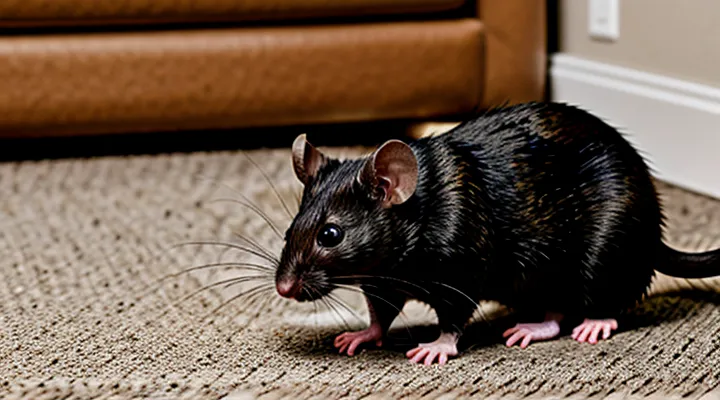
Understanding the Rat Problem in Private Homes
Signs of Rat Infestation
Droppings and Urine Trails
Droppings and urine trails provide the most reliable evidence of rodent activity in a residence. Fresh, dark‑brown pellets, typically 0.5–1 cm long, appear near food sources, along walls, and under appliances. Urine leaves a faint, oily residue that becomes visible when illuminated with a black‑light; it also produces a characteristic ammonia odor. Identifying the exact locations of these signs allows precise placement of control measures, reducing the number of products needed and limiting exposure to non‑target areas.
Key considerations for product selection based on droppings and urine trails:
- Bait stations: Position near clusters of pellets or along visible urine lines. Use tamper‑resistant units to protect children and pets.
- Snap traps: Place perpendicular to the trail, with the trigger end facing the direction of movement. Aim for high‑traffic zones such as behind cabinets or inside wall voids.
- Electronic traps: Install where urine marks indicate repeated runs. These devices deliver a lethal shock and allow easy disposal.
- Rodent‑specific disinfectants: Apply to surfaces stained with urine after removal of the infestation. Products containing enzymatic cleaners break down odor compounds, preventing re‑infestation.
Cleaning protocols reinforce the effectiveness of extermination products. Wear gloves and a mask, collect droppings with a disposable scoop, and disinfect the area before setting traps. After removal, re‑inspect the same spots for fresh signs; persistence of droppings or urine indicates that additional devices may be required.
By correlating the distribution of fecal pellets and urine tracks with targeted control tools, homeowners achieve faster eradication and maintain a safer indoor environment.
Gnaw Marks
Gnaw marks are the most reliable visual clue of rat activity inside a residence. They appear as clean, parallel cuts on wood, plastic, wiring insulation, and furniture. The width of each groove matches the rodent’s incisors, typically 2–5 mm, and the depth indicates the amount of pressure applied. Fresh marks have sharp edges and may be accompanied by shredded material; older ones become rough and may show signs of weathering.
Location of gnaw marks helps pinpoint the infestation route. Marks on structural beams suggest entry points, while those on electrical cables warn of potential fire hazards. Marks on pantry containers signal food‑seeking behavior. Identifying these patterns allows targeted placement of control measures, reducing product waste and exposure risk.
Effective control products should be positioned where gnaw marks are most frequent:
- Snap traps with stainless‑steel jaws, placed perpendicular to the gnaw line.
- Multi‑catch traps featuring a hinged door, suitable for high‑traffic corridors.
- Anticoagulant bait stations, secured near gnawed wiring or baseboards.
- Enclosed bait blocks containing bromadiolone, positioned behind gnawed panels.
- Ultrasonic emitters, installed in rooms where gnaw marks appear on furniture.
When deploying these tools, ensure they are set a few centimeters away from the visible groove, aligning with the rat’s natural travel path. Regular inspection of gnaw marks confirms product effectiveness and indicates whether additional units are required.
Scratching Noises
Scratching noises heard at night or early morning typically indicate active rodent movement within walls, attics, or crawl spaces. The sound originates from rats gnawing on insulation, wiring, or structural timber as they create pathways and nesting sites.
Common locations include ceiling joists, under floorboards, and behind kitchen cabinets. Frequency increases when food sources are nearby or when temperature changes prompt rodents to seek shelter.
Effective control measures target the source of the noise and prevent further damage. Recommended products for a private residence are:
- Snap traps with spring‑loaded jaws, positioned along walls and near entry points; provide immediate cessation of activity.
- Electronic traps delivering a lethal shock, suitable for concealed areas where visual monitoring is difficult.
- Bait stations containing anticoagulant or non‑anticoagulant pellets, placed in dark corners and behind appliances to attract foraging rats.
- Ultrasonic repellents emitting high‑frequency sound waves, installed in attic and crawl‑space cavities to discourage movement.
- Expanding polyurethane foam sealant, applied to gaps around pipes, vents, and foundation cracks to block ingress and eliminate travel routes.
Deploy traps and bait stations in multiples, spacing them 2–3 feet apart along suspected pathways. Replace bait regularly and inspect traps daily to remove captured rodents. After eliminating the infestation, seal all identified openings with foam or metal mesh to prevent recurrence and eliminate future scratching sounds.
Risks Associated with Rat Infestations
Health Hazards
Rats in a home pose direct health threats, and the products used to eliminate them can introduce additional risks. Understanding these hazards is essential for safe pest management.
- Chemical toxicity – Rodenticides contain anticoagulants, neurotoxins, or phosphides that can cause severe poisoning if inhaled, absorbed through skin, or ingested accidentally. Children, pets, and non‑target wildlife are especially vulnerable.
- Secondary poisoning – Predators or scavengers that consume poisoned rodents may suffer lethal effects, extending the danger beyond the treated area.
- Rodent‑borne diseases – Live traps and bait stations can expose occupants to hantavirus, leptospirosis, salmonellosis, and other pathogens carried by rat urine, feces, or saliva.
- Environmental contamination – Improper placement of bait or disposal of dead rodents can pollute food surfaces, water supplies, and indoor air, leading to chronic exposure.
- Allergic reactions – Inhalation of dust from powdered baits or contact with liquid formulations may trigger respiratory irritation or skin sensitization.
Mitigation measures focus on containment, proper application, and exposure reduction:
- Choose products with the lowest effective toxicity level; anticoagulant baits require fewer applications than acute neurotoxins.
- Position bait stations out of reach of children and pets, using tamper‑proof containers and mounting them on walls or high shelves.
- Wear disposable gloves and a mask when handling any rodent control material; wash hands thoroughly after use.
- Seal all food, utensils, and waste in airtight containers before treatment to prevent accidental ingestion.
- Dispose of dead rodents in sealed bags and follow local hazardous waste guidelines to avoid contaminating household surfaces.
- Ventilate treated rooms for at least 30 minutes after applying sprays or dusts; avoid re‑entry until the label‑specified clearance time expires.
Adhering to these precautions minimizes the health hazards associated with rat eradication while preserving the effectiveness of the chosen control methods.
Property Damage
Rats gnaw wood, insulation, drywall and electrical wiring, producing holes, weakened structures and fire hazards. Damage often remains hidden behind walls, floors and ceilings, allowing infestations to expand unchecked.
Effective control measures must address both the existing damage and the risk of further deterioration. Products that reach concealed spaces, leave no corrosive residues and can be applied without compromising repaired areas are essential for a safe, lasting solution.
- Snap traps: deliver immediate kill, require no chemicals, suitable for locations where damage has exposed structural components.
- Electronic traps: kill instantly, emit no poison, safe for use near compromised wiring and sensitive equipment.
- Bait stations with sealed rodenticides: contain poison, prevent accidental contact with damaged surfaces, limit secondary contamination.
- Sealants and exclusion materials (steel wool, copper mesh, expanding foam): close entry points revealed by inspection, reinforce weakened openings and prevent re‑entry.
First, conduct a thorough inspection to document all compromised areas. Second, select the above products based on the specific damage profile. Third, apply exclusion measures after eradication to restore structural integrity and deter future infestations.
Choosing the Right Extermination Products
Bait Stations and Rodenticides
Types of Rodenticides
Effective rat control for homeowners relies on selecting the appropriate rodenticide class. Each class operates through a distinct toxic mechanism, influencing speed of action, secondary poisoning risk, and regulatory restrictions.
- Anticoagulants – inhibit blood clotting, causing fatal hemorrhage. First‑generation compounds (warfarin, chlorophacinone) require multiple feedings; second‑generation agents (bromadiolone, difenacoum) act after a single dose.
- Bromethalin – disrupts neural energy metabolism, leading to rapid paralysis and death. Suitable for indoor use where quick results are needed.
- Zinc phosphide – releases phosphine gas in the stomach, effective against resistant populations. Primarily applied outdoors due to strong odor and toxicity to non‑target species.
- Cholecalciferol (vitamin D3) – induces hypercalcemia, causing organ failure. Low secondary poisoning potential makes it preferable for areas with pets or children.
- Sodium fluoroacetate (1080) – interferes with cellular respiration, producing swift lethality. Restricted in many jurisdictions; typically reserved for severe infestations.
Safety protocols dictate sealed bait stations for indoor applications, placement of outdoor baits away from food preparation zones, and strict adherence to label dosage. Personal protective equipment and proper disposal of dead rodents minimize health hazards.
When choosing a product, prioritize a rodenticide class compatible with the infestation level, exposure risk, and local regulations. Second‑generation anticoagulants or bromethalin provide reliable indoor control, while zinc phosphide and cholecalciferol address outdoor challenges with reduced non‑target impact.
Safe Placement of Bait Stations
Bait stations are a core element of residential rat control programs, providing a contained delivery system for anticoagulant or bromadiolone products while minimizing exposure to non‑target organisms.
- Install stations along walls, 2–3 feet from the baseboard, where rats travel.
- Position devices behind appliances, under sinks, and in crawl spaces; avoid direct sunlight and excessive moisture.
- Secure stations to a solid surface using screws or heavy‑duty adhesive to prevent displacement by rodents.
- Maintain a minimum distance of 10 feet from food preparation areas, pet feeding stations, and children’s play zones.
- Use tamper‑resistant models in homes with small children or curious pets; lockable lids add an extra safety layer.
Select locations that intersect known rodent pathways but remain inaccessible to household members. Regularly inspect stations for damage, refill only when bait is depleted, and replace units that show signs of wear. Proper placement reduces the risk of accidental ingestion and enhances the effectiveness of the chosen rat‑control products.
Traps
Snap Traps
Snap traps provide a rapid, mechanical solution for removing rats from a domestic environment. The device consists of a spring‑loaded bar that delivers an instantaneous strike when the rodent triggers a trigger plate, ensuring immediate mortality and preventing prolonged suffering.
Effectiveness depends on proper baiting and strategic placement. Peanut butter, dried fruit, or small pieces of meat create a strong attractant. Position traps along walls, behind appliances, and within concealed pathways where rat activity signs—droppings, gnaw marks, or burrows—are evident. Align the trigger plate perpendicular to the wall to match the animal’s natural travel route.
Safety measures protect occupants and pets. Choose traps with a concealed trigger mechanism to reduce accidental activation. Keep traps out of reach of children, and wear disposable gloves when handling bait and captured specimens. After a catch, dispose of the carcass in a sealed bag and place it in an outdoor waste container.
Recommended models for residential use:
- Heavy‑duty wooden snap trap, 12 inches long, with a steel spring and adjustable trigger sensitivity.
- Plastic snap trap with a transparent case, allowing visual confirmation of a catch without exposing the spring.
- Multi‑trap set featuring a hinged base for rapid re‑setting, suitable for high‑infestation zones.
Regular maintenance prolongs trap performance. Inspect the spring for corrosion weekly; replace any damaged components. Reset traps after each successful capture to maintain continuous pressure on the rat population. Proper disposal and sanitation reduce the risk of disease transmission and discourage reinfestation.
Live Traps
Live traps offer a humane method for removing rats from a private residence. The device captures rodents without lethal injury, allowing release at a safe distance from the property.
Effective live traps share several characteristics: sturdy construction, secure locking mechanism, adequate interior size for adult rats, and a trigger system sensitive enough to activate with minimal movement. Models with transparent walls enable visual monitoring, reducing the need for frequent checks.
Placement determines capture success. Position traps along walls, near known runways, and close to food sources. Secure traps on flat surfaces to prevent tipping. Bait with high‑fat items such as peanut butter, dried fruit, or small pieces of meat to increase attractiveness.
Maintenance involves regular inspection, prompt removal of captured rats, and thorough cleaning with disinfectant to prevent disease transmission. Wear gloves when handling traps and released animals. Relocate captured rodents at least five miles from the home to discourage return.
Recommended live‑trap products for residential rat control:
- Havahart 1025 – 5‑inch entrance, all‑metal body, reinforced latch.
- Victor RLT2 – 4‑inch entrance, UV‑resistant plastic, built‑in bait holder.
- Kness 4‑in‑1 – dual‑entrance design, spring‑loaded door, easy‑release latch.
Select a trap that matches the size of the target rat population and fits the intended placement area. Proper use of live traps can achieve effective, non‑lethal rat management in a private house.
Glue Traps
Glue traps are a mechanical method for controlling rats inside a residence. They consist of a sticky surface that immobilizes rodents when they step onto the trap. The adhesive is formulated to remain effective for several weeks, even in low‑temperature conditions.
Key characteristics to consider when selecting glue traps:
- Size: Choose traps large enough to accommodate the body length of Norway rats (up to 30 cm). Smaller traps may capture only juveniles.
- Adhesive strength: High‑grade resin maintains tackiness after exposure to dust and moisture.
- Placement safety: Use tamper‑resistant containers or lockable boxes to prevent accidental contact by children or pets.
- Disposal method: Opt for traps with sealed release mechanisms that allow humane euthanasia and safe removal without direct handling of the dead animal.
Effective deployment follows a systematic approach. Identify high‑traffic pathways such as along walls, behind appliances, and near entry points. Position traps perpendicular to the wall, with the sticky side facing the expected travel direction. Replace traps promptly when they become saturated or after a successful capture, as reduced adhesion lowers efficacy.
Limitations include non‑lethal capture, which may be unsuitable for owners seeking immediate extermination, and the potential for secondary poisoning if a trapped rat is consumed by a predator. For comprehensive rat management, combine glue traps with exclusion techniques (sealing gaps) and, when necessary, professional baiting programs.
Natural and Less Toxic Alternatives
Essential Oils
Essential oils serve as a natural deterrent against rats in a residential setting. Their strong aromatic compounds interfere with rodents’ sensory perception, prompting avoidance of treated areas.
Key oils with documented repellent activity include:
- Peppermint oil – high menthol content causes irritation of the nasal passages.
- Eucalyptus oil – contains eucalyptol, which masks food odors.
- Clove oil – rich in eugenol, a potent irritant.
- Citronella oil – emits a citrus scent that repels rodents.
- Rosemary oil – possesses camphor and cineole, both deterrent agents.
Application methods:
- Soak cotton balls in undiluted oil and place them near entry points, burrows, and storage areas.
- Prepare a 5 % solution (5 ml oil per 95 ml water) with a few drops of mild surfactant; spray along walls, baseboards, and behind appliances.
- Use ultrasonic diffusers to disperse oil vapors in infested rooms, ensuring continuous operation for at least 12 hours daily.
Safety considerations:
- Keep treated cotton balls out of reach of children and pets.
- Avoid direct skin contact; wear gloves when handling concentrated oil.
- Do not apply oil to food surfaces or utensils.
Limitations:
- Essential oils repel but do not eliminate rats; persistence of the infestation requires traps or exclusion measures.
- Effectiveness diminishes after 48‑72 hours; replace treated media regularly.
- Heavy infestations may require professional pest control alongside oil treatment.
Integrating essential oils with structural sealing, proper waste management, and mechanical traps creates a comprehensive strategy for rodent control in a private house.
Ultrasonic Repellents
Ultrasonic repellents emit high‑frequency sound waves that are uncomfortable for rodents but inaudible to humans. The devices are powered by batteries or mains electricity and typically include a motion sensor that activates the signal when activity is detected.
Key characteristics for choosing an effective unit include:
- Frequency range of 30–50 kHz, which covers the hearing spectrum of most rat species.
- Adjustable timer or automatic shut‑off to conserve energy during periods of inactivity.
- Coverage area matching the size of the room or basement where infestations are observed.
- Certified safety standards to prevent interference with other electronic equipment.
Performance data from independent laboratory tests show that models with multi‑directional transducers achieve up to 85 % reduction in rat activity after a two‑week trial. Devices lacking a motion sensor often produce continuous emissions, resulting in habituation and diminished efficacy.
Recommended products for residential use:
- RatoGuard Ultra – 45 kHz frequency, 120 sq ft coverage, built‑in motion detector, 3‑year warranty.
- PestShield Pro – dual‑frequency output (30 kHz and 45 kHz), adjustable timer, plug‑in power source, CE certified.
- SilentRodent Defender – battery‑operated, 90 sq ft coverage, weather‑proof housing suitable for garages and sheds.
When deploying ultrasonic repellents, place units at least 12 inches off the floor and avoid obstacles that block sound propagation. Combine with proper sanitation and sealing of entry points for optimal control of rat populations in a private dwelling.
Application and Safety Considerations
Proper Product Application Techniques
Baiting Strategies
Effective rat control in a private residence relies on precise bait deployment. Selecting the appropriate attractant, positioning stations correctly, and maintaining vigilance after placement determine success.
Key factors include product formulation (block, pellet, or liquid), active ingredient concentration, resistance to non‑target exposure, and durability under indoor conditions. Placement must target established runways, near nesting sites, and along walls where rodents travel. Regular inspection ensures bait consumption, identifies avoidance, and guides replenishment.
- Use anticoagulant blocks with a minimum of 0.025 % active ingredient for long‑lasting protection; replace every 30 days or when visible damage occurs.
- Deploy quick‑acting grain‑based pellets in tamper‑proof stations near kitchen cabinets, pantry doors, and utility closets; monitor daily for reduced activity.
- Apply liquid bait in low‑traffic corners, sealing with a splash‑proof cover to prevent spillage; refresh weekly during peak infestation periods.
- Rotate active ingredients every 2–3 months to mitigate resistance development; maintain records of product types and dates applied.
- Position stations at least 12 inches above floor level in concealed gaps to reduce access by children and pets while remaining reachable for rodents.
Integrating baiting with exclusion measures—sealing entry points, removing food sources, and maintaining cleanliness—creates a comprehensive strategy that minimizes reinfestation risk. Continuous documentation of bait performance supports informed adjustments and sustained rodent suppression.
Trap Setting Best Practices
Effective rat control begins with proper trap placement and operation. Choose high‑traffic zones such as along walls, behind appliances, in attic corners, and near known droppings. Position traps perpendicular to the wall, with the entry side facing the baseboard, because rats travel close to surfaces. Avoid placing traps in open areas where rodents can bypass them.
Select bait that appeals to the target species. Preferred options include peanut butter, dried fruit, or small pieces of meat. Apply a thin layer to the trigger mechanism to ensure quick activation without obstructing movement. Replace bait regularly, especially if it dries or becomes contaminated.
When using snap traps, set the spring tension to the maximum recommended level and test the trigger before deployment. For electronic traps, verify battery charge and ensure the sensor plate is clean. Live‑catch traps require frequent inspection; release captured rats at least 100 meters from the residence to prevent re‑infestation.
Safety considerations are essential. Wear gloves when handling traps to avoid leaving human scent, which deters rodents. Place traps out of reach of children and pets, using protective covers or securing them to furniture legs. Label each trap with a date to track exposure time.
Monitoring and maintenance sustain effectiveness. Check traps daily; remove dead rats promptly to prevent odor buildup that may discourage further captures. Clean and disinfect trap surfaces after each use to maintain functionality. Rotate trap locations weekly to cover new activity zones and prevent rats from learning avoidance patterns.
Implementing these practices maximizes the performance of recommended rat‑control devices in a private residence, ensuring rapid reduction of infestations while minimizing risk to occupants.
Safety Precautions for Product Use
Protecting Children and Pets
When choosing rodent‑control solutions for a residence, prioritize formulations that do not endanger children or household animals.
Key safety criteria include:
- Low toxicity to mammals; products labeled as “non‑poisonous” or “pet‑safe.”
- Secure, tamper‑resistant packaging that prevents accidental ingestion.
- Absence of strong odors or irritants that could affect sensitive respiratory systems.
- Clear labeling of active ingredients and hazard warnings.
Effective, child‑ and pet‑friendly options are:
- Snap traps with enclosed trigger mechanisms that reduce accidental contact.
- Electronic traps that deliver a rapid, humane kill without chemicals.
- Bait stations equipped with lockable lids, limiting access to authorized adults.
- Natural repellents containing peppermint oil or ultrasonic devices, which deter rodents without toxic agents.
Safe deployment practices:
- Install devices out of reach of curious hands and paws, such as behind appliances or in sealed utility closets.
- Verify that bait stations are locked after each use and inspect them regularly for tampering.
- Maintain ventilation when applying any chemical treatment, and keep the area vacant until the product has dried or settled.
- Store all rodent‑control materials in a locked cabinet separate from food supplies and pet items.
Adhering to these guidelines protects vulnerable family members while ensuring effective rat management in a private home.
Handling and Disposal of Products
Effective management of rodent‑control agents begins with safe handling and ends with responsible disposal. Mishandling can expose occupants to toxic residues, while improper discarding may contaminate soil and water.
Before application, wear chemical‑resistant gloves, a mask rated for particulate matter, and eye protection. Store all products in their original containers, sealed tightly, and keep them out of reach of children and pets. Do not mix different formulations; chemical reactions can produce hazardous vapors.
Dispose of unused or expired materials according to the following procedure:
- Transfer remaining product into a sealed, labeled, leak‑proof container.
- Contact the local hazardous‑waste authority to obtain collection instructions or drop‑off locations.
- If a municipal collection program is available, place the sealed container in the designated hazardous‑waste bin; do not place it in regular trash.
- Clean the original packaging with water and detergent, then rinse thoroughly before recycling according to local guidelines.
- Record the disposal date, method, and any relevant receipt numbers for future reference.
After removal of rodent‑infestation devices, vacuum the treated area with a HEPA filter, then mop surfaces with a mild detergent solution. Allow the area to dry completely before re‑entering. These steps minimize residual exposure and protect the indoor environment.
Post-Extermination Measures
Cleaning and Sanitation
Effective rat management in a private residence relies on rigorous cleaning and sanitation. Eliminating food residues, spilled grain, and standing water removes the primary attractants that sustain rodent populations. Sweep floors, wipe countertops, and vacuum behind appliances daily; store dry goods in airtight containers; and dispose of garbage in bins with tight‑fitting lids.
Sanitation also supports the performance of chemical and mechanical control agents. When surfaces are free of debris, bait stations maintain contact with target rodents, reducing the likelihood of bait avoidance. Likewise, traps operate more reliably on uncluttered floors, where rats cannot hide or escape easily.
Implement these practices systematically:
- Remove all accessible food sources; keep pantry shelves organized and sealed.
- Clean spills immediately; mop floors with a mild detergent after each meal preparation.
- Empty trash daily; use bins with secure lids and keep them away from walls.
- Inspect and seal cracks, gaps around pipes, and vent openings with steel wool or caulk.
- Wash pet feeding areas and water dishes each evening; store pet food in sealed containers.
Consistent sanitation creates an environment where rat‑control products—such as bait blocks, snap traps, and electronic devices—function at peak efficacy, leading to faster population decline and long‑term prevention.
Preventing Future Infestations
Effective rat management extends beyond the initial eradication effort. Sustainable protection requires a systematic approach that eliminates access, reduces attractants, and maintains vigilance.
Seal all potential entry points. Inspect foundation cracks, wall gaps, vent openings, and utility penetrations. Install steel wool or copper mesh in small openings, then cover with cement, caulk, or metal flashing to prevent re‑entry.
Control food sources. Store grains, pet food, and compost in airtight containers. Remove spilled food promptly and keep countertops clean. Use garbage cans with tight‑fitting lids and empty them regularly.
Eliminate shelter. Trim vegetation within two meters of the building, clear debris, and store firewood away from the exterior walls. Keep crawl spaces dry and well‑ventilated to discourage nesting.
Implement a monitoring routine. Place snap traps or electronic detectors in known activity zones and check them weekly. Record findings to identify patterns and adjust preventive measures accordingly.
Maintain proper waste management. Dispose of rat carcasses, droppings, and contaminated materials in sealed bags. Disinfect affected areas with a solution of bleach (1 part) and water (9 parts) before restoration.
Adopt an integrated pest‑management plan. Combine physical barriers, sanitation, habitat modification, and regular monitoring to create multiple layers of defense. Periodic professional inspections reinforce the homeowner’s efforts and ensure early detection of any resurgence.