
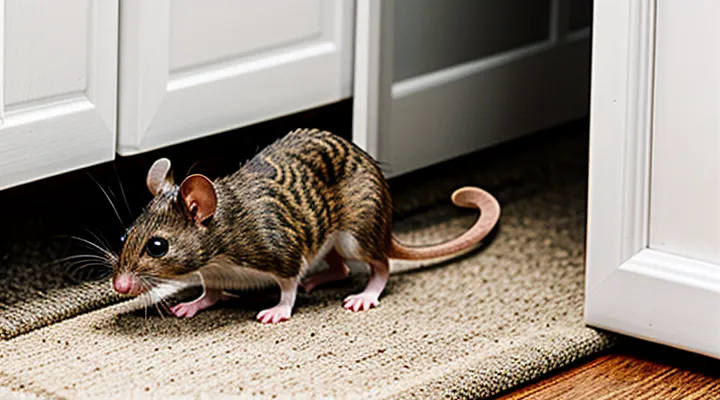
Understanding the Threat: Why Mice are a Problem
Health Risks Associated with Rodents
Disease Transmission by Mice
Mice that infiltrate residential spaces act as carriers of several pathogens capable of causing human illness. Direct contact with mouse urine, feces, or saliva can introduce bacteria such as Salmonella and Leptospira into the home environment. Inhalation of aerosolized particles from dried droppings may transmit hantavirus, while bites can convey Streptobacillus moniliformis, the agent of rat‑bite fever. Contaminated food and surfaces become secondary sources when mice gnaw packaging or forage in pantry items.
Key transmission pathways include:
- Fecal‑oral route: ingestion of food or water contaminated by droppings.
- Aerosol exposure: inhalation of dust containing dried excreta.
- Dermal contact: scratches or bites introducing bacteria into skin.
- Vector assistance: fleas and mites that feed on mice and subsequently bite humans.
Effective mitigation focuses on eliminating conditions that attract rodents and interrupting the identified pathways:
- Seal entry points: install metal flashing, mesh, or concrete around foundations, vents, and utility openings.
- Maintain sanitation: store dry goods in airtight containers, promptly clean spills, and dispose of waste in sealed bins.
- Control moisture: repair leaks, use dehumidifiers, and keep gutters clear to reduce damp habitats.
- Conduct regular inspections: look for droppings, gnaw marks, and nesting material in concealed areas such as attics, basements, and behind appliances.
- Apply integrated pest management: combine traps, baits, and professional monitoring while avoiding indiscriminate chemical use that may exacerbate health risks.
By addressing these factors, homeowners reduce the likelihood of disease transmission associated with mouse infestations and promote a safer living environment.
Allergens and Asthma Triggers
Mice generate biological particles that frequently provoke respiratory problems. Urine, feces, dander, saliva, and nesting material contain proteins capable of inducing allergic sensitization. When these particles become airborne, they are inhaled and can trigger IgE‑mediated responses, leading to airway inflammation, bronchoconstriction, and asthma attacks.
Key mouse‑related allergens:
- Urine proteins (e.g., Mus m 1)
- Fecal particles containing dander and microbial fragments
- Salivary enzymes deposited on surfaces
- Fibrous nesting material that traps and releases allergens
Reducing exposure requires eliminating the source and limiting particle dispersion. Effective actions include:
- Seal cracks, gaps, and utility penetrations to block entry.
- Store food in airtight containers; remove crumbs and spills promptly.
- Maintain a clutter‑free environment; discard unused textiles that provide nesting sites.
- Employ snap traps, electronic traps, or professional extermination to remove existing rodents.
- Conduct thorough cleaning of surfaces with HEPA‑filtered vacuums; wash bedding, curtains, and upholstery.
- Install air filtration units equipped with HEPA filters to capture airborne allergens.
Implementing these measures directly lowers the concentration of mouse‑derived allergens, thereby decreasing the likelihood of asthma exacerbations in occupants.
Damage Caused by Mouse Infestations
Structural Damage to Homes
Mice gnawing creates openings in structural components, allowing air, moisture, and additional pests to infiltrate the building envelope. Their incisors can sever load‑bearing beams, weaken joists, and compromise roof rafters, reducing the overall integrity of the house.
- Woodwork: Continuous chewing erodes studs, floorboards, and framing members, leading to sagging floors and compromised support.
- Insulation: Mice strip fiberglass or cellulose, creating gaps that increase energy loss and promote condensation, which accelerates rot in surrounding wood.
- Electrical wiring: Damage to insulated cables exposes conductors, heightening the risk of short circuits and fires that can destroy structural elements.
- Plumbing: Nesting in pipe cavities can cause corrosion, leaks, and water damage that weakens surrounding masonry and drywall.
Repair costs multiply when multiple systems are affected. Replacing a single joist may require additional work to restore adjacent drywall, re‑insulate the cavity, and re‑route damaged wiring. Early identification of gnaw marks, droppings, and chew evidence prevents escalation.
Effective control measures focus on eliminating access points and removing food sources. Sealing cracks larger than ¼ inch, installing metal mesh around vents, and storing grains in airtight containers reduce the likelihood of structural compromise. Regular inspections of vulnerable areas—attics, basements, and crawl spaces—allow prompt remediation before damage becomes irreversible.
Contamination of Food and Surfaces
Rodent activity introduces pathogens, droppings, and urine onto kitchen surfaces and stored food, creating direct health hazards. Contaminated items can harbor bacteria such as Salmonella, E. coli, and Listeria, which multiply rapidly when exposed to moisture and warm temperatures.
Consequences of contamination include:
- Food spoilage and loss of nutritional value.
- Increased risk of food‑borne illness for occupants.
- Attraction of additional pests, amplifying the infestation problem.
- Damage to packaging, leading to costly disposal and replacement.
Effective mitigation focuses on eliminating access points and maintaining stringent sanitation standards. Recommended actions are:
- Seal cracks, gaps, and openings larger than ¼ inch with steel wool, caulk, or metal mesh.
- Store dry goods in airtight, rodent‑proof containers made of glass, metal, or heavy‑wall plastic.
- Conduct daily inspections of countertops, floors, and pantry shelves for droppings, gnaw marks, or urine stains.
- Clean surfaces immediately after any signs of rodent activity using a disinfectant solution containing at least 70 % alcohol or a bleach‑based cleaner.
- Position traps or bait stations along established runways, ensuring they are placed away from food preparation areas to prevent secondary contamination.
Consistent implementation of these measures reduces the probability of food and surface contamination, thereby lowering health risks and supporting long‑term rodent prevention in residential environments.
Proactive Prevention Strategies
Identifying Potential Entry Points
Sealing Cracks and Gaps in Foundations
Rodents gain access to residential structures through gaps and cracks in the foundation. Sealing these openings removes the most common entry points, directly reducing the likelihood of mouse presence.
Identify all potential openings before sealing. Typical locations include:
- Joint seams between concrete slabs and walls
- Gaps around utility penetrations (pipes, cables, vent stacks)
- Cracks at the perimeter of the slab or crawl‑space walls
- Openings around foundation anchors and brackets
Select appropriate sealing materials based on the size and nature of each gap. Recommended options are:
- High‑quality polyurethane or silicone caulk for seams up to ¼ inch
- Expanding foam sealant for gaps between ¼ inch and 2 inches
- Cement‑based mortar or hydraulic cement for larger cracks in concrete
- Steel wool or copper mesh backed with sealant for openings around pipes
Apply sealants according to manufacturer instructions. General procedure:
- Clean the area of dust, debris, and loose material.
- Dry the surface to ensure adhesion.
- Insert backer material (e.g., steel wool) for gaps larger than ¼ inch.
- Fill the opening with the chosen sealant, pressing firmly to eliminate voids.
- Smooth the surface and allow the product to cure fully before exposing it to moisture.
Regular inspection of the foundation maintains the integrity of the seal. Reapply sealant if cracks reappear or if settlement shifts the structure. Consistent maintenance of a sealed foundation forms a critical barrier against mouse intrusion.
Securing Doors and Windows
Secure doors and windows form the first line of defense against rodent intrusion. Small openings around frames, weatherstripping gaps, and improperly sealed screens provide easy access for mice seeking shelter and food.
Typical vulnerabilities include:
- Gaps larger than ¼ inch between door jambs and the threshold.
- Unsealed or damaged window screens.
- Space around sliding door tracks and patio doors.
- Openings around vent covers, utility penetrations, and pet doors.
To eliminate these pathways:
- Install heavy-duty door sweeps that extend to the floor, ensuring a tight seal when the door closes.
- Apply stainless‑steel mesh or metal flashing over all vents and utility openings; mesh must have apertures no larger than ⅛ inch.
- Replace worn weatherstripping with silicone or EPDM strips that compress fully against the frame.
- Fit reinforced, fine‑mesh screens to all windows; secure edges with a continuous bead of caulk.
- Add door jamb seal kits that include a brush or rubber barrier to block gaps at the sides of the door.
Regular inspection preserves effectiveness. Check seals quarterly for wear, tear, or displacement. Clean debris from tracks and frames to maintain contact between sealing components. Replace any damaged hardware promptly, as even minor deterioration can re‑enable entry. Consistent upkeep of door and window barriers dramatically reduces the likelihood of mouse presence inside the home.
Inspecting Utility Openings
Inspecting utility openings is a fundamental step in eliminating rodent ingress. Identify all penetrations where plumbing, electrical, gas, and HVAC lines enter the building envelope. Common locations include pipe sleeves, conduit holes, cable entries, and vent stacks.
During inspection, verify that each opening is sealed with durable, rodent‑proof material such as stainless‑steel mesh, cement, or expanding foam rated for pest resistance. Replace cracked or deteriorated caulking, and install metal flashing around gaps larger than ¼ inch.
A systematic approach improves consistency:
- Create a checklist of every utility line that passes through walls, floors, and ceilings.
- Examine the interior and exterior sides of each opening for signs of gnawing, droppings, or nesting material.
- Test the integrity of existing seals by probing with a thin rod; any movement indicates a breach.
- Apply appropriate sealing products, ensuring a tight fit around irregular shapes.
Schedule inspections at the start of each season, with additional checks after severe weather events that may shift building components. Document findings and corrective actions in a maintenance log to track trends and verify that all utility penetrations remain protected.
Regular, thorough examination of utility openings reduces the likelihood of rodent entry and supports an overall strategy for pest prevention.
Maintaining a Clean and Tidy Environment
Proper Food Storage Techniques
Proper food storage is a critical component of any strategy aimed at deterring rodent activity within residential environments. Food sources that are easily accessible, improperly sealed, or left uncovered provide the primary attraction for mice seeking nourishment.
To eliminate these incentives, follow these proven practices:
- Use airtight containers made of metal, heavy‑gauge plastic, or glass with screw‑top lids for all dry goods, including grains, cereals, nuts, and pet food.
- Transfer bulk purchases into smaller, sealed containers promptly after opening the original packaging.
- Store perishables such as fruits, vegetables, and leftovers in the refrigerator or freezer; avoid leaving them on countertops or open shelves.
- Keep pantry shelves clean; wipe down surfaces regularly to remove crumbs and spills.
- Position food storage units away from walls and baseboards, creating a gap that discourages rodents from climbing directly onto them.
- Dispose of trash daily in bins equipped with tight‑fitting lids; rinse containers before recycling to remove residue.
Additional measures reinforce these actions. Maintain a consistent cleaning schedule that includes vacuuming behind appliances and under cabinets. Inspect containers for signs of damage or wear, replacing compromised seals immediately. By implementing these systematic storage protocols, households remove the nutritional incentives that drive mouse infestations, thereby supporting long‑term rodent prevention.
Regular Waste Disposal Practices
Proper waste management is a critical factor in deterring rodent activity inside residential premises. Food residues, organic waste, and improperly sealed containers provide attractive nourishment for mice, encouraging them to seek shelter within the home. Consistent removal of waste eliminates these resources, reducing the likelihood of infestation.
Key practices for effective waste disposal include:
- Collect household trash daily and store it in containers equipped with tight‑fitting lids.
- Empty outdoor bins at least twice a week, or more frequently during warm weather when decomposition accelerates.
- Separate compostable material from general waste and keep compost bins sealed with mesh or solid lids to prevent rodent entry.
- Place waste containers away from building foundations, maintaining a minimum distance of three feet to limit easy access.
- Clean the interior of trash cans regularly with a mild disinfectant to remove lingering food particles and odors.
Additional measures reinforce these practices:
- Inspect and repair any cracks or gaps in walls, floors, and utility penetrations that could serve as entry points for rodents.
- Install metal or heavy‑duty trash cans in garages and basements, as rodents can gnaw through plastic.
- Schedule periodic inspections of waste storage areas to identify signs of rodent activity, such as droppings or gnaw marks, and address them promptly.
Implementing these routines creates an environment where food sources are unavailable, thereby discouraging mice from establishing a presence within the household.
Eliminating Clutter and Hiding Spots
Removing excess items and sealing potential shelters reduces the likelihood that mice will enter a residence. Disorganized spaces provide food sources, nesting material, and concealed routes, encouraging rodent activity. By maintaining order and eliminating concealment zones, homeowners create an environment that is inhospitable to mice.
Key actions include:
- Declutter storage areas: discard broken packaging, old newspapers, and unused fabrics.
- Store food in airtight containers; keep countertops free of crumbs.
- Organize closets and basements: use shelving to keep items off the floor and away from walls.
- Trim vegetation and remove debris near exterior walls to prevent outdoor nesting that can transition indoors.
- Seal gaps around pipes, vents, and door frames with steel wool or caulk to block entry points.
Regular inspection reinforces these measures. Inspect hidden corners, under appliances, and behind furniture monthly; address any new clutter or damage immediately. Consistent upkeep sustains a rodent‑free environment.
Landscaping and Exterior Maintenance
Trimming Vegetation Near the House
Keeping shrubs, vines, and groundcover trimmed within a two‑meter perimeter of the building removes shelter and travel routes that rodents exploit. Regular pruning eliminates dense foliage that can conceal entry points, reduces the likelihood that mice will use branches to bridge gaps to the roof, and simplifies inspection of the foundation for cracks or openings.
Key practices:
- Cut back overgrown bushes to a height of 30 cm or lower, ensuring stems are at least 15 cm away from the exterior walls.
- Remove vines that climb the house, especially near eaves, gutters, and vents.
- Thin groundcover to expose soil, preventing the formation of damp, insulated nests.
- Dispose of clippings promptly; store them away from the structure or compost them in a sealed container.
- Schedule trimming after the growing season, when vegetation is most vulnerable, and repeat quarterly to maintain clearance.
These measures limit the availability of protective cover, force rodents to travel in exposed areas where they are more detectable, and facilitate the sealing of any remaining gaps in the building envelope. Maintaining a clear zone around the residence is a direct, effective component of an integrated rodent‑prevention strategy.
Removing Outdoor Debris
Keeping the property perimeter free of clutter eliminates shelter and food sources that attract house‑bound rodents. Loose leaves, branches, and garden waste provide nesting material and concealment, allowing mice to approach the foundation unnoticed. Regularly clearing these materials reduces the likelihood that rodents will establish a foothold near entry points.
Key actions for debris removal:
- Gather fallen leaves, pine needles, and grass clippings; compost or dispose of them promptly.
- Trim back overgrown shrubs and vines that touch the house exterior.
- Store firewood at least two feet away from the building, elevated on a pallet, and cover with a waterproof tarp.
- Remove piles of cardboard, newspaper, or junk that could serve as food or nesting sites.
- Sweep patios, decks, and porches to eliminate crumbs and small debris that may lure mice.
By maintaining a clean outdoor environment, homeowners create a hostile perimeter for rodents, limiting their access routes and reducing the pressure on interior sealing measures. This proactive approach complements interior exclusion techniques and contributes to long‑term pest control success.
Securing Outdoor Storage Areas
Securing outdoor storage areas is a critical step in reducing the likelihood of mice entering residential spaces. Structures that hold firewood, gardening tools, or seasonal equipment create potential shelters for rodents. When these sites are left open or poorly maintained, they provide easy access points for pests to explore and eventually infiltrate the home.
Effective measures include:
- Elevating storage platforms at least 12 inches above ground to prevent nesting on the floor.
- Using sealed, metal or heavy‑duty plastic containers with tight‑fitting lids.
- Installing solid, weather‑resistant walls and roofs without gaps larger than ¼ inch.
- Applying steel mesh or hardware cloth around ventilation openings and doorways.
- Regularly inspecting and repairing any damage to doors, hinges, or fasteners.
Routine checks, combined with the above safeguards, limit food sources and shelter, thereby decreasing the risk of rodent activity around the property and in the interior of the house.
Advanced Prevention Techniques
Using Repellents and Deterrents
Natural Rodent Repellents
Natural rodent repellents provide a chemical‑free alternative for deterring mice from residential interiors. Their effectiveness relies on strong odors or tastes that rodents find unpleasant, combined with environmental management that limits food access and shelter.
Peppermint oil, extracted from Mentha piperita, is a widely cited deterrent. Apply a few drops onto cotton balls and distribute them in suspected entry points, pantry corners, and behind appliances. Replace the oil every 48 hours to maintain potency.
Clove oil, containing eugenol, functions similarly. Soak small fabric patches in the oil and place them near gaps in walls, under sinks, and around garbage containers.
Cayenne pepper or crushed red pepper flakes create an irritant surface. Sprinkle a thin layer along baseboards, door thresholds, and the exterior of mouse‑prone openings. Reapply after cleaning or wet weather.
Garlic and onion powders emit sulfur compounds that repel rodents. Mix equal parts of each powder with diatomaceous earth and spread the blend in crawl spaces, attic corners, and behind furniture.
Citrus peels, particularly from oranges and lemons, release limonene, a volatile compound that discourages mouse activity. Discard fresh peels in trash bins with tight lids; avoid placing them where pets may ingest them.
Cedar shavings, when placed in closets, drawers, and storage boxes, emit natural oils that deter nesting. Refresh shavings quarterly to sustain the scent.
Effective deployment of these repellents requires complementary sanitation measures: store food in sealed containers, eliminate standing water, and repair structural breaches. Regular inspection of foundation cracks, vent openings, and utility penetrations prevents entry.
When applied consistently, the listed natural agents reduce mouse presence without introducing hazardous chemicals, supporting a safe living environment.
Electronic Deterrent Devices
Electronic deterrent devices provide a non‑chemical approach to rodent control within residential environments. They emit signals that disrupt the sensory systems of mice, reducing the likelihood of entry and habitation.
Common device categories include:
- Ultrasonic emitters that generate high‑frequency sound beyond human hearing range.
- Electromagnetic pulse units that create low‑frequency magnetic fields affecting rodent nervous tissue.
- Vibration or motion‑activated devices that produce intermittent pulses when movement is detected.
Effectiveness depends on proper placement, continuous operation, and species‑specific response. Devices should be installed near entry points, along walls, and in concealed areas such as attics or basements. Coverage gaps diminish efficacy; overlapping fields are recommended for larger structures. Regular power source checks and cleaning of transducer surfaces maintain performance levels.
Integration with physical barriers, sanitation practices, and trapping enhances overall success. Safety considerations include avoiding exposure to pets and young children, verifying compliance with local regulations, and selecting units with certified electromagnetic emissions. Continuous monitoring of rodent activity informs adjustments to device settings or supplemental measures.
Regular Inspection and Monitoring
Signs of Mouse Activity
Recognizing mouse activity is essential for effective rodent control in residential settings. Early detection allows prompt intervention before populations expand and cause structural damage or health risks.
Typical indicators include:
- Small droppings, ¼‑inch long, dark brown to black, often found along walls, behind appliances, and in cabinets.
- Gnaw marks on wood, plastic, or wiring, characterized by clean, crescent‑shaped cuts.
- Chewed or shredded food packaging, especially in pantry areas.
- Grease or urine stains on surfaces, leaving a faint, musky odor.
- Nests constructed from shredded paper, fabric, or insulation, usually hidden in concealed corners, attics, or behind baseboards.
- Scurrying sounds in walls or ceilings, particularly at night when mice are most active.
- Tracks or footprints in dusty areas, identifiable by four‑toed prints with a distinct heel pad.
Each sign warrants immediate inspection and, if confirmed, the implementation of targeted exclusion measures, sanitation improvements, and, when necessary, professional baiting strategies. Continuous monitoring of these indicators ensures sustained prevention of future infestations.
Utilizing Traps for Early Detection
Effective early detection of mouse activity hinges on strategic trap deployment. Position traps along walls, behind appliances, and near known entry points where rodents travel. Consistent placement creates a monitoring grid that reveals initial incursions before populations expand.
Key considerations for trap selection and use:
- Mechanism – Choose snap, live‑capture, or electronic traps based on containment goals and safety requirements.
- Bait – Apply high‑protein attractants such as peanut butter, dried fruit, or specialized rodent lures; refresh bait every 48 hours to maintain potency.
- Density – Install one trap per 10‑15 square feet in high‑risk zones; increase coverage in cluttered storage areas.
- Inspection – Check traps daily; record capture data, including location and time, to map movement patterns.
- Maintenance – Replace damaged traps promptly; sanitize reusable devices to prevent disease transmission.
Data gathered from trap catches informs targeted sealing of entry gaps. Documented activity pinpoints structural vulnerabilities, allowing precise application of caulking, steel wool, or weatherstripping. Early intervention reduces the likelihood of full‑scale infestation and limits the need for extensive chemical control.
Integrating trap monitoring into routine household maintenance establishes a proactive defense, ensuring that any mouse presence is identified and addressed before it escalates into a broader rodent problem.