
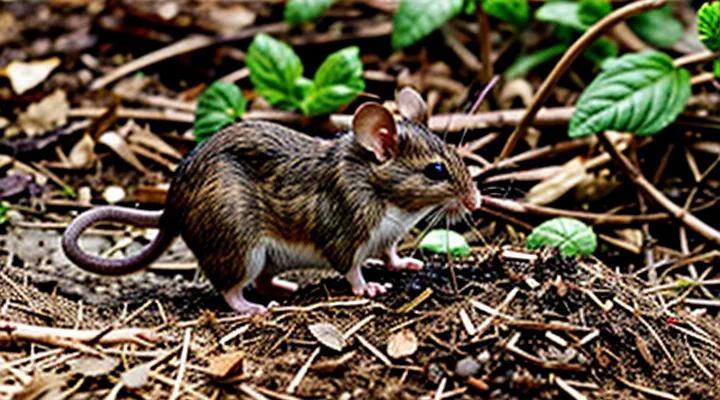
Understanding the Attraction of Mice to Compost Piles
Why Compost Piles are Appealing to Rodents
Food Sources in Compost
Food residues are the most direct lure for rodents in organic waste containers. Fresh fruit skins, vegetable trimmings, cooked grains, and any remnants containing sugars or proteins provide immediate nourishment, encouraging mice to explore and settle in the pile.
Items that contribute most to attraction:
- Fruit peels, berries, and any sweet produce
- Cooked pasta, rice, and other starchy leftovers
- Meat scraps, fish bones, and dairy products
- Bread, crackers, and other processed foods
These materials supply high moisture and readily digestible nutrients, conditions that support rapid mouse activity. When such foods remain exposed on the surface, they create a persistent feeding zone that rodents can locate from a distance.
Preventive actions focus on eliminating or concealing these sources:
- Exclude all animal‑derived waste; dispose of meat, fish, and dairy in sealed trash bags.
- Cut fruit and vegetable scraps into small pieces and bury them at least 6–8 inches deep within the compost mass.
- Add a generous layer of carbon‑rich material (dry leaves, shredded newspaper, straw) over each fresh addition to mask odors and reduce moisture.
- Use a lid or airtight cover on the compost container to block entry points.
By restricting accessible food, the compost environment becomes inhospitable to mice, reducing the likelihood of infestation.
Shelter and Warmth Provided by Compost
Compost piles create a stable micro‑environment that mimics natural burrows. The layered organic material insulates heat generated by microbial activity, maintaining temperatures that can exceed ambient levels by several degrees. This constant warmth, combined with the dense structure of the pile, offers mice protection from predators and harsh weather, making the compost an attractive refuge.
To reduce the attractiveness of compost as a shelter:
- Keep the pile covered with a tightly fitting lid or wire mesh to block entry points.
- Rotate or turn the material at least once a week; disturbance prevents mice from establishing permanent tunnels.
- Maintain a balanced carbon‑to‑nitrogen ratio; overly moist or overly dry piles become less hospitable.
- Store food scraps in sealed containers before adding them to the compost, eliminating easy food sources that encourage nesting.
- Place the compost bin on a solid, non‑soil surface such as a concrete pad to eliminate direct ground contact.
These actions limit the thermal and structural benefits that draw rodents, thereby reducing the likelihood of infestation.
Breeding Grounds in Undisturbed Piles
Undisturbed compost piles provide mice with shelter, stable temperature, and constant food supply, creating ideal breeding sites. The lack of regular turning leaves dense material where rodents can nest undisturbed for weeks, allowing rapid population growth.
Key characteristics of such breeding grounds include:
- Thick, compacted layers that retain moisture and warmth.
- Accumulation of high‑protein waste (e.g., kitchen scraps, meat residues) that attracts rodents.
- Absence of predator access due to the pile’s isolation from open ground.
Preventive actions focus on disrupting the environment that supports reproduction:
- Turn the pile at least weekly to break up nests and expose interior material to air and sunlight.
- Maintain a balanced carbon‑to‑nitrogen ratio; excessive nitrogen sources encourage mouse activity.
- Cover the compost with a tight‑fitting lid or wire mesh to block entry while allowing airflow.
- Separate fresh food waste from the main mass and add it in small, controlled amounts.
- Position the compost away from building foundations and other shelter sites.
Monitoring should involve regular inspection for droppings, gnaw marks, and burrows. Immediate removal of any discovered nests, followed by intensified turning, reduces the chance of a full infestation. Consistent disturbance of the pile eliminates the stable conditions mice need to breed, thereby limiting their presence in the compost system.
Proactive Strategies for Mouse Prevention
Site Selection and Compost Bin Design
Choosing an Appropriate Location
Choosing a site that limits mouse access is the first defensive measure for a compost system. Place the bin on a hard, level surface such as concrete or compacted stone to prevent burrowing. Keep the structure at least three meters away from building foundations, exterior walls, and utility lines, because rodents use these features for shelter and travel routes. Avoid low‑lying areas where water collects; moisture attracts rodents and creates conditions that accelerate decomposition.
Select a location with full sun exposure for at least six hours daily. Sunlight raises internal temperature, discouraging mouse habitation and speeding up the composting process. Ensure the site is open to prevailing breezes; airflow reduces odor buildup, a common attractant for foraging rodents.
Consider the surrounding vegetation. Trim grass and eliminate dense shrubbery within a one‑meter radius to remove hiding places. Remove any nearby food sources, such as pet feeding stations or fallen fruit, that could draw mice toward the compost.
Practical checklist:
- Hard, non‑porous base (concrete, stone, brick)
- Minimum three‑meter clearance from structures and utilities
- Sunlight exposure ≥ 6 hours per day
- Good airflow, no stagnant air pockets
- Clear perimeter: trimmed grass, no dense shrubs
- No adjacent food waste or pet feeding areas
By adhering to these placement criteria, the compost pile becomes less appealing to mice, reducing the likelihood of infestation while maintaining optimal decomposition conditions.
Utilizing Rodent-Proof Compost Bins
Rodent‑proof compost containers provide a physical barrier that eliminates the primary entry points mice use to reach organic material. Secure lids with latch mechanisms, sealed seams, and reinforced corners prevent gnawing and climbing, reducing the risk of infestation without relying on chemical controls.
Key design features include:
- Heavy‑duty metal or thick‑wall plastic construction resistant to bite marks.
- Overhanging lip on the lid that forces a mouse to lift the entire cover, not just slip through a gap.
- Gasketing material around the lid to seal air flow while maintaining ventilation.
- Elevated base or mounting brackets that keep the bin off the ground, deterring burrowing.
Installation guidelines: place the bin on a stable, level surface away from walls or fences; secure it to a fixed structure with brackets; ensure the surrounding area is cleared of debris and vegetation that could serve as hiding places. Regularly inspect seams and latches for wear, and replace damaged components promptly.
Maintenance practices reinforce protection: turn compost weekly to maintain aerobic conditions, which lowers moisture and scent that attract rodents; keep the exterior clean of spilled food scraps; and store any supplemental feed (e.g., kitchen waste) in sealed containers until added to the bin. By integrating these measures, composters can effectively prevent mouse activity while preserving the efficiency of organic recycling.
Securing Bin Lids and Openings
Secure bin lids and openings to eliminate entry points for rodents that forage in compost. Choose lids with tight-fitting hinges and a latch mechanism that can be engaged with one hand. Ensure the latch grips the lid firmly, preventing the lid from being pried open by a mouse’s teeth or claws.
Use hardware cloth or metal mesh with openings no larger than ¼ inch to cover ventilation slots, access doors, and any gaps around the lid rim. Attach the mesh with stainless‑steel screws and seal joints with silicone caulk to avoid corrosion and maintain a continuous barrier.
Install a double‑door system for larger compost containers. The outer door remains closed while the inner door, fitted with mesh, provides airflow without exposing the compost to the exterior. This configuration reduces the chance that a rodent can slip through a single opening.
Regularly inspect all seals, latches, and mesh panels. Look for signs of wear, rust, or displacement and replace damaged components immediately. A routine check, performed weekly, ensures the protective measures remain effective throughout the composting season.
Compost Management Practices
Proper Scraps Management
Effective control of rodents in compost systems begins with disciplined handling of kitchen waste. Food residues left exposed provide a reliable food source, encouraging mice to infiltrate the pile and compromise decomposition.
Proper scraps management requires the following actions:
- Separate meat, dairy, and oily items from vegetable and fruit waste; store the former in sealed containers until they can be disposed of through a waste‑to‑energy service or incineration.
- Use a dedicated, lidded bin for all compostable scraps; ensure the lid fits tightly and is locked when not in use.
- Add scraps to the compost pile in small, evenly distributed batches rather than large piles that create warm, moist pockets.
- Incorporate a layer of carbon‑rich material (dry leaves, shredded newspaper, straw) after each addition of wet scraps to absorb moisture and reduce odor.
- Maintain a regular turning schedule, moving material at least once a week to disrupt potential nesting sites and promote aerobic activity.
Consistent application of these measures limits food availability, lowers humidity, and creates an environment unfavorable to mouse habitation, thereby preserving the integrity of the composting process.
Balancing Green and Brown Materials
Balancing green (nitrogen‑rich) and brown (carbon‑rich) components creates a compost environment that discourages mouse activity. High‑protein kitchen scraps and moist greens attract rodents; excessive carbon materials such as dry leaves and shredded paper absorb moisture and reduce odor, making the pile less appealing.
Maintain a carbon‑to‑nitrogen ratio around 30 : 1. Overloading the pile with greens raises temperature and humidity, conditions that mice seek for shelter and food. Adding sufficient browns dilutes the scent of fresh food, lowers moisture, and promotes aerobic decomposition.
- Add at least two parts brown material for every part green material.
- Cover fresh kitchen waste with a layer of brown material before it contacts the surface.
- Keep the pile covered with a breathable tarp or wire mesh to block entry points.
- Turn the pile weekly to distribute moisture evenly and interrupt nesting sites.
A well‑balanced pile decomposes quickly, reduces attractive odors, and limits the availability of soft, damp niches where mice could thrive. Regular monitoring of material ratios and pile condition sustains an environment hostile to rodents while preserving compost quality.
Turning and Aerating the Compost Regularly
Regular turning of a compost heap disrupts the warm, sheltered environment that attracts rodents, while aeration accelerates decomposition and reduces food sources that mice seek. By breaking up compact layers and exposing moist material to air, the pile becomes less hospitable to burrowing pests.
- Turn the pile at least once a week using a pitchfork or compost aerator; larger batches may require bi‑weekly turning.
- Incorporate dry, carbon‑rich material (e.g., shredded newspaper, straw) during each turn to balance moisture and discourage mold growth.
- Maintain a surface temperature below 30 °C (86 °F) by mixing in fresh greens and avoiding excessive insulation.
- Position the compost bin on a hard, elevated surface to prevent mice from entering from the ground.
- Seal any openings in the bin with fine mesh to block entry while allowing airflow.
Consistent aeration reduces anaerobic zones, limits the availability of edible seed heads, and creates a hostile environment for rodents. Implementing these practices minimizes the risk of mouse infestation and promotes rapid, odor‑free decomposition.
Avoiding Meat and Dairy in Compost
Animal proteins and fats generate strong odors and provide a high‑energy food source that attracts rodents to compost piles. The presence of meat or dairy creates a scent profile that mice can detect from considerable distances, leading them to investigate and establish nests within the organic mass.
To eliminate this attraction, follow these practices:
- Exclude all meat, fish, poultry, eggs, cheese, butter, and other dairy products from the compost bin.
- Use only plant‑based kitchen waste: fruit and vegetable peels, coffee grounds, tea bags, and grain residues.
- Incorporate a balanced mix of carbon‑rich (dry leaves, straw, shredded paper) and nitrogen‑rich (grass clippings, green plant material) components to maintain optimal decomposition rates.
- Cover fresh green additions with a layer of brown material to mask odors and reduce surface exposure.
- Secure the compost container with a tight‑fitting lid or mesh to prevent rodent entry.
Additional measures reinforce protection:
- Shred or chop large food scraps before adding them, reducing the scent intensity.
- Keep the compost pile at temperatures above 55 °C (131 °F) for several days; such heat destroys residual proteins that could lure mice.
- Position the compost bin away from building foundations, pet feeding stations, and other sources of animal waste.
By strictly limiting compost inputs to plant‑derived matter and maintaining proper pile management, the risk of rodent infestation diminishes markedly, ensuring a healthier, faster‑decomposing system.
Natural Deterrents and Barriers
Incorporating Strong-Scented Plants
Planting aromatic herbs and fragrant foliage directly around or within a compost heap creates a chemical barrier that mice find unattractive. The strong volatile oils released by these plants interfere with the rodents’ scent trails, reducing the likelihood of entry.
Effective species include:
- Mint (Mentha spp.) – releases menthol‑rich vapors; plant in shallow containers to prevent invasive spread.
- Lavender (Lavandula angustifolia) – emits linalool, a repellent to many small mammals; position stakes at the perimeter.
- Rosemary (Rosmarinus officinalis) – produces camphor and cineole; intermix woody cuttings among compost layers.
- Thyme (Thymus vulgaris) – gives off thymol; scatter fresh sprigs on top of the pile after each addition.
- Catnip (Nepeta cataria) – contains nepetalactone, which deters rodents while attracting beneficial insects.
Implementation steps:
- Select mature, healthy plants and establish them at least 30 cm from the compost base.
- Maintain regular pruning to encourage vigorous leaf production and optimal oil release.
- Replace wilted foliage weekly to sustain a consistent scent profile.
- Monitor mouse activity with motion‑activated traps; adjust plant density if signs persist.
Avoid over‑watering aromatic beds, as excess moisture can attract insects that indirectly support mouse populations. Rotate plant species annually to prevent soil depletion and maintain effectiveness. Integrating these fragrant cultivars with proper compost management—such as balanced carbon‑to‑nitrogen ratios and frequent turning—provides a reliable, low‑chemical strategy for keeping rodents away from organic waste.
Creating Physical Barriers Around the Pile
Physical barriers are the most reliable method for excluding mice from a compost system. A solid enclosure prevents entry, limits shelter, and reduces the likelihood of gnawing damage.
- Choose a material that mice cannot chew through: galvanized steel mesh (½‑inch or smaller openings), hardware cloth, or sturdy plastic sheeting. Avoid wooden slats and thin wire, which rodents can breach.
- Build a frame from pressure‑treated lumber or metal studs. Secure the mesh to the frame with heavy‑duty staples or stainless‑steel screws, overlapping seams by at least 2 inches and sealing joints with metal tie‑wire.
- Install a tight‑fitting lid. The lid should rest on a lip or be bolted down, leaving no gaps larger than ¼ inch. A hinged, lockable lid simplifies access while maintaining protection.
- Add a base barrier. Lay a 2‑inch layer of coarse sand or fine gravel beneath the pile, then cover with a sheet of mesh extending 6 inches beyond the pile’s perimeter. This discourages burrowing from below.
- Ensure ventilation without compromise. Fit vent pipes with mesh screens of the same gauge as the main enclosure, positioning them away from corners where mice might hide.
- Regularly inspect for wear. Replace any torn sections, tighten loose fasteners, and verify that the lid seals correctly after each turning of the compost.
By constructing a continuous, chew‑resistant fence and a sealed cover, the compost environment becomes inhospitable to rodents, allowing decomposition to proceed unhindered.
Introducing Natural Predators (with caution)
Natural predator introduction can reduce rodent activity in compost heaps when applied with strict oversight. Predators that target small mammals include owls, hawks, snakes, feral cats, and weasels. Their presence deters mice, but each species requires specific management to avoid unintended consequences.
- Barn owls (Tyto alba) – effective nocturnal hunters; install nesting boxes at a safe distance from human activity and ensure legal protection status before encouraging settlement.
- Red-tailed hawks (Buteo jamaicensis) – daytime predators; provide perching sites such as sturdy poles, but monitor for potential conflict with poultry or other birds of prey.
- Garter snakes (Thamnophis spp.) – opportunistic feeders; maintain a moist, leaf‑litter environment that supports their habitat while preventing excessive snake populations that could threaten pets.
- Feral or domestic cats – skilled hunters; restrict outdoor access to prevent predation on non‑target wildlife and control stray populations through trap‑neuter‑release programs.
- Weasels (Mustela spp.) – agile hunters; encourage natural cover but avoid creating dense brush that shelters larger predators or pests.
Cautionary measures are essential. Verify local wildlife regulations before attracting any predator; illegal or protected species may incur penalties. Assess the impact on neighboring fauna, as increased predator density can disrupt ecological balance. Ensure that predator attraction does not compromise compost hygiene—avoid feeding predators directly from the pile, and keep compost moisture levels optimal to deter both mice and opportunistic scavengers.
Implementing natural predators should complement other control strategies, such as securing compost lids, maintaining proper aeration, and removing food sources. When integrated responsibly, predator presence can lower mouse incursions without creating new pest problems.
Addressing Existing Mouse Infestations
Identifying Signs of Mouse Activity
Droppings and Chew Marks
Droppings and chew marks are the most reliable indicators that rodents are exploiting a compost heap. Fresh droppings appear as small, dark, cylindrical pellets about 3‑5 mm long; older deposits turn lighter and may crumble when touched. Chew marks manifest as shallow, irregular grooves on wood chips, twine, or cardboard, often exposing the interior material. Both signs reveal active foraging and can be detected without disturbing the pile.
Identifying these signs early allows targeted action. Typical observations include:
- Concentrated clusters of droppings near the base of the heap or along the sides where moisture accumulates.
- Parallel or intersecting bite marks on straw, newspaper, or biodegradable twine used as binders.
- Presence of shredded material mixed with the compost, indicating nesting activity.
Preventive measures focus on eliminating the conditions that attract rodents. Secure the compost container with a tight‑fitting lid or fine mesh that blocks entry. Replace soft, edible bedding such as fresh fruit peel with coarse, dry leaves that are less palatable. Maintain a temperature above 55 °C in the core of the pile by turning it regularly; this temperature range is lethal to mouse embryos and discourages habitation. Finally, keep the surrounding area free of spills and debris that could provide alternative food sources.
Tunnels and Burrows
Mice exploit the loose structure of compost piles by creating a network of tunnels and burrows that provide shelter, access to food, and routes for movement. These passages typically develop a few inches below the surface, where moisture and temperature remain stable. Once established, the tunnels compromise the integrity of the heap, allowing additional rodents to enter and accelerating decomposition inconsistencies.
Key characteristics of rodent burrows in compost:
- Entry points often align with gaps around the perimeter, such as gaps under boards or loose soil edges.
- Tunnel diameter ranges from 1 to 2 cm, sufficient for adult mice but small enough to evade casual observation.
- Burrows may connect to deeper layers, reaching the moist core where organic matter is most abundant.
To disrupt tunnel formation and prevent further infestation, implement the following measures:
- Barrier installation – Lay a hardware cloth (¼‑inch mesh) beneath the compost and secure it around the base, eliminating direct soil contact.
- Surface compaction – Periodically press the top layer with a garden roller or board to collapse existing tunnels and discourage new excavation.
- Edge sealing – Apply a continuous strip of metal flashing or thick plastic sheeting around the pile’s perimeter, overlapping the ground by at least 6 in.
- Moisture control – Maintain moisture levels between 40‑55 % to avoid overly wet conditions that attract rodents seeking hydration.
- Regular turning – Rotate the compost every 1‑2 weeks, breaking up tunnel networks and exposing any hidden nests to predators and environmental stress.
Monitoring practices reinforce prevention:
- Inspect the pile weekly for fresh entry holes or displaced material.
- Use a flashlight to probe the surface for subtle depressions indicating active burrows.
- Set mechanical traps or bait stations along identified tunnel pathways to reduce the resident population.
By integrating physical barriers, routine agitation, and vigilant inspection, the development of tunnels and burrows can be effectively curtailed, preserving the compost’s functionality and eliminating the rodent threat.
Sightings of Rodents
Rodent sightings in compost areas serve as immediate indicators of infestation risk. Presence of droppings, gnawed packaging, and shredded plant material confirm active foraging. Fresh tracks or burrows near the compost bin suggest entry points that need sealing. Evening or night observations of movement around the pile reveal nocturnal activity patterns that influence timing of preventive measures.
Effective response relies on systematic monitoring and targeted barriers:
- Inspect the compost surface weekly for droppings, urine stains, and chew marks.
- Trace footprints with a flashlight to locate tunnels leading to the bin.
- Seal gaps larger than ¼ inch with metal flashing or hardware cloth.
- Elevate the bin on a solid platform to prevent direct ground contact.
- Install a tight‑fitting lid equipped with a latch to restrict access.
Consistent documentation of each sighting—date, location, and type of evidence—creates a data set that guides adjustments in barrier installation and habitat modification, reducing the likelihood of a persistent mouse problem in compost operations.
Humane Removal Methods
Live Trapping and Relocation
Live trapping provides a humane alternative to lethal control when dealing with rodents that infiltrate compost heaps. Choose traps designed for small mammals, such as multi‑catch live cages or single‑catch snap‑free‑release models. Position traps along established runways, near the base of the pile, and conceal them with a thin layer of compost to encourage entry.
Bait with high‑protein foods—peanut butter, sunflower seeds, or dried meat—applied to the trigger mechanism. Check traps at least twice daily; prolonged confinement increases stress and risk of injury. Once captured, transport the animal in a secure container to a release site at least two miles from the compost area, preferably in a wooded or field environment offering natural shelter and food sources.
Before release, verify local wildlife regulations; some jurisdictions require permits or prohibit relocation of certain species. After relocation, disinfect traps with a mild bleach solution to prevent disease transmission. Reinforce compost pile management by maintaining a temperature above 55 °C, adding carbon‑rich layers, and sealing the perimeter with fine mesh to reduce future incursions.
Implementing these steps consistently reduces the likelihood of mice establishing a foothold in compost material while adhering to humane pest‑management standards.
Exclusion Techniques
Physical barriers are the most reliable method to keep rodents out of compost containers. Install a fine‑mesh screen, at least ¼‑inch (6 mm) hardware cloth, around all openings, including the lid, side vents, and feed inlet. Secure the mesh with stainless‑steel staples or screws to prevent gaps that mice can squeeze through.
Seal the base of the compost unit to block underground entry. Place a continuous strip of metal flashing or a rubber gasket between the container and the ground, and backfill with a layer of sand or gravel that eliminates soil contact. Verify that the seal remains intact after each relocation or cleaning cycle.
Control access points by elevating the compost bin. Raise the container on sturdy legs or a platform, creating a clearance of at least 12 inches (30 cm) from the soil. Attach a removable ramp with a smooth surface to allow safe loading while preventing rodents from climbing.
Maintain the surrounding environment to complement exclusion measures. Keep the area free of spilled food, cover nearby trash bins with tight‑fitting lids, and trim vegetation that could serve as a bridge to the compost unit. Regular inspection of barriers and seals ensures early detection of wear and prompt repair, sustaining long‑term protection against mouse infestation.
Maintaining Vigilance After Removal
Ongoing Prevention Measures
Effective control of rodent activity in compost systems requires continuous actions that address attraction, access, and habitat suitability. Implementing a layered strategy reduces the likelihood of infestation and maintains the integrity of the decomposition process.
- Keep compost moist but not saturated; moisture levels below 55 % deter mice while preserving microbial activity.
- Incorporate carbon‑rich, coarse materials (e.g., straw, wood chips) to create a structure that is difficult for rodents to burrow through.
- Cover fresh kitchen waste with a thick layer of finished compost or soil within 24 hours of addition, eliminating direct food exposure.
- Seal the compost bin with a tight‑fitting lid equipped with a metal mesh screen (minimum ¼‑inch openings) to block entry without impeding airflow.
- Position the container on a raised platform or concrete slab, preventing rodents from climbing from the ground.
- Install a perimeter barrier of hardware cloth buried 6 in. deep around the bin’s base to block underground tunnels.
- Conduct regular inspections—weekly visual checks for droppings, gnaw marks, or nesting material—and remove any signs immediately.
- Rotate the compost pile monthly, mixing the interior to disrupt potential nesting sites and expose hidden food sources.
- Apply natural deterrents such as peppermint oil‑infused cotton balls placed at entry points; replace every two weeks to maintain potency.
- Maintain a clean surrounding area: store pet food, birdseed, and other attractants in sealed containers, and keep the yard free of debris that could serve as shelter.
Consistent application of these measures creates an environment that is inhospitable to rodents, ensuring the compost remains productive and pest‑free.
Regular Inspection of Compost Area
Regular inspection of the compost area is a primary defense against rodent intrusion. Inspect the site at least twice weekly, increasing frequency during warm months when mouse activity peaks. During each visit, walk the perimeter and the interior surface, looking for droppings, gnaw marks, tunnels, and disturbed bedding. Record observations in a log to identify patterns and adjust preventive measures promptly.
Key inspection actions include:
- Visually scan the compost surface for fresh droppings and urine stains.
- Probe the outer edges with a gloved hand to detect soft spots or tunnels.
- Examine nearby vegetation and mulch for signs of burrowing.
- Check the integrity of any covering material, noting holes, tears, or loose sections.
- Verify that compost is turned regularly; stagnant piles attract rodents.
If evidence of mice is found, seal entry points immediately, replace damaged covering, and consider adding a physical barrier such as hardware cloth around the perimeter. Maintaining a disciplined inspection schedule reduces the likelihood of infestation and supports a healthy composting process.