
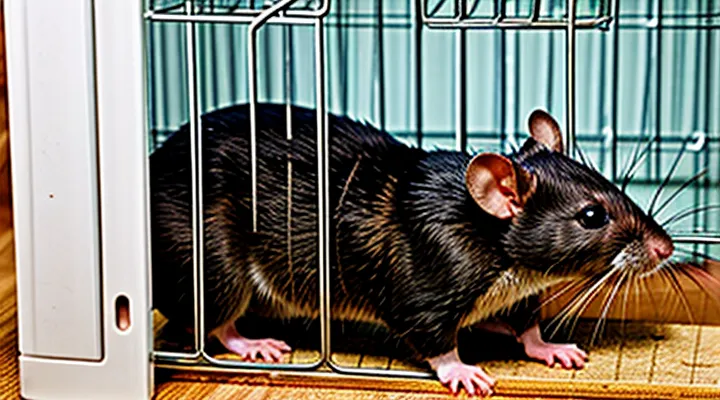
Understanding Why Rats Chew
Instinctual Behavior
Rats possess an innate drive to gnaw, rooted in continuous incisor growth and the need to shape their environment. This behavior emerges without learning, ensuring dental health and facilitating nest construction. Because gnawing is automatic, cage damage occurs when suitable outlets are absent.
Effective control relies on redirecting the instinct toward appropriate objects and limiting opportunities for destructive chewing. The following measures align with the animal’s natural impulses:
- Provide a rotating supply of safe, chew‑friendly items such as untreated wood blocks, mineral chews, or cardboard tubes. Frequent replacement prevents habituation and maintains interest.
- Enrich the enclosure with tunnels, platforms, and nesting material. Complex structures satisfy exploratory urges, reducing focus on cage bars.
- Ensure regular dental checks; excessive wear or overgrowth can intensify gnawing as rats attempt to self‑trim incisors.
- Install cage components made from chew‑resistant materials (e.g., polycarbonate) while leaving designated chew zones constructed from durable yet consumable substrates.
- Maintain a consistent feeding schedule with high‑fiber foods that promote oral activity, channeling gnawing toward nutrition rather than the cage.
By integrating these strategies, caretakers align preventive actions with the rat’s instinctual behavior, minimizing cage damage while preserving the animal’s physiological needs.
Environmental Factors
Boredom
Boredom drives gnawing behavior in pet rodents; lack of stimulation leads them to target cage bars and accessories.
Enrichment directly counteracts this impulse. Provide objects that encourage exploration, foraging, and manipulation.
- Cardboard tunnels and tubes
- Wooden chew sticks untreated with chemicals
- Plastic climbing structures with varied diameters
- Puzzle feeders that release treats when solved
Regular interaction reduces isolation. Schedule daily sessions lasting five to ten minutes, during which the animal receives handling, training, or supervised play. Consistent timing creates predictability, decreasing stress‑induced chewing.
Dietary adjustments occupy chewing muscles. Offer high‑fiber foods such as hay, oat stalks, and fresh vegetables. Incorporate small, hard pieces like unsalted almonds or apple cores to satisfy the need to gnaw.
Cage design should limit destructive access while providing safe chew zones. Install metal mesh over openings, replace plastic bars with reinforced steel, and attach chew‑approved items to the interior walls.
Combining mental stimulation, tactile enrichment, structured social contact, and appropriate diet forms an effective protocol for preventing rodents from damaging their enclosures.
Stress and Anxiety
Stress and anxiety are primary drivers of cage gnawing in laboratory and pet rats. Elevated cortisol levels trigger repetitive oral activity, which manifests as chewing of enclosure bars, plastic panels, or bedding. When the animal perceives the environment as threatening or monotonous, the neural circuitry governing fear and frustration activates, leading to destructive behavior.
Reducing these emotional states requires a combination of environmental enrichment, dietary adjustments, and behavioral conditioning. Effective interventions include:
- Enrichment objects: Provide chew‑safe toys, untreated wood blocks, and tunnels to satisfy the natural gnawing instinct.
- Habitat complexity: Arrange multiple levels, hideouts, and varied textures to stimulate exploration and lower boredom.
- Predictable routine: Maintain consistent feeding times, handling schedules, and lighting cycles to minimize uncertainty.
- Nutrient balance: Ensure adequate levels of vitamin C, B‑complex vitamins, and omega‑3 fatty acids, which support neurotransmitter function.
- Social interaction: House compatible conspecifics or allow supervised out‑of‑cage play to fulfill social needs.
- Positive reinforcement: Reward calm behavior with treats or gentle petting, discouraging stress‑induced gnawing without punitive measures.
- Noise reduction: Use sound‑absorbing materials or place cages away from loud equipment to limit auditory stressors.
Monitoring physiological indicators such as weight stability, grooming quality, and activity patterns helps verify that stress levels are decreasing. When these parameters improve, the frequency of cage chewing typically declines, confirming that emotional well‑being is a critical factor in preventing destructive gnawing.
Lack of Enrichment
Rats will gnaw cage bars when their surroundings provide little stimulation. The behavior satisfies a physiological need to wear down continuously growing incisors, but boredom amplifies the frequency and intensity of chewing.
Without objects that invite exploration, rats expend excess energy on the cage structure. The absence of manipulable items also prevents the expression of natural foraging patterns, leading to destructive habits.
Effective countermeasures focus on environmental enrichment:
- Wooden chew blocks, untreated and sized for safe handling
- Cardboard tunnels or PVC pipes with drilled openings for navigation
- Nesting material such as shredded paper or tissue
- Puzzle feeders that hide treats and require problem‑solving
- Rotating toys every few days to maintain novelty
Implement enrichment with the following guidelines. Choose materials free of toxic chemicals and large enough to avoid accidental ingestion. Introduce one item at a time, observing the rat’s interaction before adding additional pieces. Clean and replace items regularly to prevent bacterial growth. Adjust placement to encourage use of all cage zones, reducing concentration of chewing on a single side.
Providing a varied, engaging environment directly reduces the incentive for rats to target cage bars, supporting healthier dentition and calmer behavior.
Dietary Needs
Dental Health
Rats possess continuously growing incisors; without adequate wear, they experience discomfort that drives them to gnaw cage components. Maintaining optimal dental health therefore reduces the motivation to chew structures.
A balanced diet low in hard, abrasive foods limits excessive tooth growth. Incorporating fresh vegetables, moderate amounts of high‑fiber pellets, and occasional raw root vegetables provides natural wear while meeting nutritional needs.
Providing appropriate chew objects diverts incisors from the cage. Effective items include:
- Untreated wooden blocks or sticks, sized for the animal’s mouth.
- Mineral‑rich chew toys that promote enamel strengthening.
- Safe, untreated corn cobs or sisal ropes that offer varied textures.
Regular observation of tooth length enables early intervention. Visible overgrowth, misalignment, or uneven wear should prompt a veterinary examination. Professional trimming, when required, restores proper bite alignment and prevents self‑injury.
Environmental enrichment diminishes boredom, a secondary factor in cage gnawing. Rotating toys, adding tunnels, and offering foraging opportunities keep the rat engaged, reducing the likelihood of targeting the cage for stimulation.
In summary, controlling dental wear through diet, specialized chew items, routine monitoring, and enrichment creates a physiological environment where the rat’s incisors remain healthy and the impulse to gnaw cage walls is minimized.
Nutritional Deficiencies
Rats often gnaw on cage bars when their diet lacks essential nutrients. Deficiencies in protein, calcium, and certain vitamins trigger heightened oral activity as the animal seeks mineral sources.
- Protein shortfall: leads to increased chewing to compensate for missing amino acids. Provide a balanced mix of high‑quality rodent pellets containing at least 14 % protein.
- Calcium deficiency: stimulates bone‑seeking behavior, manifested by bar gnawing. Supplement diet with calcium‑rich foods such as shredded carrots, leafy greens, or a calibrated calcium block.
- Vitamin C insufficiency: induces stress and oral irritation, encouraging destructive chewing. Offer fresh fruit or a fortified vitamin C supplement formulated for rodents.
- B‑complex vitamin gaps: affect nervous system function, potentially increasing compulsive gnawing. Include a commercial rodent multivitamin or add a small amount of boiled egg yolk to the daily ration.
Correcting these nutritional gaps reduces the physiological drive to chew, thereby preserving cage integrity and improving overall health. Regularly monitor feed composition and adjust portions to match the specific needs of the rat’s age, size, and activity level.
Cage Material Considerations
Safe Cage Materials
Metal Cages
Metal cages provide a reliable barrier against rodent gnawing. The rigidity of steel or aluminum prevents rats from compromising the enclosure, eliminating the need for frequent repairs.
The material’s hardness resists bite marks. A minimum wall thickness of 1 mm deters incisors, while a smooth finish removes grip points. Welded seams create continuous surfaces; any riveted or bolted joints should be concealed to avoid exposed edges that rats can exploit.
Design features that enhance durability include:
- Rounded corners that reduce stress concentrations.
- Lids secured with lockable latches, preventing rats from forcing open the top.
- Ventilation slots covered with fine metal mesh, allowing airflow without creating chewable openings.
Regular maintenance preserves cage integrity. Inspect walls for micro‑cracks after each cleaning cycle, tighten latches, and replace worn mesh sections promptly. Clean the interior with mild detergent, avoiding harsh chemicals that could corrode the metal.
When selecting a metal cage, prioritize corrosion‑resistant alloys, adequate thickness, and seamless construction. These specifications ensure long‑term protection against rodent damage and reduce overall upkeep costs.
Glass Aquariums
Rats frequently attempt to gnaw through cage walls, compromising the safety of other animals and the integrity of the enclosure. Glass aquariums provide a solid barrier that rodents cannot bite through, eliminating the primary source of damage. The hardness and smooth surface of tempered or laminated glass resist incisor pressure, while the transparency allows constant visual inspection for signs of breach.
Key characteristics that make glass aquariums effective against rodent chewing:
- Material strength – tempered glass withstands forces far beyond the capacity of rat incisors.
- Seamless construction – welded or silicone‑sealed joints remove gaps where teeth could latch.
- Chemical inertness – glass does not release odors that might attract rodents or encourage chewing.
- Ease of cleaning – smooth surfaces prevent residue buildup that could stimulate gnawing behavior.
Additional measures enhance protection:
- Install a metal or acrylic frame around the base to block entry points beneath the aquarium.
- Apply a non‑toxic bittering agent to any external plastic components that rats might target.
- Use a tight‑fitting lid with a locking mechanism to deny access to the interior.
- Position the aquarium on a solid, non‑movable platform to eliminate leverage for chewing.
By selecting a glass aquarium with reinforced construction and coupling it with these preventative actions, caretakers can reliably stop rats from damaging their enclosure.
Unsafe Cage Materials
Plastic Cages
Plastic cages provide a reliable barrier against rodent gnawing. The polymer construction resists incisor damage; most commercial grades require a force beyond the bite strength of typical laboratory rats. This durability reduces the frequency of cage replacement and minimizes exposure to broken fragments.
The smooth interior surface eliminates corners where teeth can latch, limiting opportunities for chewing. Transparent panels allow visual monitoring without opening the enclosure, decreasing handling stress and further reducing chewing incidents. Reinforced hinges and lock‑secure latches prevent rats from exploiting structural weak points.
Cleaning efficiency contributes to chew control. Non‑porous walls do not absorb urine or saliva, preventing odor buildup that can encourage exploratory gnawing. Detergent‑free rinsing removes residues quickly, maintaining a hygienic environment that discourages persistent chewing behavior.
Cost considerations favor plastic over metal or wood alternatives. While initial investment may be higher, the extended lifespan and reduced maintenance offset long‑term expenses. Lightweight design simplifies transport and cage stacking, supporting efficient facility workflows.
Potential limitations include susceptibility to extreme temperatures, which can soften some polymers and marginally increase chewability. Selecting high‑temperature‑rated plastics mitigates this risk. Additionally, very persistent individuals may still attempt to gnaw, requiring supplemental strategies such as chew‑resistant barriers or environmental enrichment.
Practical recommendations:
- Choose cages made from polycarbonate or high‑density polyethylene for maximum hardness.
- Verify that all seams are welded or bonded, eliminating gaps.
- Install bite‑proof lock mechanisms that require a two‑handed operation.
- Combine plastic cages with chew‑deterrent accessories (e.g., metal feeding ports).
- Rotate cages periodically to prevent habituation to a single enclosure.
Implementing these measures leverages the inherent strengths of plastic enclosures, delivering an effective component of any program aimed at reducing rat chewing activity.
Wood Cages
Wood cages are vulnerable to gnawing because rodents’ incisors continuously grow and require regular wear. Selecting timber with inherent resistance, such as cedar or hardwoods with high density, reduces bite marks. Applying non-toxic sealants or polyurethane finishes creates a hard surface that discourages chewing while protecting the wood from moisture damage.
Effective measures include:
- Protective barriers – Attach metal or acrylic strips along the interior edges of the cage. Rats encounter a smooth, unchewable surface that interrupts gnawing patterns.
- Chew‑deterrent coatings – Spray bitter‑tasting, pet‑safe deterrents on exposed wood. The unpleasant taste prompts immediate cessation of biting.
- Structural reinforcement – Use cross‑bracing or thicker wall sections to increase the effort required for a rat to breach the enclosure.
- Enrichment alternatives – Provide durable chew toys, natural branches, or safe wooden blocks. Satisfying the animal’s gnawing instinct elsewhere lessens focus on the cage itself.
- Regular inspection – Conduct weekly checks for early signs of wear. Promptly sand down sharp edges and reapply protective layers to maintain integrity.
Maintenance practices further extend cage longevity. Clean the interior with mild soap, rinse thoroughly, and dry before reapplying sealants. Rotate or replace worn protective strips every few months to ensure continuous effectiveness. By integrating material selection, physical deterrents, behavioral enrichment, and systematic upkeep, owners can substantially lower the risk of rats damaging wooden enclosures.
Environmental Enrichment Strategies
Providing Chew Toys
Types of Chew Toys
Rats instinctively gnaw to keep their incisors at a functional length; providing suitable chew objects redirects this behavior away from cage bars and plastic panels. Selecting the right category of chew toys reduces damage and promotes dental health.
- Hard wood blocks – dense hardwoods such as maple, oak, or beech withstand prolonged gnawing; they can be pre‑drilled for attachment to the cage interior.
- Compressed hay cylinders – tightly packed timothy or meadow hay forms a durable, aromatic chew that encourages natural foraging while resisting rapid wear.
- Mineral chews – calcium‑rich blocks or mineral sticks supply essential nutrients and offer a firm surface that rats bite without fragmenting.
- Nylon or acrylic chew rings – synthetic rings designed for small rodents provide a long‑lasting, hygienic alternative; they can be sterilized between uses.
- Natural fiber ropes – untreated sisal or hemp cords deliver texture variation; when knotted, they present multiple bite points and can be replaced easily.
Placement of Chew Toys
Providing chew toys in the correct locations reduces a rat’s inclination to gnaw cage components. Position items where the animal spends most of its time, such as near the main nesting area and at the entrance to the feeding zone. Place a durable wooden block or mineral chews directly on the cage floor, ensuring the surface is stable and cannot tip over.
Include additional toys at elevated points, like the top of the cage wall or on a climbing platform. Secure these objects with zip ties or sturdy clips so the rat cannot dislodge them and use them as leverage to reach the cage bars. Rotate the toys every few days; the new placement creates fresh chewing opportunities and prevents habituation.
Consider complementary placement strategies:
- Attach a chew stick to the side of the cage using a metal coil, positioning it at a 45‑degree angle to encourage natural biting motions.
- Hang a rope or fabric chew item from the top of the cage, allowing the rat to reach it while climbing.
- Embed a chewable tube within a PVC pipe that runs horizontally across the cage interior, providing a continuous chewing surface.
Proper distribution of chew toys distributes wear across multiple objects, protecting the cage structure while satisfying the animal’s instinctual need to gnaw.
Interactive Toys
Interactive toys provide a practical countermeasure against rodent gnawing by occupying the animal’s natural exploratory drive. When a rat engages with a stimulus that requires manipulation, the urge to test cage components with its incisors diminishes, reducing the frequency of destructive chewing.
Effective options include:
- Puzzle feeders that release treats after a series of lever pulls or rotations.
- Tunnel systems with interchangeable sections that encourage crawling and reconfiguration.
- Chew‑resistant enrichment blocks made from hardened wood or mineral composites, designed to satisfy the need to gnaw while protecting cage bars.
- Motorized toys that move unpredictably, prompting pursuit behavior and mental engagement.
Selecting toys that match the individual’s size, activity level, and sensory preferences maximizes the deterrent effect. Regular rotation of items prevents habituation, ensuring sustained interest and continued protection of the enclosure.
Exercise Wheels
Exercise wheels provide a physical outlet that reduces the motivation for rodents to gnaw cage structures. By channeling energy into running, the wheels lower stress levels and diminish the need for oral exploration of bars and panels.
Key characteristics for selecting an appropriate wheel include:
- Diameter of 12–15 cm for adult rats, ensuring comfortable stride length.
- Solid surface or mesh with fine spacing to prevent foot injuries.
- Silent bearing mechanism to avoid additional stress from noise.
- Secure mounting that prevents rotation of the entire cage.
Installation should place the wheel at a height that aligns with the rat’s natural climbing path, typically near a vertical bar or platform. The attachment must be tested for stability before introducing the animal, and the wheel should be inspected weekly for wear, loose bolts, or debris that could encourage chewing.
Regular use of the wheel correlates with reduced instances of cage damage. When rats engage with the wheel for at least 30 minutes daily, the frequency of gnawing on cage bars declines noticeably. Supplementing the wheel with chew‑safe materials, such as untreated wood blocks, further satisfies the animal’s instinct to gnaw while preserving the cage integrity.
Hiding Spots and Tunnels
Rats exploit any concealed area within a cage to protect themselves while they gnaw on bars, plastic, or wood. When tunnels or dense hiding spots are present, the animals feel secure, increasing the frequency and intensity of chewing. Removing or limiting these structures reduces the perceived safety, prompting the rodents to seek alternative, less destructive behaviors.
Practical steps to manage hiding places and tunnels:
- Eliminate dense bedding piles and excess nesting material that create enclosed spaces.
- Install smooth, non‑porous barriers (e.g., acrylic sheets or metal mesh) to close off gaps between cage components.
- Use solid‑bottom cages or add a rigid floor liner to block access to voids beneath the enclosure.
- Provide a single, well‑ventilated shelter made of chew‑resistant material, allowing the rat to hide without encouraging extensive tunnel building.
- Regularly inspect and repair any cracks or openings that could develop into new passageways.
By reducing the availability of concealed routes and offering a controlled, chew‑safe refuge, the incentive for destructive gnawing diminishes, leading to a more stable and intact cage environment.
Foraging Opportunities
Providing rats with regular foraging activities reduces the incentive to gnaw cage components. Natural digging and searching behaviors satisfy the animal’s need for mental stimulation and redirect chewing toward appropriate objects.
A well‑designed foraging setup includes:
- Hide small food items in paper tubes, cardboard rolls, or PVC pipes with narrow openings.
- Scatter seed mixes on a layer of safe substrate such as shredded paper or aspen shavings.
- Use puzzle feeders that require manipulation to release treats.
- Rotate objects weekly to maintain novelty and prevent habituation.
These elements occupy the rat’s attention, lower stress levels, and decrease the frequency of destructive chewing. Consistency in offering foraging opportunities, combined with sturdy cage materials, creates an environment where the animal prefers exploration over damage.
Dietary Adjustments
High-Fiber Foods
High‑fiber foods satisfy rats’ natural foraging instinct while providing bulk that slows gastrointestinal transit, reducing the urge to gnaw cage bars for additional stimulation. The increased chewing time required for fibrous material occupies the incisors, lessening the frequency of destructive cage chewing.
- Timothy hay, orchard grass, or meadow hay, offered daily in a small dish.
- Oat bran or wheat bran, mixed into regular feed at a ratio of 10 % by weight.
- Fresh leafy greens such as kale, romaine lettuce, and dandelion leaves, provided in limited portions to avoid diarrhea.
- Raw carrots, celery stalks, and cucumber slices, sliced into bite‑size pieces.
- Whole‑grain cooked pasta or brown rice, served warm and plain.
Portion sizes should not exceed 1–2 tablespoons of dry fiber sources per 100 g of body weight per day. Introduce new items gradually, observing stool consistency and appetite. Replace a portion of standard pellets with the chosen high‑fiber options, ensuring the diet remains balanced for protein, fat, and essential vitamins.
Combine fiber enrichment with additional chewable objects—wood blocks, cardboard tunnels, or safe plastic toys—to reinforce dental wear and provide mental stimulation. This integrated approach diminishes cage gnawing by satisfying both physiological and behavioral needs.
Hard Chews and Treats
Hard chews and treats serve as a practical deterrent against rats damaging their enclosures. By providing durable, gnaw‑resistant items, the animals satisfy their natural chewing instinct without targeting cage bars or plastic components.
Effective hard chew options include:
- Mineral blocks formulated with calcium, phosphorus, and trace minerals; they remain intact for weeks and encourage regular gnawing.
- Wood‑based chew sticks treated with non‑toxic preservatives; dense hardwood such as maple or beech resists rapid erosion.
- High‑density silicone or rubber toys designed with textured surfaces; these retain shape under continuous biting.
- Commercially produced rodent chew tubes containing compressed fiber; they break down slowly and can be flavored with natural extracts.
When selecting chews, prioritize materials that are:
- Non‑flammable and free of hazardous chemicals.
- Sized appropriately for the rat’s mouth to prevent choking.
- Resistant to rapid disintegration, ensuring prolonged use.
- Easy to clean or replace to maintain hygiene.
Implementing hard chews requires strategic placement. Position items near the cage’s most frequently chewed sections, such as the upper bars and corner joints. Rotate the chews every two to three weeks to preserve novelty and prevent habituation. Monitor the rats for signs of over‑chewing or dental wear; adjust the hardness or size of the provided items accordingly.
Integrating hard chews and treats into a comprehensive cage‑protection plan reduces the likelihood of structural damage, supports dental health, and satisfies the species‑specific need for gnawing. This approach aligns with evidence‑based practices for managing rodent behavior in captive environments.
Supplementation (if necessary)
Supplementation addresses nutritional gaps that can drive rodents to gnaw cage bars. Deficiencies in calcium, vitamin D, and essential fatty acids may increase oral activity as rats seek minerals. Providing a balanced diet reduces the urge to chew non‑food surfaces.
Key supplements include:
- Calcium carbonate or calcium gluconate, 5–10 mg per kilogram of body weight daily.
- Vitamin D3, 1000–2000 IU per kilogram of body weight, administered with food to improve calcium absorption.
- Omega‑3 fatty acids, 0.2 ml of fish‑oil emulsions per kilogram, supporting overall health and reducing stress‑related chewing.
- High‑quality protein powder, 2–3 g per kilogram, to meet the animal’s growth and repair needs.
When introducing supplements, monitor intake to avoid hypercalcemia or toxicity. Adjust dosages based on weight changes and veterinary guidance. Regular blood tests confirm that mineral levels remain within optimal ranges, ensuring that supplementation effectively diminishes destructive gnawing without adverse effects.
Deterrent Methods
Bitter Sprays
Bitter sprays are chemical deterrents formulated to taste unpleasant to rodents, thereby reducing the likelihood of cage chewing. The active components typically include denatonium benzoate, quinine, or citrus extracts, each providing a sharp, acrid flavor that rats quickly associate with discomfort.
Application involves evenly coating the interior surfaces of the cage, focusing on corners, bars, and any exposed wood or plastic. Manufacturers recommend re‑application every 7–10 days, as the bitter coating degrades with cleaning and the animal’s saliva.
Effectiveness is supported by laboratory trials showing a 45–70 % decrease in chewing incidents when bitter sprays are used consistently. Success rates depend on proper coverage, the rat’s age, and its exposure to alternative gnawing materials such as chew toys.
Safety considerations include:
- Verify that the product is labeled for use with small mammals; some formulations contain ingredients toxic to rodents.
- Avoid direct contact with the animal’s eyes and mucous membranes during application.
- Conduct a brief observation period after first use to ensure the rat does not exhibit stress or aversion beyond the intended deterrent effect.
Limitations are evident when rats develop habituation, especially if the bitter taste is not reinforced regularly. In such cases, rotating deterrents or supplementing with chew‑safe enrichment items can restore efficacy.
Overall, bitter sprays constitute a practical, low‑cost element of a broader strategy to prevent cage damage, provided they are applied correctly, monitored for animal response, and combined with environmental enrichment.
Cage Liners
Cage liners provide a physical barrier between a rat’s teeth and the cage material, reducing the likelihood of gnawing damage. The barrier can be made from durable, chew‑resistant substances that withstand repeated biting without tearing.
- Plastic sheets (e.g., high‑density polyethylene) offer a smooth surface that rats cannot easily bite through; they are easy to clean and disinfect.
- Silicone mats conform to the cage shape, providing a flexible yet sturdy layer that resists puncture.
- Mineral‑based liners (such as ceramic tiles) present an extremely hard surface, eliminating the possibility of chewing through the material.
When selecting a liner, consider the following factors: compatibility with cage dimensions, ease of removal for cleaning, resistance to bacterial growth, and the potential for the liner to slip or shift under the rat’s weight. Proper installation—securing the edges with non‑toxic adhesive or clips—prevents gaps that could be exploited for chewing.
Regular inspection of the liner ensures early detection of wear. Replacing worn sections promptly maintains the protective function and extends the lifespan of the cage overall.
Rearranging Cage Layout
Rearranging the cage interior can reduce a rat’s inclination to gnaw on bars, corners, and accessories. By altering the spatial configuration, the animal encounters new physical constraints that interrupt habitual chewing patterns and encourage exploration of healthier behaviors.
A systematic layout change should address three factors: obstruction of direct access to vulnerable surfaces, provision of alternative chew objects, and creation of clear zones for activity and rest.
- Position metal bars or mesh sections away from the central walking path; place them behind solid back walls or behind thick plastic panels.
- Install durable chew toys, such as untreated wood blocks or mineral chews, on elevated platforms that replace previously exposed cage edges.
- Separate nesting material from feeding stations using sturdy dividers, preventing the rat from using food containers as chew anchors.
- Rotate the placement of tunnels, ladders, and wheels each week to prevent the development of fixed chewing routes.
Material selection reinforces the layout strategy. Use non‑chewable components—acrylic, thick polycarbonate, or stainless steel—for structural elements that must remain intact. Attach chew‑resistant panels with stainless‑steel screws to avoid loosening under repeated gnawing.
Monitoring is essential. Observe the rat for signs of persistent chewing on newly introduced surfaces; adjust the arrangement promptly to eliminate any remaining weak points. Regularly replace worn chew items to sustain the deterrent effect.
A well‑planned cage reconfiguration integrates structural protection with enrichment, thereby lowering the risk of damage while supporting the animal’s natural exploratory drive.
Regular Maintenance and Monitoring
Daily Inspections
Daily inspections form the backbone of any program aimed at preventing rodents from damaging their enclosures. Consistent visual checks reveal early signs of gnawing, allowing immediate intervention before structural integrity is compromised.
Key inspection points include:
- Loose or bent bars and mesh
- Chewed corners, hinges, and latch mechanisms
- Frayed or missing wire sections
- Accumulated debris or nesting material near vulnerable areas
- Signs of rodent activity such as droppings or gnaw marks
A practical routine follows these steps:
- Conduct the check at the same time each day to maintain consistency.
- Record observations in a dedicated log, noting location, severity, and date.
- Replace or reinforce damaged components on the spot or schedule repair within 24 hours.
- Clean affected zones with a mild disinfectant to remove residue that may attract further chewing.
- Verify that all latch and lock systems function correctly before closing the cage.
Early detection through systematic daily reviews reduces repair costs, extends cage lifespan, and supports animal welfare by preventing stress associated with compromised habitats.
Cage Cleaning
Regular cleaning of a rat enclosure reduces odor, moisture, and residue that attract gnawing behavior. Removing food scraps, urine, and waste eliminates the scent cues that encourage rats to explore and chew surfaces.
Effective cage sanitation follows a consistent routine:
- Empty the cage entirely; place the animals in a temporary, secure holder.
- Discard all bedding, nesting material, and chewable debris.
- Wash the cage with hot water and a mild, non‑toxic detergent; avoid scented or petroleum‑based cleaners.
- Rinse thoroughly to eliminate detergent residues that might irritate the animals.
- Apply a thin layer of a safe, water‑based sanitizer; allow the recommended contact time.
- Rinse again and dry completely before re‑adding bedding and accessories.
Dry, clean bedding reduces humidity, a factor that softens plastic or wood and makes them easier to gnaw. Replacing worn or damaged parts promptly removes potential chewing targets. Scheduling cleaning every 3–5 days maintains a hygienic environment and discourages destructive chewing.
Behavioral Observation
Observing rats’ daily activities provides direct insight into the triggers behind enclosure damage. Systematic recording of bite patterns, time of day, and environmental interactions reveals whether chewing is driven by boredom, stress, or nutritional deficiencies.
Key elements to monitor include:
- Frequency of gnawing on bars, corners, and plastic components.
- Duration of each chewing episode and any associated vocalizations.
- Proximity to food sources, water bottles, and nesting material during the behavior.
- Changes in activity after cage cleaning, enrichment addition, or habitat rearrangement.
Data should be logged in a standardized sheet, noting date, time, and contextual factors such as temperature, lighting cycle, and handling events. Repeated observations over at least two weeks establish baseline rates and identifies outliers that may signal emerging problems.
Interpretation focuses on correlating specific stimuli with increased gnawing. For example, a spike in chewing after removal of chewable toys suggests a need for additional oral enrichment. Persistent damage despite environmental adjustments may indicate underlying health issues, prompting veterinary assessment.
Integrating behavioral findings with preventive measures—such as providing safe chew blocks, rotating enrichment, and maintaining consistent cage routines—enhances the effectiveness of any intervention aimed at reducing enclosure damage. Continuous observation ensures that adjustments remain responsive to the animals’ evolving needs.
When to Seek Veterinary Advice
Excessive Chewing
Excessive gnawing by pet rats damages cage structures, creates safety hazards, and can lead to escape. The behavior stems from a natural instinct to wear down continuously growing incisors, but laboratory or hobbyist environments amplify the problem when enrichment is insufficient.
To reduce compulsive chewing, apply the following measures:
- Provide a rotating supply of safe chew toys made from untreated wood, mineral blocks, or hardened cardboard. Replace items before they become worn to maintain interest.
- Install a solid‑core base of metal or thick acrylic beneath any wire mesh. The solid surface eliminates gaps that rats can bite through.
- Offer daily foraging opportunities with hidden food pellets inside PVC tubes or paper rolls. Engaging the mind lowers stress‑induced gnawing.
- Adjust cage dimensions to allow ample space for exercise. Crowded conditions increase oral activity as a coping mechanism.
- Monitor diet for adequate calcium and vitamin D, which support dental health and reduce the need for excessive abrasion.
Regular inspection of the enclosure identifies early signs of damage. Prompt repair of compromised panels prevents escalation. Combining enrichment, structural reinforcement, and nutritional management offers a comprehensive approach to curbing the destructive chewing habit.
Oral Injuries
Rats that continuously gnaw the bars or plastic of their enclosure often develop injuries to the mouth, teeth, and surrounding tissues. Persistent chewing creates excessive wear on incisors, leading to misalignment, fractures, or exposure of the pulp. Soft tissue damage includes ulceration of the palate and gingival irritation, which can become infected if left untreated.
Preventive measures focus on reducing the animal’s motivation to gnaw and protecting vulnerable oral structures. Effective actions include:
- Providing a constant supply of safe chew toys made from untreated wood, compressed paper, or mineral blocks; these satisfy the natural gnawing instinct and divert pressure away from the cage walls.
- Installing metal or reinforced plastic barriers that are resistant to bite forces; such materials minimize the risk of teeth breaking against the enclosure.
- Monitoring dental health through regular visual inspections and, when possible, gentle mouth examinations; early detection of over‑growth or cracks allows prompt veterinary intervention.
- Adjusting diet to include high‑fiber foods that promote natural wear of incisors, reducing the need for excessive gnawing on the cage.
When oral injury occurs, immediate steps are required to prevent secondary complications. Cleaning the wound with sterile saline, applying a veterinary‑approved antiseptic, and seeking professional evaluation within 24 hours are standard protocols. Treatment may involve dental filing, extraction of damaged teeth, or suturing of soft‑tissue lesions.
Long‑term success depends on integrating these preventive strategies into daily husbandry routines. Consistent provision of chewable substrates, robust enclosure construction, and vigilant health monitoring collectively reduce the incidence of mouth injuries associated with cage gnawing.
Changes in Appetite or Behavior
Observing a rat’s appetite and overall conduct provides reliable feedback on the effectiveness of cage‑gnawing prevention strategies. A sudden increase in food consumption often signals heightened stress or a compensatory response to dental discomfort caused by persistent chewing. Conversely, a marked decline in intake may indicate pain, illness, or a successful reduction in oral activity when the animal no longer needs to file down its incisors.
Behavioral shifts accompany these nutritional changes. Common indicators include:
- Excessive grooming or self‑biting, reflecting anxiety that persists despite environmental modifications.
- Reduced exploration of enrichment items, suggesting boredom or fear of new materials introduced to deter chewing.
- Increased vocalization or agitation when the cage is handled, pointing to lingering frustration.
- Calm, regular movement patterns and normal interaction with companions, which typically accompany effective deterrent measures.
Monitoring these parameters enables rapid adjustment of preventive tactics. If appetite rises while aggression declines, the current approach likely mitigates stress without causing dental issues. Persistent appetite loss combined with withdrawal behaviors warrants immediate review of cage design, material safety, and health assessment to prevent long‑term complications. Continuous documentation of feeding rates and activity logs ensures that any deviation from baseline is detected early, allowing targeted interventions that preserve both the animal’s well‑being and the integrity of the enclosure.