
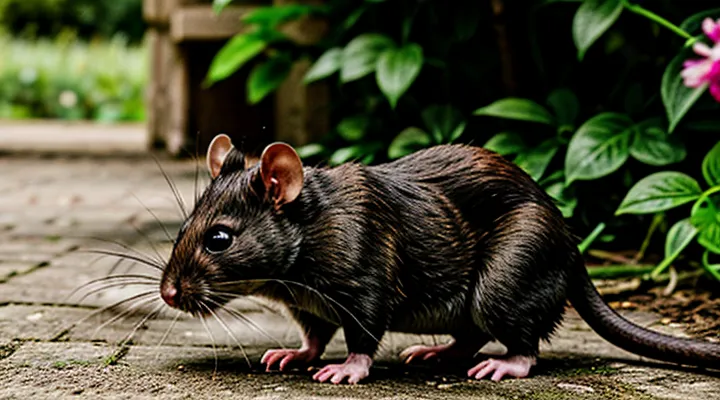
Understanding the Rat Problem
Identifying Rat Infestation Signs
Droppings and Urine
Droppings and urine left by rodents pose significant health risks in a rural residence. They contain pathogens such as hantavirus, leptospira, and salmonella, which can be transmitted through inhalation of dried particles or direct contact with contaminated surfaces. Persistent odors attract additional pests and compromise indoor air quality.
Effective management requires immediate identification, safe removal, and thorough decontamination:
- Wear disposable gloves, a respirator rated for particulate matter, and protective clothing before entering affected areas.
- Collect visible droppings with a damp paper towel; avoid sweeping or vacuuming dry material to prevent aerosolization.
- Place all contaminated waste in sealed, puncture‑resistant bags for disposal according to local hazardous‑waste guidelines.
- Apply an enzymatic cleaner to all surfaces, allowing the recommended contact time to break down organic residues.
- Rinse treated areas with hot water and a mild detergent, then dry completely to inhibit bacterial growth.
- Seal cracks, gaps, and entry points to prevent future contamination from rodents seeking shelter.
Regular inspection of attic, basement, and storage rooms helps detect early signs of infestation. Maintaining a clean environment, storing food in airtight containers, and using traps or exclusion methods reduce the likelihood of droppings and urine reappearing.
Gnaw Marks
Gnaw marks appear as crescent‑shaped incisions on wood, plastic, or wiring, typically ranging from a few millimetres to several centimetres in depth. The edges are rough, with splintered material and occasional powdery residue from chewed fibres. Common locations include baseboards, pantry shelves, attic rafters, and near utility conduits.
Presence of gnaw marks confirms active rodent activity and signals potential compromise of structural integrity, insulation, and electrical safety. Repeated chewing can weaken load‑bearing elements, expose live wires, and create pathways for contaminant entry, posing a risk to occupants.
Assessment of gnaw marks involves:
- Measuring width and depth to determine species size.
- Identifying material type to evaluate vulnerability.
- Mapping distribution to locate entry points and travel routes.
- Inspecting adjacent areas for droppings, urine stains, or nesting material.
Integration of gnaw‑mark analysis into a removal strategy includes:
- Sealing identified entry holes with steel wool and caulk to prevent re‑entry.
- Replacing severely damaged components to restore structural safety.
- Installing snap‑traps or electronic deterrents along identified travel corridors, positioned away from children and pets.
- Employing non‑chemical repellents, such as ultrasonic emitters, in rooms where gnaw marks were found.
- Conducting regular inspections to verify the absence of new markings and confirm the effectiveness of barriers.
Prompt identification and remediation of gnaw marks reduce the likelihood of further damage while maintaining a safe environment for the household.
Tracks and Runways
Identifying the pathways that rodents use within a rural residence is essential for any safe eradication program. Tracks appear as smoothed soil, gnawed surfaces, or droppings along walls, beams, and near food storage. Runways are the broader corridors—such as attic spaces, crawl‑under areas, and exterior vegetation strips—through which rats travel to reach shelter and resources.
- Inspect foundation walls, porch steps, and garden borders for continuous fur marks or fresh droppings.
- Examine insulation panels, wiring conduits, and pipe openings for chewed edges indicating repeated passage.
- Use low‑intensity infrared cameras at night to reveal active runways without disturbing occupants.
Once tracks and runways are mapped, interrupting them prevents further intrusion while protecting household members.
- Seal entry points with steel wool, metal flashing, or cement; prioritize gaps larger than ¼ inch.
- Install smooth, angled metal flashing on ledges and roof eaves to deter climbing.
- Place rigid barriers—such as hardware cloth—around utility openings and beneath floor joists.
- Remove dense vegetation and debris that create external runways, maintaining a cleared perimeter of at least three meters.
Monitoring after interventions confirms the effectiveness of the measures. Re‑inspect known tracks weekly for fresh signs; any resurgence indicates a breach that requires immediate reinforcement. Continuous maintenance of sealed pathways and a tidy environment sustains a rodent‑free country house without endangering the family.
Unusual Noises
Unusual noises in a rural residence often signal rodent activity. Detecting, interpreting, and responding to these sounds is essential for effective, humane rat control.
The most common acoustic indicators include:
- «scratching» behind walls, especially during nighttime hours;
- «squeaking» from ceiling voids or attic spaces;
- «scurrying» sounds on floorboards when occupants are absent;
- «gnawing» noises emanating from stored feed or wooden structures.
Each sound type points to a specific location and behavior. «Scratching» typically originates from burrowing rodents seeking shelter within insulation or structural cavities. «Squeaking» indicates active movement of rats in confined spaces such as crawl spaces or chimney flues. «Scurrying» suggests foraging activity in open areas, while «gnawing» reveals consumption of stored materials or damage to wooden components.
Effective response measures must avoid chemical hazards and physical traps that could endanger family members. Recommended actions are:
- Seal entry points identified by the direction of the noise; use steel mesh or cement to block gaps larger than ¼ inch.
- Install motion‑activated ultrasonic emitters calibrated to frequencies that disrupt rodent communication without affecting human hearing.
- Deploy live‑capture cages near noise sources; relocate captured animals to a distant, suitable habitat.
- Enhance environmental hygiene by removing food residues, securing garbage, and maintaining dry storage conditions, thereby reducing attractants that generate the described noises.
Continuous monitoring of acoustic patterns after intervention confirms the success of the measures. A decline in «scratching», «squeaking», and related sounds indicates reduced rodent presence, while persistent noises warrant reassessment of sealing integrity and acoustic deterrent placement.
Sightings
Observations of rodent activity provide the primary data for any non‑lethal control program in a rural residence. Accurate identification of rat presence enables targeted measures that protect occupants while eliminating the pest.
Typical indicators include:
- Fresh droppings, approximately one‑centimetre long, found along walls, in stored food areas, or beneath furniture.
- Gnaw marks on wood, plastic, or wiring, characterized by clean, crescent‑shaped teeth impressions.
- Visible tracks in dust, mud, or flour, displaying a distinctive tail‑drag pattern.
- Nocturnal scurrying sounds emanating from attics, crawl spaces, or wall cavities.
- Presence of nests constructed from shredded insulation, paper, or fabric.
Each sighting should be entered into a systematic record containing date, time, exact location, and type of evidence. Consistent logging creates a spatial and temporal map of infestation intensity, which guides the placement of humane traps, sealing of entry points, and removal of attractants.
The compiled data inform strategic actions: traps are positioned at high‑frequency zones, structural gaps are sealed with metal flashing or cement, and food storage practices are revised to eliminate access. Habitat modification, such as trimming vegetation around the foundation, reduces shelter opportunities and discourages re‑entry.
Post‑intervention monitoring compares new observations with baseline records. A decline in the number and variety of sightings confirms the effectiveness of the applied measures, while persistent evidence signals the need for further adjustment. Continuous observation sustains a safe environment for the household without resorting to lethal methods.
Why Rats are Attracted to Your Country House
Food Sources
Rats are attracted to readily available nutrition, making food management the cornerstone of any humane rodent‑control plan for a rural dwelling. Eliminate or secure all potential food supplies to reduce the incentive for infestation.
- Store grains, pet food, and canned goods in airtight containers made of metal or heavy‑wall plastic.
- Keep compost piles away from the house, enclosed in wire mesh no larger than ¼ inch.
- Clean up fallen fruit, nuts, and vegetable scraps promptly; dispose of them in sealed bags.
- Install bird‑feeders at a distance of at least 15 feet from the building and use squirrel‑proof designs to prevent spillage.
- Maintain a regular schedule for garbage collection; place refuse bins on raised platforms with fitted lids.
Additional measures reinforce food‑source control. Seal cracks and gaps around doors, windows, and utility entry points to prevent rodents from entering in search of sustenance. Trim vegetation that contacts the roof or walls, as vines can serve as bridges for rats carrying food items. Regularly inspect storage areas for signs of gnawing or spilled contents, addressing breaches immediately.
By systematically removing accessible nutrition, the likelihood of rat presence diminishes, allowing other non‑lethal deterrents to operate effectively while ensuring the safety of household members.
Water Sources
Water availability strongly influences rat activity in a rural residence. Rats seek reliable hydration; any persistent source creates a focal point for infestation.
Typical water sources that attract rodents include:
- Leaking pipes or faucets
- Pet drinking bowls left unattended
- Rain‑water barrels without secure lids
- Outdoor bird baths or fountains
- Natural ponds or streams adjacent to the property
Control measures focus on eliminating accessible moisture while preserving safe drinking water for occupants. Repair all leaks promptly; replace damaged seals and install shut‑off valves. Store pet water in sealed containers and refresh daily to prevent stagnation. Cover rain‑water collection units with tamper‑proof lids and position them away from shelter sites. Install drainage gradients that direct runoff away from building foundations. Maintain natural water bodies with regular cleaning and install predator‑friendly barriers to discourage rodent use.
When traps or bait stations are deployed, locate them at least several feet from any water source to avoid accidental contamination. Select non‑chemical, humane devices that do not release toxins into the environment. Regularly inspect and clean all water‑related equipment to remove debris that could serve as nesting material.
By systematically removing standing water and securing necessary hydration points, rat populations decline without endangering the household.
Shelter and Warmth
Rats are drawn to unsealed gaps, stacked firewood, and insulation that provides both refuge and heat. Eliminating such shelters reduces the likelihood of infestation without exposing residents to hazards.
Effective actions include:
- Sealing cracks and openings in walls, foundations, and roof eaves with durable caulk or metal mesh.
- Storing firewood at least one meter away from the house, elevated on pallets to prevent direct contact with the ground.
- Trimming vegetation that creates a continuous canopy from the yard to the roof, thereby removing concealed pathways.
- Installing vent covers and chimney caps that block entry while allowing proper airflow.
- Removing clutter from attics, basements, and storage rooms; keeping items off the floor and away from walls.
Regular inspection of insulation and structural elements identifies new gaps before they become viable shelters. Prompt repair of water leaks eliminates moisture that attracts rodents and supports their nesting material. Maintaining these practices preserves a comfortable indoor environment for the family while denying rats the shelter and warmth they require.
Entry Points
Identifying and securing all potential entry points is a prerequisite for effective rodent control in a rural residence. Unsealed openings allow rats to infiltrate living spaces, storage areas, and food supplies, creating health risks for occupants.
Typical access routes include:
- Gaps around foundation walls, especially where soil meets masonry.
- Cracks in exterior siding, brickwork, or stucco.
- Openings around utility penetrations such as water, gas, and electrical lines.
- Unscreened vents, chimney flues, and attic hatches.
- Door and window frames lacking weatherstripping or bearing damaged thresholds.
- Gaps beneath garage doors and in crawl‑space access panels.
- Holes in roof eaves, soffits, and siding joints.
Mitigation actions consist of:
- Inspecting each listed location with a flashlight and a thin probe to detect hidden fissures.
- Applying steel wool or copper mesh to fill narrow cracks before sealing with cement, caulk, or expanding foam.
- Installing stainless‑steel hardware cloth (¼‑inch mesh) over larger openings, securing it with screws and washers.
- Replacing damaged weatherstripping on doors and windows; ensuring that closing mechanisms engage fully.
- Fitting vent covers with fine mesh screens that resist chewing.
- Adding self‑closing devices to garage doors and securing crawl‑space doors with latch mechanisms.
Regular verification of sealed points, particularly after severe weather, maintains the integrity of the barrier and reduces the likelihood of future infestations.
Non-Toxic and Humane Removal Methods
Exclusion and Proofing
Sealing Entry Points
Sealing entry points is the most effective preventive measure for rodent control in a rural residence. Identifying and eliminating gaps stops rats from accessing the interior, reducing the need for harmful interventions.
- Inspect the building envelope: examine walls, foundation, roof, and eaves for holes larger than a quarter‑inch.
- Repair cracks and gaps: use cement, steel wool, or expanding foam to fill openings around pipes, cables, and vents.
- Install door sweeps: attach weather‑stripping to exterior doors to block gaps at the threshold.
- Secure windows and vents: fit fine mesh screens that resist gnawing and fit tightly to frames.
- Shield utility penetrations: cover openings for electrical conduits, plumbing, and HVAC ducts with metal flashing or durable sealants.
- Maintain exterior barriers: keep vegetation trimmed away from the structure and remove debris that could conceal entry points.
Regularly repeat inspections, especially after severe weather, to ensure new gaps are promptly sealed. This systematic approach prevents rat ingress while preserving a safe environment for occupants.
Securing Food Storage
Securing food storage is a fundamental component of rodent control in a rural residence where the safety of occupants must remain uncompromised. Proper storage eliminates attractive food sources, reduces the likelihood of infestation, and supports long‑term prevention.
- Place all dry goods in airtight containers made of metal or heavy‑wall plastic; lids must seal without gaps.
- Keep containers on raised platforms or shelves, at least six inches above the floor, to prevent direct contact with potential nesting material.
- Store pet feed in sealed bins and locate them away from human food supplies; clean any spilled feed immediately.
- Use separate storage for grains, nuts, and cereals; label each container clearly to avoid cross‑contamination.
- Rotate inventory regularly; discard expired items promptly to avoid spoilage that attracts rodents.
- Install simple barriers such as mesh screens on pantry vents and gaps around doors; ensure all seams are tightly closed with caulk or weather‑stripping.
- Maintain a clean environment: sweep floors daily, vacuum crumbs, and wipe countertops after each use.
Implementing these measures creates an environment where food remains inaccessible to rats, thereby supporting broader strategies that protect both the household and the surrounding countryside.
Eliminating Water Sources
Eliminating accessible water deprives rats of a critical resource, forcing them to seek habitats elsewhere.
Key actions for a rural residence include:
- Inspect roof gutters, downspouts, and exterior walls for leaks; repair with waterproof sealants.
- Redirect rainwater away from the foundation using graded soil slopes or French drains.
- Remove standing water from containers, birdbaths, and pet dishes; store items under covers when not in use.
- Ensure kitchen and pantry areas are free of spills; wipe surfaces promptly after cooking.
Additional measures:
- Install drip‑free irrigation systems; schedule watering to minimize excess moisture.
- Seal cracks around pipes, vents, and foundation joints with silicone or expanding foam.
- Maintain vegetation at least one meter from the building to limit ground moisture accumulation.
By removing reliable water sources, the environment becomes unsuitable for rodent habitation while preserving safety for household members.
Removing Clutter and Debris
Removing clutter and debris is a fundamental component of any rodent‑control strategy for a rural residence. Accumulated items provide shelter, nesting material, and pathways that enable rats to thrive unnoticed. By eliminating these resources, the environment becomes hostile to rodent habitation and reduces the likelihood of infestation without endangering occupants.
Effective decluttering proceeds through a systematic process:
- Conduct a thorough inspection of all interior and exterior areas, identifying piles of unused objects, firewood stacks, and discarded building materials.
- Classify items into three categories: retain, relocate, and discard.
- Transfer retained items to sealed, elevated storage containers constructed of metal or thick plastic.
- Relocate removable items to a secure outbuilding or garage, ensuring doors and windows are fitted with tight‑closing hardware.
- Dispose of discarded material according to local waste‑management regulations, favouring sealed bins or scheduled collection services to prevent scavenging.
- Perform a final sweep, removing residual dust, shredded paper, and organic residues that could serve as food sources.
Sustaining a clutter‑free environment requires ongoing vigilance. Install weather‑tight doors on sheds, use rodent‑proof shelving, and schedule periodic audits to detect re‑accumulation. Regular maintenance of these practices limits shelter opportunities, thereby supporting broader rat‑removal measures while preserving family safety.
Trapping and Release
Live Traps («Catch and Release»)
Live traps operate on a «Catch and Release» principle: a rodent enters the device, triggers a latch, and is confined without injury. The trap remains closed until the animal is removed and released at a suitable distance from the property.
Choosing an appropriate trap requires sturdy construction, a secure locking mechanism, and a size that accommodates adult rats. Models featuring transparent chambers allow visual confirmation without opening the device.
Effective placement follows these guidelines:
- Position traps along established runways, typically near walls, behind furniture, or close to food sources.
- Set traps at ground level, aligning the entrance with the rodent’s natural path.
- Maintain a clear zone of at least 30 cm around each trap to prevent accidental disturbance.
Bait selection influences capture rates. Recommended attractants include:
- Fresh fruit pieces (apple, pear) for a sweet scent.
- Small portions of peanut butter for strong olfactory appeal.
- Bits of cooked meat for protein‑driven interest.
Monitoring and release protocol:
- Inspect traps at intervals not exceeding 12 hours to reduce stress on captured rats.
- Wear disposable gloves when handling the trap to avoid disease transmission.
- Transport the live animal to a pre‑identified release site at least 2 kilometers from the house, preferably in a wooded or agricultural area.
- Open the trap gently, allow the rat to exit, and close the device promptly to prevent escape.
Consistent application of these steps provides a humane solution for eliminating rat activity while safeguarding the household.
Placement Strategies
Effective placement of non‑lethal control devices is crucial for preventing rodent activity while safeguarding residents. Identify primary entry points such as gaps around doors, windows, utility lines, and roof eaves; seal these openings before deploying any devices. Position bait stations at least 2–3 meters from children’s play areas and food preparation zones, mounting them on walls or under cabinets where rats travel along established runways. Use snap‑free traps or live‑catch cages along walls, perpendicular to the rodent’s preferred path, with the trigger side facing the wall to increase capture success. Deploy ultrasonic repellators in attic spaces, basements, and crawl‑spaces, ensuring line‑of‑sight clearance for sound propagation. Place scent‑based deterrents—such as peppermint oil pads—near potential nesting sites, including stored firewood piles and compost bins, rotating locations weekly to prevent habituation. Finally, maintain a regular inspection schedule, recording device positions and performance metrics to adjust placement as rodent patterns evolve.
Baits for Live Traps
Baits for live traps provide an effective, humane option for eliminating rodent incursions in a rural residence while preserving the safety of occupants.
Common bait categories include:
- Natural food items such as peanut butter, oatmeal, and dried fruit, valued for strong scent and low cost.
- Commercial attractants formulated with grain or protein blends, designed for prolonged potency.
- Aromatic substances like vanilla extract or cinnamon, useful for targeting scent‑averse individuals.
Selection criteria focus on odor intensity, resistance to spoilage, and absence of toxic compounds. Preference should be given to baits that retain attractiveness over several days and pose no health risk to humans or domestic animals.
Placement recommendations:
- Position traps along established runways, typically within 30 cm of walls or near known entry points.
- Locate baited devices away from food preparation surfaces and child‑accessible areas.
- Secure bait containers to prevent accidental disturbance.
Safety precautions require:
- Storage of bait in sealed, tamper‑resistant containers.
- Use of lockable trap housings when traps are set in accessible locations.
- Clear labeling of baited traps to inform household members.
Routine maintenance involves checking traps at least once daily, discarding captured rodents according to local wildlife regulations, and refreshing bait to maintain lure effectiveness. Consistent monitoring sustains trap performance and reduces the likelihood of secondary infestations.
Safe Release Protocols
Safe release protocols provide a humane alternative to lethal control, protecting occupants while preventing rat populations from re‑establishing inside the dwelling.
The process begins with live capture. Preferred devices include snap‑free traps modified with a release lever, or multi‑catch cages equipped with smooth interior surfaces to avoid injury. Traps should be positioned along established rodent pathways, such as near wall voids, pantry entrances, and exterior openings. Once a rat is secured, a sealed transport container with ventilation holes is placed over the trap to contain the animal without stress.
Key steps for handling captured rodents:
- Verify trap activation before approaching.
- Place transport container swiftly, ensuring no gaps.
- Seal container with a latch that prevents escape.
- Label container with capture date and location.
Transport guidelines require a stable, insulated vehicle compartment to maintain moderate temperature and minimize vibration. Containers must remain upright, and handling should be limited to the duration needed to reach the release site.
Release sites should be selected at least 1 kilometre from the country house, preferably in a wooded area with abundant natural shelter and food sources. The location must be free of residential structures, water sources used for drinking, and agricultural fields where the rodents could become pests.
Release timing favors dusk or early night, aligning with the rats’ nocturnal activity. At the release point, open the container slowly, allowing the animal to exit voluntarily. Observe from a distance to confirm departure, then retrieve the container for cleaning.
Compliance with local wildlife regulations is mandatory; permits may be required for transporting wild rodents. Personal protective equipment, including gloves and masks, reduces disease transmission risk. Disinfection of traps and containers after each use prevents cross‑contamination.
Adhering to these protocols ensures that rodent removal does not compromise household safety and maintains ecological balance.
Natural Repellents and Deterrents
Essential Oils
Essential oils provide a natural, non‑toxic approach to deter rats in a rural residence where human safety is a priority. Their strong aromatic compounds interfere with rodent scent trails and cause discomfort, prompting avoidance of treated areas.
- Peppermint oil – high menthol content repels rodents by overwhelming their olfactory receptors.
- Eucalyptus oil – phenolic compounds create an unfriendly environment for rats.
- Citronella oil – citrus scent masks food odors, reducing attraction.
- Lavender oil – linalool irritates rodent respiratory pathways.
Application methods:
- Soak cotton balls with a few drops of oil; place them near entry points, pantry shelves, and attics.
- Mix oil with water (approximately 10 ml oil per liter) and spray along baseboards, cracks, and exterior foundations.
- Use ultrasonic diffusers to disperse vapor continuously in occupied rooms, ensuring ventilation.
Safety guidelines:
- Keep treated cotton balls out of direct contact with food preparation surfaces.
- Store oils in sealed containers away from children and pets.
- Conduct a patch test on a small area to detect potential allergic reactions.
Combining essential‑oil treatment with structural measures—such as sealing gaps, maintaining cleanliness, and employing humane traps—enhances overall effectiveness while preserving household well‑being.
Predator Urine
Predator urine functions as a chemical repellent that exploits the innate avoidance behavior of rodents. The scent of natural carnivore excretions signals the presence of a threat, prompting rats to vacate the area in search of safer foraging grounds.
The deterrent effect relies on olfactory detection; rats possess a highly developed sense of smell and will retreat when exposed to the odor of species such as foxes, coyotes, or feral cats. The response does not require direct contact, eliminating the risk of physical harm to household members.
- Select a commercially prepared product containing authentic predator urine or a certified synthetic analogue.
- Apply the repellent to strategic locations: entry points, attic corners, pantry shelves, and exterior foundations.
- Reapply every two weeks or after heavy rain, as moisture degrades volatile compounds.
- Combine with sealing of cracks and removal of food sources to reinforce the deterrent effect.
Safety considerations include storing the product out of reach of children and pets, using gloves during application, and ensuring adequate ventilation to prevent lingering odor in occupied rooms. The formulation is non-toxic; however, direct ingestion or prolonged skin contact should be avoided.
Integrating predator urine with complementary tactics—such as snap traps, ultrasonic emitters, and habitat modification—creates a layered defense that maximizes rat displacement while preserving a safe environment for the family.
Ultrasonic Devices
Ultrasonic devices emit high‑frequency sound waves beyond the range of human hearing. Rodents perceive these frequencies as uncomfortable, prompting avoidance of treated zones.
Key characteristics of ultrasonic rat deterrents:
- Frequency range typically 20–65 kHz, adjustable to target specific pest species.
- Coverage area specified in square meters; multiple units may be required for large country houses.
- Battery‑operated or mains‑powered models, allowing placement in remote locations without access to electricity.
Installation guidelines:
- Position devices at ceiling height, away from solid surfaces that could reflect sound and reduce effectiveness.
- Distribute units evenly across interior rooms, attics, and outbuildings where rodent activity is reported.
- Activate devices continuously; most models include a timer for daytime deactivation to conserve energy when rodents are less active.
Safety considerations:
- Ultrasonic emissions do not affect humans or domestic pets such as dogs and cats, provided the frequency remains above 20 kHz.
- Pets with heightened auditory sensitivity may react to lower‑frequency models; select devices with adjustable settings to avoid discomfort.
Maintenance requirements:
- Replace batteries every 6–12 months, depending on usage intensity.
- Clean transducer surfaces regularly to prevent dust accumulation, which can attenuate sound output.
Effectiveness assessment:
- Studies indicate a reduction of rodent presence by 30–60 % in environments where ultrasonic devices are combined with proper sanitation and structural sealing.
- Sole reliance on ultrasonic technology may not achieve complete eradication; integration with exclusion methods and bait stations enhances overall control.
In summary, ultrasonic devices offer a non‑lethal, family‑friendly option for deterring rats in rural residences. Proper placement, continuous operation, and complementary pest‑management practices are essential for optimal results.
Maintaining Cleanliness
Maintaining a high level of cleanliness in a country house directly reduces the likelihood of rat infestation. Food residues, spilled liquids, and clutter provide shelter and nourishment, encouraging rodents to establish colonies. Eliminating these attractants removes the primary incentives for rats to enter living spaces.
Key practices for preserving cleanliness:
- Store all food in sealed containers made of metal or heavy‑duty plastic; inspect containers regularly for damage.
- Clean kitchen surfaces, floors, and appliances after each use; remove crumbs and spills promptly.
- Dispose of waste in tightly closed bins; empty bins daily and keep them away from building foundations.
- Sweep and vacuum storage areas, barns, and attics to eliminate dust, debris, and potential nesting material.
- Repair leaks and eliminate standing water; dry mop floors and surfaces to prevent moisture accumulation.
- Organize tools, equipment, and garden supplies in designated, elevated storage units; avoid stacking items directly on the floor.
- Conduct routine inspections of pantry shelves, cupboards, and under‑furniture spaces; discard expired or spoiled items immediately.
Consistent application of these measures creates an environment where rats cannot find food, water, or shelter, thereby supporting humane, family‑safe pest control strategies.
Prevention and Long-Term Management
Regular Inspections
Exterior Checks
Exterior checks form the first line of defense against rodent intrusion in a rural residence. A systematic survey of the building envelope identifies entry points and conditions that attract rats, allowing preventative actions before interior infestations develop.
- Examine all external walls for cracks, gaps around utility penetrations, and loose siding; seal openings with steel wool, caulking, or metal flashing.
- Inspect the roofline, including eaves, soffits, and vent covers; install mesh screens on vents and ensure roofing material overlaps correctly.
- Verify the condition of the foundation; fill gaps around pipe sleeves, drainage pipes, and crawl‑space access with durable sealant.
- Check doors and windows for weatherstripping integrity; replace worn seals and install door sweeps that close tightly against the threshold.
- Survey the perimeter for vegetation that contacts the structure; trim shrubs, trees, and vines at least 12 inches from the walls to eliminate climbing routes.
- Assess outdoor lighting; replace bright, continuous illumination with motion‑activated fixtures to reduce nocturnal attraction.
- Review waste management areas; position garbage containers on concrete pads, use tight‑fitting lids, and keep a regular removal schedule.
- Examine drainage systems; clear gutters, downspouts, and ground drains to prevent standing water that can support rodent activity.
Regularly repeating these exterior inspections, especially after severe weather or seasonal changes, maintains a barrier that protects occupants while reducing the need for harmful control measures inside the house.
Interior Checks
Effective interior inspection is a prerequisite for secure rodent management in a rural residence. Identify all potential pathways and habitats before implementing any control measures.
Begin with a systematic visual sweep of each room. Look for gnaw marks on baseboards, droppings near food storage, and shredded insulation. Pay special attention to areas where walls meet floors, cabinets, and utility closets.
Document findings and prioritize locations that show the highest activity. Seal identified openings using steel wool, cement, or metal flashing. Replace damaged weather‑stripping on doors and windows. Install door sweeps to block gaps under entryways.
Maintain a clean interior environment to discourage re‑infestation. Store food in airtight containers, remove crumbs promptly, and keep garbage cans sealed. Regularly clean behind appliances and beneath furniture where debris can accumulate.
Key actions for interior checks
- Conduct a room‑by‑room visual assessment weekly.
- Record evidence of rodent presence with photographs or written notes.
- Apply durable sealing materials to all discovered entry points.
- Eliminate food and water sources by using sealed containers and fixing leaks.
- Schedule periodic re‑inspection to verify the integrity of barriers.
By adhering to these procedures, the interior of the country house remains inhospitable to rats while preserving the safety of occupants. «Seal every gap, protect every corner».
Monitoring for Re-infestation
Monitoring for re‑infestation must begin immediately after the initial eradication effort and continue for several months. Early detection prevents a small population from expanding into a full‑scale problem that could jeopardize the safety of occupants.
Effective monitoring includes three core actions:
- Conduct visual inspections of entry points, stored feed, and nesting sites at least weekly during the first month, then bi‑weekly for the next two months. Look for droppings, gnaw marks, and fresh burrows.
- Deploy passive detection devices such as snap‑freezer stations and motion‑activated cameras in concealed locations. Check devices daily and replace bait or batteries as needed.
- Maintain a log of observations, device readings, and any rodent activity. Record date, location, and type of evidence to identify patterns and adjust preventive measures.
When any sign of activity appears, trigger an immediate response: seal the identified entry, reinforce barriers, and apply targeted, non‑lethal control methods. Document the response and reassess the monitoring schedule to ensure continued vigilance.
Yard and Garden Maintenance
Trimming Vegetation
Trimming vegetation around a country house reduces the opportunities for rats to find shelter and food, thereby supporting a safe environment for the household.
Dense shrubs, tall grasses, and overgrown hedges create concealed pathways and nesting sites. Regular cutting eliminates these hiding places, forces rodents to seek more exposed areas, and makes detection and removal easier.
- Cut back shrubs to a height of no more than 12 inches from the ground.
- Mow lawns weekly during the growing season.
- Remove fallen leaves and fruit debris promptly.
- Prune tree branches that touch the roof or walls to prevent access.
- Dispose of trimmed material away from the building, preferably by burning or composting in a sealed container.
Maintaining a clear perimeter also discourages secondary food sources such as insects attracted to unmanaged plants. Periodic inspection of the trimmed zone helps identify any new growth or rodent activity before it escalates.
Consistent vegetation management, combined with other humane control measures, creates a hostile environment for rats while preserving the safety of the family residing in the rural dwelling.
Storing Firewood Properly
Properly stored firewood reduces shelter and food sources that attract rodents to a rural dwelling. Position the stack at least three meters from the house foundation, away from exterior walls, and on a raised, well‑drained surface such as a concrete slab or pallet. Elevation prevents moisture accumulation and limits direct contact with soil, which discourages burrowing.
- Stack wood in a single‑layer arrangement, leaving a minimum of five centimeters between pieces for air circulation.
- Align logs vertically, with the smallest ends facing outward to avoid gaps.
- Cover the top with a waterproof tarp, securing edges to prevent wind lift while leaving the sides exposed for ventilation.
- Avoid storing firewood against fences, garden beds, or compost piles; distance mitigates cross‑attraction of pests.
Maintain low humidity within the pile. Periodically inspect for signs of gnawing or droppings; remove compromised pieces promptly. Rotate older wood to the bottom of the stack, ensuring newer material remains accessible and dry. Regularly clean the storage area of debris, leaves, and fallen branches that could conceal rodents.
Implementing these practices creates an environment hostile to rats, supporting broader efforts to keep the country house safe for its occupants.
Managing Waste and Composting
Effective waste handling reduces attractants that draw rodents into a rural dwelling. Secure storage of food scraps, regular removal of garbage, and proper segregation of organic material limit the availability of shelter and nourishment for rats.
Implement a sealed compost system. Choose a closed‑lid composter, maintain a balanced carbon‑to‑nitrogen ratio, and turn the pile regularly to accelerate decomposition. Temperature monitoring ensures the pile reaches thermophilic levels, which destroy pathogens and deter vermin. Avoid placing compost near the house foundation; locate it at a distance that prevents rodents from using it as a bridge to the interior.
Key practices for waste and compost management:
- Store all refuse in containers with tight‑fitting lids; inspect seals for damage weekly.
- Empty indoor bins daily; transfer contents to an external, rodent‑proof dumpster.
- Separate fruit and vegetable waste from meat or dairy residues; the latter attract rats more strongly.
- Keep compost bins elevated on a platform or stand to prevent ground access.
- Install a fine mesh screen (≤ ¼ inch) over ventilation openings to block entry.
Maintain a clean perimeter by removing fallen leaves, debris, and standing water, which provide additional hiding places. Regularly inspect the property for signs of gnawing or droppings, and address any breaches in building envelopes promptly. By integrating disciplined waste disposal with a controlled composting process, the habitat becomes unsuitable for rats, preserving the safety of the household without resorting to harmful measures.
When to Seek Professional Help
Persistent Infestations
Persistent infestations in a rural dwelling indicate a failure of initial control measures and the presence of conditions that support ongoing rodent activity. They manifest as repeated sightings, gnaw marks, and droppings despite previous attempts at removal.
Factors that sustain a rat population include accessible food sources, shelter opportunities, and inadequate exclusion points. Unsecured compost piles, feeding stations, and cracks in foundations create corridors for re‑entry. Seasonal variations may also drive rats to seek indoor refuge during colder months, increasing contact with human occupants.
Effective response begins with a thorough inspection. Identify entry points, map activity zones, and assess food availability. Document findings to guide targeted interventions and to measure progress over time.
Integrated control tactics:
- Seal all openings larger than ¼ inch using steel wool, metal flashing, or cement.
- Store feed and waste in rodent‑proof containers; remove spillage promptly.
- Install snap traps or electronic devices in high‑traffic areas, positioning bait away from children and pets.
- Deploy ultrasonic deterrents in occupied rooms, ensuring devices are placed out of direct reach.
- Conduct regular cleaning to eliminate hidden food residues and nesting material.
Continuous monitoring validates the effectiveness of measures. Check traps weekly, re‑inspect sealed gaps monthly, and adjust bait placement as needed. Sustained vigilance prevents re‑infestation while preserving a safe environment for the household.
Large-Scale Problems
Large‑scale rodent control in a rural dwelling presents several systemic challenges that extend beyond simple removal tactics.
The magnitude of an infestation often exceeds the capacity of isolated interventions. When rats occupy multiple structures, underground burrows, and surrounding fields, containment requires coordinated action across a broad area.
Regulatory frameworks impose additional constraints. Local wildlife protection statutes may limit the use of certain poisons, while health authorities demand evidence of humane practices. Compliance with these rules adds procedural steps and documentation requirements.
Environmental considerations affect decision‑making. Non‑target species, soil micro‑ecosystems, and water sources can be disrupted by broad‑spectrum control measures. Mitigation strategies must balance efficacy against ecological impact.
Resource allocation creates further complications. Effective large‑scale operations demand specialized equipment, trained personnel, and sustained funding. Budgetary limits often restrict the frequency of monitoring and the breadth of preventive measures.
Key problems can be summarized as follows:
- Extensive geographic coverage required for complete eradication
- Legal restrictions on permissible control agents
- Potential collateral damage to native fauna and ecosystems
- High operational costs and need for continuous oversight
Addressing these issues necessitates integrated planning, adherence to statutory guidelines, and investment in environmentally responsible technologies.
Integrated Pest Management (IPM)
Integrated Pest Management (IPM) defines a systematic approach that combines biological, cultural, mechanical, and chemical tactics to suppress rodent populations while preserving human health and environmental integrity.
Applying IPM in a rural residence offers a framework that minimizes direct contact with toxic substances, reduces structural damage, and aligns with family safety priorities.
Key components of IPM for rat control include:
- Regular monitoring using traps and visual inspections to assess activity levels.
- Sanitation measures that eliminate food sources, such as securing waste containers and removing spillage.
- Physical exclusion through sealing entry points, installing door sweeps, and repairing ventilation openings.
- Mechanical control employing snap traps or live‑catch devices positioned along established pathways.
- Biological control limited to encouraging natural predators, for example installing owl nesting boxes where appropriate.
- Targeted chemical application reserved for severe infestations, employing low‑toxicity rodenticides placed in tamper‑proof stations.
Implementation proceeds in stages:
- Conduct a thorough inspection to locate signs of infestation and potential ingress routes.
- Apply sanitation and exclusion measures to reduce attractants and block access.
- Deploy mechanical traps in high‑traffic zones, recording capture data for population assessment.
- Evaluate trap results; if activity persists, introduce limited chemical interventions following label instructions.
- Maintain ongoing monitoring, adjusting tactics based on observed trends.
Continuous evaluation ensures that rodent numbers remain below damaging thresholds, confirming that IPM delivers effective, family‑friendly rat management for a country house.
Ensuring Family and Pet Safety
Avoiding Harmful Chemicals
Dangers of Rodenticides
Rodenticides present significant health risks for residents of rural homes. Toxic compounds such as anticoagulants, bromethalin, and zinc phosphide can be absorbed through skin contact, inhalation of dust, or accidental ingestion. Children and pets are especially vulnerable because they may mistake bait pellets for food.
Key hazards include:
- Severe bleeding caused by anticoagulant exposure, leading to internal hemorrhage and potentially fatal outcomes.
- Neurological damage from bromethalin, manifested as muscle weakness, seizures, and permanent loss of motor function.
- Acute poisoning from zinc phosphide, producing rapid respiratory distress, convulsions, and organ failure.
- Secondary poisoning of non‑target wildlife that consumes contaminated prey, disrupting local ecosystems.
Environmental persistence compounds the problem. Many rodenticides remain active in soil for months, contaminating groundwater and affecting crops cultivated on the property. Residual toxicity can also impair the safety of stored food supplies, increasing the likelihood of accidental consumption.
Regulatory guidelines often restrict indoor use of highly toxic formulations. Compliance with these standards reduces the probability of accidental exposure and aligns with best practices for maintaining a safe household environment.
Alternatives that avoid chemical hazards include sealing entry points, employing live‑capture traps, and encouraging natural predators such as owls and barn cats. Implementing these measures eliminates reliance on poisonous baits while achieving effective rat control in a country residence.
Risks to Children and Pets
Rats present a direct health threat to children and pets in a rural residence. Their droppings, urine, and saliva carry pathogens such as hantavirus, leptospirosis, and salmonella, which can be transmitted through accidental ingestion or contact with contaminated surfaces. Young children, attracted by curiosity, may place contaminated objects in their mouths or handle traps, increasing exposure risk.
Pets encounter comparable dangers. Carnivorous animals that hunt or scavenge may ingest rodents, leading to internal injuries, bacterial infections, or exposure to poisons used in rodent control. Non‑target animals can become entangled in snap traps or suffer burns from electric devices, resulting in trauma or death.
Mitigation measures focus on prevention, safe removal, and monitoring:
- Seal entry points with steel wool, concrete, or metal flashing to block access.
- Deploy live‑capture traps in concealed locations unreachable by children and pets; release captured rodents far from the property.
- Use bait stations equipped with tamper‑resistant locks, placing them at least 2 meters above ground and away from play areas.
- Conduct regular inspections of stored feed, compost, and waste to eliminate attractants.
- Educate household members about safe handling of traps and proper disposal of captured rodents.
Adhering to these practices minimizes the probability of disease transmission and accidental injury, safeguarding both children and companion animals while maintaining a rodent‑free environment.
Environmental Impact
Effective rat control at a countryside residence influences local ecosystems, soil health, and water quality. Chemical baits can introduce toxic residues that persist in the ground, potentially affecting earthworms, insects, and other wildlife. Physical traps generate waste that requires proper disposal to prevent secondary contamination. Habitat alteration, such as sealing entry points, may displace rodents to adjacent fields, altering predator‑prey dynamics.
Key environmental considerations include:
- Persistence of rodenticide compounds in soil and runoff.
- Risk of accidental ingestion by non‑target animals.
- Generation of plastic or metal waste from traps.
- Potential shift in local biodiversity due to reduced rodent activity.
Mitigation measures focus on non‑chemical approaches, biodegradable trapping materials, and targeted exclusion techniques. Regular monitoring of bait stations ensures minimal environmental loading, while integrated pest management protocols coordinate habitat modification with natural predation. Implementing these practices preserves ecological integrity while maintaining a safe living environment for occupants.
Safe Handling of Rats
Protective Gear
Protective equipment is a prerequisite for any rodent‑control operation in a rural dwelling where family members must remain unharmed.
Essential items include:
- Heavy‑duty disposable gloves — resist punctures and prevent direct contact with saliva or urine.
- N95 or higher‑efficiency respirator — filters airborne particles and reduces inhalation of allergens.
- Impact‑resistant safety goggles — shield eyes from droppings, debris, and potential bites.
- Full‑body coveralls made of breathable, tear‑resistant fabric — provide barrier against fur and droppings; secure with elastic cuffs and a zippered front.
- Slip‑resistant boots with steel toe caps — protect feet from traps and fallen objects while maintaining traction on uneven ground.
Selection criteria demand material durability, ease of disposal or decontamination, and compliance with occupational safety standards. Regular inspection for tears, compromised seals, or degraded filters prevents equipment failure. Decontamination procedures require thorough washing of reusable items with hot water and detergent, followed by complete drying before storage.
Proper use of protective gear minimizes health risks for occupants and workers, ensuring that rat‑removal activities proceed without endangering the household.
Hygiene Practices
Maintaining strict hygiene in a country house reduces the attraction of rodents and supports humane removal strategies. Regular removal of food residues, crumbs, and spilled liquids eliminates primary food sources for rats. All kitchen surfaces should be wiped with disinfectant after each use, and floors swept or vacuumed daily to prevent build‑up of debris.
Secure storage of foodstuffs limits access for pests. Keep dry goods in airtight containers, preferably metal or heavy‑wall plastic, and refrigerate perishables promptly. Waste bins must feature tight‑fitting lids and be emptied at least twice weekly; exterior containers should be placed away from building walls.
Structural cleanliness contributes to long‑term rodent deterrence. Repair cracks in walls, floors, and foundations; seal gaps around pipes, vents, and doors with appropriate caulking or mesh. Maintain vegetation at a distance of at least one meter from the house, trimming overgrown shrubs and removing compost piles that could harbor insects and rodent shelter.
Routine inspections reinforce preventive measures. Schedule monthly checks of storage areas, waste disposal sites, and structural seals. Document findings and corrective actions to ensure consistent standards and to support non‑lethal rat control efforts.
Educating Family Members
Explaining the Risks
Rats inhabiting a rural residence pose several hazards that must be evaluated before any control action.
Health dangers include transmission of pathogens such as leptospira, hantavirus, and salmonella. Direct contact with urine, droppings, or saliva can contaminate food preparation surfaces, leading to gastrointestinal illness. Allergens released by rodent dander may exacerbate asthma or allergic reactions among occupants.
Structural damage arises from gnawing behavior. Rats compromise insulation, wooden beams, and stored grain, while also chewing electrical wiring, increasing the risk of short circuits and fire. Undetected burrows weaken foundation integrity, especially in older cottages with soft soil.
Chemical interventions introduce toxicity concerns. Rodenticides contain anticoagulants or neurotoxins that can be accidentally ingested by children or pets. Residual bait may persist on surfaces, contaminating kitchenware and water sources. Improper disposal of dead rodents can release toxic substances back into the environment.
Environmental impact extends to non‑target wildlife. Poison baits may be consumed by birds, beneficial insects, or predatory mammals, disrupting local ecosystems. Inappropriate placement of traps can injure protected species, violating conservation regulations.
Risk mitigation requires a layered approach:
- Seal all potential entry points using steel‑wool and cement to prevent reinfestation.
- Deploy snap‑type or live‑capture traps positioned away from food storage and child‑accessible areas.
- Employ bait stations only under professional supervision, ensuring child‑proof designs and regular monitoring.
- Conduct periodic inspections of structural elements, focusing on insulation, wiring, and foundation seams.
- Maintain rigorous hygiene practices: clean surfaces with disinfectants, store food in sealed containers, and dispose of rodent waste in sealed bags.
By recognizing and addressing these risks, a country house can achieve effective rodent control while safeguarding the health and safety of its residents.
Involving Children in Prevention
Involving children in rat‑prevention at a rural residence enhances early detection and sustains sanitary habits that deter infestations. Children’s natural curiosity makes them effective observers of droppings, gnaw marks, or unusual noises, providing immediate alerts before populations establish.
Practical actions for young participants include:
- Assign daily inspection of storage areas, focusing on sealed containers and pantry corners.
- Teach proper food‑storage techniques: airtight jars, elevated shelves, and regular waste removal.
- Encourage hand‑washing after outdoor play and before meals to eliminate inadvertent food transfer.
- Involve children in setting up simple traps that do not rely on poison, such as snap or live‑capture devices, under adult supervision.
Education should be age‑appropriate and reinforced through short, factual discussions. Demonstrations of how rats enter homes—through gaps, open doors, or unsecured compost—clarify the impact of each preventive measure. Visual aids, such as the statement «Rats avoid clean, sealed environments», reinforce the message without inducing fear.
Adult oversight remains essential. Parents must verify that children handle traps safely, monitor waste disposal routines, and periodically review inspection logs. By integrating children’s observations with structured guidance, the household maintains a proactive stance against rodent intrusion while preserving a safe environment for all family members.