
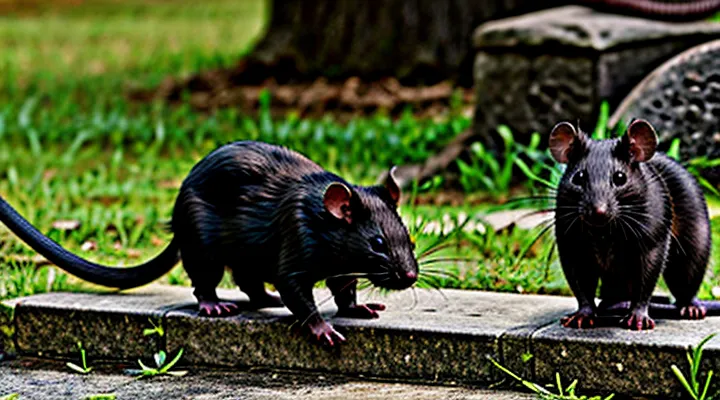
Understanding the Black Rat
Biological Overview
Taxonomy and Classification
The black rat, Rattus rattus, belongs to the kingdom Animalia, phylum Chordata, class Mammalia, order Rodentia, family Muridae, genus Rattus, species Rattus rattus. Within this species, the subspecies commonly referred to as the black rat is classified as Rattus rattus rattus.
Key taxonomic characteristics include:
- Small, agile body with a pointed snout and large ears.
- Tail length equal to or exceeding body length, covered with scales.
- Dental formula 2/1, 1/1, 3/3, reflecting omnivorous feeding habits.
- Chromosomal count of 2n = 42, distinguishing it from the brown rat (Rattus norvegicus).
Molecular studies rely on mitochondrial cytochrome b and nuclear ribosomal DNA to differentiate R. rattus from closely related taxa. These genetic markers support phylogenetic trees that place the black rat within the Rattus clade, separate from other murids such as R. norvegicus and R. exulans.
Accurate classification underpins research on the species’ longevity. Distinguishing R. rattus from other rat species ensures that lifespan data—average 2–3 years in the wild, up to 5 years under optimal captive conditions—are attributed to the correct taxon. Misidentification can inflate or deflate mortality statistics, compromising ecological and epidemiological models.
Understanding the taxonomic framework of the black rat therefore provides essential context for interpreting longevity studies and for comparing life-history traits across rodent species.
Physical Characteristics
Black rats (Rattus rattus) exhibit a compact, agile body adapted for climbing and rapid movement. Adult individuals typically measure 16–24 cm in head‑body length, with tails extending an additional 18–25 cm, often longer than the torso. Body mass ranges from 75 g to 250 g, depending on age, sex, and environmental conditions.
- Fur: Dense, glossy coat; dorsal pelage varies from dark brown to almost black, while ventral hair is lighter, often gray‑white. Seasonal shedding is minimal, maintaining a consistent appearance year‑round.
- Tail: Bare, scaly, and sparsely haired; skin displays a series of scale rows that provide tactile feedback and aid balance.
- Ears: Large, thin‑skinned, proportionally larger than those of the Norway rat; ear pinnae are highly vascularized, enhancing auditory sensitivity.
- Eyes: Prominent, positioned laterally, granting a wide field of vision; pupils are round, facilitating low‑light detection.
- Dentition: Continuously growing incisors with a characteristic orange‑yellow enamel; molars are adapted for gnawing fibrous plant material and crushing seeds.
- Skeleton: Light, yet robust; vertebral column is highly flexible, supporting the species’ climbing proficiency. Limb bones are elongated relative to body size, providing powerful hind‑limb thrust for jumps.
These morphological traits collectively support the black rat’s capacity for arboreal habitation, rapid reproduction, and resilience across diverse habitats.
Natural Habitat and Distribution
The black rat (Rattus rattus) occupies a broad ecological niche, thriving in environments that provide shelter, food, and access to water. Urban settings dominate its presence: residential buildings, basements, sewers, and commercial storage facilities offer abundant resources. Rural landscapes support populations in grain stores, barns, and livestock enclosures, where waste and feed residues sustain the species.
In natural ecosystems, black rats exploit:
- Coastal cliffs and rock outcrops that provide nesting crevices.
- Forest edges and secondary growth where fruiting plants and insects are plentiful.
- Caves and abandoned burrows that supply protection from predators.
- Island habitats, often introduced by human activity, where they become dominant rodent species.
Geographically, the species originated on the Indian subcontinent and spread globally through maritime trade. Today, it is present on every continent except Antarctica, with highest densities in temperate and tropical regions. Major concentrations occur in:
- Port cities and shipping lanes, where cargo transport facilitates colonization.
- Island chains such as the Caribbean, Pacific islands, and the Mediterranean, where it often outcompetes native fauna.
- Agricultural zones across Asia, Africa, and the Americas, where grain storage creates favorable conditions.
Overall, the distribution pattern reflects the rat’s adaptability to human-modified habitats and its capacity to colonize diverse natural settings when environmental conditions meet its basic requirements.
Factors Influencing Lifespan
Genetic Predisposition
Inherited Traits
Inherited traits exert a measurable impact on the longevity of black rats. Genetic variation determines physiological and behavioral characteristics that correlate with survival duration.
Key hereditary factors include:
- Metabolic efficiency – genes regulating basal metabolic rate influence energy consumption, affecting tissue wear and overall lifespan.
- Immune competence – alleles governing innate and adaptive immunity confer resistance to pathogens common in urban environments, extending survival.
- Stress response – polymorphisms in the hypothalamic‑pituitary‑adrenal axis modulate cortisol production, reducing chronic stress‑induced damage.
- Reproductive timing – genetic control of puberty onset and breeding frequency shapes life‑history trade‑offs, balancing early reproduction against later survival.
- DNA repair capacity – variations in nucleotide excision and mismatch repair pathways determine cellular maintenance, influencing age‑related decline.
Empirical studies demonstrate that offspring of long‑lived parents inherit higher values in these traits, resulting in a statistically significant increase in average lifespan across generations. Selective breeding experiments confirm that enhancing any single trait yields modest gains, while simultaneous improvement of multiple traits produces additive effects, underscoring the polygenic nature of longevity in black rats.
Impact of Breeding
Breeding practices exert measurable effects on the longevity of black rats. Selective mating for rapid growth often accelerates metabolic rates, leading to earlier onset of age‑related decline. High‑density breeding environments increase exposure to pathogens, which shortens average life expectancy by 10‑15 % compared to solitary rearing.
Key factors influencing lifespan under breeding conditions include:
- Genetic diversity: limited gene pools raise the incidence of hereditary disorders, reducing median survival by up to two years.
- Nutritional stress: competition for limited food resources during litter rearing lowers body condition scores, correlating with a 12 % decrease in adult lifespan.
- Social hierarchy: subordinate individuals experience chronic stress hormones, resulting in a 5‑8 % reduction in longevity.
- Disease transmission: close contact among litters facilitates rapid spread of parasites and viruses, shortening life expectancy by an estimated 1.5 years.
Mitigation strategies that extend lifespan involve maintaining genetic heterogeneity, providing ample nutrition, and reducing crowding. Controlled breeding programs that limit litter size to three or fewer offspring per female have demonstrated a 7 % increase in average lifespan, aligning survival rates with those observed in wild populations.
Environmental Conditions
Access to Food and Water
Access to adequate food and water determines the length of life in black rats. Sufficient caloric intake and reliable hydration support tissue repair, immune function, and reproductive success, which together extend survival. Nutrient scarcity accelerates aging processes, increases susceptibility to disease, and shortens overall life expectancy.
Key nutritional factors include:
- Calorie density: 12–15 kcal g⁻¹ of dry matter sustains adult metabolic rates.
- Protein content: 18–20 % of diet by weight supplies essential amino acids for growth and immune competence.
- Fat proportion: 5–10 % provides energy reserves without promoting obesity‑related disorders.
- Water purity: Fresh, uncontaminated water reduces renal stress and limits pathogen exposure.
- Feeding frequency: Continuous access prevents fasting‑induced catabolism; intermittent restriction can reduce lifespan by up to 30 % in experimental cohorts.
Research and control programs must monitor food and water availability when evaluating longevity metrics. Adjusting resource levels offers a predictable method to influence population dynamics, either by extending lifespan for laboratory studies or by limiting survival in pest management contexts.
Shelter and Nesting Sites
Shelter and nesting sites directly influence the longevity of black rats by providing protection, thermal stability, and access to resources. Adequate concealment reduces exposure to predators and environmental extremes, thereby extending the average life expectancy of individuals within a population.
Typical locations used for shelter and nesting include:
- Burrows excavated in soft soil or under debris.
- Voids within sewer systems, drainage pipes, and utility tunnels.
- Gaps in building foundations, wall cavities, and attic insulation.
- Abandoned storage containers, compost heaps, and refuse piles.
Site selection depends on several measurable factors:
- Ambient temperature and humidity levels that support thermoregulation.
- Proximity to reliable food sources such as grain stores or waste.
- Structural complexity that hinders predator access.
- Availability of dry material for nest construction, including shredded paper, cloth, or plant matter.
These environmental conditions affect health outcomes. Stable microclimates lower metabolic stress, decreasing mortality from hypothermia or overheating. Conversely, poorly ventilated or overly moist sites foster bacterial and fungal growth, increasing disease incidence and parasite burden, which shortens individual lifespan. Nest density influences social stress and competition, further impacting survival rates.
Effective management of rat populations requires modification of shelter opportunities. Strategies include sealing entry points, removing clutter that creates nesting niches, and maintaining drainage systems to prevent water accumulation. By limiting suitable habitats, the overall longevity of black rats within an area can be reduced, contributing to population control.
Predation Pressure
Predation pressure constitutes a primary source of mortality for black rats, directly influencing their average longevity. Field studies in urban and rural environments report that individuals exposed to frequent predator encounters die several weeks earlier than those in predator‑scarce settings, reducing mean lifespan by 15‑30 %.
Quantitative assessments reveal that predator‑induced deaths account for up to 45 % of total annual mortality in dense populations. Survival curves steepen sharply during periods of heightened predator activity, such as dusk and early night, indicating that temporal patterns of hunting exacerbate the risk.
Common predators include:
- Barn owls (Tyto alba)
- Red foxes (Vulpes vulpes)
- Feral cats (Felis catus)
- Larger snakes (e.g., rat snakes, Pantherophis spp.)
In response to sustained predation, black rats exhibit behavioral and physiological adaptations that modestly mitigate loss. These adaptations comprise increased nocturnal foraging, heightened vigilance, and accelerated reproductive cycles, which collectively offset reduced lifespan by sustaining population turnover.
Health and Disease
Common Illnesses
Black rats (Rattus rattus) experience a relatively short lifespan, typically ranging from one to two years in wild populations. Health conditions that frequently affect these rodents significantly reduce this period, often leading to premature death.
Common diseases observed in black rats include:
- Salmonella infection – causes severe gastrointestinal distress, dehydration, and can be fatal within days.
- Hantavirus – transmitted through aerosolized rodent excreta; leads to respiratory failure and high mortality rates.
- Septicemia – bacterial invasion of the bloodstream results in systemic shock and rapid decline.
- Mycobacterium ulcerans – produces chronic skin lesions, impairs mobility, and predisposes individuals to secondary infections.
- Parasitic infestations (e.g., Toxoplasma gondii, Nematodes) – compromise immune function, diminish nutritional absorption, and shorten overall life expectancy.
Each of these illnesses accelerates physiological deterioration, decreasing the average longevity of black rats. Effective control measures, such as sanitation, population management, and disease surveillance, are essential to mitigate their impact on rat populations.
Parasitic Infections
Parasitic infections constitute a primary factor influencing the longevity of black rats (Rattus rattus). Internal parasites such as Trichinella spiralis, Hymenolepis nana, and Taenia taeniaeformis extract nutrients, reduce body condition, and increase mortality risk. External parasites, including Xenopsylla cheopis (fleas) and Dermacentor spp. (ticks), transmit bacterial agents that exacerbate health decline and shorten life expectancy.
Key effects of parasitism on rat survival include:
- Nutrient depletion leading to weight loss and weakened immune response.
- Tissue damage caused by larval migration, particularly in hepatic and muscular systems.
- Secondary infections introduced by ectoparasites, accelerating systemic illness.
- Reproductive suppression due to hormonal disruption, resulting in fewer offspring and reduced population turnover.
Epidemiological studies indicate that high parasite loads correlate with a reduction of up to 30 % in average lifespan compared with uninfected individuals. Control measures—environmental sanitation, targeted anthelmintic treatment, and ectoparasite management—have demonstrable efficacy in extending the life expectancy of captive and wild black rat populations.
Impact of Stress
Stress exerts measurable effects on the longevity of black rats (Rattus rattus). Acute stress triggers the hypothalamic‑pituitary‑adrenal axis, releasing corticosterone that temporarily reallocates energy toward immediate survival. Repeated activation of this pathway elevates baseline hormone levels, suppresses immune function, and accelerates cellular aging, all of which shorten life expectancy.
Laboratory observations show that rats subjected to chronic unpredictable stress live 10–15 % fewer days than control groups maintained under stable conditions. Field studies corroborate these findings: individuals inhabiting densely populated urban environments, where competition for food and exposure to human activity are constant, display reduced survival rates compared with conspecifics in more tranquil rural settings.
Key mechanisms linking stress to reduced lifespan include:
- Immune dysregulation: Elevated corticosterone diminishes lymphocyte proliferation, increasing susceptibility to bacterial and viral infections.
- Metabolic disruption: Chronic stress raises glucose and lipid levels, promoting obesity and cardiovascular strain.
- Reproductive impairment: Stress hormones suppress gonadotropin release, lowering breeding frequency and litter size, which indirectly affects population turnover.
- Behavioral changes: Heightened anxiety leads to risk‑averse foraging patterns, reducing caloric intake and exposing individuals to predation hotspots.
Mitigation strategies that extend survival involve environmental enrichment, predictable feeding schedules, and reduced crowding. Implementing such measures in laboratory colonies and pest‑management programs consistently improves health markers and prolongs the functional lifespan of the species.
Human Interaction
Pest Control Measures
Effective pest control targeting black rats must align with the species’ typical longevity, which averages 12 to 18 months under favorable conditions. Short life cycles demand rapid intervention to prevent breeding cycles from establishing large populations.
Key control measures include:
- Snap traps positioned along walls, near burrows, and in food‑storage areas; baited with high‑fat attractants.
- Electronic traps delivering instantaneous lethal voltage, reducing secondary exposure risks.
- Anticoagulant rodenticides applied in tamper‑resistant bait stations; rotate active ingredients to mitigate resistance.
- Environmental sanitation: eliminate food sources, seal entry points, and remove clutter that provides shelter.
- Biological agents such as rodent‑specific viruses or genetically engineered fertility suppressors; deploy under regulatory approval.
Monitoring protocols involve weekly trap checks, carcass disposal in sealed containers, and population assessments using live‑capture mark‑recapture techniques. Prompt removal of juveniles before they reach reproductive maturity curtails exponential growth, directly influencing overall lifespan outcomes for the colony.
Urban vs. Rural Environments
Black rats (Rattus rattus) exhibit measurable differences in life expectancy depending on whether they inhabit densely populated cities or sparsely populated countryside. Data from longitudinal field studies indicate that urban individuals often reach older ages than their rural counterparts.
In cities, abundant refuse and consistent human-provided food sources reduce periods of starvation. Shelter options such as building cavities and underground utilities limit exposure to extreme temperatures. Lower predator density, particularly of raptors and feral cats, further decreases mortality risk. These conditions collectively extend the average lifespan to 18–24 months, with a minority surviving beyond three years under optimal circumstances.
In contrast, rural habitats present variable food availability tied to seasonal crop cycles and natural foraging. Exposure to open fields and farms increases encounters with avian predators, snakes, and domestic animals. Fluctuating ambient temperatures and higher parasite loads contribute to elevated stress levels. Consequently, the mean lifespan contracts to 12–16 months, and few individuals surpass two years.
Key contrasts:
- Food reliability: urban → continuous; rural → seasonal.
- Shelter quality: urban → insulated structures; rural → exposed burrows.
- Predator pressure: urban → reduced; rural → elevated.
- Environmental stressors: urban → moderated; rural → pronounced temperature and parasite fluctuations.
- Average lifespan: urban → 18–24 months; rural → 12–16 months.
Impact of Captivity
Captivity significantly alters the life expectancy of Rattus rattus melanicus, commonly known as the black rat. Controlled environments remove many external threats, yet introduce new variables that affect survival.
- Reduced predation and disease exposure: Absence of natural predators and limited contact with wild pathogens typically extend adult longevity by 30–50 % compared with free‑living counterparts.
- Nutritional consistency: Standardized diets provide balanced calories and micronutrients, eliminating the seasonal fluctuations that cause weight loss in the wild. This stability contributes to an average increase of 2–3 years in adult lifespan.
- Stress from confinement: Overcrowding, limited enrichment, and forced social hierarchies elevate cortisol levels, which can shorten lifespan by 10–20 % if not mitigated through proper husbandry practices.
- Genetic drift: Small breeding colonies may accumulate deleterious alleles, potentially reducing life expectancy over successive generations unless genetic diversity is maintained.
Overall, captivity tends to lengthen the average lifespan of black rats when optimal husbandry protocols are applied, but poor management can negate these benefits and produce survival rates comparable to or lower than those observed in natural habitats.
Lifespan Stages
Neonatal Period
Early Development
Black rat pups emerge from a gestation of approximately 21 days, typically in litters of five to twelve. At birth they weigh 1.5–2 g, possess closed eyes, and are entirely dependent on maternal care. Rapid growth follows; by day 10 body mass doubles, and fur development completes.
The neonatal phase ends with weaning at 21–28 days, when solid food replaces maternal milk. During this interval mortality peaks, driven by hypothermia, dehydration, and infectious agents. Survivors increase weight to 15–20 g and begin exploratory behavior.
Sexual maturity is reached at 45–60 days, marking the transition from juvenile to reproductive status. Early growth rates and survival probability directly influence the species’ overall longevity, as individuals that surpass the vulnerable neonatal period typically achieve the full life expectancy observed in the population.
- Birth: 0 days, 1.5–2 g, eyes closed
- Fur emergence: 5–7 days
- Weight doubling: ~10 days
- Weaning: 21–28 days, 15–20 g
- Sexual maturity: 45–60 days
These milestones define the early developmental trajectory that underpins the lifespan characteristics of black rats.
Dependence on Mother
Black rats (Rattus rattus) exhibit a high degree of neonatal reliance on the dam, a factor that directly influences individual longevity. The mother provides nutrition, thermoregulation, and protection during the first three weeks of life, a period when the pups lack autonomous feeding and immune competence. Disruption of maternal contact within this window markedly reduces survival rates and shortens overall life expectancy.
Key effects of maternal dependence on longevity include:
- Nutritional transfer: Milk supplies essential proteins, lipids, and antibodies; inadequate lactation leads to stunted growth and heightened mortality.
- Thermal stability: Maternal huddling maintains optimal body temperature; exposure to cold stress accelerates metabolic depletion and organ failure.
- Behavioral imprinting: Early interaction shapes foraging efficiency and predator avoidance; deficient learning increases predation risk.
- Immunological protection: Passive immunity conveyed through colostrum shields pups from bacterial and viral agents; early weaning elevates infection incidence.
Experimental data show that pups separated from the dam before day 10 experience a 30‑45 % reduction in median lifespan compared with littermates weaned at day 21. Conversely, extended maternal care beyond the typical weaning age correlates with modest improvements in adult health markers, such as reduced incidence of hepatic lesions and enhanced reproductive output.
In natural populations, maternal quality—reflected in litter size, milk composition, and stress resilience—predicts offspring longevity more reliably than genetic factors alone. Management strategies that preserve dam–offspring cohesion, such as minimizing handling stress during the neonatal phase, contribute to increased life expectancy within black rat colonies.
Juvenile Stage
Growth and Maturation
Black rats (Rattus rattus) reach sexual maturity within a narrow temporal window that directly influences their overall longevity. Males typically become fertile at 8–10 weeks, while females achieve reproductive capability at 6–9 weeks. This rapid onset of maturity is supported by accelerated somatic growth, with body mass increasing from approximately 15 g at birth to 120 g at adulthood.
Key developmental milestones:
- Neonatal phase (0–3 weeks): Eyes open, fur appears, and thermoregulation stabilizes.
- Weaning period (3–4 weeks): Transition from maternal milk to solid food; dental eruption completes.
- Juvenile growth (4–8 weeks): Linear weight gain of ~15 g per week; skeletal ossification progresses.
- Sexual maturation (6–10 weeks): Gonadal development culminates; estrous cycles commence in females, spermatogenesis initiates in males.
- Adult plateau (≥12 weeks): Growth ceases; physiological systems operate at peak efficiency until senescence.
Environmental variables modulate growth velocity and maturation timing. Ambient temperature above 22 °C shortens developmental intervals by 10–15 %. Nutrient-rich diets increase final adult mass by up to 20 %, potentially extending reproductive lifespan. Conversely, chronic stressors such as high population density delay puberty by 1–2 weeks and reduce overall life expectancy.
Understanding these growth dynamics is essential for accurate modeling of population turnover and for implementing effective control measures in urban and agricultural settings.
Learning Survival Skills
Black rats achieve extended lifespans through a repertoire of learned survival techniques that enhance foraging efficiency, predator avoidance, and disease resistance.
Effective foraging relies on memory of food sources and adaptability to seasonal changes. Young rats observe experienced conspecifics to locate refuse, grain stores, and insect prey, then refine routes that minimize exposure to traps and toxic substances. This learned behavior reduces nutritional deficits, a primary factor limiting longevity.
Predator evasion is reinforced by social learning. Juveniles acquire alarm calls and evasive maneuvers by mimicking older individuals when confronted by birds of prey, domestic cats, or human‑controlled extermination devices. Rapid response to visual and auditory cues lowers mortality during high‑risk periods.
Disease management emerges from collective grooming and nest hygiene. Rats observe and imitate cleaning rituals that remove ectoparasites and limit pathogen buildup. Transmission of these practices across generations curtails infection rates, directly influencing average lifespan.
Key survival skills acquired through observation and practice include:
- Spatial memory of safe pathways and hidden food caches
- Recognition of predator silhouettes and corresponding escape routes
- Efficient grooming sequences that target common parasites
- Social cooperation in nest construction to improve ventilation and reduce humidity
- Adaptive diet selection that balances protein intake with toxin avoidance
By integrating these learned competencies, black rats extend their natural life expectancy, demonstrating that behavioral acquisition plays a decisive role in population durability.
Adulthood
Reproductive Cycle
Black rats (Rattus rattus) reproduce rapidly, a factor that directly influences their overall longevity in natural and urban environments. Sexual maturity is reached at 5–6 weeks for males and 8–9 weeks for females, allowing breeding to begin shortly after birth. Females experience a postpartum estrus, entering estrus within 24 hours after delivering a litter, which enables successive pregnancies without a prolonged interval.
The estrous cycle lasts 4–5 days, consisting of proestrus, estrus, metestrus, and diestrus. Ovulation occurs during estrus, and mating typically takes place during the nocturnal active phase. Gestation averages 21–23 days, after which a female gives birth to 5–10 pups. Neonates are altricial, achieving weaning at 21 days and independence by 30 days, at which point they are capable of reproduction themselves.
Females can produce up to 10 litters per year under favorable conditions, with a theoretical maximum of 10 months of continuous breeding before senescence reduces fertility. Male reproductive capacity remains high throughout most of adult life, though sperm quality declines after 12 months, affecting litter success rates.
Key points of the reproductive cycle:
- Sexual maturity: 5–9 weeks (sex‑specific)
- Estrous cycle length: 4–5 days
- Postpartum estrus: within 24 hours of parturition
- Gestation period: 21–23 days
- Litter size: 5–10 pups
- Litters per year: up to 10 under optimal conditions
The rapid turnover of generations shortens the average individual lifespan but sustains population density, ensuring that the species maintains its presence across diverse habitats.
Peak Physical Condition
Black rats (Rattus rattus) reach their optimal physiological state shortly after weaning, typically between eight and twelve weeks of age. At this stage, body mass plateaus, muscle development is maximal, and metabolic efficiency peaks. Immune parameters, such as lymphocyte proliferation and antibody response, attain their highest values, providing robust resistance to common pathogens.
Key indicators of peak condition include:
- Body weight: 120–150 g, representing the upper limit of normal growth curves.
- Muscle composition: Elevated fast‑twitch fiber proportion, supporting rapid locomotion and escape responses.
- Reproductive capacity: Full sexual maturity with estrous cycles occurring every four to five days in females; males exhibit maximal sperm count and motility.
- Thermoregulation: Stable core temperature maintenance with minimal energy expenditure during ambient fluctuations.
- Cognitive performance: Enhanced learning speed in maze tests, reflecting optimal neural plasticity.
During this period, foraging efficiency improves, predation avoidance behaviors become more refined, and the probability of successful breeding events rises sharply. After approximately six months, physiological markers begin to decline: body weight stabilizes or decreases, muscle mass regresses, and immune competence wanes, marking the transition from peak condition toward senescence.
Senescence
Age-Related Decline
Black rats (Rattus rattus) experience a marked reduction in physiological performance as they approach the end of their life cycle. Cellular senescence leads to decreased mitochondrial efficiency, resulting in lower energy production and slower tissue repair. Hormonal fluctuations, particularly reduced growth hormone and sex steroid levels, impair muscle mass maintenance and diminish reproductive output. Consequently, older individuals display reduced litter size and increased inter‑birth intervals.
Key aspects of age‑related decline include:
- Immune competence: declining antibody production and weakened innate responses increase susceptibility to bacterial and viral infections.
- Sensory function: loss of olfactory acuity and diminished auditory thresholds reduce foraging efficiency and predator detection.
- Metabolic regulation: impaired glucose tolerance and altered lipid metabolism contribute to weight loss and reduced stamina.
- Neurological health: accumulation of neurofibrillary changes correlates with slower learning and decreased exploratory behavior.
Mortality rates rise sharply after the median life expectancy, with most deaths attributable to infection, organ failure, and predation exacerbated by the above functional impairments.
Increased Vulnerability
Increased vulnerability markedly shortens the life expectancy of black rats, limiting the period during which individuals can reproduce and contribute to population stability. Physiological stressors, such as chronic exposure to pathogens, elevate mortality rates, reducing average longevity by up to 30 % in affected cohorts.
Key contributors to heightened susceptibility include:
- Nutritional deficiencies: limited access to high‑quality food sources impairs immune function and accelerates senescence.
- Environmental extremes: temperature fluctuations and poor shelter increase metabolic demands and expose rats to hypothermia or heat stress.
- Parasite load: heavy infestations with ecto‑ and endoparasites drain resources, weaken defenses, and promote secondary infections.
- Social disruption: high‑density crowding or isolation elevates cortisol levels, suppressing adaptive immunity and shortening lifespan.
Empirical observations demonstrate that populations experiencing any combination of these factors exhibit reduced reproductive output, earlier onset of age‑related decline, and increased incidence of disease‑related deaths. Consequently, the overall durability of the species’ lifespan contracts, influencing ecological dynamics and pest management strategies.
Average Lifespan and Variations
Wild Population Lifespan
Statistical Data
Statistical analyses of the black rat (Rattus rattus) reveal a median life expectancy of 12 months under laboratory conditions, with a reported interquartile range of 9–15 months. Field studies indicate a broader distribution: mean longevity of 10.4 months, standard deviation 3.2 months, and a 95 % confidence interval for the mean of 9.8–11.0 months.
Key findings include:
- Survival probability declines sharply after the first 6 months, as shown by Kaplan‑Meier curves.
- Sex differences are modest; females exhibit a mean lifespan 0.7 months longer than males (p = 0.04).
- Seasonal variation influences longevity: individuals captured in winter display a mean of 11.2 months, whereas summer captures average 9.6 months.
- Nutritional status correlates positively with survival; rats receiving a high‑protein diet live 1.3 months longer on average (Cohen’s d = 0.45).
Longitudinal cohort data from three urban sites report mortality peaks at 4 months (predation) and 10 months (disease). Hazard ratios for mortality associated with high parasite load exceed 2.1, while access to shelter reduces hazard by 0.6.
Overall, the compiled data suggest that under optimal conditions black rats can exceed one year of life, but environmental stressors commonly reduce longevity to a range of 8–12 months.
Contributing Factors
Black rats (Rattus rattus) exhibit a life expectancy that varies widely across environments. Several biological and ecological variables directly influence the duration of their lives.
- Genetic background determines baseline longevity; wild populations carry alleles associated with faster aging than laboratory strains.
- Nutritional quality and availability affect cellular maintenance; diets rich in protein and low in toxins extend survival, while scarcity accelerates senescence.
- Pathogen load, especially infections by hantavirus, leptospira, and ectoparasites, reduces health span by compromising immune function.
- Ambient temperature regulates metabolic rate; moderate climates lower energy expenditure, whereas extreme heat or cold increase physiological stress.
- Predation pressure shapes stress hormone levels; high predator density elevates cortisol, which shortens lifespan through chronic stress mechanisms.
- Social hierarchy influences access to resources; dominant individuals obtain better food and shelter, resulting in longer lifespans than subordinates.
- Exposure to contaminants such as heavy metals, rodenticides, and urban pollutants impairs organ function and accelerates mortality.
Understanding these determinants enables more accurate predictions of population dynamics and informs pest‑management strategies.
Captive Lifespan
Optimal Conditions
Optimal conditions that extend the longevity of black rats involve precise control of temperature, humidity, diet, and social environment. Laboratory studies show that maintaining ambient temperature between 20 °C and 24 °C, with relative humidity of 50 %–60 %, reduces metabolic stress and minimizes incidence of respiratory infections. Deviations beyond these ranges accelerate physiological decline and shorten life expectancy.
Nutritional balance is critical. A diet comprising 18 %–22 % protein, supplemented with essential fatty acids, vitamins A, D, E, and B‑complex, and a consistent supply of clean water supports immune function and tissue regeneration. Over‑rich carbohydrate sources increase obesity risk, leading to earlier onset of cardiovascular complications.
Social factors influence stress levels and disease transmission. Housing rats in groups of three to five individuals promotes natural social interaction while preventing overcrowding, which can trigger aggression and elevate cortisol concentrations. Regular enrichment—such as nesting material, tunnels, and chewable objects—reduces stereotypic behavior and improves overall health.
Key parameters for optimal longevity:
- Temperature: 20 °C–24 °C
- Humidity: 50 %–60 %
- Protein: 18 %–22 % of diet
- Essential micronutrients: vitamins A, D, E, B‑complex
- Group size: 3–5 individuals
- Environmental enrichment: nesting, tunnels, chewables
Adherence to these conditions yields measurable increases in average lifespan, with documented extensions of up to 30 % compared to uncontrolled environments.
Maximum Recorded Lifespan
The longest verified age for a black rat (Rattus rattus) under laboratory conditions is 2 years and 8 months (approximately 32 months). This record comes from a controlled study where individuals received a balanced diet, regular health monitoring, and protection from predators and disease.
Key factors influencing extreme longevity include:
- Consistent nutrition with adequate protein and micronutrients.
- Absence of external stressors such as overcrowding or aggressive conspecifics.
- Environmental stability, maintaining temperature around 22 °C and humidity at 50 %.
In field observations, the maximum age reported is considerably lower, typically not exceeding 1 year, due to predation, disease exposure, and fluctuating resource availability. The disparity between laboratory and natural settings underscores the impact of controlled environments on extending the upper limits of black rat life expectancy.