
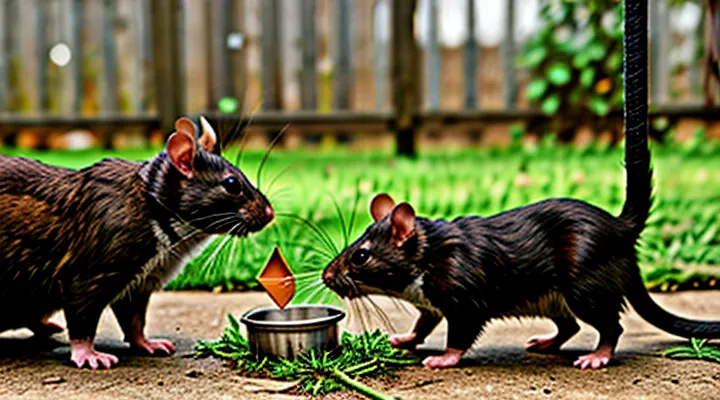
Understanding Rat Behavior
Recognizing Signs of Infestation
Droppings and Urine Trails
Droppings and urine trails provide reliable indicators of rat presence and movement patterns. Recognizing these signs enables precise placement of capture devices, increasing success rates.
Droppings appear as small, dark, cylindrical pellets, typically 5‑10 mm in length. Fresh deposits retain a moist sheen, while older ones become dry and crumbly. Locate clusters along walls, behind appliances, and in concealed corners. Record the direction of the longest streaks to infer travel routes.
Urine trails manifest as faint, oily stains on surfaces, often accompanied by a strong, musky odor. Use a blacklight to reveal invisible markings; urine fluoresces under ultraviolet light, highlighting pathways that rats use to navigate.
Applying the evidence:
- Identify the most active area by tracing the longest line of droppings.
- Confirm the direction with urine trail observation.
- Position the trap at the intersection of droppings and urine, where rats are likely to pause.
- Bait the trap with food that matches the local diet, placing it directly on the identified path.
- Secure the trap to prevent displacement by other animals.
Regular monitoring of droppings and urine trails allows adjustments to trap locations, ensuring continued effectiveness throughout the control operation.
Gnaw Marks and Damage
Rats leave distinctive gnaw marks that indicate active pathways and nesting sites. Typical signs include parallel grooves in wood, chewed wires, shredded insulation, and beveled edges on plastic or metal surfaces. The size of the bite often matches the animal’s incisors, allowing differentiation from other pests.
Identifying gnaw marks directs trap placement to high‑traffic zones. Follow these steps:
- Inspect walls, cabinets, and storage areas for fresh incisions; prioritize locations with visible fraying or exposed fibers.
- Trace each groove back to its origin; the point where multiple marks converge usually marks a feeding or nesting hub.
- Verify the presence of droppings or urine stains near the traced routes; these reinforce the likelihood of rat activity.
- Position snap or live traps perpendicular to the groove, with the trigger end facing the direction of entry.
Damage caused by gnawing extends beyond structural compromise. Chewed electrical wiring presents fire hazards and may disrupt circuitry. Compromised insulation reduces thermal efficiency and facilitates pathogen spread. Burrowed holes weaken supporting beams, increasing the risk of collapse in severe infestations.
Integrating gnaw‑mark analysis into the trapping protocol enhances success rates. Deploy traps at identified convergence points, monitor for reduced marking activity, and replace or relocate devices if gnaw evidence persists. Continuous assessment of «gnaw marks» and related «damage» ensures timely intervention and minimizes property loss.
Unusual Noises
Unusual noises serve as reliable indicators of rat activity when preparing a capture device. Rats emit high‑frequency squeaks, scratching sounds, and occasional thumping that differ from typical household sounds. Detecting these noises allows precise placement of baited mechanisms, increasing the likelihood of successful capture.
Observation of sound patterns should focus on three zones: wall cavities, attic spaces, and concealed pipe runs. Each zone produces distinct acoustic signatures. Wall cavities generate continuous rustling as rodents gnaw insulation; attic spaces produce intermittent thumps when rats move across joists; pipe runs emit sharp squeaks when animals traverse metal surfaces.
Practical steps for integrating acoustic clues into trap deployment:
- Conduct a silent sweep of the target area using a handheld sound amplifier. Record any irregular noises lasting longer than two seconds.
- Map recorded locations on a floor plan, marking each point with its corresponding noise type.
- Position baited traps within 30 cm of the mapped points, aligning the trigger mechanism toward the anticipated movement direction.
- Verify trap stability and concealment to prevent interference from non‑target sounds such as HVAC operation.
Monitoring after installation should include periodic auditory checks to confirm continued rat presence. Absence of the previously identified noises indicates either successful removal or relocation, prompting reassessment of trap locations.
Choosing the Right Trap
Types of Traps
Snap Traps
Snap traps provide rapid, humane control of rodent populations when installed correctly. Their spring‑loaded bar delivers a swift kill, minimizing suffering and preventing damage to property.
Choosing a suitable model involves evaluating trigger sensitivity, size, and material. Plastic units are lightweight and easy to clean; metal variants offer greater durability for heavy‑burden environments.
Placement determines effectiveness. Position traps along walls, behind appliances, and near known runways. Ensure the trigger side faces the anticipated direction of travel; rodents typically follow the edge of a surface.
Bait selection influences capture rates. Peanut butter, dried fruit, or small pieces of meat create strong olfactory cues. Apply a pea‑sized amount directly to the trigger plate to avoid spillage that could block the mechanism.
Setting the trap requires careful handling:
- Grip the spring arm with thumb and forefinger.
- Pull the arm back until the safety latch engages.
- Secure the latch, then attach the bait.
- Release the latch only after confirming the trap is correctly positioned.
Safety precautions include wearing gloves during setup, checking for non‑target animals, and disposing of captured rodents in sealed containers. After use, clean the trap with hot water and mild detergent, then store it in a dry location to preserve spring tension.
Regular monitoring—daily inspection of trap status and bait freshness—maintains optimal performance and reduces the likelihood of escape.
Live-Catch Traps
Live‑catch traps provide a humane method for removing rats without killing them. The design typically includes a spring‑loaded door, a trigger mechanism, and a secure compartment that prevents escape once the animal enters.
Selecting an appropriate trap requires consideration of size, material, and ease of cleaning. Metal cages with smooth interior surfaces reduce the risk of injury and simplify disassembly. Models featuring a transparent lid allow visual monitoring without disturbing the device.
Effective placement follows these principles:
- Identify active runways, near walls, or close to food sources.
- Position the trap perpendicular to the wall, with the entry side facing the expected travel direction.
- Secure the trap to prevent displacement by curious rodents.
Bait selection influences capture success. High‑protein items such as peanut butter, cooked meat, or dried fish attract rats reliably. Apply a small amount to the trigger plate, ensuring the scent is strong enough to draw the animal but not so abundant that it bypasses the mechanism.
After deployment, inspect traps at regular intervals—every 12 hours during peak activity periods. When a rat is captured, wear disposable gloves, transport the trap to a release site at least two miles from the infested area, and open the compartment gently to allow escape.
Maintenance includes washing the cage with hot, soapy water, drying thoroughly, and checking the spring tension before reuse. Proper sanitation prevents disease transmission and maintains trap efficiency.
Electronic Traps
Electronic traps provide a rapid, humane method for eliminating rats in residential and commercial settings. The device delivers a high‑voltage shock that instantly incapacitates the rodent, eliminating the need for manual handling of dead pests.
The core mechanism consists of a bait chamber, a sensing circuit, and a discharge unit. When a rat enters the chamber and contacts the sensor plates, the circuit completes, triggering a brief, high‑frequency pulse. The pulse causes immediate loss of consciousness, after which the animal falls into a collection tray for disposal.
Key factors when selecting a model include voltage rating (minimum 2,000 V for reliable efficacy), power source (battery‑operated versus mains‑connected), bait compatibility, and built‑in safety interlocks. Devices certified by relevant pest‑control authorities meet minimum performance standards.
Effective placement follows these guidelines:
- Position traps along walls, near known runways, or adjacent to food sources.
- Place at floor level; rats rarely climb vertical surfaces to reach bait.
- Ensure unobstructed access to the bait compartment.
- Maintain a minimum distance of 0.5 m between multiple traps to prevent overlapping fields.
Safety and maintenance procedures are essential:
- Disconnect power before cleaning the collection tray.
- Replace batteries or check mains connections monthly.
- Inspect sensor plates for corrosion; clean with a non‑abrasive solution.
- Store unused traps in a dry environment to preserve electrical components.
Advantages of electronic traps include immediate kill, reduced risk of disease transmission, and minimal odor. Limitations involve higher upfront cost compared to snap traps and the need for a reliable power source. Proper selection, placement, and upkeep maximize effectiveness in rat control operations.
Glue Traps («Avoid if Possible»)
Glue traps are a commercially available option for rodent control, yet they present several drawbacks that make them unsuitable for most situations. «Avoid if possible» because they cause prolonged suffering, can capture non‑target wildlife, and generate hazardous waste that requires careful disposal.
Reasons to reject glue traps:
- Inhumane capture mechanism resulting in prolonged distress.
- High likelihood of accidental capture of insects, small reptiles, or birds.
- Sticky residue adheres to surfaces, complicating cleaning and increasing exposure to adhesive chemicals.
- Disposal involves sealed containers to prevent accidental release of trapped animals.
If glue traps must be employed, follow strict safety procedures:
- Position traps along established rodent pathways, away from food preparation areas and pet zones.
- Inspect traps at least twice daily; remove captured rodents promptly to minimize suffering.
- Wear disposable gloves when handling traps; seal used devices in double‑layered plastic bags before discarding.
- Store unused traps in a locked cabinet inaccessible to children and non‑target animals.
Preferred alternatives include snap traps, electronic traps, and bait stations, all of which provide faster, more humane results and reduce environmental contamination. Integrating sanitation improvements and habitat modification further enhances long‑term rat management.
Trap Placement Considerations
High-Traffic Areas
High‑traffic zones provide the most reliable access points for rodents, making them the primary locations for effective trap deployment. Concentrated movement leaves clear indicators such as fresh gnaw marks, droppings, and worn pathways; these signs direct the placement of capture devices to where activity is greatest.
Key characteristics of high‑traffic areas include:
- Proximity to walls or baseboards, where rats habitually travel.
- Presence of food sources, water supplies, or waste containers.
- Visible signs of recent activity, such as fresh feces or urine stains.
- Narrow passages that force rodents to move in single file.
When positioning traps, follow these guidelines:
- Place each device directly beside a wall, with the trigger end facing the expected travel direction.
- Align traps within 12‑18 inches of known entry points, such as gaps under doors or utility openings.
- Space multiple traps no more than 24 inches apart in heavily used corridors to ensure coverage of the entire pathway.
- Secure traps on stable surfaces to prevent displacement by passing traffic or accidental contact.
Regular inspection of high‑traffic placements is essential. Check traps at least once daily; replace bait and reset mechanisms promptly. If activity shifts, relocate devices to newly identified pathways to maintain optimal capture rates.
Away from Children and Pets
When placing a rodent capture device, the foremost priority is to prevent accidental contact by minors and domestic animals. Position traps in locations inaccessible to children, such as behind appliances, inside cabinets with locked doors, or within crawl spaces that lack direct entry points. Ensure that any opening leading to the trap is secured with a latch or barrier that requires adult supervision to operate.
Maintain a clear perimeter around each trap. A minimum distance of three feet should separate the device from areas where children play or pets roam. Use physical barriers—such as baby gates, pet fences, or temporary screens—to enforce this zone. Regularly inspect the barrier for gaps or damage that could allow unintended access.
When selecting bait, choose substances that are unattractive to non‑target species. For instance, use strong‑smelling food items that rodents prefer but are unlikely to entice cats or dogs. Store bait in sealed containers when not in use, and keep the trap covered with a sturdy lid that locks securely.
Document the placement of each trap in a log. Include the exact location, date of installation, and notes on safety measures applied. Review the log weekly to verify that barriers remain effective and that no new hazards have emerged.
By adhering to these precautions, the risk of accidental injury to children and pets is minimized while maintaining the efficacy of the rodent control effort.
Concealed Locations
Effective rat control depends on positioning traps where rodents travel unnoticed. Selecting sites that blend with the environment reduces trap avoidance and increases capture rates.
Key factors for concealed placement include proximity to food sources, evidence of activity such as droppings or gnaw marks, and limited human traffic. Locations should allow the rat to approach the bait without visual obstruction while remaining out of sight from occupants.
- Behind appliances (refrigerator, dishwasher, stove)
- Inside wall voids or crawl spaces
- Under kitchen cabinets and pantry shelves
- Within insulation piles or ceiling panels
- Beneath furniture legs or storage boxes
- Near pipe junctions and sewer access points
- Inside attic insulation or loft corners
- Within garden debris piles or compost bins
After installing traps, monitor each site daily. Replace bait promptly, reset malfunctioning devices, and relocate any trap that shows signs of tampering. Continuous observation ensures that concealed placements remain effective throughout the control effort.
Preparing the Trap
Bait Selection
Effective Baits
Effective baits attract rodents by appealing to their natural feeding preferences and by delivering a strong scent that penetrates the trap environment. Selecting the right bait increases capture rates and reduces the time required to achieve results.
- Peanut butter – high fat content, strong odor, adheres to trap surfaces, prevents premature escape.
- Bacon or cooked meat – intense aroma, rich protein source, especially effective in colder months.
- Sunflower seeds – small size, easy to handle, strong scent, suitable for lightweight snap traps.
- Dried fruit (e.g., raisins, apricots) – sweet taste, attractive to omnivorous rats, non‑messy.
- Commercial rodent attractants – formulated with pheromones and flavor enhancers, designed for consistent performance.
When applying bait, place a small amount directly on the trigger mechanism to ensure the rat contacts the release system. Avoid excessive quantities that could allow the animal to feed without activating the trap. Secure the bait with a thin layer of adhesive, such as a dab of petroleum jelly, to maintain placement during the rat’s initial investigation.
Environmental considerations improve bait effectiveness. Position traps near walls, behind objects, or along established runways where rats travel. Keep the area free of competing food sources; remove garbage, spilled grains, and pet food to concentrate attention on the selected bait.
Regular monitoring is essential. Check traps at least once daily, replace spoiled or consumed bait, and rotate to different attractants if capture rates decline. Consistent bait management, combined with proper trap placement, maximizes the likelihood of successful rat removal.
Avoiding Ineffective Baits
Effective rat control depends on bait selection; unsuitable bait wastes time, reduces trap success, and may attract non‑target animals. Identify and eliminate options that fail to entice rodents or that degrade quickly in the trap environment.
- Processed cheese with high moisture content – soft texture collapses, allowing rats to escape.
- Fresh fruit that rots rapidly – creates odor that masks bait scent and encourages insects.
- Bread crumbs left uncovered – dry quickly, lose appeal after a few hours.
- Meat scraps without preservatives – decompose, produce foul smell that deters rats and attracts predators.
- Sweet confectionery with high sugar concentration – attracts insects more reliably than rodents.
Replace ineffective choices with baits that retain scent, resist spoilage, and match rat dietary preferences. Suitable alternatives include:
- Hardened peanut butter mixed with a small amount of dry grain; remains firm, releases odor gradually.
- Dried fish flakes sealed in a wax coating; preserves aroma and resists moisture.
- Rodent‑specific commercial attractants formulated with protein and fat; engineered for long‑term stability.
- Small portions of cooked bacon wrapped in foil; maintains texture, emits consistent scent.
Apply bait sparingly to the trap trigger mechanism; excess material can be removed by the animal without activating the trap. Store unused bait in airtight containers to preserve potency. Regularly inspect traps for bait degradation and replace with fresh, effective material to sustain capture rates.
Handling and Setting
Safety Precautions
When preparing a rat capture device, safety cannot be compromised.
Personal protective equipment is mandatory. Wear thick gloves to prevent bites, sturdy shoes to avoid punctures, and a mask to limit exposure to droppings and urine.
Select a placement that minimizes human contact. Install traps away from children’s play areas, food preparation surfaces, and high‑traffic pathways. Secure the device to a stable surface to prevent accidental displacement.
Handle traps with caution. Activate spring mechanisms only after confirming the area is clear of non‑target animals. Keep fingers away from trigger components and never apply excessive force that could cause breakage.
Dispose of captured rodents promptly. Use sealed containers for transport, and disinfect them with an appropriate solution before discarding. Clean all tools and surfaces with a bleach‑based sanitizer after each use.
Maintain hygiene throughout the process. Wash hands thoroughly after removing gloves, and launder clothing that may have come into contact with contaminants.
Adhering to these precautions reduces the risk of injury, disease transmission, and unintended harm to other wildlife.
Proper Trap Arming
Proper arming of a rat‑capture device determines its reliability and safety. A correctly set trap delivers immediate activation upon contact, prevents accidental discharge, and maximizes the chance of a humane kill.
- Verify that the trigger mechanism is free of debris; clean with a brush or cloth before use.
- Position the bait holder so that the lure sits directly over the trigger plate, ensuring the rat must step on the plate to reach the food.
- Adjust the spring tension according to the manufacturer’s specifications; overtightening can cause premature snap‑back, undertightening reduces effectiveness.
- Engage the safety latch until the moment of placement; keep the latch engaged while transporting the trap to the target area.
- Place the trap against a wall or along a known travel route, aligning the trigger plate perpendicular to the expected path.
- Release the safety latch only after the trap is securely positioned; watch for any hesitation in the spring before stepping back.
After each capture, reset the spring, remove the carcass, and re‑inspect all moving parts for wear. Regular maintenance preserves functionality and prevents malfunction during subsequent deployments.
Post-Capture Procedures
Checking Traps Regularly
Regular inspection of rat traps prevents prolonged suffering of captured animals and reduces the risk of disease spread.
Check each trap at least once every twelve hours while activity is expected; increase frequency to every six hours during peak infestations.
During each check, verify the following:
- Trigger mechanism is engaged and releases properly.
- Bait remains intact and attractive; replace if dried or contaminated.
- Capture compartment is free of debris that could obstruct closing.
- Any caught rodent is present; remove promptly to avoid decomposition.
If a trap fails to activate, reset the spring or replace the device before the next inspection cycle.
Dispose of captured rodents according to local health regulations, using sealed containers and protective gloves.
Maintain a log of inspection times, trap status, and actions taken; this record supports effective pest‑control management and informs adjustments to trap placement or bait selection.
Disposal of Captured Rats
Humane Methods for Live Traps
Humane live traps provide a non‑lethal solution for rat control, allowing capture and relocation without injury.
Effective traps share several features: sturdy wire mesh that prevents escape, a smooth interior to avoid bruising, and a sensitive trigger that closes the door swiftly when the animal enters.
- Choose a trap sized for adult rats, typically 12–15 inches long, 6–8 inches high, and 6–8 inches wide.
- Place the trap along established runways, near walls, or close to food sources.
- Bait with high‑protein items such as peanut butter, dried fruit, or cooked meat; apply a small amount to the far end of the trap to encourage full entry.
- Check the trap at least once every two hours; release captured rats promptly to reduce stress.
Release should occur at least one mile from the capture site, in a wooded or field area offering shelter and natural food. Open the trap gently, allow the rat to exit on its own, and retreat to avoid prolonged contact.
«Humane trapping aligns with ethical pest‑management standards and reduces secondary hazards associated with poisoned baits».
Adhering to these practices ensures effective rat capture while maintaining animal welfare and compliance with local regulations.
Sanitary Disposal for Kill Traps
Sanitary disposal of dead rodents captured in lethal traps prevents disease spread and complies with health regulations. After confirming a kill, place the carcass in a sealed, puncture‑resistant bag. Close the bag tightly, then seal it within a secondary container such as a rigid plastic box or metal can to avoid leakage.
- Wear disposable gloves throughout handling.
- Transfer the sealed bag to a designated waste bin labeled for hazardous animal waste.
- Contact local municipal services to arrange prompt collection or follow prescribed drop‑off procedures at an authorized disposal facility.
- Record the date, location, and quantity of disposed material in a logbook for regulatory tracking.
All disposal actions must occur away from food preparation areas and pet zones. Use disinfectant wipes on surfaces that contacted the trap or bag, then wash hands thoroughly with soap and water. Store cleaning agents in a locked cabinet to restrict access.
When possible, select a disposal method that incorporates incineration or high‑temperature rendering, as these processes neutralize pathogens more effectively than landfill burial. Adhering to these protocols maintains a hygienic environment and reduces the risk of secondary infestations.
Cleaning and Reusing Traps
Cleaning rat traps after each use prevents bacterial growth, eliminates scent cues that could deter future captures, and extends the device’s functional life.
- Remove the caught animal with gloves; place it in a sealed bag for proper disposal.
- Rinse the trap with hot water to dislodge blood and tissue remnants.
- Apply a mild detergent, scrub all surfaces, and rinse thoroughly.
- Disinfect using a solution of one part bleach to nine parts water; soak for five minutes, then rinse again.
- Dry completely on a clean towel before storage.
Inspect the trap for wear, broken springs, or damaged latches before reinstalling. Replace any compromised components to maintain trapping efficiency. Store the cleaned device in a sealed container away from food sources and moisture to preserve its integrity for subsequent deployments.
Prevention and Long-Term Solutions
Sealing Entry Points
Sealing entry points eliminates the pathways rats use to access a building, increasing the likelihood that traps will capture the remaining rodents.
A systematic inspection reveals gaps, cracks, and openings larger than a quarter‑inch. Examine foundation walls, roof eaves, vent covers, utility penetrations, and door thresholds. Mark each defect with a temporary indicator before proceeding to repair.
Materials commonly employed include:
- Steel wool or copper mesh for narrow gaps
- Expanding foam sealant for irregular voids
- Cement‑based mortar for foundation cracks
- Metal flashing for gaps around vents and pipes
- Weatherstripping for doors and windows
Repair process:
- Clean the area of debris, dust, and loose material.
- Insert steel wool or mesh into the opening, pressing firmly to fill the space.
- Apply expanding foam over the filler, shaping it to match the surrounding surface.
- For larger cracks, mix mortar according to manufacturer instructions and press into the void, smoothing the surface.
- Install metal flashing where needed, securing with appropriate fasteners.
- Attach weatherstripping to door and window frames, ensuring a tight seal when closed.
After sealing, re‑inspect each site to confirm that no residual gaps remain. Periodic monitoring detects new openings caused by structural settling or weather damage, allowing prompt remediation and sustaining the effectiveness of the trapping strategy.
Eliminating Food and Water Sources
Eliminating food and water sources is essential for increasing the likelihood of a successful rat capture. Removing attractants forces rodents to seek alternative locations, often leading them directly to the trap.
- Store all dry goods in sealed, rodent‑proof containers; metal or heavy‑wall plastic bins prevent gnawing.
- Clean kitchen surfaces after each meal; sweep crumbs, mop spills, and wipe down countertops immediately.
- Dispose of food waste in bins equipped with tight‑fitting lids; empty the bins daily to avoid buildup.
- Keep pet food in locked containers; feed pets only at designated times and remove leftovers promptly.
- Manage garbage by using bins with reinforced lids; place bins away from walls and elevate them if possible.
- Inspect and repair any plumbing leaks; eliminate standing water in sinks, basins, and pet dishes.
- Remove water‑holding objects such as buckets, plant saucers, and clogged drains; dry them after each use.
By systematically denying rats access to nourishment and hydration, activity levels decline, and the probability that a rat will encounter the trap rises dramatically. Continuous monitoring and maintenance of these practices sustain a hostile environment for rodents, ensuring long‑term control.
Maintaining Cleanliness
Maintaining cleanliness is a fundamental element when preparing a rodent capture system. A tidy environment eliminates food sources, reduces shelter opportunities, and increases the likelihood that a baited device will attract the target animal.
Key practices include:
- Remove all accessible food items from countertops, floors, and storage areas.
- Store dry goods in sealed containers made of metal or thick plastic.
- Clean spills immediately with a disinfectant solution to erase scent trails.
- Dispose of garbage in bins with tight‑fitting lids; empty them regularly.
- Keep pet feeding stations away from trap locations and clean dishes after each use.
- Sweep and vacuum floors daily to eliminate crumbs and nesting material.
- Wash linens, towels, and upholstery that show signs of rodent activity with hot water.
Regular inspection of the trap area ensures that debris does not accumulate. Replace worn or soiled bait stations promptly, and sanitize surfaces after each capture to prevent disease transmission. Consistent adherence to these hygiene measures creates an environment where the trap’s effectiveness is maximized.