
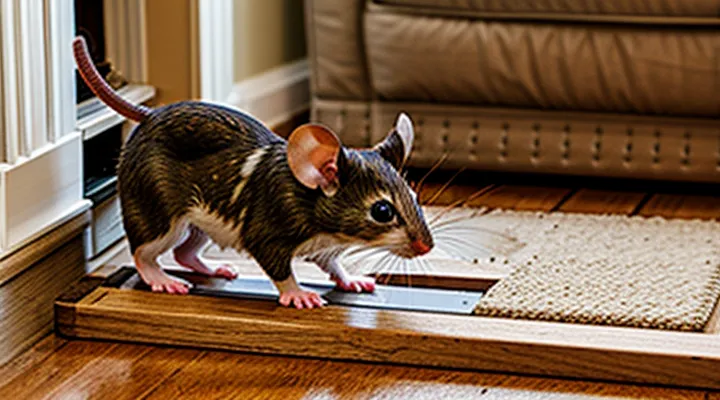
Understanding Mouse Traps and Their Risks
Types of Mouse Traps
Snap Traps
Snap traps consist of a spring‑loaded bar that delivers a rapid, lethal strike when a mouse triggers the trigger mechanism. The design eliminates prolonged suffering and reduces the risk of escape.
Place traps perpendicular to walls, with the trigger end facing the rodent’s travel path. Ideal locations include behind appliances, under cabinets, and along baseboard edges. Avoid areas with heavy foot traffic or where pets can reach the device.
Choose bait that attracts mice but does not entice larger animals. Effective options are small pieces of cheese, peanut butter, or dried fruit. Apply a pea‑sized amount to the bait holder, ensuring the bait does not obstruct the trigger.
Safety measures:
- Keep traps out of reach of children and pets; use locked cabinets or elevated surfaces.
- Inspect each trap before setting to confirm proper spring tension.
- Wear thick gloves when handling armed traps to prevent accidental contact.
- Dispose of captured rodents promptly in sealed bags; clean the trap with disinfectant before reuse.
Regular monitoring is essential. Check traps at least once daily, remove any captured mice, and reset the device with fresh bait. Replace worn springs or corroded components to maintain reliability.
Live-Catch Traps
Live‑catch traps are designed to capture rodents without causing injury, allowing release outside the dwelling. These devices typically consist of a cage with a trigger mechanism that closes the door once the mouse enters.
Safety precautions begin with personal protection. Wear disposable gloves when handling traps, bait, or captured animals. Position traps out of reach of children and domestic pets; secure them on flat surfaces to prevent tipping. Ensure that the trigger is engaged before baiting to avoid accidental closure.
Placement guidelines:
- Locate traps along walls, behind appliances, and near known activity zones.
- Use a small amount of attractive bait, such as peanut butter or seeds, placed on the trigger plate.
- Set the trap so the entry hole faces the wall, matching the natural travel path of rodents.
Monitoring and release procedures require regular inspection, at least once daily. When a mouse is captured, transfer the trap to a sealed container, then transport it to a location at least 200 meters from the residence. Open the cage gently, allowing the animal to exit without direct contact. Release should occur during daylight to reduce predation risk.
Cleaning and maintenance involve disposing of droppings and urine in a sealed bag, followed by washing the cage with hot, soapy water. Rinse thoroughly and allow to dry before reuse. Inspect the trigger mechanism for wear; replace springs or latch components as needed.
Compliance with local wildlife regulations may dictate specific release distances or seasonal restrictions. Adhering to these rules prevents legal complications and supports humane pest control.
Electronic Traps
Electronic traps deliver a high‑voltage shock that kills rodents instantly, eliminating the need for poisons or manual handling. The device consists of a sensor‑triggered circuit, a battery or mains power source, and a containment chamber that prevents escape after activation.
The sensor detects a mouse’s presence through infrared or pressure mechanisms. Once triggered, a capacitor discharges a brief, lethal pulse. The chamber remains sealed, allowing safe removal of the dead animal without direct contact.
Safety measures:
- Position traps away from child‑accessible areas and pet pathways.
- Use models equipped with a safety lock that disables the shock mechanism during cleaning.
- Verify that the power source matches the manufacturer’s specifications to avoid electrical hazards.
- Inspect the housing for cracks or exposed wiring before each use.
Effective placement involves locating traps along walls, near known gnawing sites, and behind appliances where mice travel. Align the sensor face perpendicular to the anticipated travel route to maximize detection probability.
Routine maintenance includes emptying the chamber after each capture, cleaning the interior with mild detergent, and checking battery charge or power cord integrity. Replace batteries promptly to maintain consistent voltage output. Dispose of captured rodents in sealed bags following local waste‑management regulations.
Adhering to these practices ensures that electronic traps provide a humane, efficient, and safe solution for indoor rodent control.
Glue Traps (and why to avoid them)
Glue traps consist of a flat surface coated with a strong adhesive. When a rodent steps onto the trap, it becomes immobilized and cannot escape.
Health risks arise from the adhesive’s chemical composition. Direct skin contact may cause irritation or allergic reactions. Small children and household pets can inadvertently become trapped, leading to injury or death. The adhesive can also detach and adhere to clothing or furniture, creating additional hazards.
Ethical considerations involve prolonged suffering. Immobilized rodents experience stress, dehydration, and eventual death without rapid euthanasia. The method offers no quick or humane end.
Effectiveness is limited. Glue traps capture only a fraction of the rodent population because insects, debris, or non‑target animals can occupy the surface, reducing the chance of catching mice. The traps provide no control over the number of individuals captured.
Reasons to avoid glue traps:
- Toxic adhesive poses health hazards to humans and pets.
- Inhumane treatment causes unnecessary suffering.
- Low capture efficiency fails to resolve infestations.
- Non‑selective nature endangers beneficial insects and small wildlife.
Safer alternatives include snap traps, electronic traps, and live‑catch traps, all of which deliver rapid, humane results. Preventive measures—sealing entry points, maintaining cleanliness, and storing food in airtight containers—reduce the need for any trapping device.
Potential Dangers of Mouse Traps
Risks to Children
Mouse traps present a genuine danger to children when they are accessible in residential areas. Small hands can trigger spring‑loaded mechanisms, resulting in bruises, puncture wounds, or broken bones. Toxic baits, often containing anticoagulants or other poisons, can be ingested, leading to internal bleeding, organ damage, or fatal outcomes. Children may also be attracted to the visual appeal of the trap, increasing the likelihood of accidental contact.
Key hazards
- Mechanical injury from snap‑action or live‑catch devices.
- Poisoning from bait substances.
- Psychological distress caused by witnessing a trapped animal.
- Contamination of surfaces when a trap is mishandled or broken.
Preventive measures
- Install traps exclusively in sealed rooms, closets, or attics inaccessible to children.
- Use bait‑free mechanical traps positioned behind appliances, under cabinets, or inside wall voids.
- Secure traps with child‑proof covers or lockable containers.
- Label trap locations with clear warnings placed at child eye level.
- Conduct regular inspections to remove triggered or malfunctioning devices promptly.
- Educate household members about the location and purpose of traps without disclosing detailed mechanisms to children.
Adhering to these practices reduces the probability of accidental injury or poisoning, ensuring that rodent control does not compromise child safety.
Risks to Pets
Pets face several hazards when indoor rodent traps are deployed. Accidental contact with trigger mechanisms can cause puncture wounds, bruising, or broken teeth. Toxic baits placed on or near traps may be ingested, leading to poisoning symptoms such as vomiting, tremors, or seizures. Small animals, especially cats and dogs, may become trapped themselves if a live‑catch device is not secured, resulting in stress, injury, or death. Unsupervised roaming near bait stations increases the likelihood of curiosity‑driven ingestion or chewing of trap components.
Primary risks
- Physical injury from snap‑type or spring‑loaded traps
- Toxic exposure from anticoagulant or poison baits
- Entrapment in live‑catch devices
- Stress‑induced behavioral issues after a near‑miss encounter
Preventive actions
- Position traps behind appliances, inside cabinets, or within sealed bait stations inaccessible to pets
- Select bait formulations labeled as pet‑safe and place them on trap surfaces out of reach
- Use snap traps with protective covers that require a specific pressure to activate, reducing accidental triggers
- Inspect trap locations daily; remove any triggered devices promptly to eliminate lingering danger
Consistent placement of traps in pet‑restricted zones and regular monitoring substantially lower the probability of unintended harm.
Risks to Adults (Fingers, Sanitation)
When adult users handle indoor rodent traps, two primary hazards demand attention: accidental finger puncture and contamination of the living environment.
- Finger injuries occur when a snap‑type trap is triggered while the hand is positioned incorrectly. The mechanism releases a spring‑loaded bar capable of penetrating skin, potentially damaging tendons or nerves. Protective actions include:
- Wearing thick gloves that resist puncture.
- Positioning the trigger finger away from the spring arm.
- Using baited snap traps only after confirming the trigger is disengaged.
- Selecting alternative devices such as live‑catch cages that eliminate the snapping motion.
- Sanitation risks arise from exposure to blood, urine, and feces left by captured rodents. Contact with these substances can transmit pathogens such as hantavirus, leptospira, and salmonella. Mitigation steps consist of:
- Disposing of trapped rodents in sealed bags without direct handling.
- Cleaning the trap surface with a dilute bleach solution (1 % sodium hypochlorite) after each use.
- Washing hands thoroughly with soap and water before and after trap manipulation.
- Storing traps in a designated area away from food preparation zones.
Adhering to these precautions reduces the likelihood of injury and maintains a hygienic household while employing rodent control devices.
Humane Considerations
Using rodent control devices inside a residence demands attention to animal welfare. Humane considerations reduce suffering, protect non‑target species, and comply with ethical standards.
- Choose live‑capture traps that immobilize without injury.
- Avoid toxic baits; select food items that attract mice but do not cause poisoning.
- Position traps out of reach of children and household pets to prevent accidental harm.
- Inspect traps at least twice daily; release captured rodents promptly.
- Release locations must be at least several miles from the dwelling to prevent re‑entry.
- Maintain a clean environment: seal entry points, store food in airtight containers, and eliminate clutter that offers shelter.
Applying these measures ensures effective rodent management while respecting the well‑being of the animals involved.
Safe Placement and Usage Strategies
Pre-Placement Checklist
Identifying Mouse Activity Hotspots
Identifying mouse activity hotspots is essential for effective and safe trap placement within a home. Precise location data reduces the number of traps needed and limits exposure to non‑target areas.
Common indicators of rodent presence include:
« droppings near food storage or appliances »
« gnaw marks on packaging, wires, or wood »
« nesting material such as shredded paper or fabric »
« faint, musky odor, especially in concealed spaces »
« tracks in dust, flour, or pet food »
Additional detection methods:
- Apply non‑toxic tracking powder along suspected pathways; footprints become visible after a short period.
- Use motion‑activated infrared cameras to verify nocturnal activity without disturbance.
- Inspect behind appliances, under sinks, and within wall voids where mice seek shelter.
Confirming consistent activity over several days justifies trap deployment. Place traps directly in or adjacent to confirmed hotspots, ensuring they are inaccessible to children and pets. Regularly monitor traps and replace bait as needed to maintain effectiveness while preserving household safety.
Assessing Household Vulnerabilities (Children, Pets)
Assessing household vulnerabilities before deploying rodent control devices is essential for preventing accidental harm. Identify all individuals who may come into contact with traps, focusing on two primary risk groups: children and pets.
- Determine the age range of children present; younger children lack the judgment to avoid active traps.
- Inventory pets, noting species, size, and typical roaming areas.
- Map rooms where traps will be placed and cross‑reference with zones frequented by the identified risk groups.
- Verify that any trap selected includes safety features such as enclosed bait chambers or non‑lethal designs.
- Install traps out of reach, using elevated platforms or secure containers for areas accessible to children or animals.
- Label each trap with a clear warning in French quotes «Danger: mouse trap» to reinforce awareness.
- Conduct a daily inspection to remove captured rodents and reset devices, ensuring no unattended traps remain.
Document the assessment in a concise checklist, update it whenever household composition changes, and maintain strict separation between trap locations and vulnerable occupants. This systematic approach minimizes the likelihood of unintended injuries while maintaining effective rodent control.
Choosing the Right Trap Type
Choosing the appropriate trap is essential for effective and safe rodent control inside a residence. Different designs address distinct priorities such as rapid kill, humane capture, or electronic shock, and each presents specific safety considerations.
Snap traps provide immediate termination, reducing the risk of prolonged suffering. They are compact, inexpensive, and can be baited with peanut butter, cheese, or dried fruit. To prevent accidental activation, select models with a protective shield that covers the spring until the mouse contacts the trigger. Position the shield‑covered side against a wall, where rodents typically travel.
Electronic traps deliver a high‑voltage pulse that instantly incapacitates the mouse. These devices contain a sealed chamber, eliminating exposure of the user to the animal. They often include a built‑in indicator that confirms a catch, simplifying monitoring. Battery‑powered versions allow placement in areas without convenient outlets.
Live‑catch traps enable relocation of captured mice without killing them. Choose traps constructed from sturdy wire mesh with a smooth interior to avoid injury. Ensure the trap features a secure latch that releases only when the animal enters, and place the device in a location inaccessible to children or pets. Release captured rodents at least one mile from the home to discourage immediate return.
Glue boards are generally discouraged for indoor use because they pose a high risk of accidental contact with non‑target species and can cause prolonged distress to the captured mouse. If employed, select boards with a protective cover and locate them in concealed, low‑traffic areas.
Key factors for selecting a trap type:
- Safety for occupants: shields, sealed chambers, or covered mechanisms reduce accidental contact.
- Effectiveness against mice: rapid kill or immediate incapacitation limits exposure to disease.
- Humane considerations: live‑catch options avoid lethal outcomes but require proper handling and release.
- Ease of disposal: traps that contain the carcass or provide clear kill confirmation simplify cleanup.
- Placement flexibility: compact designs fit behind appliances, under cabinets, or in narrow gaps.
By matching these criteria to the specific layout and occupancy of the home, the chosen trap will maximize control efficiency while maintaining a safe environment for residents.
Strategic Placement Techniques
High-Traffic Areas for Mice
Mice travel along routes that provide easy access to food, water and shelter. These routes concentrate in specific zones where activity is highest, making them ideal points for deploying capture devices while maintaining safety standards.
- Kitchen cabinets and drawer interiors, especially near stored grains or crumbs.
- Areas behind refrigerators, stoves and dishwashers where shadows conceal movement.
- Pantry shelving, particularly at the back of the aisle where food packages are stacked.
- Baseboard gaps and wall voids that connect rooms, offering uninterrupted passage.
- Utility rooms, including laundry and boiler closets, where moisture and occasional food residues accumulate.
- Garage corners adjacent to stored boxes, providing shelter and occasional food scraps.
- Under sinks, both kitchen and bathroom, where damp conditions attract foraging.
- Near garbage bins or compost containers, especially if lids are not tightly sealed.
- Pet feeding stations, where leftover crumbs and droppings create a consistent attractant.
Placement of traps in these locations must consider separation from children and household pets. Use traps equipped with protective barriers or enclosed bait compartments to prevent accidental contact. Regularly inspect and replace traps according to manufacturer guidelines, ensuring that each device remains functional and securely positioned within the identified high‑traffic zones.
Away from Children’s Reach
Placing mouse traps where children cannot access them prevents accidental injury and reduces liability. Secure traps on elevated surfaces, behind appliances, or inside wall voids that are inaccessible to toddlers. Use barriers such as child‑proof latches on cabinets that hold the devices.
- Mount traps on the upper side of countertops or shelves, at least 60 cm above floor level.
- Install traps inside sealed containers with narrow entry slots that only rodents can navigate.
- Attach traps to the interior side of doors using strong adhesive strips, keeping the exterior side out of reach.
- Employ tamper‑resistant housings that require a tool to open, discouraging curious hands.
- Regularly inspect placement and relocate any trap that becomes reachable due to furniture movement.
Selecting models with built‑in safety shields further limits exposure. Record locations in a household safety log to ensure consistent monitoring. Maintaining these precautions upholds a secure environment while controlling rodent activity.
Away from Pet Access
Placing mouse traps where pets cannot reach them is essential for preventing accidental injuries. Select locations that are out of sight from cats, dogs, and small mammals, such as behind appliances, under cabinets, or inside wall voids. Ensure the chosen spot is inaccessible without crawling or climbing, which typical household pets cannot perform.
Key actions for pet‑free trap placement:
- Identify high‑traffic rodent pathways that are also physically separated from pet areas.
- Install traps on flat surfaces at least 12 inches above the floor, using shelving or elevated platforms.
- Secure traps with sturdy brackets or adhesive pads to prevent displacement by curious animals.
- Cover traps with a rigid barrier, such as a plastic box with ventilation holes, that allows mouse entry but blocks pet access.
- Regularly inspect the area to confirm that pets have not found a way around the barrier or that the barrier remains intact.
When configuring bait, use small quantities placed directly on the trigger mechanism to minimize exposure. Store all unused bait in sealed containers out of reach of pets. After a capture, dispose of the trap promptly, wearing gloves, and relocate it to a secure outdoor waste bin.
By consistently applying these measures, mouse control devices remain effective while safeguarding the health and safety of household pets.
Securing Traps in Place
Securing a mouse trap correctly eliminates accidental triggers and enhances capture efficiency.
Place the device against a wall or baseboard, ensuring the rear edge contacts the surface to guide rodents toward the trigger. Anchor the base with strong adhesive tape or double‑sided strips, fastening it to the floor, countertop, or furniture leg. Add a non‑slip mat beneath the trap to prevent sliding on smooth surfaces. Attach a modest weight, such as a sandbag or small brick, to the rear of the trap to maintain stability when the animal interacts with the bait. Verify that the trigger mechanism remains free of obstructions and that the bait holder stays firmly in place.
Regularly inspect each trap for displacement, tape degradation, or loss of weight. Re‑secure any compromised element before the next deployment.
Key actions for securing traps:
- Align trap edge with wall or baseboard.
- Use adhesive tape to fasten the base.
- Position a non‑slip pad underneath.
- Add a small weight to the rear.
- Confirm unobstructed trigger and stable bait holder.
Consistent application of these measures ensures safe, effective use of mouse traps throughout the household.
Handling and Setting Traps Safely
Wearing Protective Gear
When handling rodent‑capture devices inside a residence, personal protection prevents skin punctures, allergic reactions, and exposure to trap‑borne contaminants.
Essential items include:
- Thick disposable gloves, preferably nitrile, to shield hands from snap mechanisms and bait residues.
- Long‑sleeved clothing made of tightly woven fabric, reducing contact with sharp edges.
- Safety goggles or clear face shields, guarding eyes against accidental releases or spring‑back.
- Closed‑toe, non‑slip footwear, providing stability and protecting feet from dropped traps.
Apply gear before any trap placement. Verify that gloves are intact, sleeves are fully extended, and eyewear is securely fastened. After each use, remove gloves carefully, turning them inside out to avoid contaminant transfer, and dispose of or wash them according to manufacturer instructions. Store reusable items in a clean, dry area to maintain effectiveness for subsequent applications.
Baiting Traps Effectively and Safely
Effective baiting maximizes trap success while minimizing health risks. Select attractants that appeal to rodents but pose no hazard to humans or pets. Common choices include:
- Small pieces of cheese, preferably low‑fat varieties.
- Peanut butter applied sparingly on the trigger surface.
- Sunflower seeds or cracked corn, placed in a shallow cavity.
- Commercial rodent lures formulated with non‑toxic ingredients.
Prepare bait in a clean container, wear disposable gloves, and avoid excess quantity that could spill onto surrounding surfaces. Apply a pea‑sized amount directly to the trap’s trigger mechanism; excess bait increases the likelihood of accidental contact.
Position traps along walls, behind appliances, and near known activity zones. Ensure the trap’s base rests on a stable, flat surface to prevent tipping. Keep traps out of reach of children and domestic animals by using enclosed bait stations or placing traps in concealed locations.
After capture, deactivate the trap according to the manufacturer’s instructions, then dispose of the rodent and bait in a sealed bag. Clean the trap with mild detergent and disinfectant before reuse. Regularly inspect bait stations for spoilage and replace attractants as needed to maintain effectiveness.
Setting Snap Traps Without Injury
Proper placement of snap traps prevents accidental contact with people and pets. Select low‑traffic areas where rodents travel, such as along walls, behind appliances, and near food sources. Ensure the trigger side faces the wall so the mouse approaches from a predictable direction.
- Wear disposable gloves before handling the trap.
- Open the trap by pulling the arm back until it clicks into the locked position.
- Attach a small bait piece (peanut butter, cheese, or dried fruit) to the bait cup, avoiding excess that could spill.
- Position the trap with the trigger end pointing inward, no more than two inches from the wall.
- Secure the trap on a flat surface; if using a plastic base, press firmly to prevent movement.
- Release the arm gently, allowing it to snap shut only when the mouse contacts the trigger.
After setting, keep children and non‑target animals away from the area. Inspect traps daily; remove captured rodents promptly to reduce odor and health risks. Use a sealed container for disposal, then clean the trap with disinfectant before resetting or discarding.
Maintain a clean environment by sealing entry points, storing food in airtight containers, and removing clutter. Consistent application of these practices ensures effective rodent control while minimizing the chance of injury.
Monitoring and Checking Traps Regularly
Regular inspection of mouse traps guarantees prompt detection of captures, prevents prolonged exposure to dead rodents, and reduces the risk of accidental contact with the device.
A practical routine includes the following actions:
- Inspect each trap at least once daily, preferably during the same time interval.
- Verify the trigger mechanism for proper alignment; adjust or replace any malfunctioning components.
- Remove captured mice immediately, using disposable gloves and a sealed container.
- Reset the trap with fresh bait, ensuring the bait is securely positioned to avoid spillage.
- Record the date, location, and outcome of each inspection in a logbook or digital tracker.
Consistent documentation supports pattern analysis, allowing relocation of traps to high‑activity zones and identification of ineffective placements. Disposal of captured rodents must follow local waste regulations; sealed bags placed in an external trash receptacle minimize odor and contamination.
Adhering to this systematic monitoring protocol maintains a safe indoor environment while sustaining the effectiveness of rodent control measures.
Post-Capture Procedures
Safe Disposal of Captured Mice
Safe disposal of captured mice requires a systematic approach that eliminates health risks and prevents accidental release.
Wear disposable nitrile gloves before handling any trap. Secure the trapped mouse by sliding the entire trap into a sturdy, sealable plastic bag. Press out excess air and close the bag with a twist tie or zip lock. Place the sealed bag in an outer trash bag that can be tied tightly. Dispose of the double‑bagged material in an outdoor waste container that is collected regularly by municipal services.
After removal, clean the trap with a solution of hot water and mild detergent. Rinse thoroughly, then disinfect with a 1 % bleach solution or an EPA‑approved sanitizer. Allow the trap to air‑dry completely before reuse.
Sanitize the surrounding area by wiping surfaces with the same disinfectant used for the trap. Dispose of used gloves and any disposable cleaning materials in a sealed bag, following the same waste‑handling procedure.
Key safety points:
- Gloves must remain on until the sealed bag is placed in the outer container.
- Hands should be washed with soap and water for at least 20 seconds after glove removal.
- Traps should be inspected for damage before each use; damaged traps increase the chance of escape.
Adhering to these steps ensures that captured rodents are eliminated without contaminating the household environment.
«Never handle a live mouse without protective gloves».
Cleaning and Sanitizing Traps
Cleaning mouse traps promptly after capture eliminates odors, reduces the risk of disease transmission, and maintains the effectiveness of the device. Residual blood and urine can attract additional pests and contaminate nearby surfaces, making regular sanitation essential for a safe household environment.
- Wear disposable gloves before handling any trap.
- Transfer the trapped mouse into a sealed plastic bag; discard the bag in an outdoor trash container.
- Rinse the trap under hot running water to remove visible debris.
- Apply a disinfectant solution containing at least 70 % isopropyl alcohol or a diluted bleach mixture (1 part bleach to 9 parts water).
- Allow the solution to contact all surfaces for a minimum of one minute.
- Rinse thoroughly with clean water to eliminate chemical residues.
- Dry the trap completely with a clean cloth or allow air‑drying before reuse.
Use only chemical agents approved for household use and compatible with the trap material. Avoid abrasive cleaners that could damage spring mechanisms or plastic components. Store disinfectants out of reach of children and pets, and keep the work area well‑ventilated during cleaning.
Implement a cleaning schedule that matches the frequency of trap activations. For traps that capture rodents daily, sanitize after each use. For infrequently triggered devices, a weekly inspection and cleaning routine suffices. Regular maintenance extends trap lifespan and preserves a hygienic environment throughout the home.
Preventing Re-infestation
Effective control ends with measures that stop rodents from returning.
Identify and block all potential entry points. Inspect walls, floors, cabinets, and utility openings; install steel‑wool, copper mesh, or silicone sealant in gaps larger than ¼ inch.
Eliminate food sources. Store dry goods in airtight containers, clean crumbs and spills immediately, and keep pet food sealed when not in use.
Maintain a dry environment. Repair leaks, improve ventilation in damp areas, and use dehumidifiers where moisture accumulates.
Deploy a monitoring system. Place non‑lethal snap traps or electronic detectors along known pathways; check them weekly and record activity.
Rotate sanitation practices. Conduct a deep cleaning of storage spaces, discard clutter that offers shelter, and schedule regular inspections of the perimeter.
Document actions. Keep a log of sealed openings, cleaning dates, and trap checks to ensure accountability and to detect any lapse promptly.
Alternative and Complementary Methods for Mouse Control
Non-Lethal Deterrents
Sealing Entry Points
Sealing potential entry points eliminates the need for excessive trap placement, reduces the likelihood of accidental contact with non‑target animals, and prevents new infestations from reaching baited devices. By denying mice access to interior spaces, the risk associated with trap handling and disposal is minimized.
Key actions for effective sealing:
- Inspect walls, floors, and ceilings for gaps larger than a quarter‑inch; rodents can exploit openings as small as a dime.
- Apply steel‑wool inserts or silicone caulk to cracks around pipes, vents, and utility lines; steel‑wool resists chewing while caulk provides an airtight barrier.
- Fit weather‑stripping or door sweeps on exterior doors and garage entries; ensure a tight seal when doors close.
- Cover ventilation grilles with fine mesh (≤ ¼ mm) that withstands gnawing; secure mesh with screws or heavy‑duty staples.
- Repair damaged siding, foundation cracks, and window frames using appropriate exterior sealants or expanding foam.
Regular verification is essential. Conduct monthly walkthroughs to detect new openings caused by settling or weather damage. Promptly reseal any breach to maintain a secure environment and ensure that trap usage remains both effective and safe.
Food Storage and Sanitation
Proper food storage and sanitation reduce rodent attraction, thereby improving the safety and effectiveness of indoor trap deployment.
- «Store dry goods in airtight containers made of metal or heavy‑gauge plastic.»
- «Keep pantry shelves clear of spills; clean crumbs immediately after meals.»
- «Place pet food in sealed bins and remove leftovers within two hours of feeding.»
Sanitation practices that support trap safety:
- «Dispose of garbage in bins with tight‑fitting lids; empty them daily.»
- «Wipe countertops and cutting surfaces with disinfectant after food preparation.»
- «Inspect and repair cracks or gaps around cabinets, walls, and flooring to eliminate entry points.»
- «Maintain a regular cleaning schedule for floors, especially behind appliances and under furniture.»
When food sources are controlled, traps operate with minimal risk of accidental contact with non‑target species and reduce the likelihood of disease transmission. Implementing these storage and hygiene measures creates a secure environment for effective rodent management.
Natural Repellents
Natural repellents provide a non‑lethal layer of protection that reduces mouse activity before traps are deployed. By creating an environment unattractive to rodents, the likelihood of accidental contact with trap mechanisms diminishes.
Effective botanical and household repellents include:
- Peppermint oil applied to cotton balls and placed near entry points;
- Cloves or clove oil dispersed in corners and behind appliances;
- Citrus peels positioned in pantry shelves;
- Vinegar solutions sprayed around baseboards;
- Ammonia placed in sealed containers at concealed locations.
When integrating repellents with trap placement, follow these steps:
- Identify typical travel routes—gaps under doors, vent openings, and concealed wiring channels.
- Apply chosen repellent to a small, replaceable carrier (cotton ball, cloth pad) and position it a short distance (15–30 cm) from each trap.
- Secure traps on flat surfaces, ensuring trigger mechanisms remain unobstructed.
- Replace repellent carriers every 3–5 days, or when scent fades, to maintain effectiveness.
- Monitor trap performance; a decline in captures may indicate repellent saturation or the need for repositioning.
Safety considerations:
- Use only food‑grade essential oils to avoid toxic residues on surfaces.
- Keep repellent carriers out of reach of children and pets; sealed containers prevent ingestion.
- Avoid direct contact between repellent liquids and trap triggers, which could impair sensitivity.
Combining natural repellents with properly positioned traps creates a layered approach that minimizes accidental activation while maintaining control over rodent presence in residential settings.
Professional Pest Control
When to Call an Expert
When rodent control efforts encounter any of the following conditions, professional assistance becomes necessary.
- Traps repeatedly fail to capture mice despite correct placement and bait selection.
- Signs of infestation extend beyond a single room, indicating a widespread problem.
- Presence of child‑proof or pet‑proof hazards that limit safe trap deployment.
- Evidence of disease‑carrying rodents, such as droppings in kitchens or near food storage.
- Uncertainty about local regulations governing trap use or disposal.
Expert intervention provides accurate identification of infestation scope, selection of appropriate control methods, and compliance with health and safety standards. Certified pest managers can implement integrated solutions that minimize risk to occupants while ensuring effective eradication.
If any of these criteria are met, contacting a qualified specialist promptly prevents escalation and safeguards the household environment.
Benefits of Professional Services
Professional pest‑control services provide expertise that reduces risk when deploying rodent‑capture devices indoors. Certified technicians assess structural vulnerabilities, select appropriate trap models, and position them to minimize accidental contact with children or pets. Their training ensures compliance with local health and safety regulations, preventing legal complications for homeowners.
A qualified provider supplies equipment calibrated for safe operation. This includes traps with built‑in safety mechanisms, protective barriers, and disposal kits that meet environmental standards. Access to such specialized tools eliminates the need for DIY improvisation, which often compromises effectiveness.
Engaging experts also offers ongoing monitoring. Service contracts include regular inspections, data collection on infestation patterns, and adjustments to control strategies. Continuous oversight maintains low rodent activity levels and prevents resurgence.
Key advantages of professional assistance:
- Accurate identification of entry points and recommendation of sealing measures
- Deployment of traps designed to reduce non‑target captures
- Proper handling and disposal of captured rodents in accordance with health guidelines
- Documentation that supports insurance claims and liability protection
- Access to training resources for household members on safe interaction with traps
By relying on trained specialists, homeowners achieve reliable rodent management while preserving a safe environment for residents and pets.