
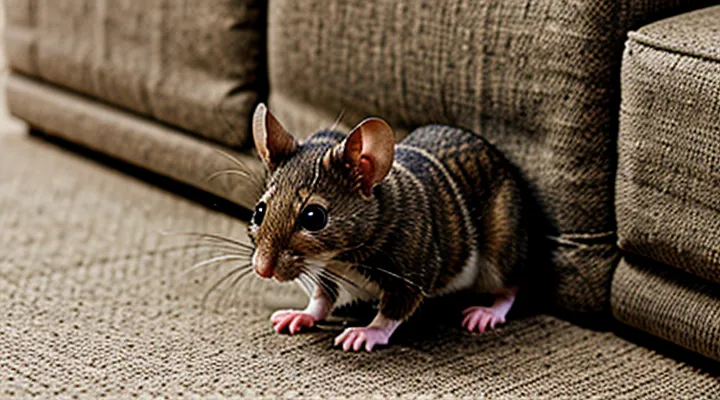
Understanding the Problem: Why Mice Are a Threat
Health Risks Associated with Rodents
Rodents carry pathogens that can cause serious illness in humans. Direct contact with droppings, urine, saliva, or bites transmits disease agents. Consumption of food contaminated by rodent waste introduces bacterial and viral infections.
- Hantavirus pulmonary syndrome – inhalation of aerosolized droppings or urine.
- Leptospirosis – skin exposure to urine or contaminated water.
- Salmonellosis – ingestion of food tainted with feces.
- Lymphocytic choriomeningitis – spread through rodent saliva or urine.
- Rat‑bite fever – bacterial infection from bites.
- Allergic reactions – inhalation of dander and urine proteins.
Rodent infestations also increase the risk of secondary poisoning. Predatory pets or children may ingest poisoned bait, leading to organ damage or death. Contaminated surfaces require thorough disinfection to prevent cross‑contamination. Proper protective equipment, such as gloves and masks, reduces exposure during cleanup. Regular sanitation and exclusion measures limit the presence of rodents and associated health hazards.
Property Damage Caused by Mice
Mice infiltrate homes in search of shelter and food, leaving a trail of structural and economic damage. Their gnawing habit compromises building integrity, while contamination jeopardizes health and increases repair costs.
- Woodwork – gnawed joists, baseboards, and door frames weaken support structures.
- Electrical wiring – chewed insulation creates short circuits, fire hazards, and costly replacements.
- Insulation – shredded fibers reduce thermal efficiency, leading to higher energy bills.
- Plumbing – damaged seals and tubing cause leaks, mold growth, and water‑damage repairs.
- Food stores – contaminated pantry items require disposal, resulting in waste and potential illness.
- Appliances – exposed components in refrigerators, ovens, and microwaves become inoperable after rodent damage.
Recognizing these effects informs the selection of control measures. When employing rodenticides, ensure placement avoids contact with exposed wiring, insulation, and food supplies. Seal entry points, remove clutter, and store consumables in airtight containers to limit access and reduce the likelihood of secondary damage. Prompt removal of carcasses and thorough cleaning prevent secondary infestations and preserve property condition.
Assessing the Situation: Identifying Infestation Signs
Visual Evidence: Droppings and Gnaw Marks
Droppings provide the most immediate confirmation of a rodent presence. Fresh feces appear as small, dark brown or black pellets, roughly the size of a grain of rice. Accumulations near food storage, behind appliances, or along baseboards indicate active foraging routes. A concentration of pellets in a single area suggests a high‑traffic corridor where bait can be positioned for maximum exposure while minimizing contact with humans and pets.
Gnaw marks reveal both the species and the structural vulnerabilities exploited by the pests. Mice produce shallow, parallel scratches on soft wood, plastic, and insulation, typically 1–2 mm deep and 2–5 mm apart. Repeated gnawing on wiring, cabinetry, or entry points creates visible chips or splinters. Identifying these damage patterns helps locate nesting sites and determines where sealed bait stations will be most effective without compromising household safety.
When planning the use of anticoagulant or non‑anticoagulant rodenticides, follow these steps:
- Map all observed droppings and gnaw marks, noting distance from food preparation zones.
- Prioritize bait placement in concealed areas with confirmed activity, such as behind wall outlets or within wall voids.
- Use tamper‑resistant bait stations to prevent accidental ingestion by children or non‑target animals.
- Monitor the mapped locations daily; a decline in droppings and fresh gnaw marks indicates successful control, while persistent signs may require repositioning of bait or additional sealing of entry points.
Accurate interpretation of visual evidence reduces the quantity of poison needed, limits exposure risk, and accelerates eradication of the infestation.
Auditory Clues: Scratching and Squeaking
Auditory signals provide the quickest indication of rodent activity when visual inspection is impractical. Mice produce high‑frequency squeaks during social interaction and when distressed, often audible through walls, ceilings, or floorboards. These sounds typically range from 10 to 20 kHz, beyond the hearing range of most adults but detectable with a simple electronic recorder or a smartphone app calibrated for ultrasonic frequencies.
Scratching noises accompany movement along structural elements such as joists, insulation, and stored items. The pattern of rapid, intermittent contact suggests active foraging, while continuous, low‑frequency rasping indicates nesting or burrowing. Distinguishing between the two helps prioritize treatment zones and reduces unnecessary exposure to toxic agents.
Practical steps for leveraging these clues:
- Deploy a motion‑activated recorder in suspected areas; review recordings for squeak bursts lasting 2–5 seconds.
- Use a handheld acoustic detector set to 12–18 kHz; note locations where signal strength peaks.
- Correlate identified hotspots with visible signs (droppings, gnaw marks) before placing bait.
- Limit poison placement to the smallest effective area, ideally within 30 cm of the detected sound source, to minimize risk to non‑target occupants.
By concentrating toxic baits around verified auditory activity, homeowners achieve targeted control while preserving safety for family members and pets.
Nesting Sites: Locating Mouse Activity
Locating mouse nesting sites is essential before any toxic control method is applied. Mice prefer concealed, warm areas where food and water are readily available. Typical locations include behind appliances, under sinks, within wall cavities, and inside stored boxes or bags. Examine the perimeter of rooms for small piles of shredded paper, dried urine stains, and fine droppings; these indicate recent activity.
Inspect attic insulation, basement corners, and crawl spaces for gnawed insulation, shredded fabric, and the faint scent of ammonia. Follow visible runways—parallel lines of droppings—to trace the path back to a nest. Check behind furniture, especially where legs touch the floor, as mice use these gaps for shelter. In kitchens, examine pantry shelves, especially low-lying sections, for torn packaging and crumbs.
When a potential nest is identified, confirm it by gently shaking the material; fresh nests will release a strong, musky odor. Record each site’s exact location to ensure targeted placement of poison baits, minimizing exposure to non‑target organisms. Use sealed bait stations positioned directly adjacent to the confirmed nest, not on open surfaces, to maintain safety while maximizing effectiveness.
Legal and Ethical Considerations of Rodent Control
Local Regulations on Pest Control Methods
Local authorities regulate pest‑control chemicals to protect occupants, pets, and the environment. Only products listed on the state‑approved pesticide registry may be applied inside a dwelling. Registration requires the active ingredient to meet safety standards established by the environmental protection agency and to carry a label specifying concentration limits, target species, and required protective equipment.
Residential use of rodent poisons often demands a licensed applicator. Licensure is granted after completing a certified training course covering safe handling, exposure prevention, and emergency response. Unlicensed individuals who apply restricted formulations may face civil fines or criminal charges.
Labels dictate maximum application rates, placement restrictions, and required signage. Common prohibitions include:
- Placement within 10 feet of food preparation surfaces.
- Use in areas accessible to children or non‑target wildlife.
- Application in multi‑unit buildings without written consent from the property manager.
Disposal of unused or expired poison must follow hazardous‑waste guidelines. Many jurisdictions require that containers be sealed, labeled as “pesticide waste,” and delivered to an authorized collection point. Failure to comply can result in contamination penalties.
Record‑keeping is mandatory for most commercial-grade products. Owners must retain a log documenting product name, batch number, quantity used, application date, and location. The log should be available for inspection by health inspectors upon request.
Some regions grant exemptions for low‑toxicity baits or mechanical traps, provided they meet specific design standards. Exempted methods still require notification to local health departments before deployment.
Violations of pest‑control regulations typically incur escalating fines, mandatory remediation orders, and possible suspension of licensure. Compliance ensures that rodent control measures remain effective while minimizing risk to human health and the surrounding ecosystem.
Humane Treatment of Animals: Best Practices
Effective rodent control within a residence requires methods that eliminate pests while respecting animal welfare standards. The goal is to achieve rapid mortality without unnecessary distress, prevent accidental exposure of non‑target species, and comply with local regulations.
Humane treatment of rodents involves three core principles: precise dosage, targeted delivery, and prompt removal of deceased animals. Accurate dosing ensures that the toxin acts quickly, reducing the period of suffering. Delivery systems such as sealed bait stations limit access to the intended species and protect children, pets, and wildlife. Immediate disposal of dead rodents prevents secondary poisoning and environmental contamination.
Best practices for using rodenticides in a private dwelling:
- Choose anticoagulant or neurotoxic formulations approved for indoor use, verified by regulatory agencies.
- Employ tamper‑proof bait stations placed along walls, near entry points, and in concealed corners where activity is observed.
- Use the minimum amount of bait required to cover the target area; excess bait increases risk to non‑target organisms.
- Inspect stations daily for signs of consumption, replace bait promptly, and record observations.
- After confirmed kill, wear gloves, place carcasses in sealed bags, and dispose of them according to municipal guidelines.
Selection of poison must consider species susceptibility and resistance patterns. Products labeled for mice typically contain lower concentrations than those intended for larger rodents, aligning with humane dosing requirements. Placement should avoid areas frequented by humans and domestic animals; stations mounted at 2–3 cm above the floor target mouse movement pathways. Regular monitoring prevents prolonged exposure and reduces the likelihood of bait avoidance.
Compliance with legal standards demands documentation of product name, batch number, application dates, and disposal records. Maintaining these logs supports accountability and facilitates inspection by health authorities. By adhering to precise dosing, secure baiting, and diligent post‑mortem handling, homeowners can control mouse infestations safely while upholding humane treatment principles.
Environmental Impact of Pesticides
Pesticides used to eliminate rodents in a residence release chemicals that persist in indoor air, dust, and surfaces. These substances can be transferred to non‑target organisms, including pets, children, and beneficial insects that enter the home. Continuous exposure may lead to bioaccumulation, where low‑level residues build up in the bodies of living organisms over time.
Key environmental consequences include:
- Contamination of household waste that eventually reaches municipal landfills, where leached chemicals can infiltrate soil and groundwater.
- Disruption of microbial communities in domestic ecosystems, reducing natural decomposition processes and nutrient cycling.
- Contribution to broader ecological toxicity when residues enter sewage systems, affecting aquatic life in downstream water bodies.
Mitigation strategies focus on minimizing chemical release and limiting ecological footprints:
- Choose rodenticides with rapid degradation profiles and low toxicity to non‑target species.
- Apply bait in sealed, tamper‑proof stations to prevent accidental ingestion and reduce spillage.
- Dispose of used bait containers and dead rodents according to local hazardous waste regulations, preventing secondary contamination.
- Complement chemical control with physical barriers, exclusion techniques, and habitat modification to reduce reliance on poisons.
Implementing these practices lowers the environmental burden of pest control while maintaining effective rodent management within a private dwelling.
Choosing the Right Approach: Poison vs. Alternatives
Advantages and Disadvantages of Poison Baits
Poison baits provide a direct method for eliminating house mice when other measures fail. They are formulated to attract rodents, deliver a lethal dose, and require minimal handling once placed.
-
Rapid mortality after ingestion reduces the duration of infestation.
-
Low initial cost compared to electronic traps or professional services.
-
Easy deployment in concealed locations such as wall voids or behind appliances.
-
No need for electricity or regular maintenance.
-
Risk of accidental exposure to children, pets, or non‑target wildlife.
-
Potential for sub‑lethal dosing if bait is consumed partially, leading to prolonged suffering.
-
Residual poison may persist on surfaces, complicating cleaning and sanitation.
-
Regulatory restrictions may limit the types of baits allowed in residential settings.
Effective use demands strict placement away from human activity zones, secure storage of unused bait, and compliance with local pest‑control regulations.
Non-Poisonous Trapping Methods
Snap Traps
Snap traps are mechanical devices that kill rodents instantly by applying a sudden force to the neck or spine. When combined with a toxic bait, they deliver poison directly to the target while minimizing exposure to non‑target organisms.
Safety begins with selecting a model equipped with a protective shield that prevents accidental closure. Place traps along walls, behind appliances, and in concealed pathways where mouse activity is evident. Keep traps out of reach of children and pets; use bait stations or lockable containers if necessary.
Bait preparation requires a small amount of approved rodent poison mixed with an attractive food source such as peanut butter or grain. Apply the poison to the bait surface, ensuring it does not spill onto the trap mechanism. This limits the amount of toxin that can be transferred to the mouse and reduces the risk of secondary poisoning.
Procedure for setting and monitoring snap traps
- Load the bait onto the designated platform, avoiding contact with the trigger bar.
- Secure the spring arm according to the manufacturer’s instructions.
- Position the trap with the trigger facing the expected direction of travel.
- Check traps twice daily; remove captured rodents promptly.
- Reset or replace the trap after each capture.
Disposal of deceased rodents must follow local hazardous‑waste regulations. Wear disposable gloves, place the carcass in a sealed plastic bag, and seal the bag before discarding. Clean the trap with a solution of bleach and water, then rinse and dry thoroughly before reuse.
Adhering to these practices ensures lethal control with poison remains confined to the intended pest, protects household members, and complies with safety standards.
Live Traps
Live traps offer a non‑chemical method for removing mice from a residence while preserving safety for occupants and pets. They eliminate the need for toxic baits and reduce the risk of accidental ingestion.
Common designs include:
- Single‑catch cage traps with a spring‑loaded door.
- Multi‑catch devices that hold several rodents before requiring emptying.
- Wire‑mesh traps that allow observation of capture without direct handling.
Effective selection depends on:
- Interior dimensions that accommodate adult mice without causing injury.
- Durable construction resistant to gnawing.
- Sensitive trigger mechanisms that activate with minimal pressure.
Placement guidelines:
- Position traps along walls, behind appliances, and near known activity signs such as droppings or gnaw marks.
- Align the entry side with the mouse’s natural travel route.
- Keep traps away from children’s reach and pet access points.
Monitoring and release protocol:
- Inspect traps at least twice daily to prevent prolonged confinement.
- Transport captured mice in sealed containers to a location at least two miles from the home, following local wildlife regulations.
- Wear gloves and disinfect trap surfaces after each use to avoid disease transmission.
Advantages:
- No exposure to anticoagulant or neurotoxic substances.
- Immediate verification of capture, allowing rapid response.
Limitations:
- Requires regular attention and manual handling.
- Potential for escape if trap integrity is compromised.
When integrated with sanitation measures—sealing entry points, removing food sources, and maintaining clutter‑free environments—live traps provide a reliable component of a comprehensive rodent‑control strategy that prioritizes human and animal safety.
Glue Traps (with caution)
Glue traps present a rapid, contact‑based method for capturing rodents within residential settings. The device consists of a sticky surface that immobilizes mice when they step onto it, allowing for immediate removal without chemical ingestion.
Key characteristics
- Transparent or colored adhesive sheet, typically 8‑12 inches square.
- Non‑toxic adhesive formulated to retain small mammals.
- One‑time use; effectiveness declines after several captures.
Safety precautions
- Place traps in concealed locations such as behind appliances, within wall voids, or along established runways.
- Keep traps out of reach of children and pets; use protective covers or barrier boxes when necessary.
- Wear disposable gloves when handling traps to avoid skin contact with adhesive.
- Limit exposure time; inspect daily and remove trapped mice promptly to prevent suffering and secondary contamination.
Handling captured rodents
- Secure the trap in a sealed plastic bag before transport.
- Dispose of the bag in an outdoor trash container with a tight‑fitting lid.
- Clean surrounding area with a disinfectant solution to eliminate residual odor that may attract additional pests.
Considerations for use
- Glue traps do not deliver a poison; they merely restrain the animal, which may be unsuitable for owners seeking lethal chemical control.
- The adhesive can cause prolonged distress if the mouse is not removed quickly; ethical concerns recommend this method only when immediate monitoring is feasible.
- In homes with vulnerable occupants, alternative strategies such as snap traps or professional pest‑management services may provide a safer overall solution.
Repellent Options: Natural and Chemical
Repellents provide a non‑lethal layer of protection that can reduce mouse activity before resorting to toxic baits. Selecting the appropriate type depends on the environment, occupancy, and tolerance for chemical exposure.
-
Natural repellents
- Peppermint oil applied to cotton balls or diffusers; strong scent deters rodents for several days before reapplication.
- Ultrasonic emitters; emit high‑frequency sound waves that rodents find uncomfortable, effective in enclosed rooms with limited obstacles.
- Predator scent products, such as fox or cat urine granules; simulate presence of natural enemies, prompting avoidance behavior.
- Herbal sachets containing dried lavender, cloves, or cayenne; modest deterrent effect, suitable for small, well‑ventilated spaces.
-
Chemical repellents
- Commercial rodent‑deterrent sprays containing capsaicin or ammonium chloride; create an irritating surface that mice avoid.
- Aerosol formulations with pyrethroids; provide short‑term knock‑down effect on rodents, require careful handling to prevent inhalation.
- Granular or liquid deterrents based on bittering agents (e.g., denatonium benzoate); applied to entry points and food storage areas to discourage chewing.
Safety considerations apply to all options. Use protective gloves when handling concentrated oils or chemicals, keep products out of reach of children and pets, and follow manufacturer instructions regarding ventilation and re‑application intervals. Natural methods present minimal toxicity but may require frequent renewal; chemical agents deliver stronger immediate effect but demand strict adherence to safety guidelines to avoid accidental exposure. Combining both approaches can extend protection while limiting reliance on lethal poisons.
Selecting and Applying Mouse Poison Safely
Types of Rodenticides: Anticoagulants and Non-Anticoagulants
First-Generation Anticoagulants
First‑generation anticoagulant rodenticides, such as warfarin, chlorophacinone, diphacinone, and coumatetralyl, act by disrupting the vitamin K cycle, preventing blood clotting in rodents. After ingestion, bleeding begins within 24–48 hours and leads to death after several days, providing a delayed effect that reduces bait avoidance.
Key characteristics for home use:
- Onset of action: delayed, allowing rodents to return to the nesting site and distribute the toxin.
- Single‑dose efficacy: typically requires only one feeding to achieve lethal levels.
- Resistance profile: many wild mouse populations have developed resistance; effectiveness may be reduced in areas with documented resistance.
Safety measures:
- Placement: locate bait stations in concealed, rodent‑only areas (e.g., behind appliances, inside wall voids). Ensure stations are tamper‑resistant and inaccessible to children and pets.
- Quantity: use the minimum amount needed to achieve a lethal dose, following label instructions (usually 0.025 mg/kg body weight for susceptible mice).
- Personal protection: wear disposable gloves when handling bait, avoid direct skin contact, and wash hands thoroughly after use.
- Storage: keep original containers sealed, store in a locked cabinet away from food, feed, and animal supplies.
- Disposal: collect unused bait and empty containers in a sealed plastic bag, dispose of according to local hazardous‑waste regulations.
Monitoring and follow‑up:
- Inspect bait stations daily for consumption and signs of non‑target exposure.
- Replace depleted bait promptly to maintain pressure on the mouse population.
- After confirming rodent elimination, clean stations with detergent and water before removing them from the home.
Regulatory considerations:
- Verify that the product is approved for indoor residential use in your jurisdiction.
- Maintain the product’s safety data sheet and label for reference during handling and disposal.
By adhering to these guidelines, first‑generation anticoagulant rodenticides can be employed effectively while minimizing risk to humans, pets, and non‑target wildlife.
Second-Generation Anticoagulants
Second‑generation anticoagulant rodenticides (SGARs) such as brodifacoum, difenacoum, and bromadiolone act by inhibiting vitamin K recycling, leading to fatal hemorrhage after a single ingestible dose. Their high potency allows placement of a single bait station per 100 sq ft, reducing the amount of poison required in a domestic environment.
Effective use of SGARs demands precise dosing and strict placement. Bait should be housed in tamper‑resistant containers, positioned away from food preparation surfaces, children’s play areas, and pet access points. Each container must hold no more than the manufacturer‑specified amount, typically 0.025 mg active ingredient per gram of bait, to limit secondary exposure.
Key safety practices:
- Verify local regulations; some jurisdictions restrict SGAR availability.
- Wear disposable gloves when handling bait; wash hands thoroughly afterward.
- Record bait locations and dates of placement for accountability.
- Remove and dispose of uneaten bait after 48 hours, following hazardous‑waste guidelines.
- Conduct a follow‑up inspection to confirm mouse mortality and replace bait only if necessary.
Monitoring for resistance is essential. Persistent infestations may indicate genetic adaptation; in such cases, rotate to a non‑anticoagulant product or integrate mechanical traps. Proper rotation and adherence to label instructions preserve SGAR efficacy while minimizing risk to occupants and non‑target wildlife.
Non-Anticoagulant Poisons
Non‑anticoagulant rodenticides provide an alternative to blood‑clotting agents for eliminating mice in a private residence. These compounds act on the nervous system, metabolic pathways, or cellular respiration, resulting in rapid death without the risk of secondary poisoning associated with anticoagulants.
Common categories include:
- Bromethalin – a neurotoxin that disrupts mitochondrial oxidative phosphorylation, causing paralysis and death within 24–48 hours. Formulations are available as pellets or blocks, typically containing 0.005 % active ingredient.
- Zinc phosphide – reacts with gastric acid to release phosphine gas, a potent respiratory toxin. Use requires airtight bait stations to prevent gas escape; exposure limits are defined by occupational safety standards.
- Cholecalciferol (Vitamin D₃) – induces hypercalcemia, leading to cardiac and renal failure. Bait concentrations range from 0.075 % to 0.125 % and must be placed where pets and children cannot access.
- Sodium fluoroacetate (1080) – interferes with the citric acid cycle, causing cellular energy failure. Highly regulated; only licensed formulations may be applied, and strict labeling mandates keep‑away distances.
Safety protocols:
- Position baits inside sealed containers or tamper‑proof stations, located behind appliances, within wall voids, or under furniture.
- Keep bait stations at least 2 meters from food preparation areas, pet feeding zones, and children’s play spaces.
- Wear disposable gloves when handling any rodenticide; wash hands thoroughly after removal of gloves.
- Store unopened products in a locked cabinet, away from sunlight and temperature extremes.
- Record placement dates, locations, and product batch numbers for traceability.
- After mouse activity ceases, remove and dispose of bait stations according to local hazardous‑waste regulations; do not discard in regular trash.
Monitoring:
- Inspect stations daily for consumption, damage, or non‑target exposure.
- Replace depleted baits promptly; avoid over‑stocking to minimize accidental ingestion.
- Document mouse captures or carcasses to assess efficacy and adjust bait density.
Non‑anticoagulant options, when applied with strict containment and disposal measures, achieve effective mouse control while reducing the likelihood of unintended poisoning incidents in a household environment.
Proper Placement of Bait Stations
Securing Bait to Prevent Accidental Ingestion
When using toxic rodent attractants indoors, the primary hazard is unintended consumption by children, pets, or other non‑target occupants. Preventing this risk requires deliberate containment, strategic placement, and regular oversight.
Position bait where only rodents can reach it. Secure locations include:
- Behind appliances, under sinks, or inside wall voids.
- Inside sealed bait stations that lock the lure behind a tamper‑proof door.
- Elevated platforms that exclude pets but remain accessible to mice.
Select containers designed for safety:
- Commercially manufactured bait boxes with hinged lids that snap shut automatically.
- DIY enclosures built from PVC pipe, fitted with a mesh screen that allows mouse entry but blocks larger animals.
- Rigid plastic containers with screw‑on lids and a small entry slot sized to mouse bodies.
After deployment, follow a strict monitoring routine:
- Inspect stations daily for signs of tampering or depletion.
- Replace compromised units immediately.
- Keep a log of bait quantity, placement, and observation dates to track effectiveness and ensure timely replenishment.
By integrating secure housing, restricted placement, and vigilant maintenance, the likelihood of accidental ingestion drops dramatically while rodent control remains effective.
Strategic Positioning in High-Traffic Areas
Effective rodent control with poison requires precise placement where mice travel most frequently. Positioning bait in high‑traffic zones maximizes contact while limiting exposure to non‑target occupants.
- Install tamper‑resistant stations along baseboards, especially where walls meet floors.
- Place stations behind appliances, under sinks, and inside cabinets that show gnaw marks.
- Position bait near known entry points: gaps around doors, vents, and utility openings.
- Distribute stations at the junction of walls and ceilings, as mice often use these concealed pathways.
- Locate additional stations in closets or storage areas where food residues accumulate.
Safety measures must accompany placement decisions. Use sealed bait stations to prevent accidental ingestion by children or pets. Label each station with hazard warnings and keep a log of locations for regular inspection. Replace stations promptly when bait is consumed or becomes stale. Rotate positions periodically to prevent mice from learning avoidance patterns.
Dosage and Reapplication Guidelines
When applying rodent toxicants inside a residence, correct dosage and timing of repeat applications are essential for effectiveness and safety.
- Use products formulated for indoor use only; read the label for active ingredient concentration.
- For anticoagulant baits, a single dose of 0.025 g per mouse is generally sufficient; larger rodents require up to 0.05 g.
- Place no more than 0.5 g of bait per 10 m² of floor space to avoid accidental ingestion by non‑target animals.
- Distribute baits in multiple stations (3–5 per infested room) to increase encounter probability.
Reapplication should follow a strict schedule:
- Inspect stations after 24 hours; replace any bait that is missing, contaminated, or partially consumed.
- If activity persists beyond 72 hours, add fresh bait at the same dosage per station; do not exceed the total daily amount recommended on the product label.
- Continue monitoring for a minimum of 7 days; cease placement only after no new signs of rodent activity are observed for 48 hours.
Always wear disposable gloves when handling bait, store unused product in a locked container, and keep children and pets out of treatment zones until all bait is removed.
Safety Precautions for Handling Poisons
Personal Protective Equipment
When handling rodenticides inside a residence, the operator must wear protective gear that prevents skin contact, inhalation, and accidental ingestion. The equipment serves as a barrier between the toxic substance and the body, reducing the risk of acute poisoning and long‑term health effects.
- Disposable nitrile gloves, cut‑resistant, sealed at the wrist.
- N95 or higher respirator with a proper seal, equipped with a replaceable filter.
- Protective goggles or a full‑face shield that blocks splashes and aerosol particles.
- Long‑sleeved, chemical‑resistant coveralls or a disposable jumpsuit with sealed cuffs.
- Closed‑toe, slip‑resistant shoes or boots; consider shoe covers if the floor may be contaminated.
Before applying any poison, inspect each item for damage, ensure a proper fit, and replace compromised components immediately. After the task, remove PPE without touching the contaminated surfaces, place gloves, coveralls, and shoe covers in a sealed bag, and wash hands and face thoroughly with soap and water. Dispose of single‑use items according to local hazardous‑waste regulations.
Preventing Contamination of Food and Water
When rodenticides are placed in a home, the greatest risk to occupants is the accidental ingestion of poison through food or water. Poisoned bait must be isolated from any area where meals are prepared, stored, or consumed. Failure to separate these zones can lead to contamination that endangers humans and pets.
- Store bait in sealed containers made of glass or heavy‑duty plastic; keep containers out of reach of children and animals.
- Position bait stations at least 3 feet away from countertops, sinks, and food storage areas.
- Use tamper‑proof bait stations that prevent removal of the poison by non‑target species.
- Label each station with a clear warning and place a physical barrier (e.g., a child‑proof latch) on any cabinet that holds bait.
- Regularly inspect stations for spillage; clean any residue immediately with disposable gloves and a disinfectant that does not react with the poison.
After placement, monitor the environment for signs of contamination. If any food, dishware, or drinking water shows evidence of poison contact, discard the affected items and sanitize the surrounding surfaces. Maintain a log of bait locations, inspection dates, and any incidents to ensure consistent control and to prevent future exposure.
Protecting Children and Pets from Poison
Child-Resistant Bait Stations
Child‑resistant bait stations provide a sealed environment that limits access to the toxic matrix while allowing rodents to enter. The enclosure’s lock‑out mechanism requires a deliberate two‑handed action, reducing the likelihood that a child can open it unintentionally.
Key characteristics of an effective station include:
- Hardened plastic housing that resists chewing and puncture.
- A tamper‑proof latch that releases only when the device is lifted and a release button is pressed simultaneously.
- Interior compartments sized for standard mouse baits, ensuring sufficient exposure for the target pest.
- Clear, durable labeling indicating the presence of poison and the need for adult supervision.
Installation guidelines:
- Place stations along walls, behind appliances, or in concealed corners where mouse activity has been observed.
- Position each unit at least 12 inches above floor level to avoid accidental contact by toddlers.
- Secure the station to a fixed surface using the supplied mounting brackets, preventing removal without a screwdriver.
- Load the bait according to the manufacturer’s dosage instructions; avoid over‑filling to limit residue.
Maintenance practices:
- Inspect stations weekly for signs of tampering, damage, or depleted bait.
- Replace compromised units immediately; do not attempt field repairs.
- Dispose of spent bait containers in a sealed plastic bag before discarding them with household waste, following local hazardous‑waste regulations.
By integrating child‑resistant bait stations into a home’s rodent‑control plan, homeowners achieve targeted pest elimination while maintaining a high level of safety for non‑target occupants.
Elevated and Concealed Placement
Elevated and concealed bait placement reduces the risk of accidental contact while maintaining rodent access. Positioning poison at a height above floor level keeps it out of reach of children and pets, yet allows mice to climb or jump to retrieve it.
Effective elevation includes:
- Shelf edges 3–4 feet above the floor, behind books or decorative items.
- Tops of cabinets or pantry doors, secured with a latch that does not impede rodent entry.
- Interior surfaces of closets, using a small platform or a bait station affixed to the back wall.
Concealment further limits exposure. Enclose bait in tamper‑resistant containers that feature small entry holes sized for mouse heads. Hide stations inside:
- Appliance gaps (e.g., behind the refrigerator or dishwasher).
- Wall voids accessible through a drilled opening sealed with a removable cover.
- Furniture crevices, such as under couch legs or within the base of a bed frame.
Combine elevation and concealment by attaching bait stations to the underside of a countertop shelf, ensuring the station’s lid remains locked but the opening aligns with the mouse’s line of travel. Secure each station with screws or strong adhesive to prevent displacement.
Maintain safety by regularly inspecting stations for damage, replacing compromised containers, and documenting placement locations for future reference. This systematic approach maximizes efficacy while minimizing hazards within a residential environment.
Emergency Procedures for Accidental Ingestion
Recognizing Symptoms of Poisoning
When toxic bait is placed in a residence, prompt identification of poisoning signs ensures humane outcomes and prevents accidental exposure. Observe rodents for reduced activity, unsteady gait, tremors, convulsions, or loss of coordination. Look for excessive salivation, foaming at the mouth, or blood‑tinged urine and feces. Sudden collapse, respiratory distress, or visible internal bleeding indicate advanced toxicity.
Monitor non‑target occupants. Early human or pet reactions include nausea, vomiting, abdominal cramping, dizziness, or headache. Progression may involve diarrhea, muscle weakness, seizures, or cardiac irregularities. Immediate medical evaluation is required if any of these symptoms appear after suspected contact with rodent poison.
Key indicators to track:
- Lethargy or immobility in rodents
- Erratic or uncoordinated movement
- Salivation, foaming, or hemorrhagic excretions
- Rapid respiratory rate or distress
- Unexplained vomiting, abdominal pain, or neurological signs in humans or pets
Document timing, location, and severity of each sign. Accurate records support effective pest control adjustments and safeguard household health.
Contacting Poison Control and Veterinarians
When rodent poisons are used inside a residence, immediate access to professional guidance reduces the risk of accidental exposure and ensures compliance with local regulations. Contacting a regional poison‑control center provides authoritative instructions on handling, storage, and emergency response specific to the product in use.
- Call the poison‑control hotline as soon as the poison is purchased or before first application.
- Provide the exact product name, concentration, and amount placed in the home.
- Ask for recommended placement distances from food preparation areas, pet zones, and children’s play spaces.
- Record the advised waiting period before re‑entering treated rooms.
- Follow the center’s instructions for disposing of unused poison and contaminated materials.
Veterinarians serve as essential resources for protecting household animals. Their expertise helps prevent secondary poisoning of pets that may encounter bait or contaminated surfaces.
- Schedule a brief consultation after selecting a rodenticide.
- Supply the veterinarian with the product label and intended usage locations.
- Inquire about alternative baits that are less toxic to dogs, cats, or wildlife.
- Request advice on monitoring pets for signs of ingestion, such as lethargy, vomiting, or abnormal behavior.
- Obtain a written emergency plan outlining dosage, treatment options, and nearest veterinary emergency clinic.
Maintaining a documented record of all communications with poison‑control services and veterinary professionals supports swift action if accidental exposure occurs and demonstrates responsible pest‑management practices.
Post-Poisoning Management and Cleanup
Locating and Disposing of Deceased Mice
After a rodent has been eliminated with a poison bait, promptly identify its body to prevent secondary exposure and odor development. Begin by inspecting typical hiding spots: behind appliances, inside wall cavities, under cabinets, and within insulation. Use a flashlight and a thin inspection tool to reach concealed areas without disturbing debris.
When a carcass is found, follow these steps:
- Personal protection – Wear disposable nitrile gloves and a mask to avoid direct contact with toxins or pathogens.
- Containment – Place the mouse in a sealable, puncture‑resistant plastic bag. Double‑bag for added security.
- Labeling – Affix a label indicating “poisoned rodent” to alert anyone handling the waste.
- Disposal – Deposit the sealed bag in a municipal hazardous‑waste collection bin or, if unavailable, in a tightly closed outdoor trash container that will be emptied within 24 hours.
- Sanitization – Clean the area with a disinfectant solution (e.g., 1 % bleach) after removal. Dispose of cleaning materials in a separate sealed bag.
- Ventilation – Keep the room ventilated for at least 30 minutes to disperse any lingering odor.
If multiple carcasses are suspected, repeat the inspection process in all rooms, focusing on dark, undisturbed zones. Record the locations to monitor recurring activity and adjust bait placement accordingly. Regularly empty and clean waste containers to eliminate residual scent that could attract surviving rodents.
Sanitizing Contaminated Areas
Disinfecting Surfaces
After applying rodent poison, any surface that may have come into contact with the bait must be disinfected to prevent accidental ingestion and to reduce lingering odor that could deter mice from the treatment area.
First, remove all food, dishes, and utensils from the vicinity. Place them in a sealed container if they cannot be cleaned immediately. Wear disposable gloves and, if possible, a face mask to avoid inhaling fumes from the poison.
Next, choose a disinfectant that is effective against both the toxic compounds in the bait and common household pathogens. EPA‑registered products containing sodium hypochlorite (bleach) at a concentration of 1 % (approximately 1 part bleach to 9 parts water) or quaternary ammonium compounds are appropriate. Avoid using scented cleaners that could mask the presence of poison residues.
Apply the disinfectant with a clean cloth or spray bottle, ensuring thorough coverage of countertops, floors, and any objects that were near the bait station. Allow the solution to remain on the surface for the contact time specified by the manufacturer, typically 5–10 minutes, then wipe away with a disposable paper towel.
Finally, dispose of all cleaning materials, gloves, and protective gear in a sealed plastic bag. Wash hands with soap and water for at least 20 seconds before handling any other household items.
Key steps for safe surface disinfection after rodent poison use:
- Isolate and seal food items.
- Equip personal protective equipment.
- Select an EPA‑approved disinfectant (bleach 1 % or quaternary ammonium).
- Apply, maintain contact time, and wipe clean.
- Dispose of contaminated materials and perform hand hygiene.
Removing Droppings and Urine Stains
Removing mouse droppings and urine stains is a prerequisite for effective rodent control and for protecting indoor air quality. Residues harbor pathogens, attract pests, and can reduce the efficacy of toxic baits by contaminating placement areas.
Before cleaning, wear disposable gloves, a N‑95 respirator, and eye protection. Ventilate the room by opening windows and using fans to direct airflow outward. Seal off the treated space to prevent accidental exposure to poison residues.
- Collect solid droppings with a damp paper towel; place the towel in a sealed plastic bag. Discard the bag in an outdoor trash container.
- Apply a disinfectant solution (e.g., 1 % bleach in water) to the droppings and surrounding area. Let it sit for five minutes to neutralize pathogens.
- For urine stains, soak the affected surface with the same disinfectant or a commercial enzymatic cleaner. Scrub gently with a disposable brush.
- Rinse the area with clean water, then dry thoroughly using disposable towels.
- After drying, treat the cleaned zone with a rodenticide bait station, ensuring the station is positioned away from food preparation surfaces and pets.
Dispose of all used materials in sealed bags, and wash hands thoroughly after removing protective gear. Repeat the cleaning process in any adjacent rooms where droppings or urine are observed to maintain a sanitary environment and support the poison’s intended action.
Preventing Future Infestations
Sealing Entry Points
Sealing entry points eliminates the most common route mice use to access a residence, reducing the need for toxic baits and limiting exposure risk for occupants and pets. Begin with a systematic inspection of the building envelope: examine the foundation, walls, roof eaves, and utility penetrations. Identify gaps larger than ¼ inch, as even tiny openings permit ingress.
- Apply steel wool or copper mesh to cracks around pipes, vents, and electrical conduits; the material resists gnawing.
- Use silicone-based caulk to seal seams around windows, doors, and baseboards; choose a product labeled for pest control to ensure durability.
- Install self‑closing door sweeps on all exterior doors; adjust to maintain a tight seal without hindering operation.
- Cover ventilation openings with metal screens of appropriate mesh size; secure the screens with stainless‑steel screws to prevent removal.
- Repair damaged siding, plaster, or drywall promptly; replace compromised sections with materials that do not easily deteriorate.
After sealing, monitor for fresh activity by placing non‑toxic tracking stations near suspected entry zones. Persistent signs indicate missed openings, prompting a repeat of the inspection cycle. Maintaining a sealed environment minimizes reliance on poisonous substances, safeguarding human health while achieving effective mouse control.
Proper Food Storage
Proper food storage reduces the likelihood that rodents will encounter bait and limits the chance of accidental ingestion by humans or pets. Seal all consumables in airtight containers made of glass, metal, or heavy‑wall plastic. Store grains, cereals, and pet food away from floor level; use shelving that can be cleaned regularly. Keep the pantry dry; moisture attracts mice and can degrade poison, making it less effective and more hazardous.
- Transfer bulk items into smaller, resealable packages after opening.
- Label containers with purchase dates and rotate stock to prevent spoilage.
- Inspect packaging for tears or holes before placing items on shelves.
- Clean spills immediately and wipe down surfaces with a mild disinfectant.
Place food storage units away from walls and baseboards to eliminate hiding spots. Regularly audit the storage area for crumbs, packaging fragments, or damaged containers, and discard compromised goods. By maintaining a controlled environment, the risk of rodents accessing food sources—and consequently the poison—is minimized, ensuring the bait remains confined to targeted pests.
Maintaining Cleanliness
Maintaining cleanliness is a critical component of effective rodent control in a residence where poison is used. Eliminating food residues, spilled crumbs, and standing water deprives mice of attractants, reducing the likelihood of repeated exposure to bait stations.
- Store dry goods in airtight containers; inspect packaging for damage before placement.
- Sweep and vacuum floors daily, paying special attention to corners, under appliances, and behind furniture where droppings may accumulate.
- Wipe countertops, tabletops, and kitchen surfaces with a disinfectant after each meal preparation to remove trace oils.
- Dispose of garbage in sealed bags and remove it from the home at least once daily; use bins with tight-fitting lids to prevent scavenging.
- Clean pet feeding areas promptly; rinse bowls and replace food before it becomes stale.
Regular sanitation also limits the spread of poison residues. After setting bait, wipe any spilled material with a damp cloth and wash hands thoroughly. Keep cleaning tools separate from those used for food preparation to avoid cross‑contamination. By sustaining a spotless environment, the homeowner minimizes accidental ingestion and maximizes the targeted impact of the rodent poison.