
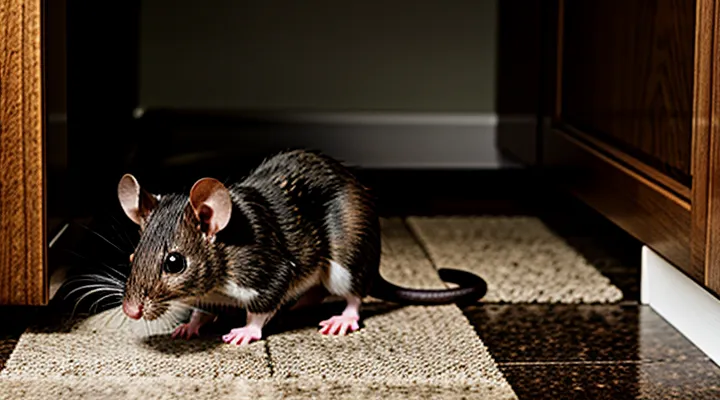
Understanding the Threat: Why Rats and Mice Are a Problem
Health Risks Associated with Rodents
Rodents introduce bacteria, viruses, and parasites that can infect humans through bites, contaminated food, or inhalation of droppings. Exposure often occurs in kitchens, pantries, and storage areas where gnawing activity concentrates waste.
- Hantavirus – transmitted by inhaling aerosolized urine or feces; can cause severe respiratory illness.
- Leptospirosis – spread through contact with urine; leads to fever, kidney damage, and liver dysfunction.
- Salmonellosis – bacteria from droppings contaminate surfaces and food; produces gastrointestinal distress.
- Rat‑bite fever – bacterial infection following a bite; results in rash, fever, and joint pain.
- Allergic reactions – proteins in urine and dander trigger asthma attacks and hypersensitivity.
Contamination of food preparation surfaces and storage containers creates a direct pathway for pathogens to enter the household diet. Persistent rodent activity also degrades structural components, fostering mold growth and increasing dust that aggravates respiratory conditions.
Effective mitigation of these health threats requires eliminating entry points, maintaining strict sanitation, and employing proven control methods as part of a comprehensive rodent‑prevention strategy.
Structural Damage Caused by Infestations
Rats and mice compromise the integrity of a private residence by gnawing through structural components. Their incisors continually grow, prompting relentless chewing that weakens load‑bearing elements such as joists, studs, and support beams. Repeated damage can lead to sagging floors, cracked walls, and compromised roof framing.
Typical damage includes:
- Electrical wiring – chewed insulation creates short circuits, fire hazards, and costly repairs.
- Plumbing – gnawed pipes develop leaks, water damage, and mold growth.
- Insulation and drywall – exposed fibers lose thermal efficiency and become breeding grounds for pathogens.
- Foundation and masonry – burrowing rodents create voids that undermine stability and allow moisture infiltration.
The financial impact extends beyond material replacement; compromised structures often require professional assessment, permitting, and extended repair timelines. Prompt detection and effective exclusion measures reduce the likelihood of severe deterioration and preserve the safety of the dwelling.
Signs of a Rodent Infestation
Droppings and Urine Stains
Rodent feces and urine leave visible stains that signal an infestation and pose health hazards. Droppings contain pathogens such as salmonella and hantavirus; urine deposits release ammonia, attracting more rodents and contaminating surfaces.
Detecting contamination requires systematic inspection. Look for dark, pellet‑shaped droppings near food storage, behind appliances, and in low‑traffic corners. Urine stains appear as yellowish rings or darkened areas, often accompanied by a strong odor.
Effective removal follows a strict protocol:
- Wear disposable gloves, a mask, and eye protection.
- Moisten droppings with a disinfectant solution (e.g., 1 % bleach) to prevent aerosolization.
- Scoop debris into a sealed bag; discard in an outdoor trash container.
- Apply the same disinfectant to urine‑stained surfaces; let it sit for at least five minutes.
- Scrub with a stiff brush, then rinse with clean water.
- Allow the area to dry completely before restoring normal use.
After cleaning, eliminate conditions that encourage re‑contamination. Seal gaps larger than ¼ inch, repair leaking pipes, and store food in airtight containers. Maintain low humidity and regular ventilation to deter lingering moisture that attracts rodents.
Gnaw Marks
Gnaw marks are the most reliable indicator that rodents have entered a residence. Their appearance on wood, plastic, wiring, or furniture confirms active foraging and can pinpoint the routes used for travel and nesting.
Typical characteristics include:
- Parallel grooves about 2‑3 mm apart, matching the incisors of rats or mice.
- Rough, uneven edges rather than clean cuts.
- Presence on the outer surface of structural beams, baseboards, and behind appliances.
Identifying the exact location of gnaw marks allows targeted intervention. Once the damaged area is located, follow these steps:
- Seal all visible entry points with steel wool, copper mesh, or cement‑based caulk; rodents cannot chew through metal.
- Remove any loose material around the gnaw site to eliminate shelter and food sources.
- Install snap traps or electronic traps directly adjacent to the marks; proximity increases capture rates.
- Apply a rodent‑repellent spray containing peppermint oil or capsaicin to the surrounding surface; reapply weekly to maintain efficacy.
- Inspect adjacent walls and ceilings for additional gnawing; repeat the sealing and trapping process as needed.
Regular monitoring of gnaw marks, combined with prompt sealing and trapping, prevents the escalation of an infestation and protects wiring, insulation, and structural integrity.
Noises in Walls or Attics
Noises emanating from walls or attics often signal rodent activity. Scratching, scurrying, and gnawing sounds typically occur at night when rats and mice are most active. Distinguishing these noises from settling building sounds helps prioritize inspection.
When a sound is identified, locate its source by observing the area where the noise is strongest. Check for droppings, gnaw marks, or shredded insulation near vents, electrical wiring, and pipe penetrations. Examine entry points such as gaps around utility lines, cracks in the foundation, and unsealed openings around doors and windows.
To eliminate the problem, follow a systematic approach:
- Seal all potential entryways with steel wool, copper mesh, or caulk.
- Install snap traps or electronic traps along identified pathways.
- Deploy rodent‑resistant bait stations in concealed locations.
- Replace damaged insulation and repair gnawed wiring to prevent fire hazards.
- Maintain a clean environment by storing food in airtight containers and removing clutter that offers shelter.
After treatment, monitor the area for at least two weeks. Persistent noise may require professional inspection to address hidden nests or structural damage. Continuous exclusion measures and regular housekeeping reduce the likelihood of recurrence.
Unpleasant Odors
Unpleasant odors can deter rodents by creating an environment they find hostile. The scent must be strong enough to overwhelm the animals’ keen sense of smell, yet safe for occupants.
- Peppermint oil: apply a few drops on cotton balls, place them in corners, behind appliances, and near entry points. Refresh every 3‑4 days.
- Ammonia: soak rags in undiluted ammonia, position in sealed containers with small openings. Replace weekly to maintain potency.
- Vinegar: spray undiluted white vinegar along baseboards, under sinks, and around trash cans. Reapply after cleaning or when the smell fades.
- Clove or eucalyptus oil: soak cloth strips, distribute in attic spaces, closets, and crawl spaces. Rotate oils weekly to prevent habituation.
Effectiveness depends on continuous exposure; rodents quickly adapt if the odor weakens. Combine odor deterrents with physical barriers—seal cracks, install door sweeps—to maximize protection. Avoid placing strong chemicals near food preparation surfaces or children’s play areas. Regular monitoring ensures the scent remains disruptive and the home stays rodent‑free.
Pet Behavior Changes
Pets can influence rodent activity in a residence. When a cat or dog changes its routine, the scent profile of the home shifts, potentially altering mouse or rat movement patterns. Recognizing these alterations allows homeowners to adjust pest‑deterrent strategies effectively.
Typical pet behavior changes that signal a potential increase in rodent presence include:
- Frequent sniffing near walls, baseboards, or storage areas.
- Repeated pawing or digging at floor seams and furniture legs.
- Sudden interest in small, moving objects that were previously ignored.
- Heightened alertness or vocalization when approaching hidden spaces.
- Increased grooming or licking of paws after contact with concealed gaps.
Conversely, intentional modifications to pet habits can enhance rodent deterrence:
- Schedule feeding times to create predictable activity peaks, discouraging nocturnal foraging by rodents.
- Restrict access to crawl spaces, attics, and basements; use pet‑grade barriers to seal entry points.
- Encourage natural hunting instincts by providing toys that simulate prey, prompting cats to patrol potential rodent routes.
- Maintain a clean litter area and avoid leaving food remnants, reducing attractants that could draw both pets and rodents.
- Rotate outdoor access for dogs to limit exposure to external rodent populations that might be carried indoors.
Monitoring these behavioral cues and implementing targeted adjustments helps maintain a rodent‑free environment while preserving pet welfare.
Prevention: Sealing Entry Points and Eliminating Attractants
Identifying and Sealing Entry Points
Inspecting the Exterior of Your Home
Inspecting the exterior of a residence is the first defensive measure against rodent intrusion. Identify all potential entry points, structural weaknesses, and environmental factors that attract rats and mice.
Walk the perimeter during daylight. Look for gaps larger than ¼ inch in siding, foundation, and windows. Seal openings with steel wool, caulk, or hardware cloth. Repair cracked mortar, broken vents, and damaged roof tiles. Ensure that gaps around utility lines, pipes, and cables are tightly closed.
Examine the surrounding landscape. Trim vegetation that contacts the building, as vines and shrubs provide ladders for rodents. Keep firewood, compost, and stored items at least 18 inches away from the foundation. Remove debris, leaf piles, and standing water that create shelter and water sources.
Maintain proper drainage. Direct downspouts away from the house using extensions or splash blocks. Grade soil to slope away, preventing moisture accumulation near the foundation.
Implement a regular inspection schedule. Perform the following checks monthly:
- Visual survey of walls, doors, and windows for new cracks or holes.
- Verification that seals and barriers remain intact.
- Assessment of vegetation clearance and storage distances.
- Inspection of drainage systems for clogs or misdirection.
Document findings and repairs. Promptly address any new vulnerabilities to sustain an exterior barrier that deters rodents from entering the home.
Securing Foundations and Vents
Securing foundations and vents creates a physical barrier that prevents rodents from entering a residence.
Common penetration points include:
- Cracks in concrete slabs or footings
- Gaps around water, gas, and sewer pipes
- Openings for electrical conduit and HVAC ducts
- Unscreened dryer, attic, and crawl‑space vents
Repair strategies:
- Fill foundation cracks with hydraulic cement or epoxy, then smooth the surface.
- Pack steel wool or copper mesh into narrow gaps before applying expanding polyurethane sealant.
- Install metal flashing around pipe penetrations; fasten with corrosion‑resistant screws.
- Cover all vents with ¼‑inch hardware cloth, securing edges with stainless‑steel staples or screws.
- Replace flimsy vent screens with rigid metal grates that match the vent dimensions.
Maintenance actions:
- Conduct quarterly visual inspections of the perimeter and interior vent openings.
- Remove mulch, leaves, and debris that rest against the foundation.
- Trim shrubs and vines at least two feet away from walls to eliminate climbing pathways.
- Re‑seal any newly formed cracks promptly to avoid re‑establishment of entry routes.
Implementing these measures eliminates the primary access routes used by rats and mice, thereby sustaining a rodent‑free home environment.
Sealing Cracks and Gaps in Walls
Sealing cracks and gaps in interior and exterior walls blocks the most common entry points used by rats and mice. Even openings as small as a quarter‑inch allow rodents to infiltrate, so comprehensive inspection and repair are essential.
Begin with a systematic survey of all wall surfaces. Look for visible fissures, gaps around pipes, electrical boxes, and baseboards, as well as hidden openings behind trim and molding. Use a flashlight and a mirror to detect cracks that are not immediately apparent.
Apply appropriate sealing materials based on the location and size of each opening:
- Expandable polyurethane foam for gaps up to two inches; cut excess after curing.
- Cement‑based mortar or concrete patch for larger structural cracks; smooth to flush with surrounding wall.
- Steel wool or copper mesh behind foam or mortar in areas prone to gnawing; prevents rodents from biting through.
- Silicone or acrylic caulk for small seams around fixtures and trim; ensure a watertight seal.
After sealing, re‑inspect the treated areas to confirm that no residual openings remain. Repeat the process annually or after any renovation work to maintain a continuous barrier against rodent intrusion.
Checking Doors and Windows
Doors and windows serve as the most common routes for rats and mice to enter a residence. Gaps, cracks, and worn weatherstripping provide unobstructed pathways for these pests, especially during colder months when they seek shelter.
- Examine each door frame for visible openings larger than ¼ inch; use a flashlight to highlight hidden gaps.
- Test window seals by closing them fully and feeling for drafts; any air movement indicates a breach.
- Apply steel wool or copper mesh to small cracks before sealing with caulk; larger voids require expanding foam or concrete patch.
- Replace worn weatherstripping on exterior doors with a compression-type seal that compresses firmly when the door closes.
- Install tight-fitting screens on all operable windows; reinforce with a fine mesh if insects are also a concern.
Perform this inspection quarterly and after any severe weather event. Re‑seal any newly formed gaps promptly to maintain an effective barrier against rodent intrusion.
Eliminating Food and Water Sources
Proper Food Storage
Proper food storage is a fundamental barrier against rodent intrusion. Food that is easily accessible, aromatic, or left exposed provides a strong attractant, encouraging rats and mice to enter a residence. By eliminating these resources, homeowners remove the primary incentive for infestation.
Secure containers made of metal, heavy‑duty plastic, or glass with airtight lids prevent odors from escaping and deny rodents entry points. Store dry goods such as grains, cereals, and pet food in these containers, and keep them off the floor to avoid direct contact with potential pest pathways. Refrigerate or freeze perishable items promptly; low temperatures inhibit spoilage and reduce scent emission.
Maintain cleanliness in food‑handling areas. Promptly wipe up spills, crumbs, and juice drips, and regularly clean the interior of cabinets and pantry shelves. Dispose of waste in sealed bags and remove it from the home weekly to avoid accumulation of food residue.
Implement a systematic rotation of supplies. Use the “first‑in, first‑out” method to ensure older items are consumed before newer ones, reducing the likelihood of stale or moldy food that attracts rodents.
Key practices for effective food storage:
- Place all consumables in airtight containers.
- Keep containers on elevated shelves, not directly on the floor.
- Refrigerate or freeze perishables immediately after purchase.
- Clean surfaces after each meal preparation; eliminate crumbs and residues.
- Seal trash bags tightly and remove garbage regularly.
- Rotate stock using the first‑in, first‑out principle.
By adhering to these measures, a private home creates an environment where rats and mice find little to no nutritional incentive to enter, thereby supporting broader pest‑prevention strategies.
Managing Waste and Composting
Effective waste handling reduces food sources that attract rats and mice, making a private residence less inviting to these pests. Proper disposal and compost practices eliminate odors and accessible crumbs, directly limiting rodent activity.
- Store trash in tightly sealed containers; replace lids if they warp or crack.
- Remove waste from the kitchen area at least once daily; keep collection bins away from exterior walls.
- Use metal or heavy‑duty plastic bins with locking mechanisms for outdoor storage.
- Compost only in sealed, rodent‑proof units; avoid adding meat, dairy, or oily foods that emit strong scents.
- Maintain compost piles at a moisture level that supports decomposition but does not create soggy conditions attractive to rodents.
- Turn compost regularly to aerate material and discourage burrowing.
- Position compost bins on a non‑porous surface, such as concrete, to prevent leakage into surrounding soil.
- Inspect and repair any cracks or gaps in waste containers, foundation walls, and utility entry points weekly.
Consistent application of these measures removes primary food incentives, limits shelter opportunities, and supports a long‑term strategy for keeping rodents out of the home.
Addressing Leaks and Standing Water
Rats and mice are drawn to moisture; unchecked leaks and stagnant water create ideal foraging sites and nesting conditions. Eliminating these sources removes a primary incentive for infestation.
Identify all water‑bearing fixtures—sinks, bathtubs, washing machines, dishwashers, and outdoor spigots. Inspect regularly for drips, corrosion, or condensation. Repair broken seals, replace worn washers, and tighten connections promptly. Use plumber’s tape or silicone caulk where joints meet to prevent seepage behind walls and under floors.
Redirect runoff away from the foundation. Grade soil so that rainwater flows at least six inches from the building perimeter. Install or clear gutters and downspouts; ensure discharge terminates at least three feet from the house. Consider French drains or trench grates in low‑lying areas prone to pooling.
Eliminate interior standing water. Empty pet water dishes nightly, dry mop up spills, and wipe down countertops after use. Store food in airtight containers; avoid leaving fruit or vegetables uncovered. Keep basements and crawl spaces ventilated; employ dehumidifiers to maintain relative humidity below 50 %.
Routine checklist:
- Inspect plumbing fixtures weekly for drips.
- Test all outdoor drainage devices after rain.
- Verify that sealants around sinks and tubs are intact.
- Clean and dry any areas where water accumulates.
- Record repairs and schedule follow‑up checks.
By systematically removing moisture, the habitat becomes inhospitable, reducing the likelihood that rodents will enter or remain in the home.
Maintaining a Clean Environment
Decluttering Inside and Outside Your Home
Decluttering removes shelter and food sources that attract rodents, making both interior rooms and exterior areas less inviting. Removing unnecessary items eliminates hiding places, while organizing stored goods reduces accidental exposure to crumbs and waste.
Inside the home, follow these actions:
- Clear all piles of paper, cardboard, and fabric from corners, closets, and basements. Store essential documents in sealed containers.
- Eliminate broken appliances, unused furniture, and excess décor that create dark, confined spaces.
- Keep pantry shelves tidy; use airtight jars for grains, cereals, and pet food. Dispose of expired products promptly.
- Regularly sweep floors, vacuum carpets, and wipe countertops to remove residual crumbs.
Outside the residence, apply comparable measures:
- Trim vegetation away from the foundation to prevent branches from bridging entry points.
- Store firewood, lumber, and gardening tools on raised platforms, covered with weather‑proof tarps.
- Remove debris such as leaf litter, compost heaps, and discarded building materials that offer nesting sites.
- Seal gaps in siding, eaves, and utility openings; install mesh screens over vents and drainage holes.
Consistent removal of clutter limits the habitats rodents rely on, thereby reinforcing any chemical or mechanical deterrents employed elsewhere in the property.
Trimming Vegetation Around the Property
Keeping shrubs, trees, and ground cover well‑trimmed creates a physical barrier that discourages rats and mice from approaching a residence. Dense foliage offers shelter, nesting material, and a protected travel corridor; removing those advantages forces rodents to seek alternative routes that are less convenient and more exposed to predators.
Maintain a clearance zone of at least three feet between plant material and the house foundation. Cut back overgrown bushes, prune low branches, and thin out hedges so that sunlight reaches the soil surface. Trim tall grasses to a height of six inches or less, and remove piles of leaf litter, compost, or debris that accumulate near walls.
Regularly inspect vines and climbing plants that could bridge gaps between trees and the roof. Sever any tendrils that touch the structure, and guide growth away from the building using supports or trellises. When pruning, dispose of cut branches and foliage far from the property; placing them on the curb or in a sealed bag prevents rodents from using them as temporary shelter.
Key actions for effective vegetation management:
- Create a 3‑foot buffer of cleared space around the foundation.
- Prune shrubs and trees to eliminate branches within two feet of the house.
- Keep lawn grass short and remove accumulated organic material.
- Eliminate climbing vines that contact the roof or walls.
- Dispose of cut plant material away from the property.
Implementing these measures reduces habitat suitability, limits access points, and complements other rodent‑exclusion strategies, thereby lowering the likelihood of an infestation inside the home.
Repellent Strategies: Non-Lethal Methods
Natural and Homemade Repellents
Peppermint Oil
Peppermint oil is a natural repellent that interferes with the olfactory receptors of rats and mice, causing discomfort and prompting the animals to vacate treated areas. The oil’s strong menthol scent masks food odors, reducing the likelihood that rodents will explore a space.
Effective deployment requires consistent coverage and proper concentration. Recommended practice:
- Dilute 10–15 drops of peppermint essential oil in 250 ml of water.
- Add a small amount of mild dish soap to act as an emulsifier.
- Transfer the mixture to a spray bottle.
- Apply to entry points, baseboards, cabinets, and any location where gnaw marks are visible.
- Reapply every 3–4 days, or after cleaning, to maintain potency.
Safety considerations include avoiding direct contact with skin, using gloves during preparation, and keeping the solution away from pets that may be sensitive to strong aromas. Store the oil in a sealed container, away from heat and sunlight, to preserve its efficacy.
When peppermint oil is combined with complementary measures—such as sealing cracks, removing food sources, and setting mechanical traps—the overall success rate of rodent exclusion improves markedly.
Cayenne Pepper and Other Spices
Cayenne pepper, along with several other strong spices, creates an environment that rodents find hostile. The active compounds—capsaicin in cayenne, piperine in black pepper, and allyl isothiocyanate in mustard—activate sensory receptors in rats and mice, causing irritation and prompting avoidance of treated areas.
- Sprinkle cayenne pepper along baseboards, behind appliances, and near entry points; reapply after cleaning or moisture exposure.
- Mix equal parts black pepper and cayenne, add a few drops of liquid dish soap, and spray the solution on surfaces where rodents travel.
- Combine mustard powder with powdered garlic; dust the blend in corners and crawl spaces.
- Use ground horseradish or hot paprika as a secondary layer in pantry shelves, especially where grain products are stored.
All spices should be applied in a dry form to prevent clumping and diminish effectiveness. Avoid using excessive quantities that may irritate human occupants or pets; a thin, even coating suffices. Regular inspection ensures that the deterrent remains visible and effective, as rodents can become accustomed to faded residues.
Integrating these aromatic barriers with other preventive measures—sealed food containers, eliminated water sources, and structural repairs—enhances overall rodent resistance in a private residence.
Used Coffee Grounds
Used coffee grounds create an environment that rodents find unpleasant. The strong odor and residual acidity interfere with their scent trails, reducing the likelihood of entry and habitation.
Place a thin layer of dry, cooled grounds in areas where activity is observed: under kitchen appliances, along baseboards, inside pantry corners, and near entry points such as door sweeps and vent openings. Refresh the material weekly to maintain potency; moisture or stale grounds lose effectiveness.
Advantages of this method include:
- Low cost and easy acquisition from household waste.
- Non‑toxic nature, safe for children and pets when applied correctly.
- Dual benefit of reducing kitchen waste while providing a deterrent.
Limitations to consider:
- Grounds may attract insects if left damp.
- Effectiveness diminishes in high‑traffic zones with frequent cleaning.
- Not a substitute for sealing structural gaps; combine with proper exclusion measures.
For optimal results, integrate used coffee grounds with additional strategies: seal cracks, store food in airtight containers, and employ snap traps where necessary. Regular monitoring and replacement of the grounds ensure sustained repellent action.
Ammonia
Ammonia emits a strong, pungent odor that rodents find intolerable. The scent interferes with their sensitive olfactory system, prompting them to avoid treated areas.
Application methods:
- Soak cotton balls or rags in undiluted ammonia and place them in corners, under appliances, and near entry points.
- Fill small containers with a shallow layer of ammonia, positioning them on shelves or in cabinets where rodents travel.
- Mix equal parts water and ammonia in a spray bottle; mist along baseboards, behind walls, and around garbage bins. Reapply every 48 hours, as the odor dissipates quickly.
Effectiveness depends on concentration and placement. Pure ammonia provides the most immediate deterrent, while diluted solutions extend coverage but may be less repellent. Multiple devices increase the likelihood that rodents encounter the odor during foraging.
Safety considerations:
- Ensure good ventilation; inhaling concentrated fumes can irritate eyes and respiratory passages.
- Keep containers out of reach of children and pets; ammonia is toxic if ingested.
- Wear gloves and protective eyewear when handling undiluted liquid.
Limitations:
- Ammonia does not eradicate infestations; it only discourages activity.
- Persistent sources of food, water, and shelter can outweigh the deterrent effect.
- Overuse may lead rodents to habituate, reducing efficacy over time.
For sustained control, combine ammonia treatment with sealing entry gaps, eliminating food residues, and employing traps or professional extermination when necessary. This integrated approach maximizes the likelihood of keeping rats and mice out of a private residence.
Ultrasonic Rodent Repellents
How They Work
Rodent deterrents function by disrupting the behaviors that attract rats and mice to a dwelling. Ultrasonic emitters generate high‑frequency sound waves beyond human hearing; rodents perceive the noise as a hostile environment, prompting them to vacate the area. Chemical repellents contain compounds such as peppermint oil, ammonia, or predator urine; when applied to surfaces, these substances trigger an olfactory aversion that discourages entry. Snap traps and electronic kill devices rely on rapid mechanical or electrical action, delivering an immediate lethal impact that eliminates individual pests and reduces population pressure. Glue boards employ a sticky surface that immobilizes rodents, preventing further movement and causing discomfort that drives them away from the location.
Physical barriers prevent access altogether. Sealants, steel wool, and hardware cloth close gaps around pipes, vents, and foundation cracks; the tight fit blocks the small bodies of rats and mice, eliminating pathways into the home. Bait stations contain anticoagulant or bromethalin pellets; rodents ingest the poison, which interferes with blood clotting or cellular metabolism, leading to death after several days. The delayed effect allows the poison to spread through the colony via secondary consumption, reducing overall numbers.
Effective rodent management combines these mechanisms: auditory deterrence for immediate avoidance, chemical scents for ongoing repulsion, traps for rapid reduction, and structural exclusion for long‑term protection. Each method targets a specific sensory or physiological response, creating an environment that is inhospitable to rodents and sustaining a pest‑free residence.
Effectiveness and Limitations
Rodent deterrence in a private residence depends on the actual performance of each method and the constraints that accompany it.
Sealing entry points with steel mesh, caulk, or weather‑stripping blocks access routes. When all gaps are identified and repaired, the barrier prevents new intrusions. Missed cracks or damaged seals allow re‑entry, so thorough inspection is mandatory.
Traps—snap, electronic, or live‑capture—deliver rapid removal. Effectiveness hinges on correct placement along active runways and frequent inspection. Improper positioning, trap avoidance, and the need to dispose of captured animals limit utility. Live traps also require prompt release or humane euthanasia.
Chemical and electronic repellents produce mixed results. Ultrasonic emitters claim to irritate rodents, yet studies show negligible impact on established populations. Rodenticides achieve high mortality but introduce health hazards for humans, pets, and non‑target wildlife; many jurisdictions restrict their use. Natural scents such as peppermint oil or predator urine create temporary aversion, but potency wanes within hours and repeated application is necessary.
Sanitation measures—secure food storage, prompt waste removal, clutter reduction—diminish attractants. Success relies on consistent occupant behavior; the approach does not eliminate rodents already present in walls or hidden nests.
Combining barriers, traps, and sanitation typically produces the most reliable control. Integration raises overall cost, demands regular monitoring, and may require professional assessment to address persistent infestations.
Live Trapping and Release
Choosing the Right Traps
Selecting an effective trap is essential for eliminating rodents from a residence. Begin by identifying the species present; rats and mice differ in size, behavior, and bait preferences, which influences trap performance.
Common trap categories include:
- Snap traps – high‑kill rate, reusable, require proper placement to ensure swift impact.
- Electronic traps – deliver a lethal voltage pulse, contain the carcass, reduce exposure to humans and pets.
- Live‑catch cages – allow relocation, demand frequent monitoring to prevent stress‑induced mortality.
- Glue boards – capture without killing, best suited for secondary infestations or monitoring; limit use due to humane concerns.
Key selection criteria:
- Size compatibility – the trigger mechanism must accommodate the target rodent’s body dimensions.
- Bait effectiveness – use foods that rodents naturally seek, such as peanut butter for mice and grain or meat for rats.
- Safety features – choose models with insulated handles or tamper‑proof designs to protect household members and non‑target animals.
- Maintenance requirements – prefer traps that are easy to clean and reset, minimizing labor and exposure to disease.
Placement strategy enhances trap success. Position devices along walls, behind appliances, and near entry points, aligning the trigger edge perpendicular to the rodent’s travel path. Ensure a clear line of sight to the bait and avoid clutter that could obstruct movement.
Regular evaluation is mandatory. Inspect traps daily, record capture data, and replace malfunctioning units promptly. Adjust bait type or trap location if capture rates decline, indicating behavioral adaptation.
By matching trap type to rodent species, adhering to safety standards, and maintaining systematic placement, homeowners achieve reliable control while limiting secondary risks.
Safe Release Practices
Capturing rodents without lethal methods requires a clear plan for humane release. The objective is to remove the animals from the residence while preventing their return and minimizing health risks.
Before release, verify local regulations concerning the relocation of wild rodents. Some jurisdictions prohibit moving captured animals beyond a specific distance or into certain habitats. Compliance avoids legal penalties and protects ecosystems.
Prepare a sturdy, ventilated container with a secure lid. Wear disposable gloves to reduce contamination and prevent bites. Place the trapped rat or mouse inside, allowing a brief acclimation period of one to two minutes before transport.
Select a release site at least two miles from the home, preferably in a wooded or field area with natural cover and access to food sources. Ensure the location is free from human habitation, livestock pens, and water bodies that could attract predators.
When setting the animal free, open the container gently and step back to avoid startling it. Allow the rodent to exit voluntarily; do not force movement. After release, seal the container and dispose of gloves in a sealed bag.
Following release, clean the capture area with a disinfectant approved for rodent‑related pathogens. Inspect the home for entry points, seal gaps, and maintain sanitation to deter future infestations. Regular monitoring confirms that the problem does not recur.
Extermination and Professional Help: When to Call the Experts
Understanding Different Trap Types
Snap Traps
Snap traps provide immediate, lethal control of rats and mice inside a residence. The mechanism consists of a spring‑loaded bar that releases with minimal disturbance, delivering a rapid, precise strike to the animal’s neck. This method eliminates the need for poisons, reducing secondary poisoning risks for pets and children.
Effective use requires strategic placement. Position traps along walls, behind appliances, and near known entry points, because rodents travel close to surfaces. Insert bait—such as peanut butter, dried fruit, or small pieces of cheese—directly onto the trigger plate to increase capture rates. Secure the trap so that the trigger remains sensitive but not prone to accidental activation.
Selection criteria focus on size and sensitivity. Choose traps labeled for the target species: larger models for rats, smaller for mice. Ensure the snap bar offers sufficient force (generally 1–2 kg for mice, 5–10 kg for rats) to cause instantaneous death, preventing prolonged suffering and potential escape.
Safety precautions protect occupants. Wear disposable gloves when handling traps and disposing of carcasses. Keep traps out of reach of children and non‑target animals. Inspect each device before setting; replace any that show signs of corrosion or wear.
Maintenance includes regular checking of trap locations. Remove captured rodents promptly, clean the trap surface with mild detergent, and reset with fresh bait. If a trap fails to snap, discard it and use a new unit to maintain efficacy.
Disposal guidelines recommend sealing the carcass in a plastic bag, tying it securely, and placing it in an outdoor trash container. This prevents odor buildup and deters other pests from scavenging.
By adhering to precise placement, appropriate sizing, and strict safety protocols, snap traps become a reliable component of a comprehensive rodent‑exclusion strategy for private homes.
Glue Traps
Glue traps consist of a flat board coated with a non‑drying adhesive that immobilizes rodents upon contact. They are inexpensive, require no power source, and can be positioned in concealed areas where rats or mice travel.
Effective placement follows a few principles:
- Locate along walls, behind appliances, in cabinets, and near suspected entry points.
- Position with the adhesive side facing the wall, as rodents prefer to run close to surfaces.
- Use multiple traps spaced 1–2 feet apart in high‑traffic zones.
- Replace traps after 48 hours, even if no capture is observed, to maintain stickiness.
Capture rates vary with species and baiting. Mice, being lighter, often become stuck on first contact; larger rats may escape if the adhesive is insufficiently strong. Glue traps do not eradicate an infestation but can reduce numbers and provide evidence of activity.
Safety considerations are mandatory. Keep traps out of reach of children and pets; store unused units in sealed containers. When handling a trapped rodent, wear disposable gloves, avoid direct skin contact, and dispose of the entire trap as a single unit.
Disposal procedure:
- Place the used trap in a sturdy plastic bag, seal tightly.
- Dispose of the bag in an outdoor trash container that is regularly emptied.
- Wash hands thoroughly after removal of gloves.
Glue traps are best suited for localized problems or monitoring purposes. For extensive infestations, combine them with exclusion techniques, bait stations, or professional pest control to achieve lasting results.
Electronic Traps
Electronic traps provide a fast-acting, non‑chemical option for controlling rats and mice inside a residence. The device detects the presence of a rodent with infrared or pressure sensors, then delivers a high‑voltage shock that kills instantly.
The system operates without bait, eliminating the risk of accidental ingestion by children or pets. Shock delivery occurs within milliseconds, preventing prolonged suffering and reducing the likelihood of escape. After activation, the dead animal falls into a sealed compartment that can be emptied without direct contact.
Key benefits
- Immediate result; no waiting for poison to take effect
- No need for toxic substances or regular replenishment of bait
- Enclosed disposal chamber maintains hygiene
- Reusable; a single unit can handle multiple captures
Practical considerations
- Position units along walls, behind appliances, or in concealed entry points where rodent activity is observed
- Ensure access to a reliable power source; many models accept both AC adapters and batteries
- Select traps with safety interlocks that prevent accidental discharge when the lid is opened
- Clean the collection chamber regularly to avoid odor buildup and maintain efficacy
When choosing a model, prioritize devices rated for the target species, equipped with adjustable voltage settings, and featuring a transparent lid for visual inspection. Install each trap perpendicular to the wall, with the sensor side facing the expected travel path of the rodent. After placement, monitor the trap daily, dispose of captured specimens according to local regulations, and reset the unit for continued operation.
Baits and Poisons: Considerations and Risks
Types of Rodenticides
Rodenticides provide a chemical option for homeowners seeking to eliminate rats and mice that have entered the living space.
- Anticoagulants – interfere with blood clotting; first‑generation compounds (warfarin, diphacinone) require multiple feedings, while second‑generation agents (bromadiolone, brodifacoum) act after a single dose.
- Bromethalin – disrupts neuronal energy production, leading to rapid paralysis and death after ingestion.
- Zinc phosphide – releases phosphine gas in the stomach, producing acute toxicity; effective against both rats and mice.
- Cholecalciferol (vitamin D3) – causes hypercalcemia, resulting in kidney failure; gradual onset reduces bait shyness.
- Sodium fluoroacetate (1080) – inhibits the citric‑acid cycle, causing systemic organ failure; highly potent, regulated in many regions.
When employing toxic baits, place them in tamper‑resistant stations, out of reach of children and non‑target animals. Follow label directions regarding dosage, re‑baiting intervals, and disposal of dead rodents. Many jurisdictions require registration or a pest‑control license for certain compounds; verify local regulations before purchase.
Integrating rodenticides with exclusion techniques—sealing entry points, maintaining cleanliness, and using traps—reduces reliance on chemicals and lowers the risk of accidental exposure. A balanced approach maximizes control efficacy while protecting household occupants and pets.
Safe Usage and Placement
Effective rodent control in a private residence depends on correct application and strategic positioning of deterrents. Improper use can create health hazards, damage property, or reduce efficacy.
- Choose products specifically labeled for indoor use. Verify that active ingredients meet regulatory safety standards and are appropriate for households with children or pets.
- Follow manufacturer dosage instructions precisely. Over‑application does not increase potency and may cause toxic exposure.
- Place repellent stations away from food preparation surfaces, eating areas, and open containers. Ideal locations include concealed gaps behind appliances, along baseboards, and near known entry points.
- Secure traps or bait stations on flat, stable surfaces to prevent tipping. Use mounting brackets or adhesive pads when the device must be positioned on walls or shelves.
- Keep electrical repellents at least 12 inches from water sources and out of reach of moisture to avoid short circuits.
- Rotate placement every two weeks. Rodents quickly habituate to static scents; moving devices disrupts their foraging patterns.
- Store unused products in their original containers, sealed tightly, and out of reach of non‑target occupants. Label storage areas clearly.
Safety checks should be performed weekly. Inspect each device for signs of wear, leakage, or displacement, and replace any compromised units immediately. Maintaining these practices ensures that rodent deterrents remain both effective and harmless within the home environment.
Risks to Pets and Children
Rodent deterrence methods can expose household members to hazards if not applied correctly.
Chemical rodenticides present the greatest danger to animals and children. Ingested bait may cause internal bleeding, seizures, or organ failure. Small amounts are sufficient to trigger symptoms such as vomiting, lethargy, or tremors. Secure placement behind appliances, in tamper‑proof stations, and out of reach of pets and toddlers reduces accidental exposure.
Snap traps and adhesive boards create a risk of puncture wounds or strangulation. Improper positioning near play areas or pet pathways can result in unintended injuries. Use trap covers, place devices in wall voids, and monitor daily to remove captured rodents promptly.
Ultrasonic emitters emit high‑frequency sounds intended to deter rodents. Evidence of efficacy is limited, and prolonged exposure may cause discomfort for sensitive pets, particularly cats and dogs with acute hearing. Position devices away from sleeping zones and observe animal behavior for signs of distress.
Mitigation measures:
- Store all rodent control products in locked cabinets.
- Choose bait stations certified for child‑proof and pet‑proof use.
- Install traps inside sealed containers or behind baseboards.
- Keep children and pets away from treatment areas until devices are removed or deactivated.
- Regularly inspect and replace damaged or expired products.
Adhering to these precautions maintains rodent suppression while protecting vulnerable occupants.
When to Engage Professional Pest Control Services
Signs of a Severe Infestation
Rats and mice leave unmistakable evidence when a population grows beyond a few isolated individuals. Recognizing these indicators early prevents structural damage, health risks, and costly remediation.
- Large, irregular droppings scattered across floors, countertops, and hidden corners; size and quantity exceed typical single‑animal deposits.
- Gnaw marks on wood, plastic, wiring, or insulation that appear in multiple locations, suggesting repeated access points.
- Persistent, strong odors of urine or ammonia that cannot be eliminated with routine cleaning.
- Visible nests composed of shredded paper, fabric, or insulation, often found in wall cavities, attics, or under appliances.
- Frequent sightings of live rodents or fresh carcasses, especially during daylight hours, indicating loss of fear of human presence.
- Damage to stored food items, packaging, or pantry contents, accompanied by chew holes or contamination.
When several of these signs coexist, the infestation has escalated to a severe level. Immediate professional assessment and comprehensive control measures are required to protect the home’s integrity and the occupants’ health.
Benefits of Professional Assistance
Professional pest‑control providers bring specialized knowledge that surpasses typical DIY attempts. Their technicians conduct systematic inspections, pinpointing entry points, nesting sites, and activity patterns that homeowners often overlook.
- Precise identification of rodent species ensures selection of the most effective control measures.
- Licensed use of rodenticides and repellents minimizes exposure risks for residents and pets.
- Access to equipment such as ultrasonic devices, bait stations, and trap‑placement tools enhances coverage and efficacy.
- Compliance with local health and safety regulations prevents legal complications and guarantees proper disposal of hazardous materials.
- Scheduled follow‑up visits monitor residual activity, allowing timely adjustments before infestations re‑establish.
- Integrated treatment plans combine exclusion, sanitation, and population‑reduction tactics, delivering long‑term protection at a lower overall cost.
- Professional intervention reduces the likelihood of disease transmission, structural damage, and property devaluation caused by persistent rodent activity.
Engaging experts transforms a reactive response into a proactive management strategy, delivering reliable results that DIY solutions rarely achieve.
Maintaining a Rodent-Free Home: Long-Term Solutions
Regular Inspections and Maintenance
Routine checks and upkeep form the backbone of any effective rodent‑prevention strategy in a residence. Early detection of entry points, food sources, and signs of activity prevents infestations before they spread.
- Examine exterior walls, foundation, and roof for gaps larger than ¼ inch. Seal cracks with steel wool, caulk, or concrete repair.
- Inspect doors and windows for damaged weatherstripping; replace worn material to maintain a tight seal.
- Verify that utility penetrations (pipes, cables, vents) are fitted with metal mesh or foam sleeves.
- Look for droppings, gnaw marks, or shredded material in attics, basements, and storage areas. Clean identified spots promptly.
Inside the home, maintenance reduces attractants and eliminates shelter:
- Store pantry items in airtight containers; discard spilled granules and expired food.
- Keep countertops, floors, and sinks free of crumbs; wipe appliances after each use.
- Manage waste by using sealed bins and removing trash regularly.
- Trim vegetation and remove debris within two feet of the building to deny rodents cover.
A consistent schedule reinforces these measures. Conduct a thorough exterior inspection monthly; perform interior spot checks weekly in high‑risk zones. Document findings and repairs to track progress and ensure accountability. By adhering to a disciplined inspection and maintenance regimen, homeowners minimize the likelihood of rat and mouse incursions without reliance on chemical controls.
Educating Household Members
Educating everyone living in the house creates a unified front against rodent intrusion. Knowledge of rodent behavior, preferred pathways, and attraction sources enables residents to act consistently and prevent infestations.
All members should recognize early signs of activity: droppings, gnaw marks, gnawed food packaging, and faint scratching noises in walls or attics. Prompt reporting of these indicators allows immediate intervention before populations expand.
Food storage practices must be uniform. Keep all pantry items in sealed containers made of glass, metal, or heavy‑duty plastic. Clean crumbs and spills instantly; avoid leaving pet food out overnight. Waste should be placed in bins with tight‑fitting lids and removed regularly.
Entry points require collective vigilance. Every household participant should inspect doors, windows, and utility openings weekly, sealing gaps with steel wool, caulk, or metal mesh. Repair damaged screens and weather stripping without delay.
When traps or electronic repellents are deployed, all occupants need clear instructions on placement, safe handling, and disposal of captured rodents. Labeled areas and written guidelines reduce accidental contact, especially for children and pets.
Maintain a schedule for housewide cleaning that includes vacuuming under appliances, moving furniture to expose hidden corners, and wiping down countertops with disinfectant. Regular deep‑cleaning sessions reinforce the habit of a clutter‑free environment that deters nesting.
Create a simple communication system—such as a shared calendar or a notice board—where anyone can log sightings, maintenance actions, and upcoming preventive tasks. This record keeps the whole family informed and accountable.
Finally, conduct brief quarterly briefings to review procedures, update on any new findings, and reinforce the importance of each person’s role. Consistent education transforms the household into an effective barrier against rats and mice.
Community-Level Prevention Efforts
Effective rodent control extends beyond individual households; coordinated community actions reduce the overall population pressure that drives infestations into homes. Residents who maintain clean yards, dispose of waste in sealed containers, and eliminate standing water remove essential resources that attract rats and mice. When neighborhoods adopt uniform standards for trash collection, landscaping, and building maintenance, the environment becomes inhospitable to these pests.
Key community-level measures include:
- Establishing a neighborhood watch for rodent activity, with a shared reporting platform that alerts all households to new sightings.
- Organizing quarterly clean‑up events to clear debris, overgrown vegetation, and discarded materials that provide shelter.
- Coordinating with local authorities to ensure regular inspection of public spaces, such as parks, alleys, and vacant lots, for signs of infestation.
- Implementing city‑wide regulations requiring proper sealing of building foundations, utility penetrations, and ventilation openings.
- Providing bulk access to certified traps, baits, and exclusion products at reduced cost, encouraging consistent use across the area.
Educational outreach reinforces these actions. Workshops hosted by pest‑management professionals teach residents how to identify entry points, apply exclusion techniques, and maintain sanitary conditions. Printed guides distributed through community centers and online portals serve as reference material for ongoing vigilance.
When neighborhoods align their efforts, the collective reduction in food sources, shelter, and entry pathways diminishes the likelihood that rats and mice will seek refuge in private dwellings. Consistent, community-driven prevention creates a hostile environment for rodents, protecting individual homes without reliance on isolated measures.