
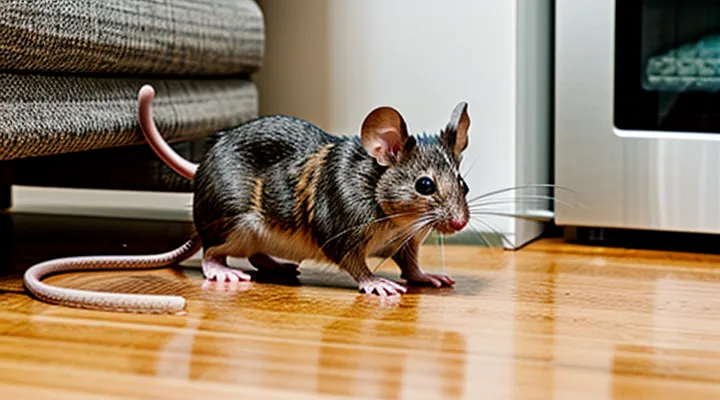
Understanding the Mouse Problem
Signs of a Mouse Infestation
Droppings and Urine Trails
Mouse droppings and urine trails provide clear evidence of infestation and influence rodent activity. Droppings appear as small, dark pellets, roughly the size of a grain of rice, often found near food sources, along walls, or in concealed areas. Their presence signals a feeding site and can attract additional mice, while also posing health hazards such as salmonella and hantavirus.
Urine trails serve as scent markers that communicate territory and food availability to other mice. Fresh urine emits a strong odor detectable only to rodents, encouraging them to follow the path toward resources. Persistent trails reinforce the perceived safety of a location, making elimination of the scent essential for effective control.
To neutralize these cues, follow a systematic approach:
- Locate droppings and urine stains using a flashlight in low‑light conditions.
- Wear disposable gloves and a mask; collect droppings with a sealed bag.
- Clean surfaces with a solution of 1 part bleach to 10 parts water; allow a minimum of five minutes of contact time before rinsing.
- Saturate contaminated areas with an enzymatic cleaner designed to break down urine proteins, eliminating the residual scent.
- After cleaning, place mouse‑repellent devices (e.g., ultrasonic emitters or peppermint oil pads) near the treated zones.
- Inspect the area weekly for new signs; repeat cleaning if fresh droppings or urine appear.
Removing visual and olfactory cues reduces the likelihood that mice will remain or return, supporting broader deterrent measures.
Gnaw Marks and Damage
Mice leave unmistakable evidence through their gnawing, which serves as the first indicator of an infestation. Incisor teeth continuously grow, forcing rodents to chew on hard surfaces to maintain proper length. The resulting bite marks are shallow, V‑shaped grooves with clean edges, typically ranging from 2 mm to 5 mm in depth.
Common damage includes:
- Electrical wiring stripped of insulation, creating fire hazards.
- Wooden framing weakened by parallel chew lines, compromising structural integrity.
- Plastic containers pierced, leading to spoilage of stored food.
- Furniture legs and legs of appliances reduced to splinters, causing instability.
Detecting gnaw marks early prevents escalation. Look for:
- Fresh, unfinished cuts on baseboards, cabinets, or drywall.
- Exposed copper or aluminum on cords and pipes.
- Small piles of shredded material near entry points.
- Irregular holes measuring ½ inch to 1 inch in size, often surrounded by gnawed debris.
Addressing gnaw damage reduces attractants and eliminates pathways that mice exploit. Seal all openings with steel wool or caulk, replace compromised wiring, and reinforce vulnerable wood with metal plates. Prompt repair removes the conditions that encourage rodents to remain, supporting any chemical or trap‑based deterrent strategy.
Strange Noises and Odors
Mice generate audible disturbances that differ from typical household sounds. Scratching within walls, rapid footfalls in ceilings, and intermittent squeaking indicate active movement. These noises often precede visible damage, allowing early intervention.
Unusual smells accompany rodent activity. A sharp, ammonia‑like odor arises from urine deposits, while a greasy, rancid scent emerges from secreted oils and nesting material. Detecting these aromas confirms infestation and helps locate breeding sites.
To use these cues for deterrence, follow a systematic approach:
- Identify the source: trace noises to structural cavities; sniff for urine or oil residues near food storage, cabinets, or insulation.
- Seal entry points: apply steel wool or caulking to gaps revealed by sound or odor tracing.
- Deploy deterrents: place ultrasonic emitters near identified pathways; position peppermint oil–treated cotton balls at odor hotspots.
- Monitor progress: listen for reduced activity and re‑evaluate for lingering smells after two weeks; repeat sealing and deterrent placement if necessary.
Addressing strange noises and odors eliminates the sensory evidence mice rely on for concealment, directly reducing their willingness to remain in the dwelling.
Why Mice Are Attracted to Your Home
Food Sources
Mice are drawn to readily available food, making the elimination of edible attractants the most effective preventive measure. Secure storage eliminates the primary incentive for rodents to enter living spaces.
- Transfer pantry items to airtight containers made of glass or heavy‑wall plastic; ensure lids seal completely.
- Keep countertops clear of crumbs; wipe surfaces after each meal with a damp cloth.
- Store pet food in sealed bins; discard leftover portions immediately.
- Dispose of garbage in containers with tight‑fitting lids; empty them daily.
- Clean under appliances, inside cabinets, and behind furniture where food particles may accumulate.
By removing all accessible nourishment, a home becomes hostile to mice, reducing the likelihood of infestation without reliance on traps or chemicals.
Shelter and Warmth
Mice are drawn to areas that provide protection from predators and a stable, warm environment. Eliminating these conditions reduces the likelihood of infestation.
Secure potential shelters by removing clutter such as piles of laundry, cardboard boxes, and stored firewood. Store items on raised shelves or in sealed containers to deny rodents hidden spaces. Trim vegetation and move garden debris away from the house foundation, preventing outdoor cover that can be extended indoors.
Control temperature fluctuations that make interior spaces attractive for nesting. Keep indoor humidity between 30‑50 % and maintain a consistent ambient temperature; extreme cold or heat encourages mice to seek refuge. Use draft‑proofing tape and weather stripping on doors, windows, and utility openings to block cold drafts and eliminate warm gaps.
Seal all entry points that could serve as a concealed passage. Apply steel wool or copper mesh to cracks around pipes, vents, and foundation seams, then cover with caulk or expanding foam. Install door sweeps and repair damaged screens to prevent ingress.
Regularly inspect and clean areas where food is stored. Vacuum crumbs, wipe surfaces, and store dry goods in airtight containers. A clean, dry environment deprives mice of both shelter and the warmth generated by food residues.
Key actions to deny shelter and warmth:
- Declutter and store items off the floor.
- Trim outdoor vegetation near the house.
- Maintain stable indoor humidity and temperature.
- Seal cracks with steel wool, mesh, and caulk.
- Install door sweeps and repair screens.
- Keep food storage areas clean and sealed.
By systematically removing protective and thermally favorable zones, the home becomes inhospitable to mice, reducing the need for more aggressive control measures.
Entry Points
Mice gain access to indoor spaces through gaps that are often invisible to casual inspection. Identifying and eliminating these openings prevents intrusion and reduces reliance on traps or poisons.
- Gaps around utility pipes: seal with steel wool combined with expanding foam; steel wool deters chewing, foam provides a weather‑tight barrier.
- Openings under doors and windows: install tight‑fitting sweeps or weatherstripping; replace damaged frames.
- Cracks in foundation or wall sheathing: fill with cement‑based mortar or hydraulic cement for structural integrity.
- Holes around vents, dryer ducts, and chimney flues: cover with metal mesh of ¼‑inch or smaller apertures, then secure with stainless‑steel screws.
- Gaps around cabinet backs and baseboards: apply caulk or acrylic sealant; for larger spaces, use sheet metal or plywood patches.
Regular inspection after seasonal changes ensures that new gaps are detected promptly, maintaining an effective barrier against mouse entry.
Immediate Repellent Strategies
Natural Deterrents
Peppermint Oil and Other Scents
Peppermint oil is a widely cited scent that deters mice by overwhelming their sensitive olfactory receptors. The strong menthol aroma masks food odors and creates an environment mice avoid. For maximum effect, apply the oil directly to cotton balls or cloth strips and place them in known travel routes, entry points, and nesting areas. Replace the material every 3–5 days, as the volatile compounds dissipate quickly.
- Soak a cotton ball with 10–15 drops of pure peppermint oil.
- Position the ball near baseboards, behind appliances, and inside cabinets.
- Refresh the cotton ball when the scent fades noticeably.
Other aromatic substances also demonstrate repellent properties. Eucalyptus oil, clove oil, and citronella share a similar mechanism of sensory overload. Eucalyptus contains eucalyptol, which irritates rodent nasal passages; clove oil’s eugenol acts as a natural anesthetic, discouraging movement; citronella’s sharp citrus notes interfere with scent tracking. These oils can be used alone or blended with peppermint to broaden the olfactory spectrum.
- Mix equal parts peppermint, eucalyptus, and clove oils in a spray bottle with water (1 % total oil concentration).
- Spray the solution around door frames, vent openings, and pantry shelves.
- Reapply weekly or after cleaning.
Safety considerations include avoiding direct skin contact and keeping oils away from pets, especially cats, which may be sensitive to certain compounds. Use food‑grade essential oils and ensure ventilation to prevent respiratory irritation. While scent repellents reduce mouse activity, they rarely eliminate an established infestation; combine them with exclusion techniques such as sealing gaps and setting traps for comprehensive control.
Essential Oils Applications
Essential oils provide a natural, odor‑based barrier that mice find unpleasant. Research indicates that strong, volatile scents disrupt their sensory pathways, prompting avoidance of treated areas.
- Peppermint oil: apply 5–10 drops to cotton balls, place them behind appliances, in cabinets, and along baseboards. Replace every three days to maintain potency.
- Eucalyptus oil: mix 1 part oil with 4 parts water in a spray bottle. Lightly mist entry points, cracks, and interior surfaces. Reapply after cleaning or when the scent fades.
- Citronella oil: combine 8 drops with 2 cups of water and a teaspoon of dish soap to improve adhesion. Spray around pantry shelves and trash receptacles. Reapply weekly.
- Clove oil: dilute 1 ml in 30 ml of carrier oil (e.g., almond). Rub the mixture onto wooden furniture legs and under sinks. Refresh every five days.
Diffusers can disperse oil vapors throughout rooms, creating an ambient environment that discourages mouse activity. Set the diffuser on low for 30 minutes, twice daily, in spaces where rodent signs appear.
When using essential oils, observe safety guidelines: keep concentrations below 5 % to avoid skin irritation, store oils out of reach of children and pets, and test a small area for material compatibility. Consistent application, combined with sealing entry points, enhances the overall effectiveness of a non‑chemical mouse deterrent strategy.
DIY Repellent Sachets
DIY repellent sachets offer a straightforward, chemical‑free option for deterring mice inside residential spaces. By combining natural odorants that rodents find unpleasant, homeowners can create portable packets that protect cabinets, pantry shelves, and entry points without relying on commercial poisons.
Common ingredients
- Dried peppermint leaves or a few drops of peppermint essential oil
- Ground cayenne pepper or crushed red pepper flakes
- Dried cloves or a few drops of clove oil
- Cotton balls or muslin pouches for containment
- Optional: dried lavender or eucalyptus for additional scent diversity
Preparation steps
- Place a cotton ball in a small muslin bag.
- Add 5–10 drops of peppermint oil (or a teaspoon of dried peppermint).
- Sprinkle a pinch of cayenne pepper and a few cloves onto the cotton.
- Seal the bag, leaving a tiny opening for scent release.
Placement recommendations
- Position sachets near known mouse pathways: behind appliances, under sinks, and on pantry shelves.
- Replace or refresh sachets every two weeks, or when the scent diminishes.
- Avoid direct contact with food items; keep sachets in sealed containers when not in use.
Safety and maintenance
- Keep sachets out of reach of children and pets; essential oils can cause irritation if ingested.
- Use gloves when handling cayenne pepper to prevent skin irritation.
- Dispose of used sachets in a sealed trash bag to prevent accidental exposure.
When regularly refreshed and strategically placed, homemade repellent packets reduce mouse activity by creating an environment that rodents instinctively avoid.
Electronic Repellents
Ultrasonic Devices
Ultrasonic devices emit high‑frequency sound waves that are inaudible to humans but disturb rodents’ nervous systems, prompting avoidance of the treated area. The units typically contain a transducer powered by an electrical circuit that generates pulses ranging from 20 kHz to 60 kHz; mice detect these frequencies through their acute hearing and experience discomfort, leading them to vacate the space.
Effectiveness depends on proper placement, coverage, and environmental conditions. For optimal results:
- Install units at least 12 inches above the floor, where mouse activity is observed.
- Position devices near entry points, such as gaps under doors, vents, and utility openings.
- Space multiple units at 15‑20 ft intervals in larger rooms to maintain overlapping sound fields.
- Keep the area free of excessive background noise (e.g., loud appliances) that can mask ultrasonic emissions.
- Replace batteries or verify power supply every six months to ensure consistent output.
Limitations include reduced efficacy in open or highly reverberant spaces, as sound waves dissipate quickly. Mice may become habituated after prolonged exposure, diminishing deterrent effect. Ultrasonic devices do not address existing infestations; they function solely as a preventive measure and should be combined with sealing entry points and, when necessary, humane trapping.
Safety considerations are minimal for humans and pets, but species such as hamsters, gerbils, and certain reptiles can be affected. Verify that no non‑target animals share the treated environment before deployment. Regular monitoring of mouse activity will confirm whether the ultrasonic system maintains deterrence or requires supplemental control methods.
Electromagnetic Repellents
Electromagnetic repellents emit low‑frequency electromagnetic fields that create an uncomfortable environment for rodents. The devices contain a coil that generates a pulsed field, disrupting the nervous system of mice and prompting them to vacate the area.
Installation is straightforward: place a unit near known entry points, along walls, or in concealed corners where mice travel. Devices typically require a standard electrical outlet; some models include battery backup for temporary power loss. Positioning multiple units in larger homes improves coverage and reduces the likelihood of untreated zones.
Effectiveness depends on several factors. Laboratory tests show a decline of 70‑85 % in mouse activity after continuous operation for one week. Field reports confirm similar reductions when devices are used in conjunction with sealing cracks and removing food sources. Electromagnetic repellents do not kill; they deter without toxic chemicals, making them suitable for households with pets or children.
Advantages
- No chemicals or poisons
- Silent operation
- Minimal maintenance; occasional cleaning of the exterior surface
Limitations
- Reduced efficacy in rooms with heavy metal furnishings that shield the field
- May require several units for multi‑story dwellings
- Effectiveness diminishes if food and shelter remain readily available
Safety considerations include verifying that the device complies with local electrical standards and keeping it away from water sources. Most models are certified to meet electromagnetic emission limits, posing no known health risk to humans or non‑target animals.
Regular monitoring of mouse activity helps determine whether additional units or complementary measures, such as sealing openings, are necessary. Consistent use of electromagnetic deterrents, combined with proper sanitation, forms a reliable component of a comprehensive rodent‑control strategy.
Trapping Methods
Live Traps
Live traps provide a humane alternative to lethal devices while still removing rodents from residential spaces. The traps consist of a cage with a trigger mechanism that closes the door when a mouse enters to reach bait.
- Choose a trap with a sensitive trigger and a secure latch to prevent escape.
- Place traps along walls, behind appliances, and near known activity zones; mice travel close to surfaces.
- Use high‑protein bait such as peanut butter, cheese, or sunflower seeds, applied to the trigger plate.
- Check traps at least twice daily to avoid undue stress on captured animals.
- Release captured mice at least one mile from the residence, preferably in a wooded or field area, to reduce the chance of return.
- Clean traps with mild detergent after each use to maintain effectiveness and prevent scent transfer.
Proper placement and consistent monitoring maximize capture rates, allowing homeowners to eliminate infestations without resorting to poison or snap devices.
Snap Traps
Snap traps provide an immediate, mechanical solution for eliminating mice that have entered a residence. The device consists of a spring‑loaded bar that delivers a rapid, lethal strike when the mouse triggers a sensitive trigger plate. Because the action is instantaneous, the method reduces the likelihood of prolonged suffering and prevents the animal from escaping.
Effective use of snap traps depends on proper placement and bait selection. Position traps along walls, behind appliances, and in concealed pathways where rodent activity is evident. Bait with high‑protein items such as peanut butter, dried fruit, or small pieces of cheese; apply a pea‑sized amount directly on the trigger plate to encourage contact. Ensure the trap is oriented so the trigger faces the wall, aligning with the mouse’s natural tendency to travel close to surfaces.
Safety considerations are essential. Keep traps out of reach of children and non‑target pets by using protective covers or placing them in sealed containers with a single entry slot. After a capture, wear disposable gloves, dispose of the carcass in a sealed bag, and reset the trap with fresh bait. Regular inspection—at least once daily—allows prompt removal of dead rodents and maintains trap efficacy.
Key practices for snap‑trap deployment
- Choose a spring‑loaded model with a strong, audible click to confirm activation.
- Place traps 1–2 inches from the wall, with the trigger plate touching the baseboard.
- Use a minimal amount of attractive bait; excess can deter the mouse.
- Check traps each morning; replace bait and reset as needed.
- Dispose of caught rodents in sealed plastic bags; clean traps with disinfectant before reuse.
Glue Traps
Glue traps consist of a thin layer of adhesive affixed to a cardboard or plastic base. When a mouse steps onto the surface, its paws and fur become stuck, preventing further movement. The traps require placement along established rodent pathways, such as behind appliances, near wall voids, and around pantry edges. Positioning at a low height (1–2 inches from the floor) aligns with the typical travel route of mice.
Advantages
- Immediate capture without the need for bait.
- Low purchase cost per unit.
- Compact size allows deployment in confined spaces.
Limitations
- Non‑selective; captures non‑target insects and small reptiles.
- May cause prolonged suffering if the animal is not removed promptly.
- Disposal requires protective gloves and sealed containers to avoid accidental contact.
Effective use involves the following steps:
- Identify high‑traffic zones by observing droppings, gnaw marks, or grease trails.
- Clean the area to remove competing scents that could deter the mouse.
- Place the trap with the adhesive side up, ensuring the surface is flat and undisturbed.
- Check traps daily; remove captured rodents with gloves, seal them in a plastic bag, and discard according to local regulations.
- Replace the trap after each capture or when the adhesive loses its tack.
Safety considerations include wearing disposable gloves during handling, keeping traps out of reach of children and pets, and storing unused traps in sealed packaging to maintain adhesive integrity. When integrated with complementary measures—such as sealing entry points and maintaining a clutter‑free environment—glue traps can contribute to a rapid reduction in indoor mouse activity.
Proper Trap Placement and Baiting
Effective mouse control hinges on precise trap positioning and appropriate bait selection. Place traps along established rodent pathways: behind appliances, near walls, and in concealed corners where mice travel. Position traps perpendicular to the wall, with the trigger end facing the baseboard, forcing the rodent to encounter the mechanism as it follows the edge.
Key placement guidelines:
- Identify fresh droppings, gnaw marks, or grease trails; these indicate active routes.
- Install traps at a maximum distance of 12 inches (30 cm) from the wall to intersect the mouse’s natural tendency to run close to surfaces.
- Use multiple traps in high‑traffic zones; a cluster of three to five devices increases capture probability.
- Avoid clutter that obstructs access to the trigger; clear debris and ensure a direct line of approach.
Bait selection directly influences trap success. Preferred attractants include:
- Peanut butter: strong odor, high fat content, adheres to trigger plate.
- Soft cheese: aromatic, readily consumed.
- Sunflower seeds: palatable, easy to attach.
- Commercial rodent lures: formulated with synthetic attractants for consistent performance.
Bait preparation tips:
- Apply a pea‑sized amount to the trigger mechanism; excess bait may cause premature disengagement.
- Secure bait with a thin layer of wax or petroleum jelly to prevent leakage and maintain placement.
- Rotate bait types weekly to prevent habituation and sustain interest.
Maintenance practices ensure sustained efficacy:
- Inspect traps daily; remove captured rodents promptly to reduce scent buildup.
- Reset or replace traps after each capture; worn springs or dulled sensors diminish reliability.
- Clean trap surfaces with mild detergent to eliminate residue that could deter future attempts.
- Store unused traps in a sealed container to protect against moisture and dust.
By adhering to these placement and baiting protocols, homeowners achieve reliable mouse deterrence without reliance on chemical agents.
Long-Term Prevention and Home Sealing
Sealing Entry Points
Inspecting Your Home's Exterior
Inspecting the exterior of a house is a critical step in preventing mouse intrusion. Begin by walking around the foundation and noting any cracks, holes, or gaps larger than ¼ inch. Pay special attention to areas where utilities, pipes, and cables enter the building; these openings often serve as entry points.
Seal identified openings with appropriate materials—steel wool, copper mesh, or silicone caulk for small gaps; concrete patch or metal flashing for larger cracks. Ensure that door sweeps are intact and that garage doors close tightly against the floor.
Maintain the perimeter to discourage rodents. Trim tree branches, shrubs, and vines so they do not touch the roof or walls. Remove piles of firewood, debris, or compost that rest directly against the house, keeping them at least 18 inches away from the foundation.
Control moisture and drainage to eliminate shelter. Clear gutters and downspouts, repair any leaking pipes, and grade soil away from the building to prevent water accumulation near the foundation.
A concise checklist for exterior inspection:
- Walk the entire foundation; mark cracks and gaps.
- Inspect utility penetrations; apply steel wool or mesh, then seal.
- Verify door sweeps and garage door seals.
- Trim vegetation to maintain a 2‑foot clearance from walls.
- Relocate firewood, compost, and debris at least 18 inches from the exterior.
- Clean gutters, fix leaks, and ensure proper grading.
Completing these actions creates a physical barrier that significantly reduces the likelihood of mice gaining access to the interior. Regular seasonal reviews keep the protection effective over time.
Sealing Cracks and Gaps
Sealing cracks and gaps eliminates the pathways mice use to enter a residence. Identifying and closing these openings reduces the likelihood of infestation and complements other deterrent measures.
Begin by inspecting the exterior and interior of the building. Focus on areas where utilities enter, such as plumbing, electrical wiring, and HVAC ducts. Examine the foundation, baseboards, window and door frames, and any gaps around vents or crawl‑space openings. Use a flashlight and a mirror to reveal hidden fissures.
Prepare the following materials:
- Steel wool or copper mesh (diameter ¼‑½ in.) for filling larger holes
- Expanding polyurethane foam for irregular voids
- Silicone or acrylic caulk for seams around trim and fixtures
- Cement‑based mortar or concrete patch for structural cracks
- Weather‑stripping for doors and windows
Apply the sealing process in these steps:
- Clear debris from each opening; vacuum or brush away dust and loose material.
- Insert steel wool or mesh into gaps larger than ¼ in., compressing it to fill the space completely.
- Spray expanding foam over the packed material, allowing it to expand and adhere to surrounding surfaces.
- Smooth the foam with a putty knife, then trim excess once cured.
- Seal the perimeter of the repaired area with silicone or acrylic caulk, ensuring a continuous, watertight barrier.
- For structural cracks, mix mortar according to manufacturer instructions, press it into the fissure, and level the surface.
- Install weather‑stripping on movable openings, aligning the seal to prevent drafts and rodent entry.
After completion, conduct a final walk‑through to verify that no visible openings remain. Periodically repeat the inspection, especially after seasonal changes or renovations, to maintain a rodent‑proof environment.
Repairing Damaged Screens and Vents
Repairing damaged screens and vents eliminates the primary pathways mice use to enter a residence. A solid barrier stops rodents from exploiting openings near doors, windows, and HVAC systems, directly supporting any mouse‑deterrent strategy.
Begin by inspecting every screen and vent for tears, loose mesh, or warped frames. Use a flashlight to reveal hidden gaps behind furniture or appliances. Mark compromised areas with tape or a washable marker.
Gather the following supplies: heavy‑duty mesh or stainless‑steel screen, screen repair patches, a fine‑tooth screwdriver, silicone sealant, utility knife, and a staple gun or zip ties. Choose materials resistant to chewing and weather exposure.
Repair procedure:
- Remove loose fragments and clean the surrounding surface.
- Cut mesh to extend at least two inches beyond the damaged section.
- Secure the mesh with a staple gun or zip ties, ensuring a tight fit.
- Apply silicone sealant around the perimeter to fill any residual gaps.
- Allow the sealant to cure according to manufacturer instructions before reopening the vent or screen.
After completion, schedule quarterly checks to confirm the integrity of all barriers. Replace any worn mesh promptly to maintain continuous protection against rodent intrusion.
Food Storage and Sanitation
Storing Food in Airtight Containers
Storing food in airtight containers eliminates accessible food sources that attract mice, reducing the likelihood of infestation. Sealed containers prevent odors from escaping, which otherwise signal the presence of nourishment to rodents.
Choose containers made of heavy‑gauge plastic or glass with screw‑top lids featuring silicone gaskets. Ensure lids close tightly and inspect them regularly for wear or damage. Place containers on shelves rather than on the floor to limit mouse access.
- Use containers for all dry goods: grains, cereals, nuts, flour, and pet food.
- Label each container with the contents and purchase date to maintain rotation.
- Keep containers away from walls and cabinets where mice can gnaw through gaps.
- Clean spills immediately; even sealed containers can be compromised by crumbs on surrounding surfaces.
- Replace damaged containers promptly to maintain a sealed environment.
Consistent use of airtight storage creates a hostile environment for mice, supporting broader rodent‑deterrent strategies in the home.
Cleaning Up Crumbs and Spills
Keeping surfaces free of food debris eliminates the primary attractant that draws mice into a residence. Even minute crumbs left on countertops, floors, or under appliances provide a reliable food source, encouraging rodents to explore and establish a nest.
- Sweep or vacuum floors daily, focusing on corners and edges where particles accumulate.
- Wipe countertops, tables, and cabinets with a disinfectant solution after each meal preparation.
- Clean under kitchen appliances (stovetop, refrigerator, dishwasher) weekly; use a damp cloth to remove dried spills.
- Dispose of garbage in sealed containers; empty bins before they become saturated with food residue.
- Mop hard floors with a mild detergent after sweeping; avoid leaving standing water that can attract pests.
Regularly inspecting high‑traffic areas for hidden crumbs prevents mice from detecting a consistent food supply. Prompt removal of spills, especially sugary or greasy substances, reduces scent trails that rodents follow. Implementing these practices creates an environment where mice find no incentive to enter, supporting broader rodent‑deterrence strategies.
Managing Pet Food
Proper handling of pet food reduces the attraction of rodents in domestic environments. Mice locate sources of nutrition quickly; unsecured kibble, wet food, and treats create a reliable feeding point. Keeping these items out of reach eliminates a primary incentive for infestation.
Key practices for pet food management:
- Store dry kibble in airtight containers made of metal or heavy‑wall plastic; seal each use with the original lid.
- Freeze or refrigerate wet food in sealed bags; discard leftovers within two hours.
- Place feeding bowls on elevated platforms or use anti‑spill designs that prevent spillage onto the floor.
- Clean the feeding area after each meal; sweep crumbs, wipe surfaces, and vacuum corners where debris accumulates.
- Rotate storage locations periodically to avoid long‑term exposure of any single area.
Implementing these measures removes a major food source, forcing mice to seek alternative habitats less likely to intersect with human activity. Consistent application sustains a hostile environment for rodents while preserving the nutritional needs of pets.
Yard Maintenance
Trimming Vegetation
Keeping shrubs, vines, and groundcover trimmed away from the foundation reduces the pathways mice use to reach a house. Dense vegetation offers cover, nesting material, and a bridge between outdoor food sources and interior entry points. By creating a clear zone, you eliminate shelter and force rodents to travel in exposed areas where predators and human activity deter them.
Maintain a clearance zone of at least 18 inches between plants and the building. Cut back overgrown bushes so stems do not touch the siding. Remove any debris, leaf piles, or compost heaps that sit directly against the exterior walls. Trim groundcover to expose the soil, preventing mice from burrowing close to the foundation.
Practical steps:
- Inspect the perimeter monthly; identify plants that touch or overhang the house.
- Prune back branches to create a gap of 2–3 feet from the siding.
- Mow lawns to a height of 3 inches, preventing tall grass from providing cover.
- Clear fallen leaves and mulch within the clearance zone; replace with stone or low‑profile landscaping if needed.
- Dispose of garden waste promptly; do not store it near exterior doors or windows.
Consistently applying these trimming measures removes attractive hiding spots, limits access routes, and supports other proven mouse‑deterrent strategies such as sealing cracks and eliminating indoor food sources.
Removing Debris
Removing debris eliminates shelter and food sources that attract rodents. A clean environment reduces the likelihood that a mouse will establish a nest or forage in a household.
- Sweep floors, vacuum carpets, and mop surfaces daily to clear crumbs and dust.
- Dispose of garbage in sealed containers; empty bins regularly and clean the interior to prevent odor buildup.
- Clear clutter such as piles of paper, cardboard boxes, and unused items, especially in storage areas, basements, and closets.
- Inspect behind appliances, under sinks, and within wall voids; wipe away accumulated grime and food residues.
- Maintain a tidy pantry by storing dry goods in airtight containers and wiping shelves after each use.
Consistent debris removal creates a hostile setting for mice, complementing other proven deterrent measures.
Securing Outdoor Bins
Outdoor waste containers are a common source of food and shelter for house mice. When bins are left open or loosely sealed, crumbs and odors lure rodents into the surrounding area, increasing the likelihood of indoor intrusion. Securing these containers reduces the attraction and creates a barrier that mice cannot easily breach.
- Choose bins with tight‑fitting lids; snap‑lock or latch mechanisms prevent accidental opening.
- Opt for metal or heavy‑wall plastic models; thin plastic can be chewed through.
- Install a secondary cover or screen over the lid for added protection.
- Position bins at least two meters from the house, away from walls, fences, or vegetation that could serve as a runway.
- Clean the interior regularly, removing food residue and liquid spills that generate scent trails.
- Apply a non‑toxic deterrent, such as a peppermint oil spray, to the exterior of the lid and surrounding area.
By implementing these measures, the outdoor waste area becomes inhospitable to mice, limiting the chance that they will seek entry into the home.
When to Call Professionals
Signs of a Severe Infestation
A severe mouse problem manifests through observable evidence that demands immediate intervention. Ignoring these indicators allows the population to expand rapidly, increasing damage risk and health hazards.
- Multiple droppings clustered near food sources, walls, or hidden corners
- Gnaw marks on furniture, wiring, insulation, or structural beams
- Presence of burrows or nesting material such as shredded paper, fabric, or insulation
- Persistent odor of urine or ammonia, especially in confined areas
- Visible tracks in dust, flour, or on smooth surfaces
- Frequent sightings of live mice or carcasses throughout the dwelling
Each of these signs signals a high-density infestation that cannot be controlled by simple deterrents alone. Prompt, comprehensive measures are required to protect property and health.
Health Risks Associated with Mice
Mice that enter residential spaces carry pathogens capable of causing serious illness. Direct contact with droppings, urine, or saliva introduces bacteria and parasites into the household environment. Consumption of food contaminated by mouse waste can lead to acute gastrointestinal disturbances, while inhalation of dried droppings or urine particles may trigger respiratory problems.
- Salmonella – causes fever, abdominal cramps, diarrhea; transmitted through contaminated food or surfaces.
- Hantavirus – produces fever, muscle aches, and can progress to severe pulmonary syndrome; spread by inhaling aerosolized droppings or urine.
- Leptospira – results in flu‑like symptoms, kidney damage; enters the body through cuts or mucous membranes exposed to contaminated water.
- E. coli (certain strains) – leads to severe stomach upset and dehydration; associated with mouse‑tainted food storage.
- Allergic reactions – mouse hair and dander provoke asthma attacks and nasal congestion in sensitive individuals.
Mice also compromise structural hygiene by gnawing insulation, wiring, and food containers, creating additional opportunities for mold growth and fire hazards. Reducing these health threats requires eliminating access points, maintaining strict sanitation, and employing proven deterrent techniques. Effective mouse control directly lowers the probability of disease transmission and improves overall indoor safety.
Benefits of Professional Pest Control
Professional pest‑control services complement DIY mouse‑deterrent strategies by delivering outcomes that home‑based measures alone cannot guarantee. Trained technicians assess structural vulnerabilities, apply targeted treatments, and monitor activity, ensuring long‑term exclusion of rodents.
- Comprehensive inspection identifies entry points hidden behind walls, insulation, and flooring, enabling precise sealing that prevents re‑infestation.
- Licensed products, such as rodent‑specific baits and low‑toxicity repellents, are applied according to safety regulations, reducing health risks for occupants and pets.
- Integrated pest‑management plans combine sanitation advice, habitat modification, and periodic follow‑ups, creating an environment hostile to mice without reliance on repeated DIY attempts.
- Immediate professional response limits damage to wiring, insulation, and stored food, protecting property value and avoiding costly repairs.
- Documentation of treatments provides legal proof of due diligence, useful for insurance claims and rental agreements.
Choosing expert intervention enhances the effectiveness of home‑based mouse deterrence, delivering sustained protection and measurable cost savings.