
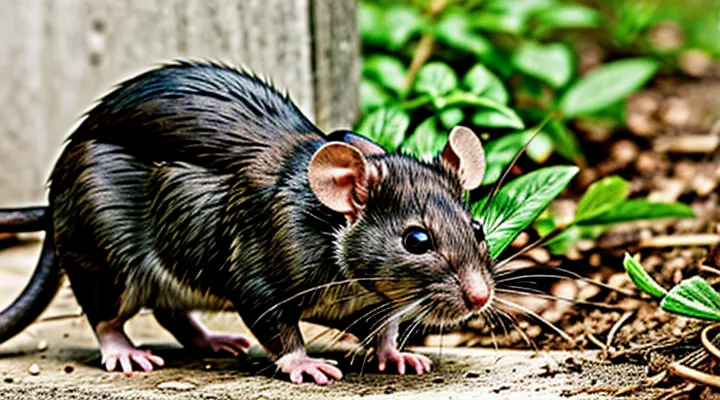
Understanding the Rat Problem
Signs of Rat Infestation
Droppings and Urine
Rats leave droppings and urine throughout a plot, providing clear evidence of infestation and creating health risks. Fresh droppings appear as dark pellets, 0.5–1 cm long, often found near food sources, burrow entrances, and along walls. Urine stains are yellowish, may dry to a faint crust, and emit a strong ammonia odor. Both waste types harbor pathogens such as Hantavirus, Leptospira, and Salmonella, which can contaminate soil, water, and any crops cultivated on the site.
Effective removal of these contaminants requires a systematic approach:
- Wear disposable gloves and a N95 respirator before entry.
- Collect droppings with a damp paper towel; place waste in a sealed plastic bag.
- Soak urine‑stained areas with a 1 % bleach solution (10 ml household bleach per liter of water); let stand for ten minutes.
- Rinse the treated surface with clean water and allow it to dry completely.
- Dispose of cleaning materials in a sealed container and wash hands thoroughly after removal.
Regular sanitation disrupts rat activity by eliminating attractants and prevents disease transmission. Monitoring for new droppings and urine after each cleaning cycle helps assess the success of non‑toxic control measures and signals whether additional habitat modifications are needed.
Gnaw Marks
Gnaw marks are the most reliable visual cue of rat activity on a garden plot. They appear on wooden stakes, irrigation tubing, plant stems, and the edges of storage containers. The depth, shape, and location of these marks reveal the size of the intruder and the routes it prefers.
Identify gnaw marks by the following characteristics:
- Parallel, shallow cuts about 1 mm deep, often with a clean, straight edge.
- Rough, uneven edges where the rat’s incisors have stripped material.
- Repeated bite patterns at the same spot, indicating a travel corridor.
Use gnaw marks to plan a non‑chemical eradication strategy:
- Map each mark on a sketch of the plot. Connect marks to locate primary pathways.
- Place snap traps or live‑capture cages directly along these routes, positioning bait stations at the far end of each line to lure the rat forward.
- Install metal or hardened plastic barriers at points where gnaw marks intersect structural elements, preventing further chewing.
- Remove or replace damaged materials that serve as chewable anchors, eliminating convenient footholds.
Regular inspection of gnaw marks allows early detection of new activity. Replace traps and barriers promptly after each capture to maintain pressure on the rodent population. By interpreting gnaw marks accurately, a gardener can eradicate rats efficiently without resorting to poison.
Tracks and Runways
Identifying the routes rats use to travel across a garden is the first step in a non‑chemical removal strategy. Look for fresh droppings, gnawed plant stems, and shallow footprints in soft soil; these signs mark the tracks that rats follow to reach food and shelter.
Once tracks are mapped, create runways that channel movement away from valuable crops. Construct smooth, elevated pathways using wooden planks or metal strips, positioning them to intersect existing tracks at a right angle. The abrupt change in surface discourages rats from continuing along their original route.
Implement the runway system together with humane capture methods:
- Place live‑catch traps on the runway’s exit points, ensuring traps are baited with high‑protein food.
- Install snap‑type deterrents that activate only when a rat steps onto the runway, avoiding any toxic exposure.
- Surround the runway’s entry with dense vegetation or mulch to prevent re‑entry onto the plot.
Maintain the system by regularly clearing debris from the runways, checking traps for captures, and refreshing bait. Consistent monitoring and prompt removal of captured rats prevent population rebound without resorting to poisons.
Nests and Burrows
Rats create nests and burrows in soil, mulch, compost piles, and under debris. These structures protect the colony, provide shelter for young, and serve as a base for foraging. Identifying them is the first step in a non‑chemical eradication plan.
Look for the following signs:
- Fresh soil mounds, usually 2–4 inches high, with smooth, freshly disturbed edges.
- Chewed plant material or shredded vegetation near the base of stems.
- Small, dark droppings clustered around the suspected entrance.
- Gnaw marks on wooden stakes, garden furniture, or irrigation tubing.
Once locations are confirmed, apply these actions:
- Excavate and collapse – dig a trench 12 inches wide and 12 inches deep around each mound, then backfill with coarse sand or gravel to prevent re‑excavation.
- Install physical barriers – line the trench with hardware cloth (¼‑inch mesh) and secure it to the ground, covering the entire perimeter of the plot.
- Remove attractants – clear fallen fruit, excess compost, and dense mulch; store feed in sealed containers.
- Create disturbance – regularly turn over soil in the burrow area using a garden fork, breaking the tunnel network and discouraging re‑occupation.
- Employ natural predators – encourage owls, hawks, and predatory snakes by installing perches and maintaining suitable habitat.
Maintain vigilance by inspecting the plot weekly. Re‑apply barrier material after heavy rain or soil movement. Consistent physical disruption and habitat management eradicate rat colonies without resorting to poison, preserving the safety of the garden and surrounding ecosystem.
Why Avoid Poison?
Danger to Pets and Wildlife
Rats attracted to garden plots can threaten pets and local wildlife when control measures involve toxic baits. Rodenticides contain anticoagulants, neurotoxins, or metal phosphides that are readily ingested by dogs, cats, birds, and non‑target mammals. Even a single accidental bite can cause internal bleeding, seizures, or death, and secondary poisoning occurs when predators consume poisoned rodents.
Non‑chemical strategies eliminate these hazards. Physical barriers such as hardware cloth buried 12 inches deep and extending 6 inches above ground prevent burrowing and entry, protecting animals that roam the area. Live‑capture traps placed along runways allow removal of individual rats without exposing by‑catch to toxins; captured rodents can be released far from the property or dispatched humanely.
Key advantages of a poison‑free approach include:
- No risk of accidental ingestion by household pets or farm animals.
- No contamination of water sources used by wildlife.
- Preservation of beneficial species such as owls, hawks, and snakes that naturally control rodent populations.
- Compliance with regulations that restrict rodenticide use in many jurisdictions.
Implementing habitat modification further reduces attraction. Removing dense vegetation, storing feed in sealed containers, and maintaining clean compost diminish food sources, decreasing rat activity without endangering other species. Regular monitoring and prompt trap maintenance sustain low rodent numbers while safeguarding the broader ecosystem.
Secondary Poisoning Risks
Secondary poisoning occurs when predators, scavengers, or pets consume rats that have been killed with toxic baits. The toxin remains active in the carcass, exposing any animal that eats it to the same lethal dose intended for the rodent.
Typical non‑target victims include:
- Birds of prey such as hawks, owls, and eagles, which hunt or scavenge dead rats.
- Mammalian carnivores, including foxes, coyotes, and feral cats.
- Domestic animals, especially dogs and cats that may find poisoned carcasses in yards or fields.
Toxins used in rodent control are often anticoagulants or neurotoxic compounds. These chemicals persist in tissue, allowing the poison to accumulate through repeated exposure. A single poisoned rat can deliver a lethal dose to a predator that consumes only a fraction of the body mass.
Field studies have documented mortality rates of up to 30 % in raptor populations linked to secondary ingestion of anticoagulant‑laden rodents. Similar declines have been recorded in small mammal predators, disrupting local food webs and reducing natural pest regulation.
Eliminating the use of chemical baits removes the pathway for toxin transfer, protecting wildlife, pets, and humans from accidental exposure. Non‑chemical strategies—such as habitat modification, exclusion devices, and population‑reduction trapping—directly reduce rat numbers while preserving ecological balance and preventing secondary poisoning incidents.
Ineffective Long-Term Solutions
Relying on short‑term tactics without addressing the underlying attractants leads to recurring infestations. Methods that appear to solve the problem initially often lose efficacy as rats adapt or as maintenance lapses.
- Simple snap or live traps placed intermittently; capture rates decline once trap‑shy individuals learn to avoid them.
- Ultrasonic or electromagnetic repellents; devices emit frequencies that rodents quickly become desensitized to, rendering them useless after a few days.
- One‑time habitat modification, such as clearing debris once; without ongoing sanitation, food sources and shelter reappear, inviting new activity.
- Physical barriers installed without regular inspection; gaps, holes, or damaged sections allow re‑entry, nullifying the initial exclusion effort.
These approaches share a common flaw: they do not create a sustained hostile environment for rats. Without continuous monitoring, repair, and source reduction, the population rebounds, negating any temporary gains.
Non-Toxic Rat Removal Strategies
Exclusion: Preventing Entry
Sealing Entry Points
Rats access a garden through cracks, gaps, and openings in structures surrounding the area. Eliminating these pathways prevents re‑entry after removal efforts.
Identify every possible entry point. Walk the perimeter, inspect foundations, irrigation pipes, vent covers, and any utility lines. Look for holes larger than ¼ inch, loose siding, damaged weather stripping, and gaps around doors or windows.
Seal identified openings using durable materials:
- Steel wool or copper mesh for small holes, then cover with cement, caulk, or expanding foam.
- Hardware‑grade steel plates or metal flashing for larger gaps, secured with screws and sealant.
- Heavy‑duty silicone or polyurethane caulk for cracks around pipes, vents, and foundation seams.
- Weather‑proof door sweeps and window seals to block gaps at ground level.
Maintain the barrier. Inspect the sealed areas quarterly, especially after heavy rain or ground movement. Repair any new damage immediately to sustain exclusion.
By systematically locating and fortifying every access route, rat populations are unable to re‑establish themselves, allowing a plot to remain rodent‑free without chemical intervention.
Securing Food Sources
Rats are attracted to any accessible food, so eliminating those sources cuts off the primary incentive for infestation.
- Store grain, seed, and feed in metal containers with tight‑fitting lids; plastic bags allow rodents to chew through them.
- Keep compost piles covered with a solid lid or sealed tarp; avoid adding kitchen scraps that are not fully decomposed.
- Remove fallen fruit, nuts, and spilled grain from the ground daily; use a rake or vacuum to clear debris.
- Install rat‑proof bins for waste; ensure lids close securely and are not left open overnight.
- Position feeding stations on raised platforms, at least 12 inches above the soil, and attach them to a smooth, vertical surface to prevent climbing.
Maintain a regular inspection schedule: check containers for cracks, verify that lids remain sealed, and repair any damage immediately. By denying rats a reliable food supply, their presence on the plot declines without the need for toxic agents.
Eliminating Water Sources
Removing rats without chemicals requires denying them access to water. Rats need a reliable source of moisture for survival; eliminating that source forces them to relocate or perish.
Identify all potential water supplies on the plot. Typical sources include:
- Leaking irrigation lines or sprinkler heads
- Standing rainwater in low‑lying areas
- Open containers such as buckets, bird baths, and pet dishes
- Damp mulch, compost piles, and decaying vegetation
Repair any leaks promptly. Adjust irrigation schedules to deliver water only when plants need it, and direct runoff away from foundations. Fill depressions or grade the ground to prevent water pooling. Store containers with lids, and empty pet water dishes after each use.
Maintain dry conditions in compost and mulch. Turn compost regularly, keep it covered, and avoid excessive moisture. Replace overly wet mulch with a drier alternative or spread a thin layer of sand to improve drainage.
By systematically removing all water availability, the environment becomes inhospitable to rats, encouraging them to abandon the area without the need for toxic agents. This approach aligns with humane, sustainable pest management practices.
Habitat Modification
Clearing Clutter
Clearing clutter eliminates hiding places, reduces food sources, and simplifies inspection, all of which are critical when deterring rats without chemicals. A tidy plot forces rodents to seek shelter elsewhere, increasing the effectiveness of non‑toxic control measures.
- Remove piles of debris, wood, and brush that provide shelter.
- Store garden tools, feed, and compost in sealed containers.
- Trim overgrown vegetation to improve visibility and airflow.
- Regularly sweep ground cover, removing fallen fruit, seeds, and droppings.
- Organize waste bins with tight‑fitting lids and keep them away from the plot’s perimeter.
By maintaining an open, orderly environment, you limit rat access to shelter and food, enhance predator activity, and make mechanical traps more visible and successful. Continuous clutter management sustains a hostile habitat for rats, ensuring long‑term reduction without reliance on poison.
Trimming Vegetation
Trimming vegetation directly limits the shelter and food sources that attract rats to a garden plot. By keeping grass, weeds, and low‑lying foliage short, the environment becomes less hospitable for nesting and foraging.
Dense plant growth offers concealment, easy access to seeds, and protection from predators. Removing these advantages forces rats to seek habitats elsewhere, reducing their presence without chemical intervention.
- Mow lawn to a height of 2–3 inches; repeat weekly during peak activity months.
- Prune shrubs to an open shape, eliminating interior branches that create dense cover.
- Pull weeds and eliminate ground‑cover plants that produce seed heads near the soil surface.
- Clear leaf litter, compost piles, and garden debris that can serve as nesting material.
- Trim back overgrown vines and trellises to prevent the formation of roof‑like structures.
Regular maintenance sustains an exposed, inhospitable surface, making the plot unattractive to rats while preserving plant health and aesthetic value. This approach integrates seamlessly with other non‑toxic control measures, forming a comprehensive strategy for rat‑free gardening.
Maintaining a Tidy Yard
A clean yard reduces shelter and food availability for rats, making non‑chemical control feasible.
- Eliminate debris: clear leaf piles, brush, and stacked wood. Store materials on raised platforms or inside a garage.
- Manage vegetation: mow grass weekly, trim shrubs to ground level, and keep garden borders trimmed. Dense foliage provides hiding places.
- Secure waste: use metal containers with tight‑fitting lids. Remove compost bins from the yard or enclose them with wire mesh.
- Restrict access: seal cracks in foundations, repair gaps around utility lines, and install metal flashing under doors and windows.
- Remove standing water: drain puddles, fix leaky hoses, and keep birdbaths clean. Water sources attract rodents.
- Employ physical barriers: place hardware cloth around garden beds and around the base of trees to prevent burrowing.
- Set mechanical traps: position snap or electronic traps along walls, near entry points, and in areas showing gnaw marks. Check traps daily and dispose of captured rodents promptly.
Consistent yard maintenance deprives rats of habitat and sustenance, allowing an effective, poison‑free eradication strategy to succeed.
Trapping Methods
Live Traps
Live traps provide a humane, non‑chemical solution for eliminating rats from a garden area. The device captures the animal alive, allowing removal without exposure to toxins.
Common designs include cage traps with a spring‑loaded door and multi‑catch models that hold several rodents. Both rely on a trigger mechanism that closes the door when the rat disturbs a baited platform.
Effective placement follows three principles:
- Position traps along walls, near burrow entrances, and along established runways.
- Use bait that appeals to rats, such as peanut butter, dried fruit, or small pieces of meat.
- Set traps at ground level and conceal them with vegetation or mulch to reduce wariness.
After capture, handle the trap with thick gloves, cover it with a cloth, and transport the rodent at least 200 meters from the garden. Release the animal in a wooded or field area with natural cover, ensuring it can find shelter and food.
Inspect traps daily, reset any that have been triggered, and clean them weekly with hot water and mild detergent to prevent odor buildup. Replace worn springs or doors promptly to maintain reliability.
Snap Traps
Snap traps provide a rapid, non‑chemical solution for eliminating rats from a garden area. The device consists of a spring‑loaded bar that delivers an instantaneous kill when the animal triggers the trigger plate. Selecting a model with a sturdy, insulated base prevents damage to surrounding plants and reduces the risk of accidental injury to humans or pets.
Placement determines effectiveness. Position traps along walls, near burrow entrances, and along established runways. Align the trigger plate perpendicular to the expected direction of travel; rats typically approach from the side, allowing the bar to strike the neck or spine. Secure the trap to the ground with the supplied stake or a small weight to prevent displacement by wind or other animals.
Bait enhances capture rates. Use a small amount—no more than a pea‑size—of high‑fat food such as peanut butter, dried fruit, or bits of cooked meat. Apply the bait directly to the trigger plate, ensuring it does not obstruct the mechanism. Replace bait daily to maintain freshness and scent potency.
Check traps at least once every 12 hours. Remove captured rats promptly, wearing disposable gloves. Dispose of carcasses in sealed bags and place them in an outdoor trash container, complying with local wildlife regulations. Reset the trap with fresh bait after each removal to maintain continuous pressure on the rodent population.
Maintenance extends trap lifespan. Clean the bar and trigger plate with mild soap and water after each use, dry thoroughly, and inspect the spring for fatigue. Replace any trap showing signs of corrosion or reduced tension, as diminished force compromises humane killing.
When used correctly, snap traps eliminate rats quickly, avoid secondary poisoning risks, and preserve the integrity of the cultivated plot.
Placement Strategies
Effective rat control without chemicals relies on strategic positioning of physical deterrents and habitat alterations. Proper placement maximizes encounter rates between rodents and control devices while minimizing disruption to non‑target wildlife and human activity.
- Position snap or live traps along established runways, typically near walls, fences, or under debris where rats travel. Align traps perpendicular to the wall, with the trigger side facing the expected direction of movement.
- Install sturdy wire mesh or hardware cloth around the perimeter of the plot, burying the bottom 6–12 inches to block burrowing. Overlap seams by at least 2 inches and secure with staples or wire ties.
- Place metal or concrete barriers at entry points such as drainage pipes and utility openings. Use removable caps that can be inspected regularly.
- Deploy nesting material deterrents, like steel wool or copper mesh, within crevices and gaps. These materials prevent rats from sealing openings for shelter.
- Locate predator habitats—such as raptor perch rods or owl nesting boxes—on elevated structures away from human pathways. Ensure clear sightlines and adequate anchoring.
Additional measures include removing food sources, trimming vegetation that provides cover, and maintaining a clean surface to discourage foraging. Regular inspection of all placed devices confirms functionality and allows timely adjustments. Consistent application of these placement strategies yields sustained rodent reduction without reliance on poisons.
Baits and Lures
Baits and lures serve as the primary incentive for rats to enter capture devices when poison is excluded. Effective selection hinges on matching the attractant to the species’ dietary preferences and seasonal availability.
- High‑protein options such as cooked chicken, boiled eggs, or canned tuna attract active foragers.
- Fat‑rich substances like peanut butter, rendered animal fat, or sunflower seed paste stimulate nocturnal feeders.
- Grain‑based mixes, including rolled oats, cornmeal, or wheat kernels, appeal to populations accustomed to stored crops.
- Aromatic additives—cinnamon, anise oil, or peppermint essential oil—enhance scent cues that guide rodents toward traps.
Placement guidelines:
- Position bait stations near known runways, wall voids, or burrow entrances, maintaining a distance of 2–3 feet between devices to prevent competition.
- Secure bait to the trigger mechanism with a small amount of adhesive or a pinch of cheese, ensuring the rat must manipulate the trap to access the food.
- Rotate bait types weekly to prevent habituation and sustain curiosity.
- Protect bait from weather exposure by using waterproof containers or covering with a thin mesh.
Maintenance considerations:
- Inspect stations daily; replace spoiled or depleted bait promptly.
- Clean trap surfaces with a mild detergent solution before reloading to eliminate residual odors that could deter future visits.
- Record capture data to identify high‑activity zones and adjust bait distribution accordingly.
By employing a diversified bait portfolio and systematic placement, operators can achieve consistent rodent capture without resorting to toxic chemicals.
Natural Deterrents
Peppermint Oil and Other Scents
Peppermint oil works as a natural repellent because rats find its strong menthol scent overwhelming. Apply a few drops to cotton balls and place them in burrows, along fence lines, and near food storage areas. Replace cotton balls every three to five days to maintain potency.
Other scents that deter rats include:
- Eucalyptus oil: diffuse or soak cloth strips and position them where activity is observed.
- Citronella oil: spray diluted solution on garden edging and around compost bins.
- Clove oil: add a few drops to water and mist surfaces frequented by rodents.
- Vinegar: soak rags in white vinegar and tuck them into holes or near entry points.
When using aromatic repellents, combine them with environmental management: eliminate standing water, secure garbage, and keep vegetation trimmed. This integrated approach reduces attractants while the odors create an unpleasant environment for rats, achieving control without chemical poisons.
Ultrasonic Devices
Ultrasonic devices provide a non‑chemical option for managing rat activity on a garden plot. The units generate high‑frequency sound waves that rodents cannot hear, but that interfere with their communication and nervous system, prompting avoidance of the treated area.
The technology relies on frequencies typically between 20 kHz and 70 kHz. Sound is emitted continuously or in programmed bursts, creating an invisible barrier that rodents perceive as hostile. Because the signal does not affect humans, pets, or beneficial wildlife, the method complies with safety regulations for residential environments.
Effective deployment depends on several factors:
- Coverage area – select a model whose rated radius matches the size of the plot; overlap zones are necessary for irregularly shaped spaces.
- Placement height – position the emitter 1–2 m above ground to maximize line‑of‑sight propagation.
- Power source – ensure a reliable electricity supply or use battery units with sufficient runtime for continuous operation.
- Frequency variability – choose devices that cycle through multiple frequencies to prevent habituation.
- Environmental conditions – avoid installation near dense vegetation or metal structures that can block ultrasonic waves.
While ultrasonic emitters reduce rat presence, they work best when combined with sanitation practices such as removing food sources, sealing entry points, and maintaining clear ground cover. Regular monitoring confirms that the audible barrier remains effective and allows timely adjustment of device placement.
Predatory Animals: A Natural Solution
Predatory wildlife offers a direct, chemical‑free approach to reducing rat populations on cultivated land. By encouraging species that naturally hunt rodents, land managers can achieve continuous pressure on pests without introducing toxins.
Effective predatory options include:
- Barn owls (Tyto alba): Require nesting boxes mounted 10‑15 feet above ground; hunt primarily at night, capturing multiple rats per evening.
- Red‑tailed hawks (Buteo jamaicensis): Benefit from perching sites on tall structures; prey on larger rats during daylight hours.
- Feral cats (Felis catus): Adaptable to farm environments; provide consistent ground‑level hunting, though require regular health checks to prevent disease spread.
- Snakes such as rat snakes (Pantherophis sp.): Occupy burrows and debris piles; control subterranean rat activity.
- Raptors such as kestrels (Falco sparverius): Use open fields for aerial pursuit; target juvenile rats.
Implementation steps:
- Install species‑specific shelters (e.g., owl boxes, bat roosts) in locations that offer clear flight paths and minimal human disturbance.
- Preserve or create habitat features—tall grasses, brush piles, low trees—that support hunting and nesting.
- Conduct regular monitoring: record predator occupancy, track rat sightings, adjust shelter density as needed.
- Ensure compliance with local wildlife regulations; obtain permits where required.
Adopting this biological control method eliminates the risks associated with rodenticides, protects non‑target fauna, and sustains a self‑regulating ecosystem that limits rat resurgence.
Long-Term Prevention and Maintenance
Regular Inspections
Regular inspections form the backbone of a non‑toxic rat control strategy on a garden plot. Systematic checks reveal entry points, nesting sites, and activity patterns before populations become unmanageable.
Key inspection tasks include:
- Surveying perimeter fences, irrigation lines, and drainage channels for gaps larger than ¼ inch.
- Examining ground cover, mulch, and compost piles for shredded material and droppings.
- Inspecting storage areas, such as sheds and toolboxes, for food residues and shelter opportunities.
- Monitoring plant stems and root zones for gnaw marks or burrows.
Inspection frequency should match seasonal risk levels. Conduct a comprehensive walkthrough at the start of each month during spring and summer, when breeding accelerates, and reduce to bi‑monthly checks in autumn and winter. Additional spot checks are warranted after heavy rain or when new material is introduced to the plot.
When evidence of rat activity appears, immediate corrective actions prevent escalation:
- Seal identified openings with metal mesh, concrete, or hardware cloth.
- Remove debris, excess mulch, and standing water that provide shelter.
- Relocate food sources into sealed containers and clean spillage promptly.
- Install physical barriers, such as rodent‑proof fencing, around vulnerable zones.
Documenting findings, remedial measures, and dates creates a reference log that enhances long‑term effectiveness. Consistent record‑keeping enables pattern analysis, allowing proactive adjustments before infestations reach critical levels.
Sustained Exclusion Efforts
Effective rat control without chemicals relies on continuous exclusion measures. The process begins with a thorough inspection of the plot to locate every potential entry. Common access points include gaps around utility lines, foundation cracks, vents, and damaged doors or windows. Seal each opening using durable materials such as steel wool, metal flashing, or cement‑based caulk; these substances resist gnawing and weathering.
Next, eliminate environmental conditions that attract rodents. Remove dense vegetation, debris, and standing water within a 10‑meter perimeter. Store feed, compost, and waste in sealed containers made of metal or heavy‑duty plastic. Keep the ground level smooth; avoid loose soil or mulch that provides cover for burrowing.
Sustained exclusion requires regular verification. Implement a schedule of monthly checks to confirm the integrity of seals and to detect new gaps caused by settlement or animal activity. Replace compromised barriers promptly. Use motion‑activated cameras or tracking stations to monitor rat presence and to verify that exclusion remains effective.
Maintain a record of observations, repairs, and observations of rodent activity. Documentation supports timely interventions and provides evidence of long‑term success. By integrating meticulous sealing, habitat management, and systematic monitoring, the plot remains inhospitable to rats without resorting to toxic substances.
Community Involvement and Cooperation
Community participation provides the manpower and local knowledge needed for effective, non‑toxic rat control on a shared plot. Residents who regularly inspect the area can identify activity hotspots, report new signs, and maintain a consistent presence that discourages rodent settlement.
Coordinated actions increase efficiency. A group can schedule weekly trap checks, rotate responsibilities for cleaning and bait placement, and pool resources to purchase sturdy live‑catch traps. Shared record‑keeping—such as a simple spreadsheet noting capture dates, locations, and trap types—creates a data set that guides adjustments to placement and timing.
Key advantages of collective effort include reduced individual expense, faster response to infestations, and heightened accountability for maintaining sanitation standards that limit food sources.
- Form a small committee to assign specific duties (inspection, trapping, waste management).
- Establish a communication channel (messaging app or bulletin board) for real‑time updates on sightings and trap results.
- Agree on a schedule for rotating trap maintenance and disposal of captured rodents in accordance with local regulations.
- Conduct periodic community clean‑ups to remove debris, fallen fruit, and other attractants.
When neighbors act together, the plot remains inhospitable to rats without resorting to poison, ensuring a humane and sustainable solution.