
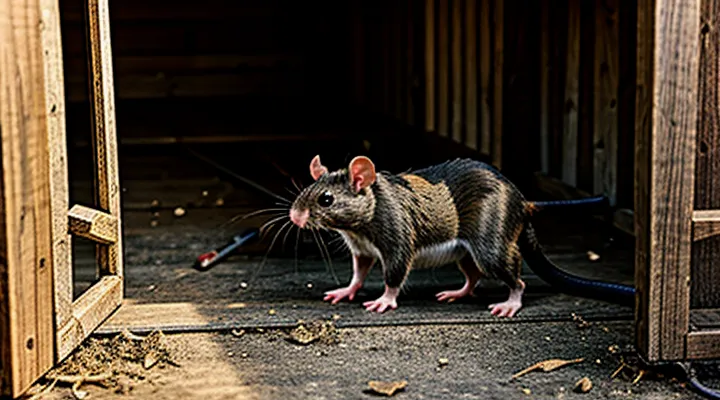
Understanding the Rat Problem
Identifying Signs of Infestation
Droppings and Urine
Droppings and urine are primary indicators of a rat infestation in a barn and present significant health hazards. Fresh droppings are dark, moist, and emit a strong, musky odor; old droppings become dry, crumbly, and lighter in color. Urine stains appear as yellowish spots on wood, concrete, or fabric and may leave a lingering smell even after the animals are gone.
Health risks stem from pathogens carried in rodent waste. Hantavirus, leptospirosis, salmonella, and various parasites can be transmitted through inhalation of aerosolized droppings or direct contact with contaminated surfaces. Dust generated during cleaning may carry infectious particles, making protective measures essential.
Effective decontamination follows a systematic approach:
- Wear impermeable gloves, a disposable coverall, and a NIOSH‑approved respirator equipped with a P100 filter.
- Ventilate the area by opening doors and windows; use fans to create airflow away from the work zone.
- Sprinkle a fine layer of dry disinfectant powder (e.g., bleach‑based or hydrogen peroxide) over all droppings and urine stains. Allow the powder to sit for at least 10 minutes to neutralize pathogens.
- Sweep or vacuum the dried waste using a HEPA‑rated vacuum. Seal the collected material in a heavy‑duty plastic bag.
- Apply a liquid disinfectant solution (minimum 1 % bleach) to all surfaces that contacted waste. Scrub with a stiff brush for 5 minutes, then rinse with clean water.
- Dispose of contaminated cleaning materials with municipal hazardous waste services, following local regulations.
After cleaning, inspect the barn for residual odors or stains. Persistent smells indicate incomplete removal and may attract new rodents. Regular monitoring of droppings and urine spots helps verify the success of rat eradication efforts and guides future preventive actions.
Gnaw Marks
Gnaw marks are the most reliable indicator that rats are present in a barn. They appear as crescent‑shaped bite impressions on wood, plastic, wire mesh, and stored feed containers. Fresh gnaw marks have clean edges and a light color; older marks darken and may show splintered material. Identifying the location and intensity of gnawing helps pinpoint active pathways and nesting sites.
Inspect all structural components for damage. Focus on:
- Roof trusses and joists, where rats create entry points.
- Feed bins and sacks, which are common feeding stations.
- Wire fencing and vent covers, often chewed to gain access.
- Hay bales and straw stacks, where gnawing indicates shelter use.
When gnaw marks are found, seal the affected area immediately. Use metal flashing, hardware cloth, or steel wool to block openings larger than ¼ inch. Apply a durable, chew‑resistant material such as stainless‑steel mesh to reinforce vulnerable surfaces. Replace damaged feed containers with sealed, rodent‑proof containers.
Document each gnaw mark with a brief description of its size, material, and position. Correlate this data with trap placement and bait stations. Concentrate traps along the identified chew routes, positioning them perpendicular to the gnawed surface for optimal contact. Regularly reassess gnaw marks after each control action; a reduction in new marks signals successful disruption of rat activity.
Nests and Burrows
Rats construct nests from straw, bedding, feed residue, and insulation; they excavate burrows beneath floorboards, in corners of feed storage, and along structural beams. These shelters protect the colony, provide warmth, and serve as staging points for foraging.
Locate nests and burrows by inspecting dark, undisturbed areas for shredded material, droppings, and gnaw marks. Follow fresh droppings to a central hub; a dense accumulation indicates a nest. Probe soil or loose substrate near walls; a loose, tunnel‑like passage confirms a burrow.
Steps to eradicate nests and burrows:
- Remove all organic debris and replace with clean, dry material.
- Apply a rodenticide or bait station directly into the burrow entrance, ensuring the product is approved for agricultural use.
- Install snap or live traps adjacent to identified nests; check and reset traps daily.
- Seal entry points with steel wool, metal flashing, or concrete, focusing on gaps larger than ¼ inch.
- Disinfect the area with a rodent‑specific sanitizer to eliminate lingering pathogens.
Prevent reestablishment by maintaining a dry environment, storing feed in sealed containers, and conducting quarterly inspections of structural joints and floor seams. Regular maintenance eliminates the conditions that encourage nest building and burrow formation, sustaining a rat‑free barn.
Sounds and Sightings
Rats announce their presence in a barn through distinct noises and visual cues. Recognizing these indicators early prevents extensive damage and simplifies control measures.
Typical sounds include:
- Scratching on wooden beams, especially at night.
- Squeaking from concealed nests, often high‑pitched and intermittent.
- Scurrying across metal or concrete floors, producing rapid, light taps.
Visible evidence comprises:
- Fresh droppings, dark and rod‑shaped, found near feed, along walls, or beneath hay.
- Gnaw marks on beams, wires, and feed bags, leaving clean, crescent‑shaped holes.
- Grease trails where fur contacts smooth surfaces, leaving a faint, oily sheen.
- Nest material such as shredded straw, paper, or insulation, accumulated in dark corners.
When these signs appear, verify activity by:
- Placing motion‑activated cameras at suspected pathways.
- Using a handheld ultrasonic detector to locate squeaks behind insulation.
- Inspecting ventilation shafts and roof vents for entry holes.
Documenting each observation creates a reliable map of infestation zones, guiding targeted bait placement, trap deployment, and structural repairs. This systematic approach reduces rat populations while limiting disruption to barn operations.
Assessing the Severity of the Infestation
Estimating Rat Population
Estimating the number of rats present in a barn provides the data needed to choose an effective removal strategy.
- Conduct a visual sweep during active periods; record each sighting.
- Set a series of identical traps, note the capture rate over 24 hours, and apply the Lincoln‑Petersen formula.
- Count fresh droppings on the floor, divide by the average daily output per rat (approximately 50 grams), and round to the nearest whole animal.
- Measure the length of gnawed wood or feed bags; compare with known consumption rates per rat per day.
- Deploy infrared motion sensors; log the number of distinct activation events and extrapolate using average activity patterns.
- Weigh bait consumed in a set period; divide by the average daily intake per rat (about 15 grams).
Combine at least two independent methods to reduce bias. For example, multiply the trap‑based estimate by the droppings‑based figure and divide by two to obtain a balanced figure. Adjust the final count for seasonal fluctuations and recent sanitation efforts before selecting control measures.
Damage Assessment
Rats in a barn cause material loss that can compromise structural integrity, equipment function, and livestock health. Accurate damage assessment provides the data needed to prioritize control measures and allocate resources effectively.
Typical damage categories include:
- Chewed wooden beams, joists, and rafters
- Corroded metal fittings, wiring, and fasteners
- Contaminated feed, grain bins, and stored produce
- Stained or soiled bedding, insulation, and walls
- Injured or diseased animals resulting from exposure to rodent‑borne pathogens
The assessment process follows a systematic sequence:
- Conduct a visual sweep of all accessible areas, noting visible gnaw marks, droppings, and urine stains.
- Inspect structural components for cracks, splintered wood, or weakened joints.
- Examine electrical and mechanical systems for exposed wires, short circuits, or jammed mechanisms.
- Sample stored feed for contamination; discard compromised portions and record volume loss.
- Record findings on a standardized form, assigning severity levels (minor, moderate, severe) to each item.
Essential tools for a thorough evaluation:
- High‑intensity flashlight
- Adjustable ladder or scaffold
- Magnifying glass or portable microscope for droplet analysis
- Moisture meter for detecting water damage behind walls
- Digital camera for documentation
Compiling the data into a concise report enables decision‑makers to target the most critical repairs, schedule rodent‑exclusion work, and monitor progress after intervention.
Implementing Removal Strategies
Sealing Entry Points
Inspecting the Barn Exterior
Inspecting the barn exterior is the first step in any effective rat control program. A thorough external assessment reveals entry points, signs of activity, and conditions that encourage infestation.
Begin with a perimeter walk. Examine the foundation for cracks larger than a quarter‑inch, and seal any gaps with cement, metal flashing, or hardware cloth. Check doors and windows for weather‑stripping integrity; replace damaged seals and install self‑closing hinges where possible.
Inspect the roof and eaves. Look for missing shingles, loose tiles, or gaps around vent pipes. Install metal flashing around all penetrations and ensure vent covers are tightly fitted. Replace or repair damaged siding, paying special attention to areas where rodents could gnaw to gain access.
Survey utility lines and drainage. Trace water, gas, and electric conduits from the ground to the interior. Apply steel mesh or conduit sleeves to prevent rodents from using these routes. Clear gutters and downspouts of debris; standing water attracts rodents and provides a source of hydration.
Identify signs of rodent activity. Locate fresh droppings, gnaw marks, or shredded insulation on exterior walls, beams, and stored feed bins. Locate burrows or runways near the building’s base; these indicate established pathways that must be disrupted.
Create a checklist to ensure consistency:
- Seal foundation cracks > ¼ in.
- Verify door and window weather‑stripping.
- Repair roof shingles, tiles, and vent gaps.
- Install metal flashing around all penetrations.
- Apply steel mesh to utility conduits.
- Clear gutters and eliminate standing water.
- Record droppings, gnaw marks, and burrow locations.
Document findings with photographs and notes. A detailed record guides subsequent exclusion measures and provides a baseline for monitoring progress. Once the exterior is secured, interior interventions become significantly more effective, reducing the likelihood of reinfestation.
Repairing Gaps and Cracks
Rats enter a barn through openings that are often overlooked. Sealing these entry points stops new infestations and limits the movement of existing rodents.
Identify all gaps and cracks. Walk the interior and exterior walls, roof eaves, door frames, windows, and utility penetrations. Use a flashlight to reveal hairline fissures and a thin piece of cardboard to test for drafts that indicate hidden openings.
Repair the openings with appropriate materials:
- Steel wool or copper mesh for gaps larger than a quarter‑inch; pack tightly to prevent chewing.
- Expanding polyurethane foam for small cracks; choose a product formulated for pest control.
- Cement‑based mortar or concrete patch for structural cracks; smooth the surface to match surrounding material.
- Metal flashing or heavy‑gauge hardware cloth for gaps around vents, pipes, and wiring; secure with stainless‑steel screws.
After sealing, inspect the work regularly. Reapply sealants if weathering or rodent activity creates new openings. Maintaining a fully closed envelope eliminates the primary pathway for rats, supporting long‑term control in the barn environment.
Protecting Vents and Openings
Rats enter barns through unsealed vents, gaps around doors, and any opening larger than a quarter‑inch. Securing these points prevents new infestations and limits movement of existing rodents.
- Install steel mesh (¼‑inch or smaller) over all ventilation openings; stainless steel resists rust and chewing.
- Fit hinged metal covers on loft vents; latch securely when not in use.
- Seal gaps around door frames, windows, and utility penetrations with rodent‑proof caulk or expanding foam rated for wildlife exclusion.
- Fit weather‑stripping to barn doors; replace worn strips regularly.
- Use removable, lockable vent covers during cleaning or maintenance to allow access while keeping rats out.
- Inspect roof eaves, crawl‑space vents, and pipe sleeves quarterly; repair any damage immediately.
Regular inspection of vent screens and seals identifies wear before rats exploit it. Maintaining a tight envelope around the barn reduces the likelihood of future rodent entry and supports long‑term control efforts.
Trapping Methods
Snap Traps
Snap traps provide a rapid, humane solution for eliminating rats in a barn environment. Their mechanical action kills the animal instantly, preventing prolonged suffering and reducing the risk of disease transmission.
Effective use of snap traps requires careful selection, placement, baiting, and disposal:
- Selection: Choose heavy‑duty, steel‑spring models with a strong trigger mechanism. Ensure the trap size accommodates adult rats, typically 8–10 inches in length.
- Placement: Position traps along walls, near entry points, and in areas showing gnaw marks or droppings. Align the trigger end toward the wall so rats run into the trap naturally.
- Baiting: Use high‑protein attractants such as peanut butter, dried fruit, or small pieces of meat. Apply a pea‑sized amount to the trigger plate to encourage quick engagement.
- Safety: Secure traps on stable surfaces to avoid accidental activation by livestock or workers. Wear thick gloves when handling set traps.
- Disposal: After a kill, wear gloves, place the carcass in a sealed plastic bag, and dispose of it according to local wildlife regulations. Reset the trap promptly with fresh bait.
Regular monitoring is essential. Check traps daily, replace baits, and rotate trap locations to cover new activity zones. Combining snap traps with exclusion measures—sealing gaps, removing food sources, and maintaining cleanliness—maximizes the overall effectiveness of rat control in the barn.
Live Traps
Live traps provide a humane method for removing rats from a barn while allowing immediate identification of captured individuals. Their use eliminates the need for toxic substances and reduces the risk of contaminating feed or equipment.
Common live‑trap designs include:
- Wire cage traps with a spring‑loaded door.
- Multi‑catch traps that hold several rodents before release.
- Box traps with a sliding or hinged door activated by weight.
Effective placement follows three principles. Position traps along walls, near known runways, and close to food storage areas. Set traps at ground level or slightly elevated to match the animal’s movement path. Space multiple traps 10–15 feet apart to cover the entire structure.
Bait selection influences capture rates. Use high‑protein items such as peanut butter, dried fruit, or meat scraps. Apply a small amount to the trigger mechanism to ensure the rat contacts the sensor. Replace bait daily to maintain freshness and attract reluctant individuals.
Check traps at least twice daily. Remove captured rats promptly, relocate them at least two miles from the barn, and release them in a suitable habitat. Record capture numbers to assess population trends and adjust trap density accordingly.
Regular maintenance preserves trap efficacy. Clean cages with a mild disinfectant after each use, inspect for damage, and replace worn springs or doors. Store traps in a dry location to prevent rust and corrosion.
Integrating live traps with sanitation, sealing entry points, and proper feed management creates a comprehensive strategy for eliminating rat infestations in barn environments.
Electronic Traps
Electronic traps provide a rapid, humane solution for rodent infestations in agricultural outbuildings. The devices emit a high‑voltage pulse that instantly kills a rat upon contact with the conductive grid. Power sources include mains electricity, rechargeable batteries, or solar panels; the latter suits locations without reliable wiring.
When selecting a unit, consider the following factors:
- Voltage rating (minimum 6 kV for adult rats)
- Capacity (number of kills before the tray must be emptied)
- Weather‑proof housing (IP65 or higher)
- Power autonomy (battery life, solar output)
Proper placement maximizes effectiveness. Install traps along established runways, near feed storage, and at entry points. Mount devices at a height of 12–18 in (30–45 cm) to intersect the typical rat gait. Space multiple units 10–15 ft (3–4.5 m) apart in long aisles to cover the entire structure.
Maintenance involves routine inspection after each activation, removal of carcasses, and cleaning of the trigger area with a mild disinfectant. Replace depleted batteries or recharge solar units according to the manufacturer’s schedule. Verify that the protective cover remains intact to prevent accidental discharge.
Advantages of electronic traps include immediate lethality, minimal odor, and compliance with most animal‑welfare regulations. Limitations consist of initial cost, dependence on a stable power supply, and the need for periodic servicing. Integrating these devices with sanitation practices—securing feed, sealing gaps, and reducing harborage—creates a comprehensive control program that reduces rat populations efficiently.
Bait Selection and Placement
Choosing the right bait is critical for effective rat control in a barn. Anticoagulant rodenticides such as bromadiolone or difenacoum provide rapid mortality when consumed in a single dose; they should be used only in sealed bait stations to prevent accidental exposure of livestock. Non‑anticoagulant options, including zinc phosphide pellets and bromethalin blocks, offer alternative mechanisms and can be advantageous when resistance to anticoagulants is suspected. Palatable attractants—peanut butter, dried fruit, or grain mash—enhance acceptance, especially when mixed with the active ingredient. All baits must comply with local regulations and carry appropriate labeling for indoor agricultural environments.
Proper placement maximizes contact while minimizing risk to non‑target animals. Follow these steps:
- Position stations along walls, behind feed bins, and near known runways; rats prefer routes that offer concealment.
- Install stations at a height of 2–3 feet, aligning with typical rat travel paths.
- Space stations 10–15 feet apart to ensure coverage of the entire structure without overlap.
- Secure stations in tamper‑resistant boxes, locking them out of reach of livestock and children.
- Replace or refresh bait every 7–10 days, monitoring for depletion and signs of activity.
Consistent inspection of stations and documentation of bait consumption help adjust placement and bait type, ensuring sustained reduction of the rat population within the barn.
Bait Stations and Rodenticides
Choosing Safe Rodenticides
When rats infest a barn, chemical control must be limited to products that protect livestock, pets, and workers while delivering reliable mortality. Selecting a safe rodenticide involves evaluating several critical factors.
- Active ingredient – Choose anticoagulants with a short half‑life (e.g., diphacinone, bromadiolone) rather than long‑acting compounds that persist in tissues.
- Target specificity – Opt for formulations that require a lethal dose only after repeated ingestion, reducing the chance that a single accidental bite kills a non‑target animal.
- Secondary poisoning risk – Prefer products that degrade quickly in the digestive tract of predators, minimizing toxin transfer to birds of prey or farm dogs.
- Regulatory status – Verify that the product is approved for use in agricultural structures and complies with local pesticide regulations.
- Resistance management – Rotate active ingredients annually or use combination baits to prevent rat populations from developing tolerance.
- Placement guidelines – Install bait stations at ground level, away from feed troughs and water sources, to limit exposure of cattle and poultry.
- Environmental impact – Select baits with low leaching potential and biodegradable packaging to protect soil and groundwater.
A safe rodenticide program also requires regular monitoring. Replace bait stations after two weeks, record mortality rates, and adjust dosage if rats show reduced consumption. Document all applications, including product name, concentration, and location, to maintain traceability and facilitate compliance audits.
By adhering to these criteria, a barn owner can control rat populations effectively while safeguarding animal health and the surrounding environment.
Strategic Placement of Bait Stations
Effective rodent control in a barn relies on correctly positioned bait stations. Proper placement maximizes exposure to rats while minimizing non‑target risks.
Place stations along established travel routes. Rats prefer concealed pathways near walls, under beams, and around feed storage. Position devices within 1–2 feet of these routes, avoiding open areas where livestock move freely. Secure stations at a height of 4–6 inches above the floor to match the animal’s natural foraging level.
Select locations with limited human traffic. Areas such as lofts, feed trough corners, and utility shafts provide access for rats but restrict accidental disturbance. Ensure each station is at least 10 feet from any water source to prevent bait contamination.
Maintain effectiveness through regular checks. Rotate stations every 2–3 weeks to prevent bait avoidance. Record observations of bait consumption and rat activity to adjust placement as needed.
- Inspect stations for damage before each refill.
- Replace expired bait promptly.
- Dispose of dead rodents according to local regulations.
- Document station coordinates for future reference.
Safety Precautions for Rodenticide Use
When applying rodenticides in a barn, protect humans, livestock, and non‑target wildlife. Wear chemical‑resistant gloves, goggles, and a disposable coverall. Ensure adequate ventilation; keep doors and windows open or use exhaust fans to reduce airborne concentrations.
Store all bait in locked, labeled containers away from feed and water sources. Keep bait stations out of reach of children and pets, mounting them at least 18 inches above the ground or using tamper‑proof designs. Record the location, type, and amount of each product for future reference and regulatory compliance.
Implement a clear disposal protocol: collect dead rodents with disposable tools, place them in sealed bags, and follow local hazardous‑waste guidelines. Decontaminate surfaces after each use with an approved neutralizing agent, then wash hands thoroughly before leaving the area.
Key safety steps:
- Verify that the chosen rodenticide is approved for agricultural settings.
- Conduct a site‑specific risk assessment before placement.
- Limit the quantity of bait to the minimum effective amount.
- Post warning signs indicating the presence of toxic substances.
- Train all personnel on proper handling, emergency procedures, and first‑aid measures.
Natural Deterrents
Peppermint Oil and Other Scents
Peppermint oil works as a natural repellent because rodents find the strong menthol scent irritating to their sensitive olfactory system. Apply the oil on cotton balls or small cloth pads and place them in areas where rats travel, such as entry points, corners, and near stored feed. Replace the material every 3–5 days to maintain potency.
Other aromatic deterrents can complement peppermint:
- Eucalyptus oil – volatile compounds deter rodents when applied similarly to cotton.
- Citronella oil – strong citrus note disrupts rat activity, especially in damp sections.
- Clove oil – high eugenol concentration creates an unpleasant environment for rodents.
- Tea tree oil – antimicrobial properties add a secondary benefit while repelling pests.
Effective deployment requires a systematic approach. Identify all potential pathways and nesting sites, then distribute scent sources evenly, ensuring no gaps exceed a 10‑foot radius. Combine scent barriers with physical exclusion measures—seal holes, reinforce doors, and store feed in sealed containers—to prevent rats from bypassing the olfactory deterrent.
Monitoring remains essential. Inspect scent carriers for loss of aroma, track rodent activity with motion‑activated cameras or track plates, and adjust placement as needed. When scent alone does not reduce activity after two weeks, integrate additional control methods such as trapping or professional extermination.
Introducing Natural Predators (Cats, Owls)
Introducing natural predators provides a direct, self‑sustaining method for reducing rodent populations in agricultural outbuildings. Predatory mammals and birds actively hunt rats, creating continuous pressure that limits breeding cycles and lowers infestation levels without chemical intervention.
Cats are the most accessible option. Choose individuals with strong hunting instincts, preferably outdoor‑bred or feral‑type cats that are accustomed to barn environments. Provide shelter that protects against weather and predators, and ensure access to clean water and a balanced diet to maintain health while allowing hunting behavior to remain primary. Regular health checks prevent disease transmission to livestock. Secure any gaps in the structure to keep cats from escaping and to prevent entry of other pests.
Owls offer complementary aerial predation. Species such as the barn owl (Tyto alba) excel at locating rodents in dimly lit spaces. Install sturdy nesting boxes at heights of 10–15 feet, oriented toward open sky, and protect them from wind and rain. Provide perches near entry points to encourage roosting. Supplement natural prey with occasional mouse carcasses during periods of low rodent activity to retain the birds on the premises. Monitor nesting success and replace boxes as needed to sustain a stable owl presence.
Best‑practice checklist:
- Select predators with proven hunting efficiency for rats.
- Ensure safe, weather‑proof housing that integrates with barn architecture.
- Maintain regular veterinary and health inspections for cats.
- Install and maintain appropriate owl nesting structures.
- Provide supplemental feed only when necessary to keep predators motivated.
- Seal structural openings that allow rats to enter while preserving predator access.
By integrating these predators, a barn can achieve continuous, low‑maintenance rodent control that aligns with sustainable farming practices.
Post-Removal Prevention and Maintenance
Sanitation Practices
Regular Cleaning and Debris Removal
Regular cleaning eliminates the food sources and hiding places that attract rats to a barn. By removing spilled grain, discarded feed bags, and any organic debris, you deny rodents the sustenance needed for survival and reproduction.
Effective cleaning follows a consistent routine:
- Sweep floors and aisles each day to collect droppings, seed hulls, and broken straw.
- Empty feed troughs after each use; rinse with water and allow to dry before refilling.
- Store all feed in airtight containers made of metal or heavy‑wall plastic.
- Remove manure piles and wet bedding weekly; compost or dispose of them in sealed bags.
- Inspect roof and wall cavities monthly; extract nesting material such as shredded hay, insulation, or cardboard.
A structured schedule reinforces these actions. Daily tasks focus on surface debris, while weekly activities address deeper stains and accumulated waste. Monthly inspections target structural gaps that could serve as entry points.
Maintaining a clean environment reduces the likelihood of rat colonies establishing themselves, making subsequent control measures more effective and less costly.
Proper Storage of Food and Feed
Secure, rodent‑proof storage eliminates a primary food source that draws rats into a barn. When feed and grain are inaccessible, the incentive for infestation drops sharply, reducing the need for additional control measures.
- Use metal or heavy‑wall plastic containers equipped with tight‑fitting lids.
- Position containers on pallets or shelves at least 12 inches above the floor to prevent gnawing access.
- Keep storage areas clean; sweep debris daily and remove spilled feed promptly.
- Implement a first‑in, first‑out system to rotate stock, ensuring older material is used before it becomes stale and more attractive to rodents.
- Seal entry points around storage zones with steel wool, metal flashing, or cement to block burrowing.
Inspect containers weekly for signs of damage or chew marks. Replace compromised units immediately. Maintain a routine of clearing surrounding dust, cobwebs, and droppings, as these residues signal a thriving rodent population. Consistent application of these practices sustains a hostile environment for rats, supporting long‑term barn hygiene and animal health.
Managing Water Sources
Rats thrive where water is readily available; controlling moisture eliminates a primary attraction in barn environments.
First, locate all potential water supplies. Inspect roof leaks, gutter overflow, condensation on metal surfaces, and standing water in feed bins or troughs. Examine drainage ditches and nearby ponds for seepage that reaches the barn foundation.
Second, remove or treat identified sources.
- Repair roof and gutter defects to stop rain intrusion.
- Install drip‑free troughs with sealed joints and slope them to direct flow away from walls.
- Apply vapor barriers under flooring to prevent condensation pooling.
- Grade surrounding ground to channel runoff away from the structure.
- Use water‑proof covers on stored feed and bedding to avoid moisture absorption.
Third, maintain a dry environment. Schedule regular inspections for new leaks, clean up spills promptly, and monitor humidity levels with a hygrometer, keeping indoor air below 60 % relative humidity.
Consistent management of water sources reduces rat shelter and food access, supporting long‑term rodent control in the barn.
Long-Term Exclusion
Regular Barn Inspections
Regular inspections are essential for preventing and controlling rodent activity in a barn. By examining the structure consistently, owners can detect entry points, nesting sites, and food sources before a population establishes itself.
A practical inspection routine includes the following steps:
- Walk the entire interior, looking for droppings, gnaw marks, and shredded material.
- Inspect roof and wall gaps, vents, and utility penetrations for holes larger than ½ inch.
- Examine stored feed, hay, and bedding for signs of contamination or spillage.
- Check drainage channels and gutters for standing water that may attract rodents.
- Verify that doors and windows close tightly and that weather‑stripping remains intact.
Conduct inspections at least once a month during peak rodent season (spring through fall) and quarterly during colder months. Record findings in a log, noting location, type of evidence, and severity. Use the log to prioritize repairs, seal openings, and adjust sanitation practices.
Prompt remediation of identified issues—such as sealing gaps, reorganizing feed storage, and removing debris—reduces habitat suitability and limits the need for chemical control measures. Consistent documentation also provides evidence of proactive management, which can be valuable for regulatory compliance and insurance purposes.
Maintaining Repairs
Maintaining the structural integrity of a barn is a critical component of any rat‑control program. Every opening, crack, or weakened surface offers a pathway for rodents to enter, shelter, and reproduce. Prompt identification and repair of these vulnerabilities reduces the likelihood of infestation and supports long‑term prevention.
- Seal gaps around doors, windows, and ventilation ducts with steel‑wool backed caulk or metal flashing.
- Repair damaged roof sheathing, siding, and eaves to eliminate roofline entry points.
- Replace broken or rotted wooden beams, joists, and floorboards; rodents can gnaw through compromised wood.
- Install tight‑fitting latches on all external doors; simple latch failures often create unnoticed gaps.
- Inspect and reinforce feed storage containers; use metal bins with sealed lids to prevent access.
Regular inspections should be scheduled at least quarterly. During each visit, walk the interior and exterior, noting any signs of gnaw marks, droppings, or new openings. Document findings and prioritize repairs based on severity and proximity to livestock areas. Immediate remediation of high‑risk sites prevents rodents from establishing nests and reduces the need for chemical control measures.
A well‑maintained barn also simplifies subsequent pest‑management actions. When structural defects are eliminated, traps and bait stations can be placed with confidence that rodents cannot bypass them via alternate routes. Consistent upkeep, combined with targeted removal tactics, creates a hostile environment that discourages rat colonization and protects both the building and its occupants.
Monitoring for Re-infestation
Routine Checks
Routine checks are essential for maintaining a rat‑free barn. Conduct inspections at least weekly during peak activity seasons and monthly when rodent pressure is low. Focus on three areas: structural integrity, food sources, and trapping systems.
- Examine walls, roof, and foundation for holes larger than ¼ inch; seal any openings with metal flashing or durable sealant.
- Inspect ventilation ducts, pipe entries, and utility conduits; install mesh guards where gaps exist.
- Verify that stored feed is in sealed containers; remove spillage and clean residues promptly.
- Review water troughs for leaks or standing water; eliminate unnecessary moisture that attracts rodents.
- Check trap placement, bait freshness, and trigger mechanisms; reset or replace malfunctioning devices.
- Record findings in a log, noting location, type of issue, and corrective action taken; review trends quarterly to adjust preventive measures.
Consistent documentation and prompt remediation prevent infestations from establishing, ensuring long‑term protection of livestock and stored commodities.
Early Detection Measures
Early detection prevents a small rodent problem from becoming a full‑scale infestation. Regular inspection of the barn interior and exterior reveals signs before damage spreads.
Key indicators include:
- Fresh droppings, typically dark and pellet‑shaped, near feed, water sources, and along walls.
- Gnaw marks on wooden beams, metal fittings, and plastic containers.
- Grease trails left by rodent fur along corners, ledges, and the tops of equipment.
- Audible scratching or scurrying noises, especially at night.
- Presence of nests made from straw, shredded insulation, or stored feed.
Implement a systematic monitoring routine:
- Schedule weekly walkthroughs, focusing on high‑risk zones such as feed storage, hay lofts, and drainage areas.
- Use a flashlight to inspect dark corners and under elevated platforms where rats hide.
- Place non‑toxic tracking powder along mouse holes, entry points, and near suspected activity zones; examine the powder after 24 hours for footprints.
- Install motion‑activated cameras at strategic locations to capture nocturnal movement without disturbing the environment.
- Record all findings in a log, noting date, location, and type of evidence; trends guide targeted interventions.
Prompt identification of these signs enables swift action, reducing the need for extensive control measures and protecting livestock, feed, and structural integrity.