
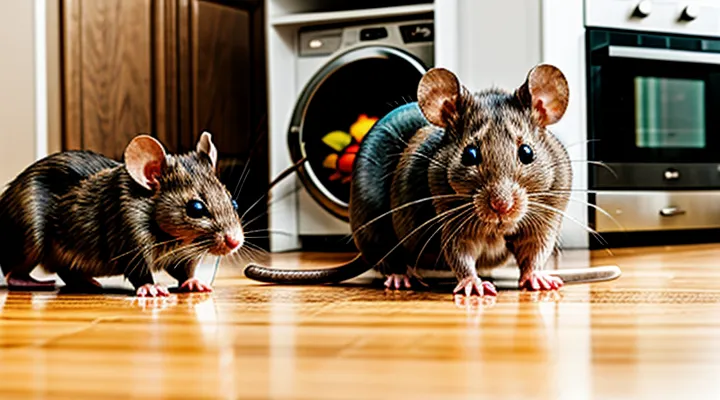
Understanding the Pest Problem
Identifying the Pests
Rats vs. Mice: Key Differences
Rats and mice share many traits but differ enough to require separate control strategies. Recognizing these distinctions improves the effectiveness of any eradication effort.
- Size: Rats average 9–11 inches in body length, mice 2–4 inches. Weight ranges from 300 g for rats to 20 g for mice.
- Appearance: Rats possess blunt snouts, thick tails, and coarse fur; mice have pointed snouts, slender tails, and finer hair.
- Habitat preference: Rats favor basements, sewers, and outdoor burrows; mice occupy attic spaces, wall voids, and indoor cabinets.
- Reproductive capacity: A rat litter contains 6–12 offspring, gestation 21 days; a mouse litter holds 5–10, gestation 19–21 days. Both breed year‑round, but rats produce larger populations more quickly.
- Food sources: Rats can consume larger items such as fruits, meat, and garbage; mice focus on grains, seeds, and small crumbs.
- Damage patterns: Rats gnaw through wood, plastic, and electrical wiring; mice cause superficial chewing, primarily on soft materials and insulation.
- Health risks: Both transmit diseases, but rats are more likely carriers of leptospirosis and plague, while mice commonly spread hantavirus and salmonella.
Understanding these parameters guides selection of traps, baits, and exclusion techniques tailored to each species. Accurate identification of the pest present prevents wasted effort and reduces the likelihood of reinfestation.
Signs of Infestation
Rodent presence can be confirmed by several unmistakable indicators.
- Dark, pellet‑shaped droppings found near food sources, along walls, or in concealed areas.
- Gnaw marks on wood, plastic, electrical wiring, or packaging, often with fresh, clean cuts.
- Nests constructed from shredded paper, fabric, insulation, or dried plant material, typically located in hidden corners, attics, or beneath appliances.
- Scratching or scurrying noises, especially at night, emanating from walls, ceilings, or behind cabinets.
- Visible pathways of grease or dust that outline regular travel routes along baseboards or behind furniture.
- Chewed or damaged food containers, with spillage or contamination.
- Unusual, musky or ammonia‑like odors, particularly in enclosed spaces.
- Direct sightings of live rodents, carcasses, or fresh footprints in dusty areas.
Each of these signs warrants immediate inspection and targeted action to prevent further spread and damage.
Assessing the Severity
Locating Entry Points
Inspect the building’s perimeter for openings larger than a quarter‑inch. Pay special attention to:
- Gaps around doors, windows, and sliding glass panels; check weather‑stripping and seals.
- Cracks in foundation walls, brick joints, and stucco; use a flashlight to trace any visible fissures.
- Openings around utility penetrations such as pipes, cables, and vent pipes; seal with steel wool and caulk.
- Unsealed openings in the roof, eaves, and soffits; look for missing or damaged flashing.
- Gaps beneath garage doors and crawl‑space doors; install sweep bars or door bottoms.
Inside the home, examine:
- Interior wall voids and ceiling cracks where rodents may travel from the exterior.
- Areas beneath appliances, especially refrigerators and stoves, where food residues attract pests.
- Storage rooms, basements, and attics for signs of gnawing, droppings, or urine stains.
Use a blacklight to detect fresh urine marks, and set non‑toxic tracking powder along suspected routes to confirm activity. Seal confirmed entry points with materials resistant to chewing, such as hardware‑grade steel mesh, cement‑based caulk, or metal flashing. Re‑inspect after sealing to ensure no new gaps have formed.
Estimating Population Size
Accurate estimation of the rodent population is a prerequisite for effective domestic pest management. Knowing the number of individuals present determines the scale of intervention, the selection of control methods, and the allocation of resources.
Visual surveys provide an initial gauge. Inspect ceilings, walls, and hidden corners for droppings, gnaw marks, and nesting material. Count droppings per square foot and record the locations of fresh signs; higher densities indicate larger activity zones.
Trapping data refine the estimate. Deploy a standardized number of snap or live traps for a fixed period, then calculate the capture rate. Apply the Lincoln–Petersen formula when a recapture phase is feasible:
- C₁ = number of animals captured in the first session
- R = number of marked individuals recaptured in the second session
- C₂ = total captures in the second session
Estimated population N = (C₁ × C₂) / R.
Bait consumption offers another metric. Measure the amount of toxic or non‑toxic bait removed from stations over 24 hours. Convert consumption to an approximate number of rodents using the known daily intake per animal.
Statistical modeling integrates multiple data sources. Input droppings density, trap success, and bait usage into a Bayesian framework to produce a probability distribution of population size, accounting for detection bias and environmental variability.
Summarized steps for population estimation:
- Conduct systematic visual inspection and record evidence density.
- Set a defined trap array, record captures, and apply the Lincoln–Petersen estimator if recaptures occur.
- Monitor bait stations, quantify consumption, and calculate individual intake equivalents.
- Combine datasets in a statistical model to obtain a confidence interval for the total rodent count.
The resulting figure guides the intensity of control measures, ensuring that eradication efforts are neither insufficient nor excessive.
Prevention Strategies
Sealing Entry Points
Inspecting Your Home's Exterior
A thorough examination of the building’s outer envelope is the first line of defense against rodent intrusion. Identify every potential entry point before any control measures are applied.
- Gaps around doors, windows, and sliding panels; seal with weather‑stripping or metal flashing.
- Cracks in foundation walls, brickwork, or concrete slabs; fill with expanding foam or cement.
- Openings around utility penetrations, such as pipes, cables, and vent pipes; install steel mesh or silicone caulk.
- Uncovered eaves, soffits, and roof vents; attach metal screens with a mesh size no larger than ¼ inch.
- Gaps beneath garage doors and crawl‑space doors; fit sweep bars or steel thresholds.
Look for evidence of activity: fresh droppings, gnaw marks on wood or plastic, shredded insulation, and grease or urine stains near suspected entry points. Track footprints in dust or sand placed at suspect locations.
Apply exclusion techniques after detection. Replace damaged siding, repair torn siding, and trim vegetation that contacts the structure. Keep gutters clear to prevent water damage that can create new gaps. Regularly inspect after severe weather, as wind and rain often create fresh openings.
Document each inspected area, the condition found, and corrective action taken. Repeat the walkthrough quarterly to maintain a sealed exterior and reduce the likelihood of rodent re‑entry.
Repairing Gaps and Cracks
Rats and mice exploit any opening larger than a quarter‑inch; sealing these passages cuts off their primary routes into the house. Effective repair eliminates current entry points and prevents future infestations.
- Inspect foundation, walls, and roof for holes, gaps around pipes, vents, and utility lines.
- Use steel wool or copper mesh to fill narrow cracks before applying sealant; rodents cannot gnaw through metal.
- Apply high‑quality silicone, polyurethane caulk, or expanding foam to larger openings; ensure the product remains flexible for structural movement.
- Install metal flashing or hardware cloth over vents and gaps around doors and windows; secure with screws or heavy‑duty staples.
- Re‑check repaired sites after a week to confirm no new damage or signs of activity.
Regularly maintain the exterior by clearing debris, trimming vegetation away from walls, and monitoring for fresh damage. Consistent sealing of gaps and cracks sustains a barrier that deters rodents from re‑entering the home.
Protecting Vents and Drains
Rats and mice frequently exploit ventilation openings and floor‑level drains to access interior spaces. Unsealed gaps provide a direct pathway to food sources and shelter, making these points critical targets for exclusion measures.
Secure vent covers with metal mesh or heavy‑gauge hardware cloth, ensuring the mesh openings are no larger than ¼ inch. Fasten the material with stainless‑steel screws and seal all edges with silicone caulk to prevent small rodents from prying the cover away.
Install drain screens designed for pest control. Choose stainless‑steel grates with a ¼‑inch mesh size, and fit them tightly over trap‑door or floor drains. Apply a waterproof sealant around the perimeter to block gaps that could be widened by chewing.
Regular maintenance reinforces protection:
- Inspect vent and drain covers monthly for rust, corrosion, or displacement.
- Replace damaged mesh or hardware cloth immediately.
- Clean debris from screens to maintain airflow and deter nesting material.
- Verify that caulking remains intact after seasonal temperature shifts.
By integrating robust barriers and routine checks, the likelihood of rodents entering through ventilation and drainage systems is substantially reduced.
Eliminating Food and Water Sources
Proper Food Storage
Proper food storage eliminates the primary attraction for rodents in residential environments. Seal all dry goods in airtight containers made of glass, metal, or heavy‑wall plastic. Containers must have tight‑fitting lids that prevent gnawing. Store cereals, grains, pet food, and snacks on shelves away from floor level; use upper cabinets whenever possible.
Maintain a clean pantry by discarding expired items and wiping down shelves weekly. Remove packaging that can be chewed, such as cardboard boxes, and replace them with rigid containers. Keep the storage area dry; moisture encourages rodent activity, so fix leaks and use dehumidifiers if needed.
Key practices for secure food storage:
- Use containers rated “rodent‑proof” or “pest‑resistant.”
- Label each container with the purchase date; rotate stock to use older items first.
- Keep the area free of crumbs; sweep or vacuum after each use.
- Store trash in sealed bins with lids that close tightly; empty them regularly.
- Inspect containers for damage before refilling; replace compromised units immediately.
Managing Pet Food
Proper handling of pet food is a critical element in preventing rodent activity inside a residence. Food left exposed or stored improperly provides a reliable food source that attracts rats and mice, encouraging them to establish a presence. Controlling this resource reduces the incentive for infestation and supports broader pest‑control measures.
Store dry kibble in airtight containers made of metal or heavy‑wall plastic. Ensure lids seal tightly and keep containers off the floor, preferably on a countertop or shelf. For wet food, discard uneaten portions after each feeding and clean bowls with hot, soapy water. Regularly wash feeding areas to eliminate crumbs and residue.
Implement a feeding schedule that limits the time food is accessible. Offer meals at set intervals and remove bowls within 15–30 minutes. Avoid free‑feeding, which leaves food available around the clock. If multiple pets share a feeding station, use separate dishes to prevent spillage.
Maintain cleanliness in storage areas. Sweep pantry floors, vacuum corners, and wipe shelves with a disinfectant solution. Inspect containers for damage and replace compromised lids promptly.
Key actions for managing pet food:
- Use sealed, rodent‑proof containers for all dry and canned supplies.
- Feed pets on a timed schedule; remove dishes promptly after eating.
- Clean feeding stations and surrounding surfaces after each meal.
- Store food away from walls and baseboards where rodents travel.
- Regularly inspect storage containers for signs of gnawing or leakage.
By eliminating easily accessible food, homeowners remove a primary attractant, making the environment less hospitable to rats and mice and complementing other control strategies.
Addressing Leaks and Standing Water
Leaking pipes, roof cracks, and any source of standing water create moist environments that attract rats and mice. Moisture softens building materials, making it easier for rodents to gnaw through, while water supplies a reliable drinking source. Eliminating these conditions reduces the likelihood of infestation.
Identify and repair all water intrusions. Common sources include:
- Dripping faucets or showerheads
- Condensation on cold water lines
- Leaky washing‑machine hoses
- Roof or window seal failures
- Basement cracks that allow groundwater entry
For each source, shut off the water supply, dry the affected area, and replace or seal the faulty component. Use plumber’s tape, silicone caulk, or appropriate waterproofing membranes to ensure a lasting seal.
Remove existing standing water promptly. Steps:
- Mop or vacuum excess liquid from floors and countertops.
- Deploy a dehumidifier to lower ambient humidity to 30‑50 % relative humidity.
- Install or clean drainage channels, gutters, and downspouts to direct water away from the foundation.
- Elevate stored items off the floor; use shelving with a moisture barrier underneath.
Maintain a dry environment through regular inspection. Schedule monthly checks of plumbing fixtures, roof seams, and basement walls. Record any signs of moisture, such as discoloration, mold growth, or damp odors, and address them immediately. Consistent moisture control removes a primary attractant, making the home less hospitable to rodents.
Maintaining a Clean Environment
Regular Cleaning Practices
Regular cleaning removes food residues and shelter that attract rodents, reducing the likelihood of infestation. Consistently eliminating crumbs, spills, and waste deprives rats and mice of the resources they need to survive inside a dwelling.
- Store all food in airtight containers; discard opened packages promptly.
- Sweep and mop floors daily, focusing on kitchen and dining areas.
- Vacuum upholstery, corners, and behind appliances weekly to extract hidden droppings and nests.
- Empty trash bins each night; use bins with tight‑closing lids.
- Clean pet feeding stations after each use; rinse bowls and replace water daily.
- Wash dishes immediately; avoid leaving dishes in the sink overnight.
- Inspect and clean behind refrigerators, stoves, and cabinets; remove accumulated debris.
- Keep basements, attics, and crawl spaces free of cardboard boxes, paper, and fabric piles.
These practices create an environment hostile to rodents, supporting broader efforts to eradicate them from the home.
Decluttering Basements and Attics
Removing rodents from a residence begins with eliminating the environments they favor. Basements and attics provide shelter, food sources, and pathways if clutter is present. Reducing unnecessary items cuts hiding places and simplifies inspection.
First, assess each area. Remove items that are broken, damp, or infrequently used. Discard or donate objects that no longer serve a purpose. Keep only essential, well‑maintained belongings.
Next, organize what remains:
- Store items in sealed, sturdy containers with tight‑fitting lids.
- Place containers on pallets or shelving to keep them off the floor.
- Label boxes clearly to avoid future accumulation.
After clearing space, inspect structural features. Repair cracks in walls, gaps around pipes, and openings in vents. Install metal mesh or hardware cloth over ventilation openings to block entry.
Finally, maintain a regular schedule. Conduct quarterly walkthroughs to verify that no new debris has accumulated and that all seals remain intact. Consistent upkeep prevents re‑infestation and supports long‑term rodent control.
Landscaping for Pest Control
Effective landscaping can deter rodents from entering residential structures. Properly placed vegetation creates physical barriers, reduces shelter, and limits food sources that attract rats and mice.
Maintain a clear perimeter by trimming shrubs and trees at least 12 inches from the foundation. Overgrown foliage provides nesting sites and concealment for entry points. Remove dense ground cover such as ivy or low‑lying bushes that touch the house, as these can serve as bridges for rodents.
Control ground‑level vegetation. Keep grass mowed to a short height and eliminate tall weeds. Use mulches that are less favorable to rodents—prefer rock or inorganic options over wood chips, which retain moisture and attract insects that serve as rodent prey.
Create a dry, uncluttered environment around the home. Direct downspouts away from the foundation to prevent water accumulation, which creates moist soil attractive to rodents. Grade the soil to slope away from the building, ensuring runoff does not pool near the base.
Implement strategic planting:
- Dense, thorny hedges (e.g., hawthorn) along property edges to impede movement.
- Ground‑cover plants with strong scents (e.g., mint, lavender) that rodents avoid.
- Native, low‑maintenance species that do not produce abundant seed heads or fruit that serve as food.
Remove debris and compost piles from the immediate vicinity. Store compost in sealed containers and keep it at a distance greater than 30 feet from the house. Dispose of fallen fruit, nuts, and birdseed promptly to eliminate supplementary food sources.
Regularly inspect the landscape for signs of rodent activity—burrows, gnaw marks, or droppings. Promptly address any identified issues by adjusting vegetation, repairing gaps, or installing physical deterrents such as metal flashing or hardware cloth.
By integrating these landscaping practices, homeowners create an environment that discourages rodent habitation, supporting broader efforts to eliminate rats and mice from living spaces.
Eradication Methods
Trapping Techniques
Snap Traps
Snap traps provide a rapid, humane solution for indoor rodent control. The devices consist of a spring‑loaded bar that delivers a swift, lethal strike when the animal activates the trigger mechanism. Their design eliminates prolonged suffering and reduces the risk of disease transmission.
Effective use of snap traps requires proper placement. Position traps along walls, behind appliances, and near known activity zones; rodents travel close to surfaces. Ensure the trigger is set securely and bait the trap with a small amount of high‑protein food such as peanut butter, dried fruit, or small pieces of meat. Avoid excessive bait, which can discourage the animal from contacting the trigger.
Maintenance of snap traps is straightforward. Inspect traps daily, dispose of captured rodents in a sealed bag, and clean the device with a mild disinfectant before resetting. Replace worn springs or damaged components promptly to preserve striking force.
Advantages of snap traps include:
- Immediate kill, preventing infestation growth.
- Low cost and reusability.
- No reliance on chemicals or electricity.
- Minimal impact on non‑target species when placed correctly.
When selecting a snap trap, consider the following criteria:
- Spring strength: heavier rodents require stronger tension.
- Trigger sensitivity: adjustable triggers accommodate cautious animals.
- Safety features: models with covered mechanisms reduce accidental injury.
- Size of the bait platform: sufficient for the chosen attractant.
Integrating snap traps with complementary measures—such as sealing entry points, removing food sources, and maintaining cleanliness—creates a comprehensive rodent management strategy that protects the home from future incursions.
Live Traps
Live traps provide a humane method for capturing rats and mice without using poison. The device consists of a cage or box that closes automatically when an animal enters, allowing later release away from the dwelling.
Several designs are available: spring‑loaded drop doors, hinged lids, and electric‑triggered closures. Materials range from plastic to metal; metal models resist chewing, while plastic units are lighter and easier to clean.
Choosing the right trap requires matching size to the target species. A mouse trap should have an interior length of at least 4 inches, while a rat trap needs 10 inches or more. Ensure the mechanism operates smoothly and the latch can be opened without excessive force.
Effective placement follows these principles:
- Locate near walls, as rodents travel close to surfaces.
- Position at active runways, identified by gnaw marks or droppings.
- Avoid areas with strong air currents that may disturb the trigger.
- Place traps perpendicular to the wall, with the opening facing the expected path.
Bait selection influences capture rates. Peanut butter, dried fruit, or small pieces of cheese work well for mice; nuts, meat scraps, or cat food attract rats. Apply a thin layer to the trigger area, refresh daily to maintain scent.
Check traps at least once every 12 hours. When a capture occurs, transport the cage to a release site at least two miles from the residence, preferably in a wooded or agricultural area. Open the latch gently, allow the animal to exit, and clean the trap with hot, soapy water before reuse.
Pros:
- No risk of secondary poisoning.
- Immediate removal of the individual.
- Reusable, reducing long‑term cost.
Cons:
- Requires frequent monitoring.
- May cause stress to captured animals.
- Potential for escape if the latch fails.
Local regulations often restrict the release of captured rodents; verify municipal guidelines before disposal. Wear gloves when handling traps to prevent disease transmission, and keep children and pets away from active devices.
Placement and Baiting Strategies
Effective rodent control depends on precise trap positioning and appropriate bait selection. Place devices along established runways, typically within 2 feet of walls, near entry points, and in concealed areas such as behind appliances, under cabinets, and within attic joists. Ensure each station is accessible yet protected from pets and children.
- Align traps parallel to the wall, with the trigger side facing the rodent’s expected direction of travel.
- Install multiple stations at intervals of 10–15 feet to cover the entire infestation zone.
- Use snap traps or electronic devices for immediate kill; employ live‑catch traps only when relocation is planned.
- Secure stations on stable surfaces to prevent displacement by vibration or movement.
Bait choice influences capture rates. Opt for high‑protein foods (peanut butter, dried meat, fish oil) for rats; offer grain‑based or seed mixtures for mice. Pre‑moisten solid baits to enhance scent emission, and refresh bait every 2–3 days to maintain attractiveness. Avoid using scented commercial poisons near food preparation areas to reduce accidental exposure.
Safe Disposal of Pests
When rodents are captured, immediate disposal prevents disease spread and secondary infestations. Wear disposable gloves, a mask, and protective eyewear to avoid direct contact with bodily fluids. Place the trapped animal in a sealed, puncture‑resistant bag, then transfer the bag to a sturdy container with a lid.
Follow local public‑health guidelines for carcass disposal. Common authorized options include:
- Municipal waste collection: label the container as “dead animal” and schedule pickup according to city regulations.
- Licensed animal rendering facilities: arrange transport through a certified carrier; these facilities process carcasses into safe by‑products.
- Hazardous‑waste drop‑off points: some jurisdictions treat rodent remains as biohazard waste; verify acceptance criteria before delivery.
If immediate professional removal is unavailable, freeze the sealed bag for at least 24 hours to neutralize pathogens, then proceed with one of the approved disposal channels. Clean and disinfect the trap and surrounding area with a solution of 1 part bleach to 9 parts water, allowing a contact time of ten minutes before rinsing.
Document each disposal action—date, method, and disposal location—to maintain compliance records and facilitate future pest‑management audits.
Baits and Rodenticides
Types of Baits
Effective rodent control begins with selecting the proper bait formulation. Different poisons and attractants address varying behaviors and resistance levels.
- Anticoagulant baits contain compounds such as warfarin, brodifacoum, or diphacinone. They cause internal bleeding after multiple feedings, making them suitable for established infestations.
- Non‑anticoagulant baits incorporate active ingredients like bromethalin, chlorophacinone, or zinc phosphide. They act on the nervous system or produce lethal gas, providing alternatives for rodents that have developed resistance to anticoagulants.
- Natural attractants consist of high‑protein foods such as peanut butter, sunflower seed butter, or dried fruit. When combined with a low‑dose poison, they increase acceptance among cautious individuals.
- Wax or grain blocks embed poison in a solid matrix. Their durability allows placement in concealed locations and reduces spillage.
Choosing a bait type should match the species present, observed feeding patterns, and any known resistance. Proper placement in tamper‑resistant stations maximizes exposure while minimizing risk to non‑target animals.
Safe Application and Placement
Safe application of rodent control measures begins with selecting products that meet regulatory standards for indoor use. Verify that traps, baits, and repellents carry certifications from agencies such as the EPA or equivalent local authorities. Store all materials in their original packaging until deployment to preserve potency and prevent accidental exposure.
Guidelines for placement:
- Position snap traps perpendicular to walls, with the trigger end facing the expected travel path of rats and mice.
- Install bait stations at 1‑ to 2‑meter intervals along baseboards, behind appliances, and near known entry points; ensure stations are out of reach of children and pets.
- Place ultrasonic repellents at ceiling height in rooms where rodent activity is confirmed; avoid mounting devices near metal surfaces that may block sound waves.
- Keep all devices at least 30 cm away from food preparation areas, open food containers, and ventilation ducts.
- Rotate trap locations every 3–4 days to prevent habituation and to cover new foraging routes.
- After placement, monitor each device daily, remove captured rodents promptly, and reset or replace traps according to manufacturer instructions.
Maintain a clean environment by sealing cracks, repairing damaged screens, and eliminating standing water. Regular inspection of placement sites ensures continued effectiveness and minimizes health risks associated with rodent control.
Risks and Precautions for Pets and Children
Rodent infestations create direct hazards for pets and children. Venomous bites, disease transmission, and accidental ingestion of traps are the primary concerns.
- Rat‑borne pathogens such as leptospirosis, hantavirus, and salmonella can infect both humans and animals through contact with urine, droppings, or contaminated surfaces.
- Poison baits pose acute toxicity risks if a pet or child consumes the product or a poisoned rodent.
- Mechanical traps may cause severe injuries when triggered by a curious pet or child.
- Nesting material and droppings can trigger allergic reactions or respiratory irritation.
Mitigating these dangers requires a systematic approach. Secure all toxic agents, restrict access to treatment areas, and monitor for signs of exposure. Use child‑ and pet‑proof bait stations that lock the poison inside, and place snap or electric traps out of reach, preferably in sealed bait boxes. Employ live‑capture traps only when immediate release is possible and the animal will not re‑enter the home. Maintain rigorous sanitation: vacuum droppings, disinfect surfaces with a bleach solution, and seal entry points to prevent re‑infestation. Supervise children and pets during any rodent‑control activity, and keep emergency contact numbers for veterinary and medical services readily available.
Monitoring and Replenishment
Effective rodent control hinges on continuous observation and timely renewal of control measures. Monitoring involves systematic detection of activity signs—droppings, gnaw marks, nesting material—and the strategic placement of detection devices such as snap traps, live‑catch traps, or motion‑activated cameras. Record each capture, noting location, time, and species, to identify hotspots and assess the efficacy of current interventions. Adjust trap density and positioning based on these data; increase surveillance in areas where activity persists.
Replenishment refers to the regular replacement of attractants and the resetting of capture devices. Follow these steps:
- Inspect all traps weekly; discard dead rodents and clean mechanisms to prevent bait contamination.
- Reapply fresh bait—peanut butter, dried fruit, or commercial rodent lure—ensuring it remains appealing and odor‑free.
- Replace worn or damaged traps promptly; a malfunctioning device reduces capture rates.
- Rotate trap locations within identified hotspots to prevent habituation and maintain pressure on the rodent population.
Consistent data collection and disciplined replenishment sustain pressure on rats and mice, driving the infestation toward elimination.
Natural and Repellent Approaches
Essential Oils
Essential oils can serve as a non‑chemical component of a rodent‑control program. Their strong aromas disrupt the sensory pathways that rats and mice rely on for navigation and nesting, prompting avoidance of treated areas.
Commonly used oils include:
- Peppermint oil – high menthol concentration creates a scent rats find intolerable.
- Eucalyptus oil – contains eucalyptol, which irritates rodent olfactory receptors.
- Citronella oil – masks food odors and deters entry.
- Clove oil – phenolic compounds act as a repellent and possess mild toxicity.
Application methods:
- Dilute oil in water (approximately 10 ml oil per litre of water) and spray along baseboards, entry points, and near food storage.
- Soak cotton balls in undiluted oil and place them in concealed locations such as behind appliances, under sinks, and within wall voids.
- Use a diffuser in rooms where activity is observed to maintain a continuous vapor concentration.
Effectiveness considerations:
- Reapply sprays and replace cotton balls every 2–3 days, as oil volatility reduces potency over time.
- Combine oil treatments with sealing of cracks, removal of food sources, and trapping for comprehensive control.
- Monitor for signs of avoidance; a decrease in droppings or gnaw marks indicates successful deterrence.
Safety guidelines:
- Keep oil‑treated cotton balls out of reach of children and pets; some oils can cause skin irritation or respiratory discomfort in non‑target species.
- Test a small area before widespread use to ensure no damage to surfaces or finishes.
Limitations:
- Essential oils do not eradicate established infestations; they primarily discourage entry and foraging.
- Effectiveness varies with species, population density, and environmental conditions such as humidity and ventilation.
Integrating essential oils into a broader rodent‑management strategy can reduce reliance on poisons, lower the risk of secondary poisoning, and maintain a cleaner indoor environment.
Ultrasonic Devices
Ultrasonic devices emit high‑frequency sound waves that rodents find uncomfortable, prompting them to vacate the area. The sound operates above 20 kHz, a range inaudible to humans but detectable by rats and mice, disrupting their communication and breeding patterns.
Effectiveness depends on frequency, power output, and coverage radius. Research indicates that frequencies between 30 kHz and 50 kHz produce the strongest aversive response in common house rodents. A single unit typically protects an area of 200–300 sq ft; larger spaces require multiple devices placed strategically.
Key factors when choosing a unit:
- Frequency range (30–50 kHz preferred)
- Power rating (adequate for the intended square footage)
- Adjustable timer or continuous operation mode
- Built‑in safety features to protect pets and children
- Warranty length and manufacturer support
Proper placement maximizes impact. Install devices at a height of 12–18 in above the floor, near entry points, walls, or known travel routes. Maintain a clear line of sight; furniture, curtains, or dense insulation can block the ultrasonic waves. Space multiple units 8–10 ft apart to ensure overlapping coverage.
Limitations include habituation—rodents may become accustomed after several weeks, reducing efficacy—and reduced performance in open or heavily cluttered environments. Ultrasonic output does not affect birds, insects, or larger mammals, but some pet species (e.g., hamsters) may experience distress.
Routine maintenance involves checking battery levels or power supply, cleaning the exterior to remove dust, and testing the unit periodically with a frequency detector if available. Replace units every 2–3 years to maintain optimal performance.
DIY Repellents
Effective rodent control often begins with non‑chemical deterrents that homeowners can prepare with common household items. These DIY solutions exploit rodents’ aversion to strong odors, taste, or texture, creating an environment that discourages entry and habitation.
- Peppermint oil spray – Mix 10 ml peppermint essential oil with 250 ml water, add a teaspoon of dish soap, and spray along baseboards, entry points, and pantry shelves. Reapply every 48 hours.
- Vinegar and cayenne blend – Combine equal parts white vinegar and water, stir in ½ teaspoon cayenne pepper per cup, and apply to cracks, gaps, and the exterior of cabinets. Refresh weekly.
- Ammonia‑infused cotton balls – Soak cotton balls in ammonia, place them in sealed containers near suspected travel routes, and replace when the scent fades.
- Ultrasonic deterrent DIY – Build a simple circuit using a 555 timer, a piezoelectric speaker, and a 12 V power source to emit frequencies between 20–30 kHz. Position devices in high‑traffic zones; maintain power continuously.
When preparing these repellents, wear gloves and ensure adequate ventilation, especially with ammonia and strong essential oils. Test each mixture on a small, inconspicuous surface to verify material compatibility. Deploy multiple deterrents simultaneously for synergistic effect, targeting entry points, nesting sites, and food storage areas.
Regular sanitation amplifies the impact of homemade repellents. Seal food in airtight containers, eliminate standing water, and repair structural gaps larger than ¼ inch. By integrating these readily available solutions with disciplined housekeeping, homeowners can substantially reduce rodent activity without resorting to professional extermination.
Post-Eradication Measures and Long-Term Control
Cleaning and Sanitization
Disinfecting Contaminated Areas
After a rodent intrusion, surfaces, walls, and insulation can harbor pathogens, urine, and droppings. Prompt disinfection eliminates health risks and prevents re‑infestation.
First, remove visible debris. Wear disposable gloves and a mask, place waste in sealed bags, and dispose of it according to local regulations. Next, choose an appropriate disinfectant. EPA‑registered products labeled for bacterial, viral, and fungal control are suitable; chlorine bleach (1 part bleach to 10 parts water) or quaternary ammonium compounds work effectively on hard, non‑porous surfaces.
Apply the disinfectant according to the manufacturer’s contact time. Use a spray bottle or a clean cloth to ensure full coverage of:
- Floors and baseboards
- Countertops and kitchen appliances
- Cabinets and shelving
- Interior walls and ceiling joists
- Ventilation grilles and ducts
Allow the solution to remain wet for the specified period, typically 5–10 minutes, then wipe with disposable cloths. Rinse surfaces that will contact food with clean water and dry thoroughly.
Finally, ventilate the area. Open windows and operate fans for at least 30 minutes to disperse residual fumes. Store any remaining disinfectant in a locked cabinet out of reach of children and pets.
These actions restore sanitary conditions and reduce the likelihood that surviving rodents will return to a contaminated environment.
Removing Droppings and Nests
Removing rodent droppings and nests is a critical step in eliminating infestations and preventing disease transmission. Droppings contain pathogens that can aerosolize when disturbed, while nests provide shelter and breeding sites that sustain the population.
Before beginning, wear disposable gloves, a N95 respirator, and eye protection. Ensure the area is well‑ventilated; open windows and use fans to direct airflow outward. Contain contaminated material in sealed plastic bags to avoid cross‑contamination.
Dropping removal procedure
- Dampen droppings with a 1:10 bleach‑water solution; let stand for five minutes to kill pathogens.
- Scrape the softened material into a sealed bag.
- Disinfect the cleaned surface with the same bleach solution, allowing a ten‑minute contact time.
- Dispose of the bag according to local hazardous‑waste regulations.
Nest elimination procedure
- Locate nests by tracing active pathways and identifying accumulated shredded material.
- Seal all entry points larger than a quarter inch with steel wool, caulk, or metal mesh.
- Remove nest material using the dampening method described for droppings, placing it in sealed bags.
- Clean the surrounding area with the bleach solution and allow it to dry completely.
- Install traps or bait stations to monitor for remaining activity.
Completing these steps eliminates immediate health hazards and deprives rodents of shelter, creating an environment that discourages re‑infestation. Regular inspection and prompt removal of any new droppings or nests sustain long‑term control.
Airing Out Affected Spaces
Airing out spaces where rodents have been active removes odors, reduces humidity, and helps disperse harmful particles such as droppings and urine. Proper ventilation also discourages lingering scents that attract new pests.
Begin by sealing all entry points to prevent further intrusion. Open windows and doors on opposite sides of the room to create a cross‑draft. Use fans to increase airflow, positioning one near a fresh‑air source and another opposite to push stale air outward. Keep vents and HVAC filters clean; replace filters that have been exposed to rodent debris.
When possible, combine natural ventilation with mechanical assistance:
- Open exterior doors and windows on opposite walls.
- Place a high‑velocity floor fan near the fresh‑air inlet.
- Position a secondary fan near the exit point to expedite air exchange.
- Run fans for at least 30 minutes after cleaning, extending the period if the area was heavily contaminated.
Maintain airflow for several hours after decontamination, then close openings to preserve indoor temperature. Regularly repeat the ventilation process after any future rodent sightings to keep the environment inhospitable to pests.
Monitoring for Re-infestation
Regular Inspections
Regular inspections are essential for detecting rodent activity before infestations become severe. Conduct a thorough walk‑through of every room at least once a month. Focus on corners, under appliances, and behind furniture where droppings, gnaw marks, or shredded material may appear.
- Examine exterior walls for gaps larger than ¼ inch; seal openings with steel wool and caulk.
- Check the foundation and crawl spaces for burrows, shredded insulation, or fresh soil mounds.
- Inspect kitchen cabinets, pantry shelves, and food storage containers for torn packaging or spilled crumbs.
- Look inside attic insulation and roof voids for droppings, urine stains, or nesting material.
- Verify that all doors and windows have tight seals; test weatherstripping for wear.
Use a flashlight and a magnifying glass to reveal subtle signs. Record findings in a log, noting location, type of evidence, and date. Immediate remediation—repairing entry points, removing food sources, and setting traps—prevents population growth and reduces the need for extensive extermination later. Consistent monitoring maintains a rodent‑free environment and supports long‑term control measures.
Setting up Monitoring Stations
Effective rodent control begins with accurate detection. Monitoring stations provide continuous evidence of activity, allowing targeted interventions and verification of success.
Select devices that combine snap traps, live‑catch cages, or electronic sensors with a protective cover. Place stations along walls, near suspected entry points, and in dark, undisturbed corners where rodents travel. Space units 10–15 feet apart to cover the entire floor plan without overlap.
Prepare each station before deployment. Clean the surrounding area to remove food residues that could distract the animal. Attach a small amount of attractive bait—peanut butter, dried fruit, or commercial lure—directly to the trap mechanism. Ensure the bait is secured to prevent spillage that could attract non‑target species.
Record the location of every station on a simple floor plan. Include the date of installation, type of device, and bait used. Check stations at consistent intervals, preferably every 24 hours, and document captures, signs of gnawing, and droppings. Replace or relocate any station that shows no activity after three days, as this may indicate an unsuitable placement.
Maintain hygiene to prevent disease transmission. Wear disposable gloves when handling traps, and dispose of captured rodents in sealed bags according to local regulations. After each inspection, clean the station with a mild disinfectant before resetting the bait.
Use the collected data to prioritize treatment zones. Areas with frequent captures receive intensified control measures—additional traps, sealing of entry points, and removal of food sources. Continue monitoring for at least two weeks after the last capture to confirm the absence of activity before concluding the program.
Professional Pest Control
When to Call an Exterminator
Rats and mice become a serious problem when visual evidence, damage, or health risks appear. Direct signs that professional help is required include:
- Live rodents observed during daylight or in multiple locations.
- Droppings exceeding a few small piles, especially in kitchens, pantries, or near food storage.
- Gnaw marks on wiring, insulation, or structural components.
- Strong urine odor or stains on surfaces.
- Evidence of nesting material such as shredded paper, fabric, or insulation.
- Persistent infestations after at least two attempts with traps or bait stations.
Additional circumstances demand immediate contact with a licensed exterminator:
- Damage to electrical wiring that could trigger fire hazards.
- Contamination of food supplies that cannot be safely discarded.
- Presence of rodents in commercial or rental properties where legal responsibilities exist.
- Inability to access hidden spaces where rodents hide, such as wall cavities or attics.
- Severe infestation levels that overwhelm DIY methods, indicated by frequent sightings or widespread droppings.
When any of these conditions are met, professional intervention reduces the risk of property loss, disease transmission, and costly repairs. Prompt action prevents the infestation from expanding and ensures that control measures comply with local regulations.
What to Expect from a Professional Service
Professional pest‑control providers begin with a thorough inspection of the interior and exterior of the property. Technicians locate entry points, nesting sites, and active pathways, documenting evidence such as droppings, gnaw marks, and damage. The inspection report forms the basis for a customized treatment plan that specifies the type of bait, traps, or exclusion measures to be used.
The service includes the safe placement of approved control devices. Bait stations are positioned out of reach of children and pets, and traps are set in high‑traffic areas identified during the inspection. All products comply with local regulations and are applied according to manufacturer instructions to minimize health risks.
Follow‑up visits are scheduled to monitor activity, replenish bait, and adjust tactics if necessary. Technicians verify that rodent signs have ceased and that entry points are sealed. A final report confirms the outcome and outlines preventive steps homeowners can maintain, such as proper waste storage and regular sealing of gaps.
Typical deliverables from a professional service are:
- Detailed inspection findings
- A written treatment plan with product specifications
- Installation of bait stations and traps
- Scheduled follow‑up inspections
- Documentation of results and recommendations for ongoing prevention
- Warranty or guarantee covering re‑infestation within a defined period
Clients receive clear communication about the timeline, costs, and safety precautions throughout the process. The combination of expert assessment, regulated control methods, and systematic follow‑up ensures a sustainable resolution of rodent problems.
Long-Term Prevention Plans with Professionals
Professional pest‑control firms design long‑term rodent‑exclusion programs that combine structural upgrades, ongoing monitoring, and targeted treatments. Their expertise ensures that preventive measures address the specific behavior patterns of rats and mice, reducing the likelihood of re‑infestation.
Key components of a durable prevention plan include:
- Sealing entry points – contractors inspect foundations, walls, and utility penetrations, then install steel‑wool, metal flashing, or concrete caulk to block all possible gaps.
- Sanitation management – they advise on waste‑container placement, food‑storage practices, and removal of clutter that provides shelter.
- Habitat modification – landscaping adjustments, such as trimming vegetation away from the building and eliminating standing water, diminish outdoor attractants.
- Scheduled inspections – quarterly visits allow technicians to detect early signs of activity, replace worn seals, and apply low‑toxicity bait stations where needed.
- Documentation and reporting – detailed logs track service dates, findings, and corrective actions, creating a record that supports continuous improvement.
Engaging certified exterminators also provides access to products and techniques unavailable to homeowners, such as rodent‑specific pheromone disruptors and integrated pest‑management software that maps activity trends. By committing to a formal maintenance contract, property owners benefit from predictable costs, rapid response to breaches, and compliance with local health regulations.
Ultimately, a systematic partnership with pest‑control professionals transforms short‑term eradication into a sustainable defense, safeguarding the residence against future rodent incursions.