
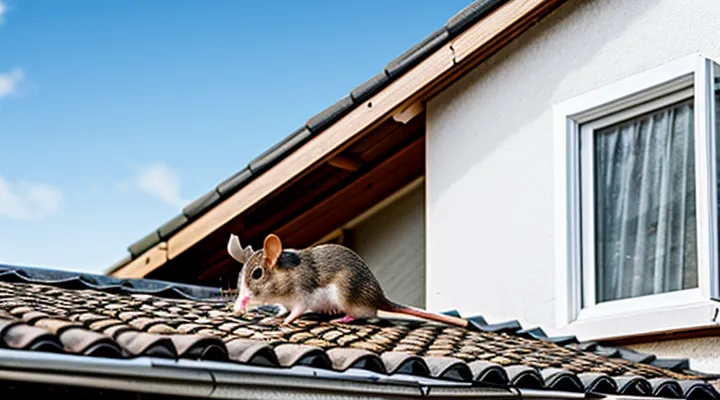
Understanding the Problem: Why Mice Choose Your Roof
Identifying Signs of Mice Infestation
Droppings and Urine Stains
Rodent droppings and urine stains on the roof present health hazards and structural concerns. Droppings appear as small, dark, pellet‑shaped fragments; urine stains manifest as yellowish discolorations, often accompanied by a pungent odor. Both indicate active infestation and can contaminate insulation, wood, and surrounding surfaces.
Immediate actions focus on containment, removal, and disinfection. Protective equipment—gloves, mask, and eye protection—is mandatory to prevent inhalation of aerosolized pathogens such as hantavirus. Moistening droppings with a disinfectant solution before collection reduces airborne particles.
Removal procedure
- Prepare a 10 % bleach solution (one part bleach to nine parts water) or a commercial rodent‑specific disinfectant.
- Apply the solution to droppings and urine‑stained areas; allow a contact time of at least five minutes.
- Use disposable paper towels or a scoop to gather solid waste; place material in a sealed, puncture‑resistant bag.
- Scrub urine‑stained surfaces with the same disinfectant, then rinse with clean water.
- Dispose of all contaminated materials according to local hazardous‑waste regulations.
After cleaning, inspect insulation and wooden beams for moisture damage. Replace compromised insulation to restore thermal efficiency and prevent mold growth. Apply a rodent‑proof sealant to gaps and vents to deter re‑entry, and consider installing metal flashing or mesh screens as a physical barrier.
Regular monitoring of the roof area, combined with prompt sanitation of any new droppings or stains, sustains a safe environment and preserves the integrity of the structure.
Scratching and Squeaking Sounds
Scratching and squeaking noises originate from rodents moving through insulation, nesting material, and structural cavities. These sounds typically increase at night when mice are most active, providing a reliable indicator of infestation severity.
Identifying the source of acoustic activity requires systematic inspection:
- Locate the loudest zones by listening from the attic entrance and moving toward the roof’s central ridge.
- Examine exposed beams, joists, and vent openings for fresh gnaw marks, droppings, or shredded fibers.
- Use a flashlight to reveal nesting clusters hidden behind insulation or within wall voids.
- Record the frequency and duration of noises to distinguish between solitary mice and larger colonies.
Once the origin is confirmed, implement control measures that directly target the auditory signs:
- Seal entry points with steel wool, metal flashing, or expanding foam to prevent further ingress.
- Install snap traps or electronic bait stations near identified pathways; position devices perpendicular to travel routes for maximum contact.
- Apply ultrasonic repellents within the attic space; ensure devices cover the full height of the roof cavity and operate continuously.
- Replace compromised insulation with rodent‑resistant material; remove any debris that could serve as nesting substrate.
After intervention, monitor the roof for a minimum of two weeks. Absence of scratching and squeaking confirms successful eradication; persistence indicates remaining individuals and warrants repeat trapping or professional pest‑management assistance.
Gnaw Marks
Gnaw marks indicate active rodent activity and provide the first reliable evidence of infestation in the attic. Their appearance—rounded teeth impressions on wood, insulation, wiring, or structural members—confirms that mice are present and moving within the space. Recognizing these signs enables targeted intervention before damage escalates.
Inspection should focus on:
- All exposed timber and joists for shallow, V‑shaped cuts typical of mouse incisors.
- Insulation panels for perforations and droppings near gnaw sites.
- Electrical cables for exposed strands that may cause fire hazards.
- Entry points such as eaves, vent openings, and roof cracks, where gnaw marks often cluster.
Repair actions include:
- Removing compromised material and replacing it with untreated wood or metal flashing resistant to further chewing.
- Sealing gaps larger than 6 mm with steel wool, cement, or expanding foam reinforced with mesh.
- Installing metal or copper mesh around vulnerable wiring and structural components to deter further gnawing.
Preventive measures rely on eliminating attractants and reinforcing barriers:
- Store food, grains, and pet supplies in sealed containers away from the roof area.
- Maintain a clear perimeter around the house, trimming tree branches that contact the roof.
- Schedule regular roof inspections, focusing on newly formed gnaw marks as early warning indicators.
Prompt identification and remediation of gnaw marks reduce the risk of structural failure, electrical damage, and disease transmission, ensuring a safe and durable roof environment.
Nests and Debris
Mice colonies on a roof generate nests composed of shredded insulation, dried foliage, and various building fragments. These structures retain moisture, attract insects, and provide shelter for additional pests, compromising the integrity of the roof and indoor air quality.
Locate nests by inspecting eaves, soffits, and ventilation openings. Signs include gnaw marks, urine stains, and accumulations of shredded material. Visual confirmation should precede any removal action.
Removal procedure
- Wear protective gloves and a mask rated for particulate and rodent allergens.
- Use a sturdy ladder with anti‑slip feet; secure it to a stable surface.
- Cut away damaged insulation with a utility knife, placing debris into a sealed heavy‑duty bag.
- Dislodge nest material using a long‑handled brush or a vacuum equipped with a HEPA filter.
- Apply a rodent‑specific disinfectant to the exposed area; allow the recommended dwell time.
- Seal any entry points with steel wool and expanding foam to prevent re‑infestation.
Disposal must follow local regulations for wildlife waste. Place sealed bags in a locked outdoor container, then transport to an authorized landfill or incineration facility within 24 hours.
After removal, clean the surrounding roof surface with a detergent solution, rinse thoroughly, and allow complete drying. Install metal flashing or mesh over vulnerable gaps, and trim overhanging tree branches to reduce future access. Regular inspections, at least twice annually, ensure that nests and debris do not accumulate again.
Common Entry Points for Mice on Roofs
Gaps in Roofing Materials
Mice gain entry to a roof through any opening that permits passage. Small cracks, loose shingles, damaged flashing, and unsealed vent ducts constitute the most common gaps. These imperfections not only provide access points for rodents but also compromise the building envelope, allowing moisture infiltration and heat loss.
Identifying gaps requires a systematic inspection. Begin at the ridge line, scanning for missing or cracked tiles. Examine the eaves for loosened boards or gaps around gutter brackets. Inspect flashing around chimneys, skylights, and roof‑to‑wall joints for corrosion or separation. Finally, check all roof penetrations—including vent pipes, satellite dishes, and antenna mounts—for inadequate sealing.
Remediation follows a clear sequence:
- Seal cracks and joints with a high‑quality, weather‑resistant caulk or expanding foam designed for exterior use.
- Replace broken or missing shingles, ensuring proper overlap.
- Re‑install or repair flashing, overlapping each layer to direct water away from the structure.
- Fit metal or mesh covers over vent openings, securing them with rust‑proof fasteners.
- Apply a durable roof sealant to all seams and edges, creating a continuous barrier.
After repairs, verify effectiveness by conducting a visual check at night with a flashlight; any movement of mice through the sealed areas indicates remaining vulnerabilities. Regular maintenance—re‑examining roofing components after severe weather—prevents re‑formation of gaps and reduces the likelihood of future rodent infestations.
Damaged Soffits and Fascias
Damaged soffits and fascias create entry points for rodents seeking shelter under the roof structure. Cracks, gaps, or rotted sections compromise the protective barrier, allowing mice to infiltrate the attic and nest in insulation.
Inspection should focus on visible signs of deterioration: peeling paint, exposed wood, loose nails, and water stains. Use a flashlight to examine the underside of the eaves for chew marks or droppings, which indicate active infestation.
Repair measures include:
- Removing rotted wood and replacing it with pressure‑treated lumber.
- Sealing all seams with durable, weather‑resistant caulk.
- Installing metal flashing over repaired joints to deter gnawing.
- Re‑nailing loose fascia boards and ensuring proper alignment.
After restoration, apply a rodent‑proof mesh or hardware cloth with openings no larger than ¼ inch over all ventilation openings. Secure the mesh with stainless‑steel staples to prevent corrosion.
Regular maintenance—annual cleaning of debris, repainting with anti‑rust coating, and checking for new damage—reduces the likelihood of future mouse colonisation. Prompt attention to soffit and fascia integrity protects both the roof envelope and the interior of the private residence.
Unsealed Vents and Chimneys
Unsealed vents and chimneys constitute primary ingress points for rodents occupying the roof space of a private residence. Gaps around vent louvers, chimney flues, and roof penetrations permit entry, nesting, and movement throughout the attic.
- Inspect each vent and chimney opening for visible cracks, missing screens, or deteriorated sealing material.
- Remove debris and nesting material that may obstruct access to the sealing surface.
- Insert steel wool or copper mesh into gaps no larger than ¼ inch; the material resists gnawing.
- Apply high‑temperature silicone caulk or expanding foam around the mesh, ensuring a continuous seal that adheres to metal and roofing substrates.
- Install rigid vent covers or chimney caps equipped with stainless‑steel mesh; secure with corrosion‑resistant screws.
- Verify that all seams between the vent housing and roof decking are sealed with flashing tape or roofing cement.
Regular maintenance prevents re‑entry. Schedule quarterly visual checks, especially after severe weather, to confirm the integrity of seals and replace damaged components promptly. Maintaining airtight vent and chimney assemblies eliminates the most common pathway for mice to colonize roof spaces.
Overhanging Branches
Overhanging branches create a direct pathway for rodents to reach the upper structure of a residence. Branches that extend beyond the roofline touch the eaves, offering mice a convenient bridge to enter attics and insulation.
These limbs also offer shelter, protecting rodents from predators and weather while they explore the roof. The combination of access and refuge increases the likelihood of infestation.
• Trim or remove any branch that contacts the roof, eaves, or gutters.
• Maintain a minimum clearance of 12 inches between foliage and the roof surface.
• Cut back trees at least six months before autumn, when rodents seek shelter.
• Use pole pruners or professional arborists to reach high limbs safely.
• Dispose of cut material away from the property to prevent re‑use as shelter.
Regular inspection of the roof perimeter identifies new growth before it becomes a hazard. Seasonal pruning, combined with immediate removal of any newly contacting branches, reduces the chance of rodents establishing a foothold on the roof.
Effective Strategies for Mouse Removal from Roofs
Humane Trapping Methods
Live Traps: Setup and Release
Live traps provide a humane solution for eliminating roof‑dwelling mice in a private residence. The devices capture rodents without lethal injury, allowing relocation away from the property.
Choosing appropriate traps involves several criteria. Select models with sturdy construction, a secure latch, and a size that accommodates adult mice. Prefer traps equipped with a clear viewing window to verify captures without opening the device.
Placement determines effectiveness. Identify active pathways along beams, insulation gaps, and areas where droppings are visible. Position traps perpendicular to the wall, with the entry side facing the mouse’s travel direction. Secure each trap to the surface to prevent displacement by wind or vibration.
Bait selection influences capture rates. Use high‑protein foods such as peanut butter, sunflower seeds, or dried fruit. Apply a small amount (approximately 0.5 cm) to the trigger mechanism, ensuring the bait does not obstruct the latch.
Monitoring and release follow a strict routine:
- Inspect traps twice daily, preferably at sunrise and sunset.
- If a mouse is captured, wear disposable gloves, cover the trap with a cloth, and transport it to a release site at least 3 km from the house.
- Release the animal on the opposite side of a natural barrier (e.g., a wooded area) to discourage return.
- Reset the trap with fresh bait and return it to the original position.
Regular inspection, proper baiting, and prompt relocation minimize reinfestation and maintain a rodent‑free roof environment.
Trap Placement: Strategic Locations
Effective eradication of roof‑dwelling rodents depends on precise trap positioning. Placement must intercept travel routes, exploit shelter points, and target foraging zones.
- Entry points: gaps around vent pipes, chimney flues, and roof‑to‑wall joints. Install traps directly beside each opening to catch mice as they enter or exit.
- Nesting areas: insulation piles, attic corners, and concealed spaces beneath rafters. Position traps within 30 cm of observed gnaw marks or droppings.
- Food sources: stored grain, pet feed, and debris piles in attic corners. Place traps adjacent to these supplies to intercept feeding activity.
- High‑traffic corridors: narrow passages formed by wiring, ductwork, or structural beams. Align traps along the length of the corridor, ensuring the trigger side faces the anticipated direction of movement.
- Perimeter of the roof deck: edges of the roof sheathing where mice travel to reach external vegetation. Deploy traps at intervals of 1–2 m along the deck perimeter.
Select snap or electronic traps with a sensitivity appropriate for small rodents. Check traps daily, remove captured individuals, and reset devices promptly. Maintain a log of capture locations to identify patterns and adjust placement as activity shifts. Continuous monitoring and systematic relocation of traps sustain control until no further evidence of mouse presence appears.
Baiting Techniques for Live Traps
Effective baiting determines the success of live‑capture devices for roof‑dwelling rodents.
Select attractants that align with mouse dietary preferences and environmental conditions. Recommended options include:
- Peanut butter mixed with oats – strong scent, adheres to trap surfaces.
- Sunflower seeds – high fat content, easy to attach with a small dab of wax.
- Dried fruit pieces (e.g., raisins) – sweet aroma, suitable for cooler evenings.
- Soft cheese fragments – potent odor, best used sparingly to prevent trap overload.
Prepare bait by forming a compact morsel that fits snugly on the trigger platform. Avoid excess material that could allow escape before activation.
Placement guidelines:
- Position traps along known travel routes, such as near rafters, insulation gaps, or vent openings.
- Install traps at a height matching mouse pathways, typically 6–12 inches above the roof surface.
- Space devices 10–15 ft apart to cover larger infestations without redundancy.
Safety considerations:
- Use gloves when handling bait to prevent scent transfer to human skin.
- Secure traps to prevent displacement by wind or vibration.
- Check traps at least twice daily; release captured mice promptly in accordance with local regulations.
Maintenance protocol:
- Replace bait every 24 hours to maintain freshness.
- Clean trigger mechanisms with mild detergent to ensure reliable operation.
- Rotate trap locations periodically to disrupt habituation.
By adhering to these baiting practices, live traps achieve higher capture rates while minimizing stress to the target animals.
Lethal Trapping Methods
Snap Traps: Usage and Safety
Snap traps provide immediate mechanical control of rodents inhabiting roof spaces. They consist of a rigid platform, a spring‑loaded bar, and a bait cup. Proper deployment maximizes capture rates while minimizing risk to occupants and pets.
Placement guidelines:
- Position traps along known runways, typically near wall junctions, insulation gaps, or entry holes.
- Align the trigger plate toward the anticipated direction of mouse movement.
- Secure traps to stable surfaces to prevent displacement by wind or vibration.
Bait selection:
- Use small amounts of high‑protein attractants such as peanut butter, dried meat, or cheese.
- Avoid excessive bait that may block the trigger mechanism.
Safety precautions:
- Wear thick gloves when handling traps to prevent accidental activation.
- Keep traps out of reach of children and non‑target animals; consider installing protective barriers or using tamper‑resistant enclosures.
- Inspect traps before each placement to ensure the spring is fully tensioned and the trigger is functional.
Disposal protocol:
- After a capture, wear gloves, cover the trap with a disposable bag, and transport it directly to an outdoor trash receptacle.
- Clean reusable traps with hot water and mild detergent, then dry thoroughly before storage.
Regular monitoring:
- Check traps at least once daily; replace bait and reset mechanisms as needed.
- Record capture locations to identify high‑activity zones and adjust trap distribution accordingly.
By adhering to these procedures, snap traps become an effective and safe component of a comprehensive roof‑rodent management plan.
Electric Traps: Advantages and Disadvantages
Electric traps provide a rapid, contact‑free solution for rodent control in attic spaces of private residences. The devices deliver a high‑voltage pulse that kills the animal instantly, eliminating the need for manual handling of carcasses.
Advantages
- Immediate mortality reduces the risk of disease transmission.
- No bait required, lowering exposure to non‑target species.
- Reusable units decrease long‑term expenses.
- Compact design fits into confined roof cavities.
- Minimal odor or mess compared to poison or snap traps.
Disadvantages
- Initial purchase price exceeds that of conventional traps.
- Power source dependence; battery depletion or power outage renders the unit inoperative.
- Electrical shock may deter other wildlife, potentially disrupting beneficial species.
- Visible circuitry can be damaged by extreme temperatures or moisture typical of roof environments.
- Disposal of dead rodents still necessary, requiring protective equipment.
When selecting a control method for roof infestations, weigh the upfront cost and power requirements against the benefits of swift, humane elimination and reduced secondary hazards. Electric traps are most effective in well‑ventilated, dry attic areas where reliable electricity is available.
Trap Placement for Lethal Traps
Effective lethal trap placement requires strategic positioning to intercept rodent movement on an attic. Identify all possible entry points—gaps around vents, eaves, and roof seams. Install traps within 30 cm of each opening, aligning them perpendicular to the wall to match the natural travel path of mice.
Place additional devices along established runways. Observe droppings, gnaw marks, and nesting material to locate high‑traffic corridors. Position traps at the terminus of these routes, where rodents pause before reaching food or shelter.
Ensure traps rest on a stable surface. Use a thin layer of sand or shredded paper beneath the device to prevent slipping and to reduce noise that might deter the target. Secure traps to joists or rafters with zip ties, avoiding loose placement that could be dislodged by wind or vibration.
Maintain a clear line of sight between the trap and the rodent’s approach. Avoid obstructing objects such as insulation panels or stored items that could force the animal to detour around the bait.
Regularly check traps at intervals of 12–24 hours. Remove captured specimens promptly, reset or replace the trap, and replenish bait if necessary. Continuous monitoring prevents trap saturation and sustains high capture efficiency.
Repellents and Deterrents
Natural Repellents: Peppermint Oil, Mothballs
Natural repellents provide non‑chemical options for deterring rodents that have taken residence in the roof cavity of a private residence. Two widely available substances are peppermint oil and mothballs; each works through distinct mechanisms and requires specific handling.
Peppermint oil creates an odor that rodents find unpleasant. Effective deployment includes the following steps:
- Dilute pure peppermint oil with water at a ratio of 1 part oil to 10 parts water.
- Soak cotton balls in the solution and place them in gaps, vents, and corners where activity is observed.
- Replace soaked balls every 3–4 days to maintain potency.
- Ensure ventilation to prevent excessive moisture buildup, which can affect insulation.
Mothballs release a vapor of naphthalene or paradichlorobenzene, both toxic to rodents. Proper use involves:
- Positioning whole mothballs in sealed, perforated containers placed near entry points and nesting sites.
- Limiting exposure to indoor living spaces; mothballs should remain confined to the roof area to avoid health hazards.
- Monitoring concentration; strong odor indicates sufficient presence, but over‑exposure may pose risks to humans and pets.
- Complying with local regulations, as some jurisdictions restrict mothball usage in residential settings.
When selecting a repellent, consider durability, safety, and environmental impact. Peppermint oil offers a low‑toxicity, short‑term solution suitable for regular reapplication, while mothballs provide longer‑lasting deterrence but require strict containment. Combining both methods can enhance effectiveness, provided that each is applied according to the guidelines above.
Ultrasonic Devices: Effectiveness and Limitations
Ultrasonic repellents emit high‑frequency sound waves that fall outside the audible range of humans but are detectable by many rodent species. Devices designed for attic installations typically operate between 20 kHz and 65 kHz, delivering continuous or intermittent pulses intended to create an uncomfortable acoustic environment.
Effectiveness depends on several factors:
- Frequency alignment with the target species’ hearing sensitivity; some mice respond strongly, while others show limited aversion.
- Coverage area; a single unit generally protects a radius of 20–30 feet, requiring multiple devices for larger roofs.
- Obstructions; insulation, wooden beams, and metal sheathing reflect or absorb ultrasonic waves, reducing penetration depth.
- Ambient noise; high‑level background sounds can mask the emitted frequencies, diminishing deterrent impact.
- Device integrity; power loss, battery depletion, or component degradation lower output levels over time.
Limitations include:
- Species variability; not all rodent populations exhibit the same behavioral response, leading to inconsistent results.
- Adaptation; prolonged exposure may cause habituation, after which the deterrent effect wanes.
- Safety considerations; ultrasonic emissions can affect pet mammals such as cats and small dogs, potentially causing stress.
- Regulatory constraints; some jurisdictions restrict the use of ultrasonic equipment in residential settings due to interference concerns.
For reliable rodent control on a private household roof, ultrasonic devices should be integrated with complementary measures—physical sealing of entry points, removal of food sources, and, when necessary, professional trapping. This multimodal approach addresses the inherent shortcomings of sound‑based repellents while enhancing overall efficacy.
Commercial Rodent Repellents
Commercial rodent repellents provide a non‑lethal alternative for eliminating attic infestations in private residences. Products fall into three primary categories: ultrasonic devices, scent‑based formulations, and chemical deterrents. Each category operates on distinct mechanisms and requires specific installation considerations.
• Ultrasonic emitters generate high‑frequency sound waves that rodents find uncomfortable. Placement near roof trusses or ventilation openings ensures coverage of the entire attic volume. Models with adjustable frequency ranges adapt to different species and prevent habituation.
• Scent repellents rely on volatile compounds such as peppermint oil, naphthalene, or proprietary botanical blends. Application involves spraying or installing impregnated pads in concealed areas where mice travel. Regular re‑application, typically every 30 days, maintains effectiveness.
• Chemical deterrents include granular or liquid products containing active ingredients like bromadiolone or chloropicrin. These formulations create an inhospitable environment without killing the animals, prompting relocation. Compliance with local regulations and safety data sheets is mandatory before use.
Selection criteria should include coverage area, power source, maintenance frequency, and regulatory approval. Combining ultrasonic emitters with scent pads often increases success rates, as rodents encounter multiple deterrent stimuli. Proper sealing of entry points, combined with commercial repellents, yields a comprehensive strategy for removing mice from roof spaces.
Professional Pest Control Services
When to Call a Professional
Mice inhabiting the roof of a private residence can cause structural damage, electrical hazards, and health risks. Recognizing the limits of DIY methods is essential to prevent escalation.
Key indicators that professional assistance is required:
- Damage to insulation, wiring, or roofing material that exceeds superficial repair.
- Persistent activity despite multiple trap placements or bait stations.
- Evidence of large colonies, such as numerous droppings, gnaw marks, or nesting material.
- Inability to safely access the attic or roof space due to height, confined areas, or hazardous conditions.
- Presence of diseases or allergens that demand specialized handling and disposal procedures.
Professional pest control providers possess certifications, equipment for sealed entry points, and knowledge of rodent behavior patterns. Their services include comprehensive inspection, targeted baiting, exclusion techniques, and post‑treatment monitoring to ensure long‑term resolution.
When any of the above conditions appear, contact a licensed exterminator promptly. Delaying intervention increases the likelihood of extensive damage and costly repairs.
Services Offered by Pest Control Experts
Professional pest‑control firms provide a comprehensive approach to eliminating rodents that have established a presence in the attic of a private residence. Initial site assessment determines the extent of infestation, identifies active pathways, and evaluates environmental conditions that facilitate rodent activity.
Typical service components include:
- Detailed visual inspection of roof structures, eaves, and surrounding vegetation.
- Installation of exclusion measures such as steel‑wool, mesh, and sealants to block entry points.
- Deployment of mechanical traps positioned along known travel routes.
- Application of bait stations containing anticoagulant or non‑anticoagulant formulations, secured to prevent non‑target access.
- Ongoing monitoring through remote sensors or periodic visual checks to verify reduction in activity.
- Sanitation recommendations to remove food sources and nesting materials.
- Post‑treatment follow‑up visits to confirm lasting results and address any re‑entry.
Technicians employ integrated pest‑management principles, combining physical barriers, population‑reduction tools, and environmental modifications to achieve durable control. Documentation of findings, actions taken, and outcomes is provided to property owners for record‑keeping and compliance purposes.
Benefits of Professional Intervention
Professional pest‑control services provide decisive advantages when dealing with rodent activity in a private‑home roof.
Targeted assessment identifies entry points, nesting sites, and population density, enabling a focused eradication plan. Certified technicians apply licensed rodenticides and traps that comply with safety regulations, reducing the risk of accidental poisoning to occupants and pets. Standardized protocols ensure thorough removal and prevent re‑infestation by sealing gaps and installing barriers.
Long‑term protection stems from ongoing monitoring. Service contracts include periodic inspections, documentation of activity levels, and timely intervention if new signs appear. This systematic approach limits structural damage caused by gnawing, insulation loss, and contamination of stored goods.
Cost efficiency emerges from reduced labor and material waste. Professionals possess equipment that accelerates removal, minimizes property disruption, and eliminates the trial‑and‑error expenses typical of DIY attempts.
Key benefits:
- Accurate detection of hidden colonies
- Safe application of regulated control agents
- Comprehensive sealing of access routes
- Regular follow‑up inspections
- Documentation for insurance or resale purposes
Engaging qualified experts transforms a hazardous infestation into a controlled, verifiable outcome, safeguarding the building’s integrity and the health of its residents.
Preventing Future Mouse Infestations on Your Roof
Sealing Entry Points
Repairing Gaps and Cracks in Roofing
Repairing gaps and cracks in the roof eliminates entry points that allow rodents to access the attic and interior spaces. Sealing these openings prevents re‑infestation after removal efforts and protects the structure from moisture damage.
A systematic approach ensures lasting results:
- Conduct a thorough visual inspection, focusing on joints, flashing, vent covers, and roof‑to‑wall connections. Use a flashlight to reveal hidden fissures.
- Clean each identified opening of debris, nesting material, and loose shingle fragments. A wire brush or vacuum removes residual particles that could impede adhesion.
- Select sealing materials appropriate to the roof type. Asphalt‑based roofing sealant works well on shingles, while expanding polyurethane foam suits larger gaps around vents and pipes.
- Apply sealant according to manufacturer instructions. For narrow cracks, fill with a caulk gun, smoothing the bead to create a watertight barrier. For wider openings, inject foam, allowing it to expand and then trim excess with a utility knife.
- Reinforce high‑traffic areas with metal flashing or mesh tape before resealing. This adds structural integrity and reduces future movement that could reopen seams.
- Perform a final water test by gently spraying the repaired sections. Observe for any leakage or air movement that indicates incomplete sealing.
- Schedule periodic inspections, especially after severe weather, to verify the integrity of repairs and address new cracks promptly.
Consistent maintenance of the roof envelope directly supports rodent‑exclusion strategies and extends the lifespan of the building envelope.
Reinforcing Soffits and Fascias
Reinforcing soffits and fascias creates a physical barrier that prevents rodents from entering attic spaces through gaps in the roof envelope. Strong, tightly sealed components eliminate the primary entry points that mice exploit when seeking shelter.
Install durable, pressure‑treated lumber or metal flashing for the fascia board, securing each piece with corrosion‑resistant screws. Replace damaged sections of soffit with solid, vented panels that feature interlocking joints. Apply a high‑quality exterior sealant to all seams, ensuring a continuous, weather‑proof membrane.
Key actions for a robust reinforcement:
- Inspect the entire perimeter for cracks, loose joints, or rotted wood; mark compromised areas.
- Remove deteriorated material and clean the underlying surface of debris and insect residue.
- Fit new fascia boards, overlapping edges by at least 2 cm to block potential gaps.
- Attach soffit panels using a staggered screw pattern, maintaining a minimum 1‑inch spacing for ventilation while preventing rodent passage.
- Seal all nail and screw heads with a flexible, UV‑stable caulk to deter gnawing.
- Conduct a final visual audit, confirming that no openings larger than ¼ inch remain.
Regular maintenance, including periodic checks after severe weather, sustains the integrity of the reinforced system and reduces the likelihood of future infestations.
Securing Vents and Chimneys
Securing vents and chimneys prevents rodents from accessing the attic and interior spaces. Unprotected openings provide direct pathways for mice to enter, establish nests, and cause damage to insulation and wiring.
Inspection and sealing follow a straightforward sequence:
- Examine all roof vents, including ridge, soffit, and gable vents, for gaps larger than ¼ inch.
- Install metal mesh with openings no larger than ¼ inch over each vent, securing the mesh with stainless‑steel screws.
- Fit chimney caps that incorporate a tight‑fitting screen, ensuring the cap sits flush with the chimney flue.
- Apply high‑temperature silicone sealant around the perimeter of caps and mesh to close any residual cracks.
- Verify that vent covers are firmly attached and that no loose hardware remains.
Regular maintenance includes cleaning debris from mesh surfaces, checking for corrosion on metal components, and reapplying sealant after severe weather. Prompt replacement of damaged caps or mesh eliminates new entry points and sustains a rodent‑free roof environment.
Roof Maintenance and Landscaping
Trimming Overhanging Tree Branches
Trimming overhanging tree branches eliminates direct pathways that rodents use to access the roof. Branches touching the roof provide shelter and a bridge for mice to climb, creating a convenient entry point. Removing or shortening these limbs forces the animals to seek alternative routes, which are easier to block.
Key actions for effective branch management:
- Inspect the perimeter of the house for any limbs extending within a 3‑foot radius of the roof.
- Use a ladder or professional arborist to cut back branches so that a clear gap of at least 12 inches remains between foliage and the roof surface.
- Dispose of cut material promptly; store in sealed containers or burn to prevent mice from nesting in the debris.
- Apply a protective sealant to exposed roof edges to deter re‑entry after pruning.
Regular maintenance of surrounding trees reduces the likelihood of new overgrowth, sustaining a barrier against future rodent incursions.
Keeping Gutters Clean and Free of Debris
Keeping gutters free of leaves, twigs and other debris eliminates shelter and travel routes that attract rodents to the roof space. Accumulated material creates a moist environment and a concealed pathway for mice to move from the eaves into attic openings. Regular maintenance of the drainage system reduces the likelihood of nesting sites and limits the risk of structural damage caused by gnawing.
Effective gutter upkeep includes the following actions:
- Inspect gutters after each major storm; remove visible debris by hand or with a scoop.
- Flush the system with a garden hose, directing water from the far end toward the downspout to dislodge hidden particles.
- Verify that downspouts are clear; use a flexible rod or plumber’s snake to clear blockages.
- Install mesh guards or fine screens that fit securely over the gutter opening; clean the guards quarterly.
- Schedule professional cleaning at least twice a year, focusing on periods of heavy foliage.
Consistent removal of debris and the use of protective screens create an inhospitable environment for mice, supporting broader efforts to keep roof areas rodent‑free.
Regular Roof Inspections
Regular roof inspections detect conditions that attract rodents before populations become established. Early identification of entry points, structural damage, and nesting material reduces the likelihood that mice will colonise the attic space.
Inspection focus areas include:
- Visible gaps around vents, chimneys, and eaves;
- Damaged or missing roofing tiles and flashing;
- Accumulated debris, insulation displacement, and droppings;
- Signs of gnawing on wooden components and wiring.
Inspection frequency should align with seasonal risk factors. Conduct a comprehensive check at least twice a year, before the heating season and after the rainy period. Additional inspections are advisable after severe weather events that may dislodge roofing elements.
When deficiencies are found, immediate remedial actions are required. Seal openings with steel‑wool and durable caulking, replace compromised roofing components, and remove any debris that provides shelter. Follow each repair with a final verification inspection to confirm that all potential access routes are eliminated.
Storage and Sanitation Practices
Storing Firewood and Debris Away from the House
Storing firewood and yard debris at a safe distance reduces the likelihood that rodents will use these materials as shelter or pathways to the roof. Wood piles placed directly against the house create bridges for mice, allowing easy access to eaves and soffits. Maintaining a clear zone of at least three meters between the building and any combustible or cluttered material interrupts this route.
Key practices for proper storage:
- Stack firewood on a raised platform or pallets, keeping the bottom layer off the ground to prevent moisture accumulation and rodent nesting.
- Cover wood piles with a waterproof tarp, securing edges to avoid gaps where mice can enter.
- Arrange debris such as branches, leaves, and garden waste in sealed containers or compost bins located well away from the structure.
- Trim vegetation that touches the roof or walls, eliminating natural ladders for rodents.
- Conduct regular inspections of stored material, removing any signs of gnawing or nesting promptly.
Implementing these measures creates a physical barrier that discourages mice from approaching the roof, thereby supporting broader efforts to eliminate rodent presence in the upper sections of a private residence.
Proper Waste Management
Effective rodent control on an attic requires eliminating food sources that attract mice. Proper waste management reduces the likelihood that discarded material will provide sustenance for rodents nesting above the living space.
Key practices include:
- Store refuse in containers with tight‑fitting lids; avoid open tops or damaged seals.
- Position bins away from the house foundation and roof eaves; maintain a minimum distance of 3 meters.
- Empty waste containers regularly, preferably daily, to prevent accumulation of decomposing matter.
- Clean any spillage around garbage areas immediately; use disinfectant solutions to remove residual odors.
- Separate organic waste from non‑organic material; compost piles must be located at least 5 meters from the building and covered with impermeable tarps.
Implementing these measures limits the availability of food, discouraging mice from establishing colonies on the roof. Consistent application of sealed storage, routine removal, and strategic placement of waste containers sustains a hostile environment for rodents, thereby supporting long‑term exclusion efforts.
Eliminating Food Sources in the Vicinity
Eliminating food sources around a private residence directly reduces the attraction for rodents that have taken up residence in the roof space. Mice locate shelter based on the availability of sustenance; when nourishment is scarce, the likelihood of occupancy diminishes.
- Inspect all exterior areas for unsecured garbage, pet feed, fallen fruit, and compost piles. Secure containers with tight‑fitting lids, relocate feeding stations away from the building, and regularly clean debris.
- Seal cracks and gaps in siding, eaves, and vent openings that permit entry of food particles. Use steel wool or caulking to block passages.
- Store indoor food in airtight containers made of glass or heavy‑wall plastic. Remove crumbs from countertops, floors, and appliances after each meal preparation.
- Maintain a clean yard by mowing regularly, trimming low branches, and removing dense vegetation that shelters insects and seeds.
Indoor vigilance complements outdoor efforts. Promptly dispose of waste in sealed bins, clean pet water dishes daily, and avoid leaving pet treats unattended. Routine inspection of attic insulation for droppings or gnawed material helps identify hidden food sources that may have been transported from the roof cavity.
Consistent application of these practices creates an environment where sustenance is unavailable, encouraging mice to abandon the roof and seek more hospitable locations. Regular monitoring ensures that any reappearance of potential food sources is addressed before rodents can reestablish a foothold.