
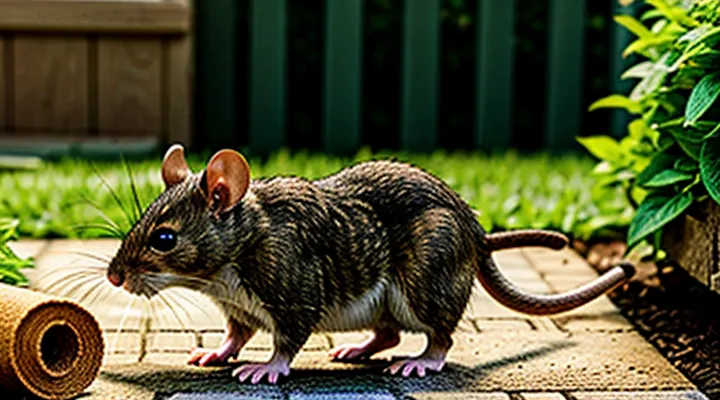
Understanding the Rodent Threat
Common Rodent Pests in Gardens
Mice
Mice are small, omnivorous rodents that thrive in garden environments where shelter, water, and food are readily available. Their rapid reproduction cycle—females can produce several litters each year—allows populations to expand quickly, increasing the risk of extensive damage.
Typical signs of mouse activity include gnawed plant stems, seed heads, and tender shoots; scattered droppings near ground cover; and faint, persistent scratching sounds in mulch or compost piles. Damage often manifests as wilting or stunted growth, especially in seedlings and root vegetables, because mice chew through vascular tissue and consume seeds before they germinate.
Effective control measures focus on exclusion, habitat modification, and direct population reduction:
- Seal entry points: install fine‑mesh hardware cloth around garden beds, cover openings in raised beds, and repair cracks in fences or walls.
- Remove food sources: clean up fallen fruit, store feed in airtight containers, and avoid leaving pet food outdoors.
- Reduce shelter: keep grass trimmed, eliminate dense ground cover, and turn compost regularly to discourage nesting.
- Deploy physical barriers: place metal or plastic plant cages around vulnerable crops; use row covers with sealed edges.
- Set traps: employ snap traps or multi‑catch traps positioned along mouse pathways, checking and resetting them daily.
- Apply bait stations: use tamper‑resistant stations with anticoagulant or non‑anticoagulant rodenticides, following label instructions and local regulations.
- Encourage natural predators: attract owls, hawks, and predatory insects by installing perches, nest boxes, and maintaining a diverse ecosystem.
Monitoring remains essential. Regularly inspect traps, observe for new signs of activity, and adjust strategies accordingly. Consistent implementation of these practices limits mouse populations and protects garden productivity.
Voles
Voles are small, burrowing rodents that inhabit garden soils, feeding on roots, tubers, and tender shoots. Their activity creates extensive tunnel networks that loosen soil, expose plant roots, and facilitate fungal infections.
Damage caused by voles includes gnawed seedlings, hollowed stems, and disrupted irrigation lines. The tunnels also increase moisture loss, weakening plant stability and reducing overall yield.
Effective control measures focus on habitat modification, physical barriers, and targeted removal:
- Reduce ground cover: keep grass, weeds, and mulch trimmed to minimum height, limiting shelter.
- Install underground fencing: line planting beds with hardware cloth (½‑inch mesh) buried 6–12 inches deep, overlapping edges to prevent entry.
- Employ repellents: apply granular castor oil formulations around the perimeter; reapply after heavy rain.
- Set live traps: bait with apple slices or oatmeal, check daily, and relocate captured voles at least 5 miles from the garden.
- Encourage predators: provide nesting boxes for owls and perches for hawks; maintain a modest population of domestic cats.
Regular inspection of soil surface and root zones helps identify early signs of vole activity, allowing prompt intervention before extensive damage occurs.
Shrews
Shrews are small, insectivorous mammals that frequently appear in garden ecosystems. Unlike mice, they lack the gnawing incisors that cause damage to plant stems and stored seeds. Their diet consists primarily of insects, earthworms, and other invertebrates, which can reduce populations of pests that threaten vegetable crops.
Because shrews hunt on the ground and in leaf litter, they may be mistaken for rodent activity. Their presence does not indicate a mouse infestation, and control measures aimed at mice should not target shrews unless they cause direct disturbance, such as digging shallow burrows that expose plant roots.
When shrew activity becomes undesirable, the following proven tactics can limit their impact without harming beneficial wildlife:
- Remove excess debris, stone piles, and dense ground cover that provide shelter.
- Install low‑profile barriers made of fine mesh around the perimeter of raised beds.
- Apply natural repellents containing predator urine or strong citrus extracts to entry points.
- Maintain a tidy garden by regularly trimming grass and weeds to reduce hiding places.
Effective mouse management programs should differentiate between true rodent threats and shrew activity, focusing resources on species that cause agricultural damage while preserving shrews for their role in controlling insect populations.
Signs of Rodent Activity
Droppings
Mouse droppings provide the most reliable sign that rodents are active in a garden. Recognizing them early allows swift action before damage escalates.
Typical droppings measure 3–6 mm, are dark brown to black, and have a tapered shape with a pointed end. They appear in clusters near food sources, along runways, and under plant debris. Fresh pellets are moist and may leave a faint oily sheen; older ones become dry and crumbly.
These excreta carry pathogens such as Hantavirus, Salmonella, and Leptospira. Contact with contaminated soil or plants can transmit disease to humans and pets, and can compromise the safety of harvested produce.
Removal procedure
- Wear disposable gloves and a mask; consider a disposable coverall for extensive infestations.
- Moisten droppings with a disinfectant solution (e.g., 10 % bleach) to prevent aerosolization.
- Collect the saturated material with a disposable scoop or paper towel.
- Seal waste in a double‑layered plastic bag and discard according to local hazardous‑waste guidelines.
- Clean the area with the same disinfectant, allowing a minimum of ten minutes of contact time before rinsing.
Preventive measures focus on eliminating conditions that attract mice. Keep garden beds free of fallen fruit and seed heads, store feed in sealed containers, and trim vegetation away from structures. Install metal or hardware‑cloth mesh around planting beds to block entry. Regularly inspect for new droppings and remove them promptly to interrupt the rodents’ scent trails.
By treating droppings as an actionable warning and following systematic removal and sanitation steps, gardeners can reduce health risks and deter further mouse activity.
Gnaw Marks
Gnaw marks are the most reliable indicator that mice are active in a garden. They appear as shallow, crescent‑shaped bites on wooden structures, plastic plant pots, irrigation tubing, and seed packets. The width of the bite usually matches the size of the animal’s incisors, allowing quick species identification.
Key characteristics of mouse gnaw marks:
- Parallel cuts approximately 2–3 mm apart.
- Clean edges without splintering, suggesting constant chewing.
- Presence on soft materials such as mulch or compost, where the damage is less obvious but still compromises integrity.
Detecting these signs early prevents extensive damage to garden infrastructure and crops. Once gnaw marks are confirmed, implement the following measures:
- Remove the affected item or replace it with metal or reinforced plastic alternatives.
- Seal entry points with steel wool, copper mesh, or silicone caulk; mice cannot gnaw through these materials.
- Install physical barriers, such as hardware cloth, around the base of plants and garden beds.
- Deploy snap traps or electronic traps directly at the site of the marks; position them perpendicular to the gnawed surface for optimal contact.
- Apply a non‑toxic deterrent, such as peppermint oil or crushed garlic, to the area surrounding the damage; the strong odor discourages repeated chewing.
Regular inspection of garden components for fresh gnaw marks, combined with immediate barrier installation, reduces the likelihood of infestation spreading. Maintaining a clean environment—removing fallen fruit, seed debris, and excess vegetation—eliminates food sources that attract mice, further limiting the occurrence of gnawing activity.
Burrows and Tunnels
Burrows and tunnels provide mice with concealed routes to access garden beds, storage sheds, and vegetable plots. These underground passages allow rodents to bypass surface barriers, reach food sources, and evade predators.
Detecting active burrows requires regular inspection of soil surfaces. Look for fresh soil mounds, shredded plant material, and droppings near the entrance of potential tunnels. Signs of recent activity include loose soil that collapses under light pressure and faint scent trails left by the mice.
Effective control measures focus on eliminating entry points and disrupting the underground network:
- Install a ½‑inch (12 mm) galvanized steel mesh around the perimeter of garden beds, extending 12 inches (30 cm) below the soil surface.
- Apply a layer of coarse mulch or sand over exposed soil to discourage digging; rodents prefer loose, fine substrates.
- Use a non‑toxic rodent repellent granule (e.g., capsicum‑based) mixed into the top 2 inches (5 cm) of soil, refreshing the application after heavy rain.
- Seal gaps in foundations, fence posts, and irrigation lines with expanding foam or cement, ensuring no openings larger than ¼ inch (6 mm) remain.
- Deploy snap traps or electronic kill traps directly at identified tunnel entrances; position bait within 1 inch (2.5 cm) of the opening to increase capture rates.
Regular maintenance—removing weeds, clearing debris, and rotating crops—reduces shelter opportunities and limits the incentive for mice to establish new burrows. By integrating physical barriers, soil modifications, and targeted trapping, gardeners can effectively interrupt subterranean pathways and protect cultivated areas from rodent damage.
Damaged Plants and Produce
Rodents gnaw leaves, stems, and fruit, leaving holes, wilting tissue, and exposed interiors that quickly rot. Damage reduces photosynthetic capacity, weakens plant vigor, and contaminates produce with urine and droppings, creating health hazards for humans and pets.
Immediate signs of infestation include chewed seedlings, missing seed heads, and fresh gnaw marks on bark. Inspect plants daily, especially during early morning when activity peaks. Remove any compromised foliage to prevent disease spread.
Effective countermeasures focus on exclusion, habitat reduction, and targeted control:
- Seal entry points: bury wire mesh (½‑inch gauge) around garden beds, cover gaps under raised beds, and install metal flashing on tree trunks.
- Eliminate shelter: clear debris, trim low branches, and store compost in rodent‑proof containers.
- Deploy physical barriers: place fine‑mesh cages over vulnerable crops, use row covers with reinforced edges, and install hardware cloth around young plants.
- Set bait stations: position tamper‑proof stations at the perimeter, replenish with anticoagulant or non‑anticoagulant rodenticide according to label instructions, and monitor daily.
- Employ natural predators: encourage owls, hawks, and snakes by installing perches and nesting boxes; introduce predatory insects such as ground beetles.
Maintain a clean garden by promptly harvesting ripe produce, disposing of fallen fruit, and rotating crops each season. Consistent application of these practices reduces rodent pressure, preserves plant health, and safeguards harvest quality.
Prevention: Proactive Measures
Garden Hygiene and Maintenance
Removing Debris and Hiding Spots
Eliminate all organic and inorganic material that can serve as a refuge for mice. Leaves, grass clippings, fallen fruit, and garden waste create concealed pathways and nesting sites, encouraging rodent activity. Regularly collect and compost or discard such debris to deny mice shelter and food sources.
Implement a systematic clean‑up routine:
- Sweep pathways, borders, and under plantings to remove accumulated litter.
- Trim low‑lying vegetation and prune dense shrubs that conceal movement.
- Store firewood, pallets, and tools off the ground, preferably on racks or in sealed containers.
- Dispose of compost piles only after thorough aeration and coverage with a tight‑fitting lid.
- Clear gutters and drainage channels of leaves and twigs that could harbor insects, which attract mice.
By maintaining a clutter‑free environment, the garden loses the micro‑habitats that mice require for nesting and foraging, reducing the likelihood of infestation.
Proper Storage of Food and Feed
Rodents invade gardens primarily because they locate easy food sources. Eliminating accessible sustenance removes a major incentive for mice to enter planting areas.
- Store grains, seeds, and pet feed in sealed, rodent‑proof containers made of metal or heavy‑wall plastic.
- Use containers with tight‑locking lids and gasket seals; avoid cloth or paper bags.
- Keep storage units off the ground, preferably on a concrete platform or elevated shelf.
- Position containers away from garden borders and vegetation to reduce scent trails.
- Inspect lids and seams regularly for cracks or gaps; repair or replace damaged units promptly.
Maintain a clean storage environment. Rotate stock to prevent spoilage, discard expired material, and sweep surrounding floors to remove crumbs. Ensure drainage around the storage area to avoid moisture that attracts rodents.
Consistent application of these practices limits food availability, deters mouse activity, and supports overall garden protection.
Regular Lawn Mowing and Weeding
Regular mowing keeps grass short enough to eliminate the dense cover that mice use for nesting and movement. When the lawn is trimmed to a uniform height, the soil surface remains exposed, making it difficult for rodents to create burrows or hide from predators.
Weeding removes unwanted plants that provide food sources and shelter. Each weed eliminated reduces the availability of seeds and foliage that attract mice, and it also opens the ground for predators and traps to operate more effectively.
Key practices for maintaining a rodent‑unfriendly lawn:
- Mow at least once a week during the growing season; keep grass height at 2–3 inches.
- Trim edges and borders where grass meets mulch or soil to prevent hidden pathways.
- Inspect and pull all weeds, focusing on species that produce abundant seed heads or dense foliage.
- Dispose of clippings and weed debris away from the garden to avoid creating additional cover.
- Schedule a final mow before winter to deny mice a protected overwintering area.
Physical Barriers
Fencing and Netting
Fencing creates a physical barrier that prevents mice from entering garden beds, vegetable rows, and fruit trees. Use tightly woven wire mesh with openings no larger than ¼ inch; smaller apertures block even juvenile rodents. Install the fence at ground level, burying the bottom 6–12 inches to eliminate burrowing routes, and secure the top with a 12‑inch overhang angled outward to discourage climbing. Galvanized steel or PVC‑coated wire resists corrosion and maintains tension over seasons.
Netting serves the same protective function for individual plants, raised beds, and seed trays. Choose fine‑mesh horticultural netting (¼‑inch or finer) and stretch it over crops, fastening edges to sturdy stakes or the garden frame. Secure the net at the base with soil‑buried clips or weighted stones to stop mice from slipping underneath. For fruit trees, wrap trunks with a smooth, flexible net that extends several feet above the canopy, ensuring the material does not damage bark.
Key considerations for both barriers:
- Material durability: galvanized steel, PVC‑coated wire, or UV‑stabilized polyethylene.
- Mesh size: ≤ ¼ inch to block adult mice and juveniles.
- Ground contact: buried foot or weighted base prevents digging.
- Tension: maintain tautness to avoid sagging that creates entry points.
- Maintenance: inspect weekly for gaps, corrosion, or damage; repair immediately.
When installed correctly, fencing and netting reduce mouse activity by up to 90 %, protecting seedlings, tubers, and mature produce without chemical intervention.
Raised Garden Beds
Raised garden beds create a physical separation between soil and ground-level activity, which limits mouse access to plant roots and seedlings. Elevating the planting medium forces rodents to climb, a behavior they rarely attempt when a smooth barrier is present.
Key design features that enhance mouse deterrence:
- Install a perimeter of ¼‑inch hardware cloth or fine mesh, extending at least 12 inches below the bed frame. The barrier blocks burrowing and entry points.
- Use non‑wood materials for the frame, such as metal or composite, to prevent gnawing damage.
- Position beds on a compacted base of gravel or concrete pavers, eliminating loose soil that provides shelter.
- Incorporate raised bed legs with smooth, rounded edges; sharp corners encourage rodents to seek alternative routes.
- Seal all joints with exterior‑grade caulk to remove gaps that mice could exploit.
Maintenance practices that sustain protection:
- Remove fallen fruit, vegetable debris, and weeds promptly; food sources attract rodents.
- Store compost and feed in sealed containers away from the garden area.
- Set snap traps or live‑catch traps along the perimeter, focusing on identified activity zones.
- Rotate crops annually and avoid planting high‑attractant species, such as corn, directly adjacent to the beds.
- Inspect the mesh barrier quarterly for tears or corrosion, repairing any damage immediately.
By integrating these structural and upkeep measures, raised garden beds become a robust component of an overall mouse‑control strategy, reducing the likelihood of damage to crops and maintaining garden productivity.
Tree Guards and Wraps
Tree guards and wraps provide a physical barrier that prevents mice from climbing trunks and accessing branches where they can build nests or forage for fruit. By enclosing the lower portion of a tree with a sturdy, smooth material, the animal’s grip is eliminated, reducing damage to bark and foliage.
Commonly used materials include:
- Rigid metal or plastic tubes with a diameter of 4–6 inches, fitted tightly around the trunk.
- Flexible PVC or polypropylene sleeves that can be overlapped and secured with zip ties.
- Wire mesh cages reinforced with wooden or metal frames for larger specimens.
Installation steps:
- Measure the tree trunk at the point where the guard will start, typically 6–12 inches above ground level.
- Cut the guard or wrap to a length that covers at least 18–24 inches of trunk, extending upward past the first major branch.
- Position the barrier so that the opening faces outward, preventing mice from slipping under.
- Secure the ends with stainless‑steel clamps or zip ties, ensuring no gaps remain.
- Check the barrier periodically for displacement, damage, or accumulation of debris that could create footholds.
Maintenance involves cleaning the guard with mild soap and water, inspecting for rust or cracked sections, and replacing compromised components before the next growing season. When combined with other exclusion tactics—such as ground bait stations and habitat reduction—tree guards and wraps form an essential component of an integrated rodent‑management program for gardens.
Repellent Plants
Mint
Mint (Mentha spp.) emits a strong aromatic oil that mice find unpleasant. Planting mint in garden borders creates a chemical barrier that discourages rodents from entering nearby beds. The plant thrives in moist, partially shaded soil, making it suitable for the perimeter of vegetable plots and flower borders.
When establishing mint for rodent control, follow these steps:
- Choose a location where the plant can spread without overtaking desired crops; use containers or raised beds to limit growth.
- Plant cuttings or seedlings in early spring, spacing 12–18 inches apart to allow dense foliage.
- Water regularly to maintain soil moisture; avoid letting the soil dry out, as stress reduces oil production.
- Trim the foliage weekly during the growing season to release fresh scent and prevent flowering, which can diminish aromatic intensity.
Mint should complement, not replace, other proven deterrents such as physical traps, predator encouragement, and habitat modification. Integrating mint with these measures enhances overall garden protection, reducing mouse activity without reliance on chemicals. Regular monitoring of rodent signs will indicate whether the mint barrier remains effective or requires reinforcement.
Garlic
Garlic emits a strong sulfur‑based odor that mice find highly repellent. When crushed or sliced, the volatile compounds disperse quickly through soil and foliage, creating an environment that discourages rodent activity without harming plants.
Effective deployment requires consistent placement and renewal:
- Chop fresh garlic cloves and scatter the pieces around the perimeter of vegetable beds, near known entry points, and alongside irrigation lines.
- Mix crushed garlic with water (approximately 1 cup of minced garlic per 2 L of water), let steep for 12 hours, then spray the solution on plant stems and soil surface. Reapply every 3–4 days, especially after rain.
- Combine dried garlic powder with mulch or compost at a rate of 2 Tbsp per square foot; the powder releases odor gradually as moisture infiltrates the soil.
Garlic’s repellent effect is short‑lived; regular replenishment maintains potency. It can be integrated with physical barriers, such as hardware cloth, and with predator‑friendly habitats to enhance overall mouse control. Use only organic garlic to avoid chemical residues, and monitor for any plant sensitivity before full‑scale application.
Marigolds
Marigolds emit a pungent aroma that mice find unpleasant, reducing the likelihood of gnawing on nearby plants. The volatile oils released from their foliage and flowers act as a natural repellent, creating an unfriendly environment for rodent foraging.
Effective use of marigolds in a garden requires strategic placement. Plant rows along the perimeter of vegetable beds, intersperse seedlings among crops, and maintain a density of at least one plant per square foot. This arrangement forms a barrier that discourages mice from crossing into cultivated areas.
Practical steps:
- Choose varieties with strong scent, such as French or African marigolds.
- Sow seeds directly after the last frost, allowing seedlings to develop before rodents become active.
- Water consistently, keeping soil moist but not waterlogged to support healthy growth.
- Trim spent blooms regularly to sustain aromatic production.
Combine marigold planting with other proven tactics, such as snap traps, steel wool gaps, and habitat reduction. The floral barrier does not replace mechanical controls; it enhances overall effectiveness by lowering rodent pressure and limiting damage to tender crops.
Regular monitoring ensures that marigolds remain vigorous and that rodent activity does not increase elsewhere. Replace wilted plants promptly to maintain continuous repellent coverage throughout the growing season.
Castor Beans (Caution: Toxic)
Castor beans contain ricin, a potent toxin that deters rodents through a strong aversion response. When mice encounter the plant or its seeds, they typically avoid the area, reducing the likelihood of burrowing or feeding on nearby vegetables.
Effective use of castor beans in a garden requires strict safety measures:
- Plant the shrub at the perimeter, far from vegetable beds and pathways.
- Mark the location with warning signs to alert children and visitors.
- Install a physical barrier (e.g., mesh fencing) around the root zone to prevent accidental ingestion by pets.
- Remove fallen seeds promptly; they pose a poisoning risk to wildlife, domestic animals, and humans.
Integrating castor beans with other rodent‑control tactics—such as snap traps, snap‑tight bait stations, and habitat reduction—creates a layered defense that limits mouse populations without relying solely on toxic plants.
Active Rodent Control Methods
Natural and Organic Approaches
Encouraging Natural Predators
Encouraging native predators creates a biological barrier that reduces mouse activity without chemicals. Birds of prey, such as owls and hawks, locate rodents easily; ground‑dwelling mammals like foxes and weasels hunt them actively. Beneficial insects, especially predatory beetles and spiders, also contribute to population control.
- Install owl nesting boxes 10–15 feet above ground, facing south to receive sunlight.
- Preserve hedgerows and brush piles to provide cover for foxes, weasels, and snakes.
- Plant dense, flowering perennials (e.g., yarrow, fennel) that attract insects which prey on mouse eggs.
- Avoid excessive pesticide use that harms beneficial arthropods.
- Maintain a clean water source, such as a shallow birdbath, to draw predatory birds.
Creating a habitat that supports these hunters requires minimal disturbance, regular inspection of nesting structures, and the removal of obstacles that could deter movement. When predator presence is sustained, mouse foraging declines, leading to long‑term garden protection.
Homemade Repellents
Homemade repellents offer a cost‑effective, non‑chemical option for deterring mice in garden beds and surrounding areas. Simple ingredients such as peppermint oil, garlic, and dried herbs create odors that rodents find unpleasant, while the formulations can be applied without specialized equipment.
- Peppermint oil solution: mix 10 ml of essential oil with 1 liter of water, add a few drops of mild dish soap, and spray around plant stems, mulch, and entry points.
- Garlic paste: crush 4–5 cloves, combine with 200 ml of warm water, let steep for 24 hours, strain, and soak cotton balls placed near vulnerable zones.
- Dried herb sachets: combine equal parts dried lavender, rosemary, and thyme, fill breathable fabric pouches, and distribute throughout the garden.
Apply each repellent early in the growing season and reapply after heavy rain or irrigation. Ensure that sprays do not contact edible foliage directly; a light mist on surrounding soil and support structures suffices. Rotate between peppermint and garlic preparations weekly to prevent habituation.
Safety considerations include wearing gloves when handling concentrated oils and keeping repellent containers out of reach of children and pets. All ingredients are biodegradable, leaving no harmful residues in the soil.
Regular monitoring of mouse activity—such as fresh droppings or gnaw marks—allows adjustment of repellent placement. When combined with physical barriers and proper sanitation, these DIY solutions significantly reduce rodent presence without resorting to toxic chemicals.
Trapping Methods
Snap Traps
Snap traps provide immediate, mechanical control of garden‑dwelling mice. The device consists of a spring‑loaded bar that closes with lethal force when the mouse triggers a pressure plate. This method eliminates the need for chemicals and reduces the risk of secondary poisoning.
Effective deployment requires strategic placement. Position traps along walls, near burrow entrances, and beside plant rows where mouse activity is evident. Ensure the trigger side faces the expected travel path; mice typically move along the edge of structures rather than through open space.
Bait selection influences capture rates. Preferred attractants include:
- Small pieces of peanut butter
- Sunflower seeds
- Bits of cheese or dried fruit
Apply a thin layer to the trigger platform to avoid excessive mess that may deter the animal.
Safety precautions protect humans and non‑target wildlife. Use traps with covered trigger plates or set them in enclosed bait stations. Wear gloves when handling captured specimens to prevent disease transmission. Dispose of dead mice promptly, sealing them in a plastic bag before discarding.
Maintenance involves regular inspection. Remove and replace traps after each catch or when the spring loses tension. Check for damage and re‑set bait daily to maintain potency. Integrating snap traps with habitat modification—such as eliminating debris, sealing entry points, and maintaining clean compost—enhances overall effectiveness in safeguarding the garden.
Live Traps
Live traps provide a humane alternative to lethal methods for controlling mouse populations in garden beds, compost piles, and storage sheds. The devices capture rodents without killing them, allowing gardeners to relocate the animals away from cultivated areas.
Key considerations for effective use of live traps:
- Trap type – Snap‑back cages, multi‑catch boxes, and tube traps are common; choose models with smooth interior walls to prevent escape.
- Bait selection – Peanut butter, sunflower seeds, or a mixture of oats and dried fruit attract mice more reliably than generic grain.
- Placement – Position traps along established runways, near burrow entrances, or close to fresh plantings; ensure the trap is stable and level.
- Check frequency – Inspect traps at least twice daily; prolonged confinement increases stress and risk of injury.
- Release protocol – Transport captured mice at least 2 kilometers from the garden, release them in a wooded or field area with natural cover, and open the trap quickly to minimize handling time.
Maintenance includes cleaning the trap after each capture, disinfecting with a mild solution, and inspecting hinges for wear. Properly managed live traps reduce mouse damage while adhering to humane standards.
Electronic Traps
Electronic traps provide a rapid, non‑chemical option for reducing mouse activity in garden beds and surrounding structures. The device delivers a high‑voltage shock that instantly incapacitates rodents that enter the baited chamber, eliminating the need for poison or snap mechanisms.
The trap consists of a sealed entry tunnel, a sensor that detects the rodent’s presence, and a capacitor bank that releases a brief, lethal pulse. Once the animal triggers the sensor, the circuit discharges, killing the mouse within milliseconds. The sealed design prevents escape and contains the carcass for easy removal.
Key advantages include:
- Immediate results; each activation ends a single infestation event.
- No risk of secondary poisoning for pets, birds, or beneficial insects.
- Reusable after each kill; the unit resets automatically.
- Quiet operation, suitable for residential neighborhoods.
Effective placement follows a few practical steps:
- Identify high‑traffic zones such as near compost piles, vegetable rows, or garden sheds.
- Position the trap at ground level, with the entrance facing the anticipated travel path.
- Keep the surrounding area free of clutter to ensure unobstructed access.
- Use a small amount of attractive bait—peanut butter, grain, or dried fruit—inside the chamber.
Routine care involves checking the trap daily, disposing of captured rodents, and cleaning the interior with mild detergent to prevent odor buildup. Replace the battery or recharge the unit according to the manufacturer’s schedule; most models provide an indicator light for low power. Ensure the device remains dry and shielded from direct sunlight to preserve circuit integrity.
Initial investment ranges from moderate to high, but the long‑term cost remains lower than repeated purchases of snap traps or rodenticides. Field studies report mortality rates above 95 % per activation, outperforming many conventional methods in both speed and reliability. Electronic traps therefore represent a practical, humane solution for gardeners seeking decisive mouse control.
Chemical Control (Use with Caution)
Baits and Rodenticides (Last Resort)
Baits and rodenticides should be employed only after preventive measures such as habitat modification, exclusion, and trapping have proved insufficient. Their primary function is to reduce an established mouse population quickly, allowing other control methods to become effective.
- Anticoagulant baits (first‑generation: warfarin, diphacinone; second‑generation: brodifacoum, bromadiolone) disrupt blood clotting, leading to death within 3–7 days.
- Non‑anticoagulant baits (zinc phosphide, bromethalin) act through metabolic poisoning, causing rapid mortality.
- Grain‑based or pellet formulations provide attractive delivery media for foraging mice.
Placement must target active runways, feeding stations, and shelter edges. Bait stations should be weather‑resistant, concealed, and positioned 1–2 m from the ground to match mouse foraging height. Use the manufacturer’s recommended dose per station; over‑application does not increase efficacy and raises risk to non‑target species.
Safety measures include: securing stations with tamper‑proof lids, installing barriers to prevent access by pets and wildlife, and labeling each unit with hazard warnings. Personal protective equipment (gloves, mask) is mandatory during handling. Local regulations often require registration of certain rodenticides; confirm compliance before deployment.
After placement, inspect stations daily for consumption and signs of activity. Replace depleted baits promptly, and remove all stations once mouse activity ceases for at least three consecutive days. Dispose of used baits and contaminated materials according to hazardous waste guidelines to prevent secondary poisoning. Continuous monitoring ensures that the rodenticide phase remains a temporary, controlled intervention rather than a permanent solution.
Post-Protection Maintenance
Regular Inspections
Regular inspections form the backbone of any effective garden rodent‑control program. By systematically checking vulnerable zones, gardeners identify infestations before they spread, allowing prompt remedial action.
Inspections should occur at least once a week during peak mouse activity (spring through fall) and twice a month in cooler periods. Conduct checks in the early morning or evening when rodents are most active, ensuring observations reflect current conditions.
Key inspection points include:
- Soil beds and mulch layers
- Compost piles and storage containers
- Shed doors, vents, and utility openings
- Plant supports, trellises, and raised beds
- Perimeter fences and gate gaps
Typical signs of mouse presence are:
- Fresh droppings, approximately 3‑5 mm in length
- Gnaw marks on plant stems, wooden structures, or plastic tubing
- Nests constructed from shredded leaves, paper, or fabric
- Chewed seed packets, feed bags, or irrigation tubing
- Scratching noises near stored materials
Record each visit with date, location, and observed evidence. Immediate steps after detection include sealing entry points, setting bait stations, and removing food sources. Follow‑up inspections verify that corrective measures remain effective and that no new activity emerges.
Adapting Strategies
Effective rodent control in a garden demands continual adjustment of tactics as mouse behavior and environmental conditions evolve. Regular inspection of planting beds, compost piles, and shelter sites reveals activity patterns that inform when and where to intensify protection measures. Recording observations—such as the timing of damage, preferred pathways, and seasonal population peaks—creates a data set that guides precise interventions.
Adaptation of physical barriers involves selecting materials suited to current conditions. When heavy rains soften soil, replace low‑lying wire mesh with sturdier, corrosion‑resistant fencing buried at least six inches deep. In periods of rapid plant growth, raise the height of raised‑bed covers to accommodate expanding foliage while maintaining a sealed perimeter.
Bait and trap strategies require rotation to prevent mouse habituation. Alternate between snap traps, live‑catch cages, and electronic devices on a two‑week cycle, and vary bait types—peanut butter, oat flakes, or dried fruit—to sustain attraction. Dispose of captured rodents promptly and reset devices in fresh locations to disrupt established routes.
-
Seasonal adjustments
-
Habitat modification
- Trim overgrown borders to eliminate cover.
- Elevate compost containers and secure lids tightly.
- Apply natural repellents—such as peppermint oil or crushed garlic—at entry points, renewing applications after rain.
By integrating continuous monitoring, flexible barrier design, and systematic bait rotation, gardeners maintain pressure on mouse populations and reduce the likelihood of infestation resurgence.
Record Keeping
Effective garden protection against mice relies on systematic documentation. Maintaining a detailed log of rodent activity creates a baseline for identifying patterns and measuring the impact of control measures. Record each sighting with date, time, and precise location; note the type of damage observed, such as gnawed seedlings or chewed wires. Include environmental conditions—temperature, precipitation, and nearby food sources—that may influence rodent behavior.
A structured record enables informed adjustments to prevention tactics. Use the data to:
- Schedule trap placement where activity peaks, rotating positions weekly to prevent habituation.
- Track bait consumption rates, replacing ineffective formulas promptly.
- Correlate weather trends with infestation levels, anticipating seasonal surges.
- Document removal outcomes, distinguishing between live capture, kill, and escape incidents.
Regular review of the compiled information highlights successful strategies and reveals gaps. Updating the log after each intervention ensures that future decisions are grounded in evidence, reducing trial‑and‑error and enhancing overall garden resilience.