
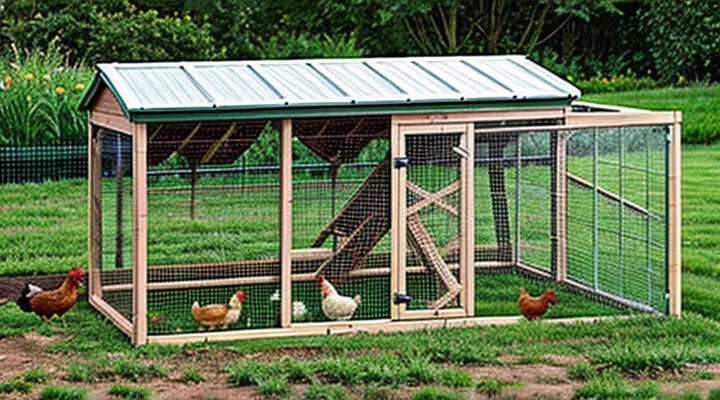
Understanding the Threat: Why Rats are a Problem for Chicken Coops
The Dangers Rats Pose to Chickens and Eggs
Disease Transmission Risks
Rats entering a poultry enclosure pose a direct threat to flock health by carrying pathogens that can spread rapidly among birds. Contact with rodent urine, feces, or contaminated feed introduces bacteria such as Salmonella and Campylobacter, while viral agents like Avian Influenza may be transferred through shared water sources. Parasites, including protozoa and helminths, also exploit rodent activity, contaminating nesting material and increasing morbidity.
Key disease transmission pathways include:
- Direct ingestion of rodent droppings or contaminated feed.
- Indirect exposure via contaminated water troughs.
- Mechanical transfer of pathogens on the bodies of rats moving through the coop structure.
- Airborne spread of bacterial spores dislodged from rodent waste.
Mitigation measures focus on eliminating these pathways. Seal all openings larger than a quarter inch, store feed in rodent‑proof containers, and maintain a dry, clean environment to discourage rodent habitation. Regular inspection for droppings and nesting material enables early detection of infestation, reducing the likelihood of pathogen introduction. Cleaning protocols should incorporate disinfectants effective against bacterial, viral, and parasitic agents, applied after any suspected rodent activity.
By restricting rodent access and promptly addressing contamination, the risk of disease transmission within a chicken coop can be substantially lowered, safeguarding flock productivity and welfare.
Predation on Chicks and Eggs
Rats target newly hatched chicks and unprotected eggs, causing rapid loss of stock and compromising flock health. Direct attacks occur when rodents enter nesting boxes, gnaw through wire mesh, or exploit gaps in the coop floor. Egg shells provide easy access to nutrient‑rich contents, while vulnerable chicks lack the defensive reflexes of adult birds.
Effective countermeasures focus on exclusion, sanitation, and monitoring.
- Install hardware‑cloth or stainless‑steel mesh with openings no larger than ¼ inch on all vents, windows, and doorways.
- Seal floor seams with concrete or metal flashing to eliminate burrowing routes.
- Elevate nesting boxes on sturdy stands, maintaining a minimum clearance of 6 inches from the ground.
- Remove spilled feed, water drips, and debris daily; rodents are attracted to food residues and standing moisture.
- Deploy snap traps or electronic devices along established runways, positioning them away from chickens to prevent accidental injury.
- Conduct weekly inspections, recording any signs of gnaw marks, droppings, or disturbed nests; early detection limits damage.
Integrating these practices reduces the likelihood of rat‑induced predation, safeguarding both embryos and hatchlings within the coop environment.
Stress and Health Issues for Hens
Rats entering a coop create competition for food, increase noise levels, and trigger predator‑like responses in hens. The resulting stress elevates cortisol‑like hormones, suppresses immune function, and disrupts normal egg production. Chronic stress also predisposes birds to respiratory infections, feather pecking, and reduced hatchability.
Typical indicators of stress and related health problems include:
- Decreased feed intake and weight loss
- Irregular or halted laying cycles
- Elevated mortality or sudden deaths
- Feather loss, especially around the vent and tail
- Respiratory distress, such as coughing or nasal discharge
Mitigation measures focus on eliminating rodent access and reducing environmental stressors. Seal all openings larger than a quarter‑inch, install sturdy wire mesh on ventilation slots, and keep feed stores airtight. Regularly clean droppings and replace bedding to limit ammonia buildup. Provide nesting boxes away from high‑traffic areas to give hens quiet, secure sites for laying. Monitor birds daily for the listed signs; early detection allows prompt veterinary intervention, preserving flock health and productivity.
Signs of Rat Infestation Around the Coop
Droppings and Gnaw Marks
Droppings found on roosts, feed bins, or floorboards indicate active rodent presence. Fresh, dark pellets are typically 1‑2 mm in length and may appear in clusters near food sources. Accumulated waste contaminates feed, spreads disease, and attracts additional pests. Immediate removal with disposable gloves and thorough disinfection reduces health hazards and eliminates scent trails that rodents follow.
Gnaw marks reveal structural compromise and feeding behavior. Characteristic shallow, crescent‑shaped bites appear on wooden beams, wire mesh, and plastic feeders. Damage to insulation or wiring creates new entry points and increases fire risk. Inspection of all surfaces for fresh chew evidence should occur weekly, with particular focus on corners and hidden cavities.
Practical steps to mitigate these signs:
- Remove all droppings, sanitize with a rodent‑approved disinfectant, and replace contaminated feed.
- Seal cracks, holes, and gaps larger than ¼ inch using steel wool, hardware cloth, or cement.
- Install chew‑resistant feeders and nesting boxes constructed from metal or reinforced plastic.
- Deploy snap traps or electronic devices along identified gnaw paths, positioning them away from chicken access.
- Conduct nightly visual checks for new droppings or bite marks; document findings to track infestation trends.
Tunneling and Burrows
Rats often gain entry to a chicken enclosure by digging tunnels and creating burrows beneath the structure. Their ability to navigate through loose soil allows them to bypass surface barriers and reach nesting boxes, feed storage, and water sources. Continuous soil moisture and soft ground accelerate burrow formation, while gaps around the foundation provide easy access points.
Effective countermeasures focus on eliminating subterranean routes:
- Install a concrete or compacted‑earth skirt extending at least 12 inches below ground level around the coop perimeter.
- Attach hardware cloth (¼‑inch mesh) to the underside of the coop floor, securing it with heavy‑duty staples or masonry anchors.
- Backfill the skirt with a layer of coarse sand or small gravel to discourage digging and to create an unstable surface for rodents.
- Seal all gaps around utility lines, ventilation pipes, and door frames with metal flashing or silicone sealant.
- Maintain a dry, well‑drained area surrounding the coop; remove debris, excess feed, and standing water that attract rats.
Regular inspection of the foundation and the soil surface for fresh tunnel openings enables prompt repair before infestations become severe. By reinforcing the lower boundary of the enclosure and managing environmental conditions, the risk of rat intrusion through tunneling is substantially reduced.
Missing Feed or Eggs
Rats enter a coop in search of easy food sources, often resulting in missing feed and stolen eggs. Their presence not only reduces productivity but also spreads disease among the flock.
Identifying the problem begins with daily inspection of feed containers and nesting boxes. Signs include empty feed bins, chewed packaging, and broken shells. Prompt detection allows immediate corrective action before losses increase.
Effective countermeasures include:
- Securing feed in metal containers with tight‑fitting lids; plastic bags attract rodents and should be avoided.
- Elevating feed stations on sturdy platforms at least 12 inches above the ground to hinder climbing.
- Installing metal or hardware‑cloth mesh around nesting boxes; mesh size no larger than ¼ inch blocks entry.
- Applying rodent‑proof barriers such as concrete or stone around the coop perimeter; smooth surfaces prevent burrowing.
- Using traps or bait stations placed away from chickens, following local regulations for safe usage.
Maintaining a clean environment further reduces attraction. Remove spilled grain, dispose of broken eggs promptly, and keep the coop floor dry. Regularly trim vegetation and eliminate debris within a 10‑foot radius to limit hiding places.
Combining physical barriers, secure storage, and vigilant monitoring creates a robust defense against rodents, protecting both feed supplies and egg production.
Proactive Measures to Prevent Rat Infestation
Securing the Coop Structure
Reinforcing Walls and Floors
Reinforcing the walls and floors of a chicken coop creates a barrier that prevents rats from entering and gnawing structural components. Solid, smooth surfaces deny rodents footholds, while sealed joints eliminate gaps that serve as entry points.
- Install hardware‑cloth or metal mesh (minimum ¼‑inch gauge) on the interior side of walls before applying exterior siding. Overlap edges by at least 2 inches and fasten with rust‑proof screws.
- Apply a waterproof, cement‑based coating to the floor. The coating should be at least ½ inch thick and extend 6 inches up the wall to form a continuous slab.
- Seal all seams, corners, and openings with high‑temperature silicone sealant. Pay special attention to vent covers, door frames, and utility pipe penetrations.
- Use metal flashing around the base of the coop to direct water away and to create a physical barrier that rats cannot chew through.
Regular inspection of reinforced areas is essential. Look for rust, corrosion, or loosened fasteners and repair immediately to maintain an impenetrable enclosure.
Using Hardware Cloth for Openings
Hardware cloth, with a mesh size of ¼‑inch (6 mm) or smaller, creates a barrier that rodents cannot squeeze through. When installed around all openings—ventilation slots, door frames, and access panels—it prevents rats from exploiting gaps while allowing airflow and light for the flock.
To secure an opening, cut the hardware cloth to exceed the aperture by at least two inches on each side. Position the cut piece over the gap, then fasten it with stainless‑steel screws or self‑drilling nails, spacing fasteners no more than six inches apart. Apply a thin bead of exterior‑grade silicone sealant around the perimeter to block any residual crevices.
For door and hatch entries, attach a rectangular strip of hardware cloth to the interior side of the frame, then overlay a second strip on the exterior side. Overlap the strips by one inch and secure both layers independently; the double barrier deters rats that might attempt to gnaw around a single layer.
Regular inspection should focus on the integrity of the mesh. Replace any sections showing rust, corrosion, or torn wires promptly, because compromised areas become entry points. Cleaning the cloth with a mild detergent and water maintains its structural strength without attracting pests.
By integrating hardware cloth into every opening, a coop gains a durable, rat‑proof envelope that preserves the safety of the birds while meeting ventilation requirements.
Sealing Gaps and Cracks
Sealing gaps and cracks forms the primary barrier that prevents rodents from entering a poultry enclosure. All openings, including those around doors, windows, ventilation ducts, and foundation joints, must be inspected and closed with durable, non‑chewable materials such as steel mesh, hardware cloth, or silicone‑based sealants. Attention to small entry points—like gaps around pipe penetrations or loose siding—eliminates the routes rats use to infiltrate the coop.
• Identify every potential opening by conducting a systematic walk‑around, probing with a flashlight and a thin wire.
• Apply stainless‑steel mesh (minimum ¼‑inch gauge) over larger gaps, securing it with rust‑resistant staples or screws.
• Fill narrow cracks with a high‑quality silicone sealant that remains flexible under temperature fluctuations.
• Reinforce door sweeps and hinge plates to maintain continuous contact with the floor when closed.
• Inspect and re‑seal any compromised areas after severe weather or seasonal changes.
Regular maintenance of these seals ensures the structural integrity of the coop remains uncompromised, thereby reducing the likelihood of rat activity and protecting the flock’s health and productivity.
Managing Feed and Water Sources
Storing Feed in Rodent-Proof Containers
Storing feed in containers that prevent rodent access eliminates a primary food source, reducing the likelihood of infestations near the coop. Secure storage also preserves nutritional quality and prevents waste spillage that attracts pests.
Effective containers share several features: thick, rigid walls; tight-fitting lids with locking mechanisms; smooth interior surfaces that hinder chewing; and materials resistant to gnawing, such as heavy‑duty plastic or metal. Seams and joints must be sealed to avoid gaps.
Practical steps for implementation:
- Choose containers rated for outdoor use and labeled “rodent‑proof” or “pest‑resistant.”
- Verify that lids lock securely; screw‑type closures provide added protection.
- Place containers on raised platforms or pallets to keep feed off the ground and away from burrowing activity.
- Store containers in a dry, shaded area to prevent moisture buildup and discourage nesting.
- Inspect seals and locks regularly; replace damaged units promptly.
By integrating these measures, feed remains inaccessible to rats, contributing to the overall security of the poultry enclosure.
Avoiding Spillage and Leftovers
Rats are drawn to any source of food residue within a coop area; even small crumbs can sustain a population that threatens poultry health and coop integrity.
Preventing spillage begins with proper feeder design. Choose feeders with sealed lids and adjustable flow controls that release feed only when chickens peck. Position feeders on raised platforms to keep feed away from the ground. Clean spill zones daily with a stiff brush and a mild detergent, then rinse thoroughly to remove lingering odors.
Managing leftovers requires strict waste handling. Store all unused feed, grain, and kitchen scraps in airtight containers made of metal or heavy‑wall plastic. Dispose of waste in sealed bins placed at a distance from the coop, preferably on a concrete base to deter burrowing. Schedule regular removal of trash, ensuring bins are emptied before waste accumulates.
Key practices for eliminating food attractants:
- Use sealed, elevated feeders.
- Sweep and wash feeding areas each morning.
- Keep feed storage airtight and off the coop floor.
- Place waste bins on non‑soil surfaces, away from the coop.
- Remove and replace trash containers weekly.
Consistent application of these measures removes the primary nutritional incentive for rats, reinforcing overall rodent‑prevention efforts in the chicken coop environment.
Elevating Feeders and Waterers
Elevating feeders and waterers creates a physical barrier that limits rat access to food and water sources. When supplies sit above ground level, rodents must climb or jump, tasks that become increasingly difficult with proper height and secure mounting. This reduction in available resources directly discourages infestation and supports overall coop health.
Recommended installation height ranges from 12 to 18 inches above the coop floor. Heights below 12 inches allow most rats to reach the supplies, while heights above 18 inches may hinder chickens’ ability to feed comfortably. Secure brackets or sturdy shelves should attach to the coop’s frame, preventing wobble and eliminating gaps that rats could exploit.
Key considerations for effective elevation:
- Use metal or reinforced plastic brackets resistant to gnawing.
- Ensure brackets are fastened with rust‑proof screws to maintain long‑term stability.
- Position feeders and waterers away from walls to avoid rats using vertical surfaces as ladders.
- Include a smooth, non‑porous surface beneath the supplies to deter nesting.
- Regularly inspect mounting points for signs of wear or chewing.
«Elevated placement reduces rodent access» and, when combined with routine cleaning and sealed entry points, forms a critical component of a comprehensive rat‑prevention strategy for any chicken enclosure.
Maintaining a Clean Environment
Regular Coop Cleaning Schedule
A disciplined cleaning routine reduces food residue, moisture, and shelter that attract rodents to a poultry enclosure.
- Daily: remove dropped feed, replace water containers, wipe surfaces with a mild disinfectant, inspect for droppings or gnaw marks.
- Weekly: empty and clean nesting boxes, scrub roosting bars, sweep and vacuum the floor, sanitize feeders and drinkers, check for gaps in wire mesh.
- Monthly: disassemble removable panels, scrub interior walls with hot water and a safe detergent, replace bedding material, apply a non‑toxic barrier to potential entry points, conduct a thorough inspection of the coop’s foundation and surrounding area.
- Seasonal: before winter, seal any cracks exposed by frost, increase bedding depth to absorb moisture, and store feed in rodent‑proof containers; in spring, clear vegetation around the coop, trim overgrown grass, and re‑evaluate the perimeter fence for integrity.
Consistent adherence to this schedule deprives rats of nourishment and hiding places, thereby strengthening the overall rodent‑prevention strategy.
«A clean coop is a secure coop».
Removing Debris and Clutter
Removing debris and clutter is a fundamental step in securing a chicken enclosure against rodent intrusion. Loose straw, broken equipment, and accumulated waste create hiding places and travel routes for rats. Eliminating these elements reduces shelter availability and forces pests to seek alternative habitats, decreasing the likelihood of infestation.
Practical measures include:
- Sweeping the coop floor daily to discard spilled feed and droppings.
- Disposing of broken nesting boxes, rusted wire, and damaged perches promptly.
- Storing all feed, seed, and supplemental food in sealed, rodent‑proof containers.
- Relocating garden waste, compost piles, and fallen branches at least three meters from the structure.
- Installing a smooth, non‑porous base (concrete or metal) beneath the coop to prevent burrowing.
Regular inspections should focus on corners, under roosts, and the perimeter where vegetation meets the coop foundation. Any accumulated material identified during these checks must be removed immediately. Consistent upkeep of a clean, uncluttered environment creates a hostile setting for rats, contributing significantly to the overall protection strategy for the poultry shelter.
Trimming Vegetation Around the Coop
Trimming vegetation around a chicken coop reduces hiding places and travel routes for rodents, limiting their ability to reach feed and nesting areas. Dense shrubs, tall grass, and groundcover create sheltered pathways that rats exploit; maintaining a clear perimeter disrupts these routes.
Key actions for effective vegetation management:
- Remove shrubs and bushes within a 3‑meter radius of the coop structure.
- Mow grass weekly during warm months; keep height under 5 cm.
- Eliminate weeds and tall weeds at the base of fences and walls.
- Cut back tree branches that overhang the coop, preventing aerial access.
- Dispose of cut material away from the coop, preferably in sealed containers or compost bins that are rat‑proof.
Regular inspection supports early detection of regrowth. Schedule a visual check after each major weather event and before the start of the breeding season. Replace removed plants with low‑maintenance groundcover such as clover or thyme, which are less attractive to rodents and provide additional benefits for chickens.
By keeping the area around the coop open and tidy, the likelihood of rat intrusion declines sharply, contributing to a safer environment for the flock.
Reactive Strategies for Rat Control
Trapping Methods
Snap Traps
Snap traps provide rapid, lethal control of rats that threaten poultry enclosures. The mechanism relies on a spring‑loaded bar that releases when a rodent triggers a pressure plate, delivering an instantaneous kill.
Effective deployment requires strategic positioning. Recommended locations include:
- Along walls where rats travel, typically within 10 cm of the baseboard.
- Near feed storage containers, avoiding direct contact with feed.
- Inside drift holes or gaps in the coop foundation, ensuring the trap’s trigger faces the expected entry route.
Placement must consider predator safety. Traps should be mounted on platforms or within cages that prevent chickens or other non‑target animals from accessing the trigger. Securing the device with a wire mesh or wooden shield eliminates accidental activation by poultry.
Selection criteria focus on size, sensitivity, and durability. Choose traps sized for adult rats, with a trigger force calibrated to the target’s weight. Stainless‑steel construction resists corrosion from coop humidity, extending service life.
Maintenance involves regular inspection, prompt disposal of captured rodents, and resetting of the spring mechanism. After each capture, wear gloves, seal the carcass in a disposable bag, and dispose of it according to local regulations. Replace bait or attractant only if it becomes contaminated.
Snap traps complement other rodent‑management tactics such as exclusion, sanitation, and habitat modification, delivering immediate population reduction while minimizing chemical exposure within the chicken environment.
Live Traps
Live traps provide a humane solution for removing rodents that threaten a hen house. The devices capture rats without killing them, allowing relocation away from the coop.
Effective use of live traps requires strategic placement. Position traps along walls, near feeding stations, and in dark corners where rats travel. Ensure traps rest on a stable surface to prevent escape.
Bait selection influences trap success. Peanut butter, dried fruit, or bits of cheese attract rats reliably. Apply a small amount to the trigger mechanism, avoiding excess that could allow the animal to feed without activating the trap.
Check traps at least twice daily. Prompt removal of captured rats reduces stress on the animal and prevents scent buildup that may deter further catches. Release captured rodents at a distance of several miles from the coop, preferably in a wooded area with ample cover.
Maintenance prolongs trap effectiveness. Clean each device with mild soap and water after every use. Inspect moving parts for wear, replace broken components, and verify that the trigger remains sensitive.
Combining live traps with proper coop sanitation—such as regular removal of spilled feed and sealing entry points—creates a comprehensive defense against rodent infestation. This approach minimizes damage to feed, reduces disease risk, and preserves the welfare of both chickens and captured rats.
Placement Strategies for Traps
Effective trap placement reduces rodent activity around a poultry shelter. Position devices where rats travel most frequently and where food sources are accessible.
- Near the entrance tunnel or door gap, within 12‑18 inches of the opening. Rats enter through the smallest opening; a trap placed at this point intercepts movement.
- Along the perimeter wall, at the base of the coop. Rats often run along walls to avoid open space; a line of traps spaced every 2‑3 feet creates a barrier.
- Adjacent to feed storage containers, especially metal bins. Position traps on the side facing the coop to capture rodents seeking food.
- Under nesting boxes or roosting platforms. Rats exploit gaps beneath these structures; a low‑profile trap placed here targets individuals climbing for shelter.
- In the immediate vicinity of water sources, such as drinker lines or troughs. Moisture attracts rodents; a trap positioned a few inches from the water line intercepts thirsty visitors.
When deploying traps, maintain a clear line of sight to monitor activity. Replace bait regularly with high‑protein items like peanut butter or dried fruit. Ensure traps are secured to the ground to prevent displacement by wind or animal interference. Rotate trap locations weekly to avoid habituation, moving devices to new high‑traffic zones while keeping the overall pattern consistent. This systematic approach maximizes capture rates and protects the coop’s inhabitants from rodent damage.
Natural Deterrents and Predators
Introducing Barn Cats or Dogs
Barn cats and dogs provide a natural line of defense against rodent intrusion in poultry housing. Their predatory instincts create continuous pressure on rat populations, reducing the likelihood of infestation.
Cats excel at stealth hunting, can navigate tight spaces, and require minimal supervision. Their presence alone discourages rats from approaching the coop, and any captured prey is eliminated quickly.
Dogs contribute by patrolling the perimeter, emitting noises that startle rodents, and protecting the yard from larger pest incursions. Certain breeds, such as terriers, possess strong prey drives and can be trained to avoid harming chickens.
Selection criteria include health status, temperament toward poultry, and breed suitability. Animals must be vaccinated, free of parasites, and socially accustomed to the presence of birds. Compatibility testing should involve short, supervised interactions before full integration.
Implementation steps:
- Choose a cat breed with proven rodent‑control track records (e.g., domestic shorthair) or a dog breed known for vigilance (e.g., terrier, herding breed).
- Conduct veterinary examinations, update vaccinations, and treat for parasites.
- Introduce the animal to the coop gradually: start with a secure enclosure, allow visual contact, and increase access over several days.
- Monitor behavior daily, noting any aggression toward chickens or lack of hunting activity.
- Adjust feeding schedules to ensure the animal relies on hunting rather than supplemental feed, maintaining motivation to seek out rats.
Properly managed, barn cats or dogs become reliable partners in maintaining a rat‑free environment for poultry.
Encouraging Natural Predators like Owls
Encouraging resident owls creates a biological barrier that reduces rodent activity around a poultry enclosure. Owls hunt primarily at night, targeting rats and mice that seek shelter near feed and water sources. Their presence discourages these pests from establishing burrows or foraging paths close to the coop.
To attract and retain owls, implement the following measures:
- Install sturdy nesting boxes at a height of 12–15 feet, mounted on a pole or tree trunk, with an entrance hole of 5–6 inches to suit common species such as the barn owl and great horned owl.
- Position boxes in open areas that provide clear flight routes and unobstructed views of the surrounding fields.
- Preserve mature trees or install artificial perches near the coop to offer daytime roosting sites.
- Keep the coop yard free of dense underbrush, which can conceal predators of owls and reduce visibility for hunting.
- Avoid the use of rodenticides and broad‑spectrum insecticides that may poison owls directly or diminish their prey base.
Complementary actions enhance the effectiveness of owl predation. Secure feed containers with tight lids to limit accessible food, and maintain regular cleaning routines to remove spilled grain that attracts rodents. Install low‑profile fencing that deters rats from climbing but does not obstruct owl flight paths. By integrating these habitat improvements with vigilant coop management, the natural predation pressure from owls becomes a reliable component of rodent control.
When to Consider Professional Pest Control
Persistent Infestations
Persistent infestations describe a situation in which rats repeatedly occupy a chicken coop despite previous control attempts. The problem persists when entry points remain open, food residues are accessible, or shelter conditions are favorable.
Typical signs include fresh droppings near nesting boxes, gnawed wood or wire, burrows along the perimeter, and audible scurrying at night. Observation of these indicators should trigger immediate corrective action.
Primary causes are inadequate exclusion, abundant feed, standing water, and structural gaps larger than a quarter‑inch. Proximity to grain fields or compost heaps also encourages rodent activity. Eliminating these attractants removes the foundation of an infestation.
Effective interventions:
- Seal every opening with hardware cloth or metal flashing; ensure gaps are no larger than ¼ in. («Rats will exploit any opening larger than ¼ inch.»)
- Store feed in sealed containers; clean spilled grain daily.
- Install snap traps or electronic kill traps along established runways; check and reset them each morning.
- Place tamper‑resistant bait stations in protected areas; rotate locations periodically.
- Encourage natural predators such as barn owls by installing perch rods and nesting boxes.
- Conduct weekly inspections of the coop’s exterior and interior, documenting any new damage.
Sustained success requires a maintenance schedule that includes regular inspection, prompt repair of any breach, and periodic renewal of trapping devices. Consistency prevents rats from re‑establishing a foothold, ensuring the coop remains a safe environment for the flock.
Large Rat Populations
Large rat populations are characterized by rapid breeding cycles, high survivorship, and the ability to exploit limited resources. A single female can produce up to 12 litters per year, each containing 6–10 offspring, allowing numbers to double within weeks under favorable conditions. Dense colonies often establish permanent burrows near food sources, creating a persistent pressure on nearby structures.
The presence of extensive rodent colonies near a poultry enclosure increases the likelihood of structural damage, feed contamination, and disease transmission. Rats readily gnaw through wire mesh, wooden framing, and insulation, compromising the integrity of the coop. Their droppings and urine serve as vectors for pathogens such as Salmonella, Campylobacter, and Leptospira, which can affect both birds and humans.
Effective mitigation focuses on three core actions:
- Environmental sanitation: Remove spilled feed, store grain in sealed containers, and eliminate debris that provides shelter.
- Physical barriers: Install stainless‑steel mesh (minimum 2 mm gauge) on all openings, seal gaps with metal flashing, and elevate nesting boxes to reduce ground access.
- Population control: Deploy snap traps or electronic bait stations in accordance with local regulations, and consider professional rodenticide application for severe infestations.
« Continuous monitoring of activity tracks, such as fresh gnaw marks or droppings, confirms the success of preventive measures and guides timely adjustments. »
Health and Safety Concerns
Rats introduce pathogens that can compromise poultry health and pose zoonotic risks to humans. Direct contact with rodent droppings, urine, or saliva may transmit salmonellosis, leptospirosis, and hantavirus, leading to illness in chickens and potential exposure for caretakers handling eggs or meat.
Contamination of feed and water supplies occurs when rodents gnaw containers or spill stored grain. Ingested or polluted feed reduces nutritional quality, encourages digestive disorders, and creates breeding grounds for bacteria. Sealing feed bins with rodent‑proof lids and positioning waterers on elevated platforms prevent access and maintain hygiene.
Structural damage caused by gnawing can weaken coop integrity, creating gaps that allow predators or weather intrusion. Compromised walls or floors increase the likelihood of injury to birds, while exposed wiring may spark fires if rodents chew electrical components. Regular inspection of all joints, vents, and wiring, followed by immediate repair, sustains a safe environment.
Chemical control measures demand careful selection and application. Rodenticides placed within the coop must be rodent‑specific, non‑toxic to birds, and secured in tamper‑proof containers. Over‑reliance on poison can lead to secondary poisoning of chickens that ingest dead rodents. Integrated pest management—combining habitat modification, traps, and targeted bait—reduces reliance on toxic agents.
Key preventive actions:
- Install fine‑mesh hardware cloth around vents and openings, ensuring no gaps larger than ¼ inch.
- Elevate feed storage at least 12 inches off the ground, using sealed containers.
- Position water dispensers on raised platforms with metal fittings resistant to gnawing.
- Deploy snap or live‑catch traps in external run areas, checking and resetting daily.
- Conduct quarterly structural audits, focusing on wooden beams, wire mesh, and electrical lines.
Adhering to these practices safeguards poultry health, protects caretaker well‑being, and preserves the structural integrity of the coop.