
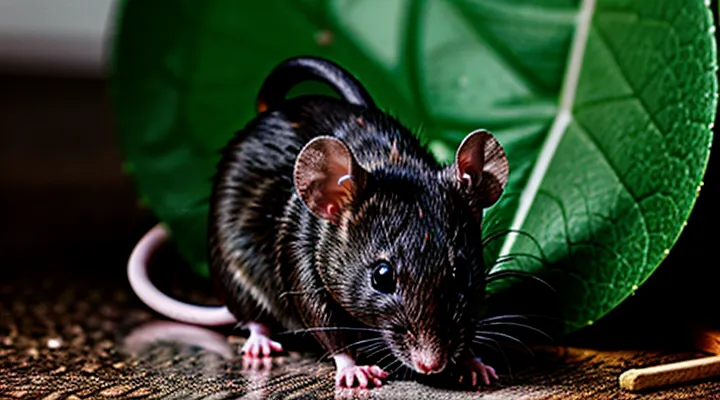
Understanding the Risks of Rodent Infestations
Health Hazards Posed by Rodents
Disease Transmission
Rodent control agents must be prepared with strict attention to pathogen containment. Rats and mice harbor bacteria, viruses, and parasites that can survive on surfaces, in bodily fluids, and within contaminated equipment. Handling infected carcasses or excreta during formulation creates a direct route for disease transfer to humans, domestic animals, and non‑target wildlife.
Common agents include Salmonella spp., Leptospira spp., hantaviruses, and Toxoplasma gondii cysts. These microorganisms persist in moist environments and may be aerosolized when powders are mixed or liquids are stirred. Contact with contaminated tools or inadequate hand hygiene elevates infection risk.
Preventive actions during preparation:
- Wear disposable gloves, impermeable gowns, and face shields; replace gloves after each exposure to rodent material.
- Conduct all mixing in a certified biosafety cabinet or well‑ventilated area equipped with HEPA filtration.
- Disinfect work surfaces with a 10 % bleach solution before and after each batch.
- Use dedicated utensils and containers that are labeled for rodent‑specific use only.
- Store raw rodent material in sealed containers at 4 °C to limit bacterial growth.
After formulation, decontaminate all equipment by immersing in a 1 % sodium hypochlorite solution for at least 10 minutes, followed by thorough rinsing with hot water. Dispose of waste according to local hazardous material regulations; never discard contaminated residues in regular trash or sewage. Maintaining these protocols eliminates the primary pathways for disease spread while ensuring that the rodent control product remains safe for intended use.
Allergic Reactions and Asthma Triggers
Allergic reactions can arise during the formulation of rodent control agents. Contact with powdered active ingredients may provoke skin irritation or urticaria in sensitized individuals. Latex gloves, commonly used for protection, contain proteins that trigger immediate‑type hypersensitivity. Protective clothing made of synthetic fibers can release fibers that act as irritants when inhaled.
Asthma triggers are associated with airborne particles generated when mixing or grinding toxic compounds. Fine dust from anticoagulants or rodenticides can be inhaled, leading to bronchoconstriction in susceptible workers. Volatile solvents employed to dissolve active substances produce vapors that irritate the respiratory tract and exacerbate asthma symptoms.
Mitigation measures include:
- Wearing nitrile gloves instead of latex to eliminate latex‑induced allergy.
- Using sealed mixing containers to contain dust and vapors.
- Implementing local exhaust ventilation to remove airborne particles.
- Selecting low‑dust formulations when possible.
Monitoring for signs of allergic response—such as itching, rash, or wheezing—allows prompt medical evaluation. Substituting allergen‑free protective equipment and ensuring adequate ventilation reduce the risk of occupational asthma and hypersensitivity during the preparation of rodent control products.
Property Damage Caused by Rodents
Structural Damage
Rats and mice compromise building integrity by gnawing insulation, wiring, and structural supports. Damage to electrical circuits creates fire hazards, while weakened joists and wall studs lead to costly repairs. Prompt elimination of infestations limits exposure time and preserves the longevity of residential and commercial properties.
Effective preparation of a non‑toxic rodenticide reduces structural damage by targeting pests without endangering occupants. Key practices include:
- «Use a formulation that deactivates after ingestion, preventing secondary contamination of surfaces.»
- «Employ precise dosage to avoid accidental poisoning of non‑target species, maintaining environmental safety.»
- «Store the bait in sealed, child‑proof containers to prevent unauthorized access and preserve potency.»
- «Apply bait stations near identified activity zones, ensuring direct contact with rodent pathways and minimizing spread to structural elements.»
Adherence to these guidelines secures the building envelope, limits repair expenses, and upholds safety standards throughout the eradication process.
Contamination of Food and Surfaces
Contamination of food and surfaces directly affects the safety and efficacy of rodent bait. Residues from previous meals, spills, or cleaning agents can dilute or neutralize active ingredients, leading to reduced lethality and increased risk of accidental ingestion by non‑target species.
- Food remnants left on countertops or floors provide alternative nutrition, discouraging rodents from seeking bait.
- Grease, oil, or detergent films create barriers that prevent poison from contacting the rodent’s mouth.
- Moisture from spills or humid environments accelerates degradation of toxic compounds, shortening shelf life.
- Cross‑contamination from pet food or human snacks introduces competing odors, reducing bait attractiveness.
To prevent these issues, all preparation areas must be cleared of edible matter before mixing bait. Surfaces should be wiped with a dry cloth, followed by a solvent‑free disinfectant that leaves no residue. After mixing, bait must be placed in sealed containers made of non‑porous material and stored away from any food sources. Labels indicating “Poison – Keep Separate from Food” must be affixed to each container.
Regular inspection of storage locations ensures that no accidental exposure occurs. Any sign of moisture, pest activity, or foreign material requires immediate disposal of the affected batch and replacement with a fresh mixture. Maintaining a strict separation between bait and consumable items eliminates the primary pathways for contamination, safeguarding both target control objectives and overall health standards.
Safe and Ethical Rodent Control Methods
Non-Toxic Alternatives for Rodent Deterrence
Exclusion Techniques
Effective exclusion reduces reliance on toxic bait and limits exposure risks for non‑target species. The strategy begins with sealing all potential entry points. Inspect walls, foundations, and utility openings; apply steel‑wool, copper mesh, or cement‑based sealants to gaps larger than ¼ inch. Install door sweeps and weather‑stripping on exterior doors to prevent rodents from slipping beneath.
Next, manage interior pathways that facilitate movement. Remove clutter, store food in airtight containers, and keep waste in sealed bins. Position heavy‑duty screens over ventilation grilles, ensuring no perforations remain. Regularly trim vegetation and remove debris within a three‑meter perimeter to eliminate shelter and travel routes.
Supplement exclusion with physical barriers around bait stations. Use tamper‑resistant containers equipped with lockable lids, limiting access to authorized personnel only. Deploy bait stations on elevated platforms or within enclosed enclosures that prevent accidental contact by pets or children. Ensure stations are placed away from high‑traffic human areas.
Key exclusion techniques include:
- Sealing structural gaps with durable materials
- Installing door sweeps and weather‑stripping
- Applying screens to vents and utility openings
- Maintaining a clean, clutter‑free interior environment
- Implementing tamper‑resistant bait containers
Consistent application of these measures creates a controlled environment where safe rodent control agents can operate with minimal risk to unintended recipients.
Trapping Methods
Effective rodent management relies on combining chemical and mechanical controls. Traps reduce the amount of poison required, limit secondary poisoning, and protect non‑target species.
- Snap traps: steel spring mechanisms deliver rapid lethal force. Position near walls, behind objects, and along established runways. Use bait that complements the prepared rodenticide to increase capture rates.
- Live‑capture cages: wire mesh enclosures allow humane removal. Bait with attractive food, check frequently, and relocate captured individuals according to local regulations.
- Electronic traps: high‑frequency voltage delivers instant death. Batteries provide reliable operation in sealed environments; maintenance involves periodic voltage checks.
- Glue boards: adhesive surfaces immobilize rodents. Deploy in concealed locations, replace when saturated, and handle captured animals with protective gloves to avoid contaminating the poison.
Safety considerations include:
- Isolate traps from human traffic and pet access to prevent accidental contact with the formulated poison.
- Label each trap with the intended bait type, ensuring that only the approved rodenticide is used.
- Wear disposable gloves when loading bait, and sanitize hands after handling traps.
- Store traps in locked containers when not in use, maintaining a clear inventory to avoid cross‑contamination.
Regular inspection prevents bait degradation and trap failure. Dispose of dead rodents in sealed bags, followed by incineration or approved waste services. Clean and disinfect traps after each use to maintain efficacy and reduce disease transmission.
«Integrated pest control achieves reliable results while minimizing health risks».
The Concept of «Safe» Rodenticides
Misconceptions and Dangers
Misconceptions about rodent toxicants often lead to unsafe practices. Some assume that any household chemical can serve as an effective bait, that mixing substances increases potency, or that dilution eliminates risk. In reality, only products authorized for rodent control possess the required toxicity profile and safety data. Unapproved mixtures may lack consistent dosage, produce unpredictable effects, and increase the chance of non‑target exposure.
Real dangers arise from improper formulation, inadequate labeling, and careless storage. Accidental ingestion by children or pets, contamination of food supplies, and the development of resistant rodent populations are documented outcomes of flawed preparation. Environmental runoff can spread toxic residues beyond intended zones, threatening wildlife and water sources.
-
Misconception: «Any poison works if the dose is high enough».
Fact: Regulatory approval ensures a specific active ingredient concentration; excess does not improve efficacy and heightens risk. -
Misconception: «Mixing different poisons creates a stronger bait».
Fact: Chemical interactions can neutralize effectiveness or produce hazardous by‑products. -
Misconception: «Diluting a concentrate makes it safe for all animals».
Fact: Dilution reduces potency for target rodents while leaving residues that may still harm non‑target species. -
Misconception: «Unlabeled homemade bait is acceptable if it kills rats».
Fact: Proper labeling conveys hazards, dosage instructions, and emergency measures; omission endangers anyone handling the product. -
Danger: Accidental exposure of humans or domestic animals.
Mitigation: Store bait in locked containers, keep away from food preparation areas, and use tamper‑proof dispensers. -
Danger: Environmental contamination through leaching or runoff.
Mitigation: Apply bait only in sealed stations, avoid placement near water sources, and follow disposal guidelines for excess product. -
Danger: Development of rodent resistance.
Mitigation: Rotate active ingredients according to integrated pest‑management recommendations and monitor efficacy regularly.
Legal and Ethical Considerations
Legal frameworks governing the formulation of rodent control agents impose specific obligations. Federal statutes classify toxic substances as restricted chemicals, requiring registration with the Environmental Protection Agency. State legislation often adds licensing prerequisites for manufacturers and distributors. Compliance demands:
- Registration of the product formulation with the appropriate regulatory body.
- Inclusion of a Material Safety Data Sheet that details composition, hazards, and emergency procedures.
- Adherence to labeling standards that list active ingredients, concentration, and usage instructions.
- Maintenance of records documenting batch production, distribution, and disposal for a minimum of three years.
Ethical considerations focus on minimizing suffering and preventing unintended harm. Standards for humane pest management discourage the use of poisons that cause prolonged distress. Alternatives such as exclusion techniques, trapping, and habitat modification receive preference when they achieve comparable efficacy. Risk assessments must evaluate exposure potential for non‑target wildlife, domestic animals, and humans. Mitigation strategies include tamper‑proof bait stations, targeted placement, and clear signage to reduce accidental contact.
Operational practices that align with both legal and moral requirements include secure storage in locked facilities, regular training of personnel on safe handling, and routine audits to verify adherence to statutory provisions. Failure to meet these criteria can result in civil penalties, criminal prosecution, and loss of licensure.
Evaluating Commercial Rodenticide Options
Active Ingredients and Their Mechanisms
Anticoagulants
Anticoagulant rodenticides disrupt blood clotting by inhibiting vitamin K epoxide reductase, leading to internal hemorrhage in rats and mice. Two principal groups exist: first‑generation compounds such as warfarin and chlorophacinone, which require multiple feedings to achieve lethality, and second‑generation agents like bromadiolone, difenacoum and brodifacoum, which act after a single ingestion due to higher potency.
Safety measures focus on limiting exposure to non‑target organisms and reducing secondary poisoning risk. Effective practices include:
- Selecting compounds with low secondary toxicity when possible.
- Formulating bait at the minimum effective concentration to achieve rodent control.
- Incorporating bittering agents or physical barriers to deter ingestion by pets and wildlife.
- Placing bait stations in locations inaccessible to children and domestic animals.
Handling protocols demand personal protective equipment, clear labeling, and secure storage. Recommended actions are:
- Wear gloves and eye protection during mixing and dispensing.
- Keep containers sealed and store them in a locked, temperature‑controlled area.
- Record batch numbers, concentration, and placement details for traceability.
- Dispose of unused bait and contaminated materials according to hazardous waste regulations.
Compliance with regional pesticide legislation requires documentation of usage, adherence to authorized concentration limits, and prompt reporting of accidental exposures. Maintaining these standards ensures that anticoagulant formulations achieve rodent control objectives while protecting human health and the environment.
Non-Anticoagulant Poisons
Non‑anticoagulant rodenticides provide an alternative to blood‑clotting agents for controlling rat and mouse populations while reducing risks associated with anticoagulant resistance. These compounds act through mechanisms that do not interfere with the coagulation cascade, allowing rapid lethality and limiting secondary poisoning.
Common non‑anticoagulant classes include:
- Metal phosphides (e.g., zinc phosphide, aluminum phosphide) that release phosphine gas upon contact with gastric acids.
- Neurotoxins such as bromethalin, which disrupts mitochondrial ATP production and induces cerebral edema.
- Metabolic disruptors like cholecalciferol, causing hypercalcemia that leads to organ failure.
- Calcium channel blockers (e.g., dinitrofen) that impair cardiac function.
Each class exhibits a distinct mode of action. Metal phosphides generate a toxic gas that penetrates the respiratory system, producing immediate respiratory distress. Bromethalin blocks ion transport across neuronal membranes, resulting in rapid neurological collapse. Cholecalciferol elevates serum calcium levels beyond physiological limits, causing renal and cardiovascular damage. Calcium channel blockers inhibit myocardial contraction, leading to cardiac arrest.
Safety protocols demand secure storage in locked containers, clear labeling with hazard symbols, and the use of personal protective equipment (gloves, goggles, respirators). Handling should occur in well‑ventilated areas to prevent inhalation of volatile gases. Spill kits must be readily available, and contaminated clothing should be removed before leaving the work zone.
Application guidelines prescribe precise bait placement to limit access by non‑target species. Baits are positioned along established rodent pathways, concealed within tamper‑resistant stations. Dosage calculations follow manufacturer specifications, adjusted for local rodent density and environmental conditions. Monitoring intervals of 24–48 hours ensure timely removal of dead rodents, preventing secondary exposure.
Disposal procedures require collection of carcasses in sealed bags, followed by incineration or burial in accordance with local regulations. Residual bait and contaminated materials must be deactivated using approved chemical neutralizers before disposal. Record‑keeping of quantities used and disposal methods supports regulatory compliance and traceability.
Understanding Product Labels and Safety Data Sheets
Dosage and Application Guidelines
Accurate dosage determines efficacy while minimizing risk to non‑target animals. Calculate the required amount of active ingredient by multiplying the target concentration (typically 0.1 %–0.2 % w/w) by the total weight of the bait matrix. For example, a 5 kg batch prepared at 0.15 % requires 7.5 g of the toxic agent.
Apply the following guidelines:
- Measure the active ingredient with a calibrated analytical balance; record the exact weight.
- Dissolve the toxin in a compatible solvent (e.g., water or a mild oil) to achieve a uniform solution.
- Incorporate the solution into the bait material while stirring continuously to prevent localized high concentrations.
- Verify homogeneity by sampling three random portions and analyzing toxin content with a portable test kit.
- Label the finished product with concentration, batch number, and preparation date; store in a locked, ventilated container.
Application instructions:
- Distribute bait in low‑traffic areas where rodent activity is observed; avoid placement near food preparation surfaces.
- Use pre‑measured dispensers that release no more than 0.5 g per feeding station to control intake per animal.
- Monitor consumption daily; replace bait only when depletion exceeds 20 % of the initial quantity.
- Remove and dispose of unused bait after 72 hours to prevent accidental exposure.
Adherence to these dosage and application protocols ensures effective rodent control while maintaining compliance with safety regulations.
First Aid and Emergency Procedures
When a rodent control toxin is mishandled, rapid response prevents severe health consequences. Immediate measures focus on removing the agent, limiting absorption, and securing professional medical assistance.
Initial actions
- Remove contaminated clothing and seal it in a plastic bag.
- Rinse skin or eyes with copious amounts of water for at least 15 minutes; avoid using soaps or solvents.
- If inhaled, move the affected individual to fresh air and keep the airway open.
- For ingestion, do not induce vomiting; encourage drinking small amounts of water or milk if the person is conscious.
Medical response
- Contact emergency services or a poison‑information center without delay.
- Provide details: product name, concentration, amount involved, route of exposure, and time elapsed.
- Follow instructions regarding administration of an appropriate «antidote» or supportive care.
- Transport the victim to the nearest medical facility, ensuring that the safety data sheet accompanies the patient.
Preventive safeguards
- Store the toxic formulation in a locked cabinet, clearly labeled with hazard symbols and the phrase «rodent control toxin – keep out of reach».
- Keep a first‑aid kit equipped with eye‑wash stations, safety showers, and absorbent pads near the storage area.
- Conduct regular training for personnel on decontamination procedures and emergency communication protocols.
Adhering to these steps minimizes the risk of accidental poisoning and ensures a coordinated emergency response.
Responsible Application of Rodenticides
Protecting Children and Pets
Secure Placement of Bait Stations
Secure placement of bait stations is essential for effective rodent control while minimizing risk to humans, pets, and non‑target wildlife. Positioning devices in locations that limit accidental contact reduces liability and enhances public safety.
Key considerations for site selection include:
- Placement along established rodent pathways such as wall voids, behind appliances, and near food sources.
- Distance of at least 10 feet from children’s play areas, food preparation surfaces, and pet feeding stations.
- Installation in concealed yet accessible spots to allow regular inspection without exposing the bait to unintended species.
- Avoidance of areas prone to flooding, excessive moisture, or direct sunlight, which can degrade the toxic compound.
Physical protection measures consist of weather‑resistant housings, tamper‑proof locks, and lockable covers that meet regulatory standards. Stations should be mounted at a height of 6–12 inches above the floor to deter larger non‑target animals while remaining reachable for small rodents. Use of bait stations with built‑in ventilation prevents accumulation of harmful vapors.
Accurate labeling on each unit must display the active ingredient, concentration, hazard symbols, and the date of deployment. Documentation of placement coordinates, inspection dates, and removal schedules supports traceability and compliance with local pest‑management regulations.
Routine monitoring involves weekly visual checks for bait consumption, station integrity, and signs of non‑target interference. Replace depleted or compromised units promptly, and dispose of used bait according to hazardous‑waste guidelines. Continuous adherence to these practices ensures that rodent control efforts remain both effective and safe.
Monitoring and Removal of Carcasses
Effective rodent management requires systematic observation of dead specimens and prompt disposal to prevent secondary poisoning and disease spread. Continuous monitoring involves regular inspection of traps, bait stations, and known activity zones. Documentation of each carcass—date, location, species, and condition—supports accurate assessment of control efficacy and compliance with safety regulations.
Key actions for carcass removal:
- Wear appropriate personal protective equipment (gloves, mask, protective clothing) before handling any specimen.
- Place each carcass in a sealed, puncture‑resistant container to contain potential residual toxin.
- Transport containers to a designated disposal site approved for hazardous waste or to a licensed rendering facility.
- Record disposal details (time, method, receiving facility) in the control log to maintain traceability.
- Decontaminate tools and surfaces with an approved disinfectant after each handling session.
Timely removal minimizes attraction of scavengers, reduces risk of toxin transfer to non‑target animals, and ensures that the poisoning program remains both safe and effective. Regular review of monitoring data informs adjustments to bait placement, dosage, and overall strategy, maintaining compliance with health and environmental standards.
Environmental Considerations
Preventing Secondary Poisoning
Preventing secondary poisoning requires strict control of bait placement, dosage, and waste management.
Bait should be positioned where only target rodents can access it, such as inside sealed bait stations. These stations block entry by non‑target wildlife and domestic pets, reducing the chance that predators or scavengers encounter the poison.
Dosage calculations must reflect the minimum effective amount for a single rodent. Over‑dosing increases the amount of toxic residue in the carcass, raising the risk for secondary consumers.
Waste disposal procedures must remove dead rodents promptly and handle them according to local hazardous‑waste regulations. Failure to do so allows predators to ingest contaminated tissue.
Key practices:
- Install bait stations with lockable lids and small entry holes sized for rats and mice.
- Use anticoagulant compounds at the lowest concentration that achieves rodent mortality within 24 hours.
- Record bait locations and inspect stations daily for signs of tampering or non‑target activity.
- Collect carcasses using gloves, place them in sealed containers, and submit to licensed disposal services.
- Educate household members about the dangers of handling dead rodents and the need to report sightings to pest‑control professionals.
Monitoring predator activity around treatment zones helps identify potential secondary exposure. If predation is observed, adjust bait density or switch to a non‑anticoagulant formulation that poses lower risk to secondary consumers.
Implementing these measures minimizes the transfer of toxic agents through the food chain while maintaining effective rodent control.
Proper Disposal of Rodenticides and Contaminated Materials
Proper disposal of rodenticides and any material that has come into contact with them prevents accidental exposure, environmental contamination, and legal liability. Contaminated containers, unused bait, and debris must be treated as hazardous waste from the moment they are generated.
Key steps for safe disposal:
- Segregate all rodenticide items in a clearly labeled, sealed container that resists puncture and leakage.
- Decontaminate reusable equipment with a detergent solution followed by a rinse with a neutralizing agent approved for the specific active ingredient.
- Transport sealed containers to a licensed hazardous‑waste facility; retain documentation of transfer and receipt.
- For small quantities, follow local regulations that may allow disposal in household hazardous waste collection points, ensuring that the waste is not mixed with regular trash.
- Record disposal actions in a logbook, noting product name, quantity, disposal method, and date.
Regular training of personnel, routine audits of disposal procedures, and compliance with regional environmental statutes sustain a secure and responsible rodent control program.
Post-Extermination Cleanup and Prevention
Sanitization and Disinfection
Cleaning Contaminated Areas
Effective decontamination of spaces where rodent control agents have been applied requires systematic procedures. Initial step involves isolating the area to prevent accidental contact. Secure barriers or warning signs should be placed at entry points until cleaning is completed.
Next, personnel must don appropriate protective equipment: disposable gloves, chemical‑resistant gowns, eye protection, and respiratory masks rated for aerosol particles. Equipment must be inspected for integrity before use.
The cleaning process consists of three phases:
- Surface removal – Sweep or vacuum loose debris using a HEPA‑rated vacuum. Dispose of collected material in sealed, puncture‑resistant containers.
- Chemical neutralization – Apply an approved neutralizing agent compatible with the specific poison formulation. Follow manufacturer‑specified dilution ratios and contact times. Ensure thorough coverage of all contaminated surfaces, including floors, walls, and fixtures.
- Final sanitation – Rinse surfaces with clean water, then mop with a detergent solution. Allow drying time before permitting re‑entry. Verify that residue levels are below regulatory limits using a calibrated detection kit.
All waste, including used absorbent pads, disposable PPE, and contaminated containers, must be labeled as hazardous and transferred to an authorized disposal facility. Documentation of the cleaning operation—date, personnel, materials used, and verification results—should be retained for audit purposes. Regular training of staff on these protocols sustains compliance and minimizes risk of secondary exposure.
Eliminating Odors
Eliminating odors is critical when formulating rodent bait that must remain undetectable to target species while ensuring safety for humans and non‑target animals. Strong scents can alert rats and mice, reducing the effectiveness of the poison and increasing the risk of accidental exposure.
Key measures for odor control:
- Incorporate odor‑neutralizing agents such as activated charcoal, cyclodextrins, or specific fragrance‑masking compounds during mixing.
- Use low‑volatility carriers (e.g., mineral oil, propylene glycol) that release minimal vapor.
- Apply a thin coating of food‑grade wax or polymer film to seal the bait surface, preventing volatile compounds from escaping.
- Store the finished product in airtight, opaque containers made of high‑density polyethylene or glass; include desiccant packets to limit moisture‑driven odor release.
- Maintain low ambient temperature throughout production and storage to reduce evaporation rates.
Additional considerations:
- Conduct regular headspace gas chromatography tests to verify that detectable odor levels remain below established thresholds.
- Rotate odor‑masking formulations periodically to prevent habituation by rodents.
- Document all additives and their concentrations to ensure compliance with safety regulations and facilitate traceability.
By integrating these practices, the final bait retains its potency while remaining virtually odorless, thereby maximizing pest control efficiency and minimizing unintended exposure.
Long-Term Rodent Prevention Strategies
Sealing Entry Points
Sealing all potential entry points is a fundamental step in reducing rodent access before any bait is deployed. By eliminating pathways, the reliance on toxic substances declines, enhancing overall safety for occupants and non‑target animals.
Common entry points include gaps beneath doors, cracks in foundation walls, openings around utility lines, ventilation ducts, and any damaged screens. Identifying these locations requires a systematic visual inspection of the building envelope, focusing on areas where rodents are most likely to penetrate.
- Apply steel wool or copper mesh to fill narrow gaps, then secure with caulk or expanding foam.
- Install metal flashing over larger openings, ensuring overlap of at least 2 inches on each side.
- Fit hardware cloth or sturdy mesh on vents and exhaust fans, securing with screws or zip ties.
- Use weather‑stripping on doors and windows to close residual spaces.
- Repair cracked foundation or wall sections with appropriate mortar or concrete patch.
Materials such as stainless‑steel wool, silicone‑based caulk, high‑density expanding foam, and galvanized hardware cloth provide durable barriers that resist gnawing. Selection should consider exposure to moisture and temperature fluctuations to maintain integrity over time.
Periodic re‑inspection, ideally quarterly, confirms that seals remain intact and that new gaps have not formed. Prompt repair of any breach sustains the protective barrier, thereby limiting the need for hazardous rodent control agents.
Maintaining a Clean Environment
Maintaining a clean environment is a prerequisite for preparing rodent control substances that minimize risk to non‑target organisms. Thorough sanitation reduces accidental exposure, prevents cross‑contamination, and ensures the efficacy of the bait.
- Remove food residues, spilled grain, and standing water from areas where bait will be mixed or applied.
- Clean work surfaces with a detergent solution followed by a rinse with water; dry completely before handling any active ingredient.
- Disinfect tools and containers using an appropriate sanitizer; rinse to eliminate residual chemicals.
- Store cleaning agents separately from the poison to avoid inadvertent mixing.
Proper storage and labeling reinforce environmental safety. Use airtight containers made of material compatible with the active compound. Affix labels that specify contents, concentration, hazard warnings, and expiration date. Place containers in a locked, ventilated cabinet away from food preparation zones.
Disposal procedures must eliminate residual poison and contaminated waste. Collect used bait, packaging, and cleaning residues in a sealed, puncture‑proof bag. Transfer the bag to a licensed hazardous waste disposal service. Clean the work area after disposal with a neutralizing solution approved for the specific toxin.
By adhering to these practices, the risk of accidental ingestion by pets, children, or wildlife is substantially reduced, and the intended rodent control action remains effective.